Selecting the right metal fabrication company can determine whether your industrial project succeeds or faces costly delays. From oil and gas operations to recycling facilities and aggregate processing plants, manufacturers across the Western United States rely on specialized fabricators to deliver precision components, structural assemblies, and custom solutions. Understanding what separates exceptional fabrication services from basic metalworking helps businesses make informed decisions that impact their bottom line and operational efficiency.
Core Services Offered by a Metal Fabrication Company
A comprehensive metal fabrication company provides far more than basic cutting and welding. The most valuable partners offer integrated capabilities that address multiple manufacturing needs under one roof.
Custom Metal Fabrication and Design
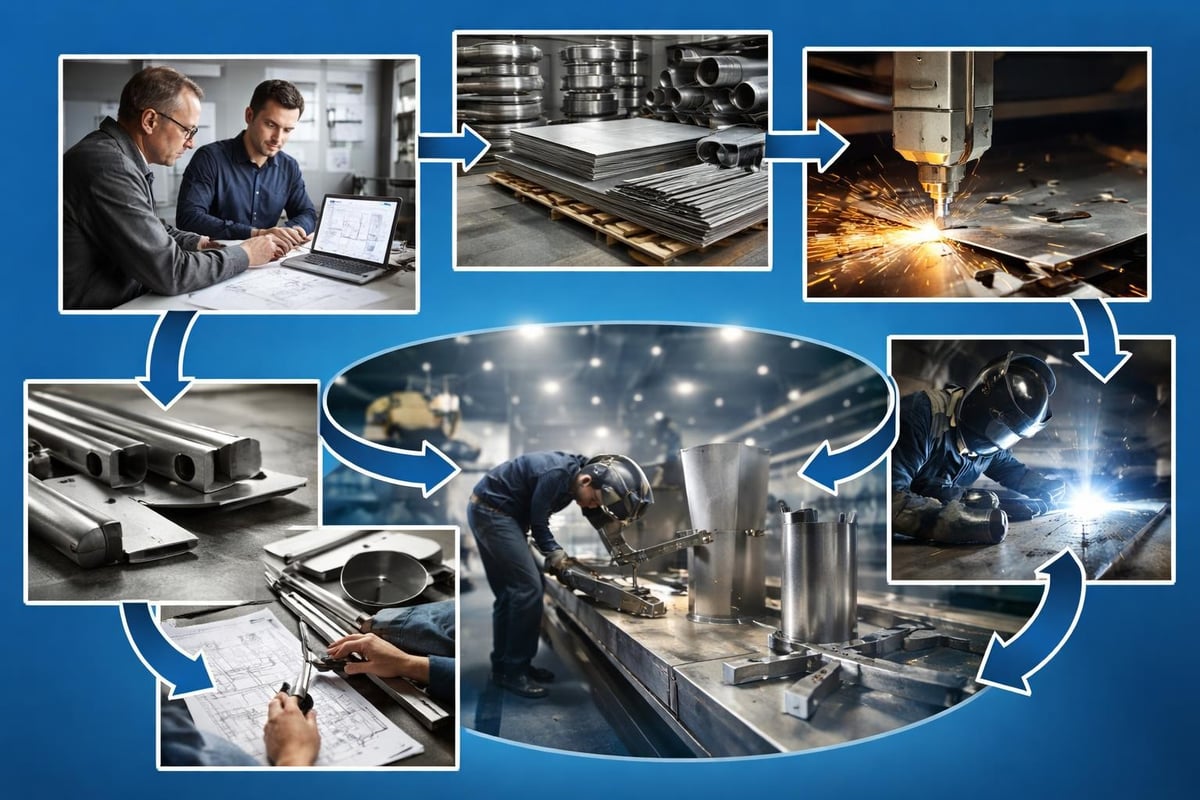
Custom metal fabrication transforms conceptual designs into functional industrial components. This process begins with engineering consultation, where fabricators work directly with clients to understand project specifications, material requirements, and performance criteria. The design phase incorporates CAD modeling and detailed blueprints that account for stress factors, environmental conditions, and integration with existing systems.
Material selection plays a critical role in fabrication success. Experienced fabricators recommend specific alloys, thicknesses, and grades based on application requirements:
- Carbon steel for structural components requiring strength and cost-effectiveness
- Stainless steel for corrosion-resistant applications in harsh environments
- Aluminum for lightweight assemblies where weight reduction matters
- Specialty alloys for extreme temperature or chemical exposure scenarios
The fabrication process itself involves multiple techniques working in concert. Cutting operations use plasma, laser, or waterjet technologies depending on material thickness and precision requirements. Forming processes bend, roll, or stamp metal into desired shapes. Assembly brings components together through welding, bolting, or riveting.
Welding Specialization and Certifications
Professional welding services distinguish superior metal fabrication companies from basic shops. Certified welders bring specialized expertise in multiple welding processes, each suited for specific applications and materials.
| Welding Process | Best Applications | Key Advantages |
|---|---|---|
| MIG (GMAW) | General fabrication, production runs | Fast, versatile, minimal cleanup |
| TIG (GTAW) | Precision work, exotic metals | Superior quality, clean welds |
| Stick (SMAW) | Field repairs, structural steel | Works in outdoor conditions |
| Flux-Core | Heavy structural components | Deep penetration, high deposition rates |
Industry certifications validate welding expertise and ensure compliance with stringent standards. AWS (American Welding Society) certifications demonstrate proficiency in specific welding processes and positions. ASME (American Society of Mechanical Engineers) certifications prove capability for pressure vessel and boiler work. These credentials matter particularly for projects requiring documented quality assurance and regulatory compliance.
Precision Machining and CNC Operations
Modern machining and fabrication services leverage computer numerical control (CNC) technology for unprecedented accuracy. CNC machining centers produce complex parts with tolerances measured in thousandths of an inch, repeatability across production runs, and consistency that manual machining cannot match.
Machining capabilities within a full-service metal fabrication company typically include:
- Milling operations for precise surface finishing and complex geometries
- Turning services for cylindrical components and shaft work
- Drilling and tapping for fastener holes and threaded connections
- Grinding for final dimensional accuracy and surface finish requirements
Integration between fabrication and machining departments creates significant advantages. Parts can move seamlessly from welded assemblies to precision machining without leaving the facility, reducing lead times and minimizing transportation risks. This coordination proves particularly valuable for large-scale industrial components that require both structural welding and precise machined features.
Industry Applications and Specialized Markets
A versatile metal fabrication company serves diverse industrial sectors, each with unique requirements and challenges. Understanding these market-specific needs helps fabricators deliver targeted solutions.
Oil and Gas Sector Requirements
The oil and gas industry demands fabricated components that withstand extreme pressures, corrosive environments, and critical safety standards. Industrial manufacturing companies serving this sector produce specialized equipment including pressure vessels, pipeline supports, valve manifolds, and processing equipment.
Material specifications in oil and gas fabrication often require exotic alloys and documented traceability. Every component must include material certifications, heat treatment records, and non-destructive testing results. Fabricators must maintain compliance with API (American Petroleum Institute) standards and demonstrate expertise in critical welding procedures.
Field services extend fabrication capabilities directly to production sites. Mobile welding units, portable machining equipment, and on-site repair capabilities minimize downtime when equipment failures occur in remote locations across the Western United States.
Recycling and Aggregate Operations
Recycling facilities and aggregate processing plants subject equipment to continuous abrasion, impact forces, and heavy loading. A metal fabrication company supporting manufacturing recycling operations focuses on durability and rapid turnaround for replacement parts.
Common fabrication projects in this sector include:
- Conveyor system components and chute assemblies
- Screen decks and classifier bodies
- Crusher wear parts and impact plates
- Structural supports and platform systems
- Custom hoppers and material handling equipment
The harsh operating environment in recycling and aggregate facilities means components wear predictably. Forward-thinking fabricators maintain dimensional records and material specifications for frequent replacement parts, enabling rapid reproduction when wear necessitates replacement.
Construction and Structural Steel Projects
Large-scale metal fabrication for construction projects requires coordination with general contractors, structural engineers, and project managers. Fabricators must interpret architectural drawings, understand building codes, and deliver components that meet exact specifications for fit-up on jobsites.
Structural steel fabrication follows stringent quality standards outlined in AISC (American Institute of Steel Construction) specifications. Welding procedures, material handling protocols, and fabrication tolerances must comply with building codes and engineering requirements. Many projects require third-party inspection and certification before components ship to construction sites.
Quality Control and Safety Standards in Metal Fabrication
Excellence in metal fabrication depends on systematic quality assurance and unwavering commitment to workplace safety. Leading companies implement comprehensive programs that protect workers and ensure consistent output quality.
Safety Protocols and OSHA Compliance
Metal fabrication environments present significant hazards that require proactive management. Safety practices in metal fabrication address thermal burns, eye injuries, respiratory hazards, and crushing risks through engineering controls, administrative procedures, and personal protective equipment.
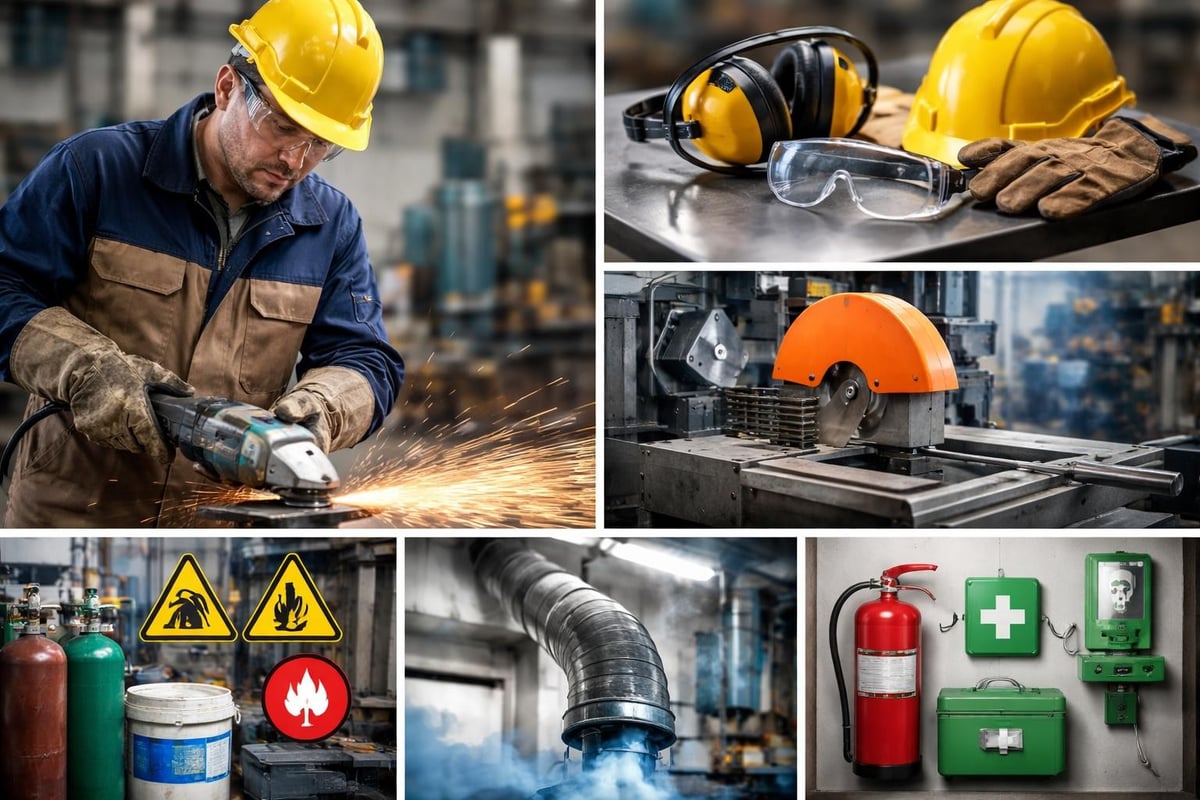
OSHA compliance requirements for metal fabrication shops cover multiple operational areas:
- Machine guarding prevents contact with moving parts and flying debris
- Ventilation systems control welding fumes and metal dust exposure
- Fire prevention manages combustible materials and hot work permits
- Electrical safety ensures proper grounding and lockout/tagout procedures
- Material handling prevents back injuries and crushing incidents
Regular safety training keeps employees current on hazard recognition and safe work practices. A metal fabrication company with strong safety culture demonstrates lower insurance costs, reduced downtime from injuries, and higher employee morale.
Inspection Methods and Quality Verification
Quality control in metal fabrication employs both destructive and non-destructive testing methods. Visual inspection catches obvious defects like incomplete fusion, cracks, or dimensional errors. More sophisticated techniques verify internal quality and structural integrity.
| Testing Method | Purpose | Application |
|---|---|---|
| Ultrasonic Testing (UT) | Internal flaw detection | Thick welds, critical joints |
| Magnetic Particle Testing (MT) | Surface crack detection | Ferrous materials, welds |
| Dye Penetrant Testing (PT) | Surface defect identification | Non-ferrous materials, all metals |
| Radiographic Testing (RT) | Complete weld inspection | Pressure vessels, code work |
Documentation accompanies every inspected component. Test reports, material certifications, and dimensional verification records provide traceability and demonstrate compliance with project specifications. For critical applications, third-party inspection services validate fabricator quality claims with independent verification.
Technology and Equipment Investments
Modern metal fabrication companies invest continuously in advanced equipment and process technologies. These investments determine capability limits, production efficiency, and competitive positioning in the marketplace.
CNC Plasma and Laser Cutting Systems
Precision CNC plasma cutting service suppliers offer dramatic advantages over manual cutting methods. CNC plasma systems cut complex shapes from steel plate with minimal operator intervention, exceptional edge quality, and optimized material utilization that reduces scrap.
Laser cutting technology provides even greater precision for thinner materials and intricate patterns. The focused laser beam produces narrow kerf widths, tight tolerances, and clean edges that often require no secondary finishing operations. For high-mix, low-volume production, these automated cutting systems deliver flexibility that manual cutting cannot match.
Nesting software maximizes material yield by arranging parts efficiently on sheets and plates. Sophisticated algorithms minimize waste while maintaining grain direction requirements and edge distance specifications. This optimization reduces material costs significantly on large production runs.
Robotic Welding Integration
Automation trends in metal fabrication increasingly incorporate robotic welding cells for repetitive, high-volume production. Robotic welders deliver consistent bead profiles, precise heat input control, and productivity rates that exceed manual welding while freeing skilled welders for complex tasks requiring human judgment.
Implementation of robotic welding requires significant upfront investment in equipment, programming, and fixturing. However, the return on investment materializes through reduced rework, faster cycle times, and consistent quality across production batches. The technology proves particularly valuable for standardized components produced regularly.
Project Management and Customer Communication
Technical capabilities mean little without effective project coordination and clear client communication. Successful metal fabrication companies excel at managing complex projects from initial quote through final delivery.
Estimating and Quote Development
Accurate fabrication quotes require detailed analysis of drawings, material costs, labor hours, and overhead allocation. Experienced estimators identify potential fabrication challenges during the quoting phase, recommending design modifications that improve manufacturability or reduce costs without compromising function.
The estimating process typically follows these steps:
- Review technical drawings and specifications for completeness
- Calculate material quantities with appropriate waste factors
- Estimate fabrication hours by operation and skill level required
- Add finishing operations like painting, coating, or heat treatment
- Include packaging, shipping, and delivery logistics
- Apply overhead rates and profit margins
Transparent pricing builds trust with clients. Detailed breakdowns show exactly where costs accumulate and provide opportunities for value engineering discussions that optimize project budgets.
Timeline Management and Delivery
Meeting promised delivery dates requires careful scheduling that accounts for material lead times, fabrication sequences, and quality inspection holds. A well-managed metal fabrication company maintains realistic production schedules with buffer time for unexpected complications.
Material procurement often determines overall project timelines. Standard carbon steel plate typically ships within days, while specialty alloys or exotic materials may require weeks for delivery. Fabricators with established supplier relationships and inventory management systems can accelerate material availability for time-sensitive projects.
Production monitoring tracks jobs through each fabrication stage. Digital systems provide real-time visibility into work-in-process status, enabling proactive communication when delays threaten delivery commitments. This transparency allows customers to adjust their schedules or expedite critical operations when necessary.
Field Services and On-Site Capabilities
A complete metal fabrication company extends capabilities beyond the shop floor to provide on-site services at customer facilities. Field capabilities prove essential for equipment too large to transport, repairs requiring minimal downtime, or installations in remote locations.
Mobile Welding and Repair Services
Field machining and mobile welding units bring shop-quality services to customer locations across the Western United States. Specialized trucks carry welding equipment, power generation, and safety gear required for on-site fabrication and repair work.
Common field service applications include:
- Emergency equipment repairs minimizing production downtime
- Structural modifications to existing installations
- Pipeline welding and infrastructure maintenance
- On-site fabrication of components too large for shop production
- Equipment alignment and bearing replacement
Field technicians combine fabrication skills with problem-solving abilities. Working without complete shop resources requires improvisation, adaptability, and creative solutions to unexpected challenges encountered in industrial environments.
Installation and Assembly Support
Many fabricated components require professional installation and integration with existing systems. A metal fabrication company offering installation services provides continuity from manufacturing through commissioning, eliminating coordination challenges between multiple contractors.
Installation crews understand fabrication tolerances and design intent, enabling efficient field adjustments when fit-up issues arise. Their familiarity with fabricated components accelerates installation compared to general contractors encountering the equipment for the first time.
Emerging Trends Shaping Metal Fabrication in 2026
The metal fabrication industry continues evolving through technological advancement, sustainability initiatives, and changing customer expectations. Forward-thinking companies adapt to these trends while maintaining core competencies.
Automation and Smart Manufacturing
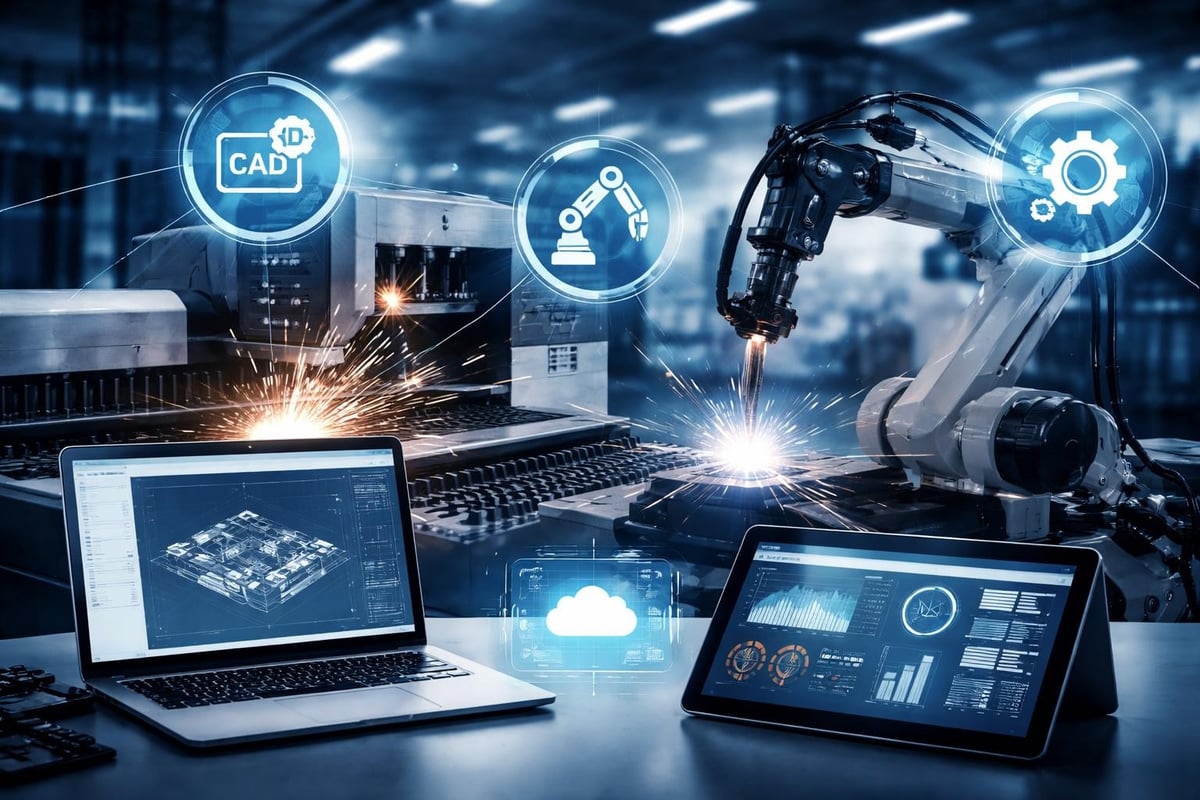
The state of metal fabrication in 2025 reveals accelerating automation across cutting, welding, and material handling operations. Smart manufacturing systems collect production data, optimize machine parameters, and predict maintenance needs before equipment failures occur.
Integration between CAD systems, nesting software, and CNC equipment creates seamless workflows from design to finished parts. Engineers design components in 3D modeling software, generate tool paths automatically, and transmit programs directly to production machines. This digital thread eliminates manual programming steps and reduces opportunities for errors.
Predictive maintenance systems monitor equipment performance through sensors that track vibration, temperature, and power consumption. Analytics identify patterns indicating impending failures, enabling scheduled maintenance that prevents unexpected breakdowns during critical production runs.
Sustainability and Environmental Responsibility
Environmental considerations in metal fabrication increasingly influence operational decisions and customer preferences. Sustainable practices reduce waste, minimize energy consumption, and demonstrate corporate responsibility that resonates with environmentally conscious clients.
Material efficiency starts with optimized nesting and cutting strategies that maximize yield from raw materials. Scrap metal recycling programs capture value from production waste while reducing landfill contributions. Many fabricators partner with specialized recyclers who purchase production scrap, partially offsetting material costs.
Energy management targets major consumption areas including compressed air systems, welding equipment, and HVAC operations. LED lighting retrofits, variable frequency drives on motors, and heat recovery systems reduce utility costs while lowering carbon footprints. These investments typically pay back within years through reduced operating expenses.
Workforce Development and Skilled Trades
The metal fabrication industry faces ongoing challenges recruiting and retaining skilled workers. Baby boomer retirements remove experienced fabricators, welders, and machinists from the workforce faster than younger workers enter the trades. Successful companies address this gap through apprenticeship programs, technical school partnerships, and competitive compensation packages.
Modern fabrication requires different skill sets than previous generations. Workers must combine traditional metalworking knowledge with CNC programming abilities, computer literacy, and quality system documentation. Training programs that develop these hybrid skills create more versatile employees capable of adapting to evolving technologies.
Selecting the Right Metal Fabrication Partner
Choosing a metal fabrication company impacts project success, ongoing maintenance costs, and long-term operational reliability. Systematic evaluation across multiple criteria helps identify the best partner for specific needs.
Capability Assessment and Shop Tour
Physical inspection of fabrication facilities reveals capabilities that websites and marketing materials may not fully convey. Shop tours show equipment condition, organizational cleanliness, and workflow efficiency. Well-maintained equipment indicates quality focus and investment in production capabilities.
Questions to ask during facility visits:
- What quality management systems guide production processes?
- How do you handle rush projects or expedited deliveries?
- What certifications do welders and quality inspectors maintain?
- Can you provide references from similar projects or industries?
- What is your typical lead time for projects of this scope?
Observation during tours provides additional insights. Employee engagement levels, safety compliance visibility, and work-in-process organization all indicate operational maturity and management effectiveness.
Certifications and Industry Credentials
Professional certifications demonstrate commitment to industry standards and technical excellence. Look for metal fabrication companies holding relevant credentials including ISO 9001 quality management certification, AWS welding certifications, and industry-specific qualifications matching project requirements.
Membership in professional organizations like the Fabricators & Manufacturers Association (FMA) or local manufacturing councils suggests engagement with industry best practices and continuing education. These affiliations provide fabricators access to technical resources, training programs, and peer networking that enhance capabilities.
Communication and Responsiveness
Initial interactions predict how a metal fabrication company will communicate throughout project execution. Prompt quote responses, detailed questions about specifications, and professional presentation indicate organizational competence and customer focus.
Effective fabricators ask probing questions about application requirements, operating conditions, and performance expectations. This consultative approach identifies potential issues before fabrication begins and often reveals opportunities for cost reduction or performance enhancement through design optimization.
Value-Added Services and Specializations
Differentiated metal fabrication companies offer specialized services that extend beyond basic cutting and welding. These capabilities solve specific customer challenges and create competitive advantages in targeted market segments.
Hydraulic System Integration
Hydraulic expertise within a fabrication shop enables integrated solutions combining structural fabrication with fluid power systems. Fabricators experienced in hydraulics design and install complete systems including:
- Custom hydraulic cylinders matched to specific force and stroke requirements
- Manifold blocks with integrated valving and pressure controls
- Reservoir tanks with filtration and cooling provisions
- Piping assemblies with proper fitting selection and routing
This integration proves particularly valuable for mobile equipment, industrial presses, and material handling machinery requiring coordinated structural and hydraulic components. Single-source responsibility simplifies project management and ensures compatibility between mechanical and hydraulic elements.
Water Jetting and Surface Preparation
High-pressure water jetting removes coatings, concrete, and corrosion without generating heat or sparks. This capability supports fabrication operations requiring surface preparation before welding or coating application. Water jetting also provides cutting services for materials unsuitable for thermal cutting processes.
Applications include:
- Concrete removal from embedded steel structures
- Coating removal before weld repairs or repainting
- Pipe cleaning and internal surface preparation
- Tank cleaning in petrochemical facilities
Equipment Refurbishment and Rebuilds
Industrial machinery refurbishment and maintenance extends equipment life while avoiding capital costs of new purchases. Experienced fabricators assess worn machinery, reverse-engineer obsolete components, and perform complete rebuilds restoring equipment to like-new condition.
Refurbishment projects combine fabrication, machining, and mechanical expertise. Worn bearing surfaces receive precision machining, damaged structural members get replaced with fabricated duplicates, and obsolete components are redesigned using modern materials and manufacturing techniques.
Success in industrial manufacturing requires partnerships with fabrication specialists who understand your industry's unique challenges and deliver reliable solutions on demanding timelines. Whether you need emergency field repairs, complex custom fabrication, or precision machining services, selecting a partner with comprehensive capabilities and proven expertise ensures project success. LTJ Industrial Services brings decades of experience serving the commercial and industrial manufacturing sectors throughout the Western United States, delivering high-quality metal fabrication, welding, and machining solutions that keep your operations running efficiently.