
The machining industry stands as a cornerstone of American manufacturing, supporting critical sectors from aerospace to energy production. As businesses across the United States seek precision manufacturing solutions, understanding the capabilities, regional strengths, and technological advances within machining USA becomes essential for maintaining competitive advantage. The landscape continues to evolve with digital integration, workforce development initiatives, and specialized service providers delivering custom solutions that meet increasingly complex industrial demands.
The State of Machining USA in 2026
American machining represents a diverse ecosystem of capabilities spanning coast to coast. The industry encompasses everything from small precision parts to large-scale industrial components, serving manufacturers who depend on accuracy measured in thousandths of an inch.
Economic Impact and Market Size
The machine shops sector in the United States employs hundreds of thousands of skilled workers and generates billions in annual revenue. This foundation supports downstream industries that rely on precision-manufactured components.
Key industry segments include:
- Job shop machining for custom and prototype work
- Production machining for high-volume manufacturing
- Precision grinding and finishing operations
- Tool and die manufacturing
- Mold and fixture production
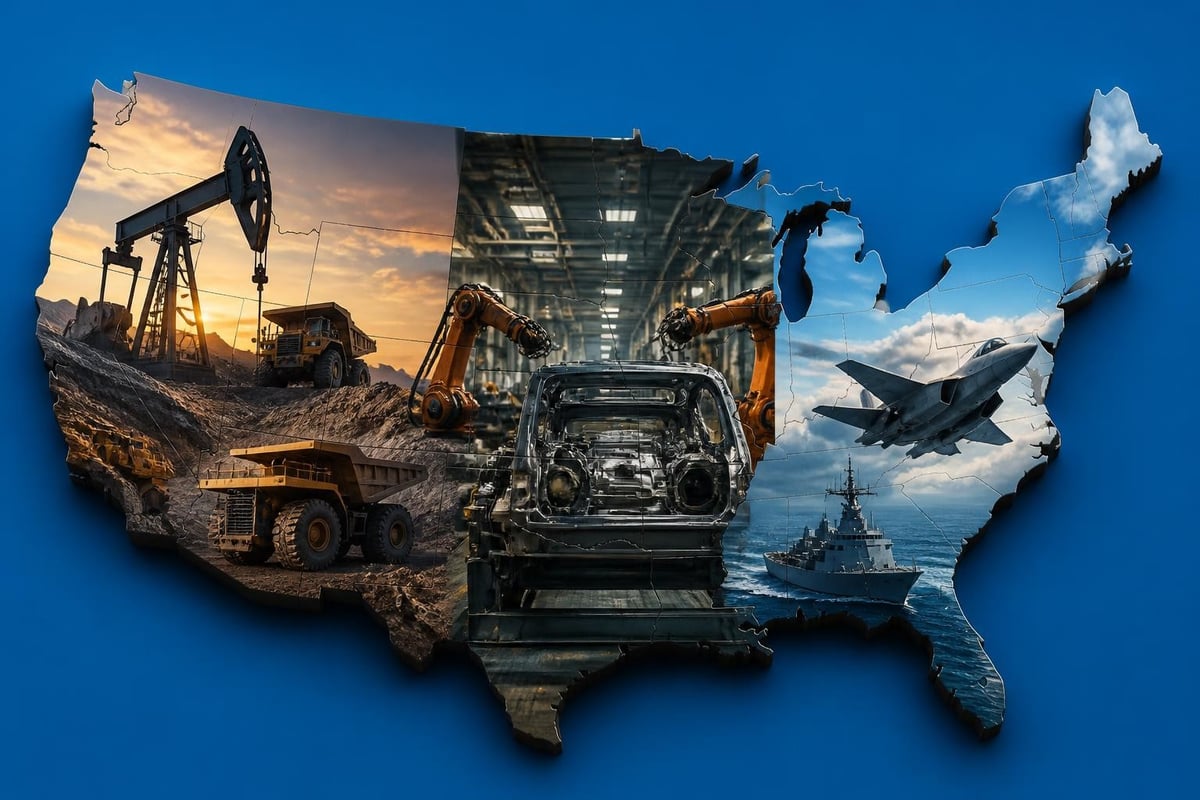
Regional variations create unique specializations. The Western states, including Colorado, Montana, and Wyoming, serve energy, mining, and aggregate industries with field-responsive capabilities. Meanwhile, the Midwest maintains its traditional strength in automotive and heavy equipment manufacturing.
Technology Integration and Capabilities
Modern machining USA facilities combine traditional expertise with cutting-edge technology. Computer Numerical Control (CNC) equipment dominates production floors, enabling repeatability and precision that manual operations cannot match.
| Technology Type | Primary Application | Precision Level | Typical Industries |
|---|---|---|---|
| CNC Milling | Complex 3D parts | ±0.001" | Aerospace, Medical |
| CNC Turning | Cylindrical components | ±0.0005" | Oil & Gas, Automotive |
| Wire EDM | Intricate details | ±0.0001" | Tool & Die, Electronics |
| Waterjet Cutting | Heat-sensitive materials | ±0.005" | Composites, Glass |
| Swiss Machining | Small precision parts | ±0.0002" | Medical, Electronics |
Companies providing manufacturing and machining services integrate multiple capabilities under one roof, reducing lead times and simplifying vendor management for clients. This consolidation proves particularly valuable for industries like recycling and aggregate processing, where downtime directly impacts revenue.
Regional Strengths in American Machining
Geography influences specialization within machining USA. Proximity to raw materials, industry clusters, and transportation infrastructure shapes regional capabilities and expertise.
Western United States Advantages
The Rocky Mountain region offers distinct benefits for industrial clients. Lower population density means more space for large-scale operations, while proximity to energy production, mining, and natural resource extraction creates deep expertise in supporting these sectors.
Western machining providers excel in:
- Field machining and on-site repairs
- Large component fabrication and repair
- Hydraulic system rebuilding
- Custom solutions for remote locations
- Quick response to critical equipment failures
Companies like those offering industrial machinery refurbishment and maintenance understand the unique challenges of serving dispersed industrial operations across vast territories. The ability to mobilize equipment and technicians to remote sites distinguishes Western providers from shops limited to in-house work.
Industry-Specific Machining Expertise
Different sectors demand specialized knowledge. A shop serving aerospace manufacturers requires different certifications and capabilities than one supporting aggregate producers or oil field operations.
- Energy sector machining focuses on large shafts, flanges, and valve components with materials resistant to corrosive environments
- Aggregate and recycling equipment demands robust repair capabilities for crushers, screens, and conveyors subject to extreme wear
- Manufacturing support requires quick-turn prototyping and production of jigs, fixtures, and replacement parts
- Construction equipment needs precision hydraulic components and structural reinforcement fabrication
The National Institute of Standards and Technology provides research and standards that help American manufacturers maintain quality across diverse applications, ensuring consistency regardless of regional location or specialty focus.
Workforce Development and Skills Training
The machining USA industry faces ongoing workforce challenges as experienced machinists retire and technology evolves. Addressing this skills gap requires coordinated efforts between industry, education, and government.
Training Programs and Initiatives
Organizations like America’s Cutting Edge offer free training programs designed to introduce newcomers to machining careers. These initiatives combine online coursework with hands-on experience, creating pathways for those without traditional manufacturing backgrounds.
Effective training programs include:
- Blueprint reading and geometric dimensioning
- CNC programming and operation
- Precision measurement techniques
- Material properties and tool selection
- Quality control and inspection methods
Regional technical colleges partner with local manufacturers to ensure curriculum matches actual industry needs. This collaboration produces graduates ready to contribute immediately rather than requiring extensive on-the-job training.
Attracting Next-Generation Talent
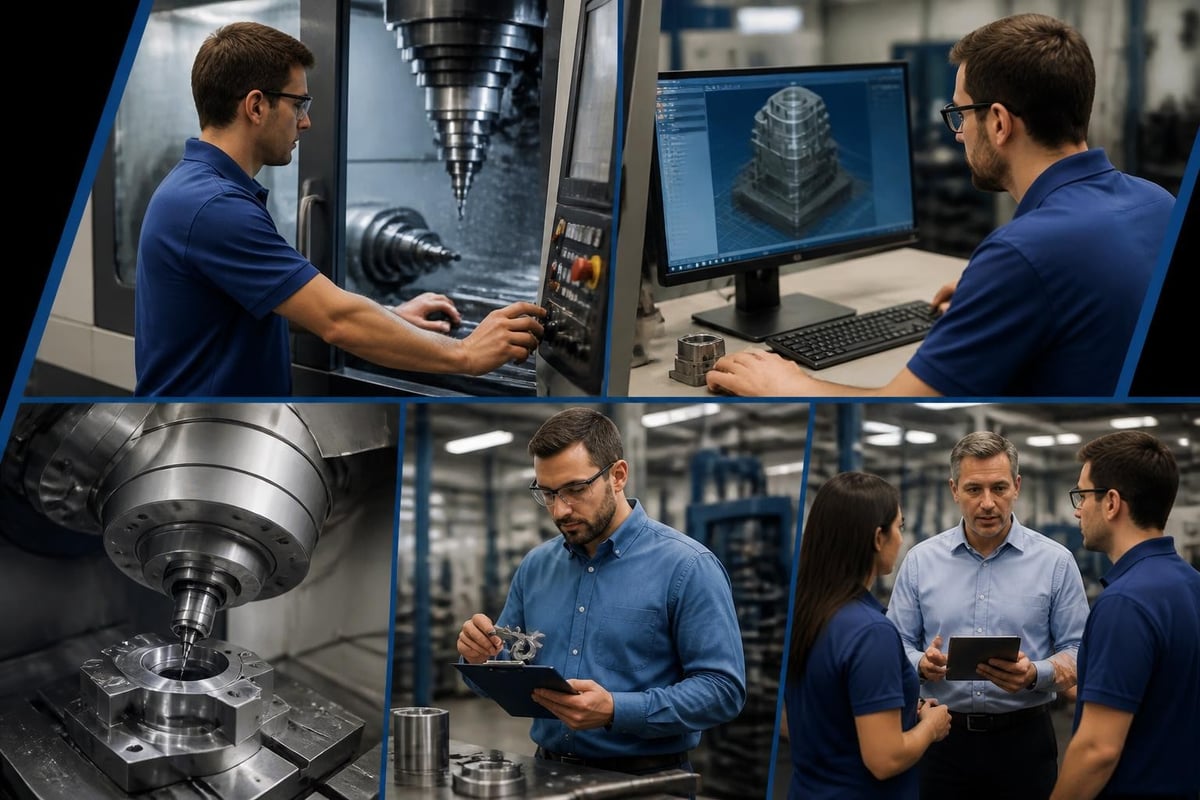
Modern machining bears little resemblance to the dirty, dangerous factories of decades past. Climate-controlled facilities house sophisticated computer-controlled equipment that appeals to tech-savvy workers seeking stable, well-paying careers.
| Career Stage | Typical Role | Average Experience | Key Responsibilities |
|---|---|---|---|
| Entry Level | Machine Operator | 0-2 years | Setup, operation, basic inspection |
| Intermediate | CNC Programmer | 2-5 years | Programming, troubleshooting, optimization |
| Advanced | Manufacturing Engineer | 5-10 years | Process design, quality systems, training |
| Expert | Shop Manager | 10+ years | Operations, client relations, strategic planning |
Companies that invest in employee development through certifications, continuing education, and clear advancement paths report better retention and higher quality output. This investment pays dividends through reduced errors, improved efficiency, and enhanced problem-solving capabilities.
Integration of Fabrication and Machining Services
The most effective manufacturing partners provide comprehensive capabilities extending beyond pure machining. Integration of metal fabrication services with precision machining creates seamless workflows for complex projects.
Combined Capabilities Advantages
When fabrication and machining exist under one roof, projects flow smoothly from raw material to finished component. A team can weld structural elements, then machine precision mounting surfaces without transferring the workpiece between vendors.
- Reduced lead times through elimination of shipping delays
- Better dimensional control with single-vendor accountability
- Cost savings from consolidated project management
- Improved communication and problem resolution
- Flexible scheduling to meet urgent deadlines
This integration particularly benefits industries like oil and gas, where equipment failures demand rapid response. A provider offering both welding services and machining capabilities can fabricate a replacement component and machine critical bearing surfaces in a single mobilization.
Field Service Capabilities
The distinction between shop-based and field-capable providers significantly impacts service value for industrial clients. While many machining USA facilities operate exclusively from fixed locations, field-responsive companies bring capabilities directly to client sites.
Field machining applications include:
- On-site boring and line boring of large equipment
- Flange facing and preparation for critical seals
- Emergency shaft repair and restoration
- Portable milling for structural repairs
- In-situ cylinder honing and finishing
Companies providing machining and fabrication services in remote locations understand that mobilizing equipment to the worksite often proves more economical than transporting massive components to distant shops. This capability reduces downtime and maintains production schedules for clients.
Quality Standards and Industry Certifications
Precision machining demands rigorous quality control. The machining USA industry operates under various standards ensuring consistency, traceability, and reliability across projects and providers.
Measurement and Inspection Technologies
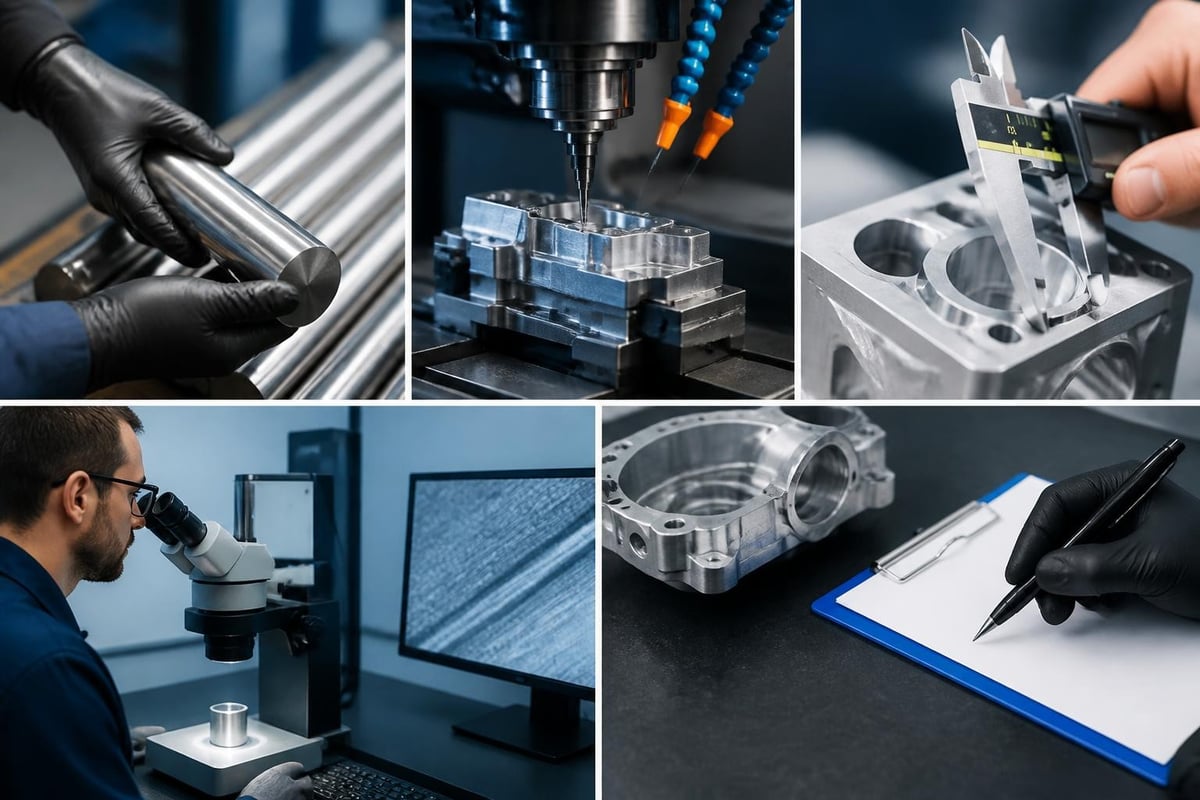
Modern quality control extends far beyond basic calipers and micrometers. Coordinate measuring machines (CMMs), laser scanners, and optical comparators verify complex geometries with sub-micron accuracy.
Quality assurance processes typically include:
- First article inspection protocols
- In-process monitoring and statistical process control
- Final dimensional verification and documentation
- Material certifications and traceability
- Non-destructive testing when specified
Resources like American Machinist provide ongoing education about evolving quality standards, new measurement technologies, and best practices for maintaining precision throughout production runs. Staying current with these developments separates exceptional providers from those merely meeting minimum requirements.
Industry-Specific Standards
Different sectors impose unique requirements. Aerospace demands AS9100 certification, medical devices require ISO 13485, and pressure vessel work follows ASME Section VIII guidelines. Understanding which standards apply to specific projects ensures compliance and customer satisfaction.
Strategic Partnerships and Supply Chain Considerations
Selecting machining USA partners involves evaluating capabilities, capacity, location, and responsiveness. The right relationship transforms a vendor into a strategic asset that enhances operational efficiency.
Vendor Selection Criteria
Successful partnerships begin with thorough evaluation. Beyond basic capabilities, consider factors that impact long-term collaboration and project success.
| Evaluation Factor | Key Questions | Why It Matters |
|---|---|---|
| Technical Capability | Can they handle your tolerances and materials? | Prevents quality issues and rework |
| Capacity | Do they have bandwidth for your volumes? | Ensures reliable delivery schedules |
| Geographic Location | Can they provide field service if needed? | Reduces response time for emergencies |
| Industry Experience | Have they served similar clients? | Leverages proven solutions |
| Quality Systems | What certifications and processes exist? | Guarantees consistent results |
The Manufacturing USA network connects businesses with research institutes developing advanced manufacturing technologies, offering insights into emerging capabilities that forward-thinking partners adopt early.
Building Long-Term Relationships
Transactional vendor relationships limit value creation. Strategic partnerships enable collaborative problem-solving, continuous improvement, and preferential treatment during capacity constraints.
Clients benefit when machinists understand their equipment, operating conditions, and maintenance philosophies. This familiarity enables proactive recommendations for design improvements, material upgrades, or process modifications that extend component life or reduce costs.
Regular communication, transparent pricing, and mutual respect form the foundation of productive long-term relationships. Companies offering manufacturing projects support recognize that client success drives their own growth, aligning incentives toward shared goals.
Specialty Machining Applications
While general machining USA capabilities serve broad markets, specialized applications require unique expertise, equipment, and certifications that distinguish providers within their niches.
Large-Scale and Heavy Components
Machining components weighing thousands of pounds demands equipment, facilities, and expertise beyond typical job shops. Vertical boring mills, heavy-duty lathes, and gantry mills accommodate massive workpieces that smaller machines cannot handle.
Large component applications include:
- Mining equipment shafts and gears
- Industrial pump housings and impellers
- Crusher components and wear parts
- Structural machinery bases and frames
- Custom industrial equipment assembly
Facilities providing large-scale metal fabrication combine fabrication capabilities with machining equipment sized appropriately for industrial-scale components. This combination proves essential for clients in aggregate, recycling, and heavy construction markets.
Precision Hydraulic Components
Hydraulic systems power countless industrial applications, and component precision directly impacts system performance, efficiency, and reliability. Cylinder boring, rod machining, and valve body preparation require specialized knowledge.
- Cylinder barrel honing achieves surface finishes enabling proper seal function and preventing leakage
- Piston rod grinding maintains concentricity and surface quality for extended seal life
- Valve body machining ensures proper flow characteristics and pressure ratings
- Manifold drilling and tapping creates leak-free connections at specified pressures
Companies with hydraulic expertise understand the relationship between surface finish, material selection, and operating conditions, enabling them to recommend optimal specifications for each application rather than simply following prints without question.
Market Trends Shaping Machining USA
The American machining landscape continues evolving in response to technological advancement, economic pressures, and changing customer expectations. Understanding these trends helps businesses position themselves for future success.
Automation and Lights-Out Manufacturing
Unattended machining operations maximize equipment utilization and reduce per-part costs. Automated part loading, tool changing, and inspection systems enable extended production runs without human intervention.
However, full automation requires significant capital investment that smaller shops struggle to justify. The trend favors larger operations or those serving high-volume markets where investment returns materialize quickly.
Reshoring and Domestic Manufacturing Growth
Global supply chain disruptions accelerated interest in domestic sourcing. Companies previously relying on overseas machining increasingly seek machining USA providers offering competitive pricing with superior responsiveness and communication.
This trend particularly benefits providers in industries where technical collaboration, rapid prototyping, and emergency response matter more than absolute lowest per-piece cost. Domestic proximity enables face-to-face problem-solving and same-day delivery when critical situations demand immediate action.
Resources like the directory of U.S. manufacturers help buyers identify domestic suppliers across specialties, supporting the reshoring movement by improving visibility into American manufacturing capabilities.
Sustainable Manufacturing Practices
Environmental consciousness influences machining practices through coolant recycling, energy-efficient equipment, and waste reduction initiatives. While compliance drives some changes, progressive companies recognize sustainability as competitive advantage.
Sustainable machining practices include:
- Minimum quantity lubrication reducing coolant consumption
- Energy-efficient spindle motors and drive systems
- Chip recycling programs capturing material value
- Renewable energy integration where feasible
- Process optimization reducing scrap generation
Clients increasingly evaluate suppliers on environmental performance, making sustainability investments strategic rather than purely regulatory responses.
Navigating Economic Factors in Machining
Macroeconomic conditions, material costs, and capacity utilization rates create a dynamic pricing environment within machining USA. Understanding these factors helps both buyers and providers navigate market fluctuations.
Material Cost Impacts
Raw material represents significant project cost, and price volatility in steel, aluminum, and specialty alloys impacts overall budgets. Savvy machining partners maintain relationships with multiple suppliers, securing competitive pricing while ensuring material availability.
Some providers stock commonly used materials, absorbing short-term price fluctuations to offer stable pricing. Others operate strictly on provided material or pass-through pricing, transferring market risk to customers. Understanding each model's implications helps buyers structure agreements appropriately.
Capacity and Lead Time Fluctuations
Machining USA capacity tightens during economic expansions as manufacturers increase production. Lead times extend, pricing firms, and shops become selective about projects they accept.
Conversely, economic slowdowns create excess capacity, compressing margins and incentivizing shops to accept lower-margin work maintaining employee utilization. Strategic buyers leverage these cycles, consolidating vendors during tight markets while negotiating favorable terms when capacity loosens.
The machining USA landscape offers diverse capabilities serving every industrial sector across the nation. Success depends on identifying partners with appropriate technical expertise, geographic proximity, and commitment to quality that matches your operational demands. Whether you need precision components, emergency repairs, or comprehensive fabrication and machining support, the right provider becomes a force multiplier for your operation. For businesses throughout the Western United States requiring responsive machining, fabrication, and field services, LTJ Industrial Services delivers the comprehensive capabilities and industrial expertise that keep your equipment running and your projects on schedule.