
Unlock next-generation precision and efficiency as you explore the future of machining metal in 2026. This comprehensive guide is designed to help you master the latest machining metal techniques, understand best practices, and leverage expert tips tailored for the modern manufacturing landscape.
Get ready to discover core machining fundamentals, breakthrough technologies, step-by-step processes, material selection strategies, troubleshooting advice, and actionable insights that drive productivity. Whether you are refining your skills or seeking to optimize your operation, this resource will help you stay competitive.
Gain future-ready knowledge and expertise that transforms your machining metal results. Let’s dive in and shape the future of manufacturing, one part at a time.
Understanding Metal Machining: Core Concepts for 2026
Metal machining stands at the heart of modern manufacturing, shaping everything from everyday tools to advanced aerospace components. As we approach 2026, understanding the fundamentals of machining metal is essential for anyone aiming to stay competitive in the industry.

What is Metal Machining?
Machining metal refers to the process of transforming raw metal into precise parts using controlled material removal. This field encompasses a wide range of methods, from manual turning to advanced computer-controlled cutting.
Precision and surface finish are crucial in machining metal, directly impacting product performance and longevity. Unlike additive manufacturing, which builds parts layer by layer, machining metal relies on subtractive techniques to achieve tight tolerances.
Industries such as automotive, aerospace, oil and gas, and recycling all depend on machining metal for critical components. With a projected 5% annual growth through 2026, the importance of this field continues to rise. For a deeper dive into machining metal fundamentals and services, explore the Manufacturing and Machining Overview.
Evolution of Machining Technologies
The journey of machining metal began with manual lathes and has rapidly advanced to smart CNC systems. Automation, robotics, and artificial intelligence now play pivotal roles in boosting productivity and consistency.
Industry 4.0 has ushered in the Industrial Internet of Things (IIoT), connecting machines for real-time data exchange. This integration enables predictive maintenance, reducing downtime and extending equipment life.
A key milestone in the evolution of machining metal is the adoption of real-time monitoring systems. These innovations allow manufacturers to identify inefficiencies and optimize every step of the machining metal process.
Essential Terminology and Units
To master machining metal, familiarity with core terminology is vital. Here are some essential terms and their measurement units:
| Term | Definition | Unit (Metric/Imperial) |
|---|---|---|
| Tolerance | Acceptable dimensional variation | mm, µm, inch |
| Feed | Tool movement per revolution | mm/rev, inch/rev |
| Speed | Spindle rotation rate | RPM |
| Depth of Cut | Thickness of material removed per pass | mm, inch |
| Chip Load | Material removed per tooth per revolution | mm/tooth, inch/tooth |
Understanding these specifications ensures quality and repeatability in machining metal, regardless of global measurement standards.
Safety and Environmental Considerations
Safety is paramount in any machining metal operation. Modern standards require machinists to use personal protective equipment, including gloves, goggles, and hearing protection.
Environmental regulations are also shaping how machining metal processes are managed. Shops must handle metalworking fluids and waste responsibly, adopting eco-friendly coolants and recycling practices. For example, many facilities now employ closed-loop systems to reduce environmental impact and meet regulatory requirements.
By prioritizing safety and sustainability, manufacturers can ensure a responsible approach to machining metal in 2026.
Step-by-Step Machining Techniques: From Setup to Finishing
Unlocking the full potential of machining metal in 2026 requires a methodical approach from the initial setup to the final inspection. Each stage plays a vital role in achieving precision, efficiency, and consistent quality for every component produced.
Preparing for Machining: Planning and Setup
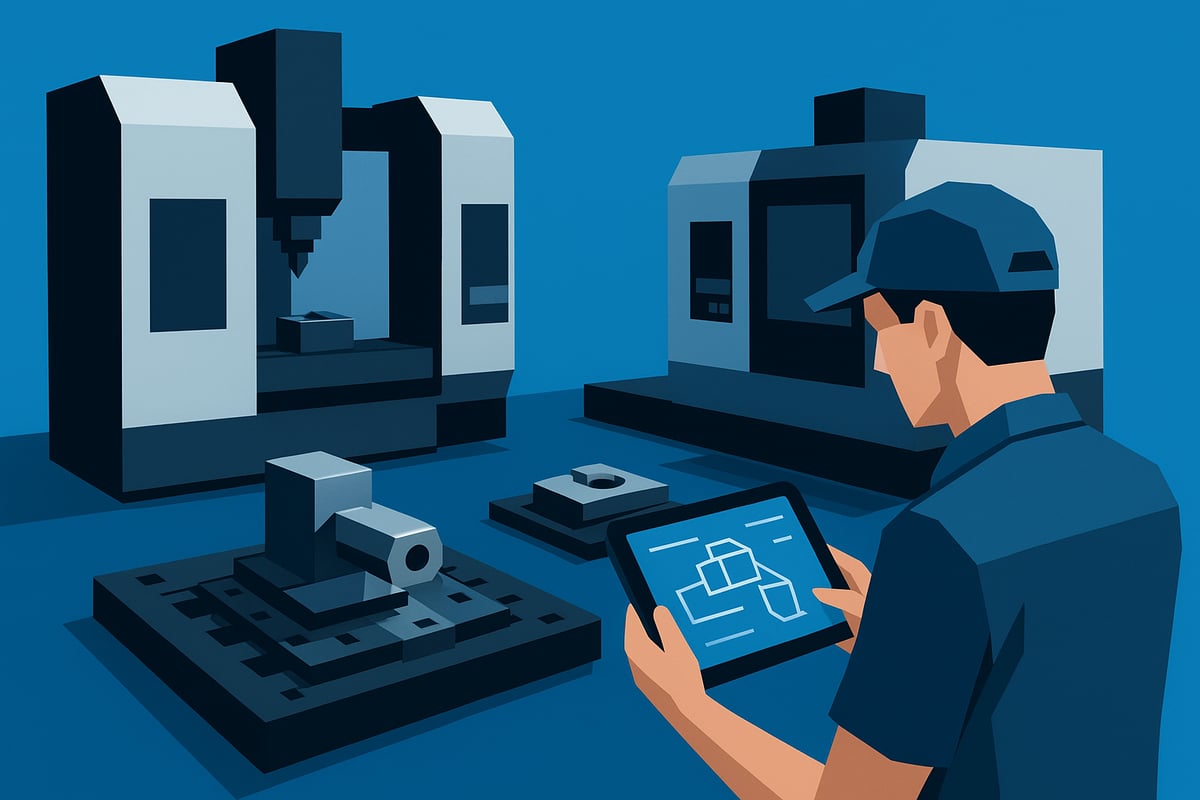
A successful machining metal project begins with thorough preparation. Start by interpreting blueprints and reviewing CAD or CAM files to ensure all dimensions and tolerances are clear. This step is crucial for preventing errors downstream.
Choose the right machine type for the job. CNC systems offer speed and repeatability, while manual or hybrid machines provide flexibility for custom or low-volume work. Selecting proper workholding and fixturing is equally important. Modular fixtures can minimize setup time and boost productivity, especially in high-mix environments.
- Review blueprints and CAD/CAM files.
- Select machine: CNC, manual, or hybrid.
- Use modular fixturing for efficiency.
Careful planning at this stage ensures each subsequent step in machining metal is set up for maximum accuracy.
Material Selection and Preparation
Choosing the correct material is a cornerstone of machining metal. Consider factors such as strength, machinability, and supplier certifications. Metals like steel, aluminum, titanium, and brass each offer unique benefits for different industries.
Hardness and machinability ratings help determine how easily a material can be shaped. For instance, aluminum alloys remain the top pick in aerospace due to their lightweight properties, while steel dominates heavy industry for its strength. Always verify supplier certifications to ensure material quality and traceability.
| Metal | Key Use Case | Machinability | Certification Need |
|---|---|---|---|
| Steel | Heavy industry | Medium | High |
| Aluminum | Aerospace | High | High |
| Titanium | Medical/aerospace | Low | Very High |
Proper preparation, including cleaning and verifying dimensions, sets the stage for flawless machining metal operations.
Tooling Selection and Optimization
Tool choice directly impacts the quality and efficiency of machining metal. End mills, drills, and inserts are common, but selecting the right material—carbide or high-speed steel (HSS)—is essential for optimal results. Coated tools extend life and improve performance, especially when dealing with tough metals.
Tool geometry, such as flute count and angle, influences chip evacuation and surface finish. For cost savings, indexable inserts can be swapped out quickly without replacing the entire tool.
- Choose tool material: carbide for durability, HSS for versatility.
- Select geometry for chip control.
- Use coated or indexable inserts for efficiency.
Optimizing tooling at this stage ensures the machining metal process is both economical and precise.
Machining Operations Breakdown
The core of machining metal involves various operations, each suited for specific shapes and tolerances. Turning is ideal for cylindrical parts like shafts and bushings. Milling enables the creation of complex contours and features. Drilling produces precise holes with minimal runout, while grinding is used for achieving tight tolerances and smooth surfaces.
Advanced processes such as EDM and laser cutting are invaluable for hard metals or intricate geometries. Multi-axis CNC machining allows for the production of complex aerospace components in fewer setups, reducing lead times and errors.
For a deeper understanding of how modern shops are leveraging advanced CNC processes for heavy industry, review this CNC Machining for Heavy Industry resource.
Efficient execution of each operation is key to maintaining quality and productivity in machining metal.
Finishing and Quality Control
The final stages of machining metal focus on surface perfection and dimensional accuracy. Deburring removes sharp edges, while specialized finishing methods achieve the required surface smoothness. Inspection is performed using digital calipers and coordinate measuring machines (CMMs) to verify tolerances.
For high-precision sectors like medical device manufacturing, achieving a surface roughness below Ra 0.8 µm is common. Thorough quality control ensures components meet all client and regulatory requirements, closing the loop on a successful machining metal workflow.
Advanced Machining Technologies and Trends for 2026
The landscape of machining metal is rapidly evolving as manufacturers embrace advanced technologies for greater efficiency and precision. In 2026, machine shops and factories are investing in smarter systems, sustainable practices, and robust data analytics to stay ahead of the competition. Explore the most impactful trends and tools shaping the future of machining metal.
CNC Machining: Automation and Smart Manufacturing
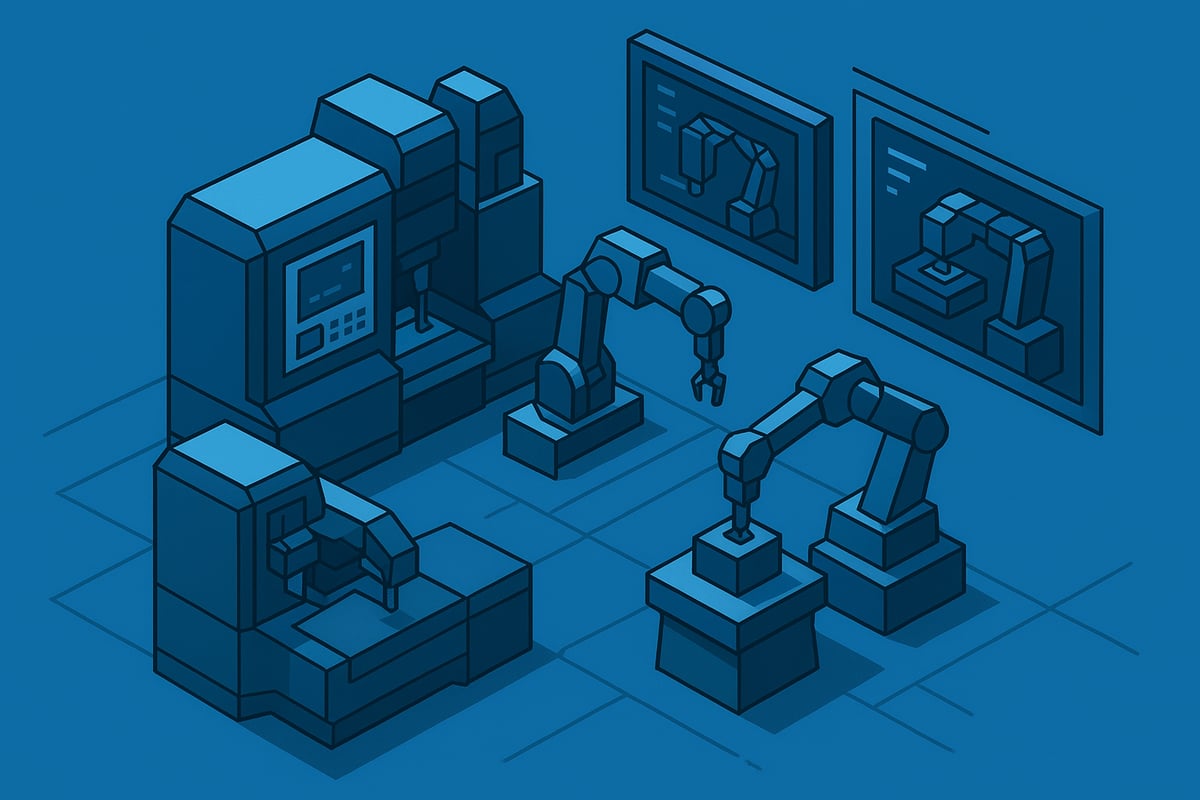
CNC technology is transforming machining metal with the latest 5-axis and multi-tasking machines. These advanced systems enable complex geometries and faster cycle times, all while maintaining high precision.
Smart manufacturing integrates IoT sensors directly into CNC equipment, providing real-time feedback on temperature, vibration, and tool wear. With predictive maintenance, downtime is minimized and productivity is maximized. For example, adaptive feed rate adjustments respond instantly to cutting conditions, keeping machining metal both efficient and consistent.
Additive/Subtractive Hybrid Processes
The synergy of additive and subtractive techniques is redefining what is possible in machining metal. Hybrid machines can 3D print a basic shape from metal powder, then finish the part with precise milling or turning. This approach cuts lead times and material waste.
In rapid prototyping, hybrid processes allow engineers to iterate designs quickly. For low-volume production, manufacturers achieve intricate features that would be challenging with traditional methods alone. As a result, machining metal becomes more versatile and cost-effective, especially for aerospace brackets and custom tooling.
Robotics and Collaborative Automation
Robotics are now deeply embedded in machining metal operations. Collaborative robots, or cobots, assist with part loading, unloading, and inspection, freeing skilled machinists to focus on programming and process optimization.
Automated tool changers and integrated vision systems ensure parts are handled with care and accuracy. In high-mix, low-volume shops, lights-out manufacturing—where machines run unattended—has become a reality. This level of automation boosts throughput, reduces labor costs, and enhances the consistency of machining metal.
Digital Twins and Simulation
Digital twins are revolutionizing how machining metal processes are planned and executed. These virtual replicas of machines and workflows allow engineers to simulate toolpaths, optimize cycle times, and identify potential errors before production begins.
By leveraging data from real-world operations, digital twins support continuous improvement and risk reduction. For a deeper dive into how digital twins and hybrid manufacturing are shaping the future, see 2026 CNC Machining Trends: 5 Key Shifts. In practice, simulating toolpaths prevents collisions and ensures safe, efficient machining metal.
Sustainable and Green Machining
Sustainability is now central to machining metal. Many shops are switching to eco-friendly coolants and adopting minimum quantity lubrication (MQL) to reduce fluid consumption. MQL can lower coolant use by up to 40 percent, decreasing both costs and environmental impact.
Energy-efficient machines and improved recycling of scrap metal further minimize the carbon footprint. These green practices not only meet regulatory requirements but also appeal to customers seeking responsible manufacturing partners for machining metal.
Data Analytics and Quality Assurance
Data analytics is transforming quality control in machining metal. Big data platforms track tool wear, machine performance, and process stability in real time. Automated Statistical Process Control (SPC) systems detect deviations, triggering immediate corrective actions.
AI-driven alerts help prevent out-of-tolerance conditions, ensuring every part meets strict specifications. With data-driven decision-making, shops achieve higher yields and consistent quality in machining metal, setting new industry standards.
Choosing and Working with Machining Materials
Selecting the right materials is essential for successful machining metal projects. The choice of metal affects every step, from cutting speed to final product performance. Understanding properties, machinability, and sourcing helps ensure reliable, high-quality results.

Common Metals for Machining: Properties and Use Cases
Different metals bring unique advantages to machining metal applications. Choosing the right one depends on strength, weight, corrosion resistance, and cost. The following table summarizes key properties and uses:
| Metal | Properties | Typical Uses |
|---|---|---|
| Steel | Strong, affordable | Automotive, oil, gas |
| Aluminum | Lightweight, easy to machine | Aerospace, electronics |
| Brass | Corrosion-resistant, machinable | Valves, fittings |
| Titanium | High strength-to-weight | Medical, aerospace |
| Cast Iron | Durable, vibration-damping | Machine bases, pumps |
Industry trends show that machining metal will increasingly focus on advanced alloys and sustainable practices. For more context on global demand and usage, see the Global Metals and Steel Industry Trends 2025/2026.
Material Machinability and Grade Selection
Machinability measures how easily a metal can be cut, shaped, or drilled. The machinability index compares metals like steel, aluminum, and brass to help users choose the best option for machining metal tasks.
When selecting a grade, consider:
- Required strength
- Corrosion and heat resistance
- Surface finish needs
- Cost and availability
For example, 6061 aluminum is preferred for general machining metal needs, while 7075 offers higher strength for aerospace. Always match the grade to the project requirements.
Handling Material Challenges
Some metals present unique challenges during machining metal processes. Inconel and hardened steels are tough and can cause rapid tool wear. Work hardening, where the material becomes harder as it is machined, complicates chip control and increases heat.
To overcome these issues:
- Select tools with advanced coatings
- Use proper coolants and slow feeds
- Optimize cutting parameters
For titanium, using sharp carbide tools and controlled speeds reduces heat buildup and extends tool life when machining metal.
Sourcing and Certification
Reliable sourcing is crucial for quality and compliance in machining metal. Traceability ensures each batch meets industry standards and customer requirements. Look for suppliers with certifications like:
- ISO 9001 (General quality)
- AS9100 (Aerospace)
- Material test reports
Avoid counterfeit or substandard metals by insisting on full documentation and approved suppliers. Quality sourcing supports safety and consistent machining metal performance.
Troubleshooting and Optimizing Machining Processes
Troubleshooting and optimizing machining metal operations is critical for maintaining productivity and delivering quality results. By understanding common challenges, applying proven optimization strategies, implementing effective maintenance, and ensuring quality control, shops can consistently achieve high standards and reduce costly downtime.
Common Machining Problems and Solutions
Machining metal comes with its share of challenges. Tool wear, excessive chatter, poor surface finish, and dimensional inaccuracies can disrupt workflow and impact final part quality.
Here are some common issues and solutions:
- Tool wear: Check for proper tool selection and replace or regrind as needed.
- Chatter: Adjust feeds and speeds, verify rigid workholding.
- Poor finish: Ensure sharp tools, use correct coolant, and maintain clean cutting environments.
- Dimensional errors: Calibrate machines regularly and use precise measuring instruments.
For example, if vibration is present, adjusting the feed rate or speed can resolve the issue. Regularly monitoring these parameters ensures consistent results when machining metal.
Process Optimization Strategies
To increase efficiency in machining metal, shops are adopting lean manufacturing and continuous improvement methods. Reducing cycle times and minimizing waste are top priorities.
Key strategies include:
- Implementing Kaizen for ongoing improvements.
- Using SMED (Single-Minute Exchange of Dies) to cut setup times.
- Optimizing toolpaths and batch sizes for higher throughput.
For more on optimizing manufacturing processes and staying ahead of industry trends, visit Industrial Manufacturing Insights.
These approaches not only boost productivity but also lower costs in machining metal operations.
Maintenance and Tool Management
Effective maintenance is essential for reliable machining metal processes. Shops should distinguish between predictive and preventive maintenance to maximize equipment uptime.
Best practices include:
- Scheduling regular machine inspections and lubrication.
- Monitoring tool life with digital systems.
- Establishing tool regrinding and replacement intervals.
Some facilities use RFID for real-time tool tracking, preventing unexpected failures. Proper maintenance directly extends tool life and reduces unplanned downtime in machining metal environments.
Quality Control and Documentation
Maintaining high standards is crucial when machining metal. Rigorous inspection protocols help ensure every part meets specifications.
Quality control essentials:
- Use of CMMs and digital calipers for accurate measurements.
- Statistical Process Control (SPC) charts to monitor process stability.
- Documenting inspection results for traceability and compliance.
For ISO-certified shops, digital inspection records are vital for audits and customer trust. Consistent documentation supports long-term quality when machining metal components.
Expert Tips for Machining Success in 2026
Unlocking the full potential of machining metal in 2026 requires a blend of precision, innovation, and continuous learning. As new technologies and best practices emerge, staying ahead means refining your approach at every stage. Use these expert strategies to achieve superior results, whether you are optimizing tool performance, perfecting surface finish, cutting costs, or building a future-ready team.
Maximizing Tool Life and Performance
To get the most from your machining metal operations, focus on extending tool life and maintaining peak performance. Select tooling materials—such as coated carbide—that match your application and workpiece. Adjust feeds, speeds, and depth of cut based on real-time monitoring to prevent premature wear.
Apply coolants or minimum quantity lubrication to manage heat buildup. Use automated tool condition monitoring to schedule maintenance before problems arise. For insights on how AI and automation are shaping these advancements, explore CNC Machining Industry Trends for 2026.
Regularly review cutting data and adapt your strategies to minimize downtime. Staying proactive with these steps ensures consistent quality and reduces unexpected stoppages.
Achieving Precision and Surface Finish
Precision is at the core of machining metal for demanding industries. Achieve tight tolerances by calibrating machines routinely and using advanced measurement tools like CMMs and digital calipers.
When finishing, deburr and polish parts to eliminate imperfections. Select appropriate tools and finishing methods for the required surface roughness. For intricate profiles or fine detail, consider advanced plasma cutting—discover more about high-precision options with the Precision CNC Plasma Cutting Service.
Balance speed with accuracy to avoid compromising the final result. Document your setups and inspection results for repeatability and traceability.
Reducing Costs and Increasing Productivity
Boosting efficiency in machining metal is about more than just speed. Start by optimizing toolpaths in your CAM software to minimize unnecessary movements and reduce cycle times.
Adopt modular fixturing for rapid part changeovers and batch processing. Implement lean manufacturing principles to cut waste and streamline workflows. Use predictive analytics to forecast tool life and schedule changeouts only when necessary.
Evaluate batch versus one-off production strategies to match your shop’s workload. By consistently reviewing and refining your process, you keep costs contained while maximizing output.
Training and Workforce Development
Success in machining metal for 2026 depends on a skilled, adaptable workforce. Invest in ongoing training for machinists, focusing on new technologies, digital literacy, and safety protocols.
Encourage participation in apprenticeship programs and industry certifications. Cross-train team members to handle both manual and CNC equipment. Foster a culture of problem-solving and continuous improvement.
Empower your team to stay current with the latest trends and troubleshooting techniques. A well-trained staff not only ensures quality but also drives innovation and resilience in a changing manufacturing landscape.