Finding a reliable machine shop near me has become increasingly important for businesses across industrial sectors in 2026. Whether you operate in oil and gas, aggregate processing, recycling, or commercial manufacturing, the ability to quickly source precision machining, welding, and fabrication services can dramatically impact your operational efficiency and bottom line. The right local partner delivers more than just technical capability-they provide responsive service, competitive pricing, and the flexibility to handle both routine maintenance and emergency repairs without costly delays.
Understanding Modern Machine Shop Capabilities
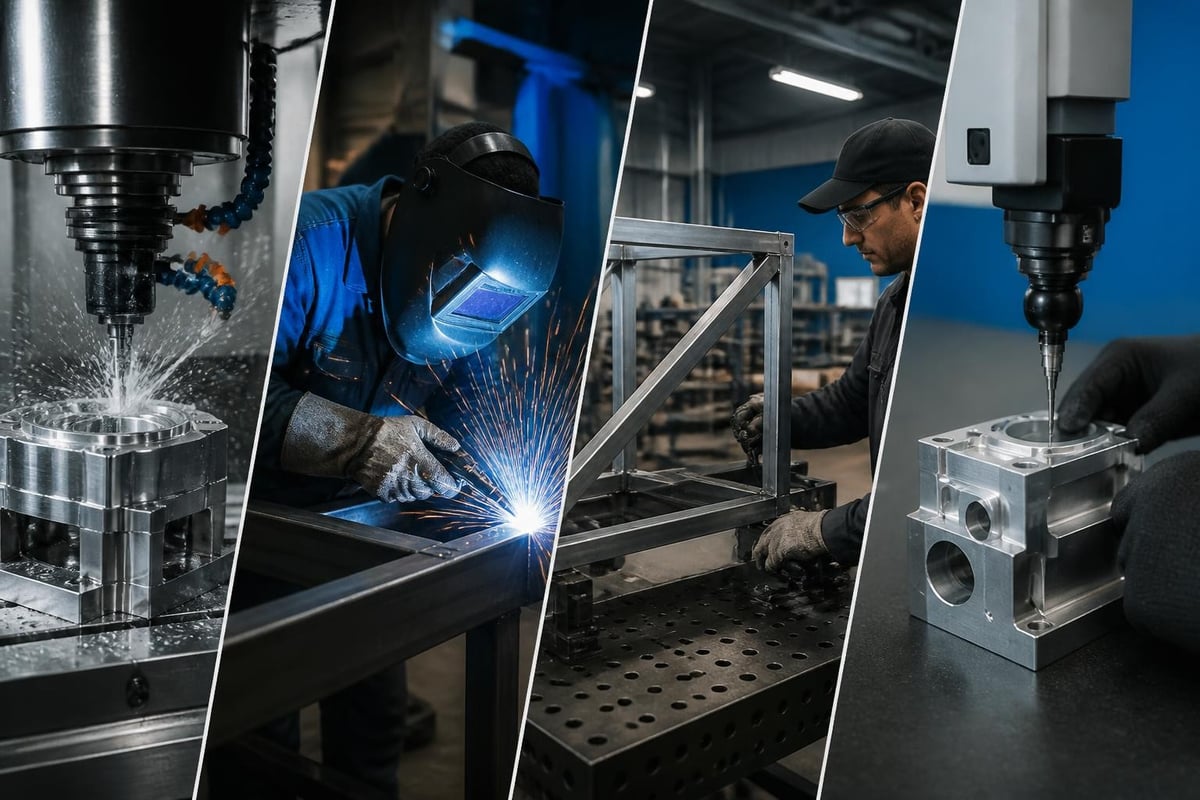
Today's machine shops offer far more comprehensive services than traditional turning and milling operations. Modern facilities integrate multiple manufacturing disciplines under one roof, creating efficiency gains for clients who previously needed to coordinate with separate vendors.
Core Machining Services
When searching for a machine shop near me, you'll encounter facilities with varying levels of expertise and equipment. The most capable shops provide:
- CNC machining for complex, repeatable precision parts
- Manual machining for custom one-off components and repairs
- Turning and milling operations for cylindrical and flat geometries
- Grinding and finishing to meet tight tolerance specifications
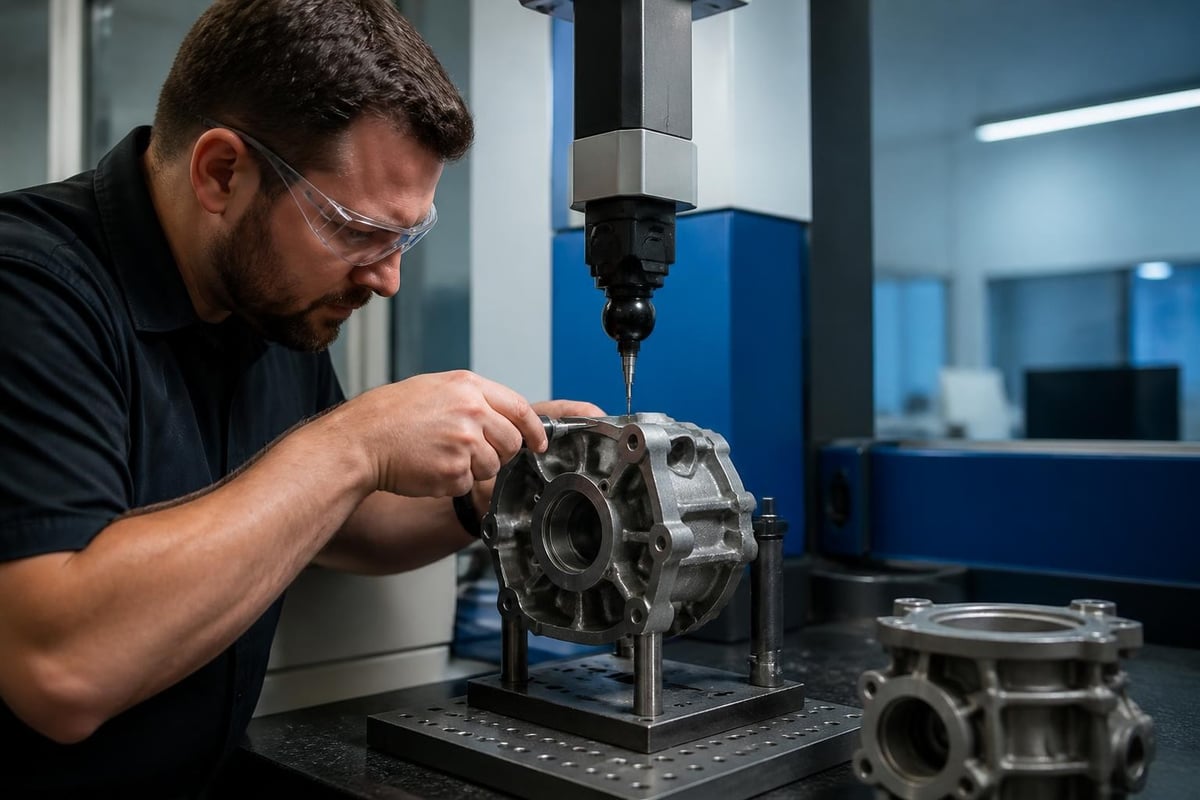
- Quality inspection with coordinate measuring machines (CMM)
Many industrial clients require integrated services that go beyond pure machining. Shops that combine metal fabrication services with machining capabilities offer distinct advantages, allowing you to source complete assemblies rather than individual components.
Specialized Industrial Capabilities
The Western United States industrial corridor demands shops equipped to handle sector-specific challenges. Oil and gas operations need facilities familiar with API specifications and high-pressure applications. Aggregate and recycling industries require shops experienced with high-wear components and abrasion-resistant materials.
Advanced capabilities to evaluate include:
| Capability | Application | Industry Relevance |
|---|---|---|
| Hydraulic system repair | Cylinder rebuilds, valve machining | Mobile equipment, processing plants |
| Precision plasma cutting | Custom plate work, pattern cutting | Structural fabrication, prototyping |
| Water jetting | Non-thermal cutting, surface prep | Composite materials, sensitive substrates |
| Field machining | On-site boring, line boring | Emergency repairs, large assemblies |
Shops offering custom metal machining typically maintain broader material inventories and can accommodate rush orders more effectively than facilities focused solely on production runs.
Evaluating Quality and Certifications
Not all machine shops operate at the same quality level. When searching for a machine shop near me, understanding industry certifications and quality systems helps separate qualified vendors from those lacking the infrastructure to support critical applications.
Industry Standards and Compliance
Professional machine shops invest in third-party certifications that validate their processes and capabilities. The Precision Machined Products Association (PMPA) provides benchmarking resources that help shops maintain competitive quality standards while improving operational efficiency.
Key certifications to look for:
- ISO 9001 quality management systems
- API certifications for oil and gas applications
- AWS welding certifications for integrated fab shops
- NADCAP approvals for aerospace and defense work
Facilities serving industrial and manufacturing sectors should demonstrate documented inspection procedures, calibrated measurement equipment, and material traceability systems. These quality controls prevent costly mistakes and ensure compliance with your specifications.
Equipment and Technology Investment
The machinery a shop operates directly correlates with the precision, efficiency, and complexity of work they can deliver. Modern CNC equipment offers repeatability measured in tenths of thousandths of an inch, while older manual machines may struggle with tolerances tighter than a few thousandths.
According to recent technology trend analysis from the Association for Manufacturing Technology (AMT), automation adoption in machine shops continues accelerating, with robotic loading systems and lights-out manufacturing becoming more common even in smaller facilities. Shops investing in current technology typically offer faster turnaround times and more competitive pricing on production quantities.
Geographic Considerations for Service Selection
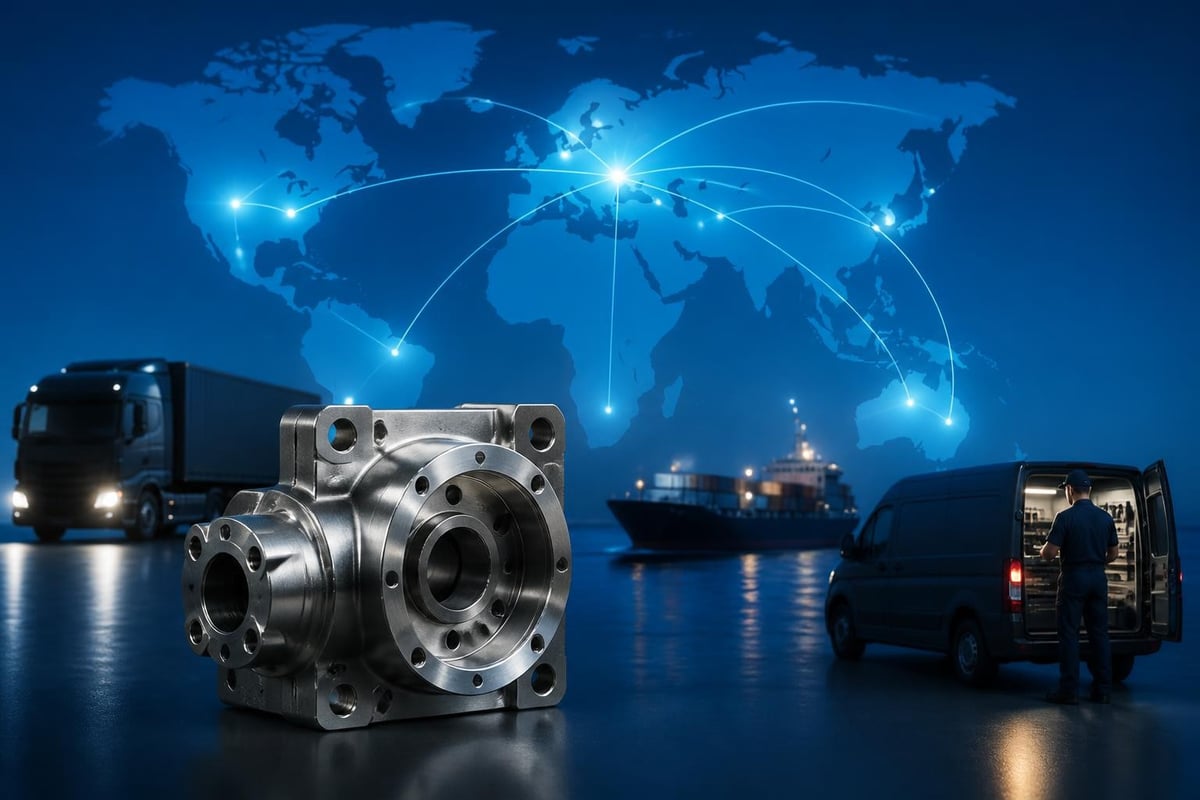
Proximity matters significantly when selecting industrial services. While digital communication enables remote collaboration, physical distance affects lead times, shipping costs, and the practical feasibility of field service support.
Benefits of Local Machine Shops
Choosing a truly local provider delivers tangible operational advantages:
Faster turnaround times become possible when shops are within regional driving distance. Emergency breakdowns requiring immediate machining can be addressed with same-day or next-day service rather than waiting for parts to ship across the country.
Reduced shipping costs add up significantly over annual maintenance budgets. Heavy components incur substantial freight charges, and expedited shipping multiplies those expenses. Local sourcing keeps these costs minimal.
On-site service capability distinguishes shops equipped for field fabrication and mobile machining. When equipment cannot be moved to a shop, having technicians who can bring machining capabilities to your facility proves invaluable.
Regional Expertise and Industry Knowledge
Machine shops serving specific geographic regions develop specialized knowledge relevant to local industries. A shop in Colorado's Western Slope understands the unique demands of high-altitude operations, extreme temperature variations, and the specific equipment common to regional oil and gas, aggregate, and mining operations.
This regional expertise extends to:
- Material availability and sourcing within regional supply chains
- Familiarity with equipment brands and models common to the area
- Understanding of local environmental and regulatory requirements
- Established relationships with complementary service providers
Shops serving industries in Colorado and the broader Western United States region maintain inventories and expertise aligned with regional industrial needs.
Optimizing Your Search Strategy
Finding the right machine shop near me requires more structured approach than simply accepting the first search result. Effective vendor selection combines online research, qualification criteria, and practical evaluation.
Leveraging Local Search and SEO
Google's local search algorithms have evolved significantly. According to Search Engine Journal’s local SEO guide, searches including "near me" or geographic qualifiers now account for a substantial portion of all service-related queries.
To find qualified local shops:
- Search with specific service terms rather than generic phrases
- Review Google Business Profile information for hours, services, and photos
- Read recent customer reviews focusing on projects similar to yours
- Verify location and service area to ensure they actually serve your region
- Check website capabilities for detailed service descriptions and equipment lists
Many industrial buyers overlook the importance of a shop's digital presence. Facilities investing in comprehensive websites with detailed capability information typically demonstrate the same attention to detail in their manufacturing operations.
Qualification and Evaluation Criteria
Develop a consistent evaluation framework when comparing machine shop options. This structured approach ensures you're making comparisons based on relevant factors rather than price alone.
| Evaluation Factor | Questions to Ask | Why It Matters |
|---|---|---|
| Technical Capability | What equipment do you operate? What tolerances can you hold? | Ensures the shop can execute your specifications |
| Quality Systems | What certifications do you maintain? How do you verify dimensions? | Predicts consistency and compliance |
| Capacity | What's your typical lead time? Can you handle rush orders? | Affects your production scheduling |
| Experience | What industries do you serve? Have you done similar work? | Indicates relevant expertise |
| Field Services | Do you offer on-site machining and repair? | Critical for emergency response needs |
Shops offering manufacturing and industrial company services across multiple disciplines provide advantages when projects require coordination between machining, welding, and fabrication.
Workforce Expertise and Technical Knowledge
The skill level of a shop's machinists and technicians often matters more than the sophistication of their equipment. Experienced personnel can coax exceptional results from older machines, while inexperienced operators waste time and material even with state-of-the-art CNC equipment.
Training and Skill Development
The manufacturing sector faces well-documented workforce challenges. According to the SME Manufacturing Imperative progress report, workforce development remains a critical industry priority, with shops investing in apprenticeship programs and continuous training to maintain competitive capabilities.
When evaluating a machine shop near me, consider:
- Years of experience among key personnel
- Formal training and certifications (journeyman cards, technical degrees)
- Specialization in relevant materials (stainless steel, exotic alloys, hardened materials)
- Cross-training between disciplines (machinists who also weld, for example)
Facilities supporting welding businesses alongside machining operations typically employ more versatile technicians capable of understanding complete assemblies rather than just individual components.
Problem-Solving and Engineering Support
The best machine shops function as technical partners, not just order-takers. When you bring a broken component with no drawings or specifications, capable shops can reverse-engineer the part, suggest material improvements, and recommend design modifications to prevent future failures.
This engineering support proves particularly valuable for:
- Obsolete equipment repair where original parts are no longer available
- Performance upgrades to improve reliability or extend service life
- Cost reduction initiatives through material substitution or process optimization
- Failure analysis to identify root causes and prevent recurrence
Cost Factors and Pricing Models
Understanding machine shop pricing helps set realistic expectations and identify whether quotes represent fair market value or indicate potential quality concerns.
How Shops Calculate Pricing
Most machine shops base pricing on three primary components:
Material costs vary based on alloy, size, and availability. Common materials like mild steel and aluminum cost significantly less than stainless steel, tool steel, or exotic alloys like Inconel or Hastelloy.
Labor hours constitute the largest portion of most quotes. Shops typically calculate based on setup time plus machining time, with hourly rates reflecting their overhead costs, equipment investment, and desired profit margin.
Additional services including heat treating, plating, special coatings, or outside processing add to final costs but may be necessary for specific applications.
Rush orders, small quantities, and complex tolerances all increase per-piece costs. Shops that maintain waterjet cutting and other advanced capabilities may charge premium rates but deliver faster turnaround and superior results.
Comparing Quotes Effectively
When soliciting quotes from multiple shops, ensure you're making valid comparisons:
- Provide identical specifications and drawings to each shop
- Specify required material grades and certifications
- Clarify acceptable tolerance ranges
- Define delivery expectations and required documentation
- Ask about warranty or guarantee policies
The lowest quote doesn't always represent the best value. A shop quoting significantly below market rates may be cutting corners on quality, using inferior materials, or lacking the expertise to accurately estimate the job complexity.
Environmental and Safety Considerations
Modern manufacturing operates under increasingly stringent environmental regulations. Machine shops generate various waste streams including metal chips, used cutting fluids, and contaminated rags that require proper handling.
Regulatory Compliance and Best Practices
The EPA’s industrial assessment guide provides comprehensive guidance on pollution prevention for metalworking operations, covering coolant management, chip recycling, and waste stream minimization.
Responsible shops implement:
- Coolant recycling systems to extend fluid life and reduce disposal costs
- Metal chip collection and recycling programs that often generate revenue
- Proper hazardous waste handling in compliance with federal and state regulations
- Ventilation and air quality systems protecting worker health
These environmental practices indicate overall operational quality. Shops maintaining clean, well-organized facilities with documented safety programs typically deliver higher quality work and more reliable service than those with poor housekeeping and lax safety standards.
Building Long-Term Partnerships
The greatest value from a machine shop near me comes not from a single transaction but from developing an ongoing relationship with a trusted technical partner.
Benefits of Vendor Consolidation
Rather than maintaining relationships with a dozen different specialty shops, consolidating work with one or two full-service facilities delivers multiple advantages:
- Simplified procurement with fewer purchase orders and invoices to process
- Better pricing through volume relationships and preferred customer status
- Faster service as the shop learns your standards and preferences
- Integrated project management when work spans multiple disciplines
- Emergency priority when urgent breakdowns occur
Shops offering comprehensive capabilities including hydraulics manufacturing, machining, and welding can handle complete equipment rebuilds rather than requiring coordination across multiple vendors.
Communication and Project Management
Effective partnerships require clear communication channels and mutual understanding of expectations. Establish protocols for:
- Project quoting with detailed breakdowns and realistic delivery estimates
- Progress updates for longer-lead projects requiring coordination with your schedule
- Quality concerns addressing issues promptly and fairly when they arise
- Continuous improvement discussing ways to optimize designs, reduce costs, or improve reliability
Regular facility visits help maintain the relationship and provide visibility into the shop's capabilities, capacity, and current workload. Face-to-face interaction builds trust and understanding that phone and email alone cannot achieve.
Field Service and Mobile Machining
Some repairs simply cannot wait for parts to be removed, transported, machined, and reinstalled. When downtime costs thousands of dollars per hour, bringing machining capabilities to the equipment becomes the only practical solution.
On-Site Capabilities and Equipment
Mobile machining has evolved significantly beyond simple portable drills and grinders. Modern field service includes:
- Portable line boring for repairing bearing bores and mounting holes
- Flange facing to restore sealing surfaces on large diameter pipes
- On-site turning using portable lathes for shaft repair and modification
- Emergency welding and fabrication to create temporary repairs or permanent solutions
Companies offering oilfield maintenance and field services maintain specialized tooling and trained personnel who can execute precision machining in challenging environments.
When Field Service Makes Sense
Consider on-site machining when:
- Equipment cannot be moved due to size, weight, or installation configuration
- Removal and reinstallation costs exceed the field service premium
- Downtime costs make waiting for shop machining economically unfeasible
- Environmental conditions (weather, location access) require work on-site
The ability to mobilize field service teams quickly separates capable full-service shops from those limited to in-shop work only. This flexibility proves particularly valuable for industrial operations in remote locations throughout the Western United States.
Selecting the right machine shop near me directly impacts your operational efficiency, maintenance costs, and equipment reliability. The most successful partnerships combine technical capability, geographic proximity, responsive service, and comprehensive expertise across multiple manufacturing disciplines. LTJ Industrial Services delivers this integrated approach throughout the Western United States, offering precision machining, welding, fabrication, and field services designed to keep your operations running efficiently. Contact their Rifle, Colorado facility to discuss how their comprehensive capabilities can support your manufacturing and maintenance requirements.