The landscape of industrial manufacturing has evolved dramatically in recent years, requiring companies to adapt their strategies, streamline operations, and deliver exceptional quality. An industrial company today faces unique challenges ranging from supply chain optimization to workforce development, all while maintaining competitive advantage in a demanding market. Understanding the core principles that drive success in sectors like welding, fabrication, and machining has become essential for sustained growth. Whether operating in oil and gas, recycling, aggregate, or commercial manufacturing, the ability to execute efficiently while maintaining quality standards separates thriving operations from struggling competitors.
Core Operational Excellence in Industrial Manufacturing
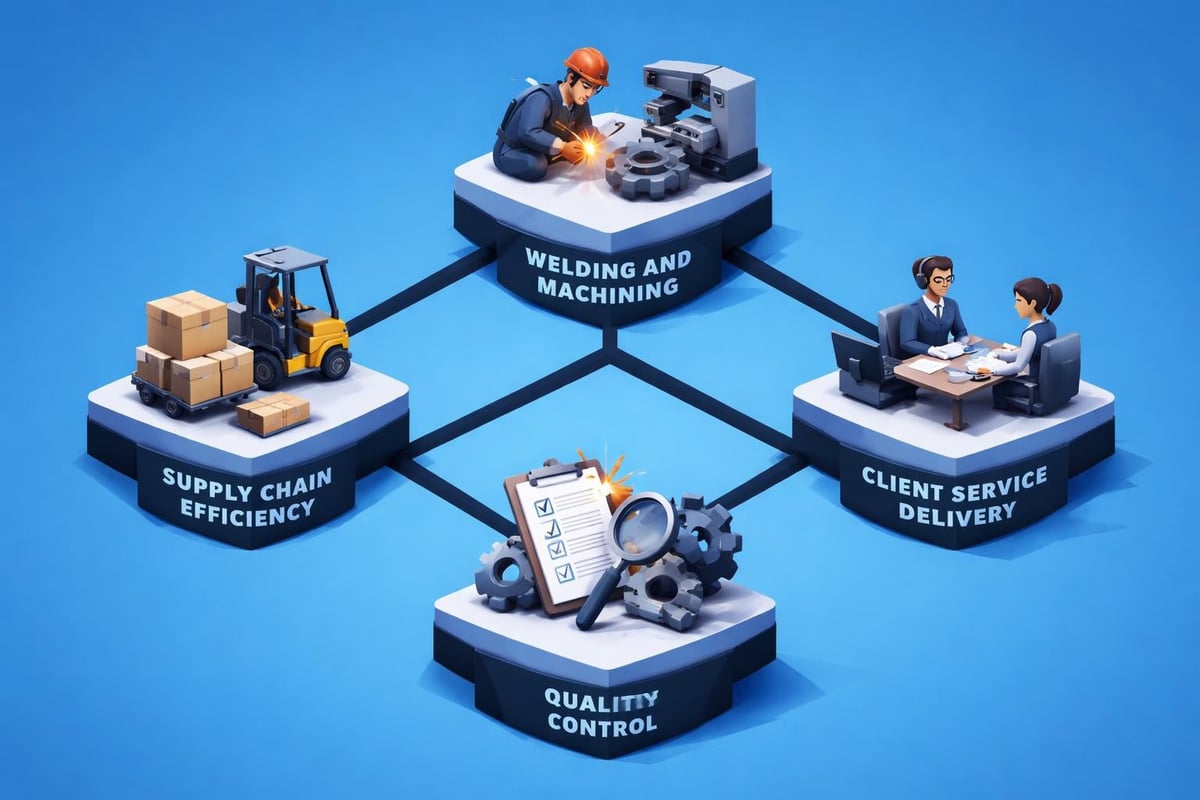
Building a successful industrial company requires more than just technical expertise. It demands a comprehensive approach to operations that integrates multiple disciplines while maintaining focus on client outcomes. The foundation rests on three critical pillars: technical capability, operational efficiency, and market responsiveness.
Technical Capabilities That Drive Value
An industrial company must maintain cutting-edge technical capabilities across multiple service lines. For welding and fabrication operations, this means employing certified professionals who understand both traditional techniques and modern innovations. The integration of precision machining and fabrication services creates a comprehensive solution set that addresses diverse client needs.
Key technical competencies include:
- Certified welding procedures for various materials and applications
- Precision machining capabilities from prototype to production
- Hydraulic system design, installation, and repair
- Custom fabrication for unique project requirements
- Field service capabilities for on-site problem resolution
The diversity of technical services allows an industrial company to serve as a single-source provider, reducing coordination complexity for clients while ensuring quality consistency across all work elements. This integrated approach proves particularly valuable in sectors like aggregate processing and oil and gas, where downtime carries significant cost implications.
Supply Chain Integration and Materials Management
Effective supply chain management separates high-performing industrial operations from their competitors. The top supply chain management practices for industrial organizations emphasize collaboration, inventory optimization, and vendor relationship management as critical success factors.
An industrial company serving Western United States markets must navigate complex logistics networks while maintaining material availability. Strategic inventory positioning ensures rapid response to client needs without excessive carrying costs. Vendor partnerships built on mutual performance accountability create stability in material quality and delivery timing.
| Supply Chain Element | Best Practice | Business Impact |
|---|---|---|
| Inventory Management | Just-in-time with safety stock | Reduced carrying costs, faster response |
| Vendor Relations | Long-term partnerships with performance metrics | Quality consistency, price stability |
| Logistics Coordination | Regional distribution hubs | Faster delivery, lower transportation costs |
| Material Traceability | Digital tracking systems | Quality assurance, compliance documentation |
The complexity of managing materials for welding and fabrication operations requires sophisticated systems that track material certifications, test results, and chain of custody documentation. Clients in regulated industries demand this level of rigor, making it a competitive differentiator rather than an optional enhancement.
Strategic Positioning in Competitive Markets
Understanding market dynamics through frameworks like Porter’s Five Forces analysis helps an industrial company identify opportunities and threats within its competitive environment. This analytical approach examines supplier power, buyer power, competitive rivalry, threat of substitution, and barriers to entry.
For companies operating in specialized niches like custom fabrication and precision machining, differentiation strategies prove more effective than pure cost competition. The ability to solve complex technical problems, deliver rapid turnaround on emergency repairs, and maintain consistent quality creates sustainable competitive advantages.
Market Segmentation and Service Alignment
Effective industrial company strategies align service capabilities with target market needs. The oil and gas sector requires different expertise than aggregate processing or commercial manufacturing. Understanding these distinctions allows for targeted capability development and marketing focus.
Primary market segments for specialized industrial services:
- Oil and Gas Operations: Pressure vessel repair, pipeline fabrication, emergency response
- Aggregate and Mining: Heavy equipment repair, conveyor systems, structural fabrication
- Recycling and Processing: Material handling systems, custom fabrication, hydraulics
- Commercial Manufacturing: Production support, tooling, precision components
Each segment demands specific certifications, response capabilities, and technical knowledge. An industrial company that attempts to serve all markets equally often fails to excel in any. Strategic focus on core competencies while maintaining flexibility for adjacent opportunities creates the optimal balance.
Quality Systems and Continuous Improvement
Quality management extends beyond simple inspection processes. A mature industrial company implements comprehensive quality systems that prevent defects rather than merely detecting them. This proactive approach reduces rework costs, improves client satisfaction, and builds reputation capital in the marketplace.
Building a Culture of Quality Excellence
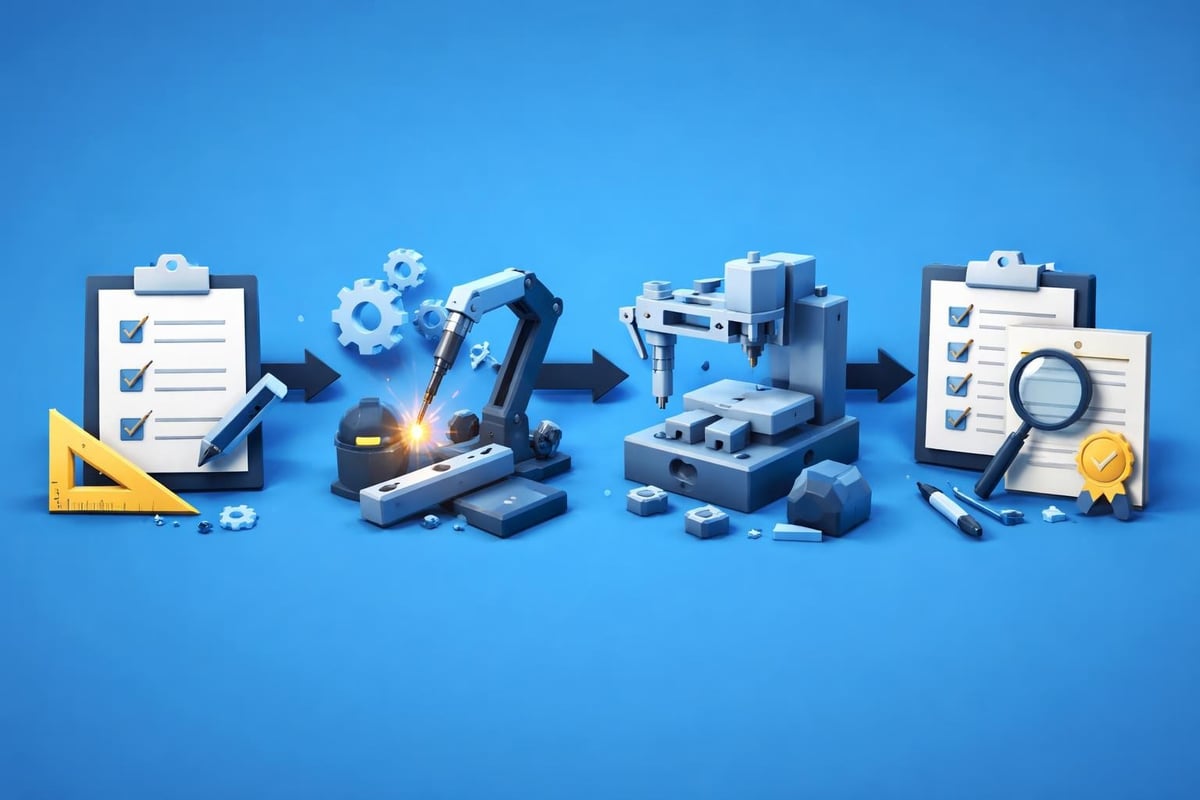
The foundation of quality performance rests on organizational culture rather than inspection procedures. When every team member understands their role in delivering exceptional outcomes, quality becomes embedded in daily operations. Training programs, clear standards, and accountability systems reinforce this cultural foundation.
For industrial fabrication and machining services, quality begins with understanding client specifications completely. Ambiguity in requirements leads to rework and dissatisfaction. Investing time in detailed planning and specification review prevents costly mistakes downstream.
Quality system components:
- Documented procedures for all critical processes
- Regular calibration and maintenance of equipment
- Skill certification and ongoing training programs
- Statistical process control for repetitive operations
- Client feedback mechanisms and complaint resolution protocols
- Continuous improvement initiatives based on data analysis
The integration of digital tools enhances quality management capabilities. Real-time monitoring of critical parameters, automated documentation, and trend analysis provide insights that manual systems cannot match. However, technology serves as an enabler rather than a substitute for skilled professionals who understand the fundamentals of their craft.
Workforce Development and Retention Strategies
The skilled labor shortage facing industrial sectors demands proactive workforce strategies. An industrial company cannot simply recruit from existing labor pools; it must develop talent through apprenticeships, training programs, and career development pathways. The investment in human capital pays dividends through improved quality, innovation, and operational reliability.
Welding, fabrication, and machining represent skilled trades requiring years of experience to master. Organizations like skilled welding professionals demonstrate the value of expertise in delivering complex projects. Creating environments where craftspeople can develop their skills while contributing to meaningful projects improves retention and attracts new talent.
Compensation and Benefits Alignment
Competitive compensation extends beyond hourly wages. Comprehensive benefits packages, professional development opportunities, and recognition programs all contribute to employee satisfaction. Companies operating in remote areas or requiring extensive travel must account for these factors in their total compensation strategies.
| Retention Factor | Implementation Approach | Expected Impact |
|---|---|---|
| Skill Development | Paid training, certification support | Increased capability, employee engagement |
| Career Progression | Clear advancement paths with criteria | Reduced turnover, leadership pipeline |
| Work-Life Balance | Flexible scheduling when possible | Improved morale, reduced burnout |
| Recognition Programs | Performance bonuses, public acknowledgment | Motivation, culture reinforcement |
The investment in workforce development creates a virtuous cycle. Skilled employees deliver better quality, which improves client satisfaction, leading to business growth that creates more opportunities for team members. This cycle reinforces the value of prioritizing human capital development.
Technology Integration and Digital Transformation
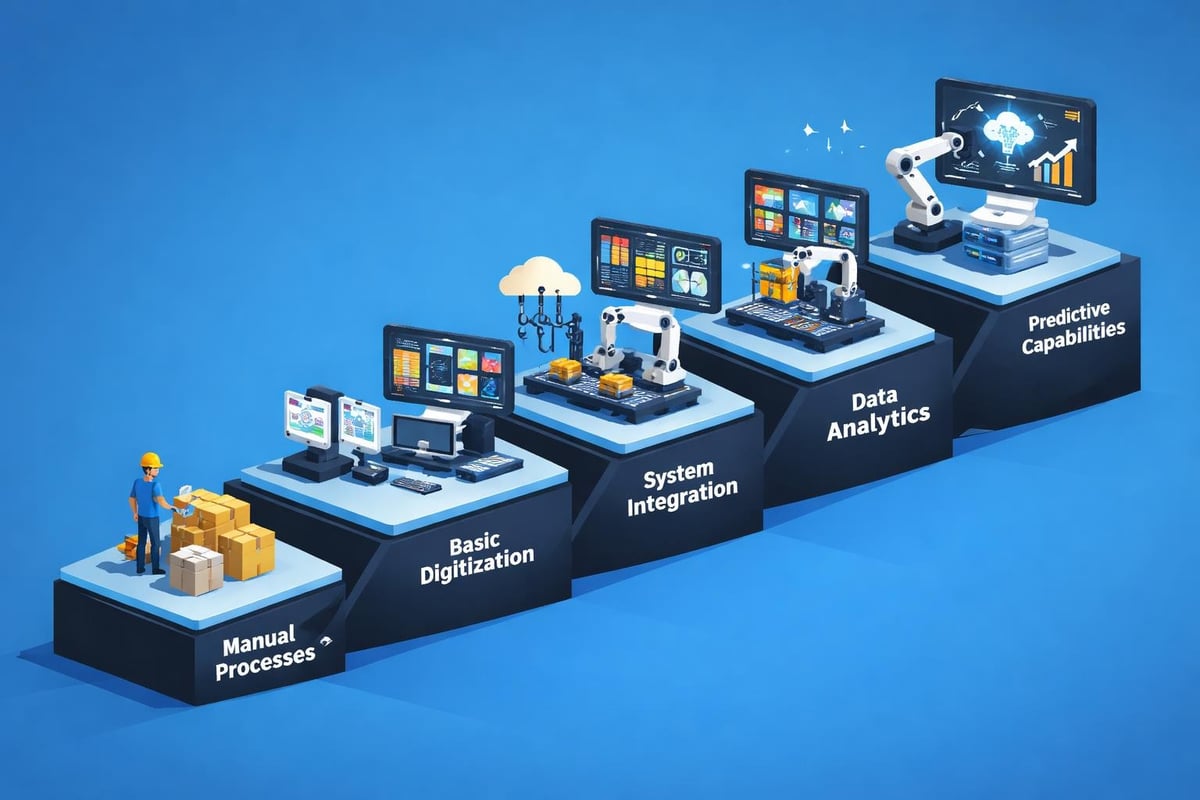
Modern industrial company operations increasingly rely on digital technologies to enhance productivity, quality, and client communication. However, technology implementation must align with operational realities rather than following trends disconnected from business value. The best practices for industrial web development emphasize scalability and technical foundations that support long-term growth.
Operational Technology Applications
Beyond marketing websites, operational technologies transform how an industrial company executes its core functions. Computer-aided design (CAD) systems enable precise fabrication planning. Computer numerical control (CNC) machining delivers tolerances impossible through manual operations. Project management software coordinates complex schedules across multiple clients and locations.
The key to successful technology adoption lies in solving specific operational challenges rather than implementing solutions searching for problems. When field machining services require precise documentation and real-time client updates, mobile technology platforms deliver clear value. When they create administrative burden without corresponding benefit, adoption fails.
Technology investment priorities for 2026:
- Mobile platforms for field service documentation and communication
- Inventory management systems with real-time tracking
- Digital quality management and certification systems
- Client portals for project visibility and document access
- Predictive maintenance systems for critical equipment
The digital transformation journey requires careful change management. Training, gradual implementation, and demonstrating quick wins build organizational buy-in. Forcing technology adoption without addressing user concerns creates resistance that undermines even well-designed systems.
Client Relationship Management and Service Delivery
Exceptional service delivery distinguishes premium industrial service providers from commodity competitors. An industrial company building long-term client relationships focuses on outcomes rather than transactions. Understanding client operational objectives, constraints, and success metrics enables consultative engagement rather than simple order-taking.
Responsive Service Models
Industries like oil and gas and aggregate processing operate continuously, making downtime extremely costly. An industrial company serving these markets must offer responsive service models that minimize disruption. This might include 24/7 emergency response, rapid mobilization capabilities, or preventive maintenance programs that address issues before failures occur.
The comprehensive industrial services approach combines shop capabilities with field service flexibility. Clients value the ability to choose the optimal service delivery method for each situation, whether bringing equipment to a controlled shop environment or deploying skilled technicians to remote field locations.
Service delivery best practices:
- Clear communication protocols with defined response times
- Project management discipline with milestone tracking
- Proactive problem identification and solution development
- Transparent pricing and change order procedures
- Post-project reviews to capture lessons learned
Building trust through consistent performance creates partnership relationships that transcend individual projects. Clients facing critical challenges turn to trusted partners first, often bypassing competitive bidding for known quantities who will deliver reliable results.
Financial Performance and Business Sustainability
An industrial company must balance technical excellence with financial discipline to ensure long-term sustainability. Profitability enables reinvestment in equipment, technology, and workforce development that maintain competitive position. However, short-term profit maximization that compromises quality or client relationships destroys long-term value.
Pricing Strategies and Value Capture
Pricing represents a strategic decision rather than a simple cost-plus calculation. Value-based pricing recognizes that clients pay premium rates for expertise, responsiveness, and quality assurance. An industrial company that solves critical problems quickly and reliably delivers value far exceeding its invoiced fees.
However, communicating value requires transparency about what distinguishes premium service from commodity alternatives. Certifications, specialized equipment, experienced personnel, and proven processes all contribute to value propositions that justify premium positioning.
| Cost Category | Management Approach | Financial Impact |
|---|---|---|
| Direct Labor | Productivity optimization, skill development | Improved margins, quality enhancement |
| Materials | Strategic purchasing, waste reduction | Cost stability, profitability improvement |
| Equipment | Preventive maintenance, utilization tracking | Extended asset life, capacity optimization |
| Overhead | Process efficiency, technology leverage | Competitive pricing capability |
Financial metrics beyond simple revenue and profit deserve attention. Project margin analysis identifies profitable service lines and challenging engagements. Client profitability assessment reveals which relationships create sustainable value versus those consuming disproportionate resources. These insights inform strategic decisions about market focus and capability investment.
Regulatory Compliance and Industry Standards
Operating in regulated industries requires rigorous compliance with safety, environmental, and quality standards. An industrial company serving oil and gas, for instance, must maintain certifications like ASME code compliance for pressure vessel and piping work. These requirements represent both obligations and market differentiators.
Understanding how the Industry Classification Benchmark categorizes different industrial sectors helps companies position themselves appropriately and understand regulatory expectations across various markets. Each sector carries distinct compliance requirements that shape operational procedures.
Safety Management Systems
Safety performance directly impacts both employee welfare and business viability. Incidents create human suffering, regulatory scrutiny, insurance implications, and reputation damage. Proactive safety management prevents incidents rather than responding to them.
Core safety system elements:
- Comprehensive hazard identification and risk assessment
- Detailed safety procedures for high-risk activities
- Regular training and competency verification
- Incident reporting and root cause analysis
- Safety audits and continuous improvement initiatives
- Leadership commitment and accountability
The most effective safety cultures view incidents as system failures rather than individual mistakes. This approach focuses on identifying root causes and implementing preventive measures rather than assigning blame. When workers feel comfortable reporting near-misses and concerns, organizations gain early warning of potential serious incidents.
Geographic Market Expansion Considerations
An industrial company considering geographic expansion must evaluate market demand, competitive dynamics, and operational logistics carefully. Serving the Western United States from a Colorado base provides certain advantages, but expansion into new territories requires strategic planning.
Transportation costs, response time requirements, and local competition all influence expansion decisions. Some markets justify establishing satellite facilities or partnerships with local providers. Others remain better served through occasional mobilization from existing locations.
The analysis of industrial sector markets provides insights into regional concentration, growth trends, and competitive intensity. Data-driven expansion decisions outperform those based purely on opportunistic inquiries or competitor movements.
Regional Service Network Development
Building regional service capabilities requires significant investment in facilities, equipment, and personnel. However, local presence often proves essential for certain client relationships and market segments. The decision framework should evaluate both quantitative factors like projected revenue and qualitative considerations like strategic positioning.
Partnership models offer alternatives to direct expansion. Collaborating with established regional providers through referral networks, joint ventures, or capacity-sharing arrangements extends market reach while limiting capital requirements and operational risk.
Success in industrial manufacturing requires balancing technical excellence, operational efficiency, workforce development, and strategic market positioning. Companies that master this balance create sustainable competitive advantages that drive long-term growth. Whether you need custom welding and fabrication expertise or comprehensive machining capabilities, LTJ Industrial Services delivers the quality, responsiveness, and technical expertise that keeps operations running smoothly across the Western United States. Our team combines decades of experience with modern capabilities to solve your most challenging industrial service needs.