Industrial operations across the commercial manufacturing, recycling, aggregate, and oil and gas sectors depend on reliable hydraulic systems to maintain productivity and profitability. When these critical systems fail or underperform, the right hydraulic repair services become essential to minimize downtime and restore operational efficiency. Understanding the complexities of hydraulic maintenance, repair protocols, and preventive strategies enables businesses to make informed decisions about protecting their equipment investments and maintaining continuous operations throughout the Western United States and beyond.
Understanding Industrial Hydraulic System Components
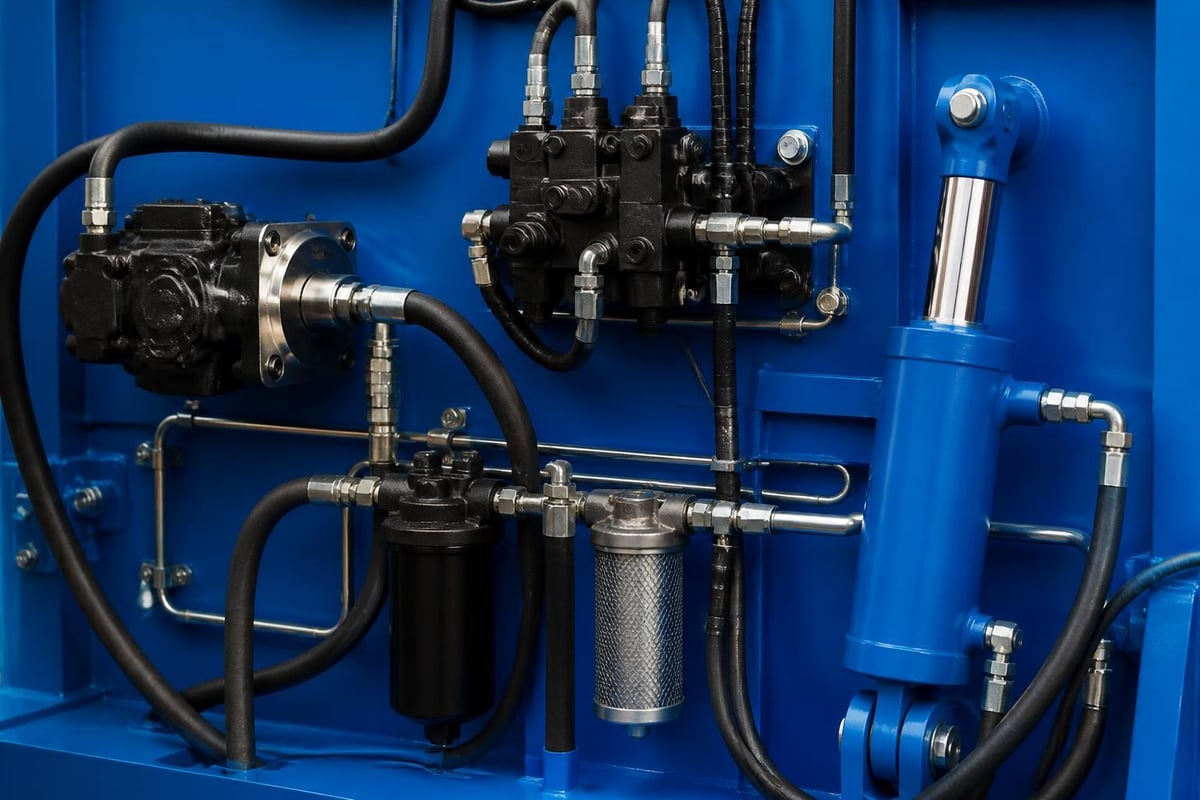
Hydraulic systems represent sophisticated assemblies of interconnected components that work together to transmit power through pressurized fluid. These systems include pumps that generate flow, valves that control direction and pressure, cylinders that produce linear motion, motors that create rotational movement, and hoses or tubes that transport hydraulic fluid throughout the system.
The complexity of modern hydraulic systems demands specialized knowledge and technical expertise. Each component plays a critical role in overall system performance, and failure in one area can cascade throughout the entire assembly.
Common hydraulic system components requiring regular service:
- Hydraulic pumps (gear, vane, and piston types)
- Control valves and directional valves
- Hydraulic cylinders and actuators
- Filters and filtration systems
- Hydraulic hoses and fittings
- Reservoirs and accumulators
- Seals, gaskets, and O-rings
Understanding these components helps operations managers identify potential failure points before they result in costly downtime. Professional manufacturing projects often incorporate hydraulic systems as integral elements of production lines, material handling equipment, and processing machinery.
Critical Signs Your Hydraulic System Needs Professional Repair
Recognizing early warning signs of hydraulic system degradation allows facility managers to schedule preventive repairs before catastrophic failures occur. Professional hydraulic repair services can diagnose and address issues that might otherwise escalate into complete system breakdowns.
Temperature changes represent one of the most significant indicators of hydraulic problems. Systems operating above normal temperature ranges typically signal internal component wear, contaminated fluid, or insufficient cooling capacity. Excessive heat accelerates fluid degradation and damages seals, creating a destructive cycle that compounds system problems.
Performance Degradation Indicators
When hydraulic systems begin losing power or responding sluggishly to controls, internal component wear has likely progressed to levels requiring professional intervention. Reduced cycle speeds, weak lifting capacity, or inconsistent operation all indicate the need for comprehensive system evaluation.
| Warning Sign | Potential Cause | Urgency Level |
|---|---|---|
| Fluid leaks | Damaged seals, loose fittings | High |
| Unusual noise | Cavitation, worn pump | High |
| Elevated temperature | Contamination, component wear | Medium |
| Slow response | Low fluid, internal leakage | Medium |
| Erratic operation | Air in system, valve problems | Medium |
| Metal particles in fluid | Severe component wear | Critical |
Contamination issues frequently compromise hydraulic system integrity. Foreign particles, water intrusion, or degraded fluid all accelerate component wear and reduce system efficiency. Identifying the best hydraulic repair service requires evaluating their diagnostic capabilities and contamination control procedures.
Leak Detection and Fluid Analysis
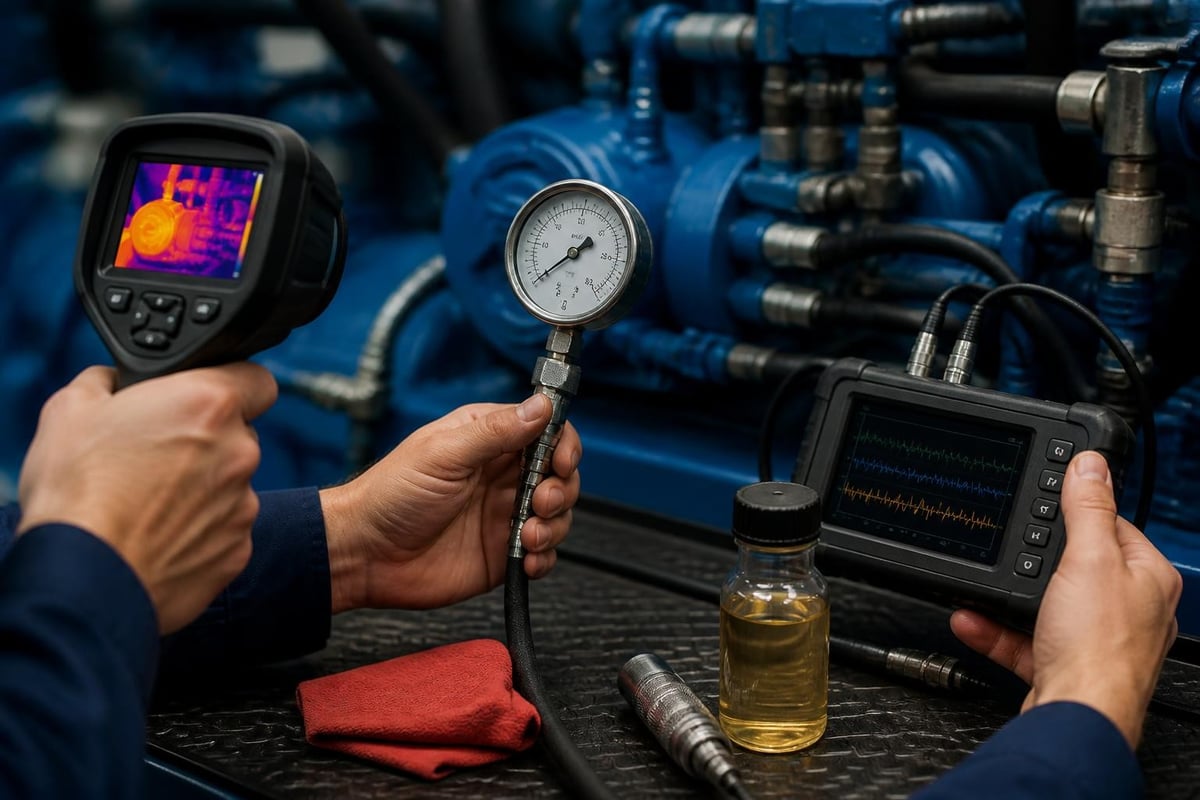
External leaks present obvious problems, but internal leakage often goes undetected until system performance deteriorates significantly. Professional technicians use pressure testing, thermal imaging, and fluid analysis to identify hidden problems that compromise system efficiency.
Regular fluid sampling and analysis provide critical insights into internal system conditions. Oil analysis reveals metal particle concentrations, contamination levels, fluid degradation, and additive depletion. This data-driven approach enables predictive maintenance strategies that prevent unexpected failures.
Comprehensive Hydraulic Repair Service Capabilities
Professional hydraulic repair services encompass far more than simple component replacement. Comprehensive service providers offer diagnostic testing, precision repair, system optimization, and preventive maintenance programs tailored to specific industrial applications.
Field service capabilities become particularly valuable for large industrial installations where equipment cannot be easily transported. Mobile repair teams equipped with specialized tools and diagnostic equipment can perform on-site troubleshooting, emergency repairs, and scheduled maintenance without disrupting facility operations.
Essential hydraulic repair service offerings:
- Complete system diagnostics and performance testing
- Pump rebuilding and repair (all types)
- Cylinder repair and re-sealing
- Valve testing, repair, and replacement
- Hose assembly fabrication and installation
- System flushing and contamination removal
- Fluid analysis and recommendations
- Preventive maintenance program development
The expertise offered through welding and machining services becomes essential when hydraulic repairs require custom fabrication, precision machining of components, or structural modifications to mounting systems and equipment frames.
Preventive Maintenance Strategies for Hydraulic Systems
Implementing systematic preventive maintenance programs dramatically reduces emergency repair costs while extending hydraulic system service life. Research consistently demonstrates that proactive maintenance delivers significant returns on investment through improved uptime and reduced catastrophic failures.
Following a proactive maintenance schedule for hydraulic systems helps operations managers establish inspection frequencies, fluid change intervals, and filter replacement schedules appropriate for their specific operating conditions.
Daily and Weekly Inspection Protocols
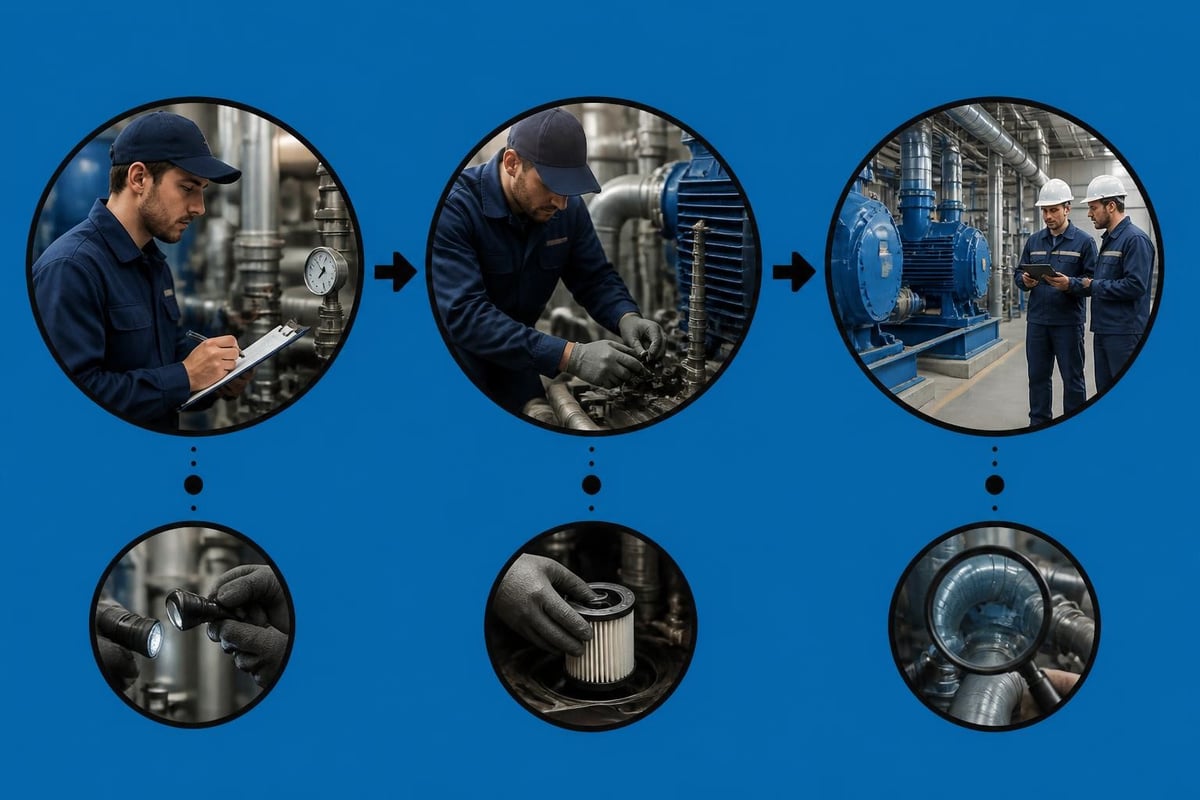
Routine visual inspections represent the first line of defense against hydraulic system failures. Operators should check for external leaks, listen for unusual sounds, monitor operating temperatures, and verify proper fluid levels before each shift or daily operation period.
Weekly inspections should include filter condition checks, connection tightness verification, and hydraulic fluid cleanliness assessment. Documenting these inspections creates historical records that help identify developing trends before they result in system failures.
Monthly and Quarterly Service Requirements
Monthly maintenance typically includes filter replacements, detailed leak inspections, pressure testing, and system cleanliness verification. These more comprehensive service intervals allow technicians to identify wear patterns and schedule repairs during planned downtime rather than responding to emergency breakdowns.
Quarterly service should incorporate fluid sampling for laboratory analysis, complete system pressure testing across all circuits, seal and gasket condition assessment, and performance verification against baseline specifications. Understanding hydraulic system maintenance best practices helps facilities develop comprehensive service schedules.
Contamination Control and Fluid Management
Contamination represents the leading cause of hydraulic system failures, accounting for over seventy percent of all hydraulic problems according to industry research. Effective contamination control requires multi-layered approaches addressing particle filtration, water removal, and air exclusion.
Particle contamination enters hydraulic systems through multiple pathways including external ingression through damaged seals, internally generated wear debris, and contaminated replacement fluids. High-efficiency filtration systems represent the primary defense against particle contamination, but proper reservoir design, seal maintenance, and fluid handling procedures all contribute to contamination control.
Filtration System Selection and Maintenance
Modern hydraulic systems require filtration exceeding basic screen-type filters used in older equipment. Beta-rated filters providing specific particle removal efficiency should be selected based on component tolerances and operating pressures within the system.
| Filter Type | Application | Efficiency Rating |
|---|---|---|
| Suction strainer | Pump inlet protection | 100-150 microns |
| Pressure filter | Main circuit protection | 3-10 microns |
| Return line filter | System cleanliness | 5-25 microns |
| Offline filtration | Fluid conditioning | 1-3 microns |
Filter change intervals should be based on differential pressure indicators rather than arbitrary time schedules. Differential pressure gauges or electronic sensors signal when filter elements have reached capacity and require replacement, preventing filter bypass that negates contamination control efforts.
Water and Air Contamination Management
Water contamination degrades hydraulic fluid properties, accelerates oxidation, promotes rust formation, and reduces lubrication effectiveness. Hygroscopic fluids naturally absorb moisture from ambient air, while damaged seals and improperly sealed reservoirs allow water intrusion during temperature cycling.
Desiccant breathers installed on hydraulic reservoirs prevent moisture-laden air from entering during breathing cycles. Vacuum dehydration systems remove dissolved and emulsified water from hydraulic fluids, restoring fluid properties and extending service life.
Advanced Diagnostic Techniques for Hydraulic Troubleshooting
Modern hydraulic repair services employ sophisticated diagnostic technologies that identify problems invisible to visual inspection or basic pressure testing. Thermal imaging cameras detect hot spots indicating internal component wear or flow restrictions. Ultrasonic leak detectors identify pressurized leaks that don't produce visible fluid discharge.
Vibration analysis reveals bearing wear, cavitation, and mechanical imbalances within pumps and motors. Flow meters measure actual system performance against design specifications, identifying efficiency losses that increase energy costs and reduce productivity.
Advanced diagnostic tools and techniques:
- Thermal imaging for hot spot identification
- Ultrasonic testing for leak detection
- Vibration analysis for rotating components
- Flow and pressure measurement systems
- Fluid particle counting and analysis
- System efficiency testing and optimization
- Digital pressure mapping across circuits
The combination of traditional mechanical expertise with modern diagnostic technology enables technicians to quickly isolate problems, develop accurate repair strategies, and verify system performance after service completion. Companies that emphasize deep knowledge and compliance in hydraulic servicing practices deliver superior outcomes compared to basic repair shops.
Hydraulic Cylinder Repair and Rebuilding Procedures
Hydraulic cylinders convert fluid pressure into linear mechanical force, making them essential components in countless industrial applications from material handling to manufacturing processes. Cylinder repair requires precision work, appropriate tooling, and thorough understanding of seal technology and surface finish requirements.
Professional cylinder repair begins with complete disassembly and component inspection. Rod surfaces are evaluated for scoring, pitting, or chrome plating damage. Barrel bores are measured for wear, out-of-round conditions, or surface finish degradation. Piston assemblies are inspected for wear patterns that indicate misalignment or side loading.
Seal Selection and Installation
Modern hydraulic cylinders use sophisticated seal packages designed for specific pressure ranges, temperatures, and fluid types. Proper seal selection considers operating conditions, expected service life, and compatibility with system fluids and temperatures.
Installation procedures significantly impact seal performance and service life. Seals must be properly lubricated during installation, protected from damage when passing over threads or sharp edges, and seated correctly in their grooves. Installation tools designed for specific seal types prevent damage that causes premature failure.
Surface Finishing and Component Machining
Damaged cylinder rods often require chrome plating, grinding, and polishing to restore proper surface finish and dimensional accuracy. Specialized facilities offering CNC plasma cutting and precision machining capabilities can fabricate replacement components when original parts are unavailable or economically impractical to restore.
Barrel honing restores proper surface finish and diameter tolerances when wear exceeds acceptable limits. This precision machining process removes minimal material while achieving the specific surface finish required for proper seal function and minimal friction.
Pump Repair and Rebuilding Services
Hydraulic pumps represent the heart of any hydraulic system, converting mechanical energy into hydraulic flow. Pump failures result in complete system shutdown, making rapid diagnosis and repair critical for minimizing downtime.
Different pump types require specialized repair knowledge and tooling. Gear pumps, vane pumps, and piston pumps each present unique repair challenges and wear patterns. Experienced hydraulic repair services maintain parts inventories, specialized tools, and trained technicians for all common pump types used in industrial applications.
Common Pump Failure Modes
Cavitation damage occurs when pumps operate with insufficient inlet pressure, creating vapor bubbles that violently collapse against internal surfaces. This erosive damage appears as pitted surfaces on gears, vanes, or pistons. Preventing cavitation requires proper reservoir design, adequate inlet line sizing, and appropriate fluid viscosity selection.
Contamination wear manifests as scored surfaces, excessive clearances, and reduced volumetric efficiency. Regular fluid analysis and proper filtration prevent most contamination-related pump damage, but rebuild procedures must address root causes to prevent repeat failures.
Pump rebuild process steps:
- Complete disassembly and component cleaning
- Precision measurement of all wear surfaces
- Surface finishing and reconditioning
- Seal and bearing replacement
- Assembly with proper clearances
- Test stand performance verification
- Final leak testing and quality inspection
Professional test stand verification ensures rebuilt pumps meet original performance specifications before returning to service. Flow rate testing, pressure capability verification, and efficiency measurement confirm that rebuild procedures successfully restored pump function.
Emergency Hydraulic Repair Response Capabilities
Unplanned hydraulic system failures create urgent situations requiring immediate response to minimize production losses and revenue impact. Professional hydraulic repair services offering emergency response capabilities provide critical value during these situations.
Mobile service vehicles equipped with common replacement parts, diagnostic tools, and repair equipment enable on-site troubleshooting and emergency repairs. For operations in remote locations throughout the Western United States, rapid response capabilities can mean the difference between hours of downtime and days of lost production.
Emergency service agreements establish priority response protocols, guaranteed response times, and predetermined labor rates that eliminate negotiation delays during crisis situations. These agreements provide operational security while establishing relationships with qualified service providers before emergencies occur.
Field Service Capabilities and Limitations
Mobile hydraulic repair services can address many common failures in field environments, but complex repairs often require shop facilities with specialized equipment. Understanding service capability limitations helps operations managers make appropriate decisions about repair versus temporary fixes during emergency situations.
Field repairs typically include hose replacement, seal changes on accessible components, valve adjustments, filter changes, and system flushing procedures. Major pump rebuilds, cylinder re-chroming, and precision machining generally require shop facilities with appropriate equipment and controlled environments.
Selecting Qualified Hydraulic Repair Service Providers
Choosing appropriate hydraulic repair services significantly impacts system reliability, repair longevity, and total cost of ownership. Evaluation criteria should extend beyond simple price comparison to consider technical capabilities, response times, parts availability, and warranty coverage.
Experienced technicians with manufacturer certifications and ongoing training deliver superior diagnostic accuracy and repair quality compared to general maintenance personnel. Service providers should demonstrate knowledge of best practices for routine hydraulic inspections and proven protocols for maintaining system safety and functionality.
Evaluating Technical Expertise and Capabilities
Technical capabilities assessment should examine equipment availability, diagnostic tools, testing facilities, and technician certifications. Service providers should maintain appropriate tooling for cylinder repair, pump rebuilding, hose assembly fabrication, and precision machining operations.
Quality assurance procedures including test stand verification, cleanliness protocols, and documentation practices indicate professional operations focused on delivering reliable repairs rather than quick turnarounds. Facilities should maintain organized work areas, proper fluid handling procedures, and documented quality control processes.
| Evaluation Criterion | Importance | Questions to Ask |
|---|---|---|
| Technician experience | Critical | Years in hydraulic repair, manufacturer certifications |
| Equipment capabilities | High | Test stands, machining equipment, diagnostic tools |
| Parts availability | High | Inventory depth, supplier relationships |
| Emergency response | Medium | Response time guarantees, mobile service capabilities |
| Warranty coverage | Medium | Warranty terms, coverage limitations |
| Documentation | Medium | Work order detail, testing records |
Professional service providers should willingly discuss their approach to efficient hydraulic system repair including proper tool use and addressing underlying damage causes rather than just replacing failed components.
Hydraulic System Flushing and Contamination Removal
New system installations, major component replacements, and catastrophic failures all require thorough system flushing to remove contaminants before returning equipment to service. Proper flushing procedures prevent premature failure of new components by eliminating debris, manufacturing residues, and degraded fluids from system internals.
Flushing procedures vary based on contamination severity and system configuration. Light contamination may require simple fluid circulation through high-efficiency filters, while severe contamination demands chemical cleaning agents and multiple flush cycles. Following established standards for cleaning, flushing, and purification of petroleum fluid hydraulic systems ensures thorough contamination removal and proper system preparation.
Power flushing using dedicated flushing units creates turbulent flow conditions that dislodge contaminants from internal surfaces and dead-end passages. Target cleanliness levels should be established based on component tolerances, with particle counting used to verify achievement before introducing new components.
Cost-Benefit Analysis of Repair Versus Replacement
Operations managers regularly face decisions between repairing existing hydraulic components and purchasing new replacements. These decisions should consider total cost of ownership including repair costs, expected service life, warranty coverage, and opportunity costs of extended downtime.
Simple repair cost comparison versus new component prices provides incomplete analysis. Rebuilt components from qualified service providers often deliver reliability comparable to new parts at significantly reduced costs, particularly for large cylinders, specialty pumps, and custom-configured valves.
Factors favoring component repair:
- Repair cost less than 50-60% of replacement
- Original component no longer available
- Custom configurations requiring long lead times
- Large components with significant replacement costs
- Established relationship with qualified repair provider
Factors favoring component replacement:
- Obsolete designs with poor efficiency
- Repeated failures indicating design inadequacy
- Availability of improved technology
- Warranty coverage justifying premium costs
- Repair costs approaching replacement pricing
The team at companies specializing in industrial services can provide objective recommendations based on component condition, repair feasibility, and operational requirements rather than simply defaulting to replacement sales.
Long-Term System Performance Optimization
Beyond basic repair and maintenance, optimizing hydraulic system performance delivers ongoing operational benefits through reduced energy consumption, improved cycle times, and extended component life. Performance optimization begins with establishing baseline measurements for flow rates, pressures, temperatures, and cycle times across all system functions.
Systematic efficiency improvements might include upgrading to variable-speed pump drives, installing accumulator systems for energy recovery, implementing load-sensing controls, or adding offline filtration for continuous fluid conditioning. Understanding six steps to maintain a healthy hydraulic system provides frameworks for long-term performance enhancement.
Energy efficiency improvements not only reduce operating costs but often improve system response and reduce heat generation. Modern proportional valves and electronic controls enable precise flow and pressure regulation matched to actual load requirements rather than fixed-displacement systems operating at maximum capacity continuously.
Documentation and Performance Tracking
Comprehensive documentation systems tracking maintenance activities, fluid analysis results, component replacements, and system modifications create invaluable historical records. These records enable trend analysis, failure pattern identification, and data-driven decision making about component life expectancy and optimal replacement timing.
Digital maintenance management systems facilitate scheduling, work order tracking, and inventory management while creating searchable databases of system history. Mobile applications enable field technicians to access equipment history, record observations, and update maintenance records in real-time during service activities.
Effective hydraulic system management combines preventive maintenance, prompt repair response, and strategic optimization to maximize equipment reliability and operational efficiency. Whether addressing emergency failures, implementing routine maintenance, or optimizing system performance, partnering with experienced professionals ensures superior outcomes. LTJ Industrial Services brings comprehensive expertise in hydraulic repair services, welding, machining, and custom fabrication to support industrial operations throughout the Western United States, delivering the technical capabilities and responsive service that keep critical systems operating reliably.