Custom welding shops serve as critical partners for industrial manufacturing operations requiring specialized metal fabrication solutions. These facilities combine technical expertise, advanced equipment, and skilled craftsmen to deliver precision-engineered components that meet exact specifications. For companies in sectors like oil and gas, aggregate processing, and recycling, partnering with the right custom welding shop can mean the difference between project success and costly delays.
Understanding the Role of Custom Welding Shops in Industrial Manufacturing
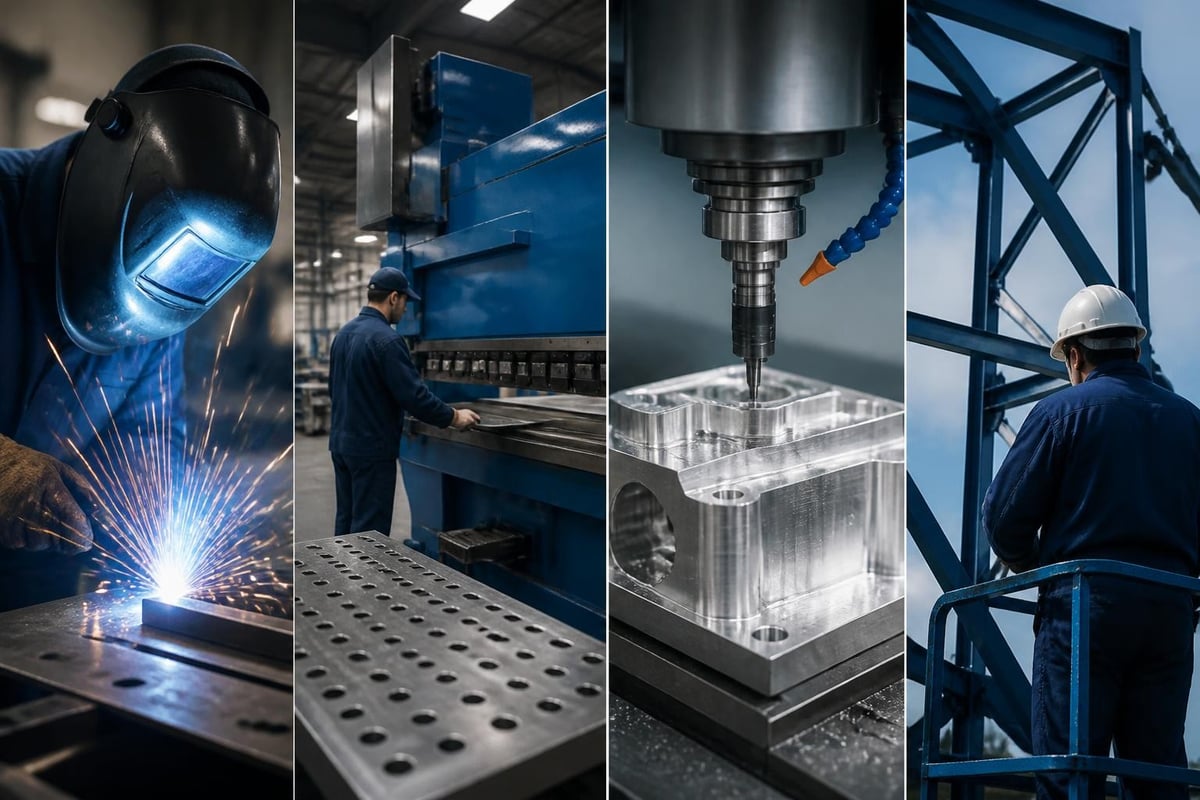
Custom welding shops provide comprehensive fabrication services that extend far beyond basic welding operations. These specialized facilities integrate multiple capabilities under one roof, allowing clients to streamline their supply chains and reduce project complexity.
Core Services Offered by Modern Facilities
Today's custom welding shops offer an expanding array of services designed to meet diverse industrial needs:
- Precision welding across multiple processes (MIG, TIG, stick, flux-core)
- Metal fabrication including cutting, forming, and assembly
- Machining services for tight-tolerance components
- Repair and refurbishment of industrial equipment
- On-site field services for large assemblies and installations
- Engineering support for design optimization
Many facilities now incorporate manufacturing and machining capabilities alongside traditional welding services, creating comprehensive solutions for complex projects.
Industry-Specific Applications
Custom welding shops serve diverse sectors throughout the Western United States and beyond. The aggregate industry requires durable wear plates and conveyor components. Oil and gas operations demand pressure vessels and pipeline modifications. Recycling facilities need heavy-duty sorting equipment and material handling systems.
Each sector presents unique challenges requiring specialized knowledge. According to industry analysis of custom metal fabricators, successful shops develop deep expertise in their target markets, understanding material requirements, regulatory compliance, and operational constraints specific to each industry.
Selecting the Right Custom Welding Shop for Your Project
Choosing a fabrication partner involves evaluating multiple factors beyond basic pricing considerations. The most cost-effective option rarely delivers optimal long-term value when quality, timeline, and technical capability enter the equation.
Essential Qualifications and Certifications
Professional custom welding shops maintain rigorous certification programs ensuring consistent quality:
| Certification Type | Purpose | Industry Relevance |
|---|---|---|
| AWS D1.1 | Structural welding steel | Construction, industrial structures |
| ASME Section IX | Pressure vessel welding | Oil & gas, chemical processing |
| API 1104 | Pipeline welding | Energy sector, transmission lines |
| ISO 9001 | Quality management systems | All manufacturing sectors |
| OSHA Compliance | Workplace safety standards | Universal requirement |
When evaluating potential partners, request documentation of certifications and quality control procedures. The five critical questions about welding quality provide an excellent framework for vetting fabricators.
Evaluating Technical Capabilities
Beyond certifications, assess the shop's actual capabilities relative to your project requirements. Review their equipment inventory, examining whether they possess the necessary welding machines, cutting tools, and inspection equipment.
Key evaluation criteria include:
- Welding process expertise matching your material specifications
- Material handling capacity for component size and weight
- Inspection and testing protocols ensuring quality verification
- Engineering support for design optimization and problem-solving
- Project management systems providing visibility and communication
Geographic location matters significantly for large assemblies or ongoing partnerships. While regional shops may charge premium rates, proximity reduces shipping costs and enables face-to-face collaboration during complex projects.
Quality Control and Welding Standards in Custom Fabrication
Quality control separates exceptional custom welding shops from mediocre competitors. Comprehensive quality programs encompass every project phase, from initial material verification through final inspection.
Documented Quality Management Systems
Professional fabricators implement formal quality management systems documenting procedures, work instructions, and acceptance criteria. These systems ensure consistency across projects and welders, eliminating variability that compromises results.
Effective quality programs include:
- Welder qualification testing verifying individual competency
- Procedure specification development defining parameters for each joint configuration
- In-process inspection protocols catching issues before they propagate
- Non-destructive testing using radiography, ultrasound, or magnetic particle methods
- Final documentation packages providing traceability and compliance records
Understanding welding techniques specific to your application helps evaluate whether a shop possesses the necessary expertise for your materials and joint configurations.
Material Traceability and Documentation
Industrial applications demand complete material traceability from mill certifications through final assembly. Custom welding shops should maintain rigorous documentation systems tracking material lots, heat numbers, and mechanical properties.
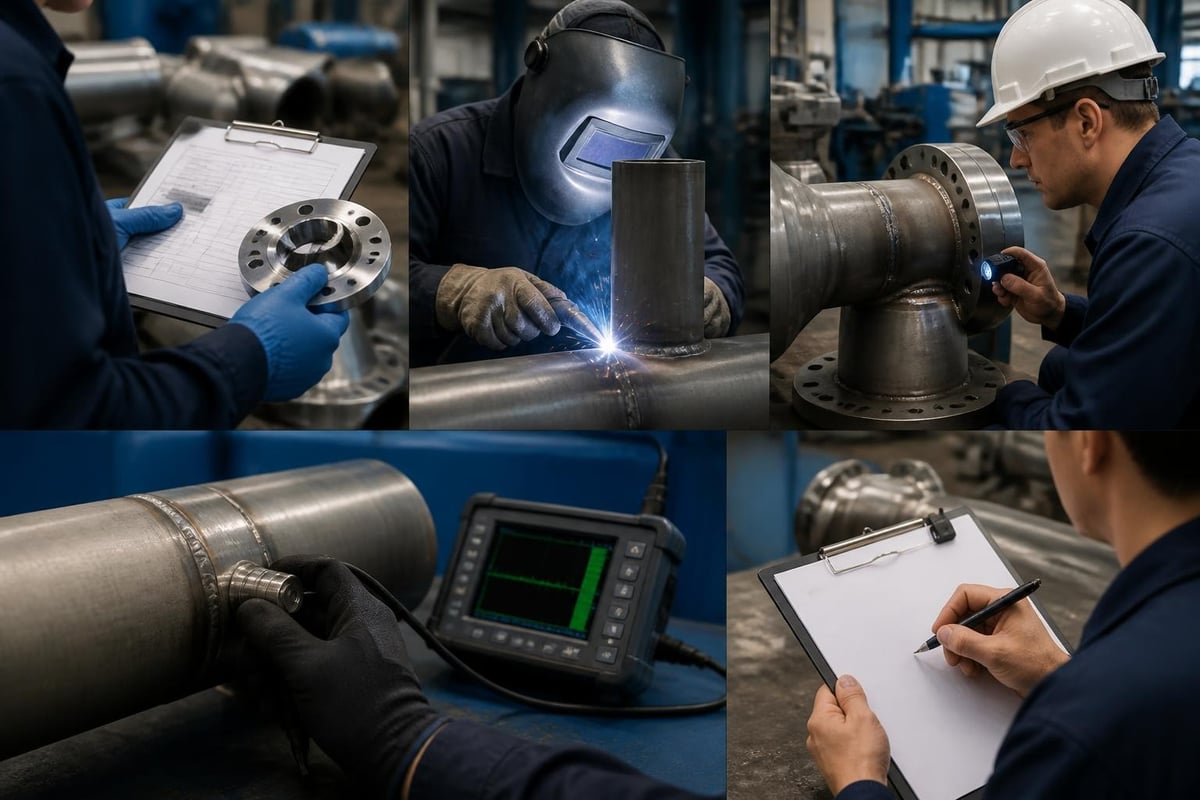
This documentation becomes critical for regulated industries where failure could result in catastrophic consequences. Best practices in custom application metal fabrication emphasize early material selection and specification to prevent downstream complications.
Advanced Technologies Transforming Custom Welding Operations
The fabrication landscape continues evolving as custom welding shops adopt emerging technologies improving precision, efficiency, and capabilities. These investments separate industry leaders from shops relying on outdated methods.
Automation and Robotic Welding Systems
Robotic welding delivers unprecedented consistency for repetitive operations and complex geometries. While initial investment remains substantial, automation provides compelling advantages:
- Improved weld quality through precise parameter control
- Enhanced repeatability eliminating human variability
- Increased productivity with continuous operation capability
- Better material utilization through optimized cutting patterns
- Worker safety improvements by removing operators from hazardous environments
However, automation complements rather than replaces skilled welders. Custom welding shops maintain teams of experienced craftsmen handling unique assemblies, prototype work, and field services where robotic systems prove impractical.
Smart Welding Technologies and Monitoring
Recent trends in welding systems emphasize integrated sensors and real-time analytics monitoring weld quality during execution. These smart systems detect parameter deviations instantly, enabling immediate corrections preventing defects.
Advanced monitoring provides several benefits:
- Real-time quality assurance reducing inspection requirements
- Data collection for continuous process improvement
- Predictive maintenance preventing equipment failures
- Digital record keeping simplifying compliance documentation
- Remote monitoring enabling expert oversight across multiple locations
Integration with shop management systems creates comprehensive visibility across all active projects, addressing the scheduling complexities in weld shops through data-driven resource allocation.
Project Management and Communication Excellence
Technical capability alone doesn't guarantee project success. Effective custom welding shops excel at project management, maintaining clear communication throughout fabrication cycles and proactively addressing challenges.
Collaborative Design and Engineering Support
The best partnerships begin during design phases, where fabrication expertise prevents costly mistakes. Custom welding shops offering engineering support can identify manufacturing challenges early, proposing design modifications that improve quality while reducing costs.
Innovations in custom welding services increasingly emphasize this collaborative approach, with fabricators participating in design reviews and providing design-for-fabrication input before committing to production.
Benefits of early fabricator involvement:
- Optimized joint designs reducing welding complexity
- Material selection balancing performance with fabricability
- Assembly sequence planning minimizing distortion
- Tolerance specifications reflecting realistic manufacturing capabilities
- Cost reduction through simplified production methods
Scheduling and Delivery Performance
Meeting deadlines requires sophisticated scheduling systems balancing multiple projects competing for limited resources. Professional custom welding shops implement formal scheduling processes accounting for material lead times, welder availability, inspection holds, and shipping logistics.
Transparency matters significantly. Regular progress updates with photographic documentation keep clients informed while building confidence in the fabricator's competency and commitment.
Specialized Capabilities for Complex Applications
Certain projects demand expertise beyond standard fabrication operations. Custom welding shops serving industrial markets often develop specialized capabilities addressing unique client needs.
Pressure Vessel Fabrication and Repair
Pressure vessels require ASME-certified welders and rigorous quality control protocols ensuring structural integrity under extreme conditions. Shops fabricating these components maintain specific certifications and inspection capabilities.
The complexity of pressure vessel repair demands even greater expertise, as technicians must assess existing damage, develop repair procedures, and execute work meeting original construction standards.
| Pressure Vessel Service | Certification Required | Typical Applications |
|---|---|---|
| New construction | ASME Section VIII | Storage tanks, reactors, heat exchangers |
| Field repair | ASME Section IX | Operating equipment repairs |
| Hydrostatic testing | NBIC compliance | Post-repair verification |
| Code compliance | API 510 inspection | Regulatory documentation |
Custom Fixturing and Tooling Design
Complex assemblies often require custom welding fixture design ensuring accurate positioning and minimizing distortion. Professional shops develop specialized fixtures for recurring projects, improving quality while reducing fabrication time.
Fixture design considerations include:
- Precise component location maintaining dimensional accuracy
- Adequate access for welding equipment and operators
- Thermal management accommodating expansion during welding
- Quick-change capability for high-mix production environments
- Durability withstanding repeated heating cycles
Investment in custom tooling makes economic sense for production runs but may prove excessive for one-off projects. Experienced fabricators help clients evaluate these trade-offs.
Field Services and On-Site Welding Solutions
Not all fabrication occurs within shop walls. Many custom welding shops extend their expertise through field services, bringing capabilities directly to client facilities for equipment too large to transport or situations requiring minimal downtime.
Mobile Welding and Repair Capabilities
Field welding presents unique challenges compared to controlled shop environments. Weather conditions, limited access, and working around operational equipment complicate even straightforward repairs.
Professional field teams arrive equipped with:
- Portable welding equipment suitable for various processes
- Power generation for remote locations
- Safety equipment meeting site-specific requirements
- Inspection tools for quality verification
- Emergency repair capabilities minimizing production interruptions
The ability to provide both shop-based fabrication and field services creates valuable flexibility for industrial clients managing complex maintenance schedules.
Emergency Response and Breakdown Services
Equipment failures rarely occur during convenient hours. Custom welding shops offering 24/7 emergency response provide critical support for operations where downtime carries substantial financial consequences.
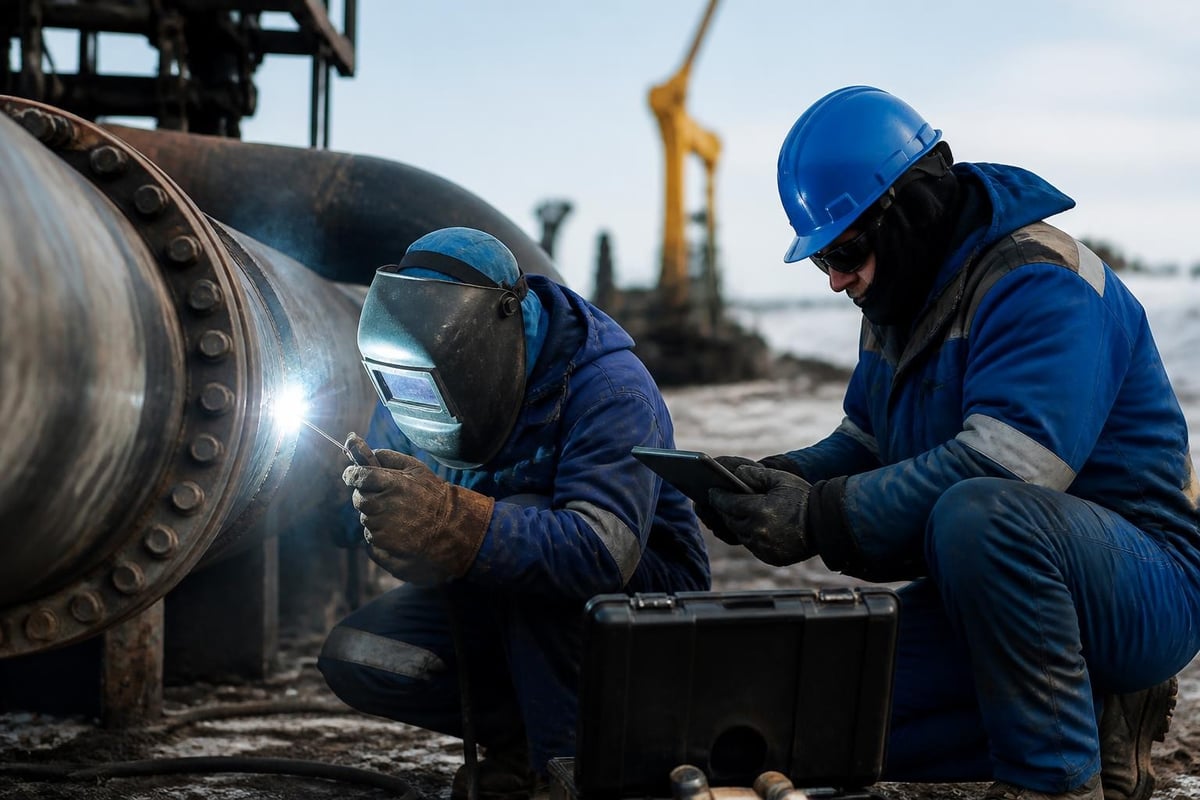
Emergency services typically include rapid assessment, temporary repairs enabling continued operation, and permanent solutions installed during planned shutdowns. This comprehensive approach minimizes both immediate impact and long-term risk.
Cost Considerations and Value Optimization
Understanding pricing structures helps clients make informed decisions balancing cost against quality, timeline, and service level expectations.
Pricing Models in Custom Fabrication
Custom welding shops typically employ several pricing approaches depending on project characteristics:
- Time and materials for undefined scope or repair work
- Fixed price quotations for well-specified projects
- Unit pricing for production runs of identical components
- Blanket agreements for ongoing maintenance relationships
- Cost-plus arrangements for design-build collaborations
Each model carries advantages and risks. Fixed pricing provides budget certainty but requires detailed specifications. Time and materials offer flexibility but less predictable costs.
Hidden Costs and Total Value Analysis
The lowest quoted price rarely represents the best value. Consider total project costs including:
- Shipping and logistics for heavy or oversized components
- Quality failures requiring rework or replacement
- Schedule delays impacting downstream operations
- Communication overhead managing problematic vendors
- Engineering changes from poor initial consultation
Professional custom welding shops may quote higher initial prices while delivering superior total value through reduced complications, better quality, and reliable delivery performance.
Sustainability and Environmental Responsibility
Modern custom welding shops increasingly emphasize environmental stewardship, implementing practices reducing waste, energy consumption, and environmental impact.
Waste Reduction and Material Optimization
Advanced cutting technologies like laser and waterjet systems minimize material waste through precise nesting and optimized cutting paths. The evolution of custom metal fabrication for OEMs highlights how precision fabrication reduces material costs while supporting sustainability objectives.
Scrap management programs ensure proper recycling of metal waste, returning valuable materials to the supply chain rather than landfills. Many shops track material utilization rates, continuously improving efficiency through process refinement.
Energy Efficiency and Carbon Reduction
Welding operations consume substantial energy. Progressive shops invest in high-efficiency equipment, LED lighting, and building improvements reducing energy consumption while maintaining production capacity.
Some facilities implement renewable energy systems or purchase carbon offsets, appealing to clients with corporate sustainability commitments. As environmental regulations tighten, these proactive measures provide competitive advantages.
Workforce Development and Skilled Labor
The welding industry faces ongoing workforce challenges as experienced craftsmen retire faster than new welders enter the field. Custom welding shops addressing this gap through training and development programs ensure long-term capability.
Apprenticeship and Training Programs
Forward-thinking fabricators invest in structured apprenticeship programs developing skilled welders through classroom instruction combined with supervised hands-on experience. These programs typically span multiple years, gradually building competency across various processes and materials.
Benefits extend beyond filling positions. Well-trained welders produce higher quality work, require less supervision, and demonstrate greater versatility across different project requirements.
Retention and Career Development
Skilled welders represent valuable assets worth retaining through competitive compensation, safe working conditions, and career advancement opportunities. Shops emphasizing employee development through continuing education and certification support build loyal, capable teams.
The correlation between workforce stability and quality output proves direct. High turnover creates quality inconsistencies and knowledge loss, while stable teams develop deep expertise and institutional knowledge.
Strategic Partnerships for Long-Term Success
Rather than transactional vendor relationships, many companies find greater value establishing strategic partnerships with custom welding shops aligned with their business objectives.
Benefits of Long-Term Fabrication Partnerships
Ongoing relationships enable custom welding shops to develop deep understanding of client needs, preferences, and operational constraints. This familiarity translates into:
- Faster turnaround times through streamlined processes
- Reduced engineering overhead leveraging previous similar projects
- Preferred scheduling during capacity constraints
- Proactive maintenance planning preventing emergency situations
- Continuous improvement through collaborative problem-solving
Companies engaged in industrial metal fabrication benefit significantly from these established relationships, particularly when managing complex multi-phase projects.
Communication and Relationship Management
Successful partnerships require mutual commitment to open communication, realistic expectations, and problem-solving mentality. Regular business reviews provide forums discussing performance metrics, addressing concerns, and identifying improvement opportunities.
The strongest relationships weather occasional challenges through collaborative problem-solving rather than blame assignment. When both parties approach difficulties as shared problems requiring joint solutions, partnerships strengthen rather than fracture.
Regional Considerations for Western United States Operations
Geographic factors significantly impact custom welding shop selection, particularly across the expansive Western United States where distances between facilities and job sites can prove substantial.
Logistics and Transportation Challenges
Large fabricated assemblies require specialized transportation equipment and routing considerations. Shops experienced in Western operations understand permitting requirements, route restrictions, and delivery logistics specific to the region.
Local or regional fabricators often provide advantages for:
- Reduced shipping costs minimizing transportation distance
- Easier site visits enabling face-to-face collaboration
- Faster emergency response for field service needs
- Simplified logistics avoiding cross-country coordination
- Regional expertise understanding local conditions and requirements
However, specialized capabilities may justify working with distant shops when local options lack necessary expertise or capacity.
Industry Concentrations and Market Dynamics
The Western United States supports diverse industrial sectors creating demand for custom welding services. Understanding metal fabrication services available regionally helps companies identify qualified partners near their operations.
Oil and gas activity concentrates in specific basins. Mining and aggregate operations cluster near resource deposits. Each concentration creates local expertise and infrastructure supporting those industries.
Future Trends Shaping Custom Welding Operations
The fabrication industry continues evolving, driven by technological advancement, changing customer expectations, and workforce dynamics. Understanding these trends helps companies anticipate future capabilities and requirements.
Additive Manufacturing Integration
While traditional welding and fabrication remain essential, additive manufacturing (3D printing) increasingly complements custom welding shops' capabilities. Metal printing enables complex geometries impossible through conventional methods, creating hybrid manufacturing approaches combining additive and subtractive processes.
Current applications focus on:
- Prototype development accelerating design validation
- Complex internal geometries for fluid handling systems
- Low-volume production where tooling costs prove prohibitive
- Repair applications building up worn surfaces
- Custom tooling for welding fixtures and jigs
As metal printing technology matures and costs decline, integration with traditional fabrication will expand.
Digital Transformation and Industry 4.0
Smart manufacturing principles increasingly influence custom welding shop operations. Digital twins, predictive analytics, and integrated production systems create unprecedented visibility and control.
According to recent analysis of top trends in custom metal fabrication, successful shops embrace digital transformation while maintaining the craftsmanship foundation ensuring quality outcomes.
Future capabilities may include:
- Virtual project collaboration through augmented reality
- Automated quality inspection using machine vision systems
- Predictive maintenance preventing equipment failures
- Supply chain integration improving material flow
- Customer portals providing real-time project visibility
These technologies enhance rather than replace human expertise, creating hybrid systems leveraging both computational power and craftsman skill.
Selecting and partnering with qualified custom welding shops requires evaluating technical capabilities, quality systems, project management competency, and cultural fit beyond simple price comparison. Companies serving industrial sectors throughout the Western United States need fabrication partners combining comprehensive capabilities with responsive service and proven reliability. LTJ Industrial Services delivers integrated welding, fabrication, and machining solutions backed by certified craftsmen, advanced equipment, and commitment to quality, supporting commercial and industrial manufacturing operations from our Rifle, Colorado facility with both shop services and field support across the region.