Finding reliable custom welding services in your local area requires more than a simple internet search. Industrial operations across the Western United States need welding partners who understand their specific requirements, whether supporting oil and gas infrastructure, aggregate processing equipment, or recycling facility maintenance. The search for "custom welding near me" represents a critical business decision that affects production timelines, equipment reliability, and operational safety. Understanding what separates exceptional welding providers from average shops helps ensure your projects receive the quality craftsmanship they demand.
Understanding Custom Welding Services for Industrial Applications
Custom welding encompasses specialized fabrication work tailored to unique project specifications. Unlike standard production welding, custom services address one-off repairs, prototype development, specialized equipment modification, and complex structural fabrication that requires advanced technical expertise.
Industrial sectors including aggregate processing, oil and gas operations, and commercial manufacturing depend on custom fabrication welding capabilities that extend beyond basic joining techniques. These projects often involve:
- Heavy-gauge metal fabrication for structural components
- Precision welding for hydraulic systems and pressure vessels
- Field welding services for on-site equipment repair and installation
- Multi-process welding combining MIG, TIG, stick, and flux-core techniques
- Specialty material joining including stainless steel, aluminum, and exotic alloys
The distinction between custom welding and production welding lies in adaptability. Custom welding shops must maintain diverse capabilities, stock various materials, and employ certified welders proficient across multiple processes and positions.
Key Certifications and Quality Standards
Professional welding services adhere to strict industry standards established by organizations like the American Welding Society. The American Welding Society offers over 350 standards covering welding procedures, welder qualification, and inspection criteria that ensure consistent quality across industrial applications.
When searching for custom welding near me, verify that potential providers maintain current certifications and follow documented welding procedures. Reputable shops employ certified welders who hold credentials for specific processes and materials relevant to your industry requirements.
Evaluating Local Welding Service Providers
Geographic proximity provides significant advantages when selecting welding partners. Local providers offer faster response times for emergency repairs, reduced transportation costs for large fabrications, and easier communication during project development phases.
| Evaluation Criteria | What to Look For | Why It Matters |
|---|---|---|
| Industry Experience | 5+ years serving your sector | Understanding specific requirements and challenges |
| Equipment Capabilities | Modern welding equipment, CNC plasma tables, overhead cranes | Ability to handle diverse project sizes and complexities |
| Shop vs Field Services | Both in-house and mobile welding options | Flexibility for different project needs |
| Material Expertise | Experience with your specific materials | Proper technique selection and quality outcomes |
| Turnaround Time | Clear scheduling and realistic deadlines | Minimizing production downtime |
Shop Capabilities and Infrastructure
Comprehensive industrial welding services require substantial infrastructure investments. When evaluating custom welding near me options, assess the physical capabilities that enable efficient project completion.
Modern welding facilities should feature:
- Climate-controlled welding bays for consistent quality
- Material handling equipment including forklifts and overhead cranes
- Cutting and preparation tools such as plasma tables and beveling equipment
- Inspection and testing capabilities for quality verification
- Adequate workspace for large fabrication projects
Shops offering both controlled environment work and field welding capabilities provide maximum flexibility. Equipment breakdowns don't always happen in convenient locations, and mobile welding services become essential when machinery cannot be transported to a shop environment.
Safety Standards and Compliance Requirements
Welding operations involve significant hazards that professional providers must actively manage. OSHA outlines health and safety hazards including metal fumes, UV radiation exposure, electrical shock, and fire risks that require comprehensive safety protocols.
Reputable custom welding services implement documented safety programs that protect both workers and client facilities. These programs address ventilation requirements, personal protective equipment standards, hot work permits, and emergency response procedures.
Safety Program Components
When evaluating welding providers, inquire about their safety record and established protocols. Professional operations maintain:
- Written safety policies covering all welding processes
- Regular safety training for all welding personnel
- Personal protective equipment programs including proper respirators, welding helmets, and protective clothing
- Ventilation systems for fume extraction and air quality management
- Fire prevention measures including fire watch procedures and extinguisher placement
The welding safety guidelines emphasize that proper safety management protects project timelines by preventing accidents and ensuring regulatory compliance. Industrial clients bear responsibility for verifying that contractors maintain adequate safety standards before authorizing work on their facilities.
Material Selection and Process Expertise
Different industrial applications demand specific material and process combinations. Searching for custom welding near me should include evaluation of a provider's experience with materials relevant to your operations.
Common Industrial Materials and Applications
Carbon Steel: The most common structural material used in aggregate equipment, conveyor systems, and general fabrication work. Carbon steel offers excellent weldability across all major processes and provides cost-effective solutions for most industrial applications.
Stainless Steel: Essential for food processing equipment, chemical handling systems, and applications requiring corrosion resistance. Stainless steel welding demands specialized techniques to maintain material properties and prevent contamination.
Aluminum: Critical for weight-sensitive applications, marine environments, and certain chemical processing equipment. Aluminum welding requires specific equipment, shielding gases, and welder training due to the material's unique characteristics.
High-Strength Alloys: Specialized applications in oil and gas, mining equipment, and high-stress components often require exotic alloys with specific welding procedures.
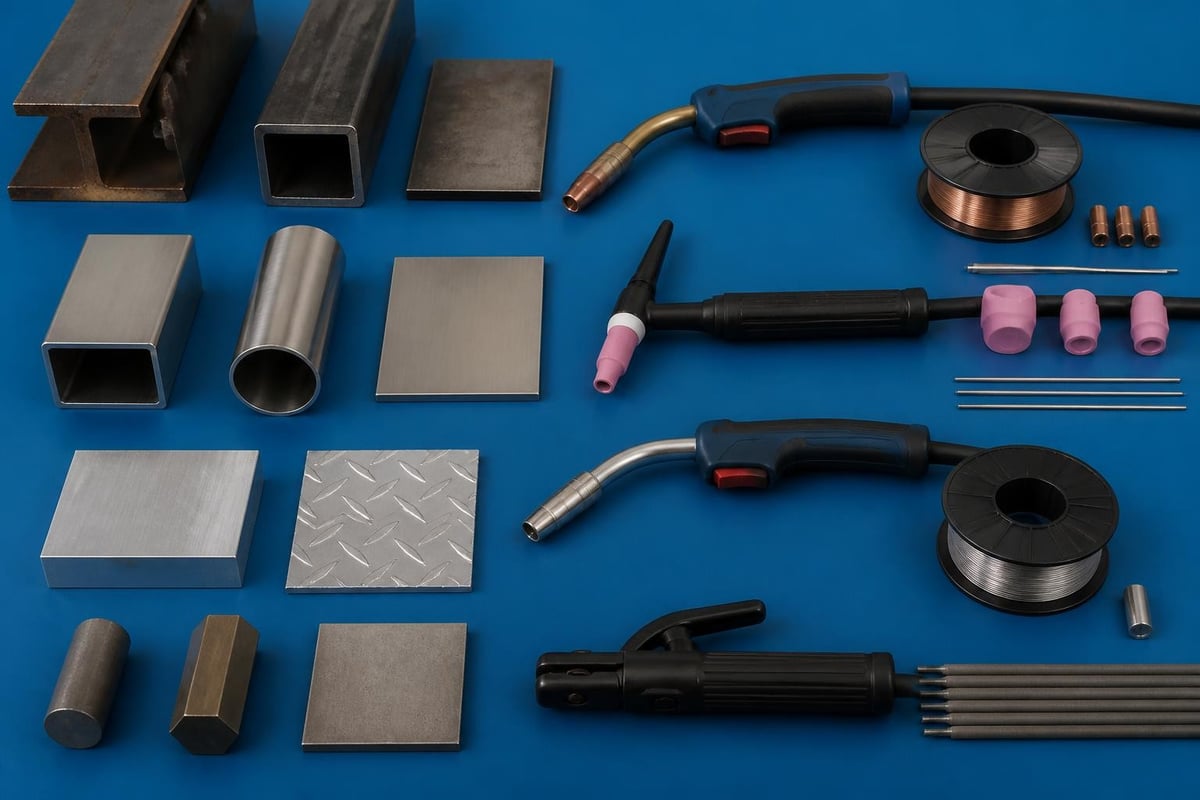
Understanding metal fabrication techniques for different materials ensures proper process selection. A qualified welding provider maintains documented welding procedure specifications (WPS) for materials and thicknesses commonly encountered in their target industries.
Project Planning and Communication
Successful custom welding projects begin with clear communication and thorough planning. The relationship between client and welding provider should facilitate detailed requirement discussions, realistic timeline development, and ongoing project updates.
Initial Consultation Process
Professional welding shops conduct comprehensive project assessments before providing quotes. This assessment should include:
- Detailed requirement review covering materials, dimensions, tolerances, and finish requirements
- Application discussion to understand service conditions, loads, and environmental factors
- Code and standard identification determining applicable welding codes and inspection requirements
- Timeline development accounting for material procurement, fabrication, and delivery
- Budget establishment with transparent pricing for materials, labor, and additional services
The best custom welding near me providers ask detailed questions rather than immediately quoting projects. This thoroughness indicates attention to detail that translates into quality outcomes.
Documentation and Quality Control
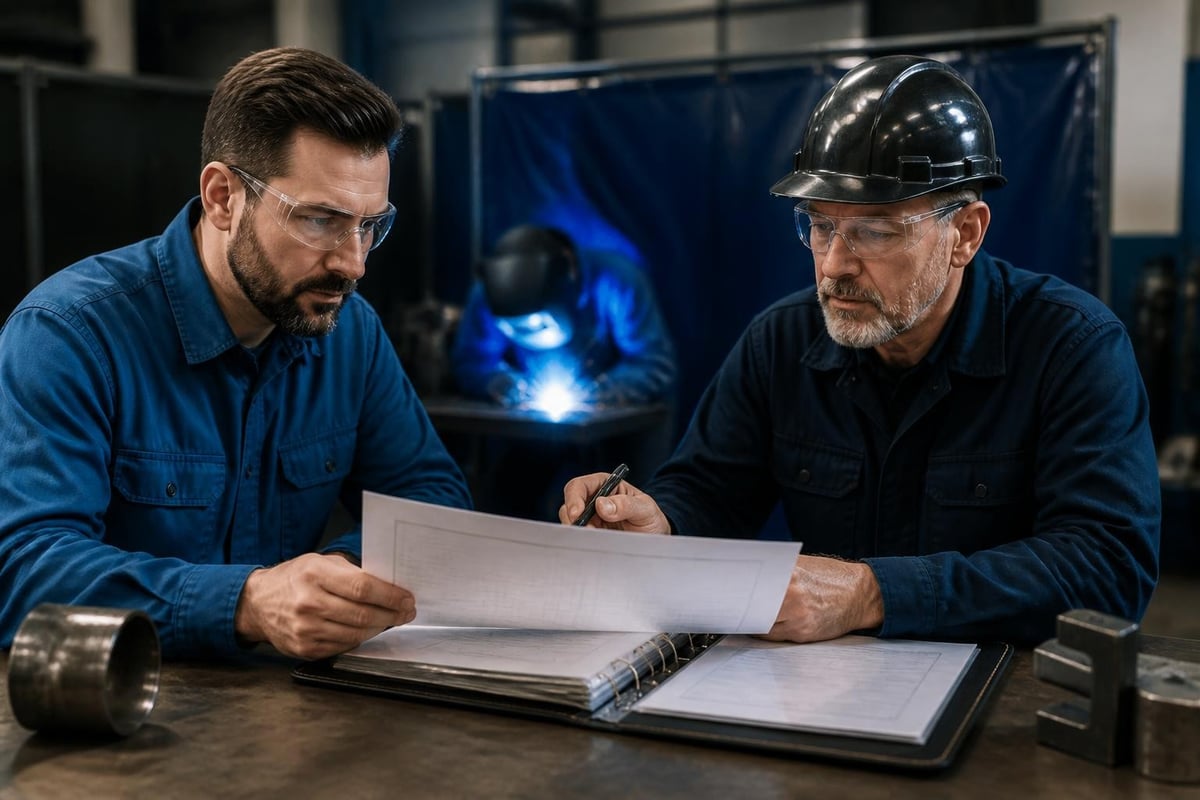
Professional fabrication operations maintain comprehensive documentation throughout project lifecycles. This documentation provides traceability, supports quality verification, and creates reference materials for future work.
Quality-focused shops provide:
- Material certifications verifying material grade and composition
- Welding procedure specifications documenting approved welding parameters
- Welder qualification records confirming personnel certifications
- Inspection reports detailing quality verification activities
- As-built drawings reflecting any modifications from original specifications
Field Welding Versus Shop Fabrication
The choice between field welding services and shop fabrication depends on project characteristics, equipment portability, and operational constraints. Understanding when each approach offers advantages helps optimize project planning.
| Factor | Shop Fabrication | Field Welding |
|---|---|---|
| Quality Control | Superior due to controlled environment | Good with proper procedures |
| Cost Efficiency | Lower for transportable items | Better for immobile equipment |
| Weather Impact | Minimal | Significant consideration |
| Production Speed | Generally faster | Depends on site conditions |
| Equipment Access | Full shop capabilities available | Limited to portable equipment |
When Field Welding Makes Sense
Industrial manufacturing operations frequently require on-site welding for equipment that cannot be economically moved. Field welding becomes the preferred option when:
- Equipment size or weight makes transportation impractical
- Downtime costs exceed the premium for mobile services
- Repairs must be completed without dismantling surrounding systems
- Installation work requires welding after positioning
- Emergency repairs demand immediate response
Mobile welding services bring shop-quality workmanship to client locations. Modern portable welding equipment, proper environmental controls, and experienced field welders deliver results comparable to shop conditions when properly managed.
Industry-Specific Welding Requirements
Different industrial sectors impose unique requirements on welding services. When searching for custom welding near me, prioritize providers with documented experience in your specific industry.
Oil and Gas Sector
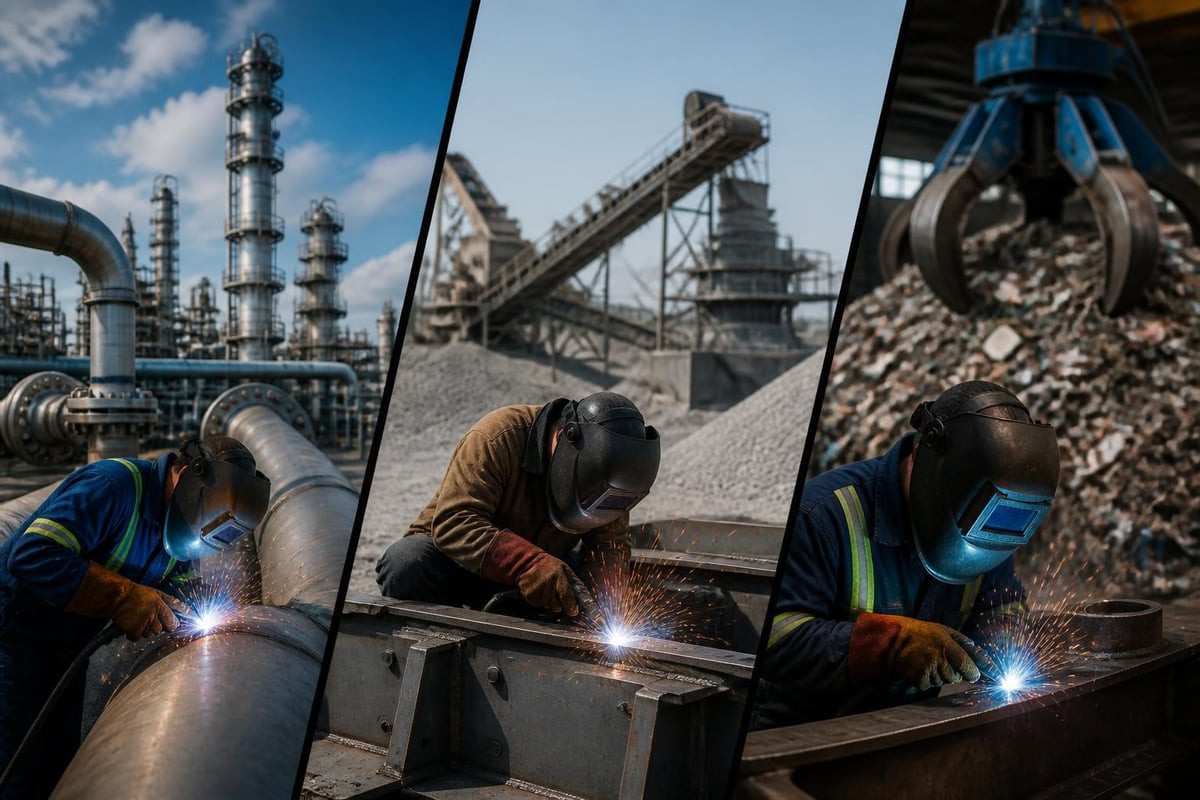
Oil and gas operations demand welding services that meet stringent code requirements and operate under challenging conditions. Pressure vessels, pipeline repairs, and processing equipment modifications require certified welders qualified to applicable codes including ASME Section IX and API standards.
Safety protocols become particularly critical in hydrocarbon environments. Welding contractors must demonstrate comprehensive hot work procedures, gas detection capabilities, and emergency response training.
Aggregate and Mining Equipment
Metal fabrication for aggregate industries involves heavy-duty components subject to extreme abrasion and impact loads. Conveyor systems, crusher components, and screening equipment require wear-resistant materials and robust welding procedures.
Maintenance windows in aggregate operations are typically limited, making responsive service and efficient project execution essential. Custom welding providers serving this sector must mobilize quickly and complete quality work within compressed timeframes.
Recycling and Material Processing
The recycling industry presents unique challenges including contaminated materials, high-cycle applications, and equipment operating in demanding environments. Shredder components, sorting system modifications, and baler repairs require welding expertise combined with understanding of material flow systems.
Advanced Welding Capabilities and Specialty Services
Beyond basic joining operations, comprehensive custom welding providers offer specialty services that address complex industrial needs. These advanced capabilities distinguish full-service fabrication shops from limited welding contractors.
Precision Machining Integration
Projects requiring both welding and precise dimensional control benefit from integrated fabrication and machining capabilities. Combining these services under one roof eliminates coordination challenges, reduces transportation costs, and ensures tighter tolerances.
Common integrated projects include:
- Custom hydraulic cylinders with machined bearing surfaces
- Fabricated frames requiring precision mounting holes
- Repaired components needing dimensional restoration
- Prototype development combining welding and CNC machining
Hydraulic System Fabrication and Repair
Industrial hydraulic systems represent critical components across manufacturing, construction, and material handling applications. Hydraulic expertise combined with welding capabilities enables comprehensive system fabrication, modification, and emergency repair services.
Hydraulic work demands particular attention to cleanliness, leak-free joints, and proper material selection. Welding providers serving this niche maintain clean fabrication environments and follow procedures that prevent contamination of hydraulic components.
Water Jetting for Material Preparation
Modern fabrication facilities increasingly incorporate waterjet cutting services that complement welding operations. Waterjet technology provides precise material cutting without heat-affected zones, enabling tight-tolerance fabrication and intricate custom parts.
The combination of waterjet cutting and welding capabilities allows providers to efficiently produce complex assemblies from raw materials, reducing client coordination requirements and project timelines.
Emergency Response and Repair Services
Equipment failures rarely occur during regular business hours. Industrial operations need custom welding near me providers who offer emergency response capabilities for critical repairs that cannot wait until normal scheduling allows.
Professional emergency welding services include:
- 24/7 availability with on-call technicians
- Rapid mobilization to minimize downtime
- Mobile equipment for field repairs
- Temporary repair solutions when permanent fixes require extended timelines
- Parts fabrication when replacement components are unavailable
The value of established relationships with capable welding providers becomes evident during emergencies. Shops familiar with your equipment, materials, and operational constraints respond more efficiently than unfamiliar contractors learning your systems during crisis situations.
Cost Considerations and Value Assessment
Price represents just one factor when evaluating custom welding services. The lowest quote rarely delivers optimal value when considering quality, reliability, and total project costs.
Understanding Welding Service Pricing
Professional welding shops base pricing on multiple factors:
- Labor rates reflecting welder skill levels and certifications
- Material costs including raw materials and consumables
- Equipment usage for specialized processes or machinery
- Overhead allocation covering facility, insurance, and administrative costs
- Project complexity accounting for difficulty and precision requirements
Transparent pricing structures separate material costs from labor charges, allowing clients to understand cost drivers and make informed decisions about material selections or design modifications.
Hidden Costs of Low-Quality Welding
Selecting providers based solely on price creates risks that often result in higher total costs. Poor-quality welding leads to:
- Premature failures requiring repeat repairs
- Production downtime from unreliable equipment
- Safety incidents from structural failures
- Regulatory issues when work fails to meet code requirements
- Reputation damage if product quality suffers
Investing in quality welding services from established providers delivers long-term value through reliable performance, regulatory compliance, and reduced lifetime maintenance costs.
Building Long-Term Welding Partnerships
The most successful industrial operations develop ongoing relationships with capable welding service providers rather than treating each project as an isolated transaction. These partnerships deliver multiple benefits:
Operational Knowledge: Long-term providers develop deep familiarity with your equipment, processes, and requirements, enabling faster problem diagnosis and more efficient project execution.
Priority Service: Established clients receive preferential scheduling during busy periods and faster emergency response when critical situations arise.
Proactive Maintenance: Familiar welding partners identify potential problems during routine work, enabling preventive maintenance before failures occur.
Cost Efficiency: Reduced quoting time, streamlined communication, and process familiarity translate into lower administrative costs and faster project completion.
Quality Consistency: Ongoing relationships with industrial welders who understand your quality standards ensure consistent results across multiple projects.
Regional Considerations for Western United States Operations
Geography influences custom welding service availability and capabilities across the Western United States. Remote industrial operations face unique challenges when sourcing welding services.
Service Area Coverage
When searching for custom welding near me in less populated regions, verify provider service territories. Some shops limit mobile services to specific radius from their facilities, while others maintain broader coverage across multiple states.
Operations in remote locations benefit from welding partners who:
- Maintain mobile equipment capable of handling diverse field conditions
- Stock common materials to reduce procurement delays
- Employ experienced field welders accustomed to challenging environments
- Understand logistics for accessing remote sites
- Provide comprehensive services reducing the need for multiple contractors
Climate and Environmental Factors
Western states present diverse environmental conditions affecting welding operations. Desert heat, mountain weather, and seasonal variations require proper planning and adaptive procedures.
Professional welding services account for environmental factors through:
- Temperature management using preheating or cooling procedures as needed
- Weather protection with shelters for field welding during adverse conditions
- Moisture control preventing hydrogen-induced cracking in sensitive materials
- Wind barriers for gas-shielded welding processes
- Altitude adjustments for equipment operating at elevation
Technology Integration and Modern Welding Practices
The welding industry continues evolving through technological advancement. Modern custom welding providers leverage technology to improve quality, efficiency, and client communication.
Digital Documentation and Project Management
Progressive welding shops utilize digital systems for project tracking, documentation management, and client communication. These systems provide:
- Real-time project status updates
- Digital storage of certifications and inspection reports
- Photo documentation of fabrication progress
- Electronic submittal and approval workflows
- Historical project archives for reference
Quality Monitoring Systems
Advanced welding operations implement quality control monitoring that goes beyond final inspection. Real-time monitoring of welding parameters, automated defect detection, and statistical process control enhance consistency and reduce rework.
These technologies particularly benefit production welding and repetitive fabrication work where consistency directly impacts product reliability.
Finding the right custom welding partner involves evaluating technical capabilities, safety standards, industry experience, and service flexibility to ensure quality outcomes. Whether you need emergency field repairs for oil and gas equipment, custom fabrication for aggregate processing systems, or comprehensive machining and welding services, LTJ Industrial Services brings over two decades of experience serving industrial clients throughout the Western United States. Our Rifle, Colorado facility combines advanced shop capabilities with responsive field services, delivering the quality craftsmanship your operations demand.