Welding industrial operations form the backbone of modern manufacturing, construction, and infrastructure development across the United States. From oil and gas facilities to recycling plants and aggregate processing operations, professional welding services ensure structural integrity, operational safety, and production efficiency. As industries evolve with advanced automation and stricter safety requirements, understanding the comprehensive landscape of welding industrial applications becomes essential for businesses seeking reliable fabrication partners and quality outcomes.
Understanding Welding Industrial Applications
Welding industrial processes encompass a broad spectrum of techniques and applications designed to meet the demanding requirements of heavy manufacturing and field operations. These specialized services extend far beyond basic metal joining, incorporating precision machining, custom fabrication, and on-site repair capabilities that keep critical operations running smoothly.
Core Industrial Welding Processes
The foundation of welding industrial work relies on several primary techniques, each suited to specific materials, environments, and structural requirements. Shielded Metal Arc Welding (SMAW) remains widely used in field applications due to its versatility and minimal equipment requirements. Gas Metal Arc Welding (GMAW) offers higher production speeds and cleaner welds for shop fabrication projects.
Flux-Cored Arc Welding (FCAW) provides excellent performance in outdoor conditions where wind might disrupt gas shielding, making it ideal for construction and field repair scenarios. Gas Tungsten Arc Welding (GTAW) delivers precision welds on thin materials and exotic alloys commonly found in specialized industrial equipment.
For custom metal fabrication projects requiring specific mechanical properties, process selection significantly impacts final product quality and longevity. Material thickness, composition, joint configuration, and operational environment all influence which welding method produces optimal results.
Industry-Specific Requirements
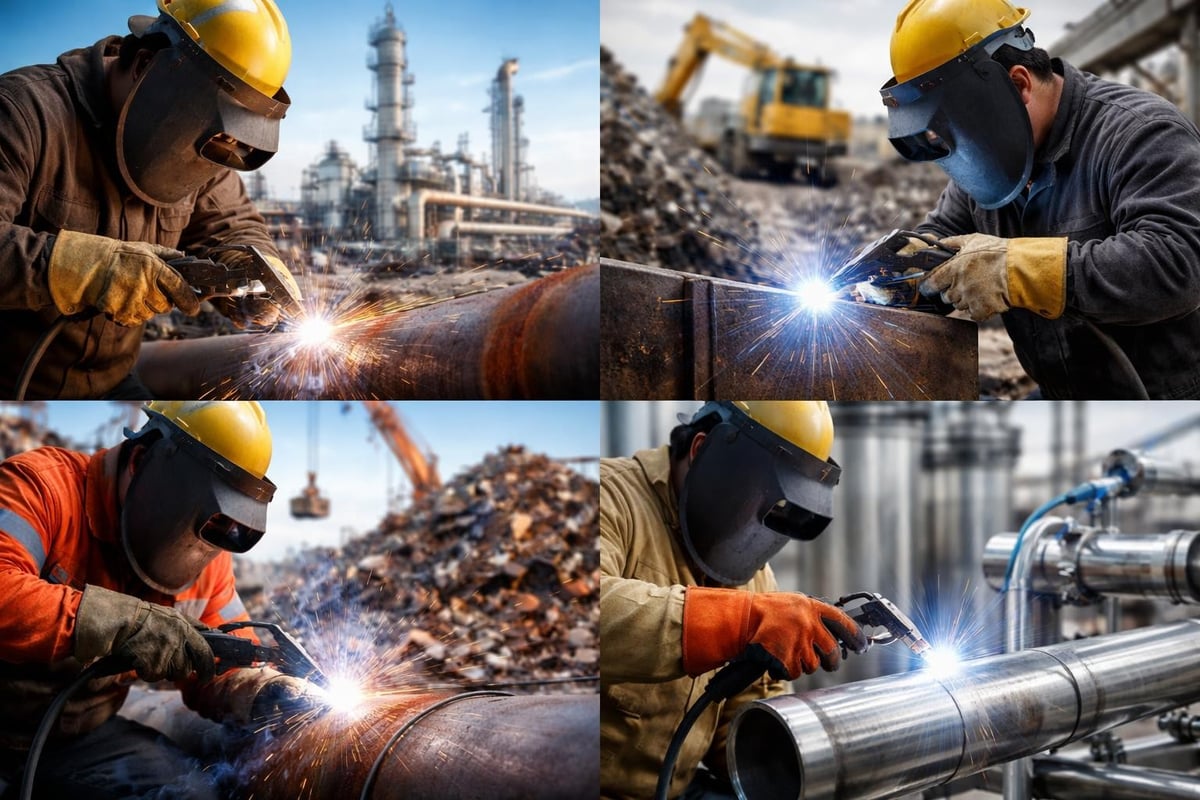
Different industrial sectors demand specialized welding capabilities and certifications. Oil and gas operations require welders certified for high-pressure piping systems and pressure vessels, with strict adherence to ASME codes. Aggregate and mining equipment needs robust welds capable of withstanding extreme abrasion and impact loading during continuous operation.
Recycling facilities present unique challenges with diverse material handling equipment requiring frequent repairs and modifications. The corrosive environments and heavy mechanical stresses demand welders experienced in selecting appropriate filler materials and techniques for maximum durability.
Manufacturing plants across these sectors benefit from comprehensive welding and fabrication services that combine shop precision with field responsiveness. This dual capability ensures production equipment receives proper maintenance while new installations meet exact specifications.
Safety Standards and Compliance
Safety represents the paramount concern in all welding industrial operations, with multiple regulatory frameworks governing workplace practices and quality assurance. Compliance protects workers, ensures structural integrity, and maintains insurance coverage for businesses operating in high-risk environments.
OSHA Welding Regulations
The OSHA welding, cutting, and brazing standards establish fundamental safety requirements for industrial operations. These regulations address electrical safety, fire prevention, ventilation systems, and personal protective equipment specifications that apply to both shop and field environments.
Proper ventilation remains critical when welding industrial materials that may produce hazardous fumes. Hexavalent chromium exposure from stainless steel welding, manganese from certain electrodes, and zinc fumes from galvanized materials all require specific controls. Confined space welding demands additional precautions including air monitoring, rescue procedures, and specialized training.
The ANSI Z49.1-2021 safety guidelines provide comprehensive best practices that exceed basic OSHA requirements, offering detailed recommendations for hazard assessment and control measures. Forward-thinking companies incorporate these voluntary standards to demonstrate commitment to worker safety and operational excellence.
Quality Control and Certification
Welding industrial projects in critical infrastructure require rigorous quality control programs including visual inspection, non-destructive testing, and documentation systems. Radiographic testing reveals internal defects in high-pressure systems. Ultrasonic testing provides detailed flaw detection without radiation concerns. Magnetic particle and liquid penetrant testing identify surface discontinuities that could compromise structural integrity.
Welder certification through American Welding Society programs ensures personnel possess demonstrated skills for specific processes, positions, and materials. Many industrial applications require certification to AWS D1.1 (structural steel), AWS D1.5 (bridge code), or ASME Section IX (pressure vessels and piping). The recent release of the AASHTO/AWS D1.5M/D1.5:2025 Bridge Welding Code reflects ongoing updates to maintain safety standards as materials and techniques evolve.
| Safety Element | Shop Environment | Field Environment |
|---|---|---|
| Ventilation | Fixed exhaust systems, booth design | Portable ventilation, wind consideration |
| Fire Prevention | Designated welding areas, sprinklers | Hot work permits, fire watch requirements |
| PPE Requirements | Standard helmets, jackets, gloves | Additional protection for weather, terrain |
| Electrical Safety | Grounded equipment, dry conditions | GFCI protection, cable management |
Equipment and Technology Advances
Modern welding industrial operations leverage technological innovations that improve quality, efficiency, and safety outcomes. Equipment selection significantly impacts project capabilities, with investments in advanced systems paying dividends through reduced rework and faster completion times.
Power Source Evolution
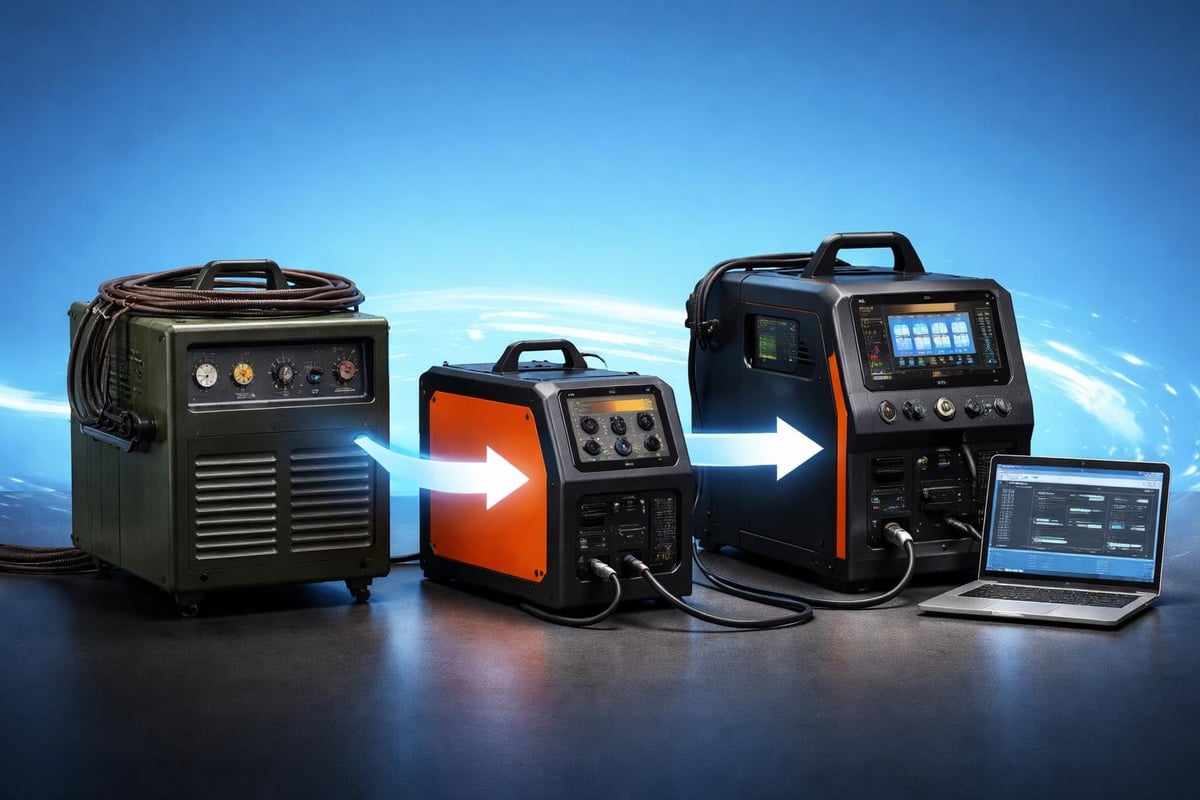
Contemporary welding power sources incorporate microprocessor controls that optimize arc characteristics for specific applications. Inverter technology reduces equipment weight and power consumption while providing precise control over welding parameters. These units deliver consistent performance across varying input voltages, crucial for field operations where generator quality fluctuates.
Multi-process machines combine GMAW, FCAW, GTAW, and SMAW capabilities in single units, reducing equipment inventory and training requirements. This versatility proves especially valuable for industrial fabrication services handling diverse projects with varying specifications.
Advanced power sources now feature pulsed arc technology that reduces heat input while maintaining penetration, ideal for thin materials and distortion-sensitive applications. Synergic control systems automatically adjust multiple parameters based on wire feed speed selection, simplifying operation and reducing skill barriers for complex processes.
Automation and Robotics Integration
The integration of robotic welding systems continues transforming manufacturing operations, with collaborative robots (cobots) making automation accessible to smaller shops. These systems excel at repetitive tasks requiring consistent quality, freeing skilled welders for complex custom work and field repairs.
Orbital welding systems provide automated tube and pipe welding with precise parameter control, essential for pharmaceutical, food processing, and semiconductor applications requiring sanitary connections. Column and boom manipulators handle heavy weldments in vessel fabrication, improving safety while maintaining quality on thick-section materials.
Vision systems and AI-enhanced quality monitoring detect defects in real-time, enabling immediate corrections before defective work accumulates. These technologies address the global welding talent gap by maximizing productivity from available skilled workers while maintaining quality standards.
However, automation complements rather than replaces skilled welders, particularly for custom heavy equipment welding and field repairs where adaptability and problem-solving remain essential human capabilities.
Field Welding and Mobile Services
Field welding represents a distinct discipline within welding industrial services, requiring specialized equipment, procedures, and personnel capable of delivering shop-quality results in challenging environments. Mobile welding capabilities enable businesses to minimize downtime by bringing repair and fabrication expertise directly to operational sites.
Unique Field Challenges
Environmental conditions significantly impact field welding quality and safety. Wind protection becomes essential for gas-shielded processes, requiring windbreaks or process selection favoring SMAW or FCAW. Temperature extremes affect preheat requirements, cooling rates, and electrode storage, demanding careful procedure adjustments to maintain weld integrity.
Access limitations frequently constrain positioning options, requiring welders skilled in overhead and vertical techniques. Power availability varies widely, necessitating portable generators sized appropriately for welding equipment demands while maintaining stable output voltage.
Contamination control proves more difficult in field environments where dirt, moisture, and previous coatings compromise weld quality. Thorough surface preparation becomes absolutely critical, often requiring portable grinding, sandblasting, or chemical cleaning equipment brought to job sites.
Mobile Equipment Capabilities
Professional field welding services maintain specialized truck-mounted equipment providing comprehensive capabilities for on-site work. Welding beds carry multiple power sources, generators, gas cylinders, and consumable inventories enabling self-sufficient operations at remote locations throughout the Western United States.
Hydraulic service capabilities often accompany welding services, as equipment failures frequently involve both mechanical and structural repairs. Portable machining equipment enables precision repairs without removing large components from operational facilities, significantly reducing downtime costs.
For businesses operating across the recycling, aggregate, and oil and gas sectors, responsive metal fabrication and welding field services translate directly into maintained production schedules and avoided revenue losses from extended equipment outages.
Material Considerations and Metallurgy
Understanding base metal characteristics and their response to welding thermal cycles separates adequate welding industrial work from exceptional results that deliver long-term performance. Material selection, filler metal compatibility, and heat treatment requirements demand metallurgical knowledge applied through proper procedures.
Common Industrial Alloys
Carbon steel remains the predominant material in structural fabrication and general manufacturing equipment, offering excellent weldability across most processes. Low-carbon grades (A36, A572) weld easily without preheat in moderate thicknesses. Higher-carbon alloys and thick sections require preheat to prevent cracking from rapid cooling rates.
Stainless steel alloys serve corrosive environments in chemical processing, food production, and specialized applications. The 300-series austenitic grades provide excellent corrosion resistance but require careful heat control to prevent carbide precipitation and subsequent intergranular corrosion. Duplex stainless steels offer superior strength but demand precise filler metal selection and post-weld heat treatment for optimal properties.
High-strength low-alloy (HSLA) steels enable weight reduction in mobile equipment and structures, but their elevated strength levels require matched filler metals and strict procedure controls. Quenched and tempered alloys present particular challenges, as welding heat treatments may degrade base metal properties in heat-affected zones.
Weld Metal Selection
Filler metal specification significantly impacts final weld properties, service life, and failure resistance. Matching strength represents the minimum requirement, but superior performance often demands overmatching to account for stress concentrations at welded joints. Toughness characteristics become critical in low-temperature service or impact-loaded applications.
Corrosion resistance considerations extend beyond stainless alloys, as carbon steel electrodes incorporate varying alloy levels affecting atmospheric corrosion rates. Diffusible hydrogen levels in electrodes determine cracking susceptibility, with low-hydrogen classifications essential for thick sections and higher-strength materials.
Proper electrode storage and handling prevents moisture absorption that increases hydrogen content and cracking risk. Temperature-controlled ovens maintain low-hydrogen electrodes in proper condition, reflecting the quality commitment distinguishing professional operations from casual fabricators.
| Material Type | Primary Challenges | Filler Metal Considerations |
|---|---|---|
| Carbon Steel | Cracking in thick sections | Preheat requirements, low-hydrogen electrodes |
| Stainless Steel | Carbide precipitation, distortion | Heat control, filler metal composition |
| HSLA Steel | Heat-affected zone softening | Matched strength, toughness levels |
| Cast Iron | Cracking from thermal stress | Nickel-based rods, butter passes |
Quality Assurance Programs
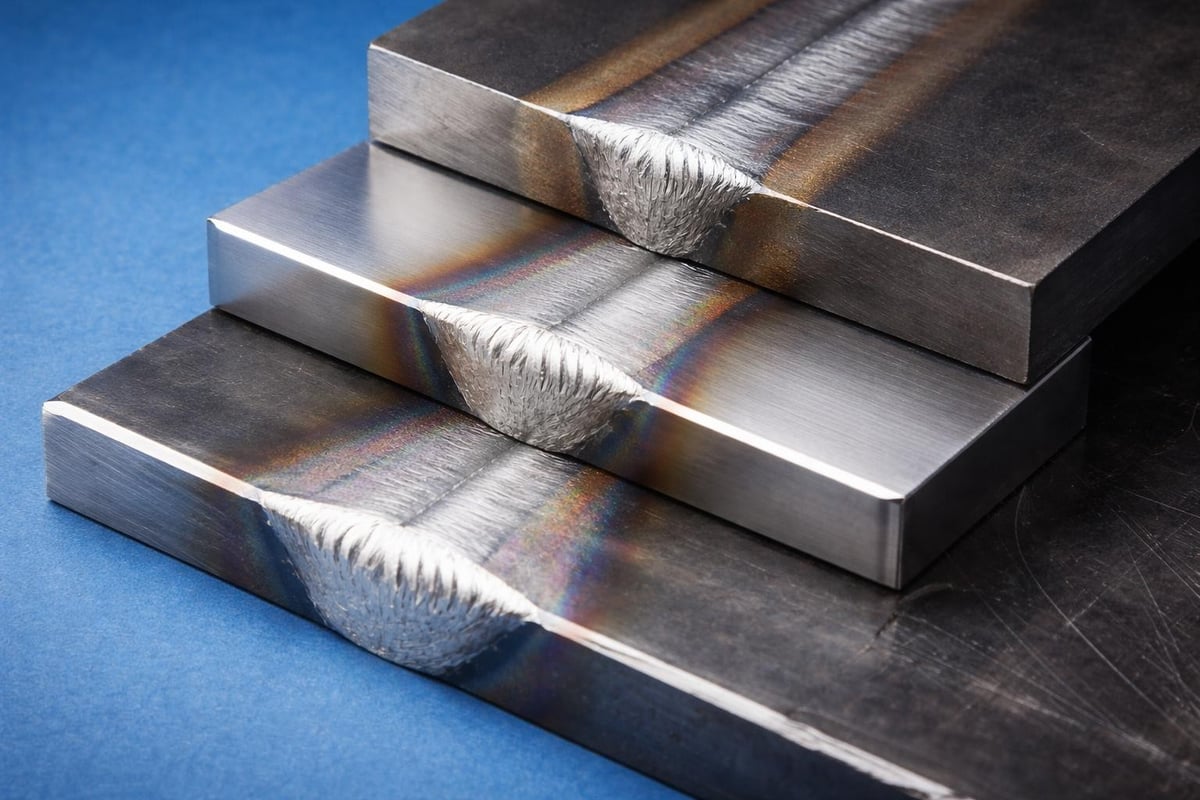
Comprehensive quality assurance separates reliable welding industrial services from operations producing inconsistent results. Formal programs encompassing procedure qualification, welder certification, inspection protocols, and documentation systems ensure compliance with project specifications and regulatory requirements.
Welding Procedure Specifications
Welding Procedure Specifications (WPS) document the specific parameters, techniques, and materials producing acceptable welds for particular applications. These procedures undergo qualification testing per AWS or ASME codes, with mechanical testing and examination verifying that resulting welds meet required properties.
Procedure Qualification Records (PQR) provide the test data supporting WPS documents, establishing the acceptable range for each essential variable. Changes exceeding these ranges require requalification, ensuring modifications don't compromise weld integrity.
Properly developed procedures account for production realities while maintaining quality standards. Overly restrictive specifications increase costs without improving performance, while inadequate controls permit defects. Experienced custom welding and fabrication providers balance these competing demands through extensive practical knowledge.
Inspection and Testing Protocols
Visual inspection represents the primary quality control method, with trained inspectors identifying surface defects, dimensional compliance, and workmanship issues. AWS Certified Welding Inspectors (CWI) possess demonstrated knowledge of codes, standards, and inspection techniques required for critical applications.
Non-destructive examination (NDE) reveals internal discontinuities without damaging finished welds. Radiographic testing provides permanent film records but requires radiation safety controls and certified technicians. Ultrasonic testing offers portable, radiation-free examination with excellent sensitivity to internal flaws.
Destructive testing during procedure qualification and periodic production verification confirms mechanical properties meet specifications. Tensile testing, bend testing, and impact testing reveal strength, ductility, and toughness characteristics essential for structural integrity under service loads.
Industry Trends and Future Directions
The welding industrial sector continues evolving rapidly, driven by workforce challenges, technological advances, and changing regulatory requirements. Understanding emerging trends helps businesses position themselves for competitive advantage while maintaining operational efficiency.
Workforce Development Initiatives
The aging welder demographic and workforce shortages challenge industrial sectors nationwide. Experienced welders retiring faster than new entrants complete training programs creates both recruitment difficulties and knowledge transfer concerns.
Successful companies invest in apprenticeship programs, partnering with technical schools to develop talent pipelines matching their specific needs. Competitive compensation, career advancement opportunities, and modern equipment help attract younger workers to welding careers offering strong earning potential and job security.
Virtual reality training systems accelerate skill development by providing unlimited practice opportunities without consuming materials. These technologies complement traditional hands-on instruction, building confidence before students approach actual equipment.
Digital Integration and Industry 4.0
The integration of Industry 4.0 technologies transforms welding operations through data collection, analysis, and optimization systems. Modern welding equipment generates detailed parameter logs enabling process monitoring and quality verification without additional inspection costs.
Cloud-based management systems track welder certifications, procedure qualifications, and equipment calibrations, ensuring compliance while reducing administrative burden. Predictive maintenance algorithms analyze equipment performance data, scheduling service before failures disrupt production.
Digital workflow management integrates welding operations with broader manufacturing execution systems, improving scheduling accuracy and resource utilization. These technologies provide particular value for companies like LTJ Industrial Services serving diverse industries across extensive geographic regions.
Looking toward future developments, the emerging welding trends and innovations include advanced materials processing, additive manufacturing integration, and enhanced automation capabilities that will continue reshaping industrial fabrication capabilities throughout the remainder of this decade.
Selecting Industrial Welding Partners
Choosing qualified welding industrial service providers significantly impacts project outcomes, equipment reliability, and long-term operational costs. Several factors distinguish capable partners from vendors unable to consistently deliver professional results.
Evaluation Criteria
Certification and qualifications provide objective evidence of capabilities and quality commitment. AWS accreditation, ASME code stamps, and industry-specific certifications indicate established quality systems and regulatory compliance. Welder certifications should match project requirements, with current qualification records available for review.
Equipment inventory reveals capacity for handling diverse projects and responding to urgent field requirements. Modern power sources, comprehensive consumable stocks, and specialized tools indicate serious investment in service capabilities rather than minimal-cost operations.
Experience in relevant industries ensures familiarity with specific challenges, materials, and regulatory requirements characterizing recycling operations, aggregate processing, or oil and gas facilities. Generic fabrication experience doesn't automatically transfer to specialized industrial applications.
Service Breadth and Response Times
Comprehensive service offerings including machining capabilities, hydraulic systems, and engineering support provide single-source solutions reducing coordination complexity. The ability to handle both shop fabrication and field repairs offers flexibility matching varied project requirements.
Geographic coverage and response capabilities determine how quickly urgent repairs receive attention. For operations across the Western United States, regional presence translates into reduced mobilization costs and faster emergency response when unexpected failures threaten production schedules.
Communication systems and project management ensure clients remain informed throughout project execution. Regular updates, documentation delivery, and proactive problem-solving distinguish professional organizations from those requiring constant oversight to maintain schedule and quality standards.
Understanding welding industrial requirements, safety standards, and emerging technologies enables informed decisions when selecting fabrication partners and planning facility improvements. Whether addressing routine maintenance, emergency repairs, or major capital projects, the expertise and capabilities of your welding service provider directly impact operational success and long-term equipment reliability. LTJ Industrial Services brings decades of experience serving the commercial and industrial manufacturing sectors throughout the Western United States, combining shop precision with field responsiveness to deliver the comprehensive welding, machining, and fabrication solutions your operation demands.