In 2026, the demand for reliable industrial services companies is at an all-time high, powering critical operations in manufacturing, recycling, aggregate, and oil & gas industries. Choosing the right industrial services company can mean the difference between costly downtime and seamless productivity.
This guide is designed to help your business navigate the complex selection process. You will learn how to assess your needs, compare service offerings, evaluate experience and certifications, analyze value, and ensure a partnership that supports long-term growth.
Stay tuned for actionable steps that will position your business for success in today’s evolving industrial landscape.
Understanding Your Industrial Service Needs
Choosing the right industrial services company starts with a clear understanding of your organization’s unique requirements. Before you begin evaluating providers, it’s essential to define what you need, anticipate future changes, and prepare the right questions for internal alignment.
Defining Project Scope and Objectives
Start by identifying the specific challenges your facility faces. Are you seeking welding, machining, fabrication, or hydraulic support? Clarify your project’s goals, expected timelines, and measurable deliverables.
Determine whether you require in-shop services, on-site repairs, or a blend of both. Assess the overall size and complexity of your project to ensure the industrial services company can meet your demands. Consider how new services will integrate with your existing systems and equipment. For example, a recycling facility may need both rapid on-site repairs and custom part fabrication, requiring seamless coordination.
Aligning your scope with business objectives is vital. Review Industrial manufacturing services overview resources to see how comprehensive offerings can support your operational goals. This upfront clarity helps streamline vendor selection and project execution.
Industry-Specific Considerations
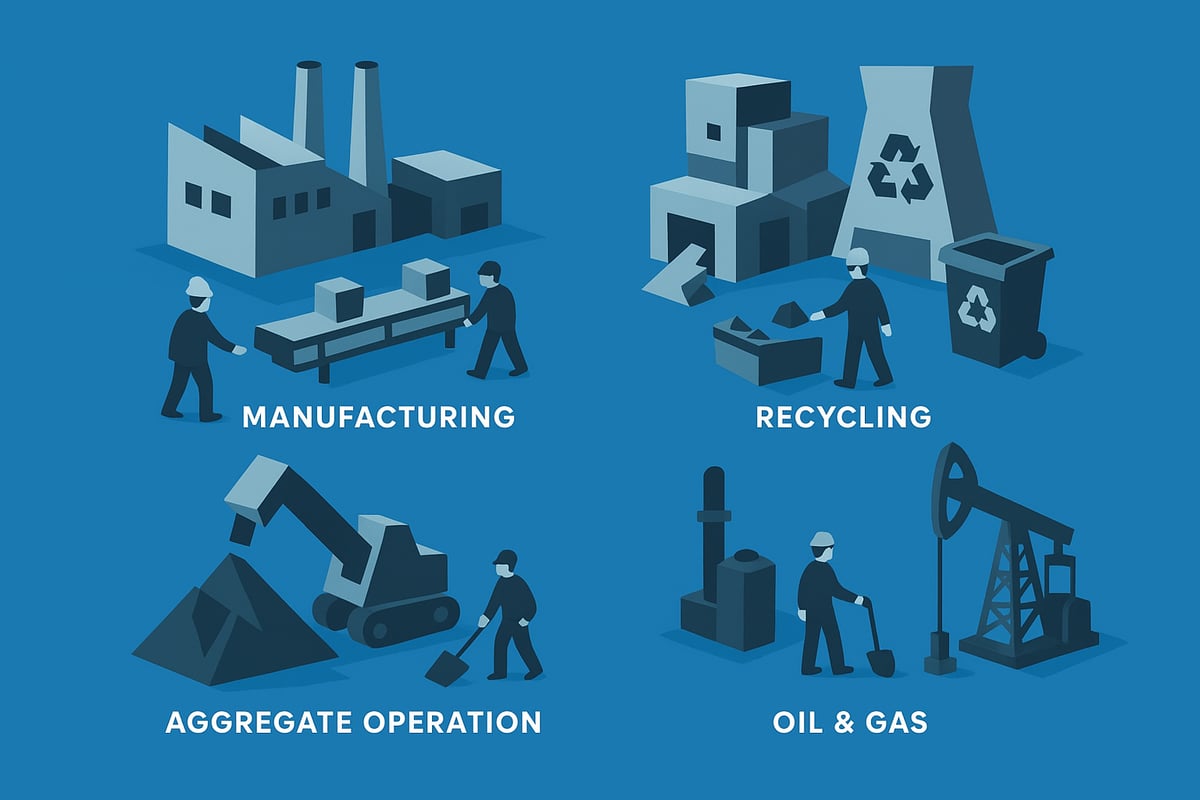
Each sector has distinct requirements. Manufacturing, recycling, aggregate, and oil & gas operations demand tailored solutions from an industrial services company. Regulatory compliance varies greatly—manufacturing may face ISO standards, while oil & gas projects often require specialized certifications and swift response times.
Safety protocols and environmental regulations also differ. Material handling needs, equipment specifications, and reporting requirements change depending on the sector. For instance, oil & gas work typically mandates rapid mobilization and strict documentation.
Staying current with industry trends and compliance data is essential. Choose a provider with a proven track record in your sector, as their familiarity with your industry's nuances reduces risk and ensures smoother project delivery.
Forecasting Future Needs and Scalability
A forward-thinking approach helps your business remain competitive. Analyze your projected growth, considering whether your chosen industrial services company can scale its offerings as your needs evolve. Is the provider flexible enough to adopt new technologies or adjust to industry shifts?
For example, if your manufacturing plant plans to increase automation in 2026, ensure your partner can support advanced machinery and digital integration. Future-readiness adds long-term value and minimizes disruption as your operations expand.
Assess the provider’s adaptability to ongoing innovation. A company capable of supporting continuous improvement will help you stay ahead in a rapidly changing industrial landscape.
Key Questions to Ask Internally
Before initiating discussions with vendors, ask yourself:
- What are our must-have services versus nice-to-have features?
- Is emergency or 24/7 support required?
- How flexible are our budget and timeline?
- How critical is downtime to our operations?
- Who are the key decision-makers and stakeholders?
- How will we measure project success?
Prepare a detailed requirements checklist to guide conversations with any industrial services company. This preparation ensures your team is aligned and ready to evaluate providers effectively.
Evaluating Service Offerings & Capabilities
Choosing the right industrial services company starts with a clear evaluation of their capabilities. Each provider brings unique strengths, technologies, and support options. By comparing these elements, you ensure your project receives expert attention and meets your operational goals.

Core Service Categories to Compare
When evaluating an industrial services company, begin by mapping their core offerings to your project requirements. Typical services include welding, custom fabrication, precision machining, and advanced cutting technologies like waterjet or CNC plasma. Hydraulic system support, including repair and maintenance, is also critical.
Many companies differentiate themselves through specialty services or rapid field response. For example, compare metal fabrication and welding capabilities between vendors to ensure comprehensive support for intricate assemblies or on-site emergencies.
Consider the balance between in-shop and field services. The best fit covers your full project scope, from custom part manufacturing to on-site repairs, ensuring smooth operation from start to finish.
Technology, Equipment, and Facility Standards
A leading industrial services company invests in modern equipment and digital tools to deliver quality results efficiently. Review the size and layout of their facilities, focusing on safety protocols and workflow organization.
Advanced machinery, such as automated CNC machines, boosts precision and reduces turnaround times. Ask about their maintenance and calibration schedules, since well-maintained equipment directly impacts project outcomes.
Inspect the provider’s commitment to adopting new technologies. Facilities equipped with the latest tools signal a proactive approach, supporting both current and future production needs.
Quality Assurance and Certifications
Quality assurance is a hallmark of a reputable industrial services company. Look for recognized certifications like ISO or ASME, which reflect adherence to industry-wide standards. Robust quality control processes, from initial inspections to final documentation, are essential.
Ask about their inspection protocols and traceability systems. For example, an ISO 9001 certified provider demonstrates a commitment to consistent quality and risk reduction.
Certifications not only ensure reliability but also minimize compliance risks, giving you peace of mind throughout your project’s lifecycle.
Turnkey Solutions and Customization Options
Does the industrial services company offer turnkey project management, or do they only handle select phases? Full-service providers manage everything from design and prototyping to installation and commissioning, streamlining communication and accountability.
Flexibility is key, especially for custom or complex projects. Evaluate their ability to adapt to unique specifications, whether for a new aggregate processing line or specialized equipment.
A single point of contact simplifies multi-phase projects and ensures your requirements are met with precision and efficiency.
Response Time, Availability, and Support
Responsive support defines a reliable industrial services company. Assess their protocols for emergency calls, 24/7 availability, and average response times. Fast, effective communication is essential during peak demand or unexpected downtime.
Review after-service support, such as warranty coverage and preventive maintenance programs. A provider with strong client support minimizes disruption and protects your productivity.
Compare service agreements to find a partner who prioritizes both immediate needs and long-term operational stability.
Assessing Experience, Reputation, and Safety Record
Selecting an industrial services company with a strong track record is essential for project success. Assessing experience, reputation, and safety ensures your partner can deliver reliable results and support your long-term goals.
Company History and Industry Track Record
Begin by researching the history of any industrial services company you consider. Longevity often signals stability and adaptability in a competitive market. Look for key milestones, such as years in business and growth phases.
Examine their portfolio to see completed projects similar to yours. For example, a provider with over 20 years in oil and gas fabrication demonstrates deep sector knowledge. This background increases the likelihood of consistent performance and risk management.
Assess growth trajectory and market presence. An industrial services company that has evolved with industry trends is more likely to deliver solutions aligned with your business needs.
Client References and Case Studies
Requesting client references is vital when evaluating an industrial services company. Ask for testimonials and detailed case studies, especially those relevant to your sector.
Review examples of successful projects, such as a millwright assignment for a recycling facility. Look for signs of repeat business and long-term client relationships, which indicate trust and satisfaction.
Transparent client feedback provides insight into problem-solving abilities and communication style. Prioritize companies willing to share references and discuss past project outcomes openly.
Safety Practices and Compliance
A reputable industrial services company prioritizes safety and regulatory compliance. Review their safety record, including OSHA compliance and any industry-specific certifications.
Inquire about employee training programs and documented safety protocols. For instance, a provider with zero lost-time incidents over several years reflects a strong safety culture.
Safety performance impacts insurance, liability, and project reliability. Select an industrial services company that demonstrates a proactive approach to risk mitigation and invests in continuous safety improvement.
Reputation in the Industry
Industry reputation is a powerful indicator of an industrial services company's reliability. Check online reviews, third-party ratings, and awards received.
Membership in professional associations or trade groups, such as the National Association of Manufacturers, signals credibility. Recognition in trade publications or mention in Global M&A trends in industrials and services: 2026 outlook reflects market leadership and awareness of current trends.
A positive reputation offers peace of mind and reduces the risk of project delays or quality issues.
Local and Regional Expertise
Local knowledge is a unique asset for any industrial services company. Providers familiar with regional regulations and logistics can streamline permitting, sourcing, and on-site coordination.
For example, expertise in Western US requirements ensures faster project execution and fewer compliance hurdles. This regional understanding enhances overall project efficiency and reduces unforeseen challenges.
Comparing Costs, Contracts, and Value Propositions
Selecting the right industrial services company is more than a price comparison. The true value lies in understanding exactly what you are paying for, how risks are managed, and ensuring the partnership supports your business goals. Use this section to develop a clear, apples-to-apples comparison between providers.
Transparent Pricing Structures
Begin by requesting detailed, itemized quotes from each industrial services company. Look for clear breakdowns of hourly rates, material costs, and any additional fees. Transparent pricing helps you avoid surprises and ensures budget alignment.
| Pricing Element | Vendor A | Vendor B |
|---|---|---|
| Hourly Labor Rate | $95 | $110 |
| Material Cost Markup | 10% | 12% |
| Overtime Charges | Yes | Yes |
| Travel Expenses | Included | Extra |
Ask if quotes are customized to your project specifications. A reputable industrial services company will offer clarity in billing, making it easier to compare proposals. Always clarify if there are any hidden charges.
Contract Terms and Flexibility
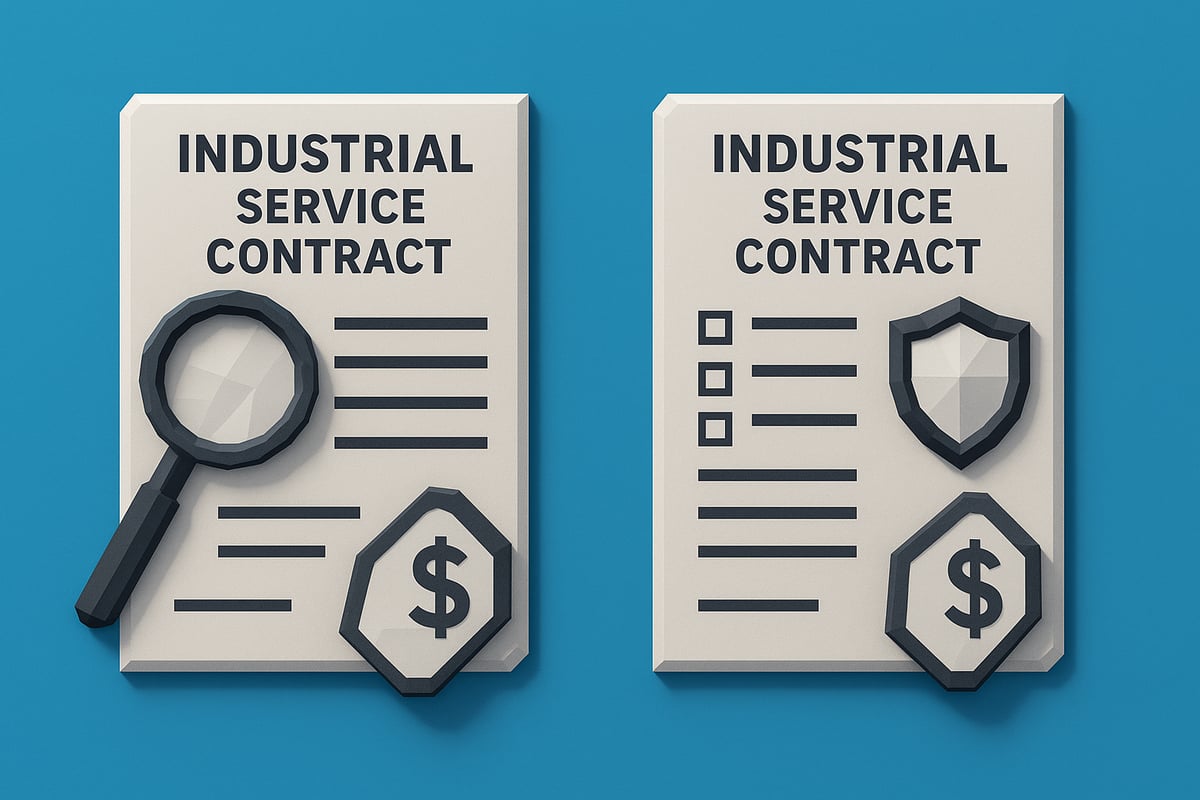
Examine contract terms carefully. Review the length of the agreement, options for renewal, and any exit clauses. Flexibility is crucial if your project scope changes or if your business requires rapid adjustments.
Key contract elements to compare:
- Length of commitment (month-to-month, annual, or multi-year)
- Renewal and termination options
- Dispute resolution and escalation protocols
- Penalties for delays or non-performance
A reliable industrial services company will be upfront about these terms and adapt to your operational needs, providing peace of mind and reducing the risk of contractual disputes.
Evaluating Value Beyond Price
Consider the total cost of ownership, not just the initial quote. High-quality workmanship, robust warranties, and added services such as project management or free post-installation inspections can deliver significant long-term value.
Look for providers that offer comprehensive aftercare and maintenance. For example, a company specializing in industrial machinery refurbishment and maintenance can help extend equipment life and prevent costly downtime. Evaluate if the industrial services company delivers value-added solutions that support your business objectives over time.
Hidden Costs and Risk Mitigation
Identify potential hidden costs, such as travel fees, overtime, or expedited service charges. Ask each industrial services company about their policies on out-of-scope work, and clarify what is included in your contract.
Checklist for hidden cost review:
- Are travel and lodging fees included?
- What triggers overtime or emergency charges?
- How is rework or warranty service handled?
- Are compliance and insurance costs clearly stated?
Assess risk factors such as downtime, rework, or compliance failures. Verify the provider’s insurance coverage and liability protections. Doing thorough due diligence up front can save significant costs and headaches in the future.
Ensuring Long-Term Partnership and Support
Establishing a lasting relationship with an industrial services company is crucial for ongoing operational success. Long-term support ensures your business can adapt, grow, and respond to new challenges with confidence. Consider the following pillars when evaluating potential partners.
Communication and Collaboration Practices
Open, responsive communication is the backbone of any successful partnership with an industrial services company. Evaluate how the provider manages client interactions, including the use of project management tools and client portals.
Look for clear escalation paths and dedicated account managers who serve as your point of contact. Regular updates, progress reports, and transparent feedback loops help prevent misunderstandings and keep projects on track. Strong collaboration ensures your operational needs are understood and addressed promptly.
Scalability and Future Collaboration
Your chosen industrial services company should support your growth ambitions. Assess their ability to scale services as your business expands or diversifies locations. Ask if they have supported multi-site expansions or adapted to evolving project scopes in the past.
A forward-thinking provider will proactively discuss potential future needs and demonstrate a willingness to invest in the relationship. This includes identifying ways to add value and solve problems before they arise. The right partner becomes an extension of your team, ready to tackle new challenges alongside you.
Training, Maintenance, and Aftercare
Ongoing support is a hallmark of a reliable industrial services company. Confirm the availability of operator training, clear documentation, and scheduled preventive maintenance. These services help maximize equipment uptime and ensure your team operates safely and efficiently.
Explore whether the provider offers turnkey plant maintenance and shutdown solutions to minimize disruption during planned or emergency work. Post-project check-ins and responsive aftercare indicate a commitment to your long-term success.
Innovation and Continuous Improvement
A leading industrial services company invests in innovation to stay ahead of industry trends. Inquire about their adoption of new technologies, such as IoT-enabled monitoring or participation in R and D initiatives.
Providers focused on continuous improvement bring fresh solutions and help your business remain competitive. Their dedication to learning and evolving ensures your partnership delivers value well into the future.
[LTJ Industrial Services: Your Trusted Industrial Partner] (https://ltjindustrial.com)
When selecting an industrial services company, reliability and expertise are non-negotiable. LTJ Industrial Services stands out as a premier partner for businesses across Colorado and the Western US. Serving manufacturing, recycling, aggregate, and oil & gas sectors, LTJ brings a deep understanding of each industry's demands and evolving challenges.
Their team offers a full suite of solutions, including welding, fabrication, machining, and hydraulic system support. Whether you need rapid field services to minimize downtime or precision in-shop fabrication, this industrial services company adapts to your exact requirements. The flexibility to deliver both on-site and shop-based work ensures seamless integration with your operations.
What sets LTJ apart is its advanced metalworking capabilities. The company leverages technologies like waterjet cutting and CNC machining to handle complex, large-scale, or highly customized projects. Each technician is experienced in tackling unique challenges, ensuring your project meets the highest standards of quality and efficiency. LTJ's commitment to end-to-end project management means you have a single point of contact from initial design to final assembly.
Staying ahead of industry trends is critical in 2026, especially as technology adoption and energy management reshape the sector. LTJ Industrial Services aligns with these key industrial transformation trends, offering solutions that support ongoing innovation and operational excellence. Their rigorous quality assurance processes and problem-solving expertise help mitigate risks and maximize value over the long term.
Client partnerships are at the heart of LTJ’s approach. This industrial services company prioritizes clear communication, fast response times, and tailored solutions. Reliable aftercare and support ensure your business remains focused on its core objectives, with peace of mind that your assets are in expert hands. If you are seeking a trusted, full-service partner, reach out to LTJ Industrial Services for a custom quote and experience the advantages of working with a leader in the field.
Red Flags and Mistakes to Avoid When Choosing an Industrial Services Company
Selecting the right industrial services company is a critical decision for your business. Overlooking key warning signs can lead to costly mistakes, operational downtime, and compliance risks. To protect your investment and ensure long-term success, be aware of these common pitfalls when evaluating potential partners.
Warning Signs and Common Pitfalls
When choosing an industrial services company, always look for transparency and professionalism. Warning signs include unclear pricing, vague proposals, or an inability to provide documentation on safety or quality standards.
- Lack of itemized quotes or hidden fees
- No relevant safety or quality certifications
- Slow response times or poor communication
- Limited experience in your industry or location
For example, if a provider cannot supply client references or case studies, consider this a major red flag. Taking shortcuts during your selection process can put your project at risk. Always verify credentials and ensure the industrial services company has a proven track record in your sector.
Overlooking Long-Term Compatibility
Focusing solely on price while ignoring value and reliability can result in poor long-term outcomes. It is essential to evaluate whether the industrial services company can scale with your business and adapt to changing needs.
Many businesses make the mistake of choosing vendors who lack field service capabilities or robust aftercare support. This can lead to future complications if your operation grows or requires emergency assistance. Discuss future collaboration, support offerings, and the provider's willingness to build a lasting partnership.
Always assess the company's capacity for expansion and innovation. Think beyond immediate needs to avoid costly transitions later.
Neglecting Compliance and Documentation
Regulatory compliance and thorough documentation are non-negotiable in today's industrial landscape. Failing to confirm that your industrial services company meets all industry standards can expose your business to fines, legal issues, or failed inspections.
Do not overlook the importance of traceability and clear reporting. For instance, non-compliant welding practices can result in structural failures or safety incidents. According to the Industrial Services Market Size, Share & Global Report [2034], companies that invest in risk mitigation and compliance are better positioned for sustainable growth.
Request proof of insurance, certifications, and documented procedures before making a final decision.
Skipping Site Visits and Hands-On Evaluation
Never underestimate the value of firsthand assessment. Skipping a facility tour or failing to meet the provider's team can lead to misunderstandings about capabilities, safety standards, and company culture.
A site visit allows you to verify equipment, safety practices, and operational efficiency. It also builds trust and transparency between your business and the industrial services company. Always include this step before signing any contract to ensure your expectations align with reality.
After exploring what goes into finding the right industrial services partner—from understanding your unique project requirements to evaluating experience, safety, and long-term support—it’s clear that making an informed choice can set your business up for success. Whether you need advanced welding, precision machining, or responsive field service, having a reliable, flexible team by your side makes all the difference. If you’re ready to take the next step and want tailored solutions that help you stay focused on your core objectives, you can Request a Quote and see how the right partnership can move your business forward.