Metal fabrication and welding are the backbone of modern industry, powering everything from skyscrapers and bridges to advanced machinery and transportation networks. Their impact reaches across sectors, shaping the very infrastructure that supports daily life and economic growth.
This essential guide delivers a comprehensive look at metal fabrication and welding for 2026. Whether you are a seasoned professional, a business owner, or an industry enthusiast, you will find up-to-date insights on the core processes, innovative technologies, and best practices that define the field.
Explore clear definitions, step-by-step processes, essential tools, major industry applications, emerging trends, safety standards, and how to select the right service provider. Stay ahead with expert knowledge and make informed decisions that drive results.
Understanding Metal Fabrication and Welding: Definitions and Core Differences
Metal fabrication and welding form the backbone of modern manufacturing, powering industries from construction to aerospace. Grasping the distinctions and connections between these disciplines is essential for anyone involved in design, production, or project management. Let’s break down what sets each apart and how they work together.

What is Metal Fabrication?
Metal fabrication is the process of shaping, cutting, and assembling metal into finished products or structures. This discipline includes core operations such as cutting raw materials, bending sheets or bars, forming complex shapes, and assembling components into functional assemblies.
Unlike machining, which removes material, metal fabrication typically manipulates material without significant waste. While welding is a joining process, fabrication encompasses a wider range of activities. For example, custom manufacturing of machine parts or architectural structures often starts in a fabrication shop.
Common machines include press brakes for bending, shears for cutting, and bandsaws for precise slicing. According to industry forecasts, the global market for metal fabrication is expected to see robust growth by 2026, reflecting its foundational role in construction and manufacturing. Mastery of metal fabrication and welding processes is vital for producing reliable, high-quality products.
What is Welding?
Welding is a specialized process within metal fabrication and welding, focused on joining metal parts by applying heat, pressure, or both. Unlike brazing or soldering, welding melts the base metals, creating a strong, unified bond.
There are several main welding processes. Arc welding uses an electric arc to fuse metals. Gas welding relies on fuel gases and oxygen, while laser welding employs a focused light beam for precision and speed. Filler materials are often used to bridge gaps and reinforce the joint.
A common example is welding steel beams for bridges or pipelines, where strength and durability are crucial. The demand for certified welders continues to rise as industrial sectors expand and infrastructure ages. Welding is integral to metal fabrication and welding projects but requires distinct skills and certifications.
Key Differences Between Fabrication and Welding
While metal fabrication and welding are closely linked, their roles differ. Metal fabrication includes cutting, shaping, and assembling, whereas welding is a specific method for joining metals. Not all fabricators are welders, and not every welder fabricates parts from scratch.
In typical workflows, fabrication often comes first—cutting and forming materials—followed by welding to join components. For instance, a fabrication shop might cut and shape steel, while a welding shop focuses on assembly and joining. Businesses offering both services provide added value, streamlining project timelines.
Understanding these distinctions is essential for efficient project planning and cost control. According to recent industry data, a growing percentage of shops now deliver integrated metal fabrication and welding services, meeting diverse client needs. For a deeper look at how these processes interact and their unique contributions, see the Fabrication in Welding Processes resource.
The Metal Fabrication Process: Step-by-Step Overview
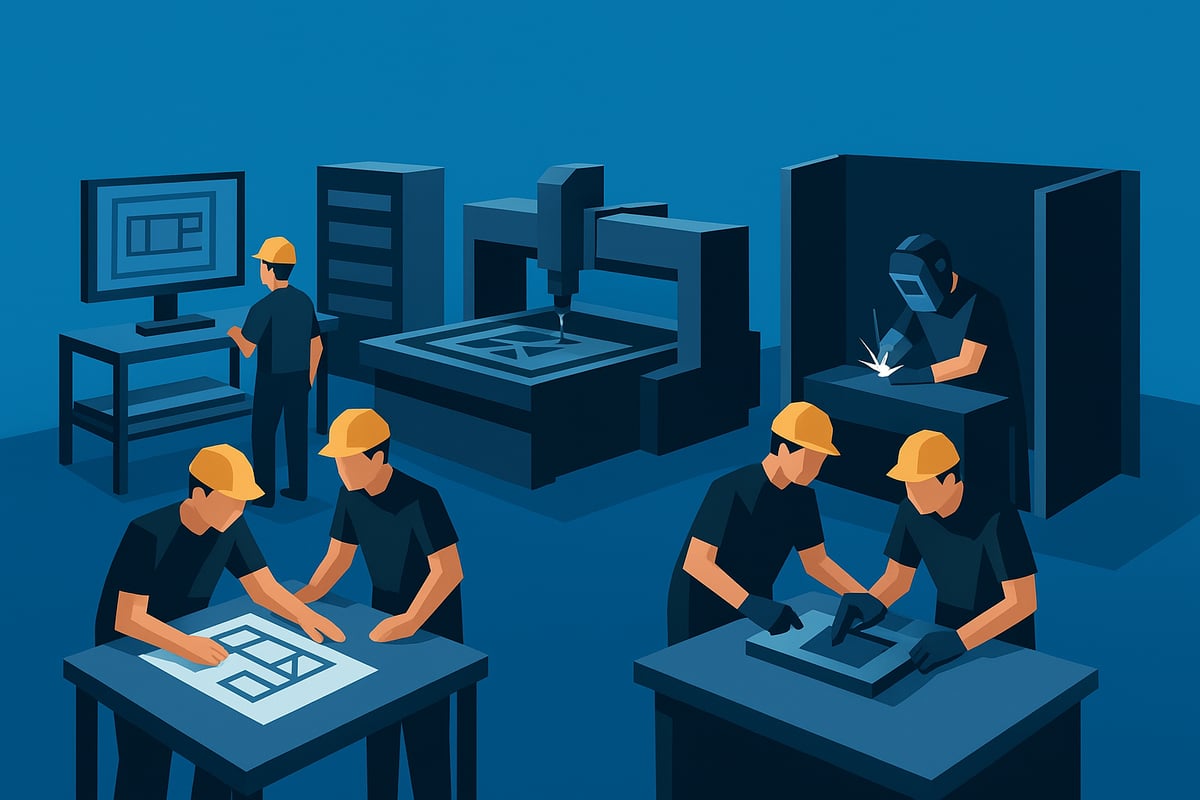
Understanding the metal fabrication and welding process is essential for anyone working in modern industry. Each step, from initial design to final assembly, contributes to the quality and functionality of the finished product. Let’s break down the process into clear stages for a comprehensive perspective.
Design and Engineering
Every metal fabrication and welding project begins with precise design and engineering. Detailed drawings and 3D CAD models, often created using tools like SolidWorks, form the foundation of the process. These digital plans guide every subsequent step, ensuring components meet exact specifications.
Collaboration between engineers and fabricators is vital at this stage. Design choices influence material selection, cost, and process efficiency. For example, custom parts for manufacturing rely on clear, accurate designs to minimize production errors.
Industry standards such as AWS and NIMS provide guidelines that support quality and consistency. Integrating digital design tools has significantly reduced errors, saving time and resources in metal fabrication and welding.
Material Selection and Preparation
Selecting the right material is a critical step in metal fabrication and welding. Factors like strength, corrosion resistance, weight, and cost all play a role. Common choices include steel, aluminum, stainless steel, and copper alloys, each suited to different applications.
Material certification ensures traceability and compliance with industry requirements. For instance, stainless steel is commonly chosen for food processing equipment due to its sanitary properties.
Preparation involves cleaning, deburring, and cutting materials to the correct size. Proper preparation enhances weld quality and structural integrity. As material costs fluctuate, staying informed about market trends for 2026 is increasingly important for project planning.
Cutting and Shaping
Cutting and shaping transform raw materials into the components needed for assembly. Methods include shearing, sawing, laser cutting, waterjet cutting, and plasma cutting. Equipment such as CNC plasma tables and waterjet machines deliver high precision and repeatability.
Each cutting technique offers unique advantages. For example, laser cutting excels at producing intricate shapes, while waterjet cutting is ideal for materials sensitive to heat. Automated cutting systems have improved time and cost efficiency in metal fabrication and welding.
Accurate cutting is the foundation for successful assembly, reducing the need for rework and ensuring tight tolerances.
Forming and Bending
Forming and bending shape metal without removing material, using techniques such as press brake bending, rolling, stamping, and forging. Hydraulic presses, angle rolls, and plate rolls are common equipment in this process.
The choice of forming technique depends on material thickness, complexity, and required tolerances. For instance, forming sheet metal into enclosures requires precision and repeatability, which CNC-controlled forming equipment can provide.
Efficiency gains from advanced equipment enhance output and reduce production times. Well-executed forming ensures that metal fabrication and welding projects meet design and performance requirements.
Assembly and Joining (Including Welding)
Assembly brings together all fabricated components, using methods such as welding, bolting, riveting, and adhesive bonding. Welding is the primary joining process for most structural and industrial projects.
Proper fit-up and alignment before joining are essential to ensure strength and durability. Assembling structural steel frameworks, for example, requires careful attention to detail.
Welding is prevalent in assembly operations, reflecting its role as a core skill in metal fabrication and welding. Quality assembly guarantees the longevity and safety of finished products. For organizations seeking comprehensive solutions, Metal Fabrication and Welding Services can provide expert support throughout every stage of the process.
Welding Techniques, Technologies, and Best Practices
Welding is at the core of metal fabrication and welding, shaping everything from skyscrapers to custom machinery. As the industry evolves, staying updated on the latest techniques, technologies, and best practices is crucial for consistent quality and competitive advantage.
Common Welding Processes
In metal fabrication and welding, selecting the right welding process is essential for project success. The most widely used methods include:
- Shielded Metal Arc Welding (SMAW): Often called stick welding, this process is valued for its versatility and portability. It is commonly used in construction and repair.
- Gas Metal Arc Welding (GMAW/MIG): Known for its speed and ease of use, MIG welding is popular for high-volume manufacturing and automotive applications.
- Flux-Cored Arc Welding (FCAW): FCAW excels outdoors and in heavy-duty tasks, as it tolerates wind and contaminants better than MIG.
- Gas Tungsten Arc Welding (GTAW/TIG): TIG offers high precision, making it ideal for thin metals and specialty alloys.
- Laser Welding: This advanced method delivers automated, high-speed, and precise joints, especially in electronics and automotive sectors.
- Oxyacetylene Welding: Although less common today, this traditional process still serves niche repair and art metalwork.
Usage statistics show that GMAW/MIG and FCAW dominate industrial applications, while laser and robotic welding are on the rise for their automation capabilities. For a deeper dive into these methods and their applications, refer to Welding and Cutting Techniques.
Each process has unique strengths, allowing metal fabrication and welding professionals to match method to material and project needs.
Advances in Welding Technology for 2026
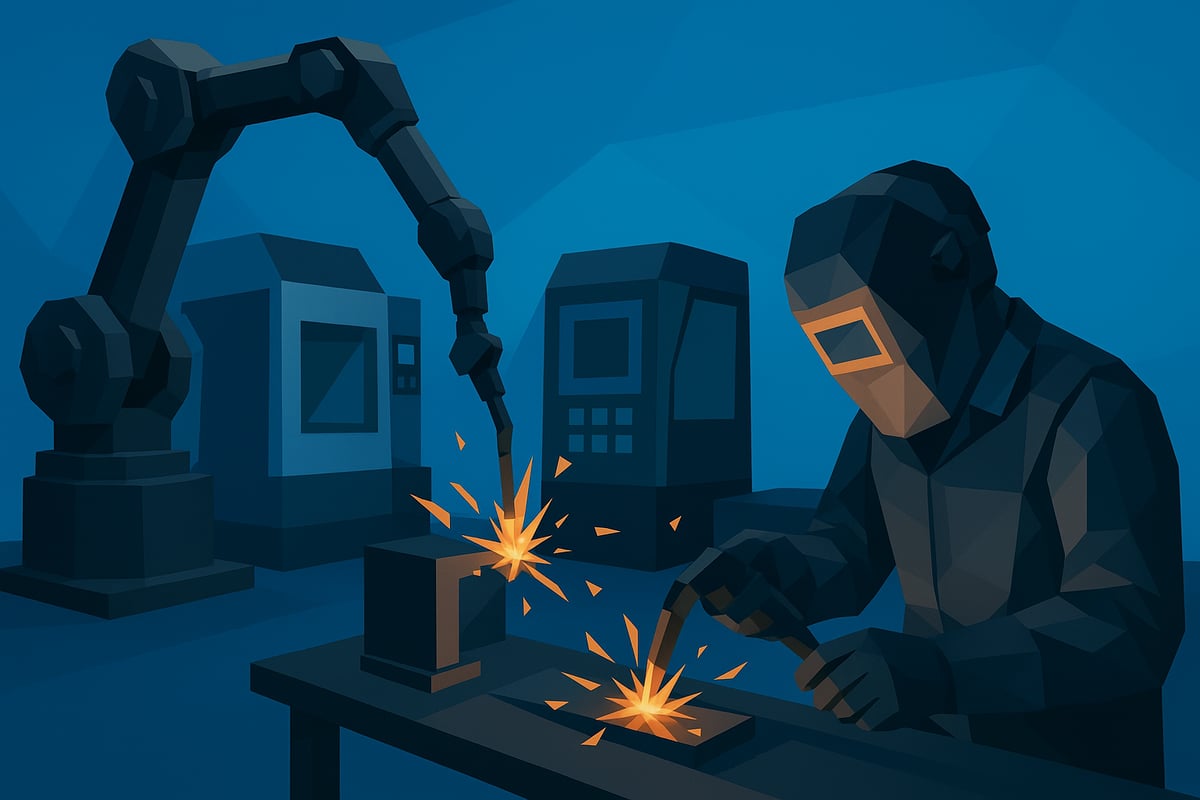
Technology is rapidly transforming metal fabrication and welding. Automation and robotic welding are now standard in large-scale manufacturing, improving both speed and consistency.
Artificial intelligence and machine learning systems monitor weld quality in real time, reducing errors and minimizing waste. Portable welding equipment with digital controls provides flexibility for fieldwork and remote sites.
Automotive assembly lines showcase the power of automated welding, where robots deliver uniform welds without fatigue. Industry projections indicate continued growth in robotic welding adoption, driven by demands for productivity and precision.
These innovations help metal fabrication and welding experts overcome labor shortages and maintain high standards.
Welding Safety and Quality Standards
Safety and quality remain non-negotiable in metal fabrication and welding. Workers must use appropriate PPE, including gloves, helmets, and fire-resistant clothing. Effective ventilation and fire prevention protocols are essential.
Certifications like AWS D1.1 and NIMS accreditation validate a welder’s skills and ensure compliance with industry standards. Inspections—visual, ultrasonic, X-ray, and destructive—play a critical role in confirming weld integrity.
For example, pipeline projects require thorough weld testing to prevent leaks and failures. Consistent safety training and adherence to standards have led to significant reductions in workplace incidents.
Maintaining these practices safeguards both personnel and project outcomes across all metal fabrication and welding operations.
Choosing the Right Welding Process
The choice of welding method in metal fabrication and welding depends on several factors:
- Material type and thickness
- Project scale and production environment
- Cost and speed requirements
- Joint design and accessibility
For instance, MIG welding is ideal for mass production, while TIG is favored for detailed, custom fabrication. Joint configuration often dictates process suitability, impacting both strength and appearance.
Comparative cost data shows that while advanced methods like laser welding may have higher upfront costs, they offer long-term savings through efficiency and rework reduction. Ultimately, selecting the right process ensures quality, reliability, and project efficiency.
Tools, Equipment, and Facilities for Modern Metal Fabrication and Welding
Modern metal fabrication and welding require a precise blend of advanced machinery, specialized equipment, and optimized facilities. The right setup not only boosts productivity but also ensures that quality standards are consistently met. Let us explore the essential elements that define today’s fabrication and welding environments.
Essential Fabrication Tools and Machines
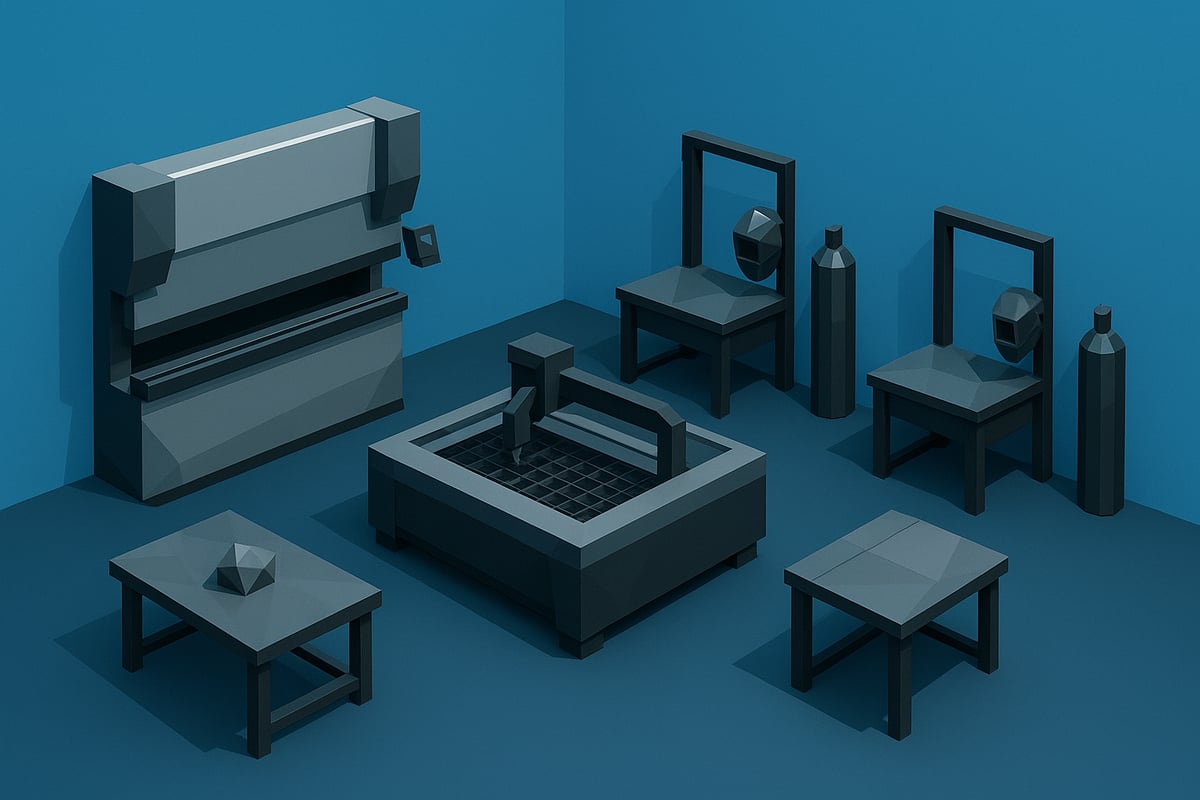
A successful metal fabrication and welding shop relies on a diverse array of tools to handle various projects efficiently. Press brakes, shears, bandsaws, ironworkers, and plate rolls form the backbone of most facilities. For high-precision work, CNC plasma and waterjet cutters deliver detailed results with minimal waste.
Regular maintenance and calibration of these machines are critical to ensure safety and accuracy. Investing in quality equipment reduces downtime and rework, enhancing the shop’s overall efficiency. For those seeking to deepen their understanding of equipment selection and customization, the Custom Metal Fabrication Guide offers valuable insights into material choices and project planning.
| Tool/Machine | Primary Use | Benefit |
|---|---|---|
| Press Brake | Bending/forming metal sheets | Precise angle control |
| CNC Plasma Cutter | Cutting complex shapes | High-speed, low waste |
| Bandsaw | Straight/circular cuts | Versatile, durable |
A well-equipped shop is fundamental for delivering top-tier metal fabrication and welding services.
Welding Equipment and Technology
Welding operations demand robust, adaptable equipment. MIG, TIG, and Stick welders are standard, with multi-process machines offering flexibility for varied tasks. Reliable power sources and portable generators enable fieldwork, while modern fume extraction systems protect worker health.
Recent advances include digital controls, remote monitoring, and mobile welding rigs. These features make it easier to track performance, ensure safety, and adapt to changing project requirements. With the right welding equipment, teams can tackle complex metal fabrication and welding projects both in-shop and on-site.
Routine inspection and upkeep extend equipment lifespan and maximize return on investment. Selecting the right combination of tools is essential for workplace safety and productivity.
Facility Layout and Workflow Optimization
The design of a metal fabrication and welding facility directly impacts operational efficiency and quality control. Well-organized shops feature dedicated zones for cutting, forming, welding, and finishing, minimizing material movement and reducing risks.
Material handling systems, such as cranes, conveyors, and carts, streamline logistics and prevent bottlenecks. Lean manufacturing principles help to identify and eliminate inefficiencies, further improving turnaround times and cost-effectiveness.
Optimized layouts support a safer work environment and higher output. By continuously refining facility design and workflow, companies can deliver consistent results and maintain competitiveness in the evolving metal fabrication and welding industry.
Industry Applications and Career Opportunities in Metal Fabrication and Welding
Metal fabrication and welding are vital to the backbone of many modern industries. Their influence reaches from massive construction projects to delicate aerospace components. This section explores where these processes are most in demand, the career paths available, the skills and education required, and the trends shaping the industry’s future.
Key Industry Sectors Utilizing Fabrication and Welding
Metal fabrication and welding serve as crucial pillars across a wide range of sectors. Construction is a primary user, relying on these processes for steel frameworks, bridges, and building supports. In manufacturing, everything from vehicles to consumer appliances depends on expertly crafted metal parts.
The oil and gas industry depends on metal fabrication and welding to build pipelines, refineries, and rigs that must withstand harsh environments. Recycling and aggregate sectors require custom-fabricated conveyors, crushers, and hoppers for efficient material handling. Aerospace and defense demand precision and reliability, using these skills to produce aircraft parts and support structures.
A quick look at industry demand:
| Sector | Key Applications |
|---|---|
| Construction | Structural steel, bridges, frameworks |
| Manufacturing | Machine parts, vehicles, appliances |
| Oil & Gas | Pipelines, rigs, refineries |
| Recycling/Aggregate | Conveyors, crushers, hoppers |
| Aerospace/Defense | Aircraft, military equipment |
These varied applications highlight why expertise in metal fabrication and welding is in such high demand.
Career Paths and Required Skills
A career in metal fabrication and welding offers diverse options. Common roles include welder, fabricator, machinist, millwright, and pipefitter. Each pathway requires a unique blend of technical skill and hands-on experience.
Key competencies for these careers include blueprint reading, proficiency with fabrication tools, and an understanding of safety standards. Welding certifications such as AWS and NIMS are often prerequisites for advancement. Machinists and millwrights benefit from cross-training in both fabrication and precision machining.
Education can range from apprenticeships to associate degrees in welding and metal fabrication. Many technical colleges offer programs that blend classroom instruction with real-world practice. For example, a Welding & Metal Fabrication associate’s degree typically includes coursework in advanced welding, metallurgy, and safety.
Salaries are competitive, especially for those with multiple certifications and experience in specialized sectors. This makes metal fabrication and welding a stable and rewarding career choice.
Training, Certification, and Professional Development
Continuous learning is essential in metal fabrication and welding. Formal training programs, whether in-house or at accredited institutions, provide the foundation for a successful career. Certification is a significant credential, signaling both expertise and commitment to quality.
Popular certifications include AWS D1.1 for structural welding and NIMS for machining and fabrication. Many professionals pursue multiple certifications to expand their skillsets and access higher-paying roles. Training may be hands-on, online, or a hybrid, offering flexibility for working professionals.
Professional development does not stop at certification. Many employers encourage ongoing education through workshops, seminars, and cross-training. According to industry data, certified graduates have near-100% job placement rates, reflecting the ongoing demand for qualified talent.
By investing in training and certification, workers in metal fabrication and welding maintain their relevance and adaptability in a changing landscape.
Emerging Trends and Future Outlook for 2026
The future of metal fabrication and welding is shaped by rapid advancements and shifting market demands. Automation and robotics are becoming more prevalent, streamlining production and improving consistency. Smart manufacturing, or Industry 4.0, is integrating IoT devices and real-time data analytics into fabrication shops.
The industry also faces a growing need for skilled labor, as experienced professionals retire and new technology creates demand for specialized knowledge. Sustainability is another key trend, with companies adopting eco-friendly materials and energy-efficient processes.
Global market forecasts predict continued expansion in the coming years. For a detailed look at projected industry growth and the forces driving innovation, refer to the Global Metal Fabrication Market Growth Projections.
Small-batch production using CNC and robotics is expected to rise, meeting the needs of custom and on-demand manufacturing. Staying updated on these trends is essential for anyone invested in metal fabrication and welding, ensuring a competitive edge in the evolving market.
Safety, Quality Control, and Regulatory Compliance in Fabrication and Welding
A commitment to safety, quality control, and regulatory compliance is the foundation of excellence in metal fabrication and welding. These pillars not only protect workers and assets but also ensure reliable project outcomes and maintain a company’s reputation. As industry demands evolve, professionals must stay vigilant to new standards and best practices.
Workplace Safety Best Practices
Workplace safety is non-negotiable in every metal fabrication and welding environment. Personal protective equipment (PPE) is the first line of defense. Essential gear includes gloves, auto-darkening helmets, fire-resistant clothing, and safety glasses. Adequate ventilation and fume extraction systems are critical for maintaining air quality, especially during welding operations.
Proper handling of equipment and hazardous materials reduces the risk of accidents. Emergency procedures, clear signage, and first aid readiness are vital for rapid response. Safety training for all team members reinforces safe behavior and helps reduce workplace injuries.
To ensure compliance, reference the OSHA Welding, Cutting, and Brazing Standards for up-to-date regulations on safe practices in metal fabrication and welding. Regular audits and safety drills help foster a strong safety culture that protects both workers and business reputation.
Quality Control Measures and Inspection Techniques
Quality control is embedded in every phase of metal fabrication and welding, from material selection to final assembly. In-process inspections catch defects early, while final checks verify structural integrity and dimensional accuracy. Common inspection methods include visual checks, dimensional measurements, and non-destructive testing such as ultrasonic or radiographic examination.
Detailed documentation supports traceability and accountability. Inspection reports, weld logs, and material certifications are essential records for ongoing quality assurance. Automated inspection systems and digital record-keeping streamline these processes and reduce human error.
Consistent quality control reduces rework, boosts customer satisfaction, and supports a competitive edge. By prioritizing quality at every stage, businesses can deliver metal fabrication and welding solutions that meet or exceed client expectations.
Regulatory Standards and Industry Compliance
Adherence to regulatory standards is a core requirement in metal fabrication and welding. Key standards include AWS D1.1 for structural welding, ASME codes for pressure vessels, and ISO 9001 for quality management systems. Environmental regulations address emissions control, waste management, and recycling, ensuring responsible operations.
Certification and audit processes validate a shop’s compliance with industry requirements. Meeting standards is essential for securing contracts, especially in sectors like construction and oil and gas. Failure to comply can result in penalties or lost business, while certification fosters trust with clients and regulators.
By staying current with evolving codes and regulations, companies position themselves for long-term success in the metal fabrication and welding industry. Compliance is not just a legal obligation, but a competitive advantage that demonstrates professionalism and reliability.
As you’ve seen throughout this guide, metal fabrication and welding are at the core of modern industry, enabling everything from infrastructure to custom machinery. Whether you’re tackling complex projects in the oil and gas sector or need precision solutions for manufacturing, having the right experts by your side makes all the difference. If you’re looking for reliable, high quality fabrication or welding services tailored to your business goals, I encourage you to connect with professionals who understand your industry’s demands. Take the next step and Request a Quote today to see how expert support can move your projects forward.