
Fabrication in welding stands at the heart of today’s industrial growth, powering everything from skyscrapers to advanced machinery. As we move into 2026, new fabrication techniques are revolutionizing how manufacturers, builders, and repair specialists deliver stronger, safer, and more efficient results.
This guide offers a complete roadmap to fabrication in welding, equipping you with essential techniques, proven best practices, and the latest industry innovations. You’ll discover clear definitions, a step-by-step process, expert welding methods, smart material choices, robust quality control, top safety protocols, and a look ahead at future trends.
Unlock the secrets to mastering fabrication in welding and take your skills to the next level—read on for practical insights that will set you apart in this evolving field.
Understanding Fabrication in Welding: Definitions and Core Concepts
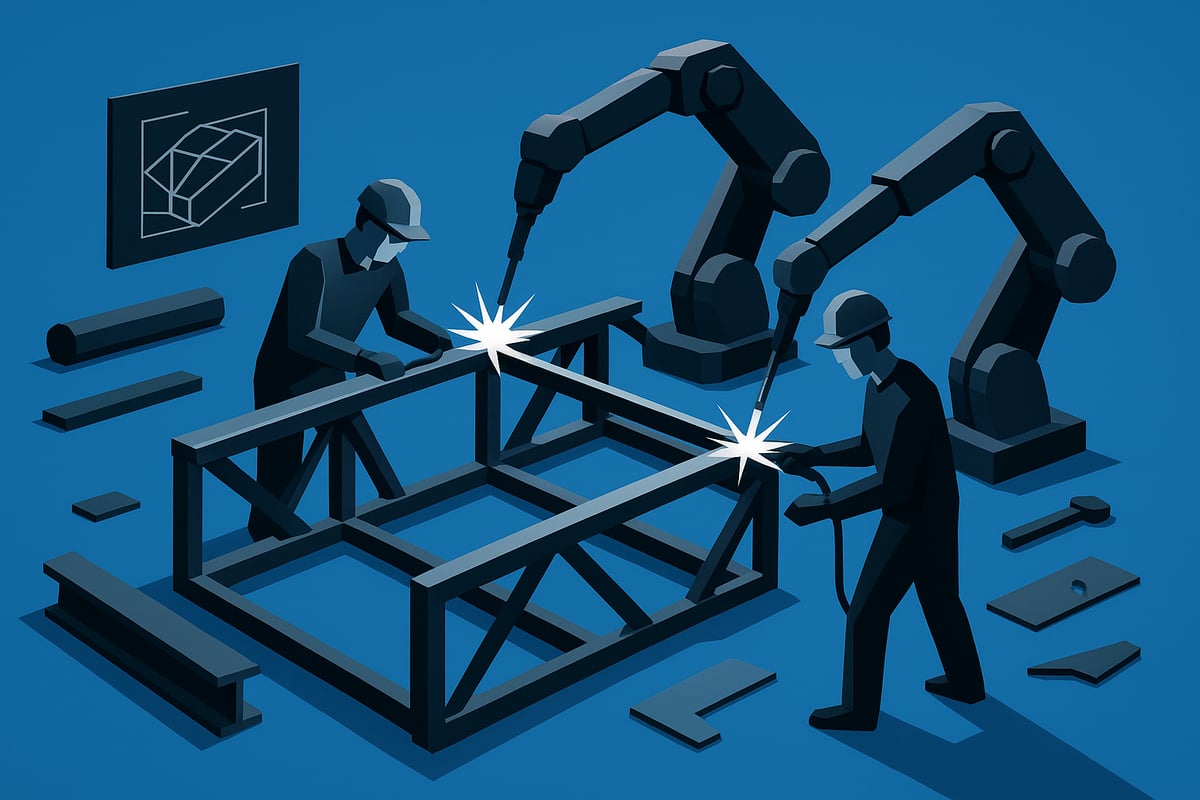
Fabrication in welding stands at the heart of modern industry, transforming raw metal into structures and products that shape our world. Unlike basic welding, fabrication in welding is a comprehensive, multi-step process that brings together design, engineering, and skilled manual work. This approach is crucial for industries requiring precision, durability, and innovation.
What is Fabrication in Welding?
At its core, fabrication in welding refers to the process of turning raw metal materials into finished components or structures by combining welding with other essential techniques. This goes far beyond simply joining two pieces of metal. Instead, it involves a coordinated series of steps, each demanding specialized knowledge and precision.
Fabrication in welding is indispensable for projects such as industrial equipment, architectural frameworks, custom machinery, and commercial products. Industries like oil and gas, recycling, and manufacturing rely on these processes to build everything from pipelines to heavy-duty conveyors.
There are three main categories of metal fabrication in welding:
| Category | Common Applications |
|---|---|
| Industrial | Machinery, conveyors, heavy tools |
| Structural | Beams, columns, bridges |
| Commercial | Furniture, enclosures, products |
Welders in fabrication in welding often serve as fabricators, blending hands-on workmanship with cross-disciplinary skills like blueprint reading, material science, and quality assurance. For example, building an automotive frame or crafting a custom architectural element both demand a deep understanding of fabrication in welding.
With over 30 recognized welding techniques, only a handful are used regularly in fabrication in welding. MIG, TIG, and stick welding are among the most popular for their reliability and adaptability. For a deeper look at the range of solutions, explore Welding and Fabrication Services.
Key Stages of the Fabrication Process
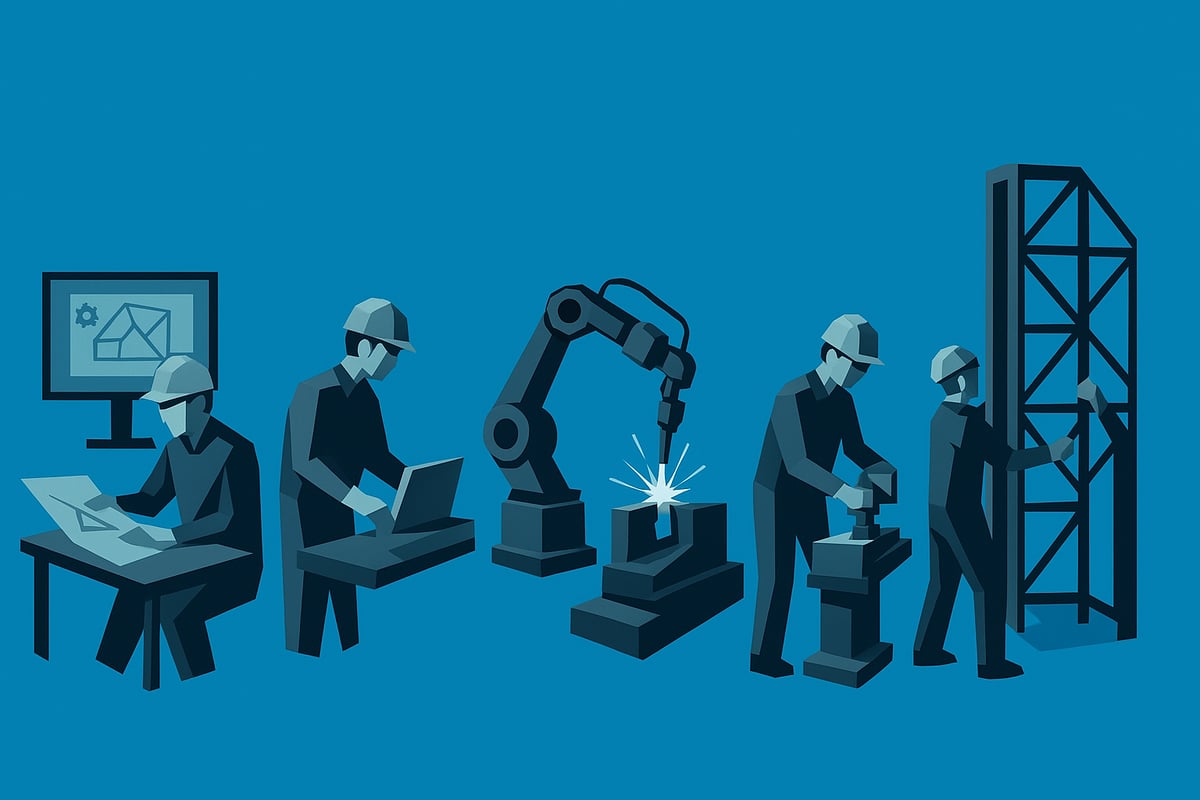
The fabrication in welding process unfolds in a series of well-defined stages, each vital for project success.
- Design and Planning: Every fabrication in welding project starts with detailed blueprints and computer-aided design (CAD) models. This ensures accuracy and compliance with client requirements.
- Material Selection: Choosing the right metals is critical for strength, durability, and weldability.
- Cutting and Forming: Materials are shaped using cutting tools, lasers, or CNC machines, then bent, rolled, or stamped as needed.
- Welding and Assembly: Skilled welders join components using appropriate methods, ensuring structural integrity at every joint.
- Machining and Finishing: After welding, precise machining brings parts to final dimensions, while finishing processes like grinding and painting enhance protection and appearance.
- Installation: Completed assemblies are transported and installed, with final inspections and testing to guarantee quality.
Modern fabrication in welding leverages automation and robotics for greater efficiency and precision, especially in complex or repetitive tasks. For example, robotic arms now handle welding on large-scale manufacturing lines, speeding up production and reducing errors. Prototypes and rigorous testing are also common, particularly for custom or high-stakes projects.
Each step in fabrication in welding is interconnected, requiring detailed planning and expert execution. This holistic approach ensures that fabricated structures meet rigorous industry standards for safety, performance, and longevity.
Step-by-Step Fabrication Process in Welding
Navigating the step-by-step process of fabrication in welding is crucial for achieving high-quality, durable results. Each stage, from initial concept to final installation, requires careful planning, technical skill, and adherence to industry best practices. Understanding this workflow allows fabricators to deliver safe, efficient, and cost-effective solutions across a wide range of industrial and commercial applications.
1. Project Design and Planning
Every successful fabrication in welding project begins with a comprehensive design phase. Accurate blueprints and CAD models are essential, translating client requirements into actionable plans. These documents ensure all dimensions, tolerances, and specifications align with both project goals and regulatory standards.
Modern fabrication in welding relies heavily on digital tools. CAD software streamlines revisions, while 3D modeling enables visualization before material is cut. For custom machinery, designers use CAD to simulate stress points and assembly, reducing surprises during fabrication. Early planning also identifies potential risks, improving efficiency later.
2. Material Selection and Preparation
Selecting the right materials is foundational in fabrication in welding. Factors such as strength, weldability, and corrosion resistance must match the project’s intended use. Common choices include mild steel, stainless steel, aluminum, and specialty alloys, each offering distinct advantages.
Preparation steps are equally important. Materials are cleaned to remove oils, rust, or contaminants. Cutting is performed with saws, shears, or automated systems, ensuring precise dimensions. Edges are prepped for welding, sometimes beveled for thicker materials to allow deep penetration and strong joints.
3. Cutting and Shaping Techniques
Cutting and shaping are core stages of fabrication in welding, directly impacting quality and fit. Fabricators use a variety of cutting methods, including laser, waterjet, plasma, and CNC punching. Each technique is chosen based on material type, thickness, and required precision.
After cutting, forming processes like bending, rolling, and stamping give components their final shapes. For instance, CNC bending is often used to create uniform architectural beams with tight tolerances. The choice of technique ensures each part meets design intent and fits seamlessly in assembly.
4. Welding and Assembly
Welding and assembly represent the heart of fabrication in welding. The assembly sequence is carefully planned to maintain structural integrity and prevent distortion. Tack welding holds pieces in place, while fixtures ensure alignment throughout the process.
Joint preparation is critical. Clean, properly fitted joints reduce defects such as porosity or incomplete fusion. For large structures, subassemblies may be fabricated separately, then joined on site. An example is assembling an oil and gas pipeline section, where precision and safety are paramount. For a deeper dive into these steps, explore the Welding Metal Fabrication Process for additional insights.
5. Machining and Finishing
Precision machining often follows welding to achieve exact tolerances and smooth surfaces in fabrication in welding. Operations like drilling, milling, or turning remove excess material and refine dimensions.
Finishing processes enhance durability and appearance. Grinding and deburring eliminate sharp edges, while coatings such as powder coating or painting provide protection against corrosion. For example, powder coating is commonly used for outdoor equipment to extend service life and maintain aesthetics.
6. Installation and Quality Assurance
The final stage of fabrication in welding involves transporting and installing the finished product. Careful planning ensures safe handling, especially for oversized or heavy components. On-site assembly may require additional welding or bolting, depending on project demands.
Quality assurance is a continuous process. Final inspections include dimensional checks, weld testing, and documentation to confirm compliance with standards. Maintenance plans are established to maximize longevity and minimize downtime, ensuring the fabricated structure performs reliably for years.
Essential Welding Techniques in Fabrication
Mastering the right welding techniques is vital for achieving precision, strength, and efficiency in fabrication in welding projects. As fabrication in welding evolves, the ability to select and apply the appropriate welding method directly impacts the quality and durability of finished structures. In this section, we will examine the most widely used techniques in fabrication in welding, highlighting their working principles, key advantages, and real-world applications.
The range of welding methods available allows professionals to address diverse material types, thicknesses, and project demands. Understanding each process helps ensure optimal results and sets the foundation for advanced fabrication in welding practices.
Overview of Welding Methods Used in Fabrication
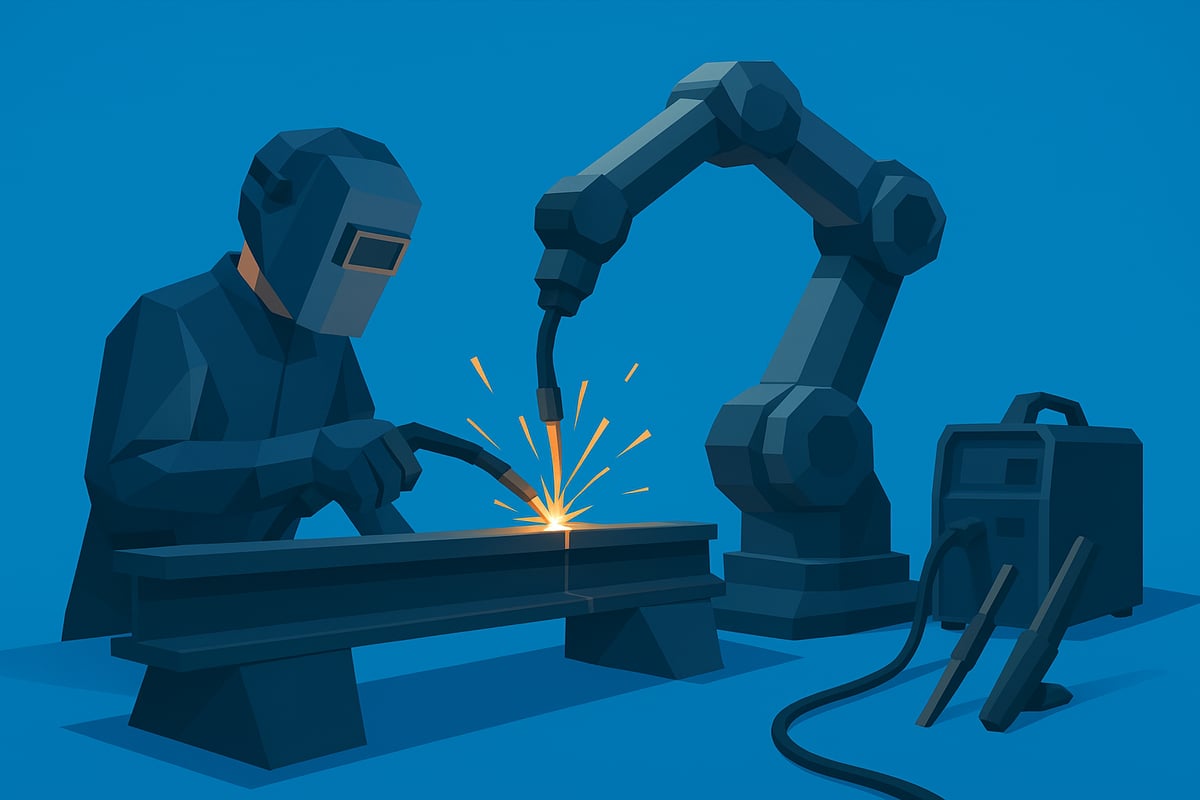
Fabrication in welding encompasses a range of welding processes designed to join metals securely and efficiently. The most common methods include MIG, TIG, stick, spot, and stud welding, along with robotic and automated approaches. The choice of technique depends on several factors, such as material type, joint configuration, thickness, and production volume.
To help compare the main welding techniques used in fabrication in welding, see the table below:
| Welding Method | Best For | Key Benefits | Typical Use Case |
|---|---|---|---|
| MIG Welding | Varied thicknesses | Fast, versatile | Automotive frames |
| TIG Welding | Thin, critical joints | Clean, precise | Aerospace, custom parts |
| Stick Welding | Heavy/outdoor work | Portable, forgiving | Construction, pipelines |
| Spot/Stud Welding | Sheet metal, fasteners | Rapid, automated | Automotive body, panels |
| Robotic/Automated | High-volume production | Consistent, efficient | Manufacturing lines |
Selecting the right welding process is essential to ensure that fabrication in welding meets project requirements and industry standards.
MIG Welding (Gas Metal Arc Welding)
MIG welding is one of the most widely used techniques in fabrication in welding due to its speed and adaptability. It uses a consumable wire electrode fed through a welding gun, shielded by a gas to prevent contamination. This process creates strong, consistent welds on various metals and thicknesses.
Key benefits of MIG welding in fabrication in welding include:
- High deposition rates for faster production
- Versatility with steel, aluminum, and stainless steel
- Ease of automation for repetitive tasks
For example, automotive chassis fabrication relies heavily on MIG welding for both structural and body components.
TIG Welding (Tungsten Inert Gas Welding)
TIG welding offers unmatched precision, making it a preferred choice for critical joints and thin materials in fabrication in welding. This method uses a non-consumable tungsten electrode and a separate filler rod, with an inert gas shield for a clean weld area.
Key features of TIG welding:
- Superior control over heat and filler material
- Produces high-quality, visually appealing welds
- Minimal spatter, ideal for sensitive applications
TIG welding is frequently used in aerospace components, pressure vessels, and custom machinery where appearance and strength are paramount.
Stick Welding (Shielded Metal Arc Welding)
Stick welding remains a cornerstone in fabrication in welding, especially for outdoor and heavy-duty projects. It employs a flux-coated electrode that generates its own shielding gas during welding, allowing use in less controlled environments.
Advantages of stick welding include:
- Portability and minimal equipment requirements
- Tolerance for dirty or rusty materials
- Reliable performance in wind and variable weather
Common applications are found in construction sites, pipeline assembly, and structural steel work, where conditions may not favor more sensitive welding processes.
Spot and Stud Welding
Spot welding is essential in fabrication in welding for joining thin sheet metals quickly and efficiently. Electrodes clamp and deliver an electric current to the workpieces, fusing them at specific points. This technique is widely used in automotive bodywork and appliance manufacturing.
Stud welding, on the other hand, attaches fasteners to base metals with a rapid arc process. It is favored in fabrication in welding for electrical panels and construction where strong, discrete connections are required.
Both methods excel in automation, supporting high production rates and consistent quality.
Robotic and Automated Welding
Robotic and automated welding has revolutionized fabrication in welding by boosting productivity, consistency, and safety. Programmable robotic arms now handle repetitive welds with precision, reducing human error and fatigue. These systems integrate seamlessly with CNC machines and smart manufacturing platforms in 2026.
The adoption of robotic welding is rapidly expanding, especially in large-scale manufacturing environments. According to the Welding Machinery Market Analysis and Regional Growth Outlook 2025-2032, automation trends are driving growth in the welding sector, with more companies investing in advanced machinery for fabrication in welding.
A prime example is the use of robotic welding on automotive production lines, ensuring each weld meets exacting standards for safety and durability.
Material Selection and Preparation for Fabrication
Selecting the appropriate materials is the foundation of every successful fabrication in welding project. The right choice impacts structural integrity, cost-effectiveness, and the overall performance of the final product. As industries like construction and manufacturing demand greater efficiency in 2026, understanding how to evaluate and prepare materials is more critical than ever.

Choosing the Right Materials for Welding Fabrication
When starting fabrication in welding, material selection determines both the ease of manufacturing and the longevity of the finished structure. Several key properties must be evaluated:
- Tensile strength: How much force the material can withstand before breaking.
- Ductility: The ability to deform without fracturing, which is vital for forming and bending operations.
- Weldability: Some metals, like mild steel, are easier to weld than others.
- Corrosion resistance: Important for outdoor or harsh environments.
- Cost: Balancing performance and budget is essential for every project.
Ferrous metals (such as carbon steel and stainless steel) are common in fabrication in welding due to their strength and versatility. Non-ferrous options like aluminum and copper are chosen for applications requiring lightweight or specialized corrosion resistance.
Industry-specific needs also drive material choices. For example, oil and gas projects may require high-strength, corrosion-resistant alloys, while construction often prioritizes structural steel for load-bearing frameworks.
For a deeper dive into evaluating materials for your next project, refer to this Fabrication Materials Selection Guide.
| Material Type | Typical Use Cases | Key Properties |
|---|---|---|
| Carbon Steel | Structural beams, machinery | High strength, weldable |
| Stainless Steel | Food processing, medical | Corrosion-resistant, clean |
| Aluminum | Automotive, aerospace | Lightweight, formable |
| Specialty Alloys | Oil & gas, chemical plants | High performance, durable |
Material Preparation Methods
After selecting the right material, preparation is the next crucial step in fabrication in welding. Clean metal surfaces are essential for strong, defect-free welds.
Preparation steps include:
- Cleaning: Removing oils, rust, mill scale, and contaminants using solvents, wire brushing, or blasting.
- Cutting: Manual methods like saws or advanced automated solutions such as laser or waterjet cutting ensure accurate dimensions. Automated cutting offers increased precision for complex shapes.
- Edge preparation: For thick materials, beveling or grinding the edges ensures better weld penetration and strength.
- Preheating: Some metals, particularly thicker sections or high-carbon steels, benefit from controlled heating before welding, which helps prevent cracking.
These steps lay the groundwork for consistent weld quality and efficient assembly throughout the fabrication in welding process.
Examples and Industry Data
The versatility of fabrication in welding is evident across industries. Stainless steel is widely used in food processing facilities, where hygiene and corrosion resistance are critical. Aluminum is favored in automotive fabrication for its lightweight properties, contributing to fuel efficiency and easier handling.
Custom projects in recycling and aggregate sectors often demand unique alloys or tailored material blends to withstand abrasive or corrosive working environments. Industry data shows that, in 2026, the use of high-performance materials in fabrication in welding continues to rise, driven by demands for durability and operational efficiency.
Every sector relies on careful material selection and preparation to achieve project goals, reduce rework, and ensure compliance with industry standards.
Quality Control and Best Practices in Welding Fabrication
Quality control is the backbone of successful fabrication in welding. Without rigorous procedures, even the most advanced techniques and materials can fall short of expectations. Reliable outcomes depend on a blend of proven inspection methods, adherence to recognized standards, continuous process improvement, and the ability to avoid common mistakes. Let us explore the key elements that define quality and excellence in modern fabrication in welding.
Inspection and Testing Procedures
Accurate inspection and robust testing are essential for maintaining quality in fabrication in welding. Non-destructive testing (NDT) methods, such as ultrasonic, radiographic, and dye penetrant inspections, allow for internal and surface defect detection without harming the weld itself.
Visual inspections and dimensional checks help verify that all components meet specifications before moving to the next stage. Maintaining detailed records for each project ensures traceability and supports accountability. Documentation is crucial for both regulatory compliance and ongoing process improvement in fabrication in welding projects.
Welding Standards and Certifications
Adhering to industry standards is a non-negotiable part of quality control in fabrication in welding. Organizations such as the American Welding Society (AWS), ISO 9001, CE, and UKCA set strict criteria for welding processes, materials, and finished products.
Certification of welders and fabrication shops is equally vital. Certified professionals demonstrate a commitment to best practices and safety, while certified facilities are regularly audited for compliance. Following these standards protects end users and enhances the reputation of fabrication in welding providers.
| Standard | Description | Region |
|---|---|---|
| AWS | Welding process standards | Global |
| ISO 9001 | Quality management systems | Global |
| CE | Product safety compliance | Europe |
| UKCA | UK product compliance | United Kingdom |
Process Optimization and Continuous Improvement
Achieving excellence in fabrication in welding requires more than meeting minimum standards. Lean manufacturing principles help identify and eliminate waste, while data analytics track process efficiency and defect rates.
Modern fabrication in welding shops use real-time data to reduce rework and optimize throughput. For example, analyzing defect trends can lead to targeted training or equipment upgrades. For strategies on building resilience and boosting efficiency, review the 3 Priorities for Welding Professionals to Build Resilience and Efficiency.
Common Pitfalls and How to Avoid Them
Even skilled teams encounter challenges in fabrication in welding. Problems such as warping, porosity, and incomplete fusion can compromise structural integrity. These issues often arise from incorrect heat input, poor joint design, or inadequate fit-up.
To minimize these risks, prioritize accurate joint preparation and fit-up. Regular training and process audits help teams stay ahead of potential defects. By addressing common pitfalls proactively, fabrication in welding projects consistently achieve superior results.
Safety Protocols and Environmental Considerations in Fabrication
Ensuring safety and sustainability is fundamental to every stage of fabrication in welding. As the industry evolves, both workplace protocols and environmental stewardship are non-negotiable for modern operations.
Workplace Safety in Welding Fabrication
Workplace safety is at the core of fabrication in welding. Welders face hazards such as toxic fumes, ultraviolet radiation, electric shock, and burns. To mitigate these, comprehensive personal protective equipment (PPE) is mandatory. This includes welding helmets with proper filters, flame-resistant gloves, jackets, and safety boots.
Regular safety training ensures all personnel understand emergency procedures and safe equipment handling. Effective ventilation systems are crucial to control airborne contaminants and maintain air quality during fabrication in welding processes. Routine inspections and adherence to lockout/tagout procedures further minimize risks.
Environmental Impact and Sustainability
Environmental responsibility is increasingly shaping fabrication in welding. Emissions control systems and local exhaust ventilation reduce hazardous fumes and particulate matter, protecting both workers and the environment. Recycling scrap metals and implementing waste segregation practices help minimize landfill contributions.
Many shops now use eco-friendly coatings and cleaning agents that emit fewer volatile organic compounds. Energy-efficient lighting and machinery upgrades contribute to sustainability goals. Sustainable approaches in fabrication in welding not only reduce environmental footprints but also meet client and regulatory expectations.
Regulatory Compliance
Compliance with regulations is mandatory in fabrication in welding environments. OSHA standards dictate safety measures for electrical systems, welding operations, and hazardous material handling. The Environmental Protection Agency (EPA) and local authorities set requirements for emissions, waste disposal, and chemical storage.
Detailed recordkeeping is vital for compliance audits. This includes documentation of safety training, incident reports, equipment maintenance, and environmental monitoring. Regular internal audits ensure ongoing adherence to both safety and environmental mandates in fabrication in welding facilities.
Example Initiatives
Innovative shops are leading the way in sustainable fabrication in welding. In 2026, many companies have adopted green fabrication processes, such as energy recovery systems and water-based cleaning solutions. The oil and gas sector, for example, has invested in closed-loop recycling for metal offcuts and advanced filtration to reduce emissions.
For further insights on sustainable and future-ready practices, review the Commercial Fabrication Guide 2026, which details expert-approved strategies for eco-friendly operations in fabrication in welding.
Innovations and Future Trends in Welding Fabrication (2026 and Beyond)
The landscape of fabrication in welding is evolving rapidly, driven by technology, new materials, and changing workforce demands. As we look to 2026 and beyond, understanding these innovations is key to staying ahead in the industry.
Technological Advances in Fabrication
Automation, robotics, and artificial intelligence are fundamentally reshaping fabrication in welding. Smart sensors now monitor weld quality in real time, while IoT connectivity links machines, tools, and inventory for seamless operations.
Robotic welding arms have become standard in large-scale manufacturing, increasing consistency and reducing lead times. AI-driven analytics optimize weld parameters for each project, improving efficiency. For a deeper look at these advances, see the Top 5 Fabrication Trends to Watch in 2026.
Smart technology adoption is not just about productivity. It also enhances safety by detecting hazards and automating dangerous tasks. As a result, fabrication in welding is becoming both smarter and safer.
Advanced Materials and Techniques
In 2026, fabrication in welding increasingly relies on high-performance alloys, lightweight composites, and specialized metals. These materials are chosen for their strength, durability, and adaptability to specific industry needs.
Additive manufacturing, or metal 3D printing, is transforming how custom components are produced. Complex geometries that were once impossible can now be fabricated with precision. Research into advanced welding methods, like laser welding in unique environments, is also expanding industry capabilities. For example, studies on Process Microstructure Coupling in Reduced Gravity Laser Welding highlight new frontiers for fabrication in welding.
These innovations enable manufacturers to create lighter, stronger products for aerospace, automotive, and energy sectors.
Workforce Development and Skills Evolution
The shift toward automation and digital tools is reshaping the skills needed in fabrication in welding. Employers now seek fabricators who are not only proficient welders but also adept at programming robots and interpreting data.
Continuous training and certification are essential. Fabricators must understand both traditional and emerging techniques, from manual TIG welding to operating CNC-controlled equipment. Cross-disciplinary knowledge boosts adaptability and career prospects.
Investing in workforce development ensures shops can handle the demands of modern fabrication in welding, keeping teams competitive and prepared for future challenges.
Industry Outlook and Market Data
The future for fabrication in welding looks promising. Demand is growing in sectors like manufacturing, energy, and recycling, driven by infrastructure upgrades and sustainability initiatives.
| Sector | Projected Growth (2026+) | Key Trends |
|---|---|---|
| Manufacturing | +7% annually | Automation, smart systems |
| Energy | +6% annually | Advanced materials |
| Recycling | +8% annually | Green fabrication |
Job prospects for skilled welders and fabricators remain strong, especially for those embracing new technology. As innovation accelerates, fabrication in welding will continue to play a critical role in shaping tomorrow’s infrastructure and industry.
After exploring the essential techniques and best practices in welding fabrication, you might be considering how to apply these insights to your own projects or business needs. Whether you’re aiming to optimize quality, improve efficiency, or take on complex industrial work, having the right partner makes all the difference. At LTJ Industrial Services, we specialize in turning innovative fabrication strategies into real-world solutions for companies across the Western United States. If you’re ready to elevate your next project with expert welding, machining, or custom fabrication, let’s connect—[Request a Quote](https://www.ltjindustrial.com/contact_us/) and see how we can help you achieve your goals.