
Modern construction projects are more ambitious and complex than ever. At their core, large scale metal fabrication for construction projects is what makes these feats possible.
With evolving building standards and new technologies, the demand for large scale metal fabrication for construction projects is set to surge in 2026. Professionals who master this field gain advantages like cost savings, enhanced durability, and smoother project delivery.
This comprehensive guide offers a clear, step-by-step roadmap for construction professionals. You will discover proven strategies and industry insights to excel in large scale metal fabrication for construction projects.
Key topics include:
- Fabrication processes and material selection
- Technology trends for 2026
- Project planning and execution
- Quality control and compliance
- How to choose the right fabrication partner
You are about to unlock the essential knowledge needed for project success.
Understanding Large Scale Metal Fabrication in Construction
Modern construction projects are becoming more ambitious, requiring advanced expertise in large scale metal fabrication for construction projects. Understanding what constitutes "large scale," where it is applied, which materials are used, the standards involved, and its impact on project outcomes is essential for construction professionals aiming for project success in 2026.
Defining Large Scale Metal Fabrication
Large scale metal fabrication for construction projects refers to the creation and assembly of massive metal structures and components designed to support vast loads and complex architectural requirements. Unlike small or medium-scale fabrication, these projects involve extensive quantities of steel, large dimensions, and rigorous engineering standards.
For example, constructing high-rise buildings, expansive bridges, or industrial plants often requires fabricating beams, columns, and trusses that weigh several tons each. The sheer volume of materials, intricate design, and strict tolerances distinguish large scale metal fabrication for construction projects from smaller endeavors.
Common Applications in Construction Projects
The most frequent uses of large scale metal fabrication for construction projects include:
- Structural steel frameworks for commercial and residential towers
- Beams, columns, and trusses for load-bearing systems
- Infrastructure such as bridges, tunnels, stadiums, and airports
Specialized projects like energy facilities, warehouses, and manufacturing plants also rely on large scale metal fabrication for construction projects. For more insight into how structural steel shapes major projects, see structural steel fabrication applications.
Key Materials Used in Large Scale Fabrication
Selecting the right materials is vital in large scale metal fabrication for construction projects. The primary materials include:
- Structural steel: Preferred for strength, flexibility, and cost-effectiveness; accounts for 80% of all large scale fabrication in US construction.
- Stainless steel: Used for corrosion resistance in harsh environments.
- Aluminum: Chosen for lightweight or specialty applications.
- Advanced alloys: Tailored for unique strength or durability requirements.
Each material’s properties must align with project demands, environmental conditions, and budget constraints to ensure optimal performance in large scale metal fabrication for construction projects.
Industry Standards and Compliance
Adhering to industry standards is non-negotiable in large scale metal fabrication for construction projects. Key codes include:
- AISC (American Institute of Steel Construction) for design and fabrication practices
- ASTM (American Society for Testing and Materials) for material specifications
- AWS (American Welding Society) for welding procedures
- ISO standards for quality management and environmental responsibility
Certification ensures safety, quality, and regulatory approval, making compliance a cornerstone of large scale metal fabrication for construction projects.
The Role of Fabrication in Project Success
The quality of large scale metal fabrication for construction projects can make or break a build. Precise fabrication impacts project timelines, cost controls, and site safety. If metal components are delivered out-of-spec or late, delays and budget overruns become likely.
For instance, poor planning in fabrication has led to costly rework and structural failures in real-world projects. By prioritizing fabrication quality and coordination, teams can safeguard construction integrity and ensure successful project delivery.
The Metal Fabrication Process for Large Construction Projects
Navigating the metal fabrication process for large construction projects requires a structured, methodical approach. Each phase plays a crucial role in ensuring that every component meets specifications, timelines, and quality benchmarks. Let us break down the process into six essential steps to help you master large scale metal fabrication for construction projects in 2026.
Step 1: Project Assessment and Planning
The journey of large scale metal fabrication for construction projects begins with thorough project assessment and planning. This step involves conducting site surveys, performing engineering analyses, and reviewing feasibility studies. Early collaboration between architects, engineers, and fabricators is critical to define project goals and technical requirements.
Accurate project specifications set the foundation for success. Detailed assessments help identify potential challenges, site constraints, and resource needs. By addressing these factors early, teams can avoid costly delays and ensure that large scale metal fabrication for construction projects aligns with both design intent and regulatory demands.
Step 2: Material Selection and Procurement
Material selection is a pivotal step in large scale metal fabrication for construction projects. Engineers must consider factors such as structural load, environmental exposure, and budget constraints. The choice of steel grade, alloy, or aluminum impacts not only performance but also long-term durability.
Procurement teams source reliable suppliers and manage supply chain risks. Delays in material delivery, such as those caused by global steel shortages, can disrupt entire project schedules. Proactive planning, including identifying backup suppliers, helps mitigate these risks and keeps large scale metal fabrication for construction projects on track.
Step 3: Design and Engineering
In the design and engineering phase, teams leverage advanced tools like CAD modeling and Building Information Modeling (BIM) to create detailed blueprints. BIM integration is now used in 70 percent of large projects for design validation, ensuring that every component fits precisely within the overall structure.
Decisions are made between custom and standardized components, with each option offering unique benefits. Effective design and engineering streamline fabrication, reduce rework, and support the intricate needs of large scale metal fabrication for construction projects.
Step 4: Fabrication Techniques and Technologies
The heart of the process lies in fabrication techniques and technologies. Cutting, bending, welding, machining, and assembly are executed using both traditional and modern methods. Automation, such as CNC machining and robotic welding, enhances precision and efficiency, minimizing errors and speeding up production.
Innovative processes like waterjet cutting allow for complex shapes and clean edges. For a comprehensive overview of available methods and equipment, consult the Fabrication services overview. Leveraging these advanced capabilities is essential for delivering high-quality results in large scale metal fabrication for construction projects.
Step 5: Quality Control and Inspection
Quality control is integral to every stage of large scale metal fabrication for construction projects. Non-destructive testing (NDT), dimensional checks, and weld inspections ensure that all components meet client and regulatory standards. Rigorous inspection protocols help prevent failures and costly rework.
By maintaining strict quality benchmarks, teams safeguard structural integrity and project safety. Early identification of defects through regular inspections is key to delivering successful large scale metal fabrication for construction projects without unexpected setbacks.
Step 6: Delivery and On-Site Assembly
The final step involves logistics planning and on-site assembly. Transporting oversized components demands careful coordination to avoid delays and damage. Once on site, teams handle adjustments, field welding, and bolting, working closely with construction crews.
Seamless communication and scheduling are vital to minimize downtime during assembly. Efficient delivery and precise installation complete the cycle, ensuring that large scale metal fabrication for construction projects is executed on time and to specification.
Technology Trends Shaping Large Scale Metal Fabrication in 2026
The landscape of large scale metal fabrication for construction projects is evolving rapidly, driven by cutting-edge technologies and shifting industry demands. As 2026 approaches, fabricators and construction professionals must keep pace with innovation to maintain a competitive edge. Understanding these trends is crucial for ensuring efficiency, quality, and sustainability in every project.
Automation and Robotics
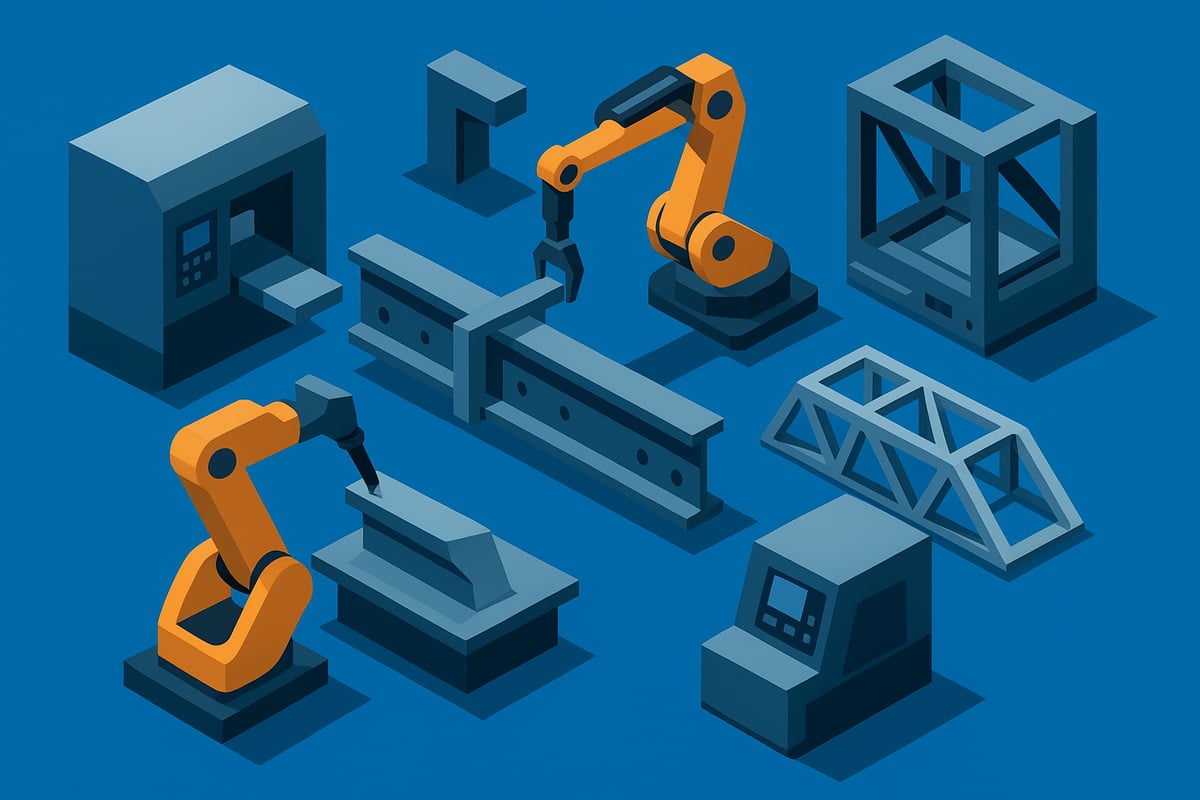
Automation and robotics are transforming large scale metal fabrication for construction projects. Robotic welding systems, automated plasma and laser cutting machines, and material handling robots now streamline repetitive, labor-intensive tasks.
These technologies increase production speed, reduce human error, and improve consistency in quality. According to industry data, 35% of US fabrication shops have invested in robotics, enabling them to meet tight deadlines and manage complex assemblies with greater efficiency.
By integrating robotics, companies can optimize workflows, reduce labor costs, and remain agile in the face of changing project requirements. This shift is reshaping expectations for what is possible in large scale metal fabrication for construction projects.
Digitalization and Smart Manufacturing
Digitalization is at the heart of modern large scale metal fabrication for construction projects. IoT-enabled equipment provides real-time data on machine performance and material usage, supporting predictive maintenance and minimizing downtime.
Smart sensors embedded in fabrication lines monitor quality and help detect issues before they escalate. Digital twins—virtual replicas of physical assets—allow teams to simulate fabrication and assembly, reducing errors and improving coordination. According to recent studies, smart monitoring can decrease equipment downtime by up to 20%.
For a deeper dive into digital transformation and its impact on fabrication processes, see the Commercial fabrication guide for 2026.
Advanced Materials and Sustainability
Material innovation is another key trend in large scale metal fabrication for construction projects. High-strength, lightweight alloys and recycled metals are gaining popularity due to their superior performance and sustainability benefits.
Fabricators are adopting eco-friendly processes, such as water-based cutting fluids and closed-loop recycling systems, to minimize environmental impact. Forecasts indicate that 50% of new construction projects in 2025 will require recycled content in fabricated components.
By leveraging advanced materials, project teams can achieve greater strength-to-weight ratios and meet strict green building standards, ensuring that large scale metal fabrication for construction projects aligns with modern sustainability goals.
3D Printing and Additive Manufacturing
3D printing is revolutionizing the way large scale metal fabrication for construction projects are approached. Additive manufacturing enables the rapid production of custom components, significantly reducing lead times and material waste.
Large-format metal 3D printers can create complex shapes and geometries that are difficult or impossible to achieve with traditional methods. For example, entire bridge sections have been 3D printed in weeks, rather than months, accelerating project delivery.
As this technology matures, it will further expand design possibilities and enhance the flexibility of large scale metal fabrication for construction projects.
Integration with BIM and Project Management Tools
Seamless integration between fabrication and construction teams is essential for project success. Building Information Modeling (BIM) and digital project management tools enable real-time data sharing, streamlined communication, and precise change management.
By linking fabrication models directly to construction schedules and progress tracking, teams can anticipate challenges and respond quickly to design changes. This integration ensures that large scale metal fabrication for construction projects stays on schedule, within budget, and aligned with evolving project needs.
Project Planning and Coordination for Large Scale Metal Fabrication
Planning is the backbone of success for large scale metal fabrication for construction projects. Effective coordination ensures that every phase, from design to delivery, aligns with project goals and industry standards. By focusing on early collaboration, precise scheduling, risk management, budgeting, and clear documentation, construction professionals can maximize efficiency and avoid costly setbacks.
Early Collaboration and Stakeholder Engagement
In large scale metal fabrication for construction projects, involving fabricators early in the design phase is critical. Early collaboration between architects, engineers, and fabrication experts leads to practical designs and fewer revisions. This approach encourages value engineering, identifying cost-saving opportunities before fabrication begins.
Engaging all stakeholders, including clients and project managers, ensures alignment on expectations and technical requirements. For projects demanding tailored solutions, working with partners who offer custom metal fabrication solutions can be a game changer. This not only streamlines project delivery but also enhances adaptability to unique construction challenges.
Scheduling and Logistics Management
Organized scheduling is essential for large scale metal fabrication for construction projects. Sequencing fabrication and delivery with construction milestones keeps the project on track. Effective logistics management prevents bottlenecks, especially when dealing with oversized or complex metal components.
Just-in-time delivery strategies are often used to minimize storage costs and reduce site congestion. However, poor logistics can lead to significant delays, with industry data showing that 15% of project setbacks are caused by supply chain issues. Proactive planning, real-time tracking, and close coordination with transport companies help mitigate these risks and maintain progress.
Risk Management and Contingency Planning
Identifying and managing risks is a cornerstone of large scale metal fabrication for construction projects. Common risks include material shortages, labor disruptions, and adverse weather conditions. Successful project teams map out these risks during the planning phase to minimize their impact.
Developing contingency plans, such as securing backup suppliers or alternate fabrication methods, is essential for critical path activities. This approach ensures that unforeseen events do not derail the entire project timeline. Regular risk reviews and scenario planning sessions further strengthen project resilience and foster a culture of preparedness.
Budgeting and Cost Control
Cost management is fundamental to large scale metal fabrication for construction projects. Accurate budgeting starts with detailed estimates for materials, labor, fabrication, and transportation. Early involvement of fabrication experts can uncover value engineering opportunities, potentially reducing costs by up to 30%.
Ongoing cost control involves monitoring spending against budgets, tracking change orders, and identifying cost overruns early. Using modern project management tools and cost-tracking software supports transparency and informed decision-making. Proactive cost control not only safeguards profitability but also builds client trust and project credibility.
Communication and Documentation
Clear communication is vital for large scale metal fabrication for construction projects. Accurate documentation, including shop drawings, change orders, and compliance records, prevents misunderstandings and disputes. Digital collaboration platforms allow real-time sharing of information, ensuring that all team members stay informed.
Well-maintained records also support regulatory compliance and streamline inspections. Projects that leverage digital documentation report up to a 40% reduction in RFIs, helping teams resolve issues faster. Ultimately, strong communication practices foster teamwork, accountability, and successful project outcomes.
Ensuring Quality and Compliance in Large Scale Fabrication
Ensuring consistent quality and compliance is vital in large scale metal fabrication for construction projects. Every step, from shop floor to final assembly, must align with strict standards to maintain safety, performance, and regulatory approval. Without robust systems, even minor fabrication errors can lead to expensive rework or structural risks.
Quality Assurance Systems
Strong quality assurance (QA) systems are the backbone of reliable large scale metal fabrication for construction projects. Implementing standards such as ISO 9001 ensures each process step is traceable and documented. Certifications from recognized bodies, like those listed for AISC Certified Fabricators, signal that a fabricator meets or exceeds industry benchmarks. This not only builds client confidence but also streamlines project approvals by regulatory authorities.
Comprehensive QA programs help prevent costly errors and rework. Establishing clear inspection points, material traceability, and thorough documentation are essential for maintaining project integrity throughout the fabrication lifecycle.
Inspection and Testing Protocols
Regular inspection and testing protocols are crucial for large scale metal fabrication for construction projects. Methods include visual checks, ultrasonic testing, and radiographic analysis, each targeting potential flaws in welds and structural joints. Non-destructive testing (NDT) is especially valuable, as it identifies internal defects without damaging components.
Industry data shows that NDT can reduce failure rates by 25 percent, significantly lowering the risk of structural issues. Scheduling inspections at key fabrication milestones ensures problems are detected early, supporting safer, more predictable project outcomes.
Safety Standards and Best Practices
Safety is foundational to large scale metal fabrication for construction projects. Compliance with OSHA requirements, the use of personal protective equipment (PPE), and regular staff training are non-negotiable. Certified fabricators invest in ongoing education and enforce strict safety protocols to prevent incidents.
A robust safety culture not only protects workers but also enhances productivity and project reputation. Zero-incident records are achievable through diligent adherence to standards and proactive hazard identification, ensuring every team member returns home safely.
Environmental and Regulatory Compliance
Environmental and regulatory compliance is another pillar of large scale metal fabrication for construction projects. Managing emissions, hazardous materials, and waste in line with EPA guidelines is mandatory. Many fabricators adopt proactive strategies, such as recycling scrap metal and minimizing energy use, to meet local and federal requirements.
Staying ahead of regulatory changes protects projects from fines and delays. For example, companies with strict compliance programs often avoid costly penalties, keeping schedules and budgets intact while supporting sustainability goals.
Selecting the Right Metal Fabrication Partner
Choosing the right partner for large scale metal fabrication for construction projects is a pivotal decision that can define your project’s outcome. The right fabricator will align with your project goals, uphold quality, and deliver on time. To make a well-informed choice, consider several essential criteria and evaluate each candidate’s technical and operational strengths.
Key Criteria for Choosing a Fabricator
When selecting a partner for large scale metal fabrication for construction projects, prioritize experience with similar project scopes. Confirm that potential fabricators hold relevant certifications, such as AISC or ISO standards, and maintain a strong reputation in the industry.
Request references and review past project case studies to validate their capabilities. Assess their shop capacity and whether they provide both shop and field services. Reliable partners should demonstrate a commitment to safety, quality, and transparent communication throughout every phase.
Comparison Table: Fabricator Criteria
| Criteria | Why It Matters |
|---|---|
| Experience | Ensures expertise with large projects |
| Certifications | Proof of quality and compliance |
| Capacity | Ability to handle your project scale |
| References | Verifies reliability and performance |
| Safety Culture | Reduces risk, ensures project success |
Evaluating Capabilities and Technology
A top-tier provider of large scale metal fabrication for construction projects will invest in advanced equipment and automation. Look for fabricators with in-house CNC machining, robotic welding, and digital project management tools. These capabilities minimize errors and speed up delivery.
The adoption of modern technology is rising across the industry. According to Metal Fabrication Industry Statistics 2025, more shops are integrating automation and digital systems to meet the growing complexity of projects. Evaluate whether your potential partner can deliver custom solutions and adapt to unique project demands, especially in sectors requiring precise tolerances.
Direct collaboration with designers through BIM platforms is also a significant advantage, streamlining communication and reducing costly changes.
LTJ Industrial Services: Your Metal Fabrication Partner
For large scale metal fabrication for construction projects, LTJ Industrial Services stands out as a comprehensive solution provider. The company specializes in shop and field fabrication, welding, and machining for commercial, industrial, recycling, aggregate, and oil & gas projects across the Western United States.
Their team consists of experienced welders, machinists, and fabrication professionals who are dedicated to safety and quality. LTJ Industrial Services offers services including custom welding, advanced machining, waterjet cutting, hydraulics, finishing, and on-site field support.
A flexible, customer-centric approach ensures every large scale metal fabrication for construction projects is completed on time, within budget, and to the highest standards. LTJ operates on a quote-based model, allowing you to receive tailored estimates and project planning support. For construction professionals seeking reliability, advanced capabilities, and a proven safety culture, LTJ Industrial Services is a trusted partner ready to help your next project succeed.
Emerging Innovations and Challenges in Large-Scale Metal Fabrication
Staying ahead in large scale metal fabrication for construction projects requires a keen eye on innovation and adaptability. As the industry evolves, professionals must embrace emerging technologies, address workforce gaps, prioritize sustainability, and manage supply chain and regulatory shifts. Let us explore the future landscape shaping large scale metal fabrication for construction projects.
Emerging Technologies and Their Impact
Innovative technologies are transforming large scale metal fabrication for construction projects, making processes faster, smarter, and more precise. AI-driven design, digital fabrication platforms, and robotics are streamlining every phase from concept to completion.
For example, AI-powered tools can optimize complex designs, reducing the design-to-fabrication cycle by up to 30 percent. Automation, such as robotic welding and CNC machining, increases productivity while minimizing errors. These advancements are covered in depth in the Top Tech Innovations in Manufacturing 2026 article, which highlights how digital transformation is reshaping the fabrication landscape.
As these technologies mature, expect even greater integration between design, engineering, and shop floor execution.
Addressing Labor Shortages and Skills Gaps
Labor shortages remain a top concern in large scale metal fabrication for construction projects. Many fabrication shops report difficulty finding skilled welders, machinists, and technicians. This shortage threatens project timelines and quality standards.
To bridge this gap, companies are investing in training programs, apprenticeships, and upskilling initiatives. Attracting new talent requires promoting fabrication careers as high-tech, rewarding, and vital to the built environment. Partnerships with technical schools and workforce development boards are also on the rise.
By prioritizing ongoing education and industry certifications, firms can ensure a steady pipeline of qualified professionals ready to tackle tomorrow’s projects.
Sustainability and Circular Economy
Sustainability is now a core focus for large scale metal fabrication for construction projects. Clients increasingly demand low-carbon materials, closed-loop recycling, and green fabrication processes to meet environmental targets.
Fabricators are responding by adopting recycled metals, energy-efficient machinery, and waste reduction strategies. Projects seeking LEED or green building credits often specify eco-friendly practices and documentation. The circular economy model encourages material reuse and life cycle tracking, reducing environmental impact.
These efforts not only lower costs but also enhance reputation and compliance with evolving sustainability standards in construction.
Navigating Supply Chain Disruptions
Recent years have exposed vulnerabilities in global supply chains for large scale metal fabrication for construction projects. Material shortages, shipping delays, and geopolitical risks have all impacted project delivery.
To mitigate these challenges, companies are diversifying supplier networks, sourcing materials locally, and maintaining strategic inventories. Lessons learned from past disruptions have led to better risk assessments and contingency planning. Transparent communication with clients and partners is critical to managing expectations and minimizing delays.
By strengthening supply chain resilience, fabricators can safeguard project schedules and budgets.
Preparing for Regulatory Changes and Market Trends
The regulatory environment for large scale metal fabrication for construction projects is constantly evolving. New standards, tariffs, and policy shifts demand ongoing attention. Preparing for these changes is vital for long-term business success.
Upcoming regulations, such as updates to EN 1090 Standards Overview, may affect material selection, fabrication methods, and project approvals. Staying informed and agile allows companies to adapt business models and maintain compliance.
Monitoring market trends and policy updates ensures fabricators are ready to capitalize on new opportunities and navigate future challenges.
As you look ahead to 2026, mastering large scale metal fabrication is crucial for delivering efficient, durable, and successful construction projects. We’ve explored the essential steps, emerging technologies, and best practices you need to stay ahead in this evolving field. If you’re ready to apply these insights to your next project or want expert guidance tailored to your unique requirements, we’re here to help. Let’s work together to achieve your construction goals with high quality solutions and a dedicated team by your side.
Request a Quote