
The world of custom fabrication metal is changing at an unprecedented pace, driven by rising demand and technological advancements heading into 2026. Businesses across industries are seeking tailored solutions to meet unique operational challenges and stay competitive.
This guide is designed to provide expert insights into custom fabrication metal, equipping decision-makers with the knowledge they need. You will discover definitions, core processes, real-world benefits, leading applications, professional advice, and the latest trends shaping the industry.
Ready to unlock the full potential of custom fabrication metal for your business? Explore this comprehensive guide and take the next step toward smarter, more efficient solutions.
Understanding Custom Fabrication Metal: Definitions and Core Concepts
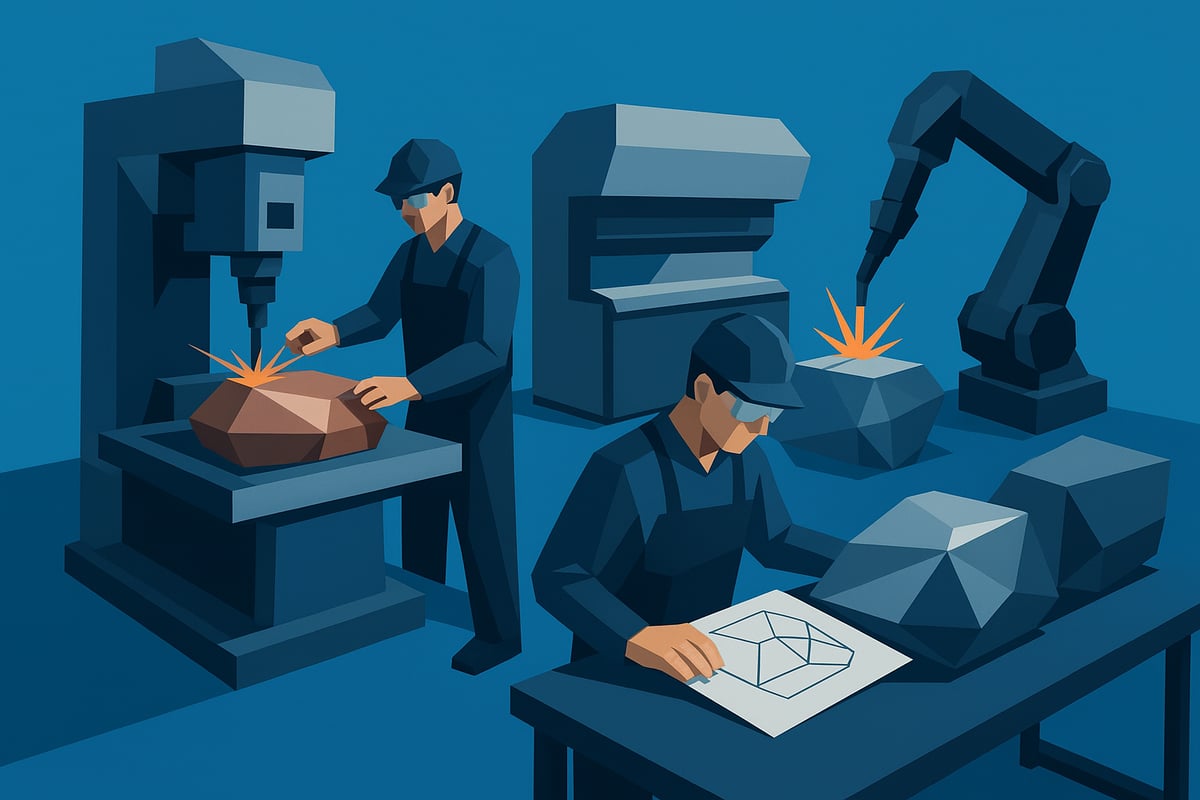
Custom fabrication metal is transforming the landscape of industrial and commercial manufacturing. Unlike standard metalworking, which relies on mass-produced parts, custom fabrication metal delivers solutions precisely crafted to client specifications. This approach integrates advanced design, prototyping, and fabrication methods to achieve optimal fit, function, and performance.
What Is Custom Fabrication Metal?
At its core, custom fabrication metal refers to the process of designing, engineering, and manufacturing metal parts or assemblies tailored to unique project requirements. This distinguishes it from off-the-shelf metalworking, where generic components may not meet specific technical or operational needs.
The custom fabrication metal process begins with detailed design work, usually involving CAD files or technical drawings. This ensures every dimension, tolerance, and feature aligns with the client’s vision. Prototyping allows for refinement before full-scale production, further enhancing precision.
A variety of metals are commonly used:
| Metal Type | Key Properties | Applications |
|---|---|---|
| Steel | High strength, versatility | Structural frames, supports |
| Aluminum | Lightweight, corrosion resistant | HVAC, architectural panels |
| Stainless Steel | Hygienic, durable | Food, pharma, tanks |
| Copper | Conductive, malleable | Electrical, decorative |
| Alloys | Custom properties | Specialized equipment |
Quality is paramount. Custom fabrication metal shops adhere to strict standards, using advanced inspection tools to verify accuracy. For instance, custom HVAC ductwork designed for a large facility provides a perfect fit and superior airflow compared to generic, store-bought sections.
Recent industry data highlights the momentum behind custom fabrication metal. According to Custom Metal Fabrication Services, demand grew sharply through 2025 and into 2026 as more businesses recognized the value of tailored solutions.
The Custom Fabrication Metal Process: Step-by-Step Overview
The custom fabrication metal process is a collaborative journey from concept to delivery. It starts with an initial consultation, where fabricators assess project goals and constraints. Next, design and engineering teams translate ideas into technical plans using CAD and 3D modeling tools.
Material selection follows, factoring in durability, corrosion resistance, and application-specific needs. Cutting and machining are performed using advanced technology, such as laser, waterjet, or CNC equipment. Forming and bending shape the metal into complex profiles, while skilled welders assemble components for structural integrity.
A typical workflow looks like this:
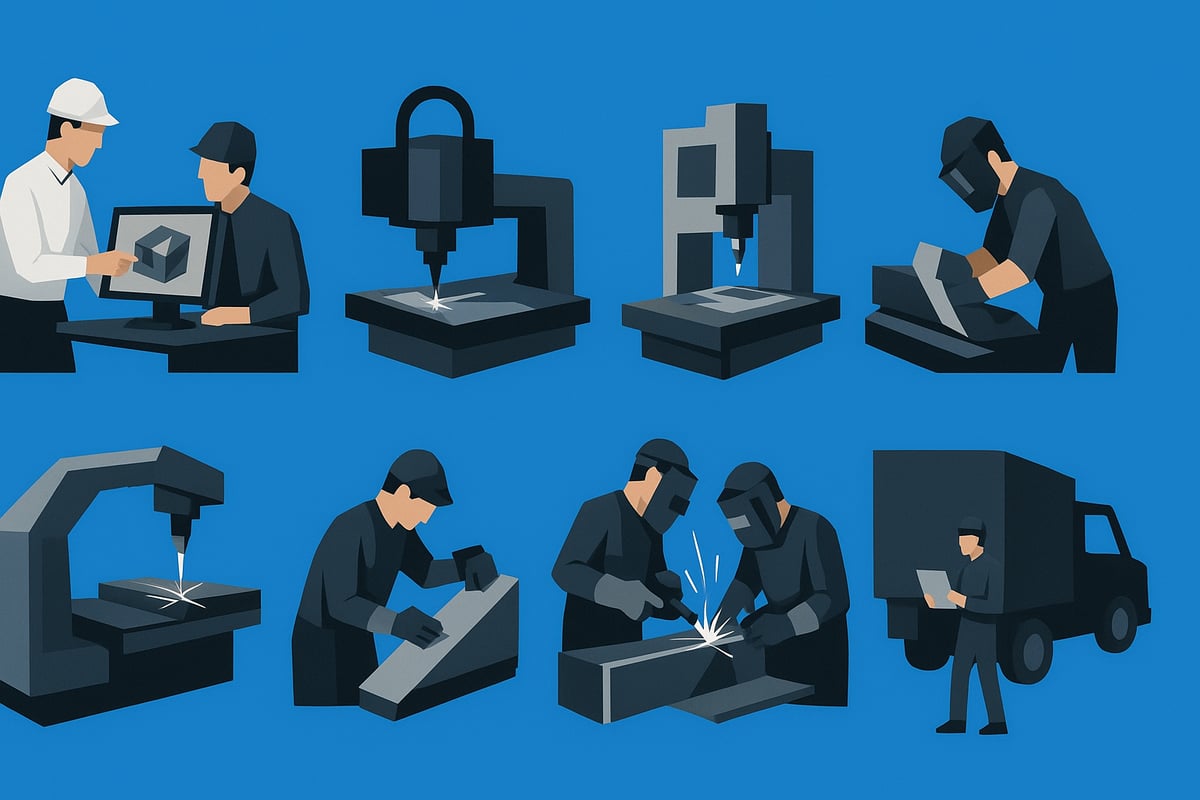
1. Consultation & Needs Assessment
2. CAD Design & Engineering
3. Material Selection
4. Cutting & Machining
5. Forming & Bending
6. Welding & Assembly
7. Finishing (deburring, coating, painting)
8. Quality Inspection & Delivery
Throughout each step, precision is critical. For example, CNC machining can achieve tolerances as tight as ±0.13mm, ensuring parts fit seamlessly. Finishing processes, such as powder coating or polishing, enhance durability and aesthetics.
A real-world scenario: custom fabricated platforms in a manufacturing plant not only boost safety but also streamline workflow compared to generic solutions. This stepwise approach, combined with rigorous inspection, ensures that custom fabrication metal delivers exceptional quality and reliability for every project.
Benefits of Custom Fabrication Metal for Modern Industries
The demand for custom fabrication metal continues to rise as industries require solutions that are both robust and adaptable. Businesses across sectors are discovering how these tailored services drive performance, efficiency, and innovation.
Tailored Solutions and Design Flexibility
Custom fabrication metal empowers companies to create unique components designed for their exact operational needs. This flexibility is crucial for architects, engineers, and manufacturers who must address highly specific challenges.
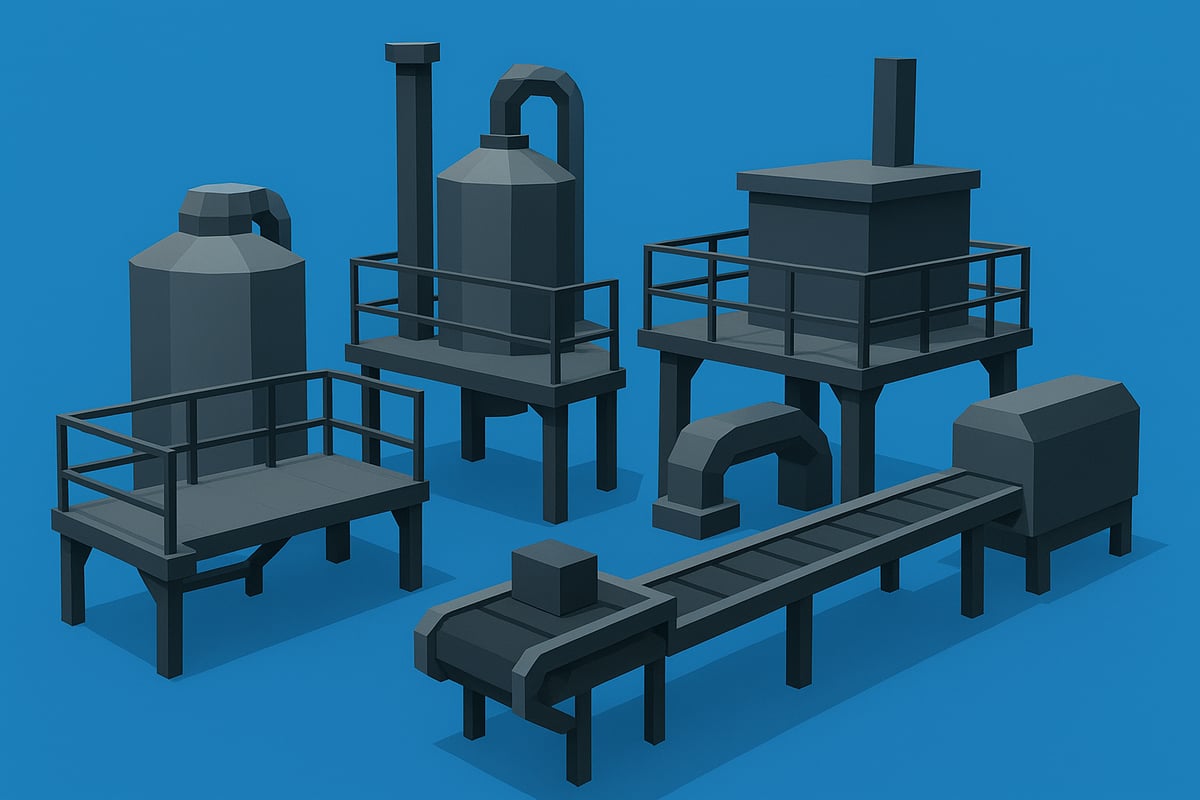
For example, industrial facilities often require custom platforms or safety barriers that simply do not exist in standard catalogs. By working with experienced fabricators, businesses can optimize designs for performance and compliance. According to Industrial Manufacturing Solutions, custom fabrication metal is instrumental in driving innovation and supporting specialized applications for the industrial sector.
Superior Quality and Durability
Choosing custom fabrication metal means investing in craftsmanship and reliability. Skilled teams use advanced processes and rigorous inspections to deliver parts that meet or exceed industry standards.
This high level of quality ensures that products, such as stainless steel tanks for the food and beverage industry, maintain integrity and longevity under demanding conditions. Each project is built to withstand the unique stresses and environments it will face, reducing the risk of premature failure.
Cost Efficiency and Reduced Waste
By focusing on precision and optimization, custom fabrication metal reduces material waste and lowers long-term costs. Designs are tailored to specific requirements, ensuring that resources are used efficiently.
A comparison between custom and mass-produced components shows significant waste reduction, as fabricators cut only what is necessary. Over time, businesses benefit from fewer replacements and streamlined maintenance, making custom solutions a smart financial choice.
| Benefit | Custom Fabrication | Mass Production |
|---|---|---|
| Material Waste | Minimal | Higher |
| Design Optimization | Maximum | Limited |
| Long-term Cost Savings | Significant | Variable |
Fast Turnaround and Scalability
Modern fabrication shops rely on advanced machinery that enables rapid prototyping and production. This capability means customers can receive custom fabrication metal solutions faster than waiting for overseas shipments of standard parts.
Whether a project requires a single prototype or a large production run, scalable processes ensure that timelines are met and production can quickly adapt to changing demands.
Versatility Across Industries
Custom fabrication metal services are used in an impressive range of industries. Manufacturing, construction, oil and gas, recycling, and food and beverage operations all rely on bespoke components to achieve both functional and aesthetic objectives.
This versatility supports projects from custom HVAC ductwork to decorative architectural panels. By partnering with experts, businesses gain access to a full spectrum of solutions that meet evolving market needs.
Leading Applications of Custom Fabrication Metal in 2026
The landscape for custom fabrication metal is rapidly expanding in 2026, with industries seeking tailored solutions for increasingly complex challenges. Diverse sectors are leveraging these capabilities to improve efficiency, safety, and compliance. Let’s explore where custom fabrication metal is making the biggest impact and how these applications are shaping the future.
Industrial and Commercial Sectors
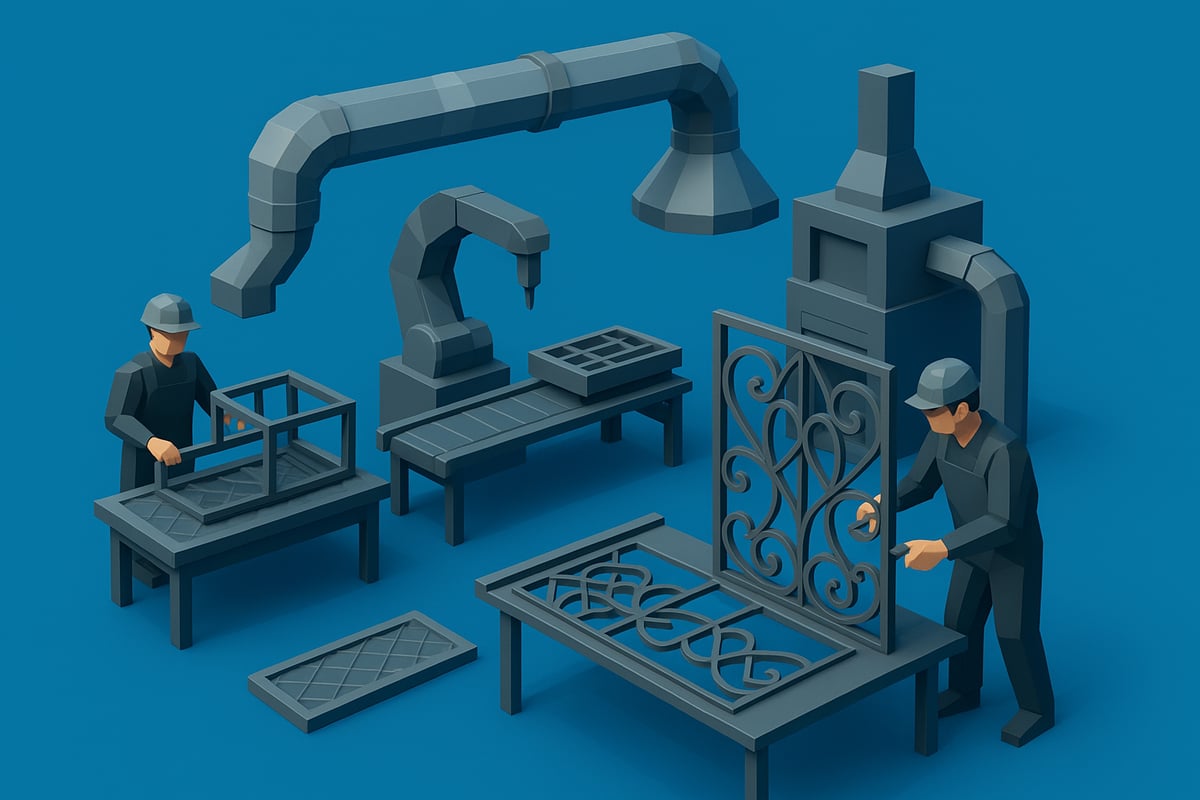
Custom fabrication metal is essential for industrial and commercial environments where off the shelf solutions often fall short. In HVAC, businesses rely on custom ductwork and insulation tailored to building layouts, boosting energy efficiency and performance. Plumbing and pipefitting projects benefit from bespoke process piping and utility fixtures, especially in facilities with complex systems.
Manufacturing plants use custom fabrication metal for platforms, conveyors, and millwrighting, all designed to optimize workflow and safety. The oil and gas sector depends on custom skids, pressure vessels, and safety enclosures to meet strict regulatory and operational standards. Each application demands precision, durability, and the ability to adapt to unique project requirements.
Specialized and Ornamental Uses
Beyond industrial settings, custom fabrication metal finds a place in specialized and ornamental projects. Architectural elements such as decorative gates, fences, and façade components are fabricated to match an architect’s vision while ensuring structural integrity. Artists and designers collaborate with fabricators to create one of a kind metal sculptures and installations that enhance public spaces.
The food and beverage industry requires hygienic tanks and process equipment fabricated from materials that meet stringent health codes. Custom fabrication metal ensures these products are both functional and visually appealing. By tailoring designs to fit specific environments, fabricators deliver both aesthetic and practical value across a variety of sectors.
Case Studies and Examples
Real world examples underscore the versatility of custom fabrication metal. One recycling facility implemented custom conveyor systems, streamlining material handling and increasing throughput. In aggregate operations, metal fabricated platforms improved worker safety and enabled more efficient maintenance.
Demand for custom fabrication metal has surged in the Western United States, with recent data highlighting a steady rise in projects from 2025 to 2026. For more detailed insights and practical outcomes, explore these Case Studies in Metal Fabrication, which showcase a range of successful applications and client solutions.
The Custom Fabrication Metal Process: From Design to Delivery
Navigating the custom fabrication metal process requires clarity, precision, and strong collaboration between fabricators and clients. Each step is vital for transforming raw materials into reliable, tailored solutions that meet demanding industry standards.
Step 1: Collaborative Design and Engineering
The journey begins with a detailed consultation, where fabricators and clients discuss project goals, performance requirements, and constraints. Using modern CAD software, engineers convert concepts into technical drawings and 3D models. This step enables precise visualization and simulation, such as testing load-bearing capacity for industrial platforms.
Manufacturability analysis is crucial at this stage. It helps identify potential design challenges early, preventing costly revisions and delays. By aligning engineering expertise with client vision, the custom fabrication metal process ensures solutions are both innovative and practical.
Step 2: Material Selection and Sourcing
Material choice directly impacts the performance and longevity of fabricated components. Factors like strength, corrosion resistance, and weight guide the selection of metals—options typically include steel, aluminum, stainless steel, and specialty alloys. Sourcing also matters. Local materials may offer faster turnaround, while imported options could provide cost advantages.
The selected material influences fabrication techniques and final product characteristics. For example, stainless steel is often chosen for food processing equipment due to its hygienic properties. This level of attention to detail is a hallmark of custom fabrication metal.
Step 3: Cutting, Machining, and Forming
Once designs and materials are set, advanced machinery brings concepts to life. Fabricators use fiber lasers, waterjet cutters, and CNC machines to achieve clean, precise cuts. For complex geometries, bending and forming processes shape metals into their final forms.
Precision is paramount. Many custom fabrication metal projects demand tolerances as tight as ±0.13mm, especially for components destined for critical applications. An example is the laser cutting of intricate HVAC ductwork, which must fit seamlessly within tight building spaces.
Table: Common Cutting Technologies
| Method | Best For | Precision |
|---|---|---|
| Laser | Intricate shapes, speed | High |
| Waterjet | Thick or heat-sensitive | Very High |
| CNC Machine | Repetitive accuracy | High |
Step 4: Welding, Assembly, and Hardware Integration
Skilled welding is essential for structural integrity and functional performance. Techniques such as MIG, TIG, spot, and arc welding are selected based on material and project requirements. During assembly, fabricators integrate hardware like PEM fasteners, tap holes, and countersinks to ensure robust connections.
Quality assurance is embedded in every phase. If you want to learn more about the range of welding methods available for custom fabrication metal projects, see Welding Techniques and Capabilities. Each weld and assembly is inspected to guarantee fit, strength, and compliance with specifications.
Step 5: Finishing and Surface Treatments
A high-quality finish not only enhances appearance but also protects metal from corrosion and wear. Common finishing options include powder coating, painting, media blasting, brushing, and deburring. The right surface treatment extends product lifespan and meets industry-specific standards.
For architectural projects, cosmetic brushing on aluminum panels creates a visually striking effect. In industrial settings, powder coating offers a durable, chemical-resistant barrier. Attention to finishing details elevates every custom fabrication metal solution.
Step 6: Inspection, Testing, and Delivery
Before shipment, all components undergo rigorous inspection. Dimensional checks, weld integrity tests, and surface finish assessments ensure each part matches project requirements. Regulatory testing, such as pressure tests for tanks, is performed when necessary.
Efficient logistics enable prompt delivery, sometimes within the same day for urgent projects. The custom fabrication metal process concludes with the assurance that every product meets or exceeds client expectations—ready for integration into its final application.
Key Considerations When Choosing a Custom Fabrication Metal Partner
Selecting the right custom fabrication metal partner is a critical decision that can impact your project’s success, safety, and bottom line. With the growing complexity of industrial demands and the rapid pace of technological advancements, partnering with a fabricator that aligns with your goals and standards is more important than ever.
Evaluating Experience and Capabilities
Begin your search by assessing the experience and technical capabilities of prospective custom fabrication metal partners. A fabricator’s portfolio speaks volumes about their ability to handle diverse projects and materials. Look for evidence of successful work in your sector, such as manufacturing, construction, or oil and gas.
Ask about their experience with specific metals, including steel, aluminum, stainless steel, and specialty alloys. Can they demonstrate expertise in both shop and field services? Review case studies and completed projects to ensure they can deliver on complex requirements. Prioritize partners who understand your industry’s regulations and standards, as this ensures compliance and reduces risk.
Finally, consider whether the team offers in-house design and engineering, which streamlines communication and minimizes costly errors during production.
Technology, Equipment, and Quality Assurance
Advanced technology is a hallmark of a top-tier custom fabrication metal provider. Modern shops invest in CNC machines, waterjet cutters, laser technology, and automated welding systems to deliver precision and efficiency. These systems enable rapid prototyping, accurate cutting, and consistent results across small and large batches.
Quality assurance processes are equally vital. Leading fabricators use rigorous inspection protocols, certifications, and traceability systems to guarantee every part meets your specifications. According to Metal Fabrication Industry Statistics 2025, shops that prioritize automation and quality control see higher productivity and fewer defects, directly benefiting clients.
Ask about their quality certifications and inspection methods. Do they perform dimensional checks, weld testing, and surface finish evaluations? Transparent reporting and documented procedures indicate a strong commitment to delivering reliable custom fabrication metal components.
Customer Service, Communication, and Project Management
Exceptional customer service is a defining feature of a reliable custom fabrication metal partner. Open, proactive communication ensures your project stays on track, from initial consultation to final delivery. Choose a provider known for responsiveness, flexibility, and clear updates throughout the process.
Effective project management is essential for meeting deadlines and adapting to changing requirements. Seek out fabricators who offer transparent quoting, detailed timelines, and dedicated project managers. This approach minimizes surprises and keeps all stakeholders informed.
A collaborative relationship fosters innovation and problem-solving, delivering better outcomes for your business. Ultimately, choosing a partner who values your input and maintains open channels of communication will help ensure your custom fabrication metal project is completed to the highest standard.
Emerging Trends and Innovations in Custom Metal Fabrication
The landscape of custom fabrication metal is evolving rapidly as industries demand smarter, more sustainable solutions. Staying ahead of these trends is crucial for businesses aiming to maintain a competitive edge. In 2026 and beyond, several key innovations are shaping how custom fabrication metal is designed, produced, and delivered.
Automation and Smart Manufacturing
Automation is transforming custom fabrication metal by increasing speed, accuracy, and scalability. Robotics are now handling repetitive tasks such as cutting, welding, and bending, allowing skilled technicians to focus on complex assemblies. The integration of Industry 4.0 technologies, like IoT sensors and real-time monitoring, enables predictive maintenance and minimizes downtime.
According to the Sheet Metal Fabrication Services Market Forecast, automation and sustainability are primary drivers of growth in this sector. Automated bending and forming lines can now handle high-volume orders with minimal manual intervention, resulting in faster turnaround and consistent quality.
Advanced Materials and Sustainable Practices
The push for sustainability is influencing material choices in custom fabrication metal. Lightweight and high-strength alloys, such as advanced aluminum and stainless-steel blends, are gaining popularity for their performance and efficiency. Many fabrication shops are implementing recycling programs, repurposing scrap material, and sourcing metals from environmentally responsible suppliers.
Sustainable practices not only reduce waste but also improve a company’s environmental footprint. In 2026, more than half of custom fabrication metal shops are expected to adopt green initiatives, making sustainability a standard rather than an exception.
Digital Transformation in Design and Prototyping
Digital tools are revolutionizing how custom fabrication metal projects are conceived and executed. AI-driven design software allows engineers to optimize parts for strength, weight, and manufacturability before a single cut is made. Cloud-based CAD platforms enable seamless collaboration between clients and fabricators, reducing errors and accelerating project timelines.
3D visualization and rapid prototyping are becoming standard practices. These technologies help clients preview their custom fabrication metal components, ensuring that the final product meets all specifications while shortening the design-to-production cycle.
Enhanced Finishing and Surface Engineering
Advancements in finishing techniques are extending the lifespan and appeal of custom fabrication metal products. Smart coatings now offer enhanced corrosion resistance and can be tailored to specific industry needs, such as food safety or chemical durability. New surface treatments, including nano-coatings and advanced powder applications, provide both functional and aesthetic benefits.
Fabricators are investing in automated finishing lines, which improve consistency and lower production costs. The result is a higher-quality product that stands out in demanding environments.
Workforce Development and Skills Training
As custom fabrication metal processes become more sophisticated, workforce development is critical. Fabricators are upskilling employees to operate advanced machinery and leverage digital tools effectively. Industry partnerships with technical schools and training programs address labor shortages and ensure a steady pipeline of talent.
Ongoing education not only boosts productivity but also fosters a culture of innovation. Skilled teams are better equipped to adapt to new technologies and deliver exceptional results for clients.
As you’ve seen throughout this guide, custom fabrication metal is transforming industries by offering tailored solutions, unmatched precision, and the flexibility to meet even the most demanding project requirements. If you’re ready to take the next step and discover how expert fabrication can support your business goals—whether you need specialized components, fast turnaround, or durable materials—let’s connect. At LTJ Industrial Services, we’re here to help you turn complex ideas into reliable results. Reach out today to discuss your project or get a personalized estimate: [Request a Quote](https://www.ltjindustrial.com/contact_us/