
The us industrial landscape is experiencing significant transformation in 2026, driven by evolving market dynamics, technological advancements, and shifting economic policies. For businesses operating in welding fabrication, machining, and related sectors across the Western United States, understanding these trends is essential for strategic planning and competitive positioning. The current environment presents both challenges and opportunities as companies navigate changing demand patterns, workforce constraints, and supply chain realignments that define the modern us industrial ecosystem.
Current State of the US Industrial Market
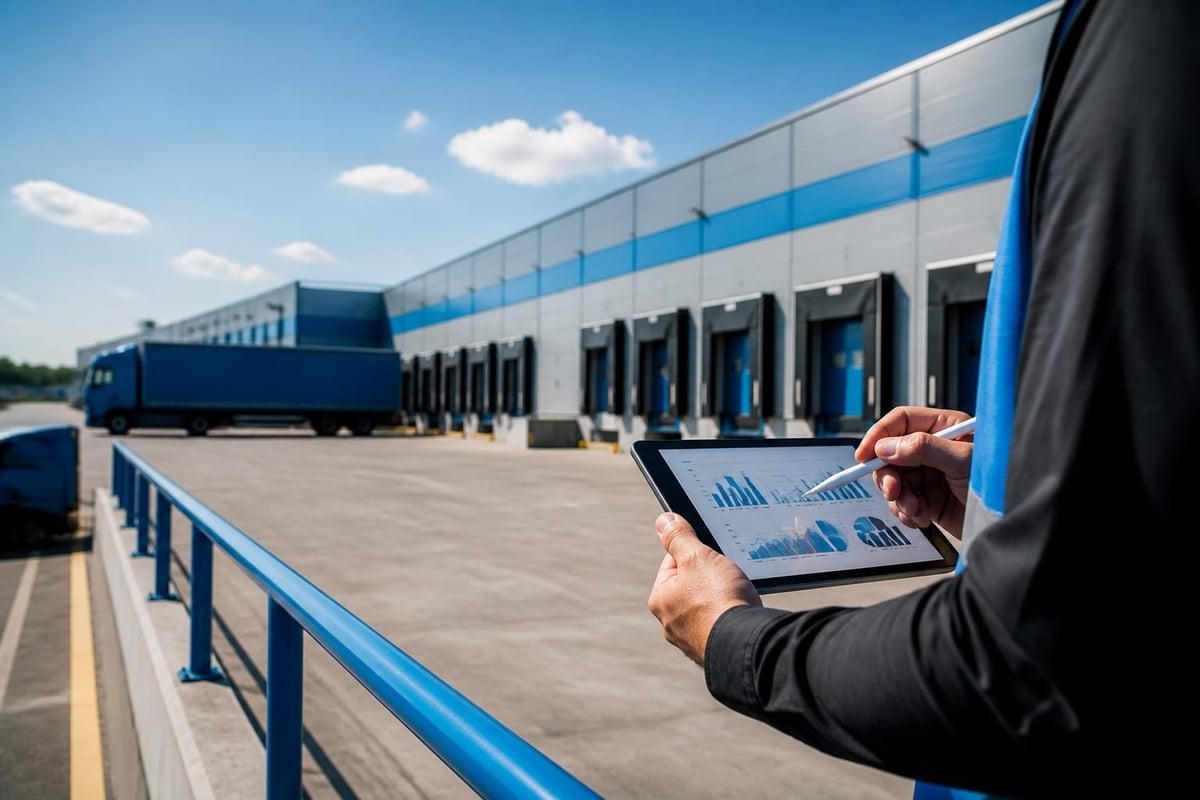
The us industrial sector has demonstrated remarkable resilience despite facing headwinds from multiple directions. Market analysis reveals a complex picture where traditional demand drivers intersect with emerging trends. Vacancy rates have risen across major industrial markets, yet strategic sectors continue to show robust activity. Companies in manufacturing, logistics, and distribution are recalibrating their real estate strategies to align with evolving operational requirements.
According to the U.S. industrial market performance data, net absorption remains steady as corporate demand for modern warehouse and manufacturing facilities persists. This stability indicates underlying strength even as the market adjusts from the unprecedented growth witnessed in previous years.
Manufacturing Sector Dynamics
Manufacturing represents a cornerstone of the us industrial economy, with 2026 bringing notable shifts in production patterns and strategic priorities. Reshoring initiatives have gained momentum as companies reassess global supply chain vulnerabilities. The movement to bring production closer to domestic markets creates opportunities for fabrication shops, welding contractors, and machining service providers throughout the Western region.
Manufacturing industry trends for 2026 highlight several transformative forces:
- Artificial intelligence integration streamlining production workflows
- Advanced automation reducing dependency on manual labor
- Energy transition demands requiring specialized equipment fabrication
- Skilled labor shortages driving investment in workforce development
- Policy environment shifts affecting trade and manufacturing incentives
These factors directly impact businesses providing custom metal fabrication and specialized industrial services. Companies that adapt to these trends position themselves to capture growing demand from manufacturers seeking reliable domestic partners.
Strategic Shifts in Industrial Tenant Demand
Tenant behavior across the us industrial market reveals strategic recalibration as businesses optimize their operational footprints. The JLL industrial tenant demand study demonstrates accelerated growth in third-party logistics while manufacturing emerges as a sustained demand driver. This evolution affects the types of facilities being constructed and the services required to support them.
Third-Party Logistics Expansion
Third-party logistics providers continue expanding their presence, requiring sophisticated warehousing and distribution infrastructure. These facilities demand specialized material handling equipment, conveyor systems, and structural modifications that create opportunities for welding and fabrication specialists. The complexity of modern logistics operations necessitates custom solutions that standard manufacturers cannot provide.
| Sector | Growth Trajectory | Service Demand |
|---|---|---|
| Third-Party Logistics | High | Material handling, structural modifications |
| Manufacturing | Moderate-High | Equipment fabrication, maintenance services |
| E-commerce | Moderate | Automation infrastructure, custom racking |
| Cold Storage | Steady | Specialized systems, temperature-controlled fabrication |
Manufacturing Facility Requirements
Manufacturing facilities returning to or expanding within the United States require comprehensive support services. From initial construction to ongoing maintenance, these operations need reliable partners for welding, machining, and hydraulic services. The oil and gas pipeline fabrication sector exemplifies how specialized industrial services support critical infrastructure development across the Western states.
Regional Variations Across the US Industrial Landscape
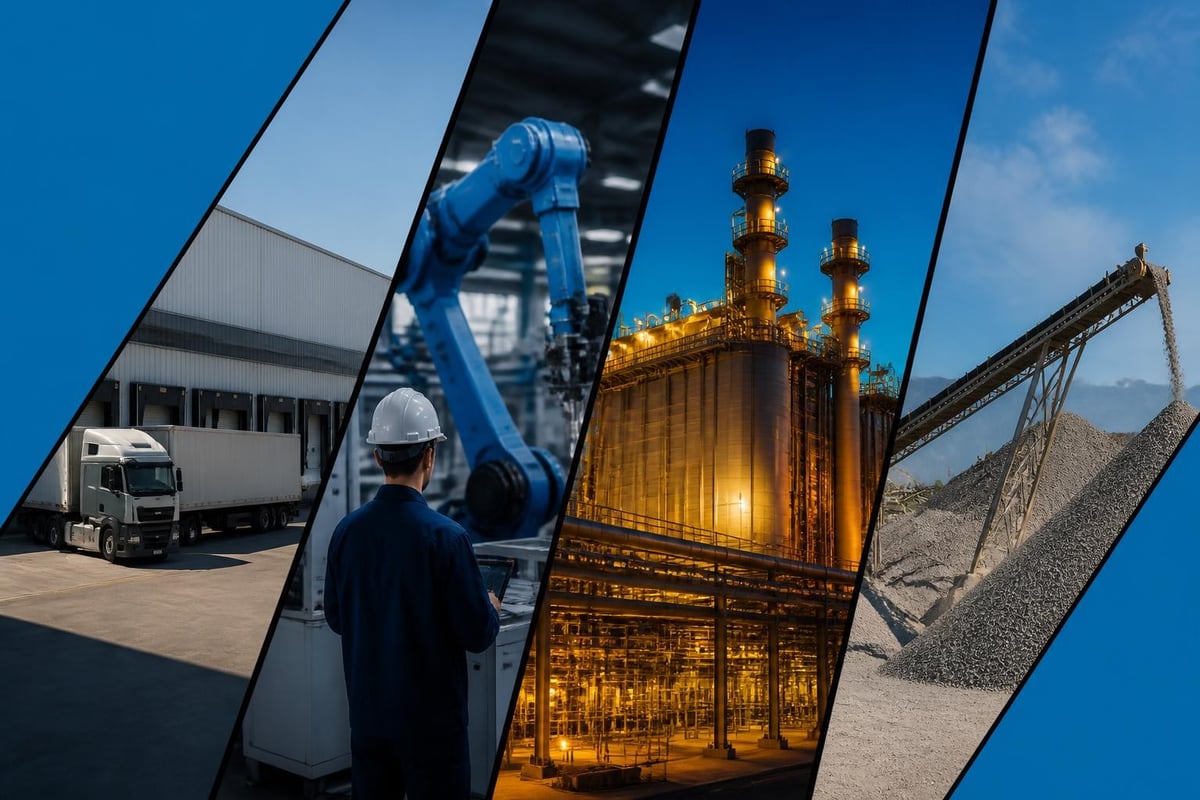
The us industrial market exhibits significant regional differentiation, with the Western United States presenting unique characteristics. Geographic factors, industry concentrations, and infrastructure availability create distinct market conditions. Understanding these regional nuances helps service providers align their capabilities with local demand patterns.
Western region advantages include:
- Proximity to Pacific trade routes enhancing import/export activities
- Robust energy sector creating demand for specialized fabrication
- Growing technology manufacturing requiring precision machining
- Aggregate and mining industries needing heavy equipment services
- Agricultural processing facilities demanding custom metalwork
Companies serving multiple industries across diverse geographic areas must maintain operational flexibility. The ability to provide both shop-based services and field mechanics ensures responsiveness to client needs regardless of location or project scope.
Supply Chain Realignment and Tariff Impacts
Trade policy continues shaping the us industrial sector as businesses navigate tariff implications and supply chain restructuring. Sector-specific tariff impacts vary considerably, with some industries experiencing significant cost pressures while others benefit from protective measures. Manufacturing operations assess whether to absorb costs, pass them to customers, or reconfigure supply chains entirely.
Strategic Responses to Trade Policy
Forward-thinking companies implement several strategies to mitigate tariff impacts:
- Supplier diversification reducing reliance on single-country sourcing
- Domestic content increases through reshoring critical components
- Process optimization improving efficiency to offset cost increases
- Inventory management adjusting stock levels based on duty structures
- Value engineering redesigning products to minimize affected materials
These adjustments create ripple effects throughout the industrial services sector. Fabrication shops supporting manufacturers must adapt to changing specifications, material requirements, and delivery timelines. The complexity of modern United States manufacturing demands agile service providers capable of responding quickly to evolving client needs.
Technology Adoption and Automation Trends
Technology integration accelerates across the us industrial sector, fundamentally changing how manufacturing and logistics operations function. Automation technologies range from simple mechanization to sophisticated artificial intelligence systems managing entire production lines. This technological evolution creates both challenges and opportunities for industrial service providers.
Advanced Manufacturing Technologies
Modern manufacturing facilities incorporate cutting-edge equipment requiring specialized installation, maintenance, and modification services. Companies investing in automation need partners who understand both traditional fabrication techniques and contemporary technological requirements. This intersection of old and new defines the current us industrial service landscape.
| Technology Category | Implementation Rate | Service Implications |
|---|---|---|
| Robotic Welding | High | Programming, maintenance, fixture fabrication |
| CNC Machining | Very High | Tooling, calibration, precision repairs |
| Automated Material Handling | Moderate-High | Custom conveyor systems, structural support |
| IoT Sensors | Moderate | Integration infrastructure, mounting solutions |
| AI Quality Control | Low-Moderate | Equipment modifications, camera mounting systems |
Workforce Development Implications
Despite automation advances, skilled tradespeople remain essential to the us industrial economy. The persistent skilled labor shortage affects welding, machining, and mechanical trades significantly. Companies competing for talent must offer competitive compensation, modern equipment, and opportunities for professional growth.
Workforce challenges create opportunities for established service providers with experienced teams. Businesses struggling to maintain in-house capabilities increasingly outsource specialized work to qualified contractors. This trend benefits companies offering comprehensive services from simple repairs to complex custom fabrication projects.
Sector-Specific Opportunities and Challenges
Different segments within the us industrial market face unique conditions requiring tailored approaches. Understanding sector-specific dynamics helps service providers position their capabilities effectively and identify high-potential opportunities.
Energy Sector Developments
The energy industry undergoes significant transformation as traditional oil and gas operations coexist with expanding renewable installations. Both segments require substantial fabrication and machining services, though with different specifications and timelines. Oil and gas infrastructure maintenance remains crucial across the Western United States, while renewable energy projects create demand for wind turbine components, solar mounting structures, and energy storage systems.
Recycling and Aggregate Industries
Recycling operations and aggregate production represent stable demand sources for industrial services. These industries operate heavy machinery in demanding conditions, creating ongoing needs for welding repairs, hydraulic services, and custom parts fabrication. Equipment downtime directly impacts profitability, making reliable service providers invaluable partners.
Key service requirements include:
- Emergency repair capabilities minimizing production interruptions
- Custom part fabrication when OEM components are unavailable
- Preventive maintenance programs extending equipment life
- On-site field services reducing transportation logistics
- Water jetting for cleaning and surface preparation
Data Center and Technology Manufacturing
Emerging demand from data centers and technology manufacturing adds new dimensions to the us industrial landscape. Industrial sector trends indicate data center expansion contributes to industrial real estate demand, though these facilities require different infrastructure than traditional manufacturing or distribution operations. Supporting construction and ongoing operations of these facilities creates specialized service opportunities.
Market Stabilization and Future Outlook
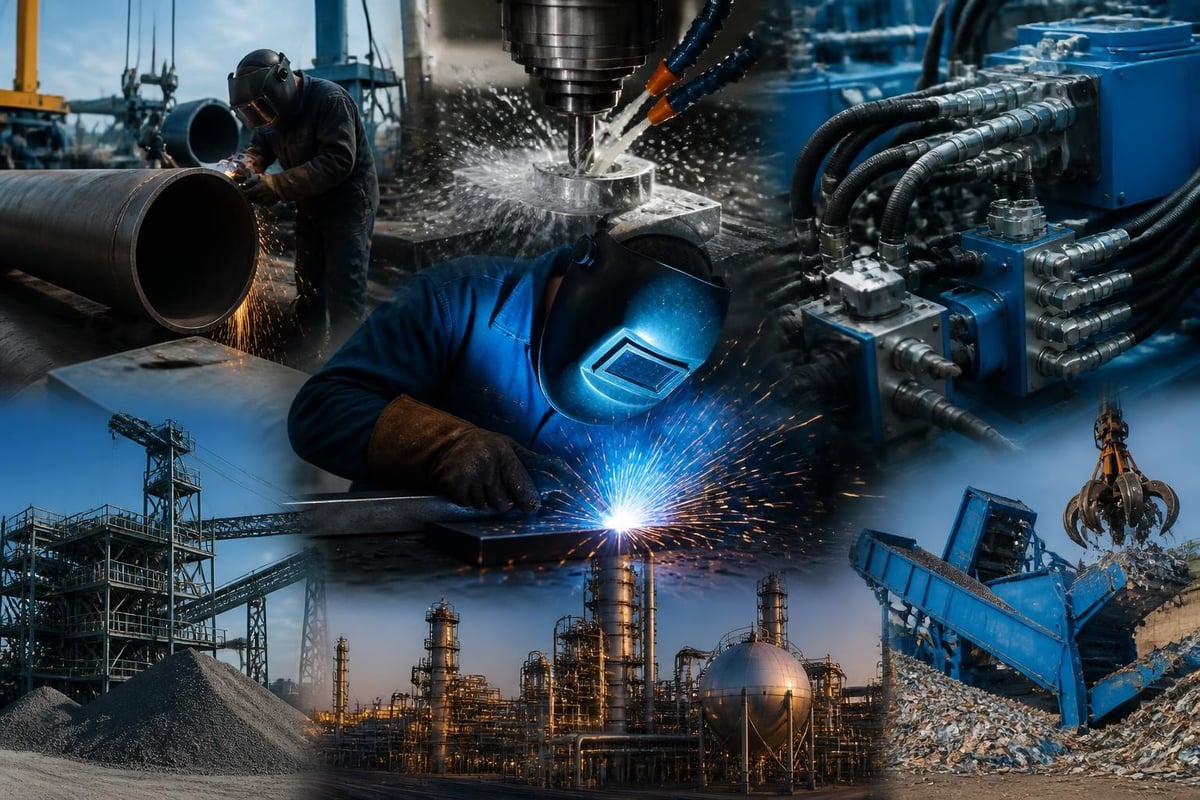
The us industrial market shows signs of stabilization after years of volatility. Research indicates availability rates are holding steady as supply and demand rebalance. This normalization creates a more predictable environment for planning and investment, though businesses must remain vigilant regarding potential disruptions.
Rental Rate Dynamics
Industrial rental rates demonstrate moderate growth rather than the dramatic increases seen during peak demand periods. This moderation reflects increased supply coming online and tenant negotiating leverage improving slightly. For service providers, stable real estate markets suggest consistent facility operations requiring ongoing maintenance and modification services.
Investment Patterns
Capital flows into the us industrial sector remain robust despite market adjustments. Investors recognize long-term fundamentals supporting industrial real estate and manufacturing infrastructure. This continued investment ensures project pipelines for fabrication, welding, and machining service providers, particularly those serving construction and facility modification markets.
However, challenges in achieving manufacturing growth persist despite subsidies and policy support. Companies must maintain realistic expectations while positioning themselves to capitalize on opportunities as they emerge.
Competitive Positioning for Industrial Service Providers
Success in the evolving us industrial environment requires strategic positioning based on core competencies, service breadth, and customer relationships. Companies offering comprehensive solutions from initial fabrication through field installation and ongoing maintenance create significant value for clients managing complex operations.
Service Differentiation Strategies
Key differentiation factors include:
- Technical expertise across multiple disciplines (welding, machining, hydraulics)
- Geographic coverage enabling regional service delivery
- Response time capabilities for emergency situations
- Quality certifications and industry-specific qualifications
- Equipment capabilities handling diverse project requirements
Businesses serving the recycling, aggregate, and oil and gas sectors must demonstrate understanding of industry-specific challenges and regulatory requirements. This specialized knowledge builds trust and positions service providers as true partners rather than transactional vendors.
Building Long-Term Client Relationships
The us industrial sector rewards companies that invest in relationship development rather than pursuing purely transactional business models. Long-term partnerships create predictable revenue streams while enabling deeper understanding of client operations and proactive problem-solving. Service providers become extensions of client maintenance teams, anticipating needs and preventing issues before they impact production.
Adapting to Market Conditions
Flexibility and adaptability define successful us industrial service providers in 2026. Market conditions continue evolving as economic policies shift, technologies advance, and industry dynamics change. Companies maintaining operational agility while delivering consistent quality position themselves for sustained success regardless of external conditions.
Operational Excellence Requirements
Modern industrial clients expect service excellence across multiple dimensions. Quality workmanship represents the baseline; differentiating factors include project management capabilities, communication effectiveness, safety performance, and problem-solving creativity. Companies meeting these elevated expectations build reputations that generate referrals and repeat business.
Investment in equipment, training, and process improvement ensures service capabilities match or exceed client requirements. Whether performing precision machining, complex welding, or hydraulic system overhauls, maintaining high standards across all service areas creates competitive advantage in demanding markets.
The us industrial sector continues evolving through 2026, presenting both challenges and opportunities for businesses across the manufacturing, energy, recycling, and aggregate industries. Success requires understanding market dynamics, adapting to technological changes, and maintaining service excellence across diverse client requirements. LTJ Industrial Services delivers comprehensive welding, fabrication, and machining solutions throughout the Western United States, helping businesses overcome operational challenges and achieve their production goals with expert shop and field services.