The modern industrial corporation represents a complex ecosystem of manufacturing capabilities, service delivery systems, and strategic partnerships that drive economic growth across multiple sectors. As businesses navigate the evolving landscape of 2026, understanding the structure, operations, and value proposition of these entities becomes essential for commercial and industrial clients seeking reliable partners. From welding and fabrication to machining and field services, the industrial corporation model continues to adapt to meet the demanding requirements of sectors such as oil and gas, recycling, aggregate processing, and water treatment throughout the Western United States and beyond.
Understanding the Industrial Corporation Framework
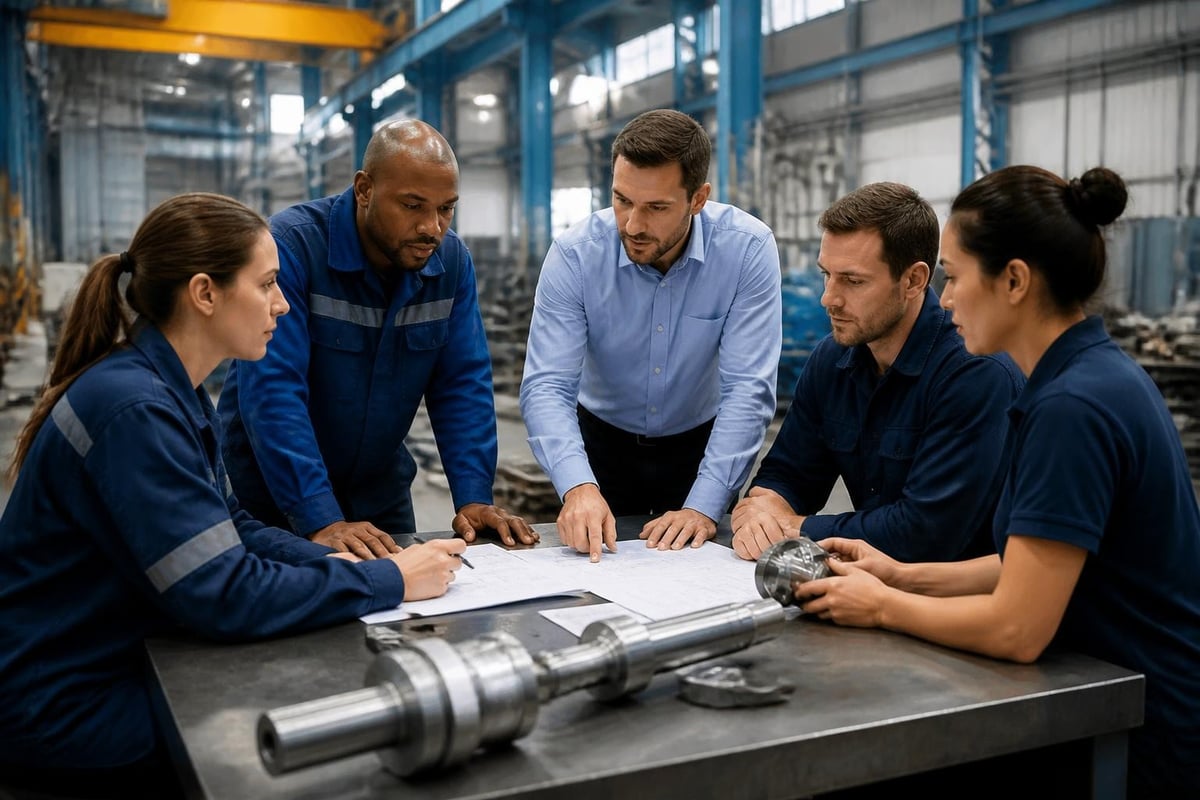
An industrial corporation operates as a multifaceted organization that combines manufacturing expertise with specialized service capabilities. Unlike smaller operations focused on a single discipline, these entities integrate various technical competencies to deliver comprehensive solutions.
The organizational structure typically encompasses several key divisions:
- Manufacturing and fabrication departments that handle custom metal work and production
- Machining centers equipped with precision equipment for component creation
- Field service teams providing on-site maintenance and repair capabilities
- Quality assurance divisions ensuring compliance with industry standards
- Supply chain management coordinating materials and logistics
This integrated approach allows an industrial corporation to serve as a single-source provider, reducing coordination challenges for clients managing complex projects. When a recycling facility needs custom conveyor components or an oil and gas operation requires field mechanic services combined with precision machining, the consolidated structure delivers efficiency gains.
Core Competencies That Define Success
The competitive advantage of an industrial corporation stems from its technical depth across multiple disciplines. In 2026, clients evaluate potential partners based on demonstrated expertise in specific areas that directly impact operational continuity.
Metal fabrication capabilities form the foundation of many industrial operations. Custom metal fabrication encompasses everything from structural steel components to specialized equipment housings. The ability to work with various materials, thicknesses, and specifications determines an industrial corporation's versatility in serving diverse client needs.
Welding expertise represents another critical dimension. Modern operations require proficiency in multiple welding processes, certifications for specialized applications, and the flexibility to perform work in both controlled shop environments and challenging field conditions. Industrial welding companies must maintain certifications and demonstrate consistent quality across TIG, MIG, stick, and specialty welding techniques.
Precision machining capabilities enable an industrial corporation to produce components with tight tolerances required in hydraulic systems, process equipment, and replacement parts. CNC machining, lathe work, milling, and grinding services ensure that custom components integrate seamlessly with existing systems.
Service Delivery Models in Industrial Operations
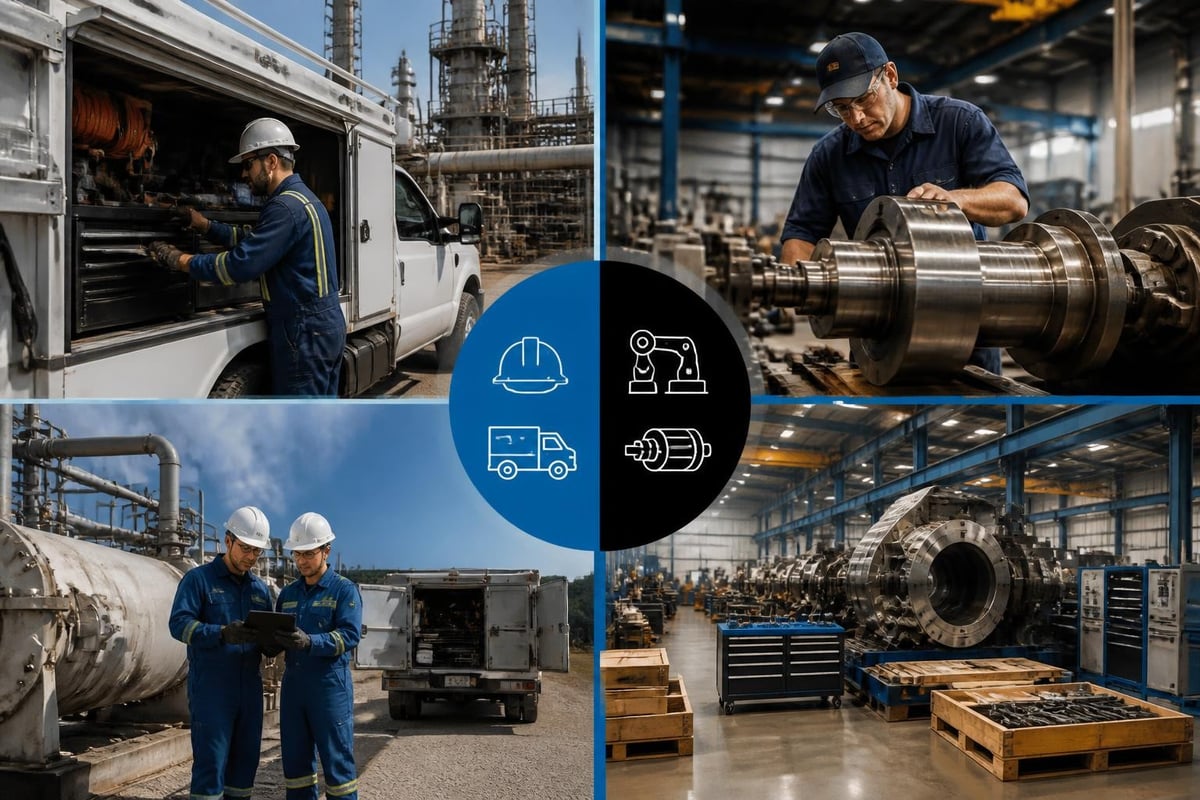
The distinction between shop-based work and field services defines how an industrial corporation structures its operations and deploys resources. Each model addresses specific client needs and project requirements.
Shop-Based Manufacturing Advantages
Controlled environment manufacturing offers several distinct benefits that make it ideal for complex fabrication projects:
- Enhanced quality control through consistent environmental conditions
- Access to specialized equipment not portable to field locations
- Efficiency gains from centralized material storage and workflow optimization
- Cost effectiveness for projects requiring extensive machining or multi-step processes
- Safety improvements in regulated facility environments
Companies operating recycling facilities or aggregate processing plants often leverage shop-based services for component manufacturing, allowing them to continue operations while replacement parts are fabricated to exact specifications. Industrial fabrication companies with well-equipped shops can handle projects ranging from simple repairs to complex assemblies.
Field Service Capabilities
Field service delivery extends an industrial corporation's reach to client locations, minimizing downtime and addressing urgent repair needs. This model proves essential in sectors where equipment relocation is impractical or impossible.
| Service Type | Typical Applications | Key Benefits |
|---|---|---|
| Emergency Repairs | Equipment failures, breakdowns | Rapid response, minimized downtime |
| Preventive Maintenance | Scheduled inspections, adjustments | Extended equipment life, predictable costs |
| Installation Services | New equipment setup, system integration | Expert commissioning, warranty protection |
| On-Site Fabrication | Custom modifications, adaptations | Immediate solutions, reduced logistics |
The oil and gas pipeline fabrication sector particularly benefits from field service capabilities, where work must be performed at remote wellhead locations or along pipeline corridors. An industrial corporation with mobile welding units, portable machining equipment, and experienced field technicians delivers solutions where traditional shop services cannot reach.
Strategic Value Through Specialized Expertise
Beyond basic manufacturing capabilities, an industrial corporation differentiates itself through specialized knowledge in specific industries and applications. This focused expertise translates directly into project success and client value.
Industry-Specific Knowledge
Companies serving the recycling sector understand the unique challenges of abrasive materials, high-volume processing, and equipment durability requirements. Fabrication processes for recycling equipment must account for impact resistance, wear patterns, and maintenance accessibility.
Water treatment facilities require entirely different considerations. Water treatment plant metal fabrication services demand knowledge of corrosion-resistant materials, sanitary welding techniques, and compliance with environmental regulations. An industrial corporation serving this sector maintains expertise in stainless steel fabrication, specialized coatings, and non-contaminating processes.
The aggregate industry presents its own set of challenges:
- Heavy-duty construction for impact and abrasion resistance
- Large-scale fabrication for conveyor systems and processing equipment
- Mobile repair capabilities for quarry and pit operations
- Rapid turnaround to minimize production disruptions
Technical Certifications and Standards
Credibility in industrial markets stems from verifiable certifications and adherence to recognized standards. Clients evaluating potential partners should examine:
Welding certifications including AWS (American Welding Society) qualifications, pressure vessel certifications, and specialized process approvals. These credentials verify that an industrial corporation maintains qualified personnel capable of performing critical work.
Quality management systems such as ISO 9001 certification demonstrate commitment to consistent processes, documentation, and continuous improvement. For clients in regulated industries, these systems provide assurance of reliable quality.
Safety certifications including OSHA compliance, industry-specific safety training, and safety performance records indicate an industrial corporation's commitment to protecting workers and client facilities.
Real-world applications of these capabilities are demonstrated through industrial fabrication case studies that showcase problem-solving approaches and measurable results across various manufacturing challenges.
Operational Excellence and Process Efficiency
The internal processes of an industrial corporation directly impact project timelines, quality outcomes, and cost effectiveness. Leading organizations implement systems that maximize efficiency while maintaining flexibility to address unique client requirements.
Project Management Frameworks
Effective project coordination begins with structured intake processes that capture complete requirements, followed by detailed planning that accounts for material procurement, production scheduling, and delivery logistics.
Communication protocols ensure clients remain informed throughout project execution. Regular updates, progress documentation, and proactive issue resolution distinguish professional operations from reactive ones. Manufacturing companies that excel in this area build long-term partnerships rather than transactional relationships.
Resource allocation systems balance multiple concurrent projects, ensuring each receives appropriate attention and equipment access. This becomes particularly important for an industrial corporation serving diverse sectors with varying urgency levels.
Equipment Investment and Capabilities
The manufacturing equipment portfolio defines what an industrial corporation can produce efficiently and cost-effectively. Strategic investments in technology yield benefits across the client base:
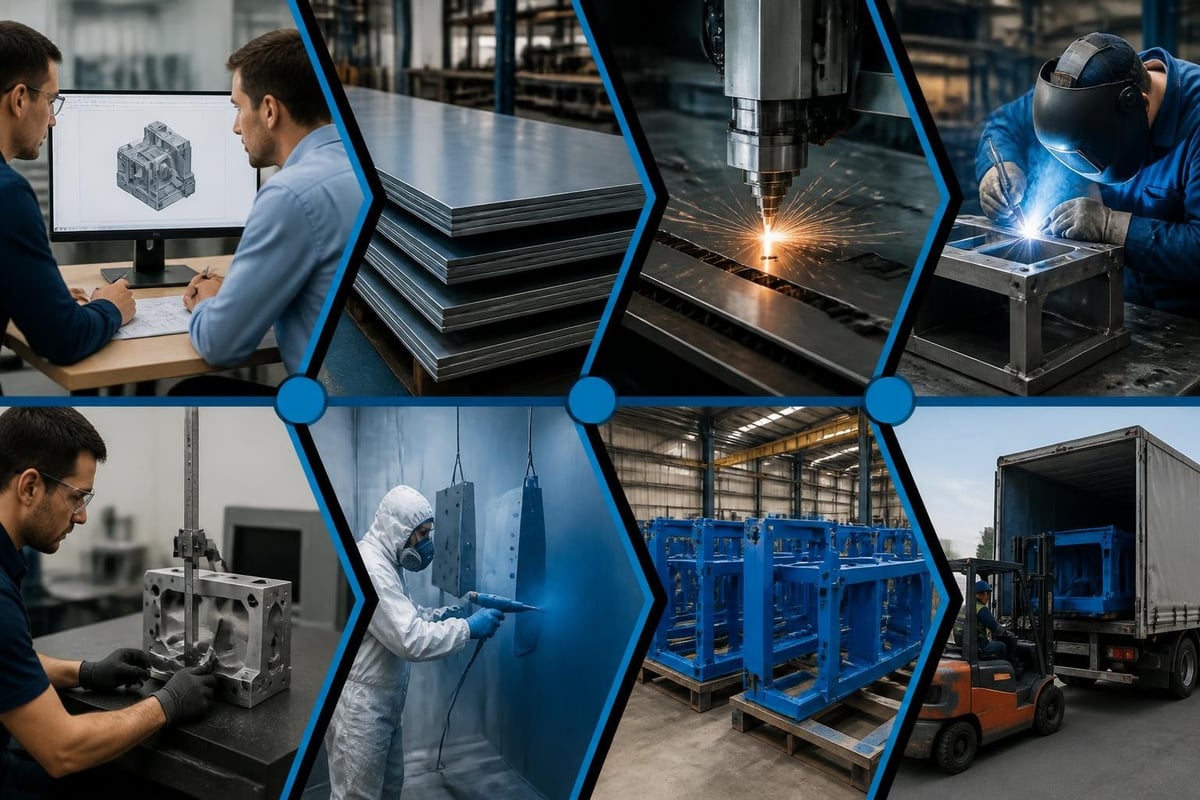
- CNC machining centers for precision component production
- Plasma and waterjet cutting systems for material processing flexibility
- Robotic welding equipment for high-volume, consistent quality work
- Mobile service units for field deployment
- Inspection and testing equipment for quality verification
Companies considering partners should evaluate not just equipment presence but also operator expertise and maintenance practices that ensure consistent performance. Best manufacturing operations invest continuously in both technology and workforce development.
Geographic Reach and Regional Considerations
Location significantly influences an industrial corporation's ability to serve specific markets effectively. Understanding regional dynamics helps clients select partners positioned to deliver optimal value.
Western United States Industrial Landscape
The Western region presents unique opportunities and challenges for industrial operations. Energy sector activity in Wyoming, Colorado, and New Mexico creates demand for specialized fabrication and field services. Agricultural processing and aggregate operations across the region require rapid-response capabilities and understanding of seasonal demand patterns.
Transportation logistics in the West demand strategic facility placement. An industrial corporation based in central locations like Colorado's Western Slope can efficiently serve multiple states while maintaining reasonable mobilization costs for field services. This geographic positioning proves particularly valuable for welding businesses supporting oil and gas operations across multiple basins.
Local Expertise Advantages
Regional presence provides several distinct advantages:
- Faster response times for emergency repairs and time-sensitive projects
- Reduced mobilization costs compared to distant service providers
- Regional regulatory knowledge specific to state and local requirements
- Established supplier networks for materials and specialized components
- Understanding of climate considerations affecting materials and processes
Organizations like OTC Industrial Technologies demonstrate how regional expertise translates into operational efficiency gains and cost reductions through optimized service delivery models.
Partnership Approaches and Client Relationships
The relationship model between an industrial corporation and its clients evolves from transactional service provision to strategic partnership as trust and track record develop. Understanding these relationship dynamics helps both parties maximize value.
Building Long-Term Value
Progressive industrial corporations move beyond simple vendor relationships to become integrated partners in client operations. This evolution involves:
Proactive maintenance planning where the service provider recommends preventive work based on equipment age, usage patterns, and observed conditions during previous projects. This approach prevents catastrophic failures and allows for scheduled work during planned downtime.
Inventory management collaboration for critical spare parts and frequently needed components. Some industrial corporations maintain customer-specific inventory, ensuring rapid access to replacement parts without requiring clients to dedicate warehouse space or capital.
Technical consultation on equipment modifications, process improvements, and capacity expansion projects. Custom fabrication companies serving as trusted advisors help clients make informed decisions about capital investments and operational changes.
Performance Metrics and Accountability
Professional relationships in industrial settings rely on measurable performance indicators:
| Metric | Target Range | Significance |
|---|---|---|
| On-Time Delivery | 95-98% | Schedule reliability |
| Quality Defect Rate | <2% | Workmanship standards |
| Safety Incident Rate | 0 recordable incidents | Workforce protection |
| Emergency Response Time | <4 hours | Service availability |
| Budget Variance | ±5% | Cost predictability |
These metrics provide objective assessment of an industrial corporation's reliability and inform continuous improvement initiatives. Examples from Banks Industrial Group illustrate how consistent performance across these dimensions builds client confidence and expands partnership scope.
Technology Integration and Digital Transformation
Modern industrial corporations leverage technology to enhance service delivery, improve communication, and optimize operations. The digital transformation underway in 2026 creates new opportunities for efficiency and capability expansion.
Design and Engineering Tools
Computer-aided design (CAD) systems enable precise specification of custom components and collaborative refinement of project requirements. Clients can review 3D models before fabrication begins, ensuring alignment with expectations and reducing costly revisions.
Computer-aided manufacturing (CAM) integration allows direct translation of approved designs into machine instructions, eliminating manual programming errors and accelerating production. This technology proves particularly valuable for complex metal fabrication and welding projects requiring precise geometries.
Finite element analysis (FEA) software helps engineers predict how designs will perform under real-world stress, loading, and environmental conditions. This capability reduces over-engineering while ensuring adequate safety factors.
Communication and Project Management Platforms
Digital platforms transform how industrial corporations interact with clients throughout project lifecycles:
- Customer portals providing 24/7 access to project status, documentation, and invoicing
- Mobile applications enabling field technicians to update status, capture photos, and access technical specifications
- Cloud-based document management ensuring all parties work from current revisions
- Automated scheduling systems coordinating multiple projects and resource allocation
Organizations exploring technology upgrades can learn from experiences like Industrial Pallet Corporation’s manufacturing readiness journey, which demonstrates the impact of strategic technology investments on operational capabilities.
Quality Assurance and Regulatory Compliance
The industrial corporation's commitment to quality and compliance directly affects client risk exposure, project outcomes, and long-term equipment performance. Understanding quality systems helps clients evaluate potential partners effectively.
Inspection and Testing Protocols
Comprehensive quality programs incorporate multiple verification points:
Incoming material inspection ensures raw materials meet specifications before entering production. This front-end verification prevents propagation of defects through subsequent processes.
In-process inspection at critical fabrication stages catches issues before they require expensive rework. Dimensional verification, visual inspection, and process parameter monitoring maintain quality throughout production.
Final inspection and testing validates completed work against all specifications. Depending on application, this may include non-destructive testing, pressure testing, or load testing. Pressure vessel repair operations, for example, require rigorous testing protocols to ensure safety and regulatory compliance.
Documentation and Traceability
Professional industrial corporations maintain comprehensive records supporting regulatory compliance and client quality requirements:
- Material certifications documenting alloy composition and mechanical properties
- Welding procedure specifications (WPS) detailing approved welding parameters
- Welder qualification records verifying personnel certifications
- Inspection reports capturing dimensional verification and test results
- Calibration records for measuring and testing equipment
This documentation becomes particularly critical in regulated industries and for equipment subject to periodic inspection by insurance carriers or regulatory agencies.
Workforce Development and Technical Expertise
The capabilities of an industrial corporation ultimately rest on the skills, knowledge, and dedication of its workforce. Understanding how organizations develop and retain talent provides insight into long-term reliability and capability growth.
Training and Certification Programs
Leading industrial operations invest continuously in workforce development through:
Apprenticeship programs that combine classroom instruction with supervised practical experience, developing well-rounded craftspeople. These structured programs address the industry-wide skilled trades shortage while building organizational capability.
Continuing education keeps existing personnel current with evolving technologies, codes, and techniques. Welding techniques advance regularly, requiring ongoing training to maintain proficiency with new processes and materials.
Safety training goes beyond minimum regulatory requirements to instill a culture of hazard awareness and risk mitigation. This investment protects workers while reducing client exposure to contractor-related incidents.
Retention and Experience Benefits
The stability of an industrial corporation's workforce directly impacts project quality and institutional knowledge. Long-tenured employees develop deep understanding of:
- Client-specific preferences and requirements
- Industry best practices and lessons learned
- Efficient approaches to common challenges
- Equipment capabilities and optimization strategies
Organizations with low turnover deliver greater consistency and require less client oversight on repeat projects. Manufacturing experts with years of experience solve problems more efficiently than constantly rotating personnel.
Cost Structures and Value Considerations
Understanding the cost components in industrial services helps clients make informed decisions and evaluate proposals effectively. While price remains important, total cost of ownership and value delivered often prove more significant.
Pricing Models and Transparency
Industrial corporations typically offer several pricing approaches:
Time and materials billing suits projects with uncertain scope or evolving requirements. Clients pay for actual labor hours and materials consumed, providing flexibility but less budget certainty.
Fixed-price quotations work well for clearly defined projects with complete specifications. This approach transfers risk to the service provider but requires thorough upfront planning.
Service agreements establish predetermined rates for recurring maintenance or on-call availability. These arrangements provide budget predictability and priority response for contract holders.
Transparency in pricing builds trust. Detailed quotations that break down labor, materials, equipment, and overhead allow clients to understand value drivers and make meaningful comparisons between proposals.
Total Cost of Ownership Analysis
Sophisticated clients evaluate industrial partners based on total cost impact rather than initial price alone:
| Cost Factor | Impact on Total Cost | Evaluation Criteria |
|---|---|---|
| Initial Price | 40-50% | Competitive but sustainable |
| Quality/Rework | 15-25% | Defect rates, warranty claims |
| Schedule Performance | 10-20% | Downtime costs, project delays |
| Service Life | 15-25% | Durability, maintenance requirements |
A marginally higher initial cost from a quality-focused industrial corporation often delivers lower total cost through reduced rework, longer equipment life, and fewer emergency repairs. AC Corporation’s project portfolio demonstrates how comprehensive capabilities and quality focus create value across diverse applications.
Understanding the multifaceted nature of an industrial corporation helps businesses select partners capable of delivering comprehensive solutions across manufacturing, fabrication, and service needs. Whether you operate recycling facilities, aggregate processing plants, or oil and gas infrastructure throughout the Western United States, LTJ Industrial Services combines shop and field capabilities with deep expertise in welding, machining, and custom fabrication to keep your operations running efficiently. Contact our team to discuss how our integrated approach can address your specific challenges and support your operational goals.