
The resilience and innovation found in western manufacturing continue to define the industrial landscape across North America and Europe. From metal fabrication shops in Colorado to advanced machining centers throughout the Western United States, manufacturers are adapting to global competition while maintaining the quality standards and reliability that distinguish western industrial production. This transformation reflects broader shifts in supply chain priorities, technological adoption, and the renewed focus on domestic production capabilities.
The Current State of Western Manufacturing
Western manufacturing faces a complex landscape in 2026, balancing traditional strengths against emerging challenges. The manufacturing industry outlook reveals how economic conditions, trade policies, and strategic investments shape competitiveness across the sector. Companies throughout the Western United States are responding to these pressures by enhancing their technical capabilities and focusing on specialized services.
The commercial and industrial manufacturing sectors have witnessed significant evolution. Businesses serving aggregate, recycling, and oil and gas industries must now compete not just on price, but on precision, responsiveness, and problem-solving capabilities. This shift rewards companies with deep technical expertise in areas like custom welding, hydraulics, and water jetting.
Competitive Pressures and Strategic Responses
Global competition has fundamentally altered the manufacturing equation. Understanding how China transformed itself into an industrial superpower provides context for the challenges facing western producers. However, western manufacturing maintains distinct advantages in customization, rapid turnaround, and proximity to end users.
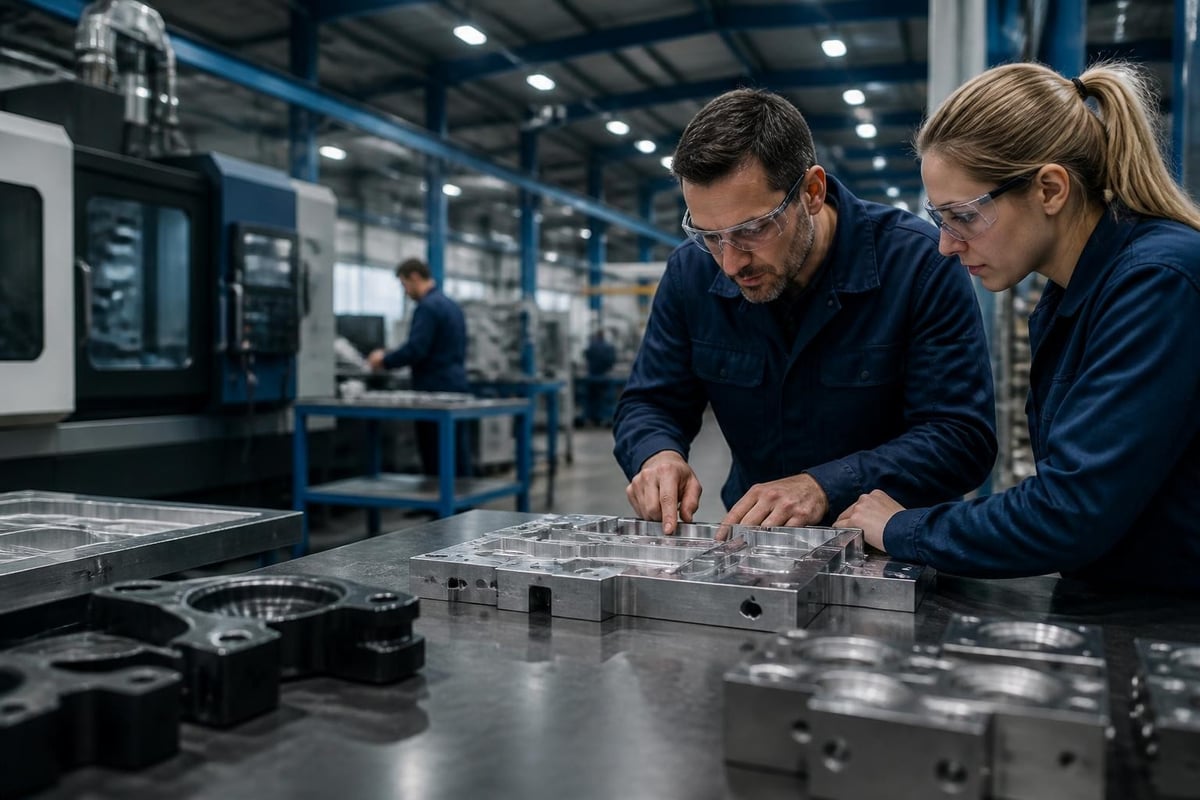
Key differentiators for western manufacturers include:
- On-site field services reducing downtime
- Custom fabrication meeting exact specifications
- Direct communication between engineers and clients
- Faster iteration cycles for prototype development
- Compliance with stringent safety and environmental standards
Regional manufacturers serving the Western United States can leverage these advantages effectively. Companies providing oil and gas fabrication services exemplify how specialized knowledge and rapid mobilization create value that offshore competitors cannot easily replicate.
Technology Integration and Workforce Development
The successful integration of advanced technologies distinguishes thriving manufacturers from those struggling to adapt. Research on artificial intelligence in manufacturing systems highlights opportunities for increased productivity when technology enhances rather than replaces skilled workers. Western manufacturing benefits most when automation complements the expertise of experienced machinists, welders, and fabricators.
Workforce development remains critical. The welding, fabrication, and machining trades require years of hands-on experience to master. Smart manufacturers invest in apprenticeship programs, cross-training initiatives, and continuous skill development that keeps pace with evolving materials and techniques.
| Technology Area | Application in Western Manufacturing | Business Impact |
|---|---|---|
| CNC Machining | Precision components, complex geometries | Higher accuracy, reduced waste |
| Automated Welding | Repetitive tasks, high-volume runs | Consistent quality, freed skilled labor |
| Water Jetting | Cutting, surface preparation, cleaning | Versatility across materials |
| Hydraulic Systems | Heavy equipment repair, custom assemblies | Reduced downtime, extended equipment life |
The table above demonstrates how technology adoption varies across different manufacturing disciplines. Each advancement requires investment in both equipment and training, creating barriers to entry that protect established manufacturers with deep technical knowledge.
Regional Manufacturing Advantages
Western manufacturing benefits from unique geographic and market characteristics. Companies based in states like Colorado serve diverse industries spanning energy production, mineral extraction, agricultural processing, and commercial construction. This diversity provides resilience against cyclical downturns in any single sector.
The challenges facing manufacturing in Western Europe mirror many issues confronting North American producers. Rising costs, regulatory complexity, and global competition require strategic responses focused on specialization and value-added services rather than commodity production.
Supply Chain Resilience and Domestic Production
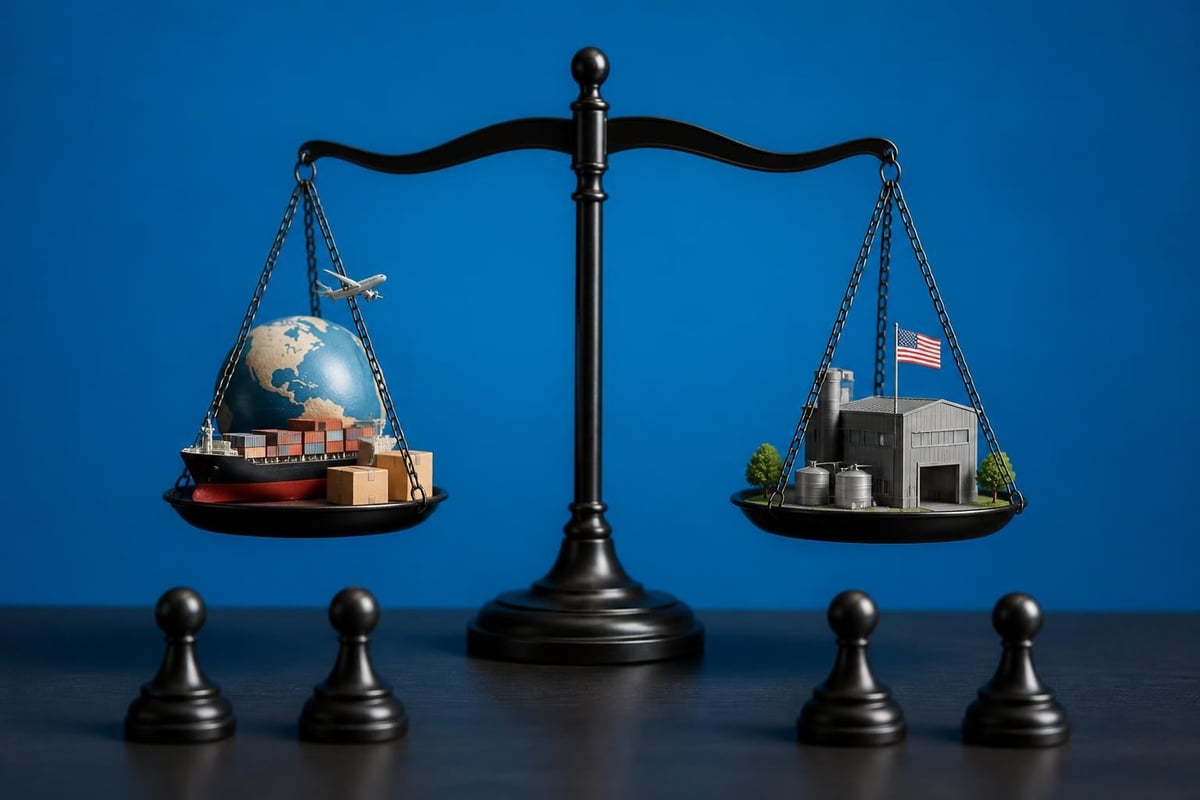
Recent supply chain disruptions have reinforced the strategic importance of domestic manufacturing capacity. Businesses throughout the Western United States recognize that reliable, nearby fabrication and machining services reduce vulnerability to international shipping delays, quality issues, and geopolitical uncertainties.
This shift toward supply chain resilience creates opportunities for regional manufacturers. When aggregate operations need emergency repairs, recycling facilities require custom conveyor modifications, or oil and gas operators face equipment failures, proximity matters. Field mechanics and mobile welding services become invaluable when equipment downtime translates directly to lost revenue.
Strategic advantages of regional western manufacturing:
- Rapid response capabilities reducing critical downtime
- Direct collaboration between engineers and production teams
- Flexibility in handling rush orders and design changes
- Quality assurance through in-person inspection and oversight
- Lower total cost when transportation and communication factors are considered
These factors explain why sophisticated buyers evaluate manufacturing partners based on total value rather than simply comparing quoted prices. The true cost includes lead times, quality consistency, communication efficiency, and problem-solving capabilities.
Sector-Specific Manufacturing Demands
Different industries place unique demands on their manufacturing partners. Understanding these specialized requirements separates general fabrication shops from true industrial partners.
Oil and Gas Sector Requirements
The energy industry requires manufacturers who understand extreme operating conditions, regulatory compliance, and safety-critical applications. Welding procedures must meet stringent codes, materials must withstand corrosive environments, and documentation must satisfy audit requirements. Western manufacturing companies serving this sector build expertise over years of project experience.
Aggregate and Mining Applications
Heavy equipment in aggregate operations faces punishing conditions. Wear-resistant materials, robust welding procedures, and precision machining extend equipment life and reduce replacement costs. Manufacturers serving this sector must balance durability against weight constraints and operational requirements.
Recycling Industry Challenges
Recycling facilities process diverse materials under demanding conditions. Custom fabrication for sorting systems, conveyor modifications, and processing equipment repairs requires creativity and problem-solving skills. The best manufacturing partners understand operational workflows and design solutions that improve efficiency while minimizing downtime.
| Industry Sector | Critical Manufacturing Capabilities | Typical Project Examples |
|---|---|---|
| Oil & Gas | Code-compliant welding, pressure vessel fabrication | Pipeline repairs, valve assemblies, skid packages |
| Aggregate | Wear-resistant materials, heavy fabrication | Crusher components, conveyor systems, screen modifications |
| Recycling | Custom solutions, fast turnaround | Sorting equipment, material handling, structural repairs |
| Commercial/Industrial | Versatility, quality finishing | Architectural metal, equipment stands, protective barriers |
Quality Standards and Certification
Western manufacturing maintains its reputation through rigorous quality standards. Certifications, welding procedures, and inspection protocols ensure consistent results across projects. These standards create competitive moats that protect established manufacturers from low-cost competitors lacking the systems and documentation to meet stringent requirements.
Modern industrial buyers increasingly demand documented quality systems. ISO certifications, welding procedure specifications (WPS), and material traceability separate professional manufacturers from basic fabrication shops. The investment required to develop and maintain these systems rewards companies committed to long-term excellence.
Inspection and Testing Protocols
Non-destructive testing, dimensional inspection, and material verification protect both manufacturers and their clients. Visual inspection catches obvious defects, but advanced techniques like ultrasonic testing, magnetic particle inspection, and radiographic examination ensure internal weld quality and structural integrity.
Common quality verification methods:
- Visual inspection following written procedures
- Dimensional measurement against engineering drawings
- Non-destructive testing per applicable codes
- Material certification and traceability
- Hydrostatic or pneumatic pressure testing
- Final assembly verification and documentation
These processes add cost and time, but they prevent failures that could endanger personnel, damage equipment, or halt operations. Sophisticated buyers understand this value proposition and select manufacturing partners accordingly.
Innovation in Traditional Manufacturing
Western manufacturing continues evolving through incremental improvements and strategic adoption of new technologies. While headlines focus on revolutionary automation, most industrial progress comes from experienced craftspeople finding better ways to solve recurring problems.
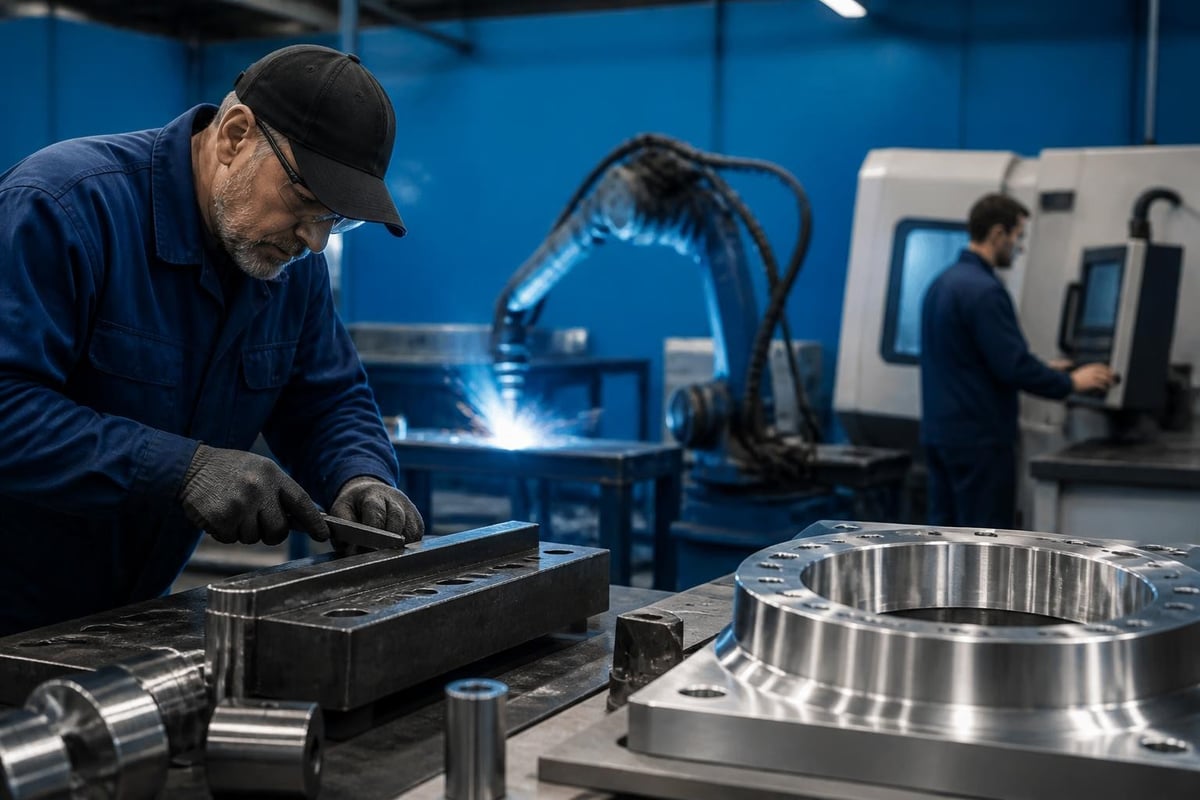
Water jetting technology exemplifies this practical innovation. Originally developed for specialized cutting applications, water jetting now serves diverse purposes from surface preparation to precision cutting of exotic materials. Manufacturers who invested early in this technology gained capabilities their competitors still lack.
Similarly, advances in welding consumables, filler metals, and shielding gases enable stronger joints, faster deposition rates, and improved corrosion resistance. These improvements don't grab headlines, but they directly impact project economics and long-term performance.
Practical Technology Adoption
The most successful manufacturers avoid chasing technology trends disconnected from customer needs. Instead, they invest in capabilities addressing real problems their clients face. CNC machining makes sense when producing multiple identical components or achieving tolerances beyond manual capabilities. Automated welding pays dividends for repetitive tasks, freeing skilled welders to focus on complex, variable work.
This measured approach to technology adoption reflects the financial realities of western manufacturing. Equipment investments must generate returns through improved efficiency, expanded capabilities, or enhanced quality. Purchases driven by competitor pressure or vendor marketing often disappoint.
Customer Relationships and Service Models
Long-term customer relationships distinguish successful western manufacturing companies from transactional commodity suppliers. When manufacturers understand their clients' operations, seasonal patterns, and growth plans, they become strategic partners rather than mere vendors.
Field service capabilities strengthen these relationships. Mobile welding, on-site machining, and emergency repair services demonstrate commitment beyond simply producing parts in a shop environment. This comprehensive approach particularly benefits industries like aggregate, oil and gas, and recycling where equipment operates in remote or challenging locations.
Value-added services that strengthen customer partnerships:
- Emergency response availability reducing critical downtime
- Preventive maintenance programs extending equipment life
- Engineering support for custom solutions and modifications
- Inventory management for frequently needed components
- Training programs for customer maintenance teams
The comprehensive welding, fabrication, and machining capabilities offered by full-service industrial manufacturers create multiple touchpoints with customers. Each successful project builds trust and demonstrates competence across different technical disciplines.
Economic Impact and Regional Development
Western manufacturing contributes significantly to regional economic development. Manufacturing jobs typically offer above-average wages and benefits while supporting indirect employment through supply chains and service providers. Communities with strong manufacturing sectors demonstrate greater economic resilience during downturns.
The multiplier effect of manufacturing investment extends beyond direct employment. Every manufacturing job supports additional positions in transportation, professional services, retail, and construction. This economic impact explains why states and municipalities compete to attract and retain manufacturing facilities.
Tax revenues from manufacturing operations fund schools, infrastructure, and public services. Property taxes on industrial facilities and equipment, corporate income taxes, and employee income taxes all contribute to community prosperity. This fiscal contribution gives manufacturers both economic importance and political influence in regional development decisions.
Future Outlook and Strategic Positioning
The future of western manufacturing depends on continued adaptation to changing market conditions, technology evolution, and competitive pressures. Companies that thrive will likely share several characteristics: technical expertise in specific niches, investment in workforce development, strategic technology adoption, and strong customer relationships built on reliable performance.
Reshoring trends may create opportunities as companies reconsider supply chains heavily dependent on distant suppliers. However, these opportunities require manufacturers to demonstrate not just domestic location but superior total value including quality, responsiveness, and problem-solving capabilities.
Environmental regulations, energy costs, and material availability will continue shaping competitive dynamics. Manufacturers who anticipate these changes and adapt proactively will gain advantages over reactive competitors. This forward-thinking approach requires both market awareness and financial resources to invest ahead of immediate needs.
| Strategic Priority | Implementation Approach | Expected Outcome |
|---|---|---|
| Workforce Development | Apprenticeships, cross-training, competitive compensation | Skilled labor availability, reduced turnover |
| Technology Investment | Targeted adoption based on customer needs | Improved capabilities, operational efficiency |
| Quality Systems | Certifications, documented procedures, continuous improvement | Premium pricing, reduced rework costs |
| Customer Relationships | Service breadth, responsiveness, technical expertise | Stable revenue, recurring business |
| Market Diversification | Multiple industry sectors, balanced customer portfolio | Resilience against sector downturns |
These strategic priorities require sustained commitment and investment. Short-term thinking that prioritizes immediate profit over capability development undermines long-term competitiveness. The most successful western manufacturing companies balance current profitability with investments that position them for future opportunities.
Western manufacturing maintains relevance through technical excellence, customer relationships, and strategic adaptation to evolving market demands. The combination of traditional craftsmanship and modern capabilities creates value that distant competitors cannot easily replicate. Whether your operation requires emergency field repairs, custom fabrication, precision machining, or comprehensive industrial services across the Western United States, partnering with experienced professionals ensures projects meet specifications, timelines, and quality standards. LTJ Industrial Services delivers the welding, fabrication, and machining expertise that commercial and industrial operations depend on throughout Colorado and the surrounding region.