The industrial manufacturing landscape demands precision, safety, and expertise at every level of production. When projects involve critical metal fabrication, structural integrity, and complex joining processes, the role of welding experts becomes indispensable. These highly trained professionals bring specialized knowledge that goes far beyond basic metal joining, ensuring that commercial and industrial operations maintain the highest standards of quality, safety, and efficiency. From oil and gas infrastructure to aggregate processing facilities, welding experts serve as the backbone of reliable industrial operations throughout the Western United States.
Understanding the Role of Welding Experts in Modern Manufacturing
Welding experts occupy a unique position in the industrial services sector, combining hands-on technical skills with deep theoretical knowledge. These professionals master multiple welding processes, understand metallurgy at a fundamental level, and maintain current certifications that validate their expertise. Their work directly impacts structural integrity, operational safety, and project longevity across diverse industries.
Core Competencies That Define Expert-Level Welders
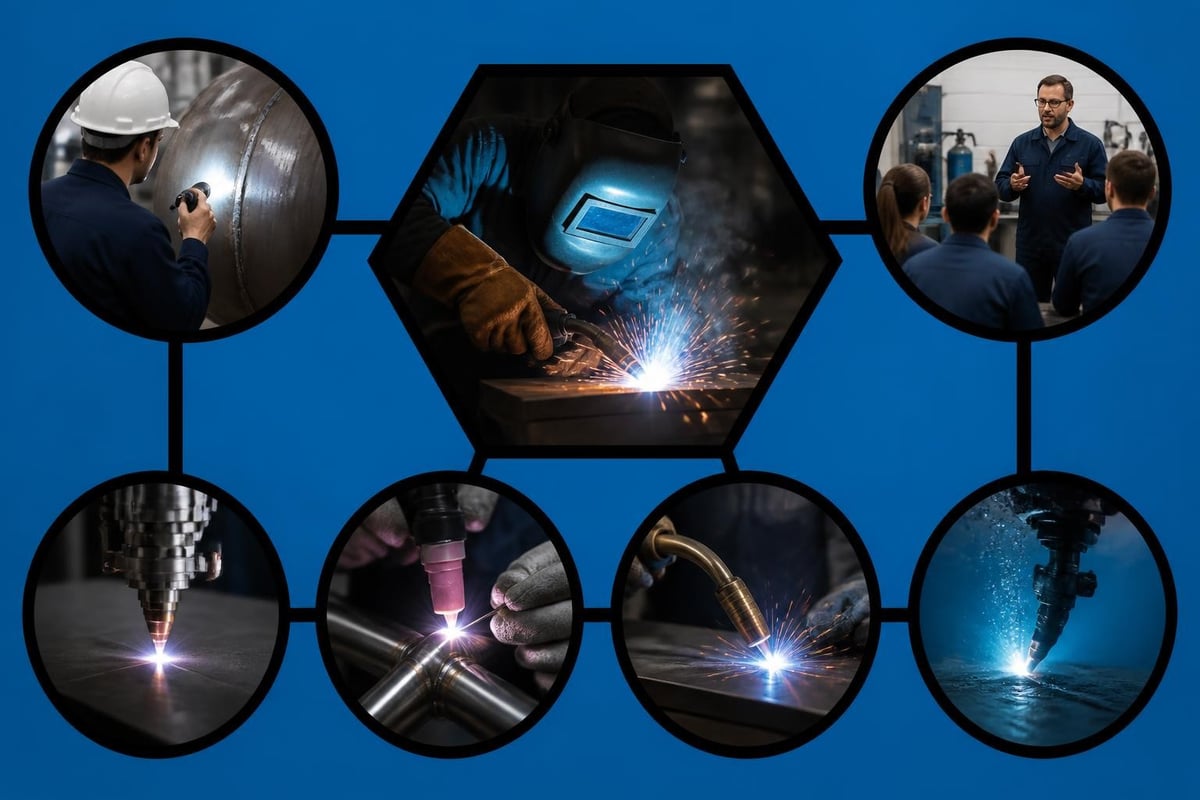
Technical proficiency represents just one component of what makes welding experts valuable to manufacturing operations. These professionals demonstrate mastery across various welding methods including:
- TIG (Tungsten Inert Gas) welding for precision applications
- MIG (Metal Inert Gas) welding for production efficiency
- Stick welding for field repairs and heavy-duty applications
- Flux-cored arc welding for outdoor and high-deposition work
- Specialty processes for exotic metals and critical applications
Material knowledge separates competent welders from true welding experts. Understanding how different metals respond to heat, which filler materials create optimal joints, and how environmental factors affect weld quality requires years of experience and ongoing education. The American Welding Society (AWS) provides comprehensive standards and publications that establish industry benchmarks for this expertise.
Industry-Specific Applications and Expertise
Different industrial sectors require specialized welding knowledge. In the oil and gas industry, welding experts must understand pipeline integrity, pressure vessel codes, and corrosion-resistant materials. Oil and gas pipeline fabrication demands welders who can work with exotic alloys and meet stringent quality requirements.
The aggregate and recycling industries present unique challenges where welding experts encounter abrasive environments, heavy-duty equipment repairs, and high-stress applications. These professionals must select appropriate welding techniques that withstand constant wear while maintaining structural integrity under demanding operational conditions.
| Industry Sector | Primary Welding Challenges | Required Expertise |
|---|---|---|
| Oil & Gas | High-pressure systems, corrosive environments | Pipe welding, exotic materials, NDT knowledge |
| Aggregate | Abrasive wear, heavy impact loads | Hard-facing, heavy plate welding, field repairs |
| Manufacturing | Production efficiency, consistent quality | Automated processes, quality control, blueprint reading |
| Recycling | Mixed materials, heavy equipment | Adaptive techniques, structural repairs, safety protocols |
Certifications and Qualifications That Matter
Professional certifications validate that welding experts possess verified skills and knowledge. These credentials provide assurance to clients that work meets industry standards and regulatory requirements.
AWS Certification Programs
The American Welding Society offers multiple certification levels that distinguish welding experts from general practitioners. Certified Welding Inspectors (CWI) bring quality assurance expertise to projects, ensuring every weld meets specifications. Certified Welding Educators (CWE) advance the profession by training the next generation of skilled welders.
Process-specific certifications demonstrate proficiency in particular welding methods. A welder certified in GTAW (Gas Tungsten Arc Welding) for stainless steel pipe proves competency in precision work requiring exceptional skill. These certifications often specify:
- Material type (carbon steel, stainless steel, aluminum)
- Welding position (flat, horizontal, vertical, overhead)
- Joint configuration (groove, fillet)
- Process parameters (amperage range, shielding gas)
- Thickness ranges for base materials
State and Federal Compliance Requirements
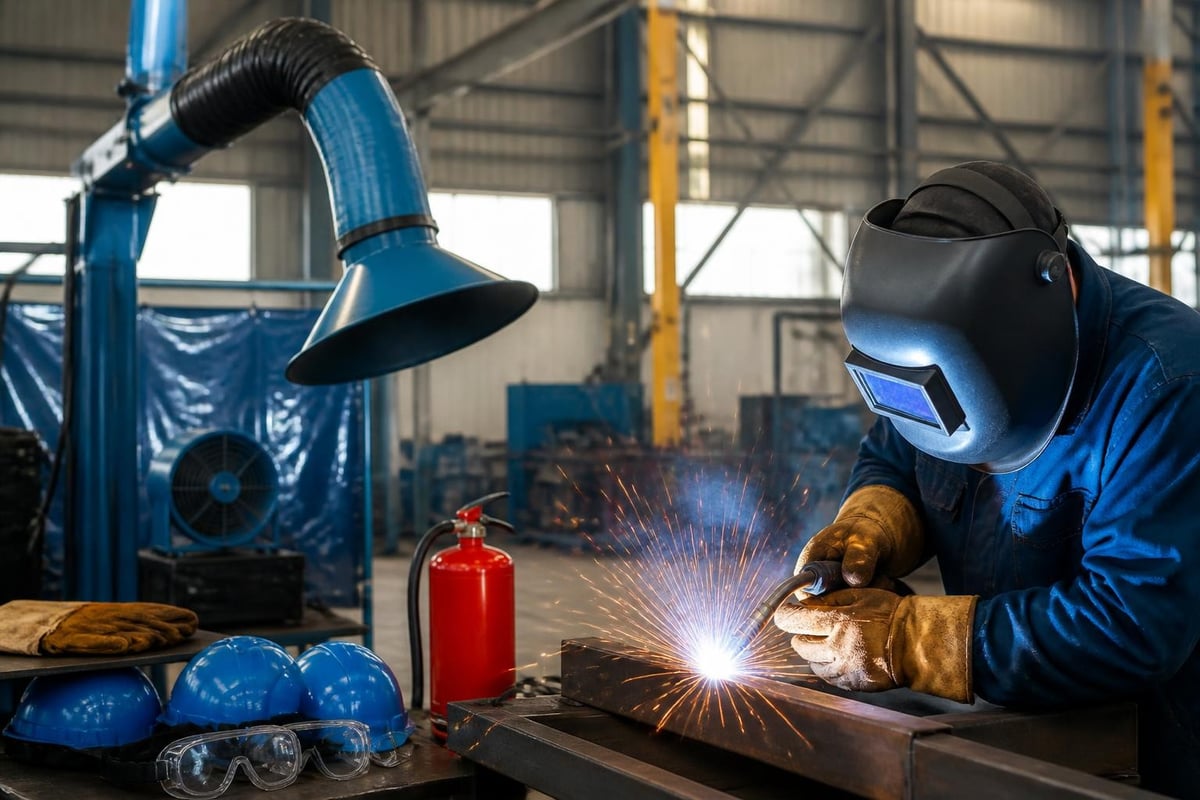
Beyond industry certifications, welding experts must understand regulatory compliance. OSHA’s welding safety standards establish minimum requirements for workplace safety, ventilation, personal protective equipment, and hazard communication. Expert welders integrate these requirements into daily operations, protecting themselves and their colleagues.
Advanced Techniques and Technology Integration
The welding profession continues evolving with technological advancement. Welding experts who embrace innovation deliver superior results while improving efficiency and consistency.
Automated and Robotic Welding Systems
Modern industrial welding operations increasingly incorporate automated systems that require expert programming and oversight. Recent research on AI applications in robotic welding demonstrates how machine learning enhances defect detection through audio and video analysis, allowing welding experts to maintain quality control across high-volume production runs.
Expert welders program these systems, troubleshoot issues, and optimize parameters for specific applications. This technical knowledge extends traditional welding skills into the digital realm, creating new career opportunities for those willing to expand their expertise.
Augmented Reality Training and Quality Assurance
Innovative technologies transform how welding experts develop their skills and verify quality. Studies on WeldAR augmented reality systems show how real-time guidance during live welding enhances training outcomes and helps experienced welders tackle unfamiliar applications with confidence.
Quality verification technologies empower welding experts to validate their work immediately:
- Ultrasonic testing for internal defect detection
- Radiographic inspection for critical applications
- Magnetic particle testing for surface crack identification
- Dye penetrant inspection for non-ferrous materials
- Visual inspection with digital documentation
Specialized Materials and Challenging Applications
True welding experts distinguish themselves through their ability to work with difficult materials and execute complex projects that general welders cannot handle reliably.
Exotic Alloys and High-Performance Materials
Projects involving inconel, hastelloy, titanium, or duplex stainless steel require welding experts with specific training and experience. These materials demand precise heat control, specialized filler metals, and strict environmental controls during welding. Contamination or improper technique results in costly failures.
The custom fabrication of pressure vessels, heat exchangers, and chemical processing equipment often incorporates these challenging materials. Welding experts understand the metallurgical transformations occurring during the welding process and adjust their techniques accordingly.
Field Welding and On-Site Repairs
Field conditions present challenges absent from controlled shop environments. Welding experts working on-site must adapt to:
- Variable weather conditions affecting arc stability
- Limited access requiring creative positioning
- Equipment limitations in remote locations
- Time constraints from production downtime costs
- Safety considerations in active facilities
Field mechanic services depend heavily on welding experts who can diagnose structural issues, determine appropriate repair methods, and execute quality welds under less-than-ideal circumstances. This adaptability comes only through extensive experience and problem-solving capability.
| Application Type | Environmental Challenges | Expert Solutions |
|---|---|---|
| Pipeline repairs | Wind, temperature extremes, positioning | Shielding tents, preheat control, specialized electrodes |
| Structural steel | Height, access restrictions, weather | Rigging expertise, multi-position certification, safety systems |
| Equipment rebuilding | Contamination, mixed materials, time pressure | Surface preparation, material identification, efficient processes |
Quality Control and Inspection Protocols
Welding experts implement comprehensive quality systems that ensure every joint meets or exceeds specifications. This systematic approach separates professional operations from those that merely "get by."
Pre-Weld Planning and Procedure Development
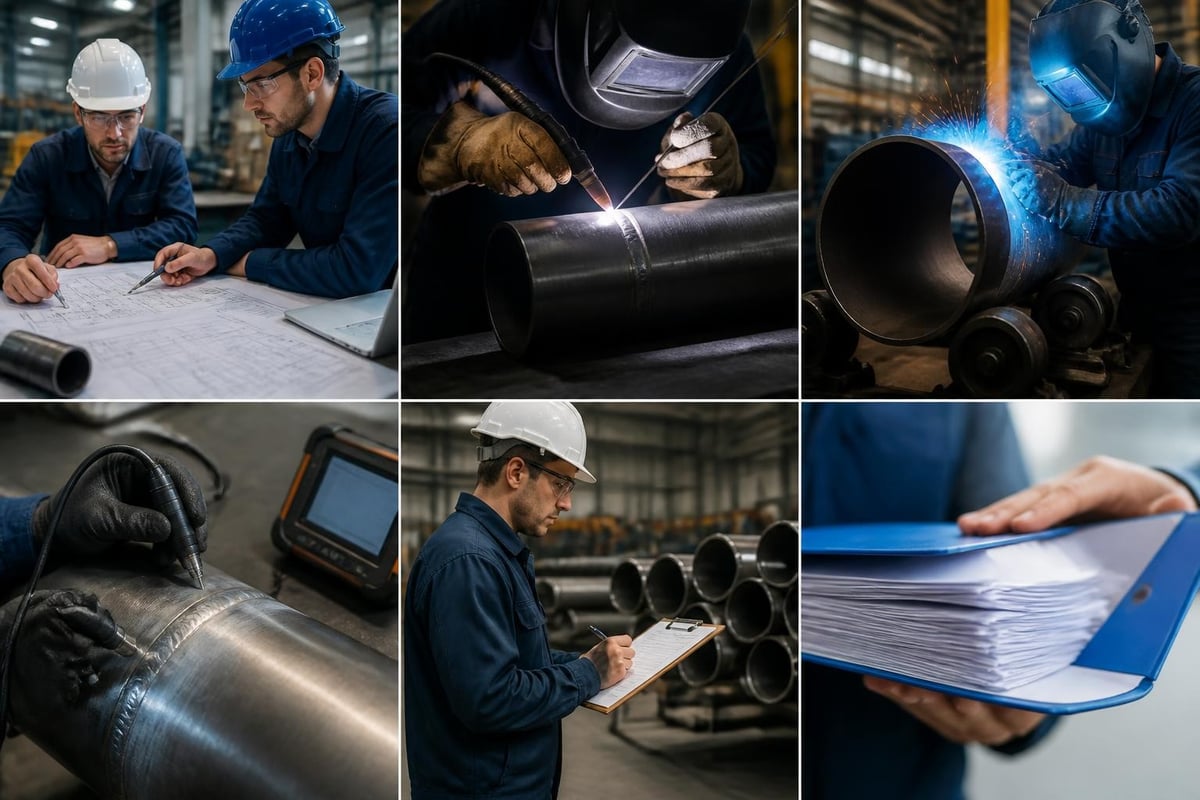
Expert welders participate in creating Welding Procedure Specifications (WPS) that document every parameter affecting weld quality. These procedures undergo testing through Procedure Qualification Records (PQR) before production use, validating that the specified parameters produce acceptable results.
Pre-weld activities managed by welding experts include:
- Base metal identification and verification
- Joint preparation and fit-up inspection
- Filler metal selection and storage verification
- Equipment calibration and operational checks
- Environmental condition assessment
Post-Weld Inspection and Documentation
After completing welds, experts employ various inspection methods appropriate to the application's criticality. Research on advanced welding techniques demonstrates how heat source modeling and penetration analysis improve understanding of weld formation, enabling more effective quality control protocols.
Documentation provides traceability and accountability. Welding experts maintain detailed records showing who performed the work, which procedures governed the process, what materials were used, and how quality was verified. This documentation proves invaluable for warranty claims, regulatory audits, and future maintenance planning.
Continuous Education and Skill Development
The most respected welding experts never stop learning. Industry standards evolve, new materials enter the market, and innovative techniques emerge regularly. Staying current requires deliberate effort and professional commitment.
Industry Organizations and Knowledge Resources
Organizations like the International Institute of Welding connect professionals globally, facilitating knowledge exchange and collaborative advancement of welding science. Membership in professional organizations provides access to technical publications, networking opportunities, and specialized training programs.
Conferences, workshops, and seminars allow welding experts to learn about emerging technologies and share practical experiences with peers. These interactions often spark insights that improve efficiency and quality in daily operations.
Emerging Technologies and Future Trends
The welding industry continues evolving with technological innovation. Research on laser welding in reduced gravity demonstrates how multiphysics simulation frameworks address extreme applications, potentially opening new markets for space manufacturing and extraterrestrial construction.
Closer to earth, additive manufacturing through metal deposition creates opportunities for welding experts to apply their knowledge in novel ways. Understanding how directed energy deposition works, which parameters affect build quality, and how to troubleshoot common issues represents the next frontier for professionals willing to expand their expertise.
Safety Leadership and Workplace Culture
Welding experts set the standard for safety culture within their organizations. Their knowledge of hazards and commitment to proper procedures influences how everyone approaches their work.
Hazard Recognition and Mitigation
Expert welders identify potential dangers before they cause injuries. Understanding how fumes affect health, recognizing unstable structures before beginning repairs, and anticipating fire hazards from hot work demonstrates the situational awareness that separates true professionals from those simply following checklists.
Critical safety considerations managed by welding experts:
- Confined space entry protocols and atmospheric monitoring
- Ventilation adequacy for specific processes and materials
- Fire watch procedures and hot work permits
- Electrical safety including proper grounding
- Personal protective equipment selection and maintenance
Training and Mentoring Responsibilities
Experienced welding experts bear responsibility for developing the next generation of skilled professionals. Through mentoring relationships, they transfer not only technical knowledge but also professional attitudes, work ethic, and safety consciousness that cannot be taught in formal classroom settings.
Custom welding operations benefit enormously when senior welding experts actively engage in training programs, share real-world experiences, and provide constructive feedback that accelerates skill development among junior team members.
Selecting the Right Welding Partner for Your Operations
When industrial operations require welding services, choosing providers with genuine welding experts makes the difference between successful projects and costly problems. Several factors indicate true expertise versus marketing claims.
Evaluating Qualifications and Experience
Request documentation of certifications, not just claims of capability. Verify that welding experts hold current credentials relevant to your specific needs. A welder certified for structural steel may lack the qualifications necessary for pressure vessel work or exotic alloy fabrication.
Experience in your specific industry sector matters tremendously. Welding experts who understand aggregate processing equipment recognize common failure modes and design repairs that address root causes. Those familiar with metal manufacturing operations bring insights that improve project outcomes.
Quality Systems and Accountability
Professional welding companies maintain documented quality management systems demonstrating their commitment to excellence. Ask about their quality manuals, inspection procedures, and non-conformance tracking systems. These documents reveal how seriously an organization takes quality control.
References from clients in similar industries provide valuable insights. Welding experts with strong track records willingly provide contact information for previous customers who can speak to their capabilities, reliability, and professionalism.
| Evaluation Criteria | What to Look For | Red Flags to Avoid |
|---|---|---|
| Certifications | Current AWS credentials, industry-specific qualifications | Expired certifications, vague claims |
| Equipment | Well-maintained machines, calibrated instruments | Outdated equipment, poor maintenance |
| Documentation | Organized records, detailed procedures | Missing paperwork, informal processes |
| Safety record | Low incident rates, active safety programs | Cavalier attitudes, violations |
| Communication | Clear explanations, responsive interactions | Evasive answers, poor responsiveness |
Project Management and Customer Collaboration
Welding experts contribute value beyond the actual welding process. Their input during design, planning, and execution phases significantly impacts project success.
Design Review and Manufacturability Assessment
Before fabrication begins, experienced welding experts review drawings and specifications, identifying potential issues that could compromise quality or increase costs. They suggest design modifications that improve weld accessibility, reduce distortion, or simplify assembly without sacrificing functionality.
This collaborative approach benefits clients through reduced project costs, shorter timelines, and improved final product quality. Custom metal fabrication services that incorporate welding expertise during the design phase consistently deliver superior outcomes.
Timeline Management and Resource Allocation
Realistic project scheduling requires input from welding experts who understand how long various operations actually take. Their experience prevents overly optimistic timelines that create pressure to rush work, potentially compromising quality.
Expert welders help allocate resources efficiently, determining which tasks require their specialized skills versus those appropriate for less experienced team members. This optimization controls costs while ensuring critical welds receive appropriate attention.
Welding experts bring invaluable specialized knowledge, proven capabilities, and professional commitment that directly impact the success of industrial manufacturing operations. Their expertise ensures structural integrity, regulatory compliance, and operational reliability across diverse applications. When your projects demand the highest standards of welding quality and safety, LTJ Industrial Services delivers comprehensive welding, fabrication, and machining solutions backed by experienced professionals serving commercial and industrial sectors throughout the Western United States.