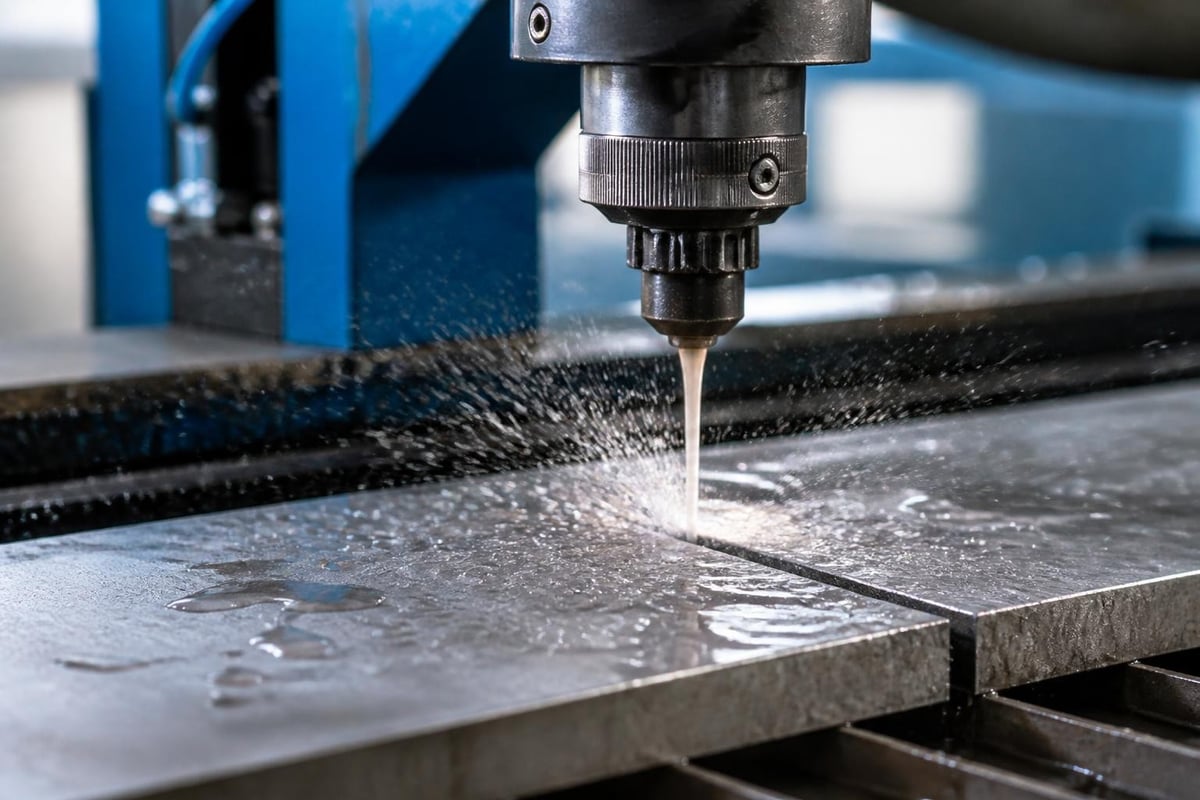
Waterjet cutting has revolutionized industrial manufacturing by offering a versatile, precise, and environmentally conscious method for processing a wide range of materials. This advanced cutting technology uses high-pressure water streams, often combined with abrasive particles, to slice through materials with exceptional accuracy. For businesses in the commercial and industrial sectors, understanding the capabilities and applications of waterjet cutting can unlock new possibilities for fabrication projects, maintenance operations, and custom manufacturing solutions throughout 2026 and beyond.
Understanding Waterjet Cutting Technology
Waterjet cutting operates on a straightforward yet powerful principle: pressurized water accelerates through a small orifice to create a focused stream capable of cutting through various materials. The technology comes in two primary configurations that serve different industrial applications.
Pure Waterjet Systems
Pure waterjet systems rely exclusively on highly pressurized water to perform cutting operations. These systems typically operate at pressures between 30,000 and 90,000 pounds per square inch (PSI), creating a water stream that exits the nozzle at speeds approaching 2,500 feet per second. This configuration excels at cutting softer materials that don't require abrasive enhancement.
Common applications for pure waterjet cutting include:
- Food processing and portioning
- Textile and fabric cutting
- Foam and rubber materials
- Gasket manufacturing
- Paper and cardboard products
Abrasive Waterjet Systems
Abrasive waterjet cutting introduces fine particles, typically garnet, into the high-pressure water stream to dramatically increase cutting power. This enhancement enables the technology to slice through extremely hard materials that pure water cannot penetrate. The abrasive particles act as thousands of tiny cutting tools, eroding material as they impact the surface.
| Feature | Pure Waterjet | Abrasive Waterjet |
|---|---|---|
| Pressure Range | 30,000-60,000 PSI | 50,000-90,000 PSI |
| Material Capability | Soft materials only | Virtually any material |
| Cutting Speed | Fast on soft materials | Variable based on thickness |
| Operating Cost | Lower (water only) | Higher (abrasive consumption) |
| Edge Quality | Excellent on compatible materials | Excellent across all materials |
Key Advantages of Waterjet Cutting
The adoption of waterjet cutting technology continues to grow across manufacturing sectors due to distinct advantages that address critical production challenges. These benefits make the process particularly valuable for businesses serving industries like recycling, aggregate, and oil & gas operations.
No Heat-Affected Zone
Unlike thermal cutting methods such as plasma or laser cutting, waterjet cutting generates virtually no heat during the cutting process. This cold-cutting characteristic prevents material distortion, eliminates heat-affected zones, and preserves the structural integrity of the workpiece. For commercial welding and fabrication operations, this means waterjet-cut components require minimal secondary processing before assembly.
Material Versatility
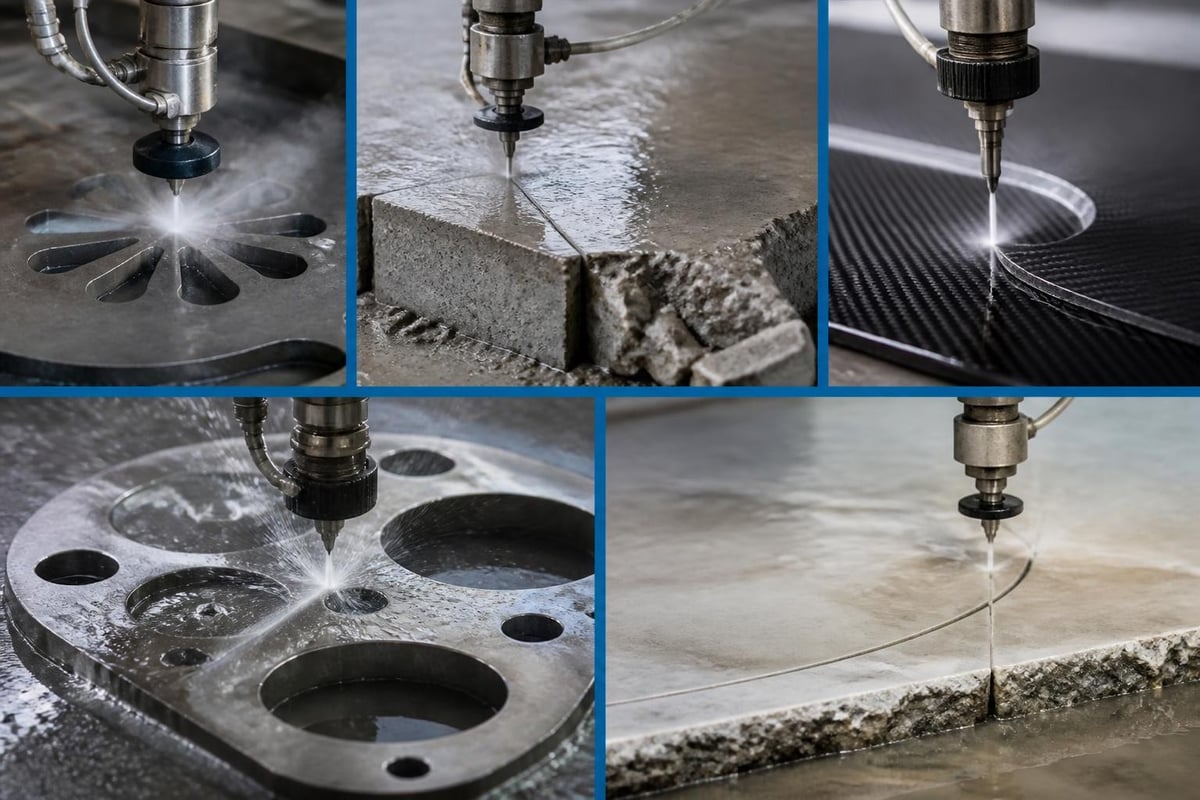
Waterjet cutting handles an extraordinary range of materials without requiring specialized setups or equipment changes. A single system can process metals, composites, stone, glass, ceramics, and plastics interchangeably throughout a production day.
Materials commonly processed with waterjet cutting:
- Stainless steel and exotic alloys
- Aluminum and titanium
- Tool steel and hardened metals
- Composite materials and laminates
- Granite, marble, and engineered stone
- Rubber and plastic polymers
- Reinforced concrete and brick
Precision and Complex Geometry
Modern waterjet systems equipped with CNC controls achieve tolerances as tight as ±0.003 inches, making them suitable for precision manufacturing applications. The narrow kerf width and ability to cut intricate shapes without tooling changes enable complex geometries that would challenge conventional machining methods. Research on mobile high-pressure waterjet cutting equipment demonstrates the technology's adaptability for field applications beyond traditional shop environments.
Minimal Material Waste
The narrow cutting stream produces minimal kerf width, typically ranging from 0.020 to 0.050 inches depending on the nozzle configuration. This efficiency translates directly to material savings, particularly important when working with expensive alloys or specialty materials common in United States manufacturing operations.
Applications Across Industrial Sectors
Waterjet cutting serves diverse industries with specialized requirements that leverage the technology's unique capabilities. Understanding these applications helps businesses identify opportunities for process improvement and cost reduction.
Metal Fabrication and Machining
Metal fabrication shops utilize waterjet cutting for prototyping, production runs, and custom parts manufacturing. The process excels at cutting complex shapes from plate stock, creating precision blanks for further machining, and processing materials that would be difficult or impossible to cut with traditional methods. Studies examining the effect of load energy on cutting gap formation provide insights into achieving optimal results when processing various metal thicknesses.
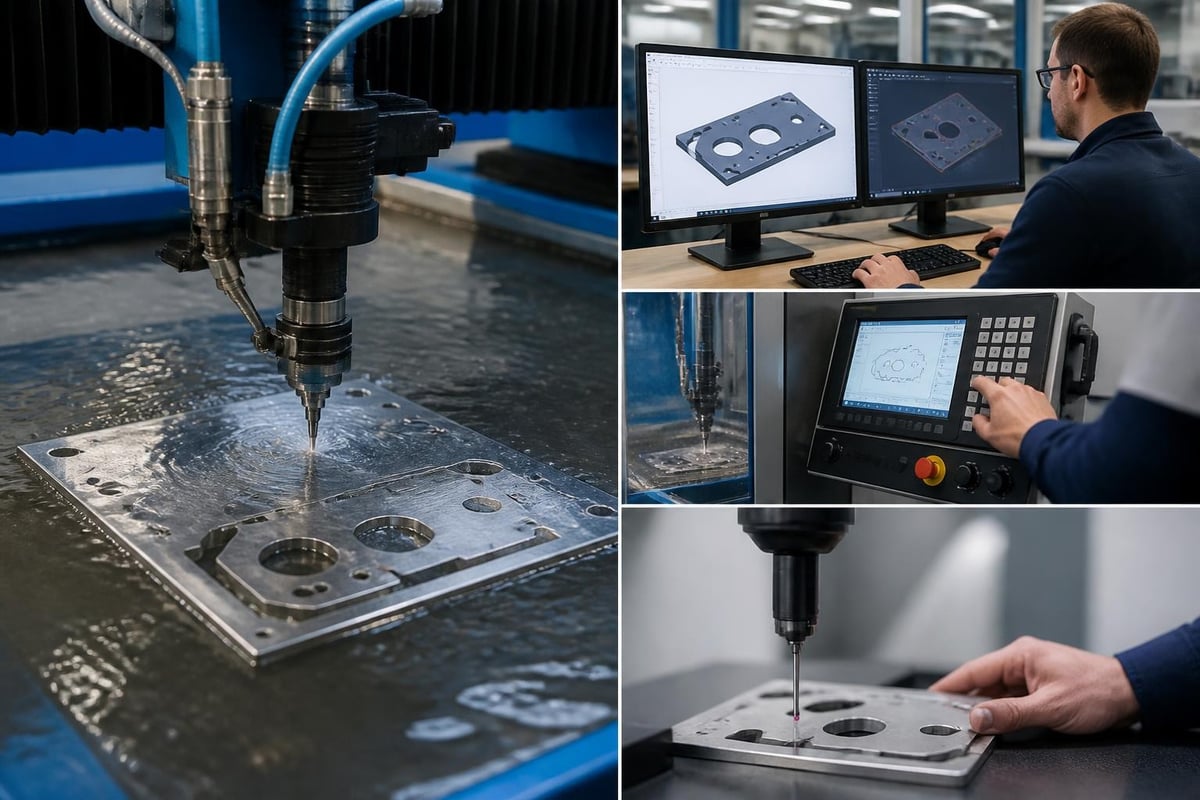
- Initial material setup and programming – CAD drawings convert to cutting paths
- Pressure ramp-up – System reaches optimal operating pressure
- Pierce operation – Waterjet penetrates the material surface
- Cutting sequence execution – Programmed path follows with precision
- Pressure reduction and part removal – Completed components ready for next operation
Demolition and Recycling Operations
The recycling and demolition industries benefit from waterjet cutting's ability to separate materials without creating sparks or hazardous fumes. When dismantling industrial equipment or processing scrap materials, waterjet systems safely cut through reinforced structures, separate different material types, and prepare components for recycling streams.
Oil and Gas Industry Applications
Waterjet cutting serves critical functions in oil and gas operations, from pipe cutting and modification to emergency response situations. The technology's spark-free operation makes it particularly valuable in potentially explosive environments where traditional cutting methods would present unacceptable risks.
Maintenance and Repair Operations
Field maintenance teams employ portable waterjet systems for on-site cutting, surface preparation, and equipment modification. This capability eliminates the need to transport large components to shop facilities, reducing downtime and transportation costs for industrial operations.
Optimizing Waterjet Cutting Performance
Achieving optimal results with waterjet cutting requires understanding the relationship between process parameters and cutting outcomes. Several variables directly influence cut quality, speed, and operating costs.
Critical Process Parameters
The interaction between pressure, traverse speed, abrasive flow rate, and standoff distance determines cutting performance. Higher pressures generally improve cutting speed and edge quality but increase operating costs. Research on techniques for enhancing abrasive waterjet cutting performance explores advanced methods including jet impact angle optimization and multipass cutting strategies.
| Parameter | Impact on Cutting | Optimization Considerations |
|---|---|---|
| Water Pressure | Cutting power and speed | Balance performance vs. pump wear |
| Traverse Speed | Cut quality and efficiency | Material-dependent optimization |
| Abrasive Flow Rate | Cutting ability and cost | Match to material hardness |
| Standoff Distance | Taper and edge quality | Minimize for precision work |
| Nozzle Diameter | Kerf width and detail | Smaller for intricate cuts |
Taper Management
Waterjet cutting naturally produces a slight taper as the cutting stream loses energy while penetrating material thickness. Understanding and controlling this phenomenon ensures parts meet dimensional specifications. Manufacturers can minimize taper through optimized cutting speeds, reduced standoff distances, and in some cases, utilizing specialized nozzle designs that compensate for jet divergence.
Maintenance Considerations
Consistent cutting performance depends on properly maintained equipment. Critical maintenance tasks include regular inspection of high-pressure components, timely replacement of consumable parts like nozzles and mixing tubes, and proper filtration of both water supply and abrasive materials. For businesses operating in the manufacturing industry, establishing preventive maintenance schedules protects equipment investments and ensures production reliability.
Cost Analysis and Economic Considerations
Understanding the economic factors associated with waterjet cutting helps businesses make informed decisions about when to utilize the technology versus alternative cutting methods.
Operating Cost Components
Waterjet cutting operational expenses break down into several categories, each contributing differently to total cost per part.
- Abrasive material consumption – Typically the largest variable cost
- Water usage and treatment – Includes filtration and disposal
- Electrical power – High-pressure pumps require significant energy
- Consumable parts replacement – Nozzles, mixing tubes, seals
- Equipment maintenance – Scheduled service and repairs
Return on Investment Factors
Businesses justify waterjet cutting investments through multiple value propositions beyond simple cutting costs. The elimination of secondary operations, reduced material waste, and ability to process diverse materials without dedicated tooling contribute to favorable ROI calculations. For shops offering both waterjet and traditional machining services, the complementary nature of these capabilities expands customer service potential.
Comparing Cutting Methods
Different cutting technologies excel in specific applications, making method selection project-dependent rather than universal.
Waterjet advantages over alternative methods:
- No heat distortion (vs. plasma, laser, oxy-fuel)
- Material versatility (vs. specialized cutting tools)
- Minimal edge preparation required (vs. saw cutting)
- No hazardous fumes or gases (vs. thermal processes)
- Cuts reflective materials easily (vs. laser cutting)
Integration with Modern Manufacturing
Contemporary manufacturing environments increasingly rely on integrated systems where waterjet cutting functions as one component within larger production workflows. This integration maximizes efficiency and throughput while maintaining quality standards.
CNC Control and Automation
Modern waterjet systems feature sophisticated CNC controls that enable lights-out manufacturing, complex nesting algorithms that maximize material utilization, and integration with CAD/CAM software for seamless design-to-production workflows. These capabilities align perfectly with broader manufacturing automation trends accelerating throughout 2026.
Quality Control Integration
Waterjet cutting systems can incorporate real-time monitoring and quality verification systems that track cutting parameters, detect anomalies, and ensure consistent output. This data integration supports quality management systems and provides traceability documentation increasingly required in regulated industries.
Mobile and Field Applications
Beyond traditional shop-based systems, mobile waterjet cutting units extend the technology's benefits to field locations where transporting materials would be impractical or impossible. These portable systems serve demolition contractors, maintenance operations, and emergency response teams requiring on-site cutting capabilities.
Environmental and Safety Considerations
Waterjet cutting offers significant environmental and safety advantages that align with increasing regulatory requirements and corporate sustainability initiatives across industrial sectors.
Environmental Benefits
The process generates no hazardous fumes, requires no chemical additives, and produces recyclable waste streams when cutting most materials. Water can often be filtered and recycled within the system, reducing consumption. The abrasive material, typically natural garnet, is environmentally inert and suitable for standard disposal or in some cases, reuse applications.
Workplace Safety
Waterjet cutting eliminates many hazards associated with thermal cutting methods. The absence of open flames, molten metal, and toxic fumes creates safer working conditions. However, the technology presents its own safety considerations, primarily related to the extreme pressures involved and the cutting stream's power.
Essential safety protocols include:
- Proper training on high-pressure system operation
- Appropriate personal protective equipment
- Secure work area barriers and signage
- Regular equipment inspection and maintenance
- Emergency shutdown procedure familiarity
Regulatory Compliance
Industries subject to strict environmental and safety regulations find waterjet cutting advantageous for maintaining compliance. The process typically requires fewer permits than thermal cutting methods and generates documentation-friendly waste streams. For businesses serving oil and gas operations or other heavily regulated sectors, these compliance advantages represent significant operational value.
Future Developments and Industry Trends
Waterjet cutting technology continues evolving with innovations that enhance capabilities, reduce costs, and expand application possibilities. Staying informed about these developments helps businesses plan equipment investments and identify competitive advantages.
Pressure Intensification Technology
Newer ultra-high-pressure systems operating above 90,000 PSI deliver faster cutting speeds and improved edge quality. These advanced systems leverage improved pump designs and high-pressure component materials that extend service life while maintaining reliability. As the technology matures, these performance levels become more accessible to mid-sized manufacturing operations.
Automation and AI Integration
Artificial intelligence and machine learning algorithms increasingly optimize cutting parameters in real-time, adjusting for material variations and maximizing efficiency. Predictive maintenance systems monitor equipment condition and schedule service before failures occur, reducing unplanned downtime.
Hybrid Manufacturing Systems
Integration of waterjet cutting with other manufacturing technologies creates versatile production cells that leverage each method's strengths. Combination systems that pair waterjet cutting with milling, turning, or additive manufacturing expand capability while maintaining compact footprints.
Waterjet cutting delivers versatile, precise, and environmentally responsible cutting solutions that address diverse manufacturing challenges across industrial sectors. Whether you need precision metal fabrication, field cutting services, or custom manufacturing solutions, LTJ Industrial Services brings comprehensive waterjet capabilities alongside expert welding, machining, and fabrication services to the Western United States. Contact our Rifle, CO team to discuss how our integrated shop and field services can support your next project with the quality and reliability your operations demand.