Finding reliable steel fabrication near me has become a critical concern for businesses across the commercial and industrial sectors in 2026. Whether you're in the aggregate, recycling, or oil and gas industry, locating a fabrication partner who understands your specific needs while maintaining the highest safety and quality standards can significantly impact your project outcomes. This comprehensive guide examines what to look for when searching for local steel fabrication services, the technologies and capabilities that distinguish top providers, and how to evaluate potential partners for your manufacturing requirements.
Understanding Modern Steel Fabrication Capabilities
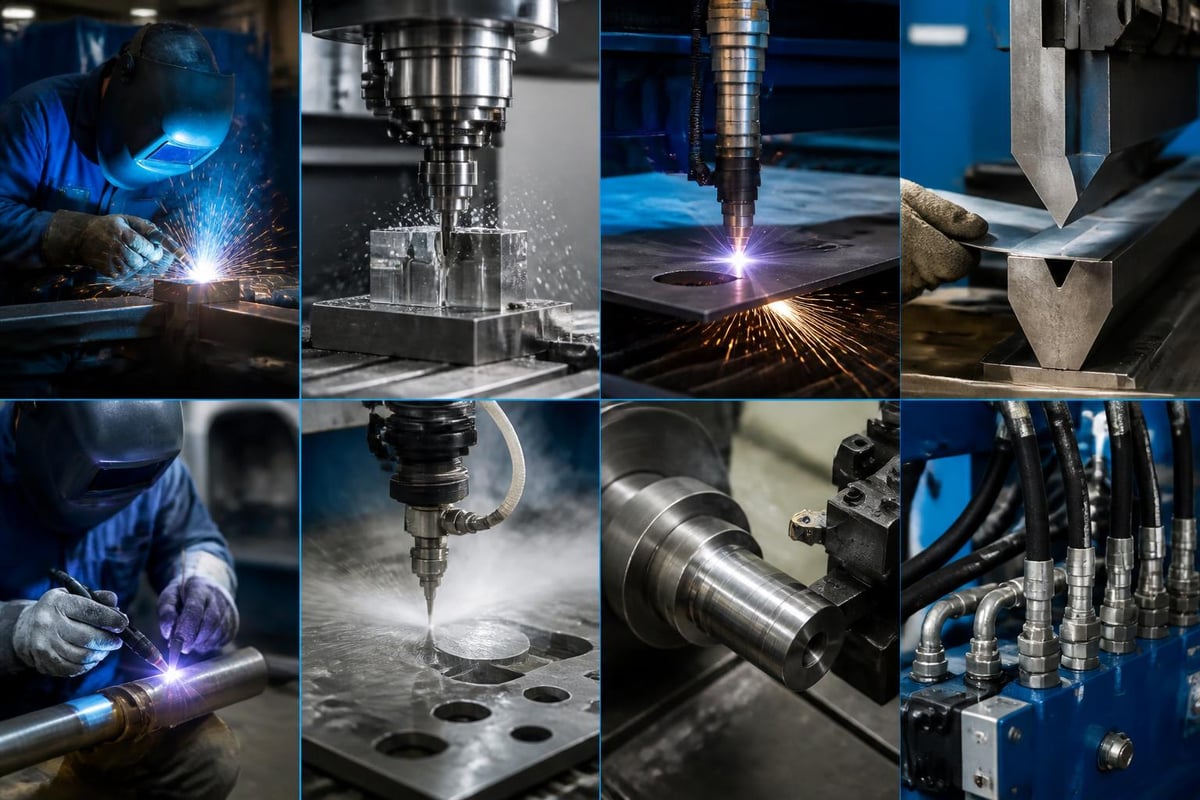
Steel fabrication encompasses far more than basic cutting and welding. Today's fabrication shops integrate advanced machining, custom welding techniques, and specialized services to deliver comprehensive solutions.
Core Fabrication Services
When evaluating steel fabrication near me, you'll encounter a range of service offerings that separate general metal shops from industrial-grade fabricators:
- Custom metal fabrication tailored to unique project specifications
- CNC machining for precision components and tight tolerances
- MIG, TIG, and stick welding across various metals and thicknesses
- Hydraulic system fabrication and repair
- Water jetting services for cutting and surface preparation
Modern fabrication facilities combine these capabilities under one roof, reducing logistics complexity and improving project coordination. The ability to handle both shop-based precision work and field installation services distinguishes full-service providers from limited-scope operations.
Industry-Specific Fabrication Expertise
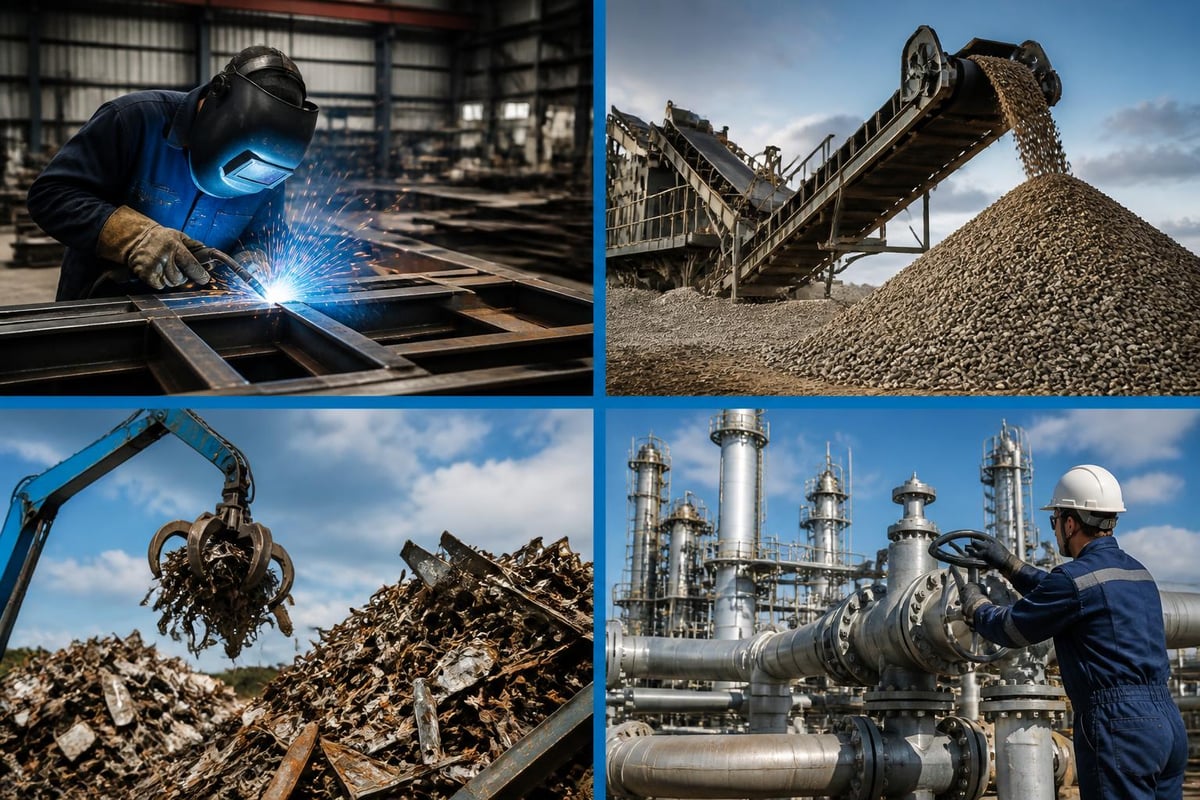
Different sectors require specialized knowledge and certifications. The recycling industry demands equipment that withstands abrasive materials and high-volume processing. Aggregate operations need conveyor systems, chutes, and structural components engineered for durability. Oil and gas applications require pressure vessels, piping systems, and equipment that meet stringent safety regulations.
A fabricator serving the Western United States industrial corridor must understand regional requirements, including environmental conditions that affect material selection and weathering considerations for outdoor installations.
Safety Standards and Compliance in Steel Fabrication
Safety represents the foundation of quality fabrication work. When searching for steel fabrication near me, verify that potential partners maintain rigorous safety protocols and compliance with current regulations.
OSHA Requirements and Best Practices
The common hazards in steel fabrication include lockout/tagout procedures, fall protection, and machine guarding. Top fabricators implement comprehensive safety programs that exceed minimum requirements, incorporating:
| Safety Element | Standard Practice | Advanced Practice |
|---|---|---|
| Worker Training | Annual refreshers | Quarterly hands-on sessions |
| PPE Programs | Basic equipment provided | Custom-fitted advanced protection |
| Hazard Assessment | Periodic reviews | Continuous monitoring systems |
| Documentation | Compliance records | Digital tracking and analytics |
Understanding OSHA’s standards for basic steel products helps you evaluate whether a fabricator takes safety seriously or treats it as an afterthought. Ask prospective partners about their safety record, training programs, and how they address specific hazards relevant to your project.
Quality Certifications and Standards
Beyond safety compliance, quality certifications indicate a fabricator's commitment to excellence. The importance of ISO standards in steel fabrication cannot be overstated, as these frameworks ensure consistency, reliability, and traceability throughout the fabrication process.
- AWS certifications for welding procedures and welder qualifications
- ISO 9001 for quality management systems
- ASME certifications for pressure vessel fabrication
- Industry-specific qualifications for specialized applications
These certifications aren't just paperwork. They represent documented procedures, skilled workforce development, and ongoing commitment to maintaining the highest standards.
Evaluating Local Steel Fabrication Providers
The search for steel fabrication near me should involve thorough due diligence beyond simple proximity. Geographic convenience matters, but capability, reliability, and track record determine project success.
Technical Capabilities Assessment
Request detailed information about equipment, technology, and capacity:
- Manufacturing equipment inventory including CNC machines, welding stations, and cutting tools
- Maximum fabrication dimensions they can accommodate
- Material handling capabilities for receiving and shipping large components
- Quality control processes and inspection equipment
- Design and engineering support for custom projects
A comprehensive fabricator can assist with design optimization, material selection, and value engineering to improve project outcomes while managing costs effectively.
Portfolio and Experience Review
Examine completed projects similar to your requirements. A fabricator experienced in your industry brings valuable insights about common challenges, regulatory requirements, and proven solutions. Request references from clients in comparable sectors and follow up with specific questions about communication, problem-solving, and deadline adherence.
Geographic Considerations for Western Industrial Services
When searching steel fabrication near me from locations across the Western United States, consider both proximity and regional expertise. Fabricators based in industrial hubs like Rifle, CO understand the unique demands of mountain state operations, including elevation considerations, temperature extremes, and remote site accessibility.
Field Service Capabilities
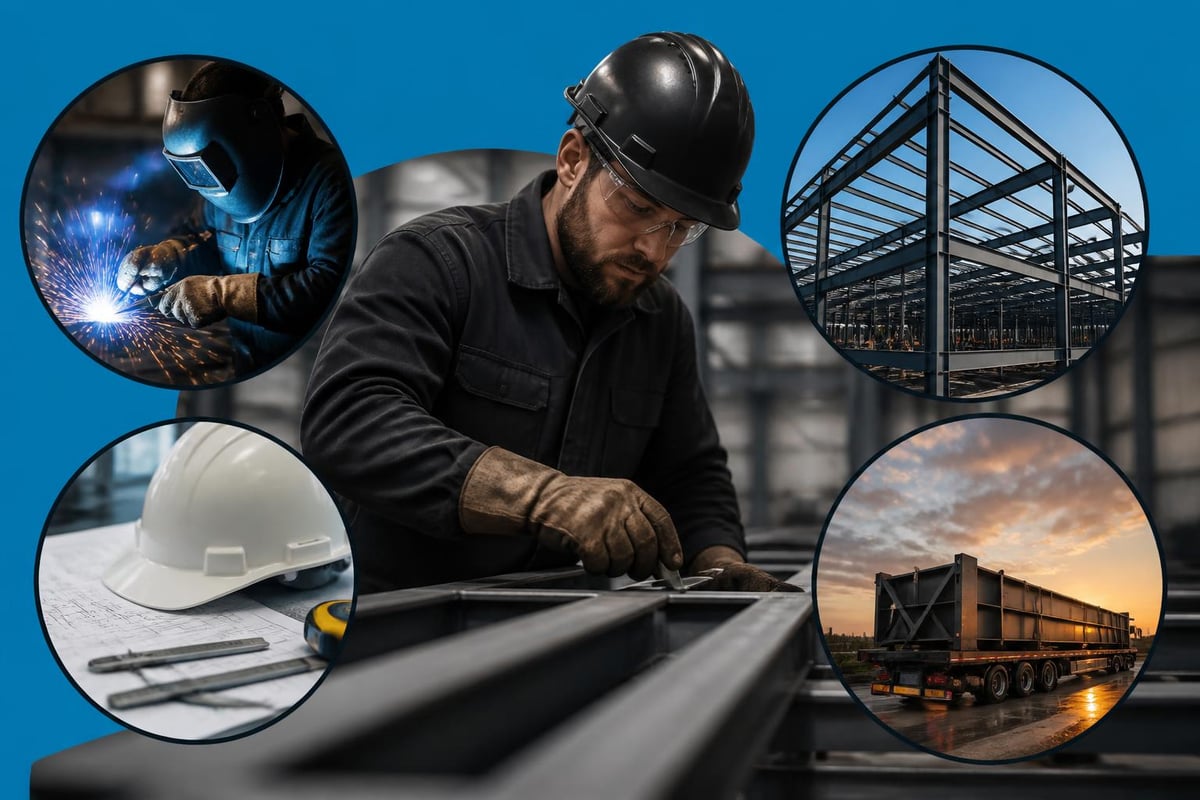
Many complex projects require both shop fabrication and on-site installation, modification, or repair services. Evaluate whether potential partners offer:
- Mobile welding and machining units
- Emergency field repair capabilities
- Multi-state service coverage
- Experienced field technicians familiar with remote locations
The ability to dispatch qualified technicians to your facility minimizes downtime when equipment failures occur or modifications become necessary during operational phases.
Logistics and Lead Times
Regional fabricators often provide faster turnaround than distant suppliers. Transportation costs, shipping delays, and coordination complexity increase with distance. A local partner can accommodate rush orders, facilitate site visits for accurate measurements, and provide responsive support throughout project lifecycles.
Material Selection and Fabrication Techniques
Different applications demand specific materials and fabrication approaches. Understanding these relationships helps you communicate requirements effectively when contacting steel fabrication near me providers.
Common Materials and Applications
| Material Type | Typical Applications | Key Properties |
|---|---|---|
| Carbon Steel | Structural components, general fabrication | Cost-effective, weldable, versatile |
| Stainless Steel | Corrosive environments, food processing | Corrosion resistance, hygienic |
| Aluminum | Lightweight structures, marine applications | High strength-to-weight ratio |
| Alloy Steels | High-stress components, specialized equipment | Enhanced mechanical properties |
Material selection affects fabrication techniques, welding procedures, and finishing requirements. Experienced fabricators guide these decisions based on operating conditions, budget constraints, and longevity expectations.
Advanced Fabrication Technologies
Modern steel fabrication integrates traditional craftsmanship with cutting-edge technology. CNC plasma cutting delivers precision that manual methods cannot match. Robotic welding ensures consistent quality on repetitive components. 3D modeling and CAD/CAM integration identify potential issues before physical fabrication begins.
These technologies reduce waste, improve accuracy, and accelerate project completion. When evaluating steel fabrication near me options, ask about technology investments and how they benefit your specific requirements.
Custom Fabrication for Specialized Industries
Specialized sectors present unique challenges that general fabricators may not address adequately. Understanding industry-specific requirements helps you identify partners with relevant expertise.
Recycling Industry Fabrication Needs
Recycling operations demand equipment engineered to handle abrasive materials, variable loads, and continuous operation. Custom fabrication requirements include:
- Heavy-duty conveyor systems with replaceable wear surfaces
- Processing equipment housings designed for maintenance access
- Structural modifications accommodating facility upgrades
- Material handling components sized for high-volume throughput
Fabricators serving the recycling sector understand material flow optimization, maintenance-friendly design, and the economic realities of thin-margin operations.
Aggregate and Mining Applications
The aggregate industry requires fabrication that withstands extreme conditions while maintaining safety standards. Chutes, hoppers, screens, and structural components endure impact, abrasion, and weather exposure. Metal fabrication safety guidelines become especially critical in these demanding environments.
Custom solutions often involve specialized wear-resistant materials, modular designs for field replacement, and engineering that accounts for material characteristics specific to regional aggregate types.
Oil and Gas Sector Requirements
Oil and gas applications demand the highest levels of precision, documentation, and regulatory compliance. Pressure vessels, piping systems, and processing equipment must meet exacting standards. The qualification of procedures and welders through ASTM standards ensures safety and reliability in critical applications.
Working with fabricators experienced in energy sector requirements provides assurance that work meets industry codes, passes inspections, and performs reliably in demanding service conditions.
Hydraulic Systems and Specialized Machining
Beyond structural fabrication, many industrial applications require integrated hydraulic systems and precision machining services. Finding steel fabrication near me that offers these capabilities simplifies project management and ensures compatibility between components.
Hydraulic System Integration
Hydraulic systems power much of the industrial world's heavy equipment. Fabricators with hydraulic expertise can:
- Design custom hydraulic circuits for specialized applications
- Fabricate mounting brackets and support structures
- Integrate hydraulic components with fabricated equipment
- Provide troubleshooting and repair for existing systems
- Source and install replacement components
This integrated approach eliminates coordination challenges between multiple vendors and ensures that hydraulic systems work seamlessly with fabricated structures.
Precision Machining Services
Many fabrication projects require machined components with tight tolerances. Shaft work, bearing surfaces, mounting plates, and coupling interfaces demand precision that welding and cutting alone cannot achieve. In-house machining capabilities enable fabricators to complete projects without outsourcing, maintaining quality control and accelerating delivery.
Building Long-Term Fabrication Partnerships
The best outcomes emerge from ongoing relationships rather than transactional engagements. When you find quality steel fabrication near me, invest in developing a partnership that benefits both parties.
Communication and Project Management
Effective fabricators communicate proactively throughout projects. They provide regular updates, address concerns promptly, and involve clients in critical decisions. Establish clear communication protocols from the beginning:
- Primary contact persons for both organizations
- Preferred communication methods and response timeframes
- Project milestone reporting schedules
- Change order procedures and approval processes
Strong communication prevents misunderstandings, manages expectations, and builds trust that supports successful long-term relationships.
Continuous Improvement and Innovation
The best fabrication partners continuously improve their capabilities, invest in new technologies, and stay current with industry developments. They bring innovation to your projects, suggesting improvements based on emerging techniques and materials. This proactive approach adds value beyond executing specifications.
Regular business reviews with your fabrication partner create opportunities to discuss performance, identify improvement areas, and align on future needs. These conversations strengthen relationships and ensure your fabricator understands your evolving requirements.
Maintenance and Repair Considerations
Steel fabrication services extend beyond new construction. Equipment maintenance, modification, and repair represent significant portions of industrial fabrication work. When searching for steel fabrication near me, evaluate maintenance and repair capabilities alongside new fabrication services.
Emergency Repair Services
Equipment failures don't follow convenient schedules. Fabricators offering 24/7 emergency response capabilities minimize downtime when critical equipment fails. Mobile welding units, field machining capabilities, and experienced troubleshooters provide rapid solutions that keep operations running.
Understanding a fabricator's emergency response procedures, availability, and typical response times helps you plan for contingencies and reduces stress when unexpected failures occur.
Planned Maintenance Support
Preventive maintenance extends equipment life and prevents costly failures. Fabricators can support planned maintenance programs through:
- Scheduled inspections and condition assessments
- Replacement part fabrication based on wear patterns
- Modification designs that improve reliability
- Documentation supporting maintenance planning
Integrating your fabrication partner into maintenance planning creates efficiencies and ensures parts are ready when needed.
Cost Considerations and Value Analysis
Price matters, but focusing solely on lowest cost often leads to disappointing outcomes. Evaluating steel fabrication near me requires understanding total value, including quality, reliability, and service.
Pricing Structure and Transparency
Request detailed quotes that break down material costs, labor, consumables, and additional charges. Transparent pricing helps you understand cost drivers and identify opportunities for value engineering. Compare quotes on an apples-to-apples basis, ensuring all bidders respond to identical specifications.
| Cost Factor | Questions to Ask |
|---|---|
| Materials | Are material specifications clearly defined? Are alternatives available? |
| Labor | Are hourly rates competitive for the skill level required? |
| Equipment/Setup | Are special tooling costs clearly identified and justified? |
| Finishing | Are coating, painting, or treatment costs itemized? |
| Delivery | Are packaging, shipping, and installation costs included? |
Cheap fabrication often costs more long-term through rework, premature failures, or safety incidents. Balance cost against capability, quality, and reliability.
Return on Investment Analysis
High-quality fabrication delivers returns through extended equipment life, reduced maintenance, improved safety, and better performance. When evaluating options, consider:
- Expected service life and replacement cycles
- Maintenance requirements and associated costs
- Downtime risks and operational impact
- Safety improvements and liability reduction
Sometimes paying more upfront delivers substantially better value over the equipment's operational life.
Regional Industrial Fabrication Landscape
The Western United States presents unique opportunities and challenges for industrial fabrication. Understanding regional dynamics helps you make informed decisions when searching for steel fabrication near me.
Western States Industrial Characteristics
Industries across Colorado, Wyoming, Utah, and neighboring states share common characteristics:
- Remote operating locations requiring self-sufficient equipment
- Extreme weather conditions affecting material selection
- Environmental regulations emphasizing sustainable practices
- Skilled labor availability varying by location
Fabricators operating successfully across this region understand these factors and design solutions accordingly. Their experience with elevation effects, temperature extremes, and logistical challenges proves invaluable.
Supporting Local Industrial Development
Choosing regional fabrication partners supports local economic development while securing responsive service. Local fabricators employ regional workers, support community suppliers, and reinvest in local capabilities. These relationships create networks that strengthen industrial communities across the Western United States.
Selecting the right steel fabrication partner requires careful evaluation of capabilities, safety standards, experience, and service commitment. Quality fabrication near me combines technical expertise with responsive service, creating partnerships that support your operational success. Whether you need custom equipment fabrication, precision machining, emergency repairs, or ongoing maintenance support, LTJ Industrial Services delivers comprehensive solutions throughout the Western United States. Our Rifle, CO facility combines advanced capabilities with field service expertise, supporting the commercial and industrial manufacturing sectors with the quality and reliability your operations demand.