
Manufacturing shops form the backbone of American industrial capability, transforming raw materials into finished products through skilled labor, precision equipment, and rigorous processes. These facilities range from small job shops specializing in custom fabrication to large-scale production environments serving multiple industries. Whether supporting oil and gas operations, aggregate processing, or recycling infrastructure, manufacturing shops deliver the components and assemblies that keep critical industries running throughout the Western United States and beyond.
The Core Functions of Modern Manufacturing Shops
Today's manufacturing shops operate far beyond traditional production models. These facilities integrate multiple disciplines under one roof to provide comprehensive solutions for industrial clients.
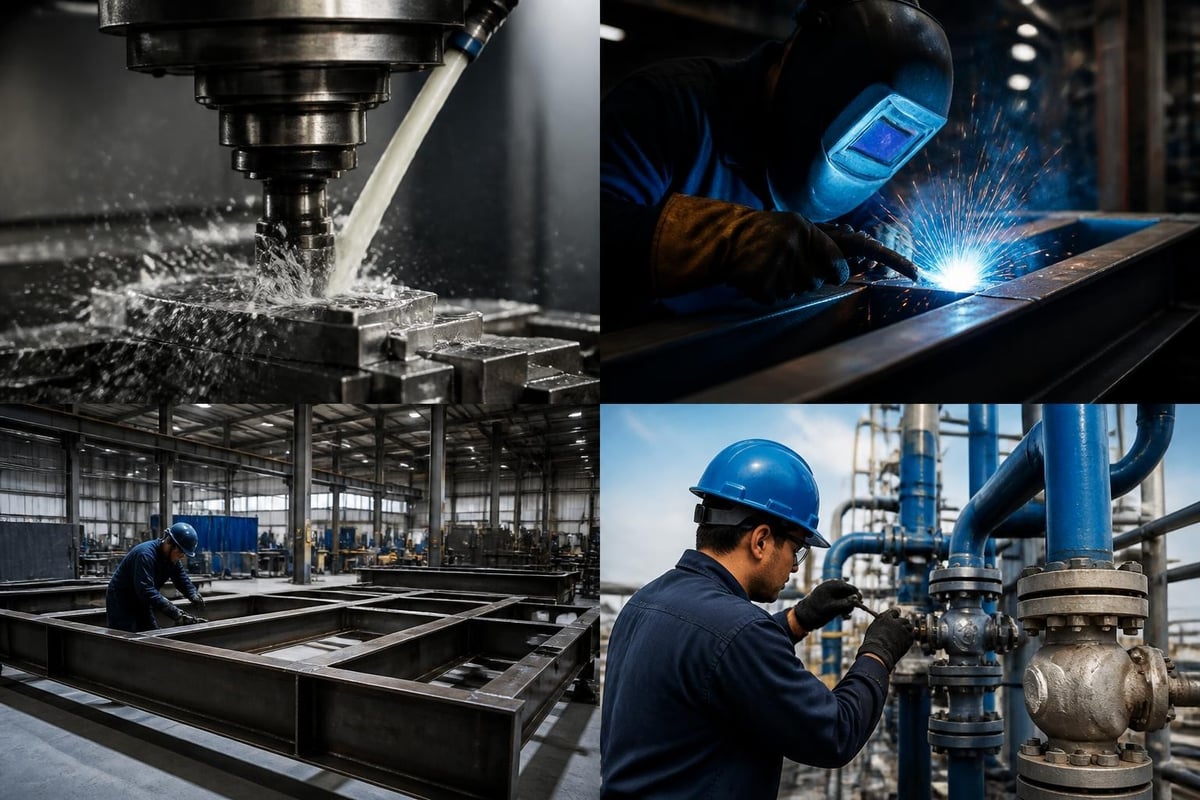
Metal fabrication represents one of the primary capabilities in many shops. This process includes cutting, bending, forming, and assembling metal components according to precise specifications. Fabrication teams work with various materials including steel, stainless steel, aluminum, and specialized alloys.
Key Services Offered by Full-Service Shops
Manufacturing shops that serve industrial clients typically provide several interconnected services:
- Precision machining using CNC mills, lathes, and grinding equipment
- Custom welding including MIG, TIG, stick, and specialized processes
- Hydraulic system repair and fabrication
- Field service support for on-site repairs and installations
- Quality inspection and testing to ensure compliance
The integration of these capabilities allows shops to manage complex projects from concept through completion. Rather than coordinating multiple vendors, clients benefit from working with a single partner who understands how each process affects the final outcome.
Workforce Development and Skilled Labor
The success of any manufacturing shop depends entirely on the skill and dedication of its workforce. In 2026, shops face unprecedented challenges in recruiting, training, and retaining qualified technicians, machinists, and welders.
Building a Capable Team
Shops must invest heavily in workforce development to maintain competitive advantage. This includes both technical training and soft skills development. The World Economic Forum’s research on manufacturing talent highlights how modern industrial sites require workers who combine traditional craft skills with digital literacy and problem-solving capabilities.
| Training Area | Skills Developed | Business Impact |
|---|---|---|
| CNC Programming | G-code, CAM software, tool selection | Faster setup, reduced scrap |
| Advanced Welding | Process certification, metallurgy | Higher quality, expanded capabilities |
| Hydraulics | System design, troubleshooting, repair | Field service excellence |
| Quality Systems | Inspection, documentation, compliance | Customer confidence, reduced rework |
Manufacturing shops that partner with organizations like SME for certification resources create structured pathways for employee advancement. These programs validate skills, motivate continuous learning, and help shops demonstrate capability to prospective clients.
Retention Strategies for 2026
Keeping skilled workers requires more than competitive wages. Successful shops create environments where technicians feel valued, challenged, and connected to meaningful outcomes.
Career progression matters enormously. When machinists see clear paths from entry-level positions to lead roles or specialized niches, they invest in their employer's success. Shops should document these pathways and discuss them during hiring and performance reviews.
Work-life balance has become non-negotiable for many skilled workers. Manufacturing shops that offer flexible scheduling, reasonable overtime expectations, and respect for personal time find recruiting and retention significantly easier than those demanding constant availability.
Safety Management and Hazard Control
Manufacturing shops operate inherently dangerous equipment. Metal cutting, welding, heavy lifting, and high-pressure systems all present serious injury risks. Effective safety programs protect workers while reducing insurance costs, downtime, and regulatory exposure.
The OSHA framework for hazard prevention and control provides a systematic approach that manufacturing shops should adopt and customize. This methodology moves beyond reactive incident response toward proactive hazard identification and elimination.
Implementing Effective Safety Systems
A comprehensive safety program includes several interconnected elements:
- Regular hazard assessments conducted by supervisors and workers together
- Engineering controls that eliminate hazards through equipment design and layout
- Administrative controls including procedures, training, and work permits
- Personal protective equipment as the last line of defense
- Continuous monitoring through inspections, near-miss reporting, and metrics
Manufacturing shops should treat safety as a core competency, not a compliance burden. When workers trust that management prioritizes their wellbeing, they report hazards freely, follow procedures consistently, and contribute ideas for improvement.
Documentation proves critical for both compliance and continuous improvement. Shops need systems to record training, track incidents, log inspections, and demonstrate corrective actions. These records protect the business legally while revealing patterns that inform better practices.
Technology Integration and Digital Transformation
Modern manufacturing shops face constant pressure to improve efficiency, precision, and responsiveness. Technology provides powerful tools, but successful integration requires strategic thinking and substantial investment.
CNC Machining and Computer-Aided Manufacturing
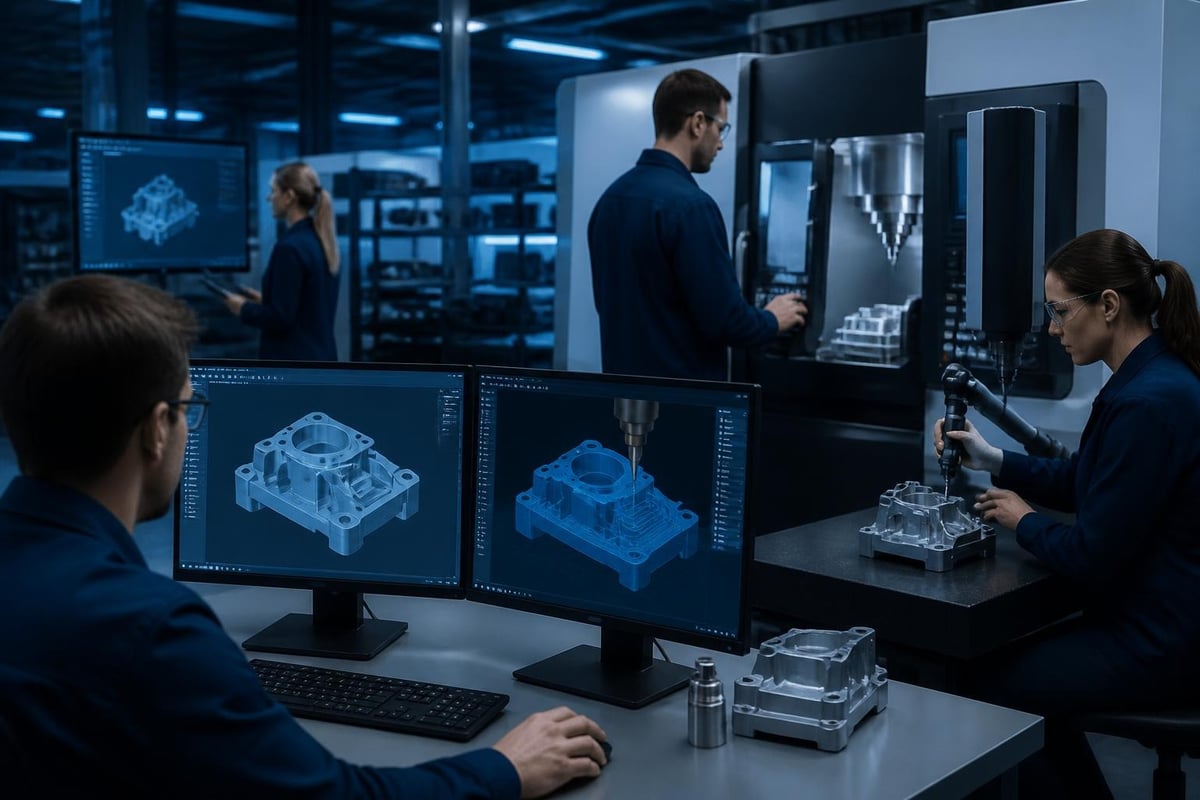
Computer numerical control transformed machining by enabling consistent, repeatable production of complex geometries. Manufacturing shops that master CAM software, toolpath optimization, and machine maintenance deliver parts faster and more accurately than manual operations allow.
The learning curve remains steep. Programming requires understanding both machining fundamentals and software capabilities. Shops must invest in training, support experienced programmers, and build libraries of proven programs for common operations.
Maintenance determines whether CNC equipment delivers return on investment. Preventive maintenance schedules, calibration protocols, and spare parts inventory separate shops that maximize uptime from those constantly fighting breakdowns.
Data-Driven Decision Making
Progressive manufacturing shops leverage data to optimize operations. This includes tracking key performance indicators across multiple dimensions:
- Production efficiency: setup time, cycle time, overall equipment effectiveness
- Quality metrics: first-pass yield, rework rates, customer returns
- Financial performance: job costing accuracy, margin by service line, capacity utilization
- Safety indicators: incident rates, near-miss reports, training completion
The Deloitte 2025 Manufacturing Industry Outlook emphasizes how digital adoption separates thriving shops from struggling competitors. Data visibility enables faster response to problems, more accurate quoting, and strategic capacity investments.
Environmental Compliance and Waste Management
Manufacturing shops generate various waste streams including metal scrap, cutting fluids, welding consumables, and contaminated materials. Proper management protects the environment, ensures regulatory compliance, and often reduces costs.
The EPA’s guide for industrial waste management provides frameworks that shops can adapt to their specific operations. Key principles include source reduction, recycling maximization, and safe disposal of hazardous materials.
Sustainable Manufacturing Practices
Smart waste management starts with process design. Manufacturing shops can minimize waste through several approaches:
- Material optimization: nesting parts efficiently to reduce scrap
- Fluid management: filtering and extending cutting fluid life
- Scrap segregation: separating metals by type for maximum recycling value
- Consumable selection: choosing products with lower environmental impact
Beyond compliance, environmental stewardship increasingly influences customer decisions. Industrial clients prefer partners who demonstrate commitment to sustainability, particularly in industries with strong environmental oversight.
Serving Specialized Industrial Sectors
Manufacturing shops that develop deep expertise in specific industries deliver superior value compared to generalists. Understanding sector-specific requirements, materials, standards, and challenges enables shops to anticipate needs and solve problems proactively.
Oil and Gas Industry Requirements
This sector demands manufacturing shops capable of working with exotic materials, meeting stringent certification requirements, and responding rapidly to urgent needs. Components must withstand extreme pressures, temperatures, and corrosive environments.
Material selection requires extensive knowledge. Shops must understand how different alloys perform under specific conditions and maintain proper documentation for traceability. LTJ Industrial Services’ manufacturing and machining capabilities exemplify the specialized expertise required for demanding industrial applications.
Aggregate and Recycling Operations
These industries require heavy-duty fabrication, wear-resistant materials, and rapid repair turnaround. Manufacturing shops serving this sector must engineer solutions that withstand abrasive materials, continuous operation, and harsh outdoor environments.
Field service integration becomes particularly valuable. When critical equipment fails, aggregate and recycling operations need manufacturing shops that can deploy skilled technicians for on-site assessment, emergency repairs, or field fabrication.
| Industry Sector | Key Requirements | Critical Capabilities |
|---|---|---|
| Oil & Gas | Material certification, high-pressure systems | Exotic alloy welding, precision machining |
| Aggregate | Wear resistance, heavy fabrication | Abrasion-resistant materials, structural welding |
| Recycling | Quick turnaround, robust design | Field fabrication, hydraulic expertise |
| Commercial Manufacturing | Cost efficiency, volume capability | Process optimization, lean manufacturing |
Continuous Improvement and Operational Excellence
Manufacturing shops must constantly evolve to remain competitive. Systematic improvement methodologies help identify waste, optimize workflows, and engage workers in problem-solving.
Gemba Walks and Shop Floor Engagement
Walking the shop floor reveals insights invisible from offices or computer screens. IndustryWeek’s coverage of Gemba walks demonstrates how this practice unlocks performance improvements by connecting management with frontline reality.
Effective Gemba walks involve observing processes, asking questions, and listening without judgment. Manufacturing shops benefit when leadership regularly spends time where value creation occurs, understanding constraints workers face and recognizing improvement opportunities.
Lean Principles for Job Shops
While lean manufacturing originated in high-volume production, job shops can adapt these principles. Focus areas include:
- Visual management making work status, priorities, and problems visible
- Standardized work documenting best practices for common operations
- Quick changeover reducing setup time between different jobs
- Pull systems triggering work based on downstream demand
- Problem-solving culture empowering workers to identify and fix issues
Manufacturing shops pursuing operational excellence recognize that small, incremental improvements compound over time. A 1% weekly improvement yields 50% annual gains.
Strategic Partnership Approach
The most successful manufacturing shops position themselves as strategic partners rather than transactional vendors. This requires understanding client businesses, anticipating future needs, and proactively recommending solutions.
Building Long-Term Client Relationships
Partnership begins with communication. Manufacturing shops should invest time understanding what drives client success, what challenges they face, and how their business models work. This knowledge enables more valuable contributions beyond simply executing work orders.
Proactive engineering support differentiates partners from vendors. When shops review client designs and suggest manufacturability improvements, cost reductions, or performance enhancements, they demonstrate commitment to client success. These conversations build trust and often lead to expanded responsibilities.
Value-Added Services
Manufacturing shops can extend their value proposition through complementary services. Case studies from successful industrial service providers illustrate how integrated capabilities create competitive advantages.
Inventory management programs help clients reduce carrying costs while ensuring critical spare parts remain available. Manufacturing shops maintain stock of commonly needed components and deliver them rapidly when required.
Preventive maintenance partnerships shift relationships from reactive repairs toward planned interventions that prevent failures. This approach reduces emergency callouts, extends equipment life, and improves client uptime.

Quality Assurance and Process Control
Manufacturing shops must deliver consistent quality to maintain client confidence and competitive position. This requires documented processes, capable measurement systems, and commitment to continuous verification.
Inspection and Documentation Systems
Quality starts with clear specifications. Manufacturing shops need systems to capture customer requirements, translate them into work instructions, and verify compliance throughout production.
In-process inspection catches problems early when correction costs less. Rather than waiting until completion, shops should build hold points into workflows where critical dimensions, material properties, or process parameters receive verification.
Final inspection documentation provides objective evidence that parts meet specifications. This includes dimensional reports, material certifications, non-destructive testing results, and photographic evidence as appropriate.
Calibration and Equipment Maintenance
Measurement equipment requires regular calibration to ensure accuracy. Manufacturing shops must maintain calibration schedules, use certified standards, and document results. When inspection equipment drifts out of tolerance, shops must evaluate potentially affected work and implement corrective actions.
Production equipment similarly demands preventive maintenance. CNC machines, welding equipment, and fabrication tools perform reliably only when properly maintained. Shops should follow manufacturer recommendations, track maintenance history, and address degradation before it affects quality.
Adapting to Market Dynamics
Manufacturing shops operate in constantly shifting business environments. Economic cycles, technological change, regulatory evolution, and competitive pressures all require adaptability and strategic thinking.
Capacity Planning and Investment Decisions
Equipment purchases represent major capital commitments. Manufacturing shops must carefully evaluate whether new capabilities support strategic direction, meet demonstrated customer demand, and deliver acceptable return on investment.
Utilization analysis should drive capacity decisions. Before adding equipment, shops need confidence that existing capacity cannot meet demand through improved efficiency, schedule optimization, or overtime. The NIST Manufacturing Extension Partnership offers technical assistance helping small and mid-sized manufacturing shops make informed investment decisions.
Geographic Service Area Strategy
Manufacturing shops must decide where to focus marketing and service delivery efforts. Concentrated regional presence enables faster response, lower travel costs, and stronger client relationships compared to dispersed national coverage.
Field service capabilities particularly benefit from geographic focus. When technicians can reach client sites within hours rather than days, manufacturing shops become more valuable partners for time-sensitive repairs and installations.
Organizations like LTJ Industrial Services serving the Western United States demonstrate how regional specialization creates competitive advantages through intimate knowledge of local industries, established relationships, and responsive service delivery.
Conclusion Integration and Competitive Positioning
Manufacturing shops that excel combine technical capability with business acumen. Success requires balancing investment in equipment and facilities with development of skilled workforce, implementation of robust systems, and cultivation of strategic client relationships.
The most resilient shops diversify across multiple industrial sectors while developing depth in selected niches. This approach provides stability during downturns in specific industries while enabling premium positioning where expertise creates differentiation. Manufacturing shops should regularly assess their competitive position, identify emerging opportunities, and align capabilities with market demand.
Integration of shop and field services creates particularly powerful value propositions. When manufacturing shops can fabricate components in controlled environments then deploy technicians for installation, commissioning, and ongoing support, clients receive comprehensive solutions from trusted single sources. This model reduces coordination complexity, improves accountability, and often delivers better outcomes than fragmented multi-vendor approaches.
Manufacturing shops that combine technical excellence, strategic thinking, and commitment to continuous improvement position themselves for sustained success in competitive industrial markets. Whether you need precision machining, custom fabrication, specialized welding, or responsive field service support, partnering with experienced providers delivers measurable value. For comprehensive shop and field solutions serving commercial and industrial sectors throughout the Western United States, LTJ Industrial Services brings decades of expertise in metal fabrication, machining, hydraulics, and custom welding to help your operation achieve its goals.