The modern manufacturing landscape demands specialized knowledge and precision that only seasoned professionals can deliver. Manufacturing experts represent the backbone of industrial operations, bringing years of experience, technical proficiency, and problem-solving capabilities to complex projects across sectors like recycling, aggregate, and oil and gas. These professionals combine theoretical knowledge with hands-on expertise, ensuring projects meet stringent quality standards while maintaining operational efficiency.
The Critical Role of Manufacturing Experts in Modern Industry
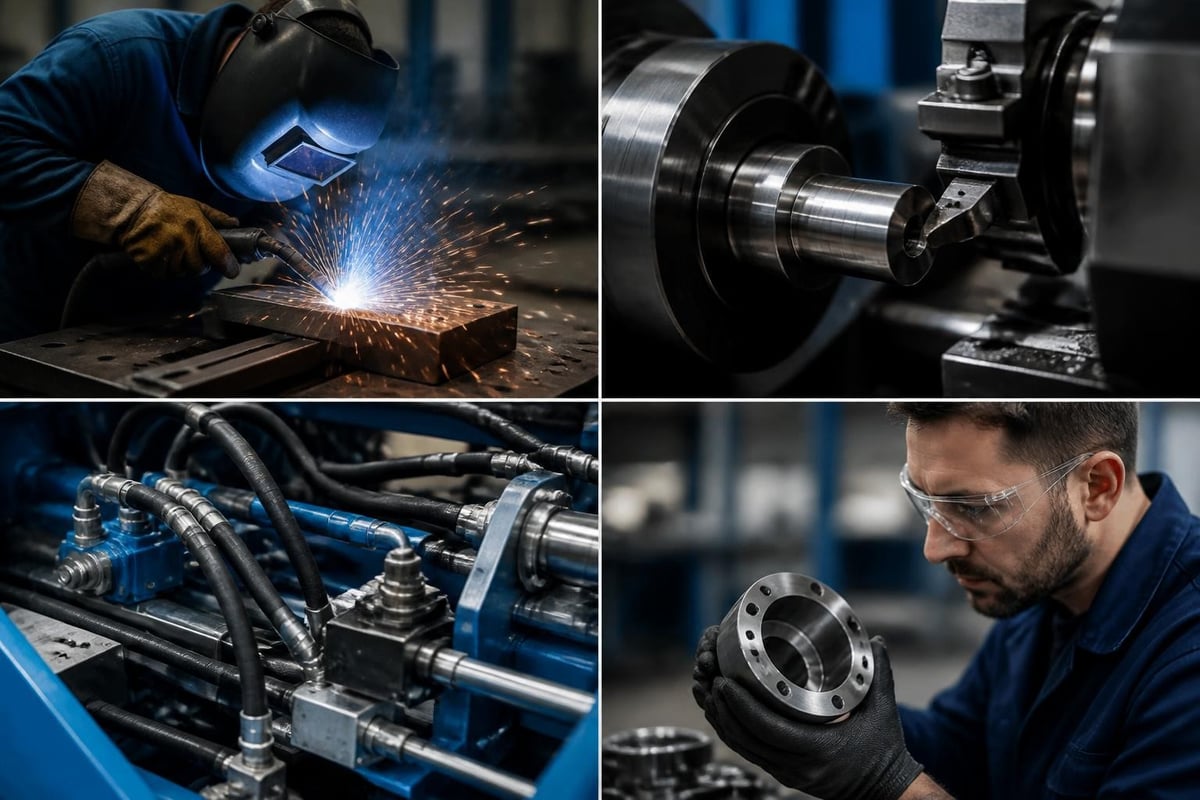
Manufacturing experts serve as invaluable assets in today's competitive industrial environment. Their specialized knowledge spans multiple disciplines, from metal fabrication and welding to precision machining and hydraulics. The ability to diagnose problems quickly, implement effective solutions, and optimize production processes separates exceptional operations from mediocre ones.
Technical Proficiency Across Multiple Domains
The breadth of knowledge required in modern manufacturing continues to expand. Today's manufacturing experts must understand traditional techniques while staying current with emerging technologies and methodologies.
Core competencies include:
- Advanced welding techniques (TIG, MIG, stick, and specialized processes)
- CNC machining and precision fabrication
- Hydraulic system design and repair
- Material science and metallurgy
- Quality control and inspection protocols
- Safety compliance and risk management
Companies that invest in skilled professionals see measurable improvements in production efficiency, waste reduction, and overall project outcomes. The Society of Manufacturing Engineers (SME) outlines the Four Pillars of Manufacturing Knowledge, providing a comprehensive framework that underscores the multifaceted expertise required in this field.
Identifying Qualified Manufacturing Experts
Not all professionals claiming manufacturing expertise possess the credentials and experience necessary for critical industrial projects. Distinguishing truly qualified experts requires careful evaluation of multiple factors.
Certification and Credentials Matter
Professional certifications provide tangible evidence of competency. Look for credentials from recognized organizations such as the American Welding Society (AWS), National Institute for Metalworking Skills (NIMS), or specialized trade associations relevant to your industry sector.
| Certification Type | Issuing Body | Relevance |
|---|---|---|
| Certified Welder | AWS | Validates welding technique proficiency |
| CNC Machinist | NIMS | Confirms machining expertise |
| Quality Inspector | ASQ | Ensures quality control knowledge |
| Hydraulic Specialist | Industry-Specific | Demonstrates hydraulic system competency |
The National Institute of Standards and Technology (NIST) offers extensive resources on manufacturing topics, helping businesses understand the standards that qualified experts should meet.
Experience in Relevant Industries
Years in the field matter, but relevant industry experience carries even greater weight. An expert with a decade of experience in oil and gas operations brings different knowledge than someone specializing in pharmaceutical manufacturing.
Critical experience indicators:
- Track record in your specific industry sector
- Demonstrated project completion across various scales
- Ability to work in both shop and field environments
- Experience with emergency repairs and time-sensitive projects
- Knowledge of industry-specific safety regulations
Manufacturing experts who understand the unique challenges of aggregate processing, recycling operations, or energy sector work can anticipate problems before they occur and implement preventive solutions.
The Value Manufacturing Experts Bring to Operations
Beyond technical skills, manufacturing experts contribute strategic value that impacts long-term business success. Their insights often reveal opportunities for process improvement, cost reduction, and operational optimization that remain invisible to those without their specialized perspective.
Problem-Solving Under Pressure
Industrial operations face unexpected challenges regularly. Equipment failures, material defects, and process inefficiencies can halt production and cost thousands per hour. Manufacturing experts excel at rapid diagnosis and solution implementation.
These professionals draw from extensive experience to:
- Quickly identify root causes of mechanical failures
- Develop creative solutions using available resources
- Implement temporary fixes that maintain production
- Design permanent solutions preventing recurrence
- Coordinate with multiple teams to minimize downtime
Custom Fabrication and Specialized Solutions
Off-the-shelf components don't always meet unique operational requirements. Manufacturing experts design and fabricate custom solutions tailored to specific applications, whether that involves specialized brackets, modified equipment, or entirely new systems.
Water jetting, precision welding, and custom machining capabilities allow these professionals to create components that perfectly match operational needs. This customization often proves more cost-effective than attempting to adapt standard parts.
Partnering With Manufacturing Experts for Long-Term Success
Establishing relationships with qualified manufacturing experts creates sustained competitive advantages. Rather than scrambling for solutions during emergencies, businesses with established partnerships benefit from proactive maintenance, strategic planning, and immediate response capabilities.
Comprehensive Service Delivery Models
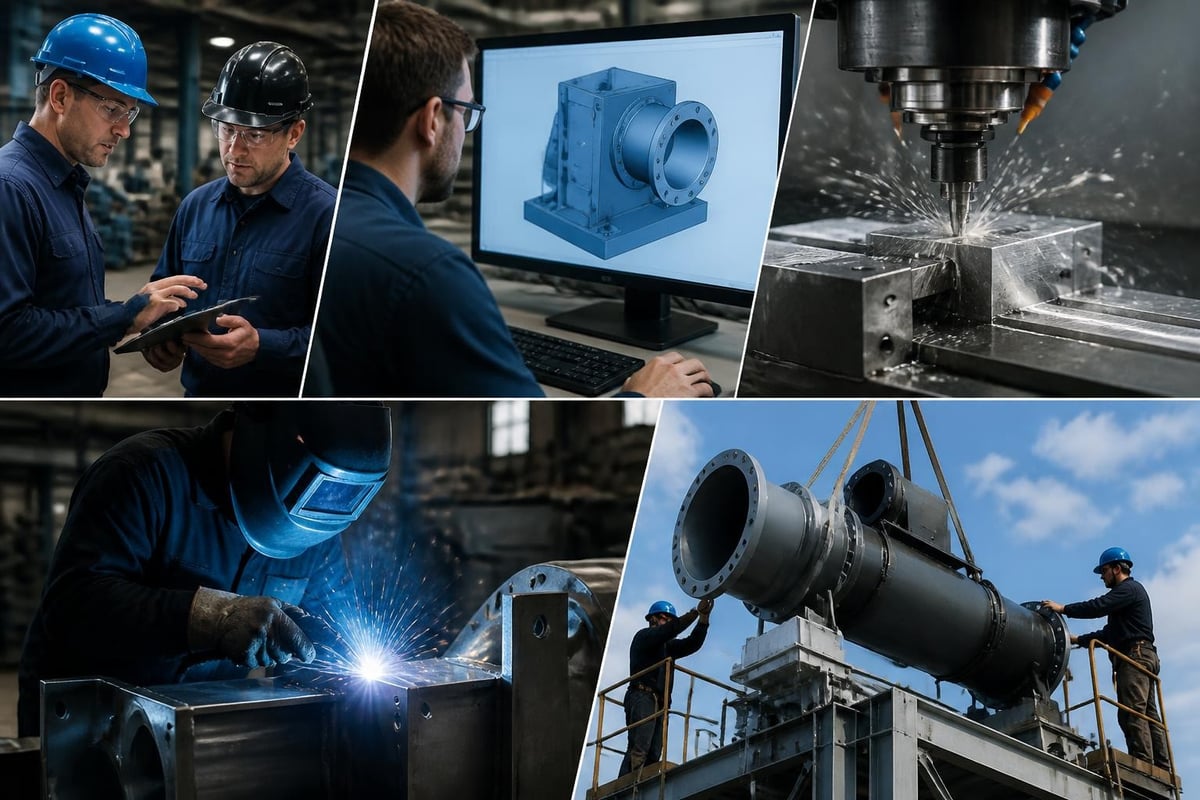
The most effective manufacturing experts offer integrated service delivery spanning multiple capabilities. This comprehensive approach eliminates coordination challenges inherent in managing multiple specialized vendors.
Integrated service benefits:
- Single point of contact for diverse needs
- Coordinated project management
- Consistent quality standards
- Streamlined communication
- Reduced administrative overhead
Companies serving the commercial and industrial manufacturing sectors throughout the Western United States understand regional challenges like extreme weather, remote site access, and logistical complexities that affect project execution.
Field and Shop Capabilities
Flexibility in service delivery location provides critical operational advantages. Manufacturing experts equipped to perform both shop-based work and field services offer maximum versatility.
| Service Location | Advantages | Typical Applications |
|---|---|---|
| Shop-Based | Controlled environment, specialized equipment, precision work | Complex fabrication, detailed machining, custom builds |
| Field Services | On-site response, minimal downtime, immediate solutions | Emergency repairs, installation, system modifications |
| Mobile Units | Rapid deployment, reduced transport costs, site flexibility | Remote locations, large equipment, urgent needs |
The Manufacturing Extension Partnership (MEP) program by NIST supports manufacturers in improving productivity and technological performance, emphasizing the importance of adaptable service delivery.
Quality Standards and Continuous Improvement
Manufacturing experts distinguish themselves through unwavering commitment to quality and continuous professional development. The manufacturing landscape evolves constantly, with new materials, techniques, and technologies emerging regularly.
Staying Current With Industry Developments
Professional development separates good manufacturing experts from exceptional ones. This commitment manifests through:
- Regular training on new welding techniques and materials
- Certification updates and advanced credential pursuit
- Technology adoption including CAD/CAM systems
- Safety protocol updates reflecting current regulations
- Industry conference participation and knowledge sharing
Organizations like the Association for Manufacturing Excellence (AME) provide resources on continuous improvement methodologies that leading manufacturing experts incorporate into their practice.
Documentation and Traceability
Quality manufacturing requires meticulous documentation. Expert professionals maintain comprehensive records of:
- Material certifications and test results
- Welding procedure specifications (WPS)
- Quality inspection reports
- As-built drawings and modifications
- Maintenance histories and recommendations
This documentation proves invaluable for regulatory compliance, warranty claims, and future modifications. It also demonstrates the professional rigor that characterizes true expertise.
Regional Expertise and Local Knowledge
Geographic expertise matters more than many realize. Manufacturing experts familiar with regional industries, environmental conditions, and local supply chains deliver superior results compared to those lacking this contextual knowledge.
Understanding Western United States Operations
The Western United States presents unique operational challenges. Extreme temperature variations, high-altitude environments, and remote site locations require specialized approaches.
Regional considerations include:
- Material selection for temperature extremes
- Equipment specifications for altitude performance
- Logistics planning for remote access
- Environmental compliance for diverse jurisdictions
- Weather-related scheduling factors
Manufacturing experts with established regional presence understand supplier networks, permitting processes, and industry relationships that accelerate project completion. For businesses requiring infrastructure support, partnerships with specialists like JRG Civils demonstrate how collaborative expertise enhances overall project success across multiple domains.
Evaluating Manufacturing Expert Partnerships
Selecting the right manufacturing experts requires systematic evaluation. The decision impacts operational efficiency, project outcomes, and long-term costs.
Key Selection Criteria
Technical Capabilities Assessment:
- Range of services offered under one roof
- Equipment sophistication and maintenance
- Quality control processes and certifications
- Emergency response capabilities
- Custom fabrication experience
Business Relationship Factors:
- Communication responsiveness and clarity
- Project management proficiency
- Transparent pricing structures
- Safety record and protocols
- Client references and project portfolio
Questions to Ask Potential Partners
- What certifications do your technicians hold?
- Can you provide examples of similar projects in our industry?
- What is your typical response time for emergency calls?
- How do you ensure quality control throughout projects?
- What equipment and capabilities do you maintain in-house?
- Can you work in both shop and field environments?
- How do you handle project documentation and reporting?
- What safety protocols do you follow?
The Institution of Mechanical Engineers (IMechE) provides curated manufacturing resources that help businesses understand industry standards when evaluating potential partners.
Specialized Manufacturing Services
Different industrial sectors demand specific expertise. Manufacturing experts who understand sector-specific requirements deliver superior results compared to generalists attempting to serve all markets.
Oil and Gas Sector Expertise
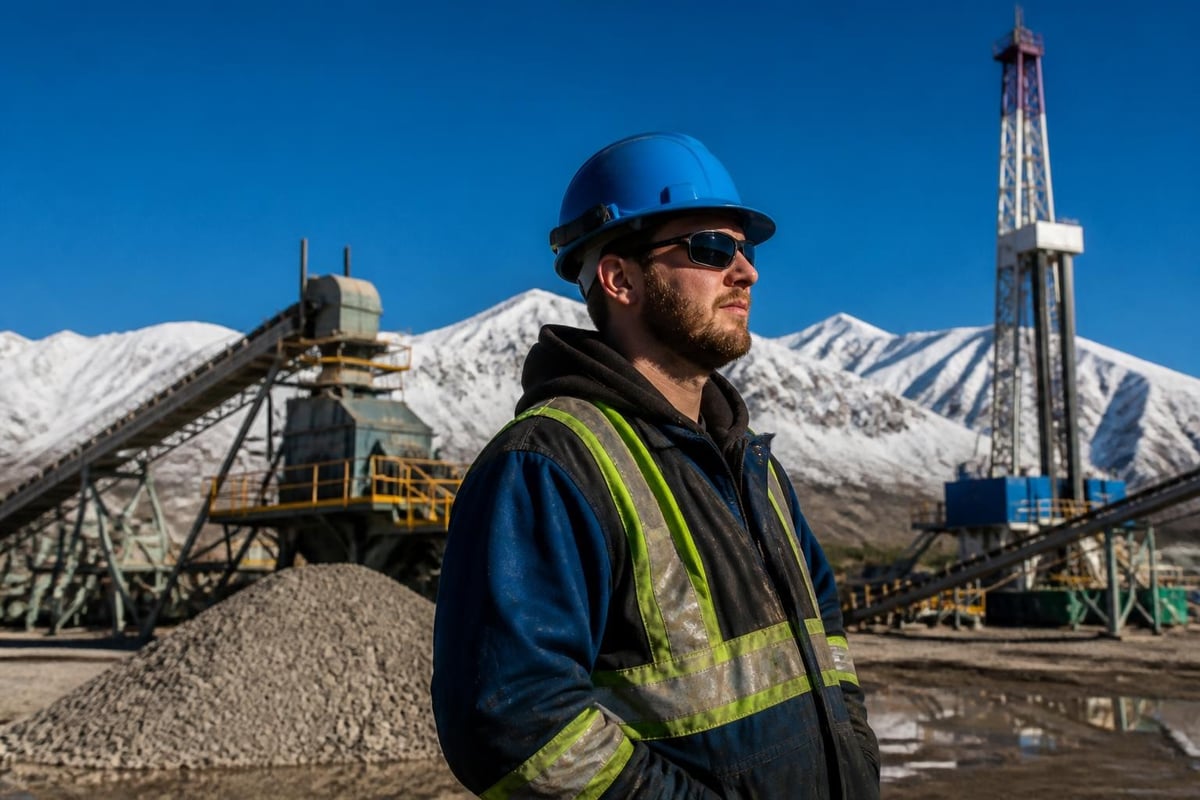
Oil and gas operations require manufacturing experts familiar with:
- High-pressure system fabrication and repair
- Explosion-proof equipment specifications
- Pipeline welding and inspection protocols
- Environmental compliance requirements
- Remote site operations and logistics
Aggregate and Recycling Industries
Aggregate processing and recycling operations present unique challenges requiring specialized knowledge:
| Application | Technical Requirements | Expert Solutions |
|---|---|---|
| Conveyor Systems | Heavy-duty fabrication, wear resistance | Custom brackets, reinforcement, material selection |
| Crusher Components | Impact resistance, precision machining | Specialized welding, hardening treatments |
| Screening Equipment | Vibration management, structural integrity | Dynamic analysis, fatigue-resistant designs |
| Material Handling | Corrosion resistance, abrasion tolerance | Coating applications, alloy selection |
Manufacturing experts serving these industries understand equipment lifecycles, maintenance intervals, and failure patterns that inform preventive strategies.
Technology Integration and Modern Manufacturing
Contemporary manufacturing experts leverage technology to enhance service delivery. Computer-aided design (CAD), precision measurement tools, and advanced welding equipment enable outcomes impossible with traditional methods alone.
Digital Design and Fabrication
Modern fabrication projects often begin with digital modeling. Manufacturing experts proficient in CAD software can:
- Visualize complex assemblies before fabrication
- Identify potential interference issues early
- Generate precise cutting and machining instructions
- Provide clients with detailed previews
- Maintain digital records for future modifications
Advanced Welding Technologies
Welding technology continues advancing. Today's manufacturing experts employ techniques including:
- Automated orbital welding for consistent pipe joints
- Friction stir welding for specialized applications
- Laser welding for precision work
- Robotic welding for high-volume production
- Underwater welding for unique situations
Building Long-Term Partnerships
The relationship between businesses and manufacturing experts ideally extends beyond transactional service delivery. Strategic partnerships create mutual value through:
For Clients:
- Prioritized response during emergencies
- Proactive maintenance recommendations
- Cost-effective solutions through relationship understanding
- Streamlined project approvals and execution
- Reliable capacity during peak periods
For Manufacturing Experts:
- Predictable workflow and scheduling
- Deeper operational understanding
- Opportunities for specialized equipment investment
- Long-term revenue stability
- Collaborative innovation possibilities
These partnerships transform manufacturing experts from vendors into strategic assets contributing to competitive advantage.
Safety as a Cornerstone of Expertise
True manufacturing experts prioritize safety equally with technical proficiency. Comprehensive safety programs protect workers, minimize liability, and demonstrate professional commitment.
Safety Program Components
Essential elements include:
- Regular safety training and certification
- Hazard identification and mitigation protocols
- Personal protective equipment standards
- Incident reporting and investigation procedures
- Emergency response planning
- Contractor safety coordination
Manufacturing experts working in oil and gas, aggregate, and recycling sectors face particularly hazardous conditions. Their safety records reflect their overall professional competency and organizational maturity.
Manufacturing experts provide the specialized knowledge, technical proficiency, and problem-solving capabilities that modern industrial operations require. By carefully evaluating credentials, industry experience, and service capabilities, businesses can establish partnerships that drive operational excellence and competitive advantage. When you need comprehensive welding, fabrication, and machining solutions throughout the Western United States, LTJ Industrial Services delivers the expertise and reliability your operation demands, with specialized knowledge serving the commercial and industrial manufacturing sectors including recycling, aggregate, and oil and gas industries.