
A manufacturing company in today's landscape faces unprecedented opportunities and challenges. The industrial sector has evolved dramatically, requiring businesses to balance traditional craftsmanship with cutting-edge technology. Whether you operate in welding fabrication, machining, or specialized industrial services, understanding the current manufacturing environment is crucial for sustainable growth. As we navigate through 2026, companies serving commercial and industrial sectors must adapt to changing market demands while maintaining the quality standards that define their reputation.
The Evolution of Modern Manufacturing Operations
The traditional manufacturing company has transformed from simple production facilities into sophisticated operations that integrate multiple disciplines. Modern facilities now combine machining capabilities, welding expertise, and fabrication services under one roof to provide comprehensive solutions.
Integration of Core Manufacturing Services
Today's successful operations recognize that clients need more than isolated services. A manufacturing company that offers integrated solutions can address complex projects more efficiently than those with limited capabilities.
Key integrated services include:
- Metal fabrication and custom welding
- Precision machining and CNC operations
- Hydraulic system installation and repair
- Field and shop mechanic services
- Water jetting and cutting technologies
Companies that excel in large-scale metal fabrication for construction projects understand how these services interconnect. When a client needs pressure vessel work, they often require welding, machining, and testing all coordinated seamlessly.
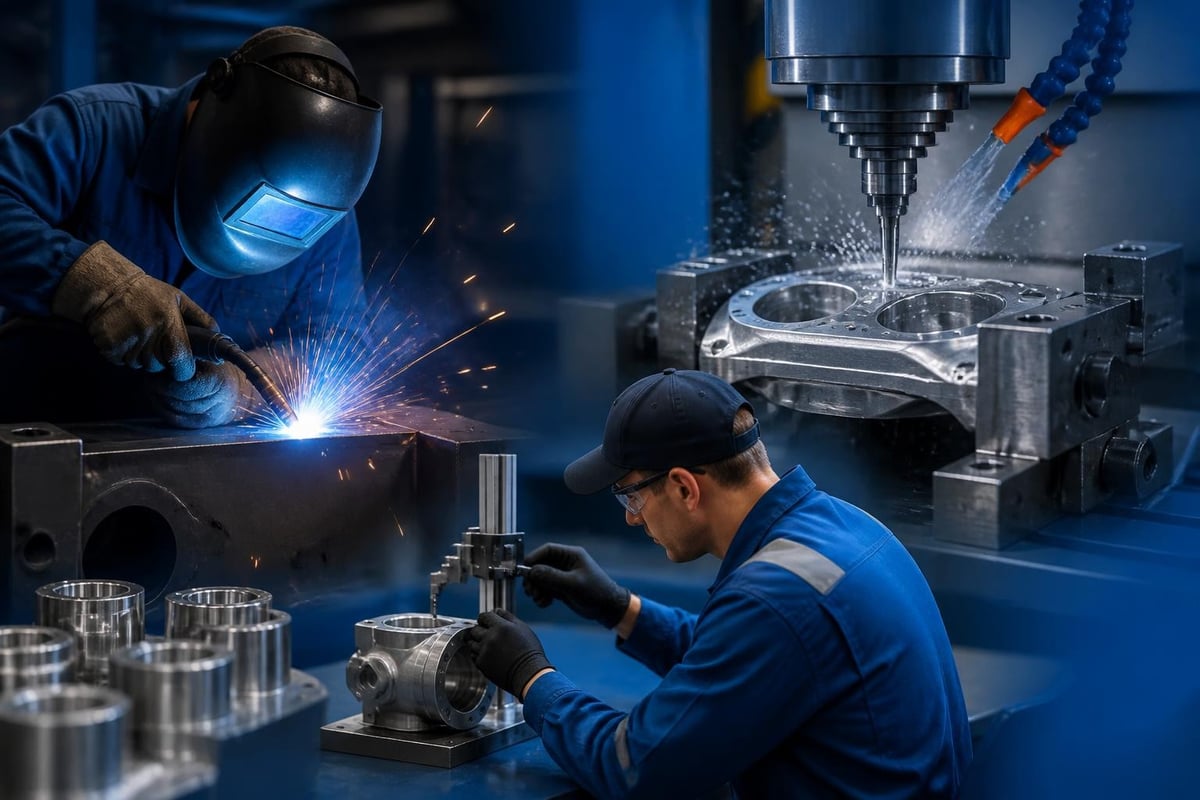
The oil and gas sector exemplifies this need for integrated services. A single project might require field welding, precision machining for component repair, and hydraulic system maintenance. According to Deloitte’s manufacturing industry outlook, companies that provide comprehensive service packages maintain stronger competitive positions in 2026's market environment.
Geographic Reach and Service Territory
A manufacturing company's service area directly impacts its growth potential. Businesses serving the Western United States benefit from diverse industrial sectors including aggregate processing, recycling operations, and energy production.
Regional specialization allows manufacturers to develop deep expertise in local industry needs. Companies based in areas like Rifle, CO, position themselves strategically to serve multiple industries throughout their territory. This geographic advantage becomes particularly valuable when clients need rapid response for field services or emergency repairs.
| Service Type | Geographic Advantage | Client Benefit |
|---|---|---|
| Shop Welding | Controlled environment | Precision and quality |
| Field Services | On-site capability | Reduced downtime |
| Emergency Repairs | Regional proximity | Fast response times |
Technology Integration in Manufacturing Companies
Manufacturing operations in 2026 leverage technology differently than even two years ago. IBM’s analysis of manufacturing trends highlights how digitalization and Industry 4.0 principles reshape traditional operations.
Practical Technology Applications
A manufacturing company doesn't need to implement every emerging technology to remain competitive. Strategic technology adoption focuses on areas delivering measurable improvements.
High-impact technology investments:
- Precision measurement systems that ensure fabrication accuracy
- Welding automation for repetitive tasks while preserving craft expertise
- Inventory management systems that reduce material waste
- Digital documentation for quality assurance and client reporting
- Scheduling software that optimizes resource allocation
The key lies in balancing automation with skilled craftsmanship. Welding businesses that maintain strong welding expertise while incorporating supportive technology achieve the best outcomes.
Data-Driven Decision Making
Smart manufacturing companies use data to improve operations without drowning in complexity. Simple metrics tracking can reveal significant opportunities.
Consider tracking equipment utilization rates, project completion times, and material usage. This information helps identify bottlenecks and optimize scheduling. A manufacturing company that knows its average turnaround time for specific project types can provide accurate client commitments and manage capacity effectively.
Workforce Development and Skilled Trades
The manufacturing company of 2026 recognizes that technology complements rather than replaces skilled workers. Welders, machinists, and fabricators with deep expertise remain invaluable.
Building a Skilled Team
Recruiting and retaining qualified personnel requires intentional strategies. The best career opportunities emphasize skill development, competitive compensation, and meaningful work.
Effective workforce strategies include:
- Apprenticeship programs pairing experienced craftspeople with newcomers
- Continuing education support for certifications and specialized skills
- Cross-training initiatives that expand employee capabilities
- Safety culture that prioritizes worker wellbeing
- Clear advancement paths within the organization
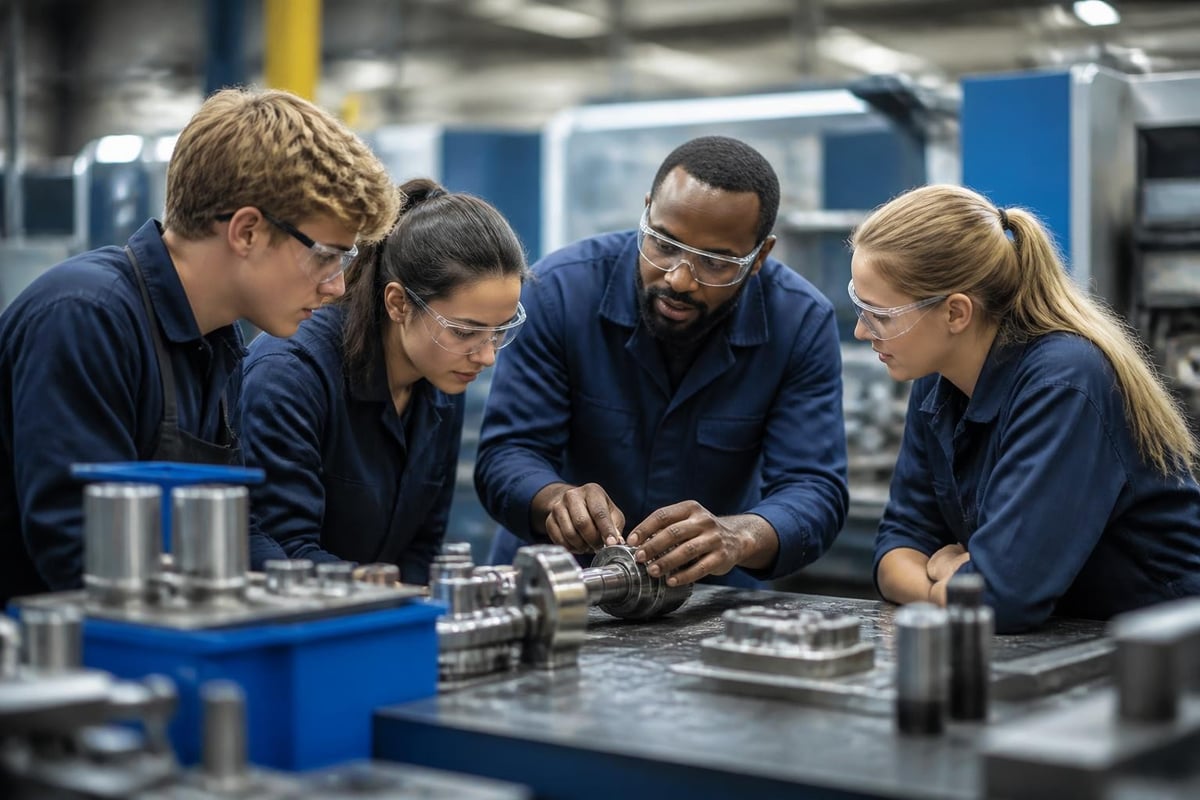
According to research on manufacturing capabilities, companies that invest in workforce development maintain higher quality standards and greater operational flexibility.
Specialized Certifications and Standards
A manufacturing company serving industrial clients must maintain relevant certifications. Welding certifications, quality management systems, and safety compliance aren't just regulatory requirements-they're competitive differentiators.
Clients in regulated industries like oil and gas require documented capabilities. Maintaining current certifications demonstrates commitment to excellence and opens doors to higher-value projects.
Serving Diverse Industrial Sectors
Manufacturing companies that serve multiple industries develop resilience against sector-specific downturns. Diversification across recycling, aggregate, oil and gas, and commercial construction creates stability.
Industry-Specific Requirements
Each sector brings unique demands that influence how a manufacturing company structures its services.
| Industry Sector | Primary Needs | Key Considerations |
|---|---|---|
| Oil & Gas | Field repairs, pressure vessels | Safety, certifications |
| Aggregate | Heavy equipment fabrication | Wear resistance, durability |
| Recycling | Custom equipment, conveyor systems | Efficiency, maintenance |
| Construction | Structural steel, custom components | Schedule, specifications |
Companies specializing in metal fabrication for various industries understand how to adapt their capabilities to different sector requirements. The machining tolerance acceptable for aggregate equipment differs from oil and gas applications.
Custom Solutions and Problem Solving
The most valuable manufacturing company doesn't just execute specifications-it partners with clients to solve problems. When a recycling facility needs a custom sorting system or an aggregate operation requires specialized wear plates, the manufacturer who can engineer solutions creates lasting relationships.
This problem-solving approach requires technical expertise across welding, fabrication, and machining. It also demands understanding of how equipment operates in real-world conditions. Field experience informs better shop solutions.
Quality Control and Process Optimization
Manufacturing excellence stems from consistent quality control processes. A manufacturing company's reputation depends on delivering projects that meet or exceed specifications every time.
Implementing Effective Quality Systems
Quality doesn't happen by accident. It results from systematic approaches to every phase of production.
Essential quality control elements:
- Material verification before work begins
- In-process inspections at critical points
- Final testing and documentation before delivery
- Client feedback systems for continuous improvement
- Non-conformance procedures when issues arise
Research on time-series pattern recognition in smart manufacturing shows how consistent quality monitoring enhances product reliability and customer satisfaction.
Continuous Improvement Culture
Manufacturing companies that embrace continuous improvement methodologies stay ahead of competitors. This doesn't require complex management systems-it starts with encouraging workers to identify better methods.
When a welder discovers a technique that improves penetration consistency, or a machinist finds a setup that reduces cycle time, capturing and sharing that knowledge benefits the entire organization. Creating systems where improvements are recognized and implemented builds organizational excellence.
Strategic Positioning for Manufacturing Growth
A manufacturing company's growth strategy should align with its core competencies while exploring adjacent opportunities. Companies with strong welding and fabrication capabilities might expand into complementary areas like pressure vessel repair.
Market Analysis and Opportunity Identification
Understanding market trends helps manufacturers position themselves strategically. WNS’s analysis of manufacturing trends identifies automation, sustainability, and supply chain resilience as defining factors for 2025 and beyond.
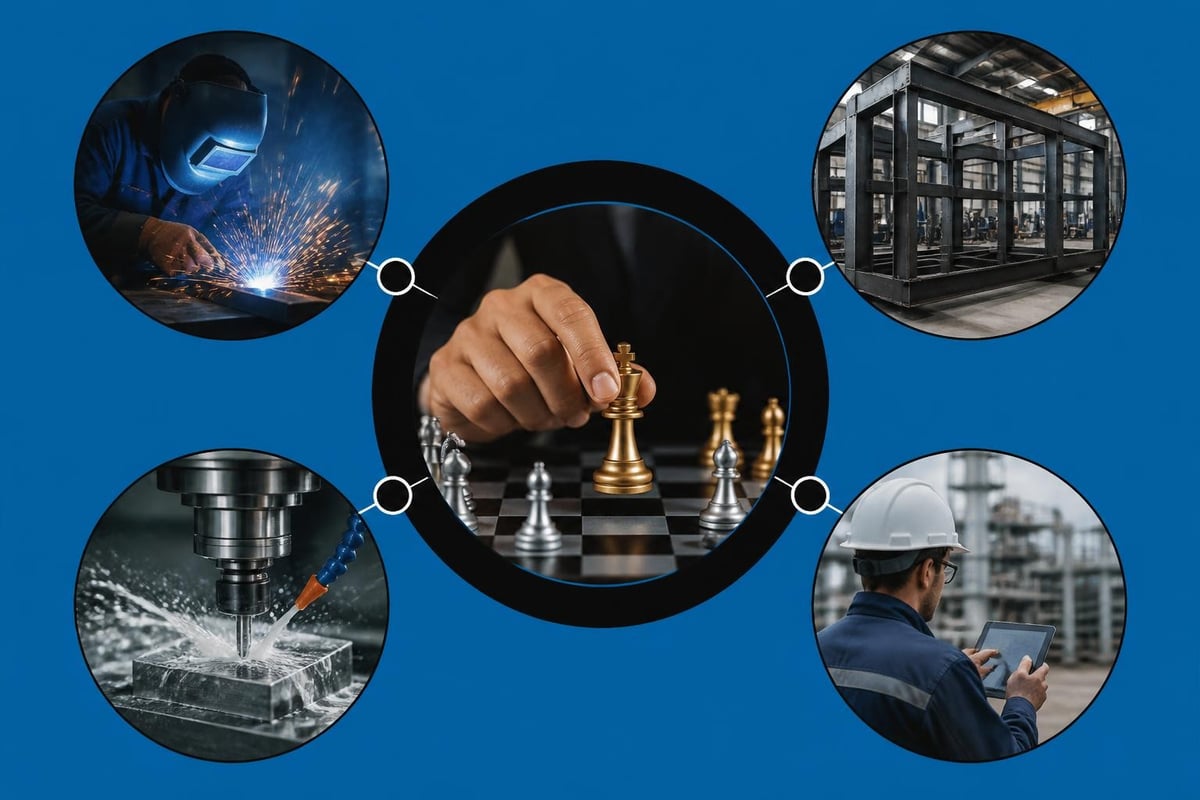
For companies serving industrial markets, these trends translate into specific opportunities. Helping clients automate material handling through custom fabrication, supporting sustainability initiatives with efficient equipment repairs, or providing field services that reduce supply chain dependencies all represent growth avenues.
Building Strategic Partnerships
No manufacturing company operates in isolation. Building relationships with complementary service providers, material suppliers, and industry organizations strengthens market position.
Strategic partnerships enable capabilities beyond internal resources. A fabrication shop might partner with specialized coating providers, engineering firms, or equipment manufacturers. These relationships allow the manufacturing company to offer comprehensive solutions while focusing on core competencies.
Financial Management and Operational Efficiency
Successful manufacturing companies balance quality service delivery with sound financial management. Understanding project costs, pricing accurately, and managing cash flow separate thriving businesses from struggling ones.
Project Costing and Pricing Strategies
Accurate estimating requires understanding true costs. Material prices, labor hours, equipment usage, and overhead all factor into profitable pricing.
Cost components to track:
- Direct materials and consumables
- Labor hours by skill level
- Equipment operation and maintenance
- Facility overhead allocation
- Administrative and sales costs
Manufacturing companies that implement job costing systems gain visibility into which project types generate the best margins. This information guides strategic decisions about which opportunities to pursue aggressively.
Cash Flow and Working Capital Management
Project-based manufacturing often involves significant material purchases before receiving payment. Managing this working capital requirement prevents cash flow problems that could limit growth.
Strategies include negotiating favorable payment terms with suppliers, requiring client deposits on large projects, and maintaining credit lines for flexibility. A manufacturing company with strong financial management can capitalize on opportunities that competitors might miss due to cash constraints.
Adapting to Industry Transformation
The manufacturing landscape continues evolving. Tacton’s survey of manufacturing trends emphasizes digital transformation and AI adoption as key differentiators.
For welding fabrication and machining operations, this doesn't mean abandoning traditional skills. Instead, it involves selectively adopting technologies that enhance capabilities. TechRadar’s guidance on AI integration suggests starting with leveraging existing data and automating repetitive tasks.
A manufacturing company might use AI-assisted design verification or predictive maintenance scheduling while still relying on skilled craftspeople for critical work. The goal is augmenting human expertise, not replacing it.
The manufacturing sector's economic impact remains substantial, with U.S. electronics manufacturing alone supporting 5.2 million jobs and contributing $1.8 trillion in output. This demonstrates the vital role manufacturing companies play in the broader economy.
Future-Proofing Operations
Preparing for future challenges requires balancing current performance with long-term investments. A manufacturing company should regularly assess equipment condition, workforce capabilities, and market positioning.
Investment priorities might include:
- Equipment upgrades that improve capability or capacity
- Training programs that develop next-generation skills
- Facility improvements that enhance safety and efficiency
- Technology implementations that streamline operations
- Marketing initiatives that strengthen market presence
The most resilient manufacturing companies maintain flexibility to adapt as conditions change while staying true to core values of quality, reliability, and client service.
Manufacturing companies in 2026 succeed by combining traditional craftsmanship with strategic technology adoption, serving diverse industrial sectors, and maintaining unwavering commitment to quality. Whether you need precision machining, custom welding fabrication, or comprehensive field services for your commercial or industrial operations, partnering with experienced professionals makes the difference. LTJ Industrial Services delivers the expertise, quality, and reliability that businesses throughout the Western United States depend on for their critical projects.