
Machining cutting is evolving at a remarkable pace, reshaping modern manufacturing with every passing year. Staying ahead demands not just awareness but hands-on expertise and smart strategies. This guide brings you expert insights to help you master machining cutting in 2026, with a focus on the latest industry trends, proven cutting techniques, smart tool selection, process optimization, and emerging technologies.
Discover how advancements are opening new opportunities, learn how to achieve greater efficiency, and unlock strategies that drive quality. Explore this comprehensive resource and take the next step toward machining excellence.
The State of Machining Cutting in 2026
The world of machining cutting is experiencing a pivotal transformation as we enter 2026. Manufacturers are adopting new technologies and strategies to stay competitive, meet rising quality standards, and address global challenges. Let us explore the most important trends, innovations, and data shaping the current landscape.
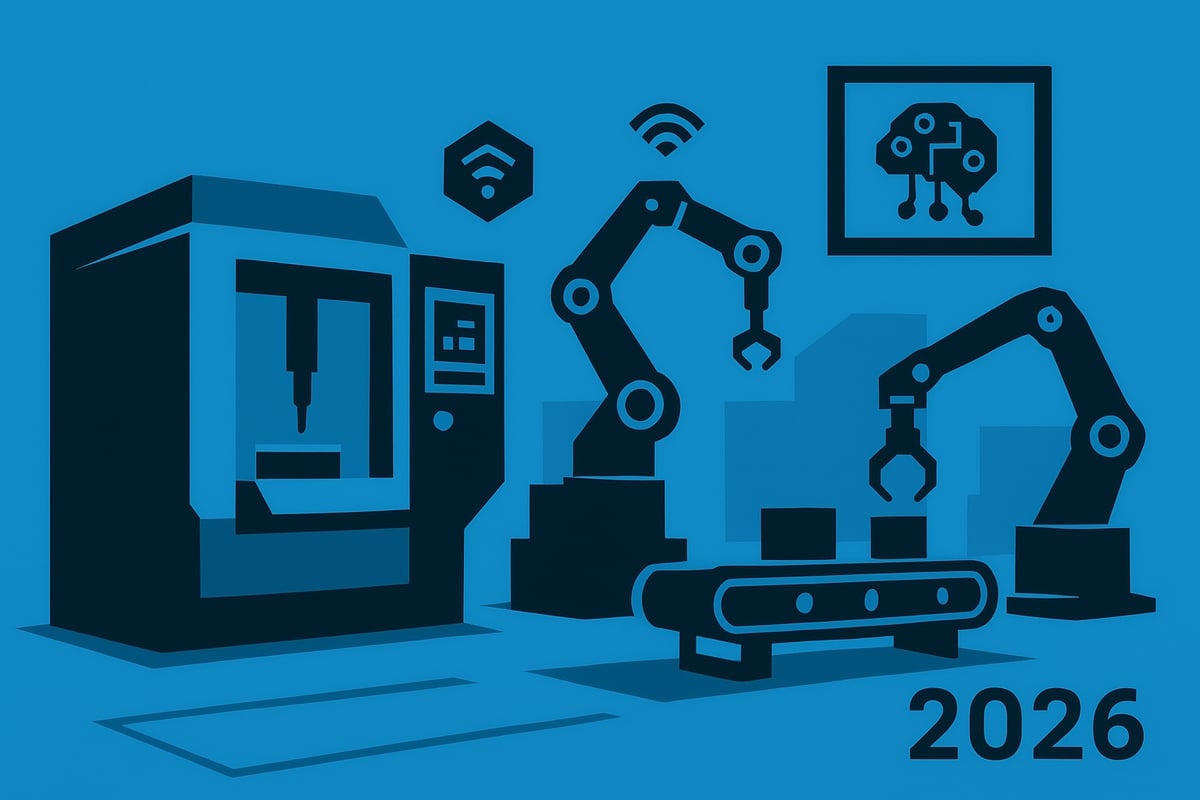
Key Industry Trends and Innovations
Machining cutting in 2026 is defined by rapid innovation and a strong push toward smarter, more sustainable operations. Here are the most significant trends:
- Automation and Smart Manufacturing: Automated systems, including CNC machines and robotic arms, have become standard, increasing consistency and throughput.
- AI and IoT Integration: Artificial intelligence and the Internet of Things enable real-time process monitoring, predictive maintenance, and data-driven decisions, which boost productivity and reduce downtime.
- Sustainability Initiatives: Manufacturers are adopting eco-friendly coolants and energy-efficient machines to reduce environmental impact.
- Advanced Materials: The use of composites, titanium alloys, and other high-performance materials is driving changes in machining cutting strategies, requiring new tool technologies and cutting parameters.
- High-Precision and Micro-Machining: Demand for smaller, more complex parts, especially in electronics and aerospace, is accelerating the adoption of advanced high-precision methods.
- Industry 4.0 Technologies: Shop floors now feature interconnected systems that automate data collection and process control, streamlining operations.
According to a 2025 industry survey, 60 percent of manufacturers have invested in digital machining solutions, highlighting the shift toward smarter production environments. For a deep dive into these developments, see the 2026 Precision Machining Trends for insights on automation and smart manufacturing.
These innovations are not only transforming efficiency but are also reshaping the competitive landscape for businesses relying on machining cutting.
Market Data and Industry Perspectives
The global market for machining cutting is projected to grow steadily through 2026, driven by rising demand in aerospace, automotive, electronics, and medical device manufacturing. Current estimates suggest a compound annual growth rate (CAGR) of 5 percent, with Asia-Pacific leading in market expansion, followed by North America and Europe.
| Region | Growth Projection (2026) | Key Drivers |
|---|---|---|
| Asia-Pacific | 6% CAGR | Electronics, automotive, investment |
| North America | 4.5% CAGR | Aerospace, innovation, reshoring |
| Europe | 4% CAGR | Sustainability, high-precision |
Manufacturers face several challenges, including labor shortages, supply chain disruptions, and the need to upskill the workforce for advanced machining cutting technologies. Companies are responding by investing in training, automation, and resilient sourcing.
Industry experts highlight the importance of adaptability and innovation. As one machining cutting specialist notes, "Success in 2026 will depend on your ability to integrate digital technologies, embrace sustainability, and respond quickly to market changes."
Overall, the state of machining cutting in 2026 is characterized by technological advancement, regional growth, and a relentless pursuit of quality and efficiency. Businesses that strategically invest in these areas will be well-positioned to thrive.
Essential Machining Cutting Techniques and Methods
Machining cutting techniques have evolved rapidly, transforming how manufacturers shape metals, composites, and advanced alloys. Understanding the differences between traditional and modern approaches is essential for choosing the right method and achieving optimal results. Let’s explore core machining cutting methods, walk through the key process steps, and review a real-world case study highlighting the impact of these technologies.
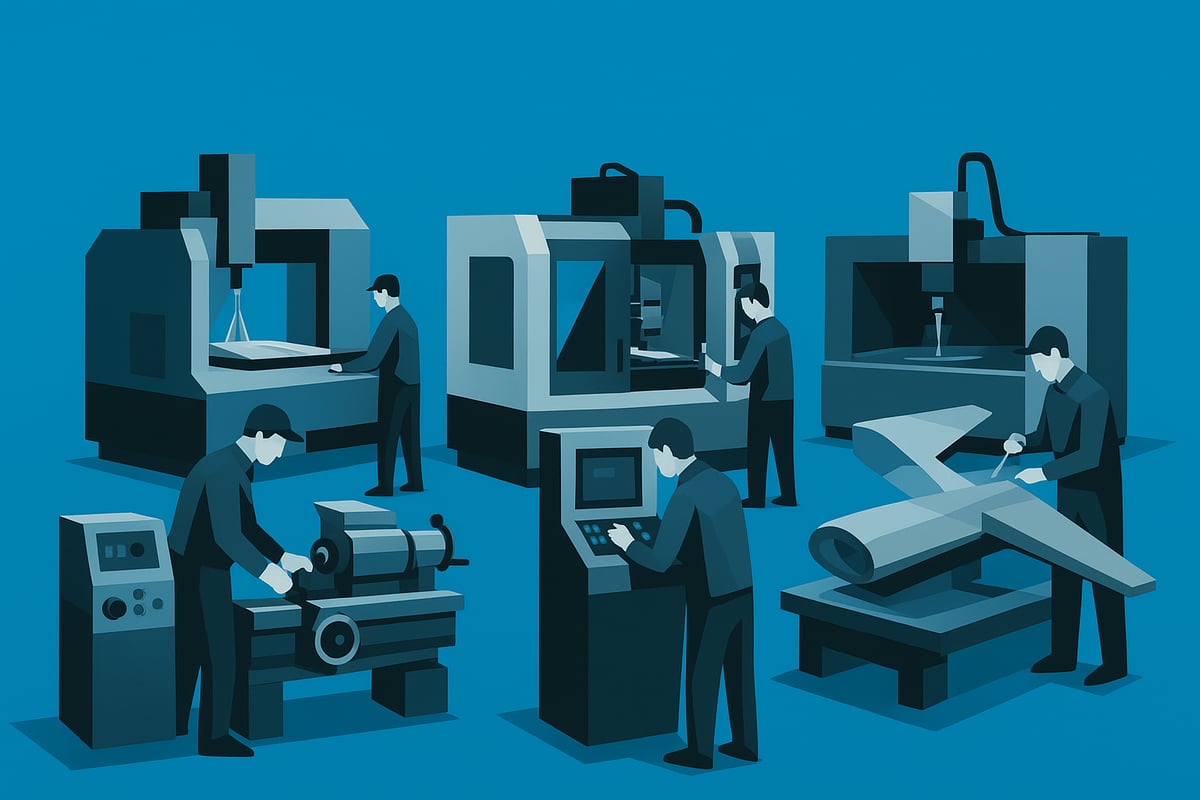
Traditional vs. Modern Cutting Methods
Machining cutting has long relied on foundational methods such as turning, milling, drilling, and grinding. These approaches use mechanical force and sharp tools to remove material and shape components. While reliable, traditional methods can be limited in terms of speed, precision, and flexibility.
Modern machining cutting techniques have expanded the possibilities for manufacturers. CNC machining, waterjet cutting, laser cutting, and electrical discharge machining (EDM) now enable intricate geometries, tight tolerances, and automated production. These advanced methods often deliver higher repeatability, reduce manual intervention, and support faster changeovers.
| Method | Typical Use | Pros | Cons |
|---|---|---|---|
| Turning | Cylindrical parts | Simple, cost-effective | Limited to round shapes |
| Milling | Flat, contoured surfaces | Versatile, precise | Slower for complex parts |
| CNC Machining | Complex shapes, small/large batches | High precision, automated | Higher initial investment |
| Waterjet Cutting | Heat-sensitive materials, composites | No heat-affected zone | Slower for thick metals |
| Laser Cutting | Thin metals, intricate designs | Fast, clean edges | Limited to certain materials |
| EDM | Hard-to-machine metals | Excellent for hard alloys | Slower process, wear on tools |
When selecting a machining cutting method, consider the material, required accuracy, batch size, and production speed. For a deeper dive into specialized cutting solutions and capabilities, explore the Expert Cutting Services Overview for practical insights.
Step-by-Step Guide to Core Machining Cutting Processes
A successful machining cutting workflow requires careful planning and precise execution. Each phase builds upon the previous step, ensuring quality and efficiency throughout production.
-
Material Selection and Preparation
Identify the optimal material for your part, taking into account mechanical properties and machinability. Cut stock to size and inspect for surface defects. -
Machine Setup and Calibration
Configure the selected machine, ensuring all axes, spindles, and fixtures are aligned. Proper calibration minimizes errors during machining cutting. -
Tool Selection and Installation
Choose cutting tools based on material, geometry, and tolerance needs. Install and secure tools to prevent vibration or misalignment during operation. -
Programming and Parameter Optimization
For CNC and automated systems, generate and verify the machining program. Adjust speeds, feeds, and depth of cut to balance productivity and tool life. -
Execution and Real-Time Monitoring
Initiate the machining cutting process, monitoring tool wear, chip formation, and coolant flow. Use IoT sensors or visual checks to catch issues early. -
Quality Inspection and Finishing
Measure part dimensions, surface finish, and tolerances. Apply deburring, polishing, or additional treatments as required before final approval.
Following these steps reduces the risk of rework, improves consistency, and ensures your machining cutting operations deliver high-quality results.
Case Study: High-Precision Aerospace Component Machining
Aerospace manufacturers increasingly depend on advanced machining cutting to meet tight tolerances and demanding material requirements. In a recent project, a multi-axis CNC system was deployed to produce titanium brackets for jet engines.
The process began with the careful selection of aerospace-grade titanium, followed by detailed machine setup and calibration. Using precision tooling and optimized CNC programming, the team achieved tolerances within ±0.005 mm, surpassing industry benchmarks.
Cycle times were reduced by 18% compared to previous setups, thanks to real-time monitoring and parameter adjustments during machining cutting. The finished parts passed rigorous inspection, demonstrating superior surface quality and dimensional stability.
This case highlights how modern machining cutting methods, combined with disciplined workflows, enable manufacturers to tackle complex projects with speed and confidence.
Selecting the Right Cutting Tools and Materials
Choosing the right tools and materials is foundational to success in machining cutting. As materials and technologies evolve, so do the demands placed on cutting tools. Selecting optimal combinations ensures efficient operations, longer tool life, and superior finished parts.
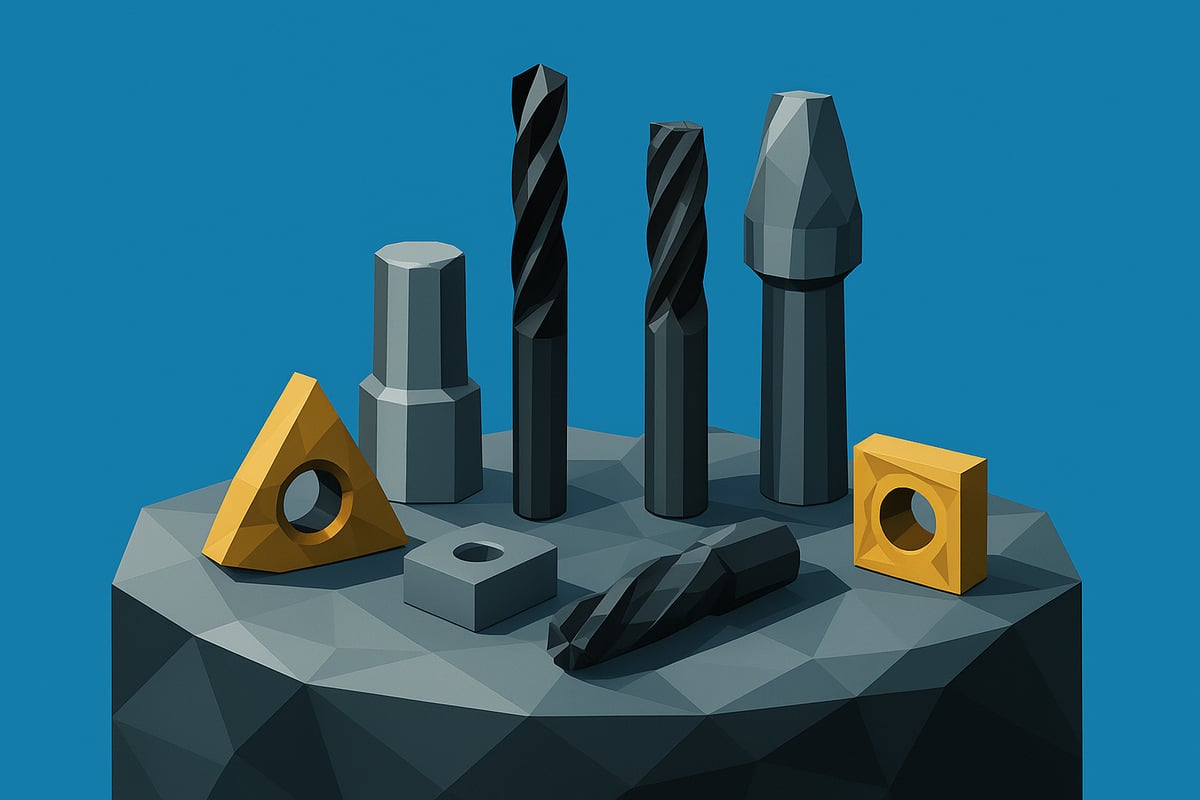
Tool Material Types and Coatings
The choice of tool material is a critical factor in machining cutting. Each material offers unique properties suited to specific applications.
- Carbide: Delivers high hardness and wear resistance, ideal for high-speed machining cutting of tough metals.
- High-Speed Steel (HSS): Offers toughness and cost-effectiveness, suitable for general machining cutting of softer materials.
- Ceramic: Excels in high-temperature environments, perfect for machining cutting of hard alloys.
- Polycrystalline Diamond (PCD): Provides superior abrasion resistance for non-ferrous metals and composites.
- Cubic Boron Nitride (CBN): Optimal for machining cutting of hardened steels.
Coatings further enhance tool performance. Titanium Nitride (TiN) increases hardness, while Titanium Aluminum Nitride (TiAlN) improves oxidation resistance. Diamond-Like Carbon (DLC) coatings reduce friction, extending tool life in demanding machining cutting operations.
Matching the right combination of material and coating to your application can significantly impact productivity and part quality.
Matching Tools to Application
Selecting the right cutting tool requires careful consideration of several factors:
- Workpiece material hardness
- Desired surface finish
- Tool geometry and size
- Required cutting speed and feed rate
A practical approach is to use a tool selection matrix, as shown below:
| Workpiece | Recommended Tool Material | Best Coating |
|---|---|---|
| Stainless Steel | Carbide, CBN | TiAlN |
| Aluminum | Carbide, HSS | DLC |
| Titanium Alloy | Ceramic, Carbide | TiAlN |
| Composites | PCD | DLC |
For example, machining cutting of stainless steel benefits from carbide tools with TiAlN coating, while aluminum is best paired with carbide or HSS tools with a DLC coating.
Manufacturers seeking comprehensive machining solutions can explore Machining and Manufacturing Services to ensure proper tool and process selection for their unique needs.
Tool Wear, Maintenance, and Replacement
Monitoring tool wear is vital to maintain consistent machining cutting results. Common signs include increased surface roughness, dimensional inaccuracies, and visible tool edge degradation.
To prolong tool life:
- Inspect tools regularly for wear and chipping.
- Use proper coolants and lubricants during machining cutting.
- Follow manufacturer guidelines for re-sharpening and replacement intervals.
Industry data shows that proactive maintenance can extend tool life by up to 40 percent. Establishing a routine for inspection and timely replacement helps minimize downtime and ensures that every machining cutting process delivers optimal results.
Optimizing Machining Cutting Processes for Efficiency and Quality
Optimizing machining cutting processes is essential for manufacturers aiming to enhance productivity, part quality, and cost efficiency. With rapid advancements in technology, even minor improvements in process parameters or material handling can deliver significant gains. Let’s explore how to fine tune your approach for superior results in machining cutting.
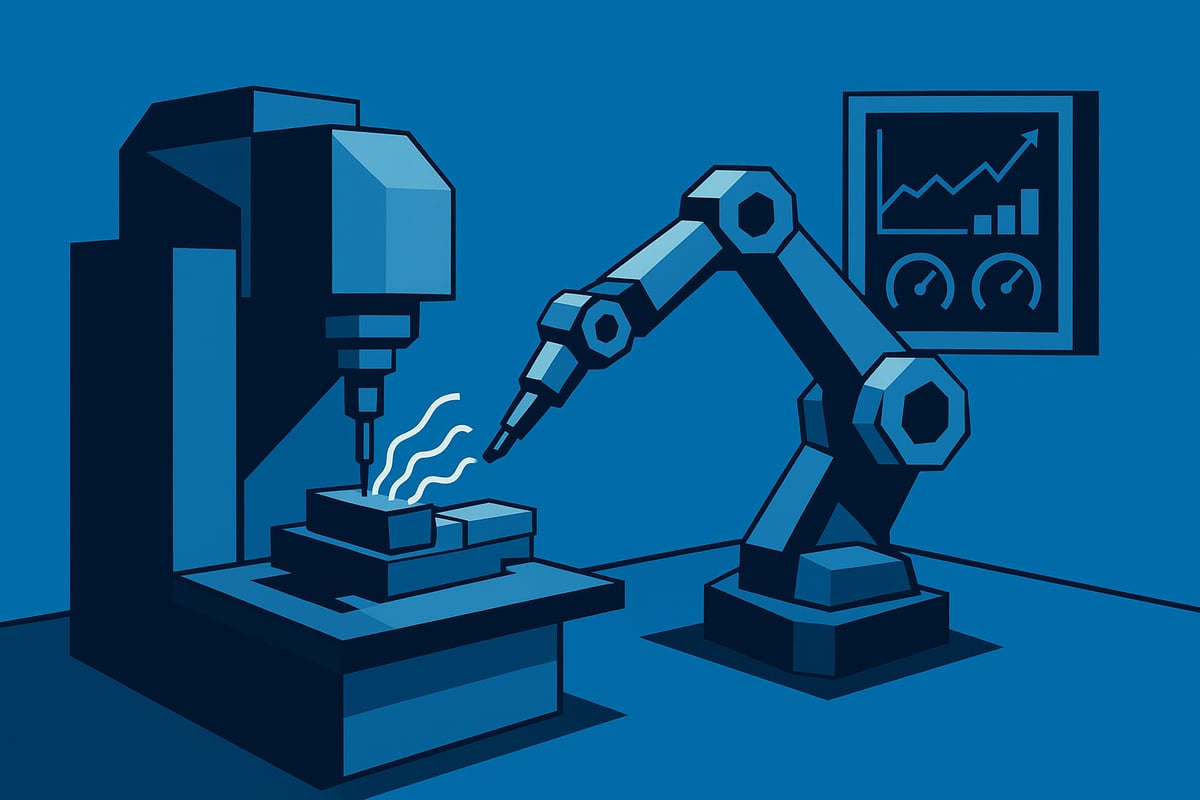
Process Parameter Optimization
The foundation of efficient machining cutting lies in the precise control of process parameters. Speed, feed rate, and depth of cut directly influence both productivity and the quality of finished components. Modern CNC machines now come equipped with advanced software and sensors, enabling real time monitoring and adjustments during operation.
Setting the right parameters is not just about following manufacturer recommendations. It involves data driven experimentation and continuous improvement. For example, increasing spindle speed may enhance surface finish, but only if paired with the correct feed rate and coolant strategy. Using digital twins or simulation software, operators can model the effects of parameter changes before applying them on the shop floor.
Here’s a simplified table highlighting the impact of parameter optimization:
| Parameter | Benefit | Risk if Incorrect |
|---|---|---|
| Speed | Higher productivity | Tool wear, poor finish |
| Feed rate | Faster cycles | Chatter, breakage |
| Depth of cut | Reduced passes | Excess heat, deflection |
Real time analytics help identify the sweet spot for each material and tool pairing. For those interested in the latest advancements, see Cutting Technology Trends 2026 for insights into smart machines and non mechanical cutting methods shaping machining cutting today.
Coolants, Lubricants, and Chip Management
Thermal control and chip evacuation are critical for stable machining cutting operations. The choice of coolant and lubricant can have a dramatic effect on tool life, surface finish, and environmental impact. Common coolant types include:
- Water based fluids (excellent heat dissipation)
- Oil based coolants (superior lubrication)
- Synthetic coolants (cleaner, longer lasting)
Selecting the right formulation depends on the material, operation, and tool. Lubrication strategies, such as minimum quantity lubrication (MQL), target specific points of heat generation, reducing waste and improving sustainability.
Effective chip management is equally vital for machining cutting. Chip conveyors, vacuum systems, and high pressure coolant nozzles help remove debris quickly, preventing tool damage and ensuring a clean cut. Poor chip evacuation can lead to tool breakage or dimensional inaccuracies.
A well maintained chip management system also promotes workplace safety and reduces downtime. Always monitor chip color and shape as indicators of process health.
Quality Control and Inspection
Quality assurance is the final checkpoint for any machining cutting process. In process measurement tools, including touch probes, lasers, and vision systems, allow for immediate detection of deviations. Regular inspection ensures every part meets tolerance requirements.
Statistical Process Control (SPC) and Six Sigma methodologies are increasingly adopted to monitor and refine machining cutting workflows. Automated inspection systems can reduce human error and speed up feedback loops. For instance, integrating a vision system can lower scrap rates by catching defects early.
Operators should document quality data and use it for continuous improvement. This approach not only boosts part consistency but also helps in meeting industry certifications and customer expectations.
Future Technologies Shaping Machining Cutting
The landscape of machining cutting is rapidly evolving, driven by a wave of digital transformation and technological breakthroughs. Manufacturers are embracing future-ready solutions to increase productivity, precision, and sustainability.
Digital Twins and Simulation
Digital twins are revolutionizing machining cutting by providing a virtual replica of machines and processes. This technology enables engineers to simulate tool paths, optimize parameters, and predict system behavior before making physical changes.
By using digital twins, manufacturers can identify bottlenecks, reduce trial-and-error, and lower costs. Predictive analytics further enhance maintenance planning, helping prevent unexpected downtime in machining cutting environments. The result is a smarter, more agile production process.
Robotics and Collaborative Automation
Robotics and collaborative automation are reshaping the shop floor. Collaborative robots, or cobots, work alongside humans, automating repetitive machining cutting tasks such as part loading and machine tending.
This integration improves safety, reduces manual labor, and boosts throughput. According to Top Machining Industry Trends 2025, automation investments are accelerating, especially as manufacturers seek to fill labor gaps and maintain high quality in machining cutting operations.
Additive Manufacturing and Hybrid Machining
Additive manufacturing is merging with traditional subtractive processes, creating hybrid machining cutting systems. These machines print complex geometries layer by layer, then finish parts using precision milling or turning.
Hybrid machining cutting reduces lead times by up to 30 percent and enables the creation of parts previously impossible to manufacture. This synergy between additive and subtractive methods is unlocking new design potential and driving innovation across industries.
Advanced Materials and Cutting Challenges
The rise of advanced materials, such as composites and superalloys, is pushing the boundaries of machining cutting. These materials offer superior strength and heat resistance, but they also present significant challenges in tool wear and process stability.
To address these issues, new tool materials and coatings are developed specifically for 2026. For an in-depth look at how these trends are influencing strategies, visit Advanced Materials Machining 2026. Staying ahead in machining cutting requires adapting to these evolving material requirements.
Sustainability and Green Manufacturing
Sustainability is now central to machining cutting strategies. Energy-efficient machines, recycling of coolants, and eco-friendly lubricants are becoming industry standards.
Manufacturers are also implementing closed-loop systems to minimize waste and conserve resources. These initiatives not only reduce environmental impact but also lower operating costs, making green machining cutting both responsible and economically viable.
Expert Tips, Best Practices, and Common Mistakes to Avoid
The journey to mastering machining cutting is paved with both innovation and practical expertise. Whether you are refining shop-floor routines or adopting the latest technology, following industry best practices is essential. Below, we present actionable advice, highlight common errors, and share strategies for continuous improvement.
Pro Tips from Industry Leaders
Staying ahead in machining cutting means adopting the methods used by top performers. According to experts, maximizing tool life and minimizing downtime starts with a focus on the basics.
- Tool Maintenance: Regular inspection and timely replacement of cutting tools prevent quality issues. Use predictive maintenance tools for early detection of wear.
- Process Standardization: Document and standardize machining cutting procedures to reduce errors, especially when training new operators.
- Tight Tolerances: Achieving high-precision results requires fine-tuning machine calibration and regularly checking measuring equipment.
- Operator Training: Ongoing education is vital. Certified operators are more adept at handling advanced machinery and troubleshooting real-time challenges.
A well-organized approach to machining cutting improves part quality and throughput. For example, using a tool wear log and scheduled calibration reduces unexpected stoppages. These methods are crucial for maintaining a competitive edge.
| Tip | Impact on Machining Cutting |
|---|---|
| Scheduled Tool Checks | Extends tool life, ensures consistent part quality |
| Process Documentation | Reduces errors, improves knowledge transfer |
| Operator Certification | Increases efficiency, lowers defect rates |
Continuous learning and process refinement are hallmarks of world-class machining cutting operations.
Common Pitfalls and How to Prevent Them
Even experienced teams encounter challenges in machining cutting. Recognizing and addressing frequent pitfalls is key to maintaining efficiency and quality.
- Improper Tool Setup: Failing to secure tools or align them correctly can lead to chatter, tool breakage, or dimensional inaccuracies.
- Incorrect Programming: Errors in G-code or parameter selection often result in surface defects or scrap parts.
- Material Handling Mistakes: Mishandling raw materials can introduce contaminants or cause warping, affecting final outcomes.
Troubleshooting these issues involves a systematic approach. For instance, if excessive vibration occurs, verify tool clamping, check spindle alignment, and review program parameters. Implementing root cause analysis after defects arise helps prevent recurrence.
A manufacturer featured in the Case Studies in Industrial Machining page reduced defects by 25 percent after a thorough process review. By updating their machining cutting protocols and investing in operator training, they improved both product quality and operational efficiency.
Common mistakes are summarized below:
| Pitfall | Prevention Strategy |
|---|---|
| Tool Misalignment | Use dial indicators, double-check setup |
| Incorrect Speeds/Feeds | Reference material charts, use simulations |
| Neglected Tool Wear | Schedule inspections, track tool usage |
| Inadequate Quality Checks | Implement in-process measurement |
Addressing these pitfalls early can transform machining cutting performance across the production line.
Continuous Improvement and Lean Machining
Adopting a continuous improvement mindset is essential for advancing machining cutting operations. Lean principles such as Kaizen encourage teams to identify and eliminate waste at every stage.
- Kaizen Events: Regularly scheduled improvement sessions engage teams in problem-solving and innovation.
- Data-Driven Decisions: Collect and analyze machining cutting data to identify trends, bottlenecks, or quality gaps.
- Standard Work: Document best practices, update them as processes evolve, and train staff accordingly.
A recent survey found that companies implementing lean machining strategies saw up to a 20 percent reduction in production costs and significant gains in output quality. Small, incremental changes often yield lasting results.
For a broader perspective on integrating lean practices and staying ahead of industry trends, consult resources like Fabrication and Machining Insights, which offers expert guidance for optimizing fabrication and machining cutting workflows.
By embedding continuous improvement into daily routines, teams can unlock new efficiencies and maintain high standards in machining cutting.
As you look ahead to mastering machining cutting in 2026, it’s clear that staying ahead means embracing innovation, efficiency, and precision. At LTJ Industrial Services, we understand how vital it is for your business to have reliable partners who bring expert knowledge and advanced technology to every project. Whether you need custom fabrication, on-site machining, or support optimizing your processes, our team is here to help you move forward with confidence. If you’re ready to elevate your operations and achieve measurable results, let’s connect—Request a Quote today.