The industrial manufacturing landscape depends heavily on specialized facilities that combine precision machining with expert welding capabilities. A professional machine and welding shop serves as the backbone for companies across oil and gas, aggregate, recycling, and commercial manufacturing sectors throughout the Western United States. These facilities deliver critical services ranging from custom metal fabrication to hydraulic repairs, ensuring that industrial operations maintain peak efficiency and minimize costly downtime.
Understanding Machine and Welding Shop Capabilities
A modern machine and welding shop integrates multiple disciplines under one roof, creating comprehensive solutions for industrial clients. These facilities combine traditional metalworking expertise with advanced technologies to address complex manufacturing challenges.
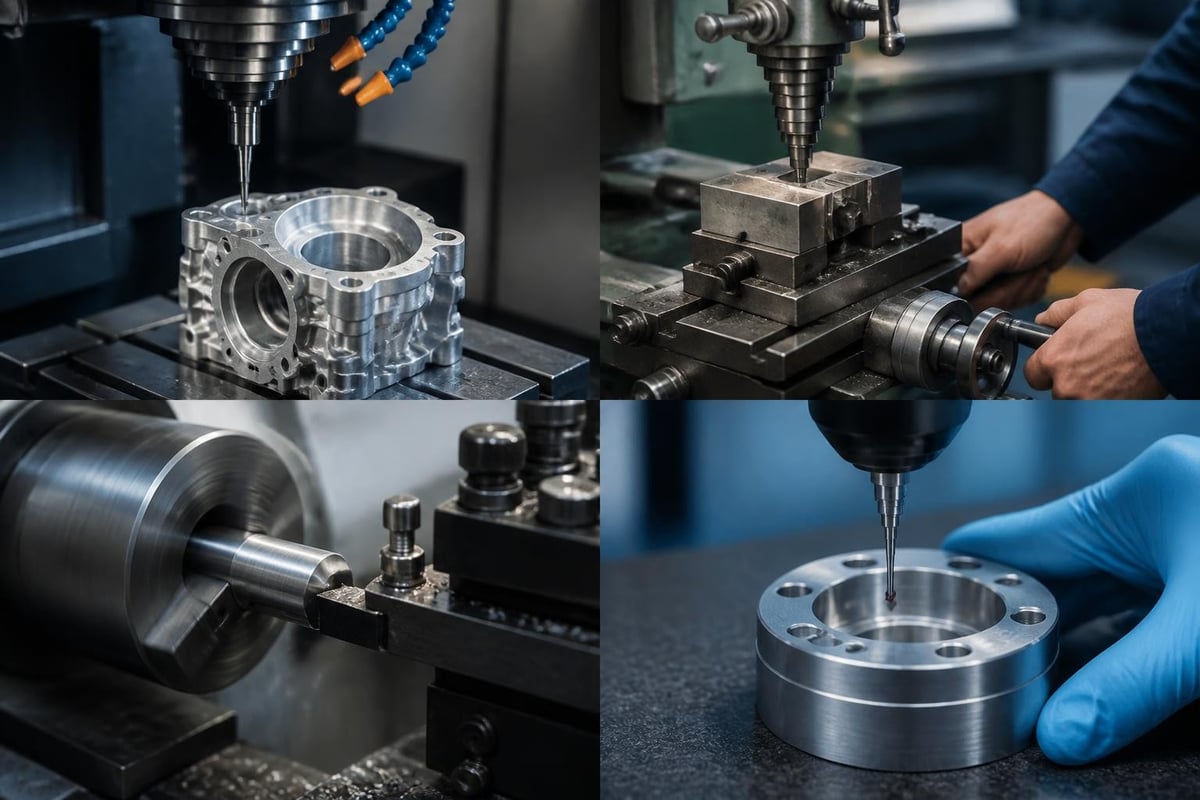
Core Machining Services
Machine shops provide precision cutting, drilling, milling, and turning operations that transform raw materials into exact specifications. CNC (Computer Numerical Control) equipment allows for repeatable accuracy within thousandths of an inch, critical for components in demanding applications.
Key machining capabilities include:
- Custom part fabrication from engineering drawings
- Shaft repair and modification
- Bearing housing machining
- Precision drilling and boring operations
- Surface grinding and finishing
The integration of traditional manual machinery with computer-controlled equipment enables shops to handle both high-volume production runs and one-off custom projects. This flexibility proves invaluable for industries requiring emergency repairs or specialized components unavailable through standard suppliers.
Welding and Fabrication Expertise
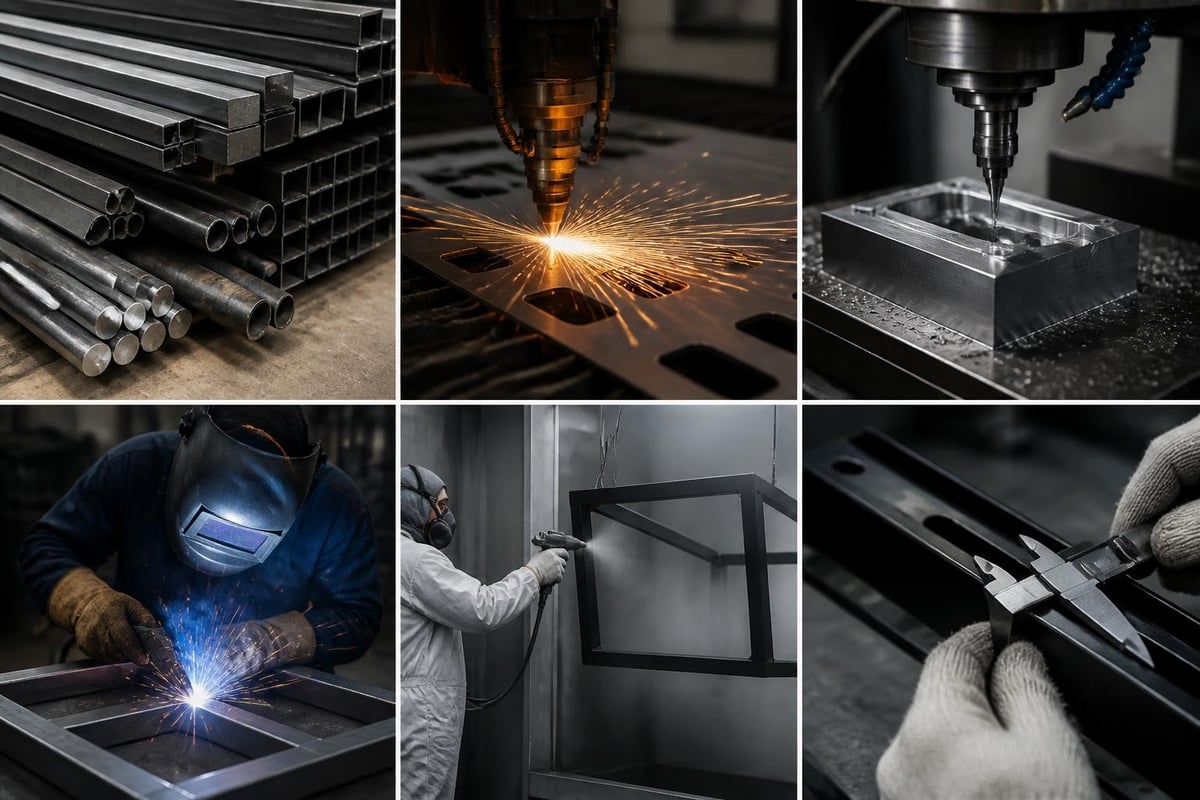
Welding services form the complementary foundation of a complete machine and welding shop. Professional welders master multiple processes including MIG, TIG, stick, and flux-core welding, selecting appropriate techniques based on material types, thickness, and application requirements.
Metal fabrication extends beyond simple welding to encompass complete structural design and assembly. Shops capable of managing projects from concept through installation deliver significant value by reducing coordination complexity and timeline delays.
| Welding Process | Best Applications | Material Compatibility |
|---|---|---|
| MIG (GMAW) | High-volume production, thicker materials | Carbon steel, stainless steel, aluminum |
| TIG (GTAW) | Precision work, thin materials | All metals including exotic alloys |
| Stick (SMAW) | Field repairs, outdoor applications | Carbon steel, cast iron |
| Flux-Core | Heavy fabrication, windy conditions | Carbon steel, low-alloy steel |
Safety Standards and Regulatory Compliance
Operating a compliant machine and welding shop requires adherence to strict safety protocols established by federal and state agencies. Understanding OSHA machine shop regulations and safety standards ensures both worker protection and legal compliance.
Machine Shop Safety Requirements
Machine shops must implement comprehensive safety programs addressing equipment guarding, lockout/tagout procedures, and personal protective equipment. According to machine shop safety protocols, facilities should maintain controlled access, proper ventilation, and clear emergency procedures.
Essential safety elements include:
- Machine guarding on all rotating equipment
- Regular equipment inspection and maintenance
- Operator training and certification programs
- Emergency stop systems and clear egress paths
- Proper material handling and storage procedures
- Eye wash stations and first aid accessibility
Welding Safety and Fire Prevention
Welding operations introduce unique hazards requiring specialized controls. The 29 CFR 1910.252 welding requirements mandate fire prevention measures, adequate ventilation, and proper fume extraction systems.
Professional machine and welding shop operators must assess confined space conditions, verify material composition to avoid toxic fume generation, and maintain appropriate fire watch protocols. Combustible material clearance, hot work permits, and arc flash protection become standard operating procedures in facilities prioritizing safety excellence.
Equipment and Technology Integration
Modern facilities combine traditional metalworking equipment with advanced technologies to expand capabilities and improve precision. A well-equipped machine and welding shop maintains diverse machinery to handle varied project requirements.
Essential Shop Equipment
Machining Equipment:
- CNC mills and lathes for precision work
- Manual mills and engine lathes for custom operations
- Surface grinders and drill presses
- Horizontal and vertical band saws
- Press brakes for metal forming
Welding and Fabrication Tools:
- Multiple welding stations with various processes
- Plasma and oxy-fuel cutting tables
- Material handling equipment (cranes, forklifts)
- Inspection and measurement instruments
- Grinding and finishing stations
Quality Control and Inspection
Quality assurance separates professional operations from basic fabrication shops. Precision measurement equipment, non-destructive testing capabilities, and documented inspection procedures ensure components meet exact specifications.
| Inspection Method | Application | Accuracy Level |
|---|---|---|
| Calipers and Micrometers | Dimensional verification | ±0.001" |
| CMM (Coordinate Measuring Machine) | Complex geometry | ±0.0001" |
| Dye Penetrant Testing | Surface crack detection | Micro-crack identification |
| Ultrasonic Testing | Internal defect detection | Subsurface flaw identification |
Industry Applications and Custom Solutions
The versatility of a comprehensive machine and welding shop enables service across multiple industrial sectors. Each industry presents unique challenges requiring specialized knowledge and adaptive problem-solving.
Oil and Gas Sector Services
Oil and gas operations demand components capable of withstanding extreme pressures, temperatures, and corrosive environments. Machine shops serving this sector fabricate wellhead components, valve assemblies, and specialized drilling equipment while maintaining strict material certifications and traceability.
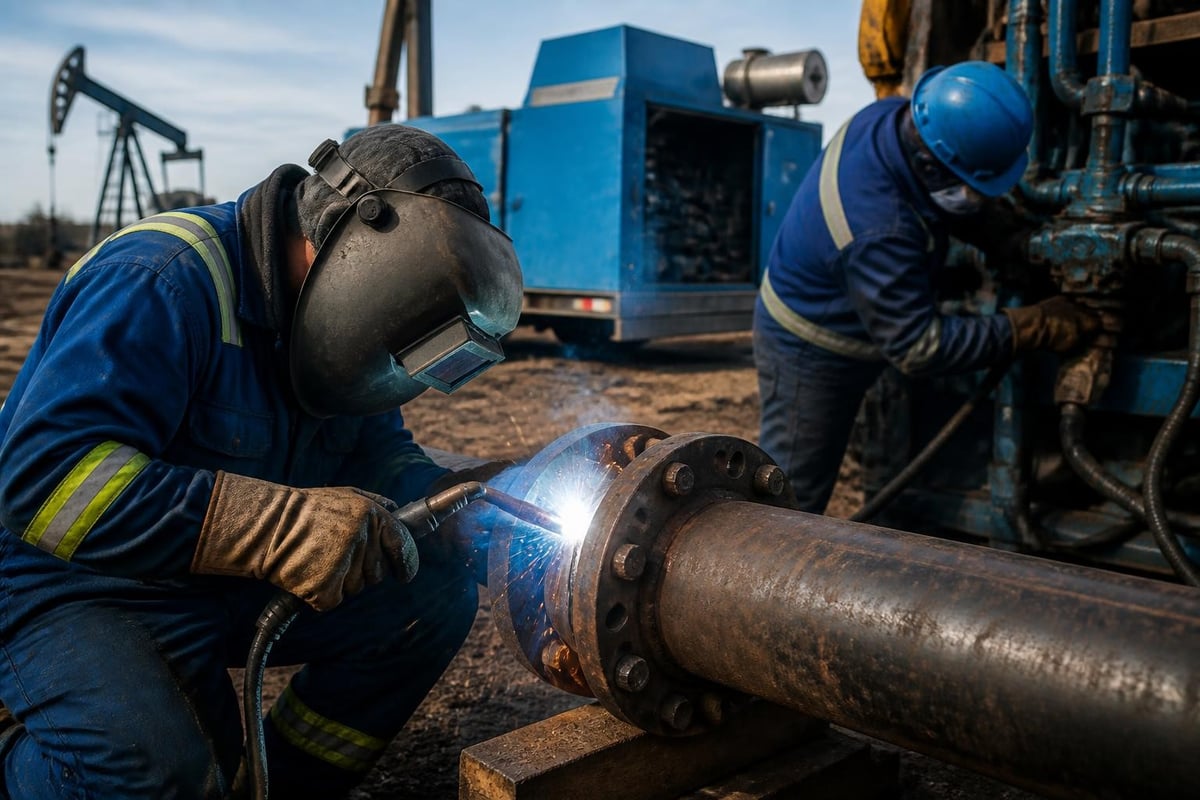
Field welding services complement shop capabilities, allowing technicians to perform on-site repairs that minimize production interruptions. Mobile welding equipment and experienced craftsmen travel to remote locations, delivering quality repairs without requiring equipment transportation.
Aggregate and Recycling Equipment Support
Crushing, screening, and material handling equipment operates in harsh, abrasive conditions requiring frequent repairs and component replacement. A responsive machine and welding shop becomes an essential partner for aggregate and recycling facilities, providing rapid turnaround on wear parts and emergency repairs.
Common services include:
- Crusher jaw and cone liner fabrication
- Conveyor component repair and modification
- Screen deck rebuilding
- Gearbox and bearing housing machining
- Structural steel repairs and reinforcement
Manufacturing and Production Support
Commercial manufacturing facilities rely on machine shops for tooling, fixtures, and production equipment maintenance. Custom jigs, gauges, and specialized tools enable efficient production processes while reducing setup time and improving consistency.
Preventive maintenance partnerships between manufacturing plants and machine and welding shop providers reduce unexpected breakdowns. Scheduled inspections, wear part replacement, and component rebuilding extend equipment life while optimizing production schedules.
Field Services and Mobile Capabilities
The distinction between shop-only facilities and full-service providers often centers on field capabilities. Machine and welding shops offering mobile services deliver significant value by bringing expertise directly to client sites.
On-Site Welding and Repairs
Field welding technicians equipped with portable equipment perform structural repairs, pipeline modifications, and equipment installations without facility shutdown requirements. This capability proves particularly valuable for large equipment that cannot be economically transported or for emergency situations requiring immediate response.
Mobile machining services utilize portable boring, milling, and grinding equipment to restore damaged components in place. Bearing journals, sealing surfaces, and mounting faces can be machined to specification without disassembly, reducing repair costs and downtime.
Hydraulic System Services
Hydraulic systems power critical functions across industrial equipment. Comprehensive machine and welding shop operations include hydraulic cylinder repair, hose assembly, and system troubleshooting. Technicians diagnose leaks, replace seals, and restore cylinder rods through precision machining and hard chrome plating.
Hydraulic service capabilities:
- Cylinder disassembly and inspection
- Rod straightening and surface preparation
- Seal replacement and pressure testing
- Custom hose fabrication and installation
- System pressure optimization
Project Management and Customer Collaboration
Successful machine and welding shop operations extend beyond technical capabilities to encompass project management, communication, and customer service excellence. Professional facilities function as partners rather than vendors, contributing expertise to project planning and execution.
Engineering Support and Design Collaboration
Experienced shops provide design assistance, helping clients optimize components for manufacturability while maintaining functional requirements. This collaboration identifies potential fabrication challenges early, reducing revision cycles and accelerating project completion. The resources available through comprehensive service portfolios demonstrate the breadth of capabilities professional facilities offer.
Value engineering reviews examine material selection, fabrication methods, and assembly sequences to reduce costs without compromising quality. A machine and welding shop familiar with industry standards and best practices contributes insights that improve final product performance.
Quality Documentation and Certifications
Industrial clients increasingly require documented quality systems and material certifications. Professional shops maintain welding procedure specifications (WPS), welder qualifications, and material test reports supporting traceability requirements.
ISO 9001 certification, AWS (American Welding Society) accreditation, and ASME code compliance demonstrate commitment to quality management systems. These certifications provide assurance that processes remain consistent and products meet industry standards.
Material Selection and Supply Chain Management
Understanding material properties and maintaining diverse inventory enables responsive service delivery. A knowledgeable machine and welding shop guides material selection based on application requirements, environmental conditions, and budget constraints.
Common Materials and Applications
| Material Type | Characteristics | Typical Applications |
|---|---|---|
| Carbon Steel | High strength, economical, weldable | Structural components, general fabrication |
| Stainless Steel | Corrosion resistant, sanitary | Food processing, chemical equipment |
| Aluminum | Lightweight, corrosion resistant | Transportation, marine applications |
| Alloy Steel | Enhanced properties, heat treatable | High-stress components, wear parts |
| Cast Iron | Excellent damping, machinability | Machine bases, housing components |
Inventory Management and Procurement
Maintaining strategic material inventory reduces lead times for common projects while establishing supplier relationships ensures access to specialty materials when needed. Efficient procurement processes balance inventory carrying costs against responsiveness requirements.
Professional shops leverage volume purchasing to obtain competitive pricing, passing savings to clients while maintaining quality standards. Material certifications, heat treatment documentation, and traceability ensure components meet specification requirements throughout the supply chain.
Workforce Development and Technical Expertise
The quality of work produced by a machine and welding shop directly correlates to workforce skill and experience. Leading facilities invest continuously in training, certification, and professional development.
Skilled Trades and Apprenticeship Programs
Machining and welding require years of hands-on experience to develop proficiency. Apprenticeship programs combining classroom instruction with supervised practice develop craftsmen capable of complex, precision work. Mentorship from experienced journeymen transfers knowledge that cannot be codified in manuals or specifications.
Continuing education keeps technicians current with evolving technologies, welding processes, and safety requirements. Regular certification renewals, process qualifications, and skills assessments maintain workforce competency across all service areas.
Cross-Training and Versatility
The most valuable technicians possess skills spanning multiple disciplines. Welders understanding machining principles produce better-fitting assemblies. Machinists familiar with welding processes design components optimized for fabrication. This cross-functional knowledge improves problem-solving and reduces communication barriers between specialties.
Maintenance and Equipment Reliability
A machine and welding shop serves as a critical resource for industrial maintenance departments managing aging equipment and reliability challenges. Predictive maintenance programs, failure analysis, and component rebuilding extend equipment service life while reducing total ownership costs.
Component Rebuilding and Reverse Engineering
When original equipment manufacturers discontinue parts or quotations prove prohibitively expensive, machine shops provide alternatives through reverse engineering and custom fabrication. Precision measurement, material analysis, and documentation enable reproduction of components no longer commercially available.
Rebuilding worn components often proves more economical than replacement while delivering equivalent or superior performance. Shaft repair through welding and machining, bearing housing restoration, and gear refurbishment return equipment to service at fraction of new equipment costs. Additional insights into comprehensive service approaches appear in various technical resources.
Preventive Maintenance Partnerships
Scheduled inspections, wear monitoring, and planned component replacement prevent unexpected failures that disrupt production. Machine and welding shop partners familiar with client equipment and operating conditions recommend maintenance intervals optimized for specific applications.
Documentation tracking repairs, component life, and failure modes enables data-driven maintenance decisions. Historical records identify chronic problem areas requiring design modifications or operating procedure adjustments.
Emergency Response and Rapid Turnaround
Industrial operations cannot always schedule repairs during convenient timeframes. Equipment failures, accidents, and unexpected breakdowns require immediate response from capable service providers. A responsive machine and welding shop maintains capacity for emergency work while delivering rapid turnaround without sacrificing quality.
24/7 Availability and Crisis Management
Facilities supporting critical industries often provide around-the-clock availability for emergency situations. Maintaining on-call technicians, stocked inventories, and flexible scheduling enables response when clients face production-stopping failures.
Effective crisis management requires assessing situations quickly, identifying viable solutions, and mobilizing resources efficiently. Experienced shops develop contingency plans, maintain backup equipment, and cultivate supplier relationships enabling rapid material procurement.
Expedited Services and Priority Scheduling
Rush services accommodate urgent timelines while managing impacts on scheduled work. Transparent communication regarding realistic completion timeframes, potential trade-offs, and cost implications enables informed client decisions during emergencies.
Priority scheduling systems balance emergency work against commitments to existing projects. Professional machine and welding shop operators honor promises while remaining flexible enough to accommodate genuine emergencies requiring immediate attention.
Environmental Considerations and Sustainability
Modern manufacturing increasingly emphasizes environmental stewardship and sustainable practices. Machine and welding shops implement waste reduction, energy efficiency, and recycling programs that minimize environmental impact while often reducing operating costs.
Waste Management and Recycling
Metal fabrication generates substantial scrap material suitable for recycling. Systematic segregation of ferrous metals, stainless steel, aluminum, and other materials maximizes recycling value while diverting waste from landfills. Coolant recycling, chip processing, and packaging material reuse further reduce environmental footprint.
Hazardous waste from cleaning solvents, cutting fluids, and welding consumables requires proper handling and disposal per environmental regulations. Professional facilities maintain documented waste management programs ensuring compliance with federal and state requirements outlined by agencies like OSHA welding standards.
Energy Efficiency and Resource Conservation
Equipment upgrades, LED lighting conversions, and efficient HVAC systems reduce energy consumption in shop facilities. While these investments require upfront capital, reduced utility costs and potential tax incentives improve long-term economics.
Water conservation through recycling systems, optimized cutting fluid application, and closed-loop cooling reduces consumption and treatment costs. Environmental responsibility increasingly influences client purchasing decisions, making sustainability a competitive differentiator.
Technology Trends and Future Developments
The machine and welding shop industry continues evolving through automation, advanced materials, and digital manufacturing technologies. Forward-thinking facilities invest strategically in capabilities that enhance service offerings while improving efficiency.
Automation and Robotic Integration
Robotic welding systems deliver consistent quality for repetitive production work while freeing skilled welders to focus on complex, custom applications. CNC automation enables lights-out machining operations, maximizing equipment utilization and accelerating project completion.
The statistical methods for monitoring welding quality demonstrate how data-driven approaches improve process consistency. Automated inspection systems, in-process monitoring, and statistical process control identify variations before they produce defective components.
Advanced Materials and Processes
New alloys, composite materials, and surface treatments expand application possibilities while introducing fabrication challenges. Shops investing in specialized equipment and technical training position themselves to serve emerging industries and advanced applications.
Additive manufacturing (3D printing) complements traditional machining for prototyping, complex geometries, and low-volume production. Hybrid approaches combining additive and subtractive processes optimize material utilization while achieving required tolerances.
Industrial operations across the Western United States depend on reliable machine and welding shop partnerships to maintain equipment, fabricate custom components, and respond to unexpected challenges. The integration of precision machining, expert welding, field services, and responsive customer support creates comprehensive solutions that minimize downtime and optimize operational efficiency. Whether you need emergency repairs, custom fabrication, or ongoing maintenance support for recycling, aggregate, or oil and gas operations, LTJ Industrial Services delivers the expertise and capabilities to keep your business running. Contact our Rifle, CO team today to discuss how our comprehensive shop and field services can support your manufacturing and industrial needs.