Industrial fabrication companies form the backbone of modern manufacturing, transforming raw materials into precision components that power industries from oil and gas to aggregate processing. These specialized firms combine traditional metalworking expertise with advanced technology to deliver critical services including welding, machining, and custom fabrication. As businesses across the Western United States and beyond face increasing demands for quality and efficiency, understanding what these companies offer and how to select the right partner has never been more important.
What Industrial Fabrication Companies Do
Industrial fabrication companies provide comprehensive metalworking services that support manufacturing operations across multiple sectors. These firms specialize in converting raw metal stock into finished products through cutting, bending, welding, and machining processes. The scope of work typically encompasses both shop-based production and field services, allowing manufacturers to maintain operations without extensive downtime.
Core Service Offerings
The most established industrial fabrication companies deliver an integrated suite of capabilities designed to meet diverse client needs:
- Custom metal fabrication for unique project specifications
- Precision machining using CNC and conventional equipment
- MIG, TIG, and stick welding for various applications
- Hydraulic system design and repair
- Water jetting services for cutting and surface preparation
- Field mechanic support for on-site maintenance and repairs
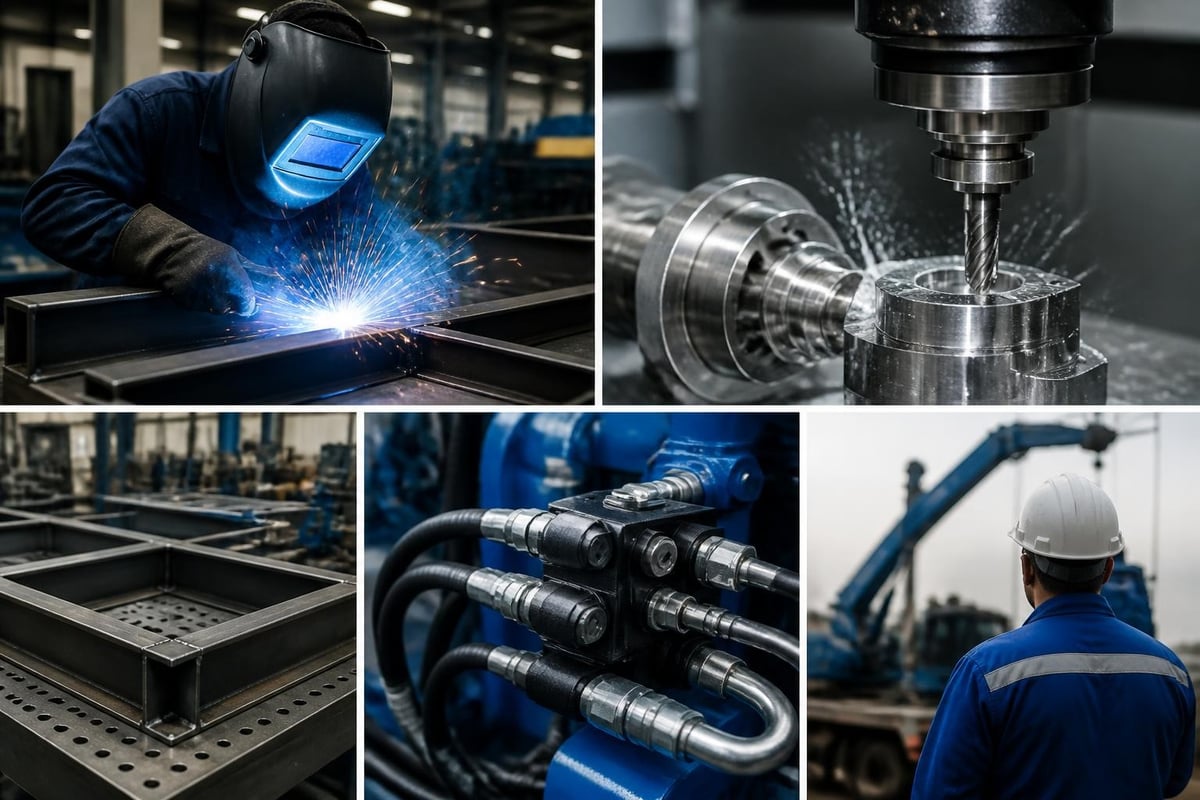
These capabilities allow commercial metal operations to outsource specialized work while maintaining focus on core business activities. Companies serving the recycling, aggregate, and oil and gas industries particularly benefit from this comprehensive approach.
Market Landscape and Industry Trends
The industrial fabrication sector continues evolving rapidly as technological advancement reshapes traditional metalworking practices. According to KPMG’s analysis of the metal fabrication industry, strategic consolidation and automation investment are driving significant changes in how companies operate and compete.
Technology Integration
Modern industrial fabrication companies are implementing sophisticated systems that enhance precision and efficiency. Digital twins, augmented reality for quality control, and IoT-enabled equipment monitoring represent the new standard for competitive operations. These technologies reduce errors, minimize material waste, and accelerate project completion timelines.
The shift toward Industry 5.0 principles brings human-machine collaboration to the forefront, combining automated precision with skilled craftsman expertise. This hybrid approach delivers superior results for complex fabrication projects requiring both repeatability and adaptive problem-solving.
Reshoring and Supply Chain Considerations
American manufacturers increasingly prioritize domestic sourcing to reduce supply chain vulnerabilities. Recent trends in sheet metal fabrication highlight this reshoring movement, with companies seeking reliable local partners capable of rapid response and quality assurance.
| Trend | Impact on Fabrication Companies | Client Benefit |
|---|---|---|
| Reshoring | Increased domestic demand | Shorter lead times |
| Automation | Higher precision capabilities | Improved quality |
| Smart manufacturing | Real-time project tracking | Better transparency |
| Sustainability focus | Efficient material usage | Reduced waste costs |
This transition creates opportunities for regionally-based fabrication providers who can offer personalized service alongside technical expertise.
Selecting the Right Fabrication Partner
Choosing among industrial fabrication companies requires careful evaluation of technical capabilities, industry experience, and operational flexibility. The decision impacts project outcomes, cost efficiency, and long-term business relationships.
Certification and Compliance Standards
Quality fabrication work demands adherence to rigorous standards. Verify that prospective partners maintain current certifications relevant to your industry requirements:
- AWS welding certifications for structural and pressure vessel work
- ISO 9001 quality management systems documentation
- OSHA safety compliance records and training programs
- Industry-specific qualifications for oil and gas, food processing, or other regulated sectors
Certified welding company operations demonstrate commitment to quality and continuous improvement, reducing risk of costly rework or project delays.
Evaluating Technical Capabilities
Beyond certifications, assess the practical capabilities that determine project feasibility. Request detailed information about equipment inventory, material handling capacity, and specialty processes. Companies with diverse machining centers, welding stations, and fabrication tools can handle more complex projects without outsourcing critical components.
Geographic service range matters significantly for businesses requiring field support. Providers covering the Western United States offer advantages for companies with distributed operations or remote facilities needing on-site assistance.
Industry-Specific Applications
Industrial fabrication companies serve distinct sectors, each with unique requirements and challenges. Understanding these specialized applications helps businesses identify partners with relevant expertise.
Oil and Gas Sector Support
The energy industry demands fabrication services capable of withstanding extreme conditions and meeting stringent safety standards. Components must endure high pressures, corrosive environments, and temperature extremes. Experienced fabricators understand material selection, welding procedures, and testing protocols specific to petroleum operations.
Field services become particularly critical in remote drilling and production locations where equipment failure creates expensive downtime. Mobile welding and machining capabilities allow rapid response to emergency repairs and routine maintenance needs.
Aggregate and Mining Applications
Aggregate processing facilities require robust equipment that withstands constant abrasion and heavy impact. Conveyor systems, crushers, and screening equipment demand specialty fabrication using wear-resistant materials and reinforced construction techniques.
Custom fabrication often proves more cost-effective than purchasing replacement components, especially for older equipment where parts availability becomes limited. Skilled fabrication company teams can reverse-engineer damaged components and improve upon original designs.
Recycling Industry Needs
Recycling operations present unique fabrication challenges involving mixed materials, contamination risks, and high-volume processing demands. Equipment modifications and custom solutions help facilities maximize throughput while maintaining safety standards.
Quality Assurance and Project Management
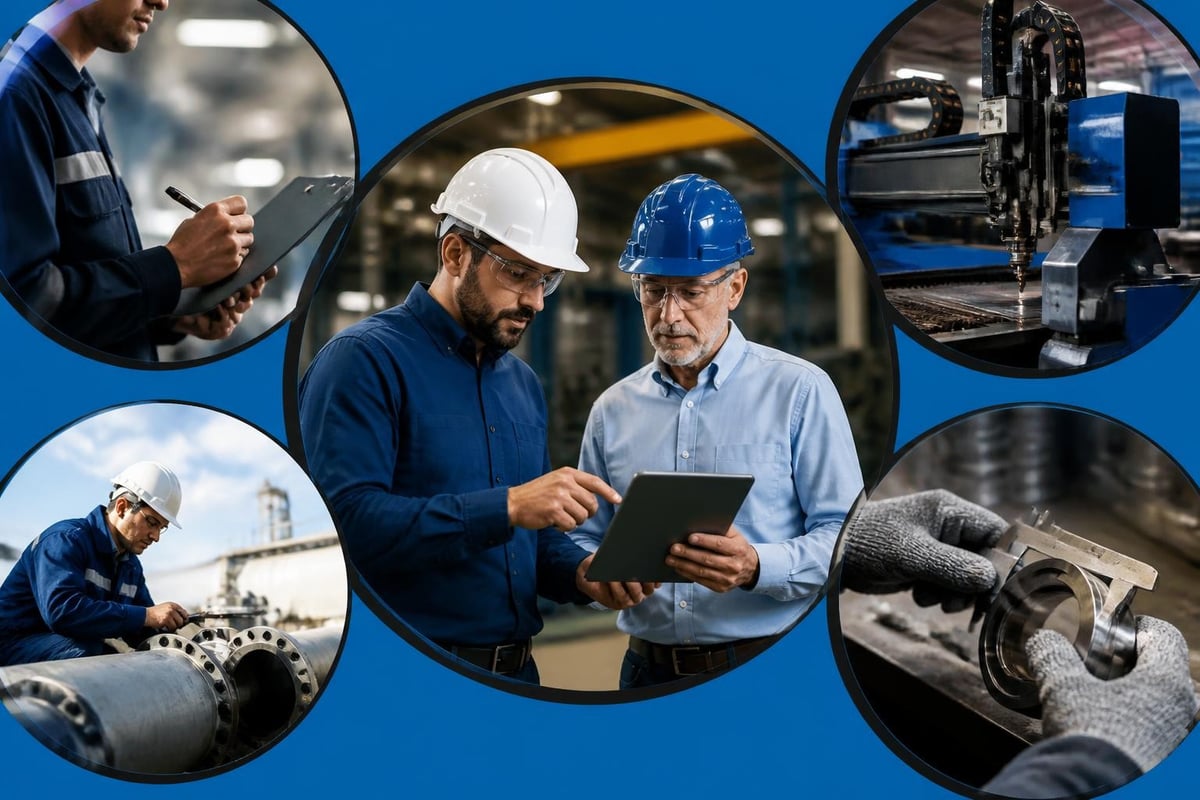
Successful fabrication projects depend on systematic quality control throughout the production process. Leading industrial fabrication companies implement comprehensive inspection protocols and transparent communication systems.
Inspection and Testing Procedures
Quality fabrication integrates multiple verification stages:
- Incoming material certification review and verification
- In-process dimensional checks using precision measurement tools
- Non-destructive testing for critical weld joints
- Final inspection against engineering specifications
- Documentation packages for traceability and compliance
These systematic approaches prevent defects, reduce rework, and ensure deliverables meet or exceed expectations.
Communication and Timeline Management
Project success requires clear communication channels between fabricators and clients. Effective companies provide regular status updates, proactively address potential issues, and maintain realistic timelines based on actual shop capacity.
Digital project management tools enhance transparency, allowing clients to track progress and review quality documentation remotely. This visibility builds confidence and facilitates better coordination with broader construction or maintenance schedules.
Cost Considerations and Value Engineering
Price represents just one component of total project value when engaging industrial fabrication companies. Understanding cost drivers and value optimization opportunities leads to better decision-making and stronger partnerships.
Pricing Structure Factors
Multiple variables influence fabrication project costs:
| Cost Component | Key Variables | Optimization Opportunities |
|---|---|---|
| Materials | Grade, quantity, market rates | Alternative specifications |
| Labor | Complexity, hours required | Design simplification |
| Equipment usage | Specialty tooling, setup time | Batch production |
| Finishing | Coating, painting, assembly | Standardization |
| Logistics | Shipping, field deployment | Consolidated deliveries |
Transparent pricing discussions early in the project cycle prevent misunderstandings and allow collaborative cost management.
Value Engineering Benefits
Experienced fabricators offer value engineering insights that reduce costs without compromising performance. This might include material substitutions, process modifications, or design adjustments that simplify production while meeting functional requirements.
According to data from IndustrySelect’s overview of the U.S. fabricated metals industry, the sector comprises thousands of specialized firms, creating competitive pressure that rewards efficiency and innovation. Clients benefit by working with partners who actively seek improvement opportunities.
Safety and Environmental Practices
Responsible industrial fabrication companies prioritize worker safety and environmental stewardship alongside production objectives. These commitments protect employees, reduce liability exposure, and support sustainable operations.
Workplace Safety Programs
Comprehensive safety programs encompass hazard identification, personal protective equipment requirements, and ongoing training. Welding operations present particular risks including arc flash, fume exposure, and fire hazards. Proper ventilation, equipment maintenance, and procedural controls mitigate these dangers.
Field service operations introduce additional variables including confined spaces, working at heights, and coordination with client personnel. Detailed job safety analyses and pre-work planning prevent incidents and ensure regulatory compliance.
Sustainable Manufacturing Approaches
Environmental consciousness drives operational improvements across the fabrication industry. Key practices include:
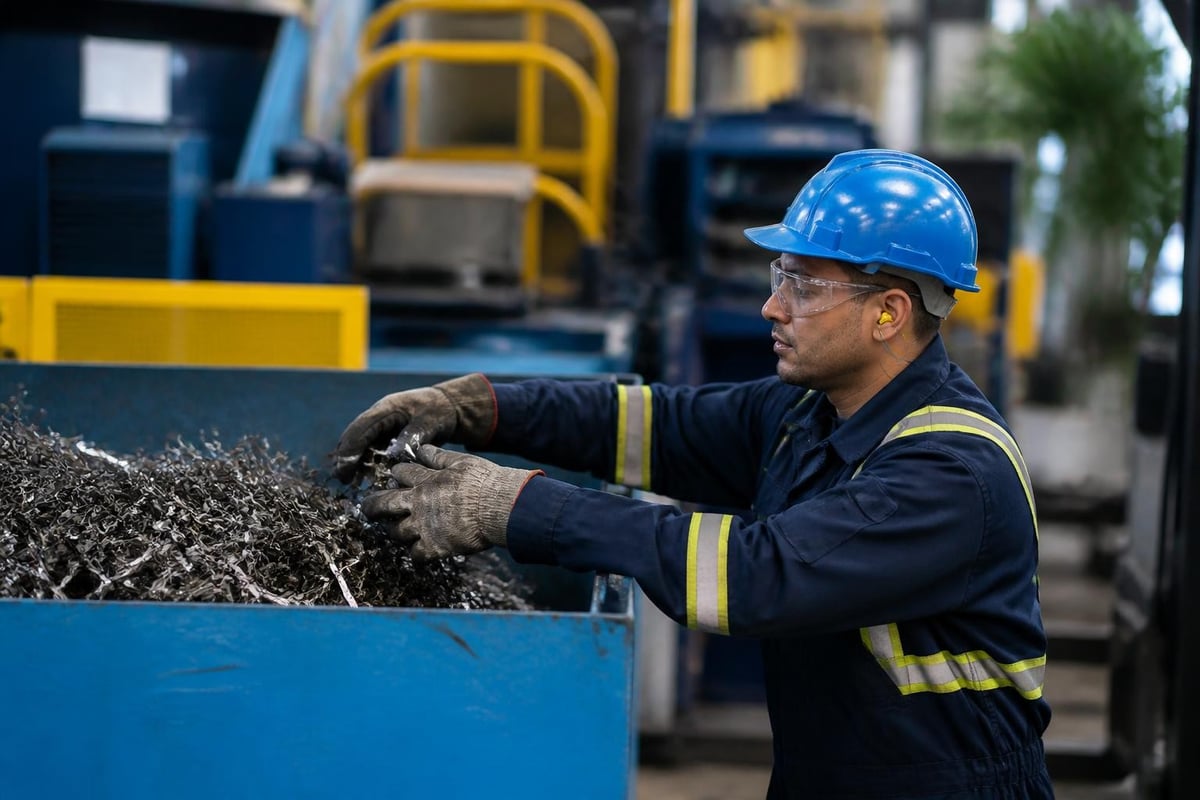
- Scrap metal recycling programs that recover valuable materials
- Energy-efficient equipment reducing power consumption
- Waste minimization through optimized cutting patterns
- Eco-friendly coating systems with reduced VOC emissions
- Water conservation in cleaning and cooling operations
These initiatives reduce environmental impact while often lowering operational costs through improved resource efficiency.
The Role of Skilled Workforce
Technical expertise separates exceptional industrial fabrication companies from average providers. The combination of experienced craftsmen and emerging talent creates dynamic teams capable of solving complex challenges.
Certifications and Continuing Education
Professional development programs maintain workforce competency as technologies and standards evolve. Qualified welders participate in regular certification updates, new process training, and safety refreshers. Machinists expand capabilities through CNC programming courses and precision measurement workshops.
Investment in workforce development signals company commitment to quality and long-term viability. Clients benefit from teams that understand current best practices and can apply advanced techniques to challenging applications.
Bridging the Skills Gap
The fabrication industry faces workforce challenges as experienced professionals retire and younger workers enter the field. Forward-thinking companies address this gap through apprenticeship programs, partnerships with technical schools, and structured mentorship initiatives.
These efforts ensure knowledge transfer and maintain the blend of traditional craftsmanship with modern technological proficiency that defines superior fabrication work.
Emerging Technologies Reshaping Fabrication
Innovation continues transforming how industrial fabrication companies operate, creating opportunities for improved efficiency, precision, and capability expansion.
Advanced Manufacturing Integration
Additive manufacturing complements traditional fabrication techniques, enabling rapid prototyping and production of complex geometries impossible through conventional methods. While not replacing core metalworking processes, 3D printing creates new possibilities for custom components and tooling.
Robotic welding systems deliver consistent quality for high-volume production runs, freeing skilled welders to focus on complex custom work requiring adaptive expertise. This technology pairing maximizes both efficiency and craft capability.
Predictive Maintenance and AI Applications
Artificial intelligence increasingly supports fabrication operations through predictive maintenance systems that anticipate equipment failures before they occur. These tools analyze sensor data, identify patterns indicating potential problems, and recommend preventive interventions.
For client equipment, similar approaches help manufacturing corporations optimize maintenance scheduling and extend asset lifecycles. Fabrication partners providing field services can integrate these insights into comprehensive support programs.
Regional Considerations and Service Coverage
Geographic location influences fabrication company selection, particularly for businesses requiring field services or frequent deliveries. Regional providers offer distinct advantages worth considering.
Benefits of Western United States Coverage
Companies serving the Western United States understand region-specific challenges including remote site access, weather conditions affecting field work, and industry concentrations in mining, energy, and agriculture. Local presence enables faster response times and better familiarity with regional suppliers and subcontractors.
Transportation costs decrease significantly with nearby fabrication shops, especially for large or heavy components. Environmental factors also play a role, as coastal regions may require enhanced corrosion protection compared to arid inland locations.
Balancing Local and Specialized Expertise
While proximity offers advantages, highly specialized work may require seeking providers with specific technical capabilities regardless of location. The key involves matching project requirements with provider strengths, considering both technical and logistical factors in the decision matrix.
Building Long-Term Partnerships
Transactional relationships with industrial fabrication companies miss opportunities for continuous improvement and preferential service. Strategic partnerships create mutual value through collaboration, knowledge sharing, and aligned incentives.
Partnership Development Strategies
Successful long-term relationships develop through consistent communication, fair business practices, and mutual respect. Share production forecasts to help fabricators plan capacity, provide constructive feedback on completed projects, and recognize exceptional performance.
Consider consolidating fabrication work with fewer providers to establish meaningful volume relationships. This concentration creates incentive for fabricators to prioritize your projects, invest in specialized tooling, and develop deep understanding of your specific requirements.
Performance Metrics and Continuous Improvement
Establish clear performance expectations covering quality, delivery, communication, and safety. Regular review meetings allow both parties to discuss results, address concerns, and identify improvement opportunities.
Leading fabrication partners welcome this structured feedback, using it to refine processes and better serve client needs. The collaborative approach transforms suppliers into strategic assets that contribute to competitive advantage.
Industrial fabrication companies deliver essential capabilities that enable manufacturers across diverse sectors to maintain operations and pursue growth opportunities. Success requires selecting partners with appropriate technical skills, quality systems, and commitment to client service.
When you need reliable fabrication, welding, and machining support throughout the Western United States, LTJ Industrial Services brings comprehensive expertise to projects serving recycling, aggregate, oil and gas, and commercial manufacturing sectors. Our Rifle, CO team combines shop precision with field service flexibility to keep your operations running efficiently.