Industrial equipment faces constant exposure to harsh environments, chemicals, moisture, and mechanical stress. Without proper protection, machinery deteriorates rapidly, leading to costly downtime, safety hazards, and premature replacement. Industrial equipment painting and coating services provide critical protection that extends equipment life, maintains operational efficiency, and ensures compliance with industry standards. For manufacturing operations across the Western United States, particularly in aggregate, recycling, and oil and gas sectors, professional coating applications represent essential maintenance investments that protect capital assets and reduce total cost of ownership.
Understanding Industrial Equipment Coating Applications
Professional industrial equipment painting and coating services encompass far more than simple paint application. These specialized processes combine surface preparation, material selection, application techniques, and quality control measures designed to protect equipment operating in demanding conditions.
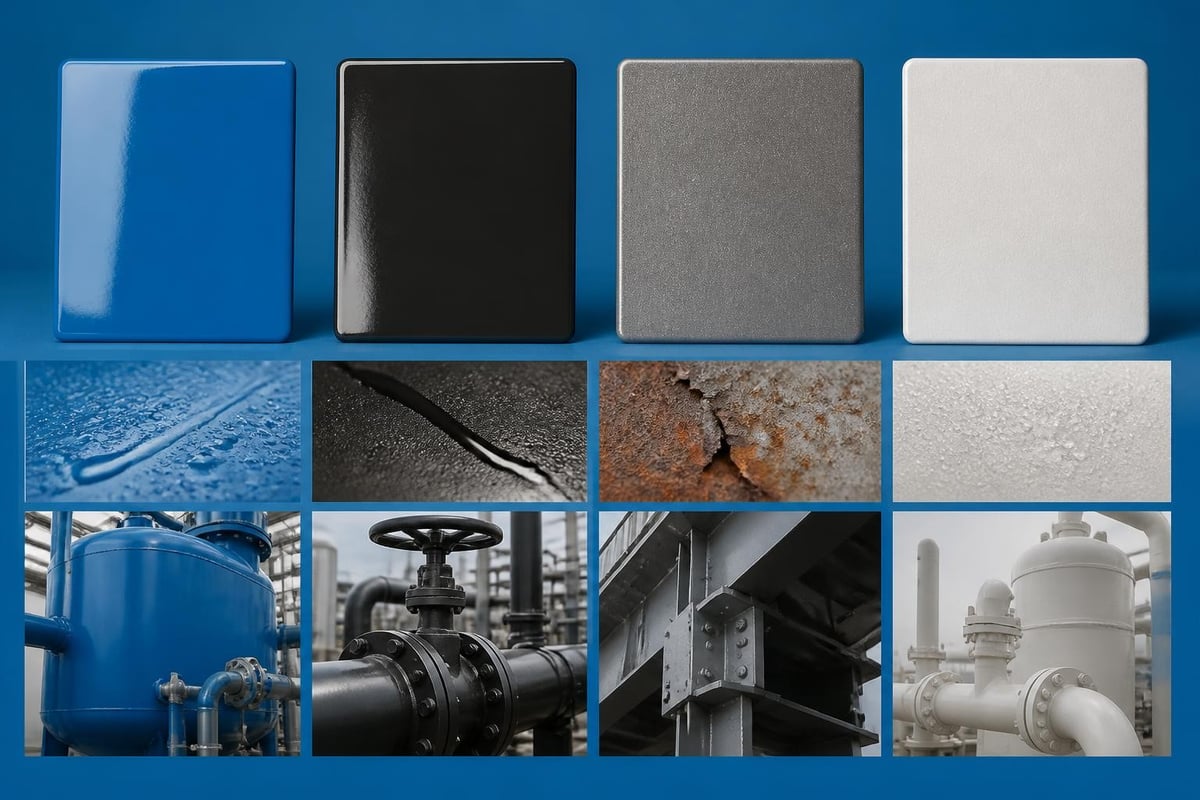
Types of Industrial Coatings
Different applications require specific coating systems based on environmental exposure, operational requirements, and equipment specifications. The selection process involves analyzing multiple factors to determine the optimal protection strategy.
Common coating types include:
- Epoxy coatings for chemical resistance and adhesion
- Polyurethane systems for UV stability and weathering
- Zinc-rich primers for galvanic corrosion protection
- Ceramic coatings for high-temperature applications
- Specialty formulations for food-grade or pharmaceutical environments
Manufacturing facilities need coating solutions tailored to their specific operational demands. Custom fabrication operations particularly benefit from coordinated coating applications during the fabrication process, ensuring comprehensive protection from initial assembly.
Surface Preparation Requirements
The foundation of any successful coating application lies in thorough surface preparation. According to industry quality control standards, proper preparation accounts for 80% of coating system performance and longevity.
Surface preparation typically follows this progression:
- Initial assessment and documentation
- Contaminant removal (oils, greases, residues)
- Abrasive blasting or mechanical cleaning
- Profile verification and cleanliness inspection
- Environmental condition verification
- Immediate coating application window
Equipment preparation becomes particularly complex for field applications where environmental controls prove challenging. Experienced providers offering field mechanic services understand how to manage these variables effectively, ensuring coating adhesion and performance regardless of location.
Coating Application Methods and Technologies
Industrial equipment painting and coating services utilize various application methods, each offering distinct advantages for specific equipment types and coating systems. The selection depends on equipment size, complexity, coating specifications, and operational requirements.
Spray Application Techniques
Spray methods dominate industrial coating applications due to their efficiency and finish quality. Modern spray technologies have evolved significantly, incorporating precision controls and material optimization.
| Application Method | Best Use Cases | Advantages | Considerations |
|---|---|---|---|
| Conventional Air Spray | Large surfaces, fast coverage | Quick application, operator familiarity | Higher material waste, overspray |
| Airless Spray | Heavy coatings, thick films | Faster application, less overspray | Requires skill, equipment maintenance |
| HVLP (High Volume Low Pressure) | Precision work, reduced waste | Material efficiency, fine finish | Slower application speed |
| Plural Component | Two-part epoxies, specialized systems | Consistent mixing, quality results | Equipment complexity, cleanup |
Industrial welding operations frequently require post-weld coating applications to protect seams and fabricated assemblies. Coordination between welding and coating teams ensures comprehensive protection without compromising either process.
Specialized Coating Technologies
Advanced coating technologies address specific industrial challenges that conventional methods cannot solve effectively. These specialized approaches often provide superior performance in extreme environments.
Thermal spray coating represents one such advanced technology. Research into optimizing industrial thermal spraying demonstrates how multi-objective optimization enhances coating performance while maintaining process efficiency, particularly valuable for equipment operating under severe stress conditions.
Powder coating offers another specialized option, particularly for smaller components and equipment requiring exceptional durability. The comparison between powder coating and wet paint highlights powder coating's advantages in corrosion resistance and mechanical durability, though application limitations restrict its use on large assembled equipment.
Quality Control and Performance Standards
Professional industrial equipment painting and coating services distinguish themselves through rigorous quality control protocols that verify coating performance before equipment returns to service. These standards protect client investments and ensure long-term asset protection.
Inspection and Testing Protocols
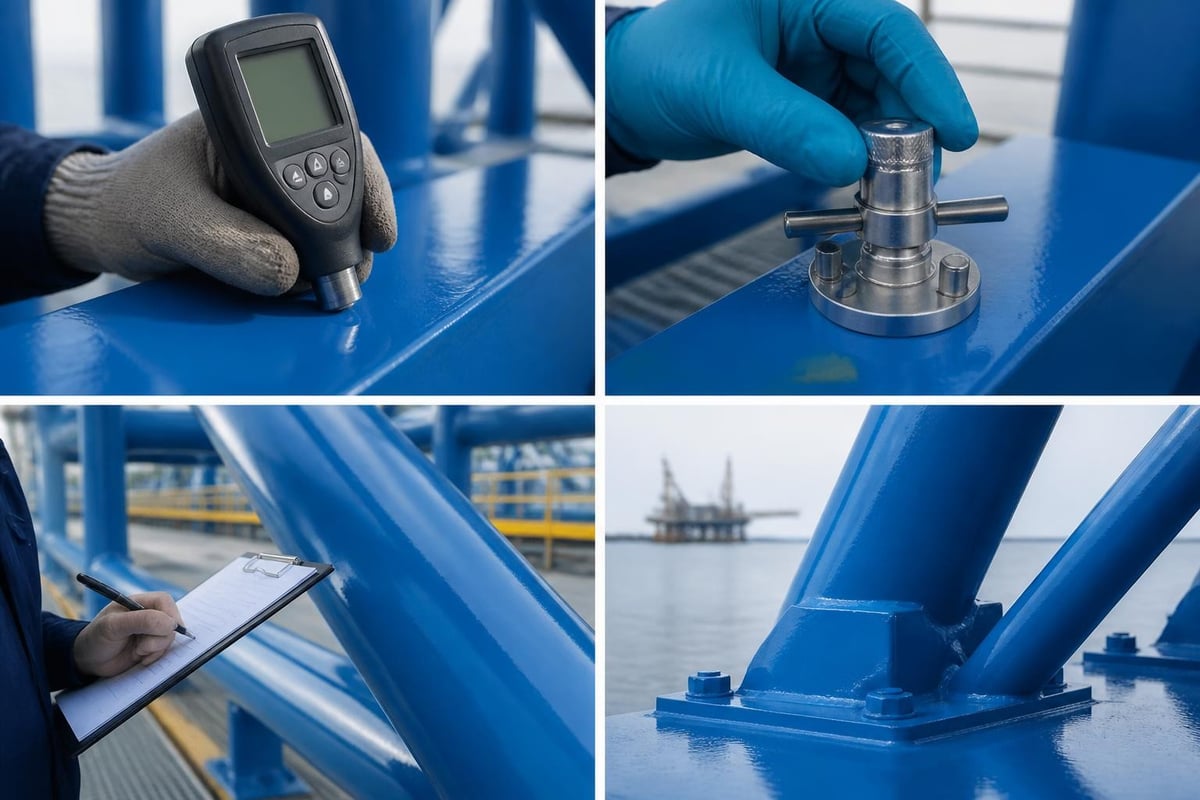
Comprehensive inspection programs verify coating quality at every stage, from surface preparation through final application. Testing protocols align with industry standards and manufacturer specifications.
Critical inspection points include:
- Surface cleanliness and profile depth verification
- Environmental condition monitoring during application
- Wet film thickness measurements during coating
- Dry film thickness testing after curing
- Adhesion testing via pull-off or cross-hatch methods
- Holiday detection for pinhole identification
- Visual inspection for defects or inconsistencies
The implementation of visual defect detection systems in manufacturing environments demonstrates increasing emphasis on quality control throughout industrial processes, including coating applications.
Industry Certifications and Accreditation
Working with accredited coating contractors provides assurance of quality and capability. The QP 1 accreditation program represents an internationally recognized standard that evaluates industrial painting contractors' practices, ensuring they meet minimum service and quality standards essential for protective coatings' longevity.
Accredited providers maintain documented quality systems, qualified personnel, appropriate equipment, and proven track records. For critical applications in oil and gas, aggregate processing, or manufacturing, certification provides confidence in contractor capability and coating performance.
Environmental and Operational Considerations
Industrial equipment painting and coating services must account for numerous environmental and operational factors that influence coating selection, application methods, and expected service life. Understanding these considerations ensures optimal protection strategies.
Environmental Exposure Factors
Equipment operating environments vary dramatically across industrial applications, requiring coating systems engineered for specific exposure conditions. The guide to selecting appropriate coatings for industrial facilities discusses factors like surface material, environmental conditions, and coating types essential for effective protection.
Key environmental factors include:
- Temperature extremes and thermal cycling
- Chemical exposure (acids, alkalis, solvents)
- Moisture and humidity levels
- UV radiation and weathering
- Abrasive conditions and mechanical wear
- Corrosive atmospheres (marine, industrial)
Manufacturing equipment in recycling operations faces particularly aggressive environments with multiple exposure factors simultaneously. Coating systems for these applications require careful engineering to provide adequate protection.
Equipment-Specific Requirements
Different equipment types present unique coating challenges requiring specialized approaches. Seven key considerations when painting heavy industrial equipment include environmental factors, surface preparation requirements, and equipment-specific needs.
Mobile equipment demands durable coatings resistant to stone chips and abrasion. Static processing equipment requires chemical-resistant systems. High-temperature applications need ceramic or specialty formulations. Understanding equipment operation guides coating selection and application methods.
Precision manufacturing tools using advanced coating systems like PtIr protective coatings demonstrate how specialized applications extend equipment life in demanding environments, though most industrial applications utilize more conventional coating technologies.
Integration with Fabrication and Maintenance Operations
Industrial equipment painting and coating services deliver maximum value when integrated with broader fabrication and maintenance programs. This coordination ensures comprehensive protection throughout equipment lifecycles.
Coordinated Fabrication and Coating
New equipment fabrication provides the ideal opportunity for coating application. Components receive thorough preparation and coating before assembly, ensuring complete protection including internal surfaces and difficult-to-reach areas.
Manufacturing operations benefit from coordinated fabrication and coating services that streamline production while ensuring quality protection. This integration eliminates delays and reduces handling damage that compromises coating integrity.
For operations requiring precision motion control in automated coating systems, CNC controllers and software provide the accuracy needed for consistent application on complex geometries, particularly valuable for high-volume production environments.
Preventive Maintenance Coating Programs
Scheduled coating maintenance extends equipment life far more cost-effectively than reactive repairs or replacement. Preventive programs identify coating degradation early, allowing targeted recoating before substrate corrosion occurs.
Effective maintenance programs include:
- Regular visual inspections and condition documentation
- Coating thickness monitoring in critical areas
- Scheduled touch-up and repair procedures
- Planned major recoating based on condition assessment
- Performance tracking and program optimization
Emergency situations occasionally require rapid response capabilities. Providers offering emergency mobile industrial welding services often extend these capabilities to urgent coating repairs, minimizing downtime from coating failure or damage.
Advanced Applications and Industry Trends
Industrial equipment painting and coating services continue evolving with new materials, application technologies, and performance requirements. Staying current with these developments ensures optimal equipment protection.
Smart Coating Technologies
Emerging coating technologies incorporate functional capabilities beyond traditional protection. Self-healing coatings repair minor damage automatically, extending service intervals. Indicator coatings change color when corrosion begins, providing early warning of protection breakdown.
Innovative coating developments include:
- Nanostructured coatings for enhanced barrier properties
- Antimicrobial surfaces for food processing equipment
- Electrically conductive coatings for specialized applications
- Environmentally responsive systems that adapt to conditions
For facilities implementing warehouse automation solutions like those from Automate-X, coating specifications must consider automated handling systems and potential contact points that might damage traditional coatings.
Sustainability and Environmental Compliance
Modern industrial equipment painting and coating services increasingly emphasize environmental sustainability alongside performance. Low-VOC and zero-VOC formulations reduce emissions while maintaining protective qualities. Water-based systems offer environmentally friendly alternatives for many applications.
Regulatory compliance drives coating selection in many industries. Understanding industry standards and requirements helps facilities maintain compliance while protecting equipment effectively.
Cost Considerations and ROI Analysis
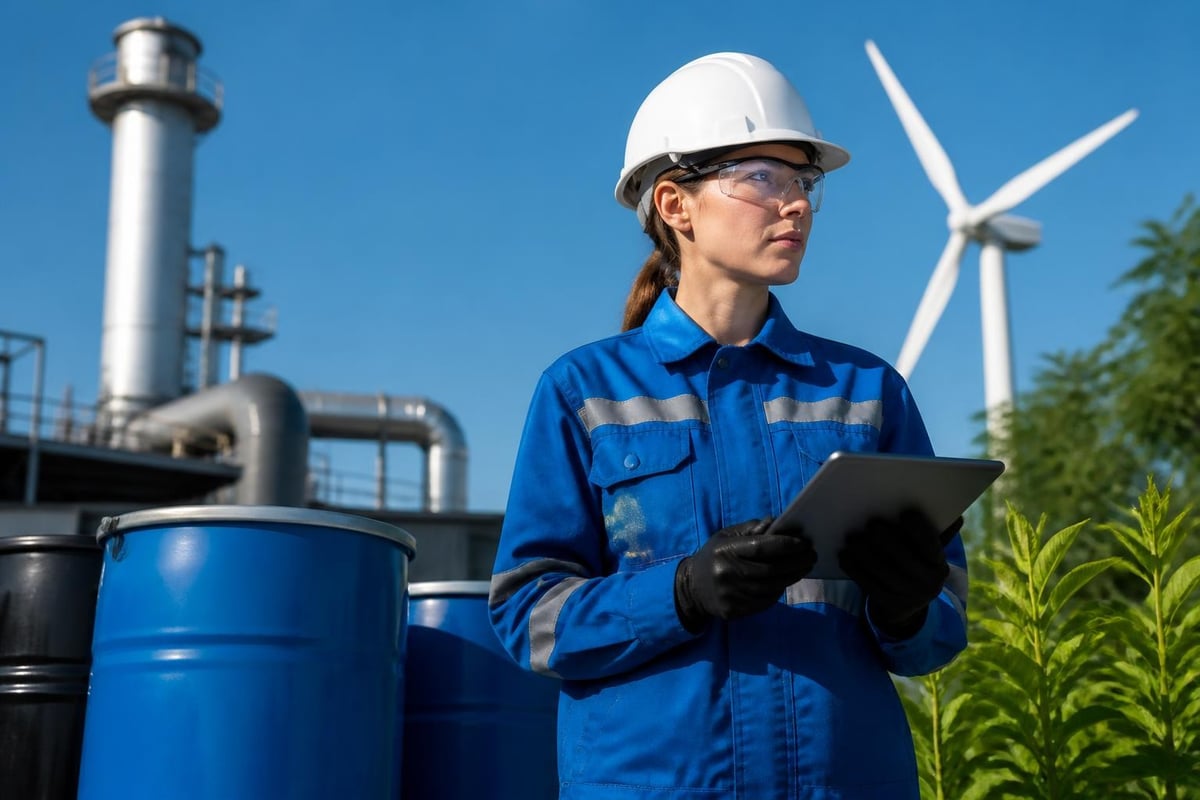
Investment in professional industrial equipment painting and coating services requires financial justification beyond simple paint costs. Comprehensive analysis reveals significant returns through extended equipment life and reduced maintenance expenses.
Total Cost of Ownership Impact
Quality coating applications reduce total equipment ownership costs through multiple mechanisms. Corrosion prevention eliminates expensive repairs and premature replacement. Reduced downtime maintains production schedules. Enhanced appearance supports marketing and facility image.
| Cost Factor | Without Professional Coating | With Professional Coating | Savings Impact |
|---|---|---|---|
| Equipment Replacement Cycle | 8-10 years | 15-20 years | 50-100% extension |
| Annual Maintenance Costs | High (reactive repairs) | Low (preventive touch-up) | 40-60% reduction |
| Unplanned Downtime | Frequent corrosion failures | Minimal coating-related stops | 70-80% reduction |
| Regulatory Compliance | Potential violations, fines | Maintained compliance | Risk elimination |
These economic benefits apply across industries, from oil and gas pipeline operations to aggregate processing facilities, where equipment protection directly impacts profitability.
Budgeting for Coating Services
Proper budgeting for industrial equipment painting and coating services accounts for complete project costs including preparation, materials, application, inspection, and curing time. Additional considerations include equipment downtime, access requirements, and environmental controls for field applications.
Considerations for painting industrial equipment cover site preparation, surface cleaning, and the importance of durable paint coatings to protect machinery from corrosion and damage, all factors influencing project budgets.
For operations with in-house prototyping capabilities using tools like precision 3D printers, coating test panels and small components allows validation before committing to large-scale applications, reducing risk and optimizing coating selection.
Field vs. Shop Coating Applications
Industrial equipment painting and coating services occur in two primary settings: controlled shop environments or field locations where equipment operates. Each approach offers distinct advantages and challenges requiring different expertise and capabilities.
Shop-Based Coating Benefits
Shop applications provide optimal environmental control, ensuring coating performance and quality. Temperature and humidity regulation, contamination prevention, and proper ventilation create ideal conditions for coating application and curing.
Shop coating advantages include:
- Controlled environmental conditions
- Complete access to all equipment surfaces
- Efficient material usage with minimal waste
- Comprehensive surface preparation capabilities
- Extended curing time without operational pressure
- Quality inspection in optimal lighting
For new equipment and components from fabrication businesses, shop coating during manufacturing ensures complete protection before installation and commissioning.
Field Coating Capabilities
Field applications address equipment that cannot be transported to shop facilities or require coating while installed. Mobile coating services bring expertise and equipment to operational sites, managing environmental variables to ensure quality results.
Field coating presents unique challenges including weather dependency, access limitations, environmental contamination risks, and operational constraints. Experienced providers develop protocols addressing these factors while maintaining coating quality and performance standards.
Successful field applications require careful planning, environmental monitoring, containment systems, and flexible scheduling that accommodates weather conditions and operational requirements.
Professional industrial equipment painting and coating services represent essential investments that protect capital assets, extend equipment life, and reduce total cost of ownership across manufacturing and industrial operations. Quality applications require expertise in surface preparation, coating selection, application methods, and quality control protocols that ensure long-term performance. LTJ Industrial Services delivers comprehensive coating solutions integrated with welding, fabrication, and machining capabilities, providing Western United States manufacturers with complete equipment protection services that keep operations running efficiently. Contact our team today to discuss how professional coating applications can protect your critical equipment investments.