
Powder coating has become the finishing method of choice for manufacturers, fabricators, and industrial operations across the Western United States. This durable finishing process offers exceptional protection for metal components, equipment frames, and custom fabrications used in demanding environments. Understanding how long does powder coating last is essential for facility managers, project planners, and maintenance teams who need to budget for long-term asset protection and minimize downtime from premature coating failure.
Understanding Powder Coating Durability in Industrial Applications
Powder coating typically lasts 15 to 20 years when applied correctly and maintained properly in normal conditions. However, this baseline expectation shifts dramatically based on environmental exposure, surface preparation quality, and ongoing maintenance practices.
The curing process creates a chemical bond that makes powder coating significantly more resilient than traditional liquid paints. When thermosetting powder melts and flows during the baking process, it forms a continuous skin without weak points like brush marks or sag lines. This uniformity provides consistent protection across every surface area.
Factors That Determine Coating Longevity
Environmental conditions play the dominant role in determining how long powder coating lasts on your equipment:
- Indoor, climate-controlled environments: 20+ years with minimal degradation
- Outdoor exposure with UV radiation: 10-20 years depending on color stability
- Coastal or high-humidity areas: 8-15 years with proper pre-treatment
- Chemical exposure facilities: 5-10 years depending on chemical type and concentration
- High-abrasion operations: 3-8 years in recycling, aggregate, and material handling applications
The oil and gas sector presents unique challenges. Equipment exposed to hydrocarbon vapors, temperature extremes, and occasional chemical contact requires premium powder formulations specifically engineered for these conditions.
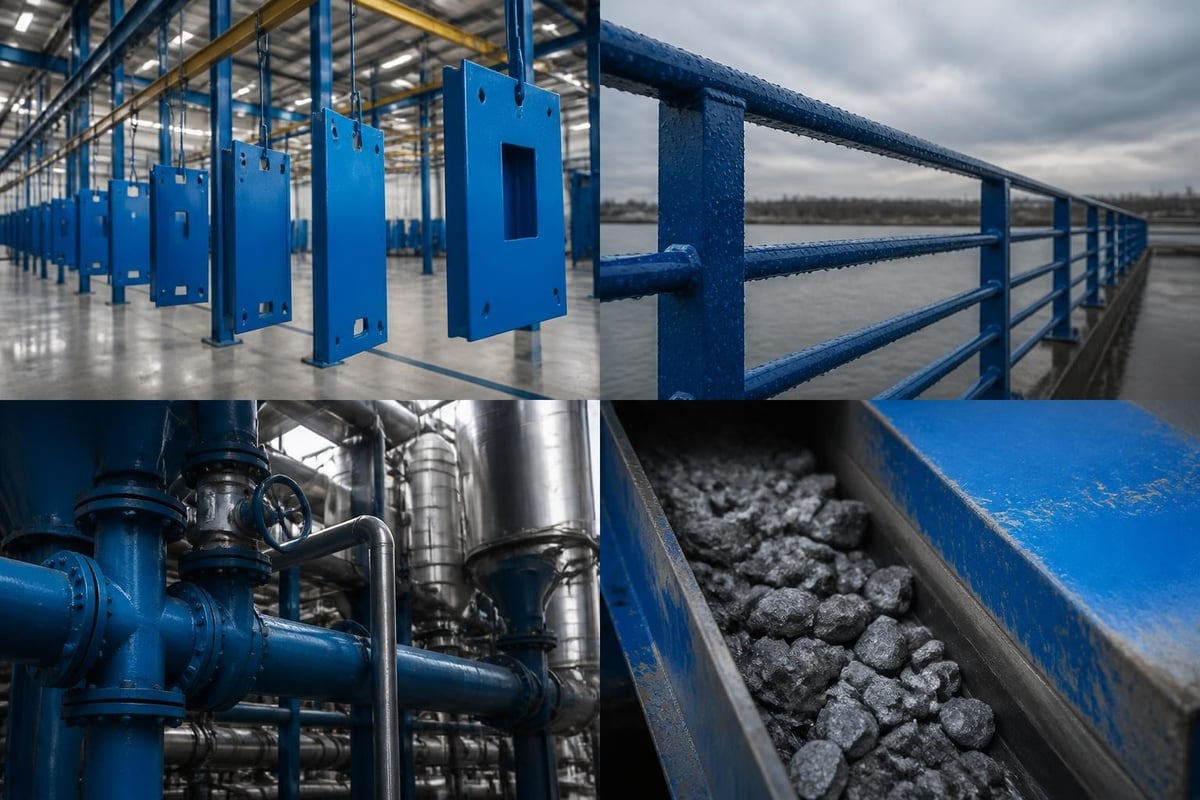
Application quality directly impacts longevity. Poor surface preparation, inadequate film thickness, or improper curing temperatures can reduce the expected lifespan by 50% or more. Professional metal fabrication services understand these critical preparation steps.
Color Selection and UV Resistance Impact
Not all powder coating colors age equally. Dark colors and bright reds typically show faster fading than lighter tones when exposed to continuous sunlight. This phenomenon occurs because certain pigments absorb more UV radiation, accelerating photodegradation of the resin binder.
| Color Category | Outdoor Lifespan | Fade Resistance | Best Applications |
|---|---|---|---|
| Light colors (whites, beiges) | 15-20 years | Excellent | Outdoor equipment, architectural |
| Medium tones (grays, blues) | 12-18 years | Very good | General industrial use |
| Dark colors (blacks, browns) | 8-15 years | Good | Indoor or shaded equipment |
| Bright reds, oranges | 7-12 years | Fair | Safety markings, accents |
Understanding how long does powder coating last requires evaluating your specific color requirements against expected environmental exposure. For aggregate processing equipment operating outdoors in Colorado's high-altitude UV environment, selecting appropriate pigments becomes critical for maintaining professional appearance throughout the asset's service life.
Super-durable polyester (SDP) powder coatings offer enhanced UV stability compared to standard formulations. These premium products incorporate advanced resin technology and UV stabilizers that extend color retention by 30-50% in direct sunlight exposure.
The Metal Construction Association provides technical documentation on powder coating performance characteristics that help industrial facilities make informed finishing decisions based on measurable performance data.
Pre-Treatment Methods and Substrate Preparation
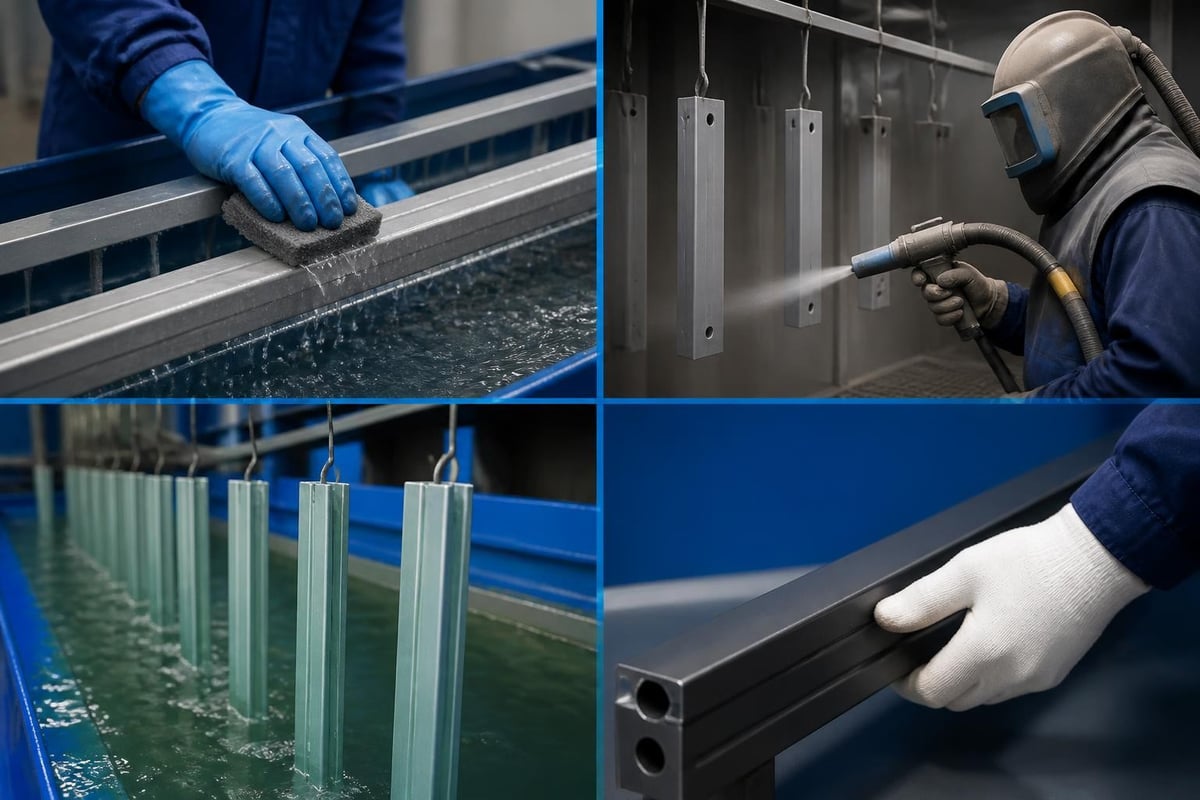
Surface preparation represents the most critical factor determining coating adhesion and ultimate longevity. Even premium powder formulations fail prematurely when applied over contaminated or improperly prepared substrates.
Chemical Pre-Treatment Processes
Iron phosphate treatment provides adequate adhesion for most indoor applications and light-duty outdoor use. This cost-effective method creates a crystalline conversion coating that mechanically bonds the powder coating to the metal surface.
Zinc phosphate treatment delivers superior corrosion resistance for harsh environments. The heavier crystalline structure provides better barrier protection and works exceptionally well for equipment exposed to moisture, chemicals, or salt spray.
Chromate conversion coatings offer maximum corrosion protection for aluminum substrates used in critical applications, though environmental regulations increasingly limit their use.
Mechanical Preparation Standards
Abrasive blasting creates the ideal surface profile for powder coating adhesion:
- Remove all mill scale, rust, previous coatings, and contaminants
- Create uniform surface roughness between 1.5-3.0 mils profile depth
- Remove all dust and residue with compressed air or vacuum systems
- Apply powder coating within 4-6 hours to prevent flash rusting
Surface cleanliness directly correlates with coating lifespan. Oil residue, drawing compounds, or fingerprints create adhesion failure points where moisture penetrates and causes delamination.
Film Thickness Specifications for Industrial Use
Film thickness significantly influences how long does powder coating last in demanding applications. Insufficient thickness leaves metal vulnerable to corrosion penetration, while excessive thickness risks brittleness and cracking during thermal cycling or mechanical stress.
Standard industrial specifications call for:
- 2.0-3.0 mils: Minimum for indoor equipment with minimal exposure
- 3.0-5.0 mils: Recommended for general outdoor industrial use
- 5.0-8.0 mils: Heavy-duty applications with chemical or abrasion exposure
- 8.0+ mils: Specialized coatings for extreme corrosion environments
Recycling and aggregate operations subject equipment to continuous abrasive contact with processed materials. These high-wear applications benefit from thicker coatings or specialized formulations incorporating ceramic particles for enhanced abrasion resistance.
Measuring film thickness with calibrated gauges during application ensures consistent coverage across complex geometries. Inside corners, recessed areas, and Faraday cage regions require careful technique to achieve adequate protection.
Maintenance Practices That Extend Coating Life
Regular maintenance significantly extends powder coating service life beyond baseline expectations. Equipment operating in the oil and gas industry or aggregate processing facilities accumulates contaminants that accelerate coating degradation when left unaddressed.
Recommended Cleaning Schedule
Monthly washing removes accumulated dust, process materials, and environmental deposits before they etch or stain the coating surface:
- Use mild detergent solutions (pH 6-8) with soft brushes or cloths
- Rinse thoroughly with clean water to remove all cleaning residue
- Avoid high-pressure washing above 1,200 PSI, which can erode coating edges
- Never use abrasive cleaners, steel wool, or aggressive solvents
Quarterly inspections identify minor damage before it propagates:
- Check for coating chips, scratches, or mechanical damage
- Examine welds and joints where coating typically wears first
- Look for discoloration indicating chemical exposure or overheating
- Document findings and prioritize repairs based on corrosion risk
| Maintenance Activity | Frequency | Impact on Lifespan | Cost vs. Benefit |
|---|---|---|---|
| Routine cleaning | Monthly | +20-30% | Excellent |
| Damage inspection | Quarterly | +15-25% | Very good |
| Touch-up repairs | As needed | +30-40% | Outstanding |
| Complete recoating | 10-15 years | Restores to new | Good for asset value |
Touch-Up and Repair Protocols
Small coating damage should be addressed immediately to prevent moisture ingress and corrosion spreading beneath intact coating areas. Professional fabrication and welding operations maintain touch-up capabilities for field repairs on critical equipment.
Single-component touch-up systems provide adequate protection for minor scratches and chips in non-critical areas. These air-dry formulations don't perfectly match the original coating's properties but prevent immediate corrosion.
Two-component epoxy systems offer superior adhesion and durability for larger repairs or equipment operating in corrosive environments. Proper surface preparation remains essential even for touch-up work.
Performance in Specific Industrial Environments
Understanding how long does powder coating last requires evaluating your specific operational environment. The commercial and industrial manufacturing sectors across the Western United States present diverse exposure conditions that significantly impact coating performance.
Aggregate and Material Processing Operations
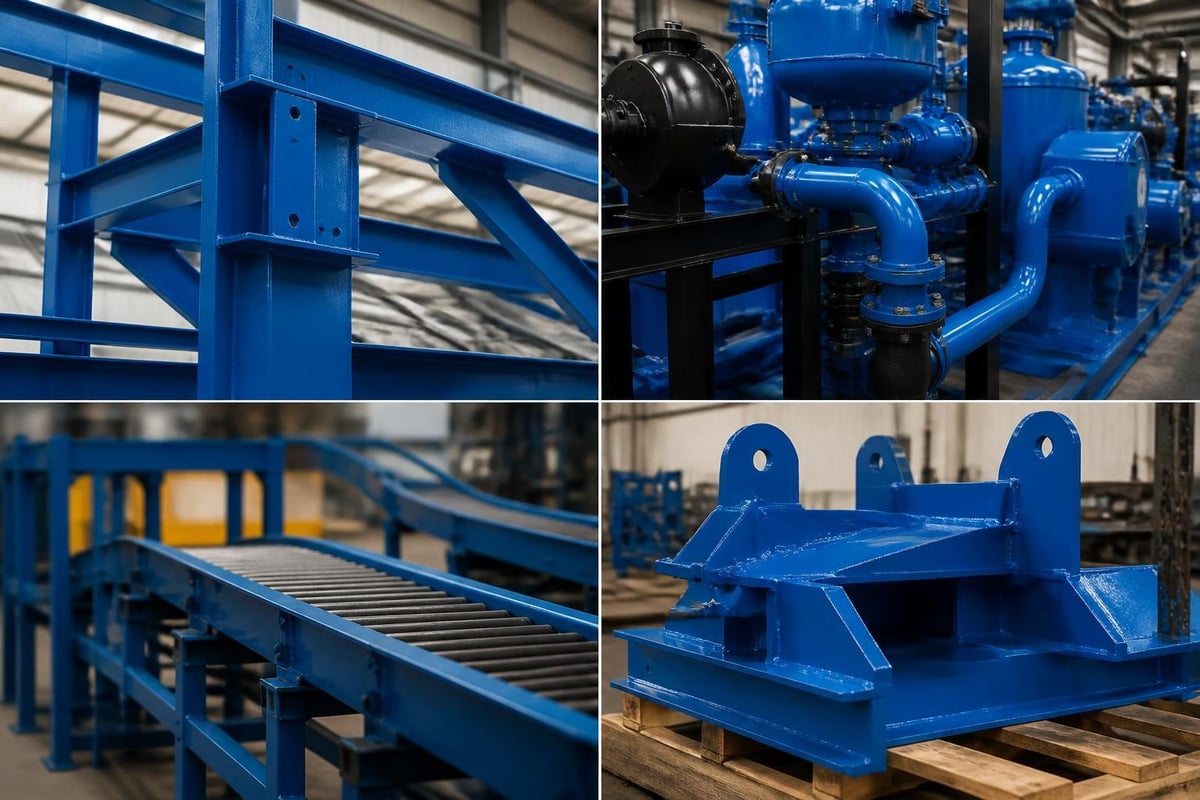
Crushing equipment, conveyor systems, and material handling infrastructure face continuous abrasive contact with rock, sand, and processed aggregates. This mechanical wear gradually removes coating from high-contact surfaces regardless of the formulation's chemical resistance.
Expected performance ranges:
- Structural frames and guards: 12-18 years with periodic touch-up
- Conveyor rollers and pulleys: 3-5 years before significant wear
- Hopper interiors and chutes: 2-4 years depending on material abrasiveness
- Access platforms and railings: 15-20 years in typical conditions
Hybrid coating systems combining abrasion-resistant primers with powder topcoats extend service life for critical wear surfaces. The primer absorbs impact energy while the powder coating provides corrosion and UV protection.
Chemical Processing and Oil & Gas Applications
Hydrocarbon exposure, process chemicals, and elevated operating temperatures challenge standard powder coating formulations. Selecting appropriate resin chemistry becomes critical for achieving acceptable service life.
Epoxy powder coatings excel in chemical resistance but offer limited UV stability for outdoor equipment. These formulations work well for:
- Interior piping and valve assemblies
- Process equipment in covered facilities
- Chemical storage tank exteriors (non-UV exposed)
Polyester powder coatings provide better weathering characteristics while maintaining good chemical resistance to many common industrial fluids. They serve as the workhorse coating for general oil field equipment, pump housings, and structural components.
Comparing Powder Coating to Alternative Finishing Methods
When evaluating how long does powder coating last relative to other finishing options, consider both initial performance and lifecycle costs. The higher upfront investment in powder coating typically delivers superior long-term value for industrial applications.
Powder Coating vs. Liquid Paint Systems
Durability advantages:
- Powder coating resists chipping and scratching 3-5 times better than liquid paints
- No solvent content means zero outgassing or plasticizer migration
- Uniform thickness reduces thin spots that fail prematurely
- Superior edge coverage protects vulnerable areas more effectively
Longevity comparison:
- Industrial enamel paints: 3-7 years outdoor, 8-12 years indoor
- Two-component epoxies: 5-10 years outdoor, 12-15 years indoor
- Powder coating: 10-20 years outdoor, 20+ years indoor
The commercial and industrial manufacturing sectors benefit from reduced recoating frequency, which minimizes production disruptions and equipment downtime.
Powder Coating vs. Hot-Dip Galvanizing
Hot-dip galvanizing provides exceptional corrosion protection through sacrificial zinc coating. However, the dull gray appearance and rough surface texture don't suit all applications.
Performance considerations:
- Galvanizing excels in high-corrosion environments like coastal installations
- Powder coating offers unlimited color options and smooth finished appearance
- Duplex systems (galvanizing + powder coating) deliver maximum protection: 30+ year lifespan
- Galvanizing adds significant weight compared to coating-only systems
Custom fabrication projects often specify duplex systems for critical infrastructure where coating failure creates safety hazards or expensive downtime. This combination maximizes both corrosion resistance and aesthetic appeal.
Powder Coating Warranties and Performance Guarantees
Manufacturer warranties provide insight into expected performance under specified conditions. Most industrial powder coating suppliers offer tiered warranty programs based on application environment and maintenance compliance.
Standard warranty structures:
- Film integrity: 10-15 years against peeling, cracking, or loss of adhesion
- Color retention: 5-10 years depending on color and exposure (typically less than 5 Delta E units)
- Corrosion resistance: 10-15 years against substrate corrosion with proper pre-treatment
- Chalk resistance: 8-12 years before visible chalking occurs
These warranties typically require documented maintenance records and exclude damage from mechanical abuse, chemical exposure beyond specification, or improper installation practices.
Premium architectural-grade powder coatings marketed under names like "70% PVDF-based powder" or "super durable polyester" command higher prices but deliver extended warranties up to 20 years for color retention and 30+ years for film integrity.
Recoating Considerations for Aged Equipment
Eventually, even well-maintained powder-coated equipment requires refinishing to restore protection and appearance. Planning recoating intervals helps facilities budget accurately and minimize operational disruption.
When to Recoat vs. Repair
Recoating indicators:
- Widespread chalking creating a powdery surface when touched
- Color fading beyond acceptable appearance standards
- Multiple areas of coating damage requiring extensive touch-up
- Substrate corrosion visible beneath intact coating areas
- Equipment repurposing requiring new color identification
Repair sufficiency indicators:
- Isolated damage in specific high-wear locations
- Overall coating integrity remains excellent
- Color retention meets operational requirements
- No substrate corrosion detected during inspection
Complete recoating typically costs 60-75% of initial coating expenses since the existing coating must be removed through chemical stripping or abrasive blasting. This additional preparation step adds labor and material costs compared to coating bare metal fabrications.
Professional welding and fabrication services can evaluate coating condition and recommend appropriate repair or recoating strategies based on remaining equipment service life and operational requirements.
Specialized Powder Coating Formulations
Advanced powder coating chemistry addresses specific performance requirements beyond standard industrial formulations. Understanding these specialized options helps determine how long does powder coating last in unique applications.
Low-temperature cure powders enable coating of heat-sensitive substrates like certain plastics or pre-assembled components containing temperature-sensitive elements. These formulations cure at 250-300°F rather than standard 375-400°F but may sacrifice some durability.
High-temperature resistant powders maintain protective properties at sustained operating temperatures up to 500-600°F. Engine components, exhaust systems, and heat-processing equipment benefit from these silicone-based formulations.
Anti-microbial powder coatings incorporate silver ion or copper-based additives that inhibit bacterial growth on surfaces. Food processing equipment, medical devices, and sanitation-critical applications utilize these specialty products.
Textured finish powders create rough, non-slip surfaces ideal for walkways, platforms, and handling equipment. The increased surface area and mechanical keying enhance durability in high-traffic applications.
Cost Analysis: Initial Investment vs. Lifecycle Value
Determining how long does powder coating last helps facilities calculate total cost of ownership for finished components and equipment. While powder coating typically costs 15-30% more than industrial liquid paint systems initially, the extended service life delivers superior lifecycle value.
Comparative 20-Year Cost Analysis
| Finishing Method | Initial Cost | Recoating Frequency | Total Lifecycle Cost | Downtime Hours |
|---|---|---|---|---|
| Industrial enamel | $1,000 | Every 5 years | $5,200 | 80 hours |
| Two-part epoxy | $1,200 | Every 8 years | $3,800 | 50 hours |
| Standard powder coating | $1,400 | Every 15 years | $2,600 | 20 hours |
| Premium powder coating | $1,800 | 20+ years | $2,100 | 10 hours |
These calculations assume $1,000 per coating cycle for equipment disassembly, surface preparation, application, and reinstallation. Actual costs vary based on component size, complexity, and facility accessibility.
Downtime costs often exceed direct coating expenses for production-critical equipment. An aggregate crusher offline for refinishing may represent $5,000-$10,000 daily in lost production capacity, making extended coating life increasingly valuable.
Industrial facilities should evaluate coating decisions based on total lifecycle costs rather than minimum initial expense. Premium powder coating formulations with 20+ year performance typically deliver the lowest total cost of ownership for permanent installations and long-service-life equipment.
Understanding coating longevity helps industrial operations make informed decisions about asset protection and maintenance planning. When you need expert metal fabrication, custom welding, or equipment restoration services with professional finishing capabilities, LTJ Industrial Services brings comprehensive shop and field solutions to commercial and industrial clients throughout the Western United States. Our team delivers high-quality fabrication and finishing work that protects your equipment investment for decades of reliable service.