Finding a reliable fabrication shop near me has become a critical decision for businesses across industrial and commercial sectors. Whether you operate in recycling, aggregate, oil and gas, or general manufacturing, the quality of your metal fabrication partner directly impacts your operational efficiency, project timelines, and bottom line. Today's fabrication landscape demands more than basic welding capabilities. Modern industrial operations require shops with comprehensive services, certified expertise, and the ability to handle both shop-based projects and on-site field work throughout demanding environments.
Understanding What Makes a Fabrication Shop Qualified
The difference between an adequate fabrication shop and an exceptional one lies in several key factors that directly affect your project outcomes. When searching for a fabrication shop near me, businesses should evaluate capabilities beyond simple proximity.
Essential Certifications and Quality Standards
Professional fabrication shops maintain rigorous quality standards for fabrication shops that ensure consistent results and regulatory compliance. These certifications demonstrate a commitment to excellence that protects your investment.
Key certifications to verify:
- AWS (American Welding Society) certified welders
- ASME (American Society of Mechanical Engineers) compliance for pressure vessels
- ISO 9001 quality management systems
- OSHA safety certifications
- Industry-specific qualifications for specialized sectors
Third-party certifications provide assurance that the fabrication shop maintains documented processes, undergoes regular audits, and adheres to established industry benchmarks. These standards aren't simply bureaucratic requirements; they represent proven methodologies that reduce errors, minimize rework, and deliver predictable outcomes.
Comprehensive Service Capabilities
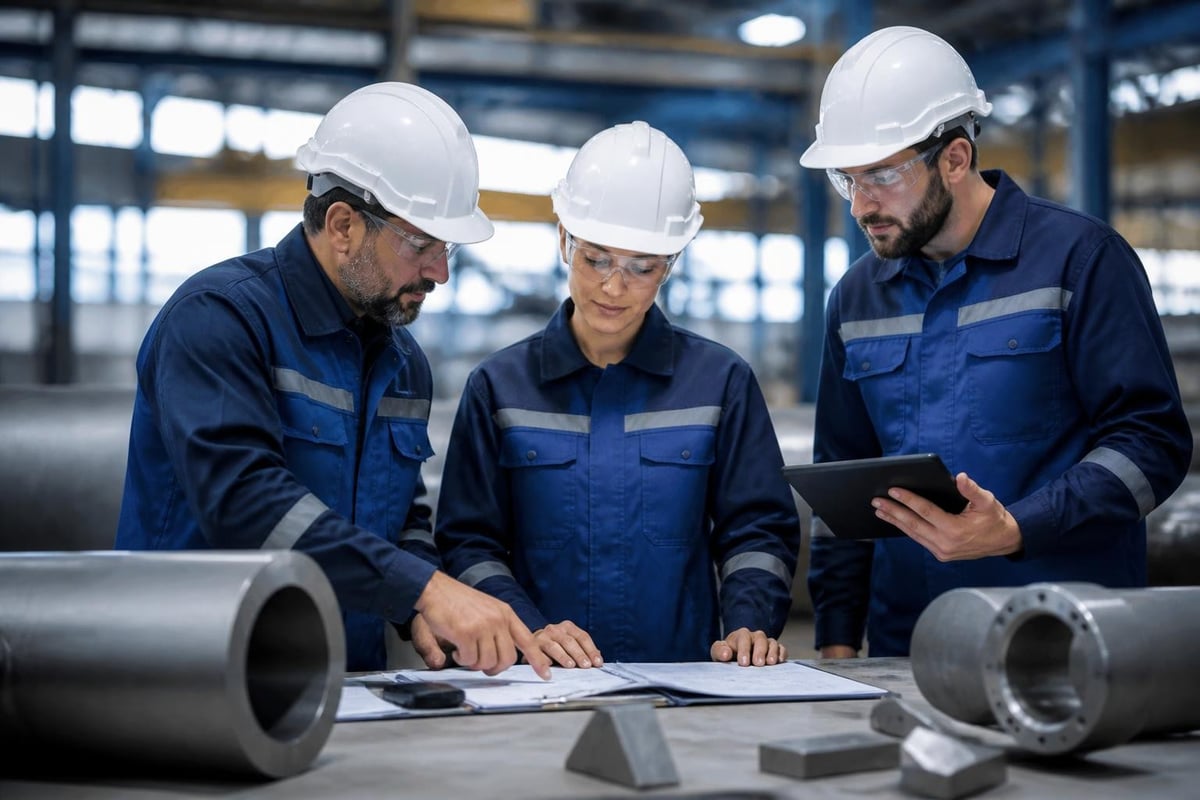
Modern industrial operations require fabrication partners who offer integrated solutions rather than fragmented services. The most valuable fabrication shop near me will provide multiple capabilities under one roof.
| Service Category | Typical Capabilities | Business Benefits |
|---|---|---|
| Metal Fabrication | Custom cutting, forming, assembly | Single-source solutions for complex projects |
| Welding Services | MIG, TIG, stick, specialized processes | Versatile joining methods for diverse materials |
| Machining | CNC milling, turning, precision work | Tight tolerances for critical components |
| Field Services | On-site welding, repairs, installation | Reduced downtime, immediate response |
| Specialty Work | Hydraulics, water jetting, custom builds | Complete project execution |
Shops offering comprehensive services eliminate coordination headaches between multiple vendors. This integration streamlines communication, reduces project timelines, and ensures accountability from start to finish.
Evaluating Technical Expertise and Equipment
Equipment quality and technical expertise separate competent fabrication shops from industry leaders. When assessing options for a fabrication shop near me, the sophistication of machinery and the skill of operators directly correlate with project success.
Modern Fabrication Equipment
State-of-the-art equipment enables precision, efficiency, and capability to handle complex specifications. Professional shops invest continuously in technology upgrades to maintain competitive advantages.
Advanced facilities typically feature:
- CNC plasma and laser cutting systems for precise material preparation
- Computer-controlled machining centers for repeatable accuracy
- Multiple welding stations equipped for various processes
- Material handling equipment for safe, efficient workflow
- Quality inspection tools including coordinate measuring machines
- Hydraulic press brakes and forming equipment
Equipment alone doesn't guarantee quality. The combination of advanced machinery with skilled operators creates the environment where challenging projects succeed.
Skilled Workforce and Training
The human element remains irreplaceable in custom fabrication work. Experienced welders, machinists, and fabricators bring problem-solving abilities that no machine can replicate.
Critical workforce attributes:
- Years of hands-on experience in relevant industries
- Continuous professional development and certification maintenance
- Understanding of metallurgy and material properties
- Ability to read complex technical drawings and specifications
- Quality consciousness throughout every project phase
Shops that invest in workforce development demonstrate long-term thinking. They prioritize safety training, maintain shop safety protocols, and create environments where craftspeople take pride in their work.
Safety Standards and Compliance
Safety performance indicates overall operational excellence in fabrication environments. When searching for a fabrication shop near me, safety records reveal management priorities and workplace culture.
Comprehensive Safety Programs
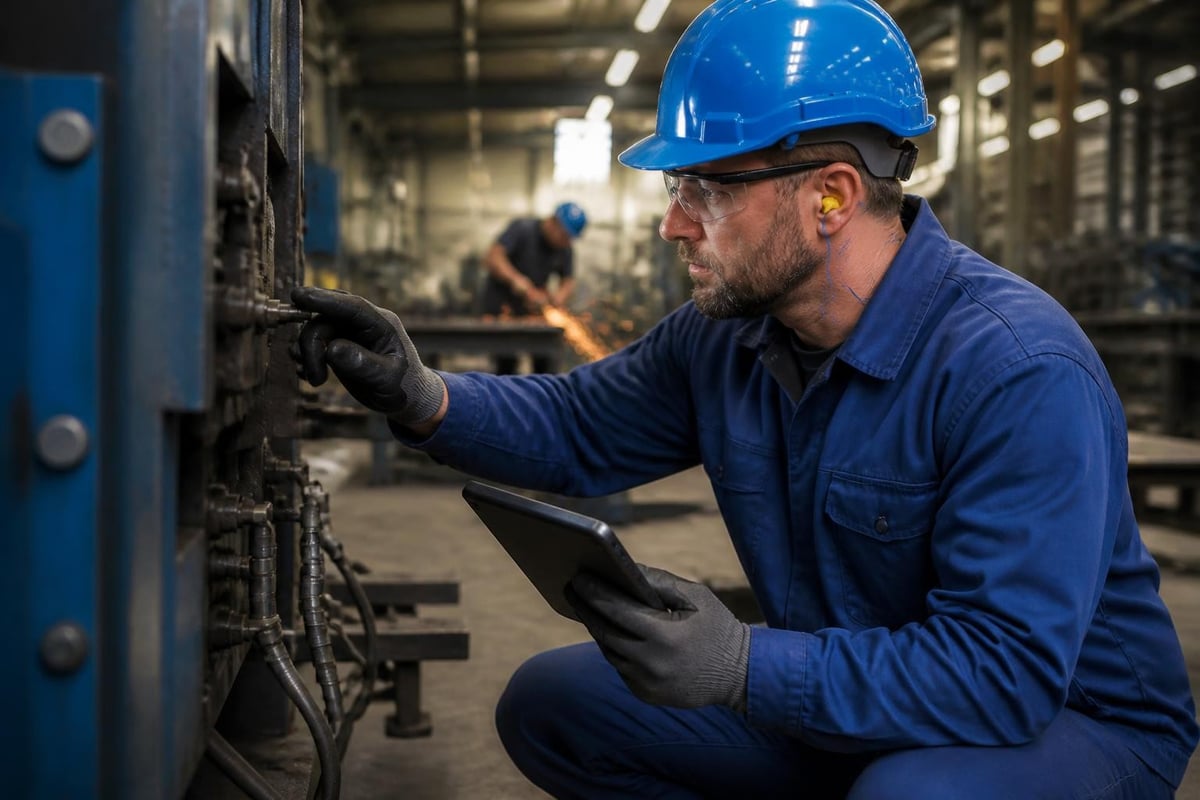
Professional fabrication operations implement multilayered safety approaches that protect workers while ensuring regulatory compliance. The importance of industry standards extends beyond legal requirements to create truly safe working environments.
Effective safety programs include:
- Mandatory personal protective equipment policies with enforcement
- Regular safety training and certification updates
- Machine guarding and lockout/tagout procedures
- Emergency response planning and regular drills
- Hazard identification and mitigation protocols
- Clean, organized workspaces that prevent accidents
Organizations like Cornell’s Environment, Health and Safety department provide frameworks that leading fabrication shops adapt to their specific operations. These comprehensive approaches reduce incident rates while improving overall efficiency.
OSHA Compliance and Beyond
Meeting OSHA requirements represents the baseline, not the ceiling, for safety excellence. The best fabrication shops exceed minimum standards through proactive safety cultures.
| Safety Element | Minimum Compliance | Excellence Standard |
|---|---|---|
| Training | Initial job training | Ongoing competency verification |
| PPE | Required equipment provided | Job-specific gear, regular replacement |
| Machine Guards | OSHA-required guards in place | Enhanced guarding, interlock systems |
| Inspections | Annual compliance reviews | Daily pre-shift inspections, monthly audits |
| Documentation | Incident reporting | Near-miss tracking, corrective actions |
The Texas Department of Insurance guidance on metal fabrication safety highlights common OSHA citations that well-managed shops systematically address. This attention to detail protects both workers and client interests.
Capacity for Commercial and Industrial Projects
Project scale capabilities determine whether a fabrication shop can actually deliver on your requirements. When evaluating a fabrication shop near me for commercial or industrial applications, capacity assessment goes beyond simple yes-or-no questions.
Production Capacity and Turnaround
Understanding a shop's realistic production capacity prevents delays and disappointments. Capacity involves physical space, equipment availability, workforce size, and existing project commitments.
Questions to ask about capacity:
- What is your typical project backlog and current lead time?
- How do you prioritize rush projects or emergency repairs?
- What size projects can you accommodate in your facility?
- Do you have capacity for both small custom jobs and larger production runs?
- How do you handle projects that exceed your in-house capabilities?
Shops serving industrial sectors like recycling, aggregate, and oil and gas understand the critical nature of equipment downtime. Their capacity planning accounts for urgent field service needs alongside scheduled shop projects.
Geographic Service Range
For businesses operating across multiple locations, a fabrication shop's geographic reach becomes strategically important. Shops offering field services throughout regions like the Western United States provide consistency and reliability across dispersed operations.
Field service capabilities include:
- Mobile welding and repair services at client facilities
- On-site installation and commissioning support
- Emergency breakdown response across service territories
- Preventive maintenance programs for remote equipment
- Coordination between shop fabrication and field installation
This flexibility means one trusted partner can support your operations whether projects require controlled shop environments or field deployment in challenging locations.
Material Expertise and Sourcing
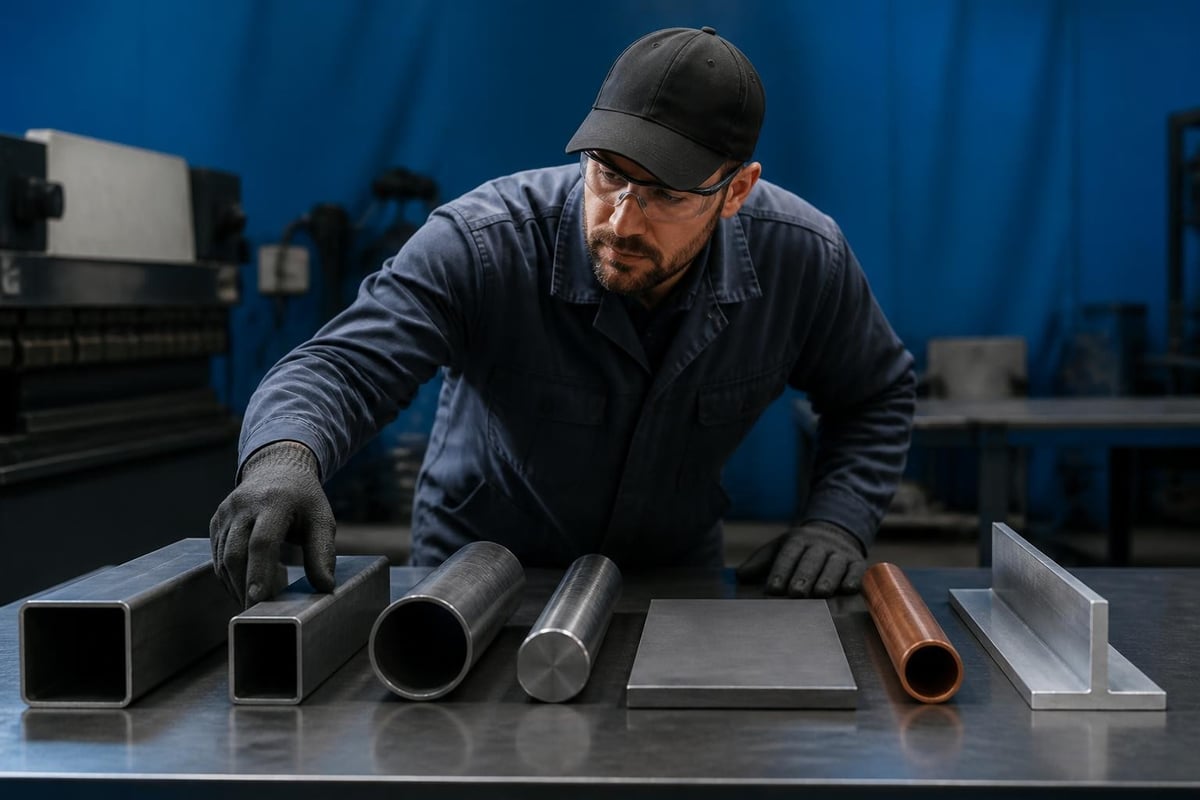
Material selection and sourcing capabilities significantly impact project timelines, costs, and performance. A knowledgeable fabrication shop near me should provide guidance on material choices appropriate to your application.
Working with Diverse Materials
Different industries and applications demand specific material properties. Fabrication shops with broad material expertise help clients make informed decisions.
Common materials in industrial fabrication:
- Carbon steel: Cost-effective for structural applications and general fabrication
- Stainless steel: Corrosion resistance for food processing, chemical, and outdoor applications
- Aluminum: Lightweight solutions for transportation and aerospace components
- Specialty alloys: High-temperature, high-strength, or corrosion-resistant requirements
- Cast iron: Specific applications in heavy equipment and machinery
Beyond working with these materials, experienced shops understand how material properties affect welding procedures, machining parameters, and finishing processes. This knowledge prevents costly mistakes and ensures optimal performance.
Supply Chain and Material Sourcing
Reliable material sourcing separates shops that complete projects on schedule from those plagued by delays. Established fabrication operations maintain relationships with multiple suppliers and stock commonly used materials.
| Sourcing Aspect | Impact on Your Project |
|---|---|
| Supplier relationships | Access to materials during shortages |
| Material inventory | Faster turnaround for standard materials |
| Quality verification | Certified materials with proper documentation |
| Special order capability | Access to exotic or specialty alloys |
| Volume purchasing | Cost advantages passed to customers |
Shops with robust supply chains can often source materials more efficiently than individual clients, leveraging industry relationships and purchasing power for mutual benefit.
Quality Assurance and Inspection Processes
Quality assurance separates professional fabrication operations from shops that simply produce parts. When selecting a fabrication shop near me, understanding quality processes reveals how seriously they take final outcomes.
Documented Quality Systems
Formal quality management systems create consistency across projects regardless of which team members perform the work. ISO 9001 quality standards provide frameworks that leading shops implement.
Elements of effective quality systems:
- Written procedures for all critical processes
- Work order documentation and traceability
- In-process inspection at defined hold points
- Final inspection before delivery or installation
- Non-conformance tracking and corrective action
- Continuous improvement programs based on data
These systems aren't bureaucratic overhead. They represent institutional knowledge captured in accessible formats that ensure every project benefits from cumulative experience.
Inspection Capabilities and Equipment
Modern fabrication quality requires measurement capabilities matching the precision of production equipment. Professional shops invest in inspection technology appropriate to their work.
Inspection capabilities may include:
- Coordinate measuring machines for dimensional verification
- Non-destructive testing (ultrasonic, radiographic, magnetic particle)
- Weld inspection equipment and certified weld inspectors
- Material certification and traceability documentation
- Environmental testing for coatings and finishes
Third-party inspection services complement in-house capabilities for projects requiring independent verification or specialized testing beyond the shop's equipment.
Specialization in Key Industrial Sectors
Industry-specific experience provides value that generalist fabrication shops cannot match. A fabrication shop near me with deep expertise in your sector understands unique challenges, regulatory requirements, and performance expectations.
Recycling Industry Fabrication
Recycling operations subject equipment to extreme wear, corrosive materials, and demanding duty cycles. Fabrication shops serving this sector understand durability requirements and maintenance realities.
Typical recycling sector projects:
- Conveyor systems and material handling equipment
- Sorting screens and separation equipment
- Heavy-duty structural repairs and reinforcement
- Custom chutes, hoppers, and containment structures
- Wear-resistant component fabrication and installation
Experience in recycling environments means understanding which materials resist abrasion, how to design for maintainability, and where reinforcement prevents premature failure.
Aggregate and Mining Applications
Aggregate operations combine heavy loads, abrasive materials, and often remote locations. Fabrication work for this sector requires robust design and field service capabilities.
Common aggregate sector needs:
- Crusher components and wear parts
- Screening equipment fabrication and repair
- Conveyor systems for harsh environments
- Structural steel for processing plants
- Mobile equipment modifications and repairs
Shops experienced in aggregate work design for the reality that components face constant impact and abrasion. They also understand the operational cost of downtime in production environments.
Oil and Gas Industry Requirements
Oil and gas sector fabrication demands adherence to stringent codes, documentation requirements, and safety standards. This industry accepts nothing less than certified quality.
Projects in this sector typically involve:
- Pressure vessels and process equipment per ASME codes
- Pipeline support structures and connection systems
- Wellhead equipment fabrication and modification
- Tank fabrication and repair services
- Field welding services at production facilities
The regulatory environment in oil and gas means fabrication shops must maintain detailed documentation, employ certified welders, and follow documented welding procedures for every joint.
Cost Considerations and Value Assessment
Price represents only one component of total project cost. When evaluating a fabrication shop near me, understanding value requires looking beyond initial quotes to total cost of ownership.
Understanding Fabrication Pricing
Multiple factors influence fabrication pricing beyond simple material and labor costs. Transparent shops explain their pricing structure and help clients understand cost drivers.
| Cost Component | What Influences It | How to Optimize |
|---|---|---|
| Material costs | Market prices, quantities, specifications | Flexibility in material selection, timing |
| Labor hours | Complexity, tolerances, processes required | Clear specifications, efficient design |
| Equipment time | Specialized machinery, setup requirements | Batch similar parts, minimize setups |
| Overhead allocation | Shop capacity utilization, fixed costs | Flexible timing, ongoing relationships |
| Finishing/coating | Surface preparation, application methods | Specify only what's necessary |
Understanding these elements helps you work collaboratively with fabrication partners to optimize costs without compromising essential requirements.
Total Cost of Ownership
The cheapest fabrication quote rarely delivers the lowest total cost. Evaluating true value requires considering the complete project lifecycle.
Beyond initial price:
- Quality and longevity: Premium fabrication lasts longer, reducing replacement frequency
- Downtime costs: Reliable partners minimize production interruptions
- Rework avoidance: Getting it right the first time eliminates costly corrections
- Technical support: Ongoing relationships provide value beyond individual transactions
- Geographic convenience: Local or regional shops reduce logistics costs and response times
Businesses operating in demanding sectors like recycling, aggregate, and oil and gas recognize that fabrication failures create costs far exceeding any initial savings from low-bid providers.
Building Long-Term Fabrication Partnerships
The most valuable fabrication relationships extend beyond transactional interactions to strategic partnerships. Finding the right fabrication shop near me creates an asset for your business rather than simply a vendor.
Benefits of Ongoing Relationships
Fabrication partners who understand your equipment, operations, and standards deliver increasing value over time. This institutional knowledge becomes a competitive advantage.
Long-term partnerships provide:
- Faster response: Partners prioritize established clients during capacity constraints
- Better pricing: Ongoing volume supports favorable rates and flexible terms
- Proactive solutions: Familiarity with your equipment enables preventive recommendations
- Streamlined processes: Established procedures reduce administrative overhead
- Technical collaboration: Partners invest in understanding your evolving needs
These relationships function best when both parties view the arrangement as mutually beneficial rather than adversarial negotiation.
Communication and Project Management
Effective fabrication partnerships require clear communication throughout project lifecycles. Professional shops maintain structured communication that keeps clients informed without creating overwhelming detail.
Effective communication includes:
- Detailed quotes with clear scope definitions
- Regular progress updates on significant projects
- Proactive notification of potential issues or delays
- Technical consultation during design phases
- Post-project reviews to capture lessons learned
Shops offering comprehensive services from initial consultation through field installation provide single-point accountability that simplifies project management and clarifies responsibility.
Regional Considerations for Western United States Operations
Geographic factors influence fabrication shop selection for businesses operating across the Western United States. Regional expertise provides advantages in logistics, regulatory knowledge, and field service capabilities.
Understanding Regional Industrial Needs
The Western United States encompasses diverse industrial operations from mining in mountain states to oil production in basin regions to agriculture throughout valleys. A fabrication shop near me with regional experience understands these varied applications.
Regional considerations include:
- Climate factors: Temperature extremes, UV exposure, moisture conditions
- Transportation logistics: Distance management, delivery coordination
- Labor availability: Skilled workforce distribution across sparse populations
- Regulatory variations: State-specific requirements and local codes
- Industry concentrations: Regional specializations in specific sectors
Shops strategically located in areas like Western Colorado can efficiently serve surrounding states while maintaining accessibility to clients throughout the mountain and basin regions.
Field Service Coverage Areas
For industrial operations with geographically dispersed facilities, field service coverage becomes a decisive factor in fabrication shop selection. Mobile capabilities extend the value of shop-based expertise to your location.
Field service advantages:
- Emergency repair response minimizes production downtime
- On-site welding and fabrication for components too large to transport
- Installation services ensure proper implementation of shop-fabricated items
- Maintenance programs prevent failures through scheduled inspections
- Technical troubleshooting at your facility rather than remote consultation
Comprehensive service providers operating throughout the Western United States offer consistency whether projects originate in their shop or deploy to remote field locations across multiple states.
Selecting the right fabrication partner requires evaluating technical capabilities, safety standards, industry expertise, and service comprehensiveness rather than simply proximity or price. Businesses in recycling, aggregate, oil and gas, and general manufacturing benefit from partners who combine shop precision with field service flexibility. LTJ Industrial Services delivers this complete solution throughout the Western United States with certified welding, precision machining, and comprehensive fabrication capabilities backed by decades of industrial experience. Whether your project requires complex shop fabrication or immediate field response, contact LTJ Industrial Services to discuss how their integrated approach can support your operational goals.