
In today's fast-paced industries, maximizing every inch of your work vehicle is crucial for staying competitive. Custom truck bed fabrication for work vehicles offers a powerful solution to meet evolving demands and boost operational efficiency.
This expert guide is designed to help professionals master every aspect of custom truck bed fabrication for work vehicles in 2026, from initial planning through flawless execution. Custom fabrication involves tailoring every element of your truck bed to fit your exact tools, payloads, and workflow, making it essential for sectors like construction, utilities, and landscaping.
Inside, you'll discover how to assess your needs, select the right materials, navigate the fabrication process, ensure compliance, and stay ahead of emerging trends. Ready to unlock the full potential of your fleet? Explore the complete guide below.
Understanding the Need for Custom Truck Bed Fabrication
Industry Demands and Evolving Work Requirements
Industries such as construction, oil and gas, utilities, and landscaping rely heavily on work vehicles to support their daily operations. As technology advances and job sites become more complex, these sectors face evolving requirements for equipment transport, larger payloads, and specialized tool storage.
Modern work environments demand both efficiency and safety. For example, construction companies now customize truck beds to allow for rapid tool access and secure equipment transport, directly impacting project timelines. According to recent industry surveys, over 60% of fleet managers report that custom truck bed fabrication for work vehicles has significantly improved their workflow. This trend underscores the growing importance of tailored solutions in meeting the unique needs of various trades.
Limitations of Standard Truck Beds
Standard truck beds often fail to meet the diverse demands of specialized industries. Their lack of flexibility and adaptability can lead to wasted space, insufficient payload capacity, and inadequate protection for valuable tools and materials. Many utility companies experience costly downtime because standard beds do not accommodate the specific tools or parts needed on site.
Operational efficiency may be reduced by up to 20% for specialized trades when relying on factory standard beds. These limitations can hinder productivity and expose companies to unnecessary risks. For a deeper dive into why off the shelf solutions often fall short and how customization directly boosts efficiency, see Custom Truck Fabrication Benefits. With custom truck bed fabrication for work vehicles, professionals gain the flexibility to optimize every inch of their storage and carrying capacity.
| Feature | Standard Truck Beds | Custom Truck Beds |
|---|---|---|
| Space Utilization | Low | High |
| Payload Adaptability | Minimal | Tailored |
| Tool Protection | Basic | Enhanced |
Benefits of Custom Fabrication
Custom truck bed fabrication for work vehicles offers a range of advantages that directly impact performance and cost efficiency. Tailored solutions provide organization systems designed for unique operational needs, improving both workflow and safety. Enhanced durability ensures that the truck bed withstands daily wear and tear, even in harsh environments.
Another significant benefit is the potential for increased resale value and lower long-term costs, as custom solutions often extend the life of the vehicle and reduce maintenance expenses. For example, landscaping companies have reported up to a 30% reduction in loading times by incorporating custom racks and dedicated compartments. These improvements translate to measurable gains in productivity and profitability.
Key Considerations Before Starting
Before embarking on a custom truck bed fabrication for work vehicles project, it is essential to carefully assess several factors. Start by evaluating your budget and estimating the return on investment. Understanding regulatory requirements, such as weight limits and local safety standards, is crucial to ensure compliance and avoid costly modifications later.
Consider future scalability, as your operational needs may evolve over time. Professional consultation and comprehensive planning are critical steps to achieving a solution that delivers both immediate and long term value. Thoughtful preparation lays the groundwork for a successful and compliant custom fabrication project.
Planning Your Custom Truck Bed: Steps and Considerations
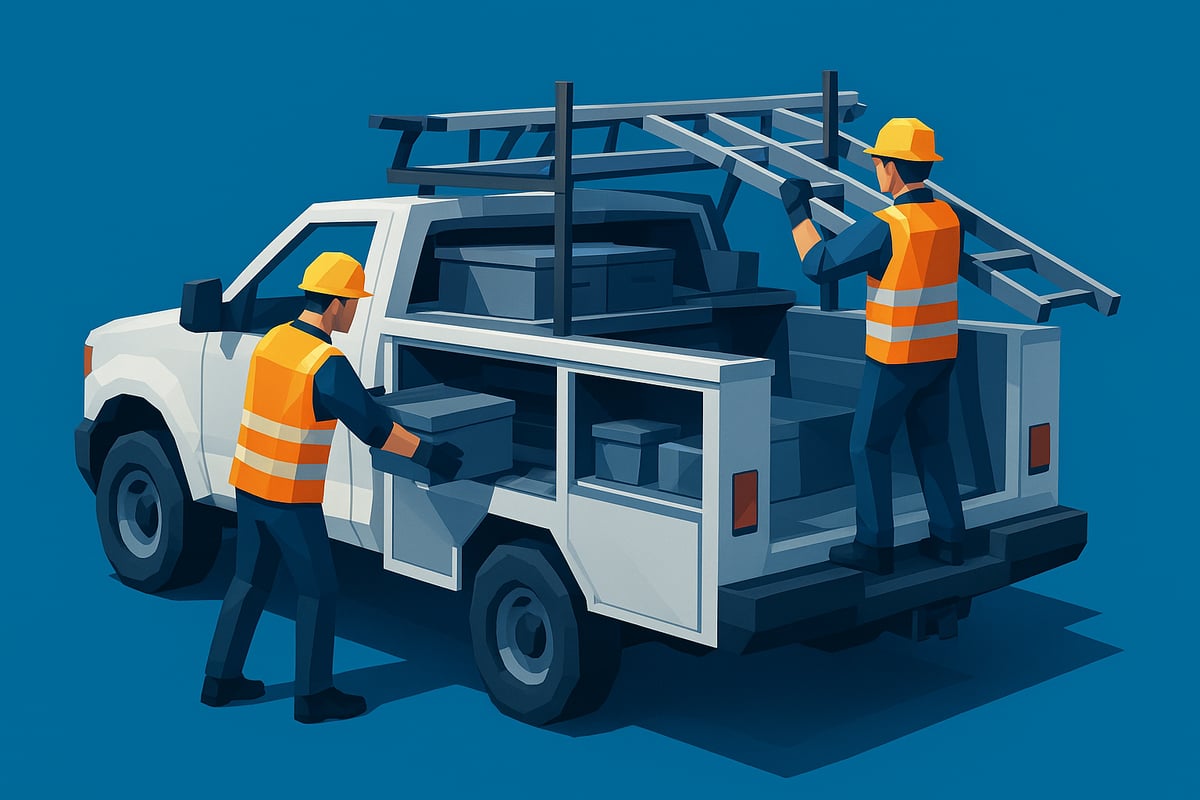
Planning is the foundation of a successful custom truck bed fabrication for work vehicles. A detailed, step-by-step approach ensures every aspect, from functionality to compliance, aligns with your business goals. Let’s break down each critical stage to help you make informed choices.
Defining Your Work Vehicle’s Purpose and Requirements
Every custom truck bed fabrication for work vehicles project begins by clarifying the bed’s intended role. Are you primarily hauling equipment, transporting materials, or supporting specialized operations?
List your primary and secondary uses. For example, oil and gas fleets may need spill containment, while landscaping businesses focus on organized tool storage and debris transport. Consider the types of cargo, frequency of loading and unloading, and specific workflow needs.
Identifying these factors early ensures custom truck bed fabrication for work vehicles delivers tailored solutions that boost productivity and safety. Document all requirements, including must-have features and future expansion needs.
Measuring and Assessing Your Vehicle
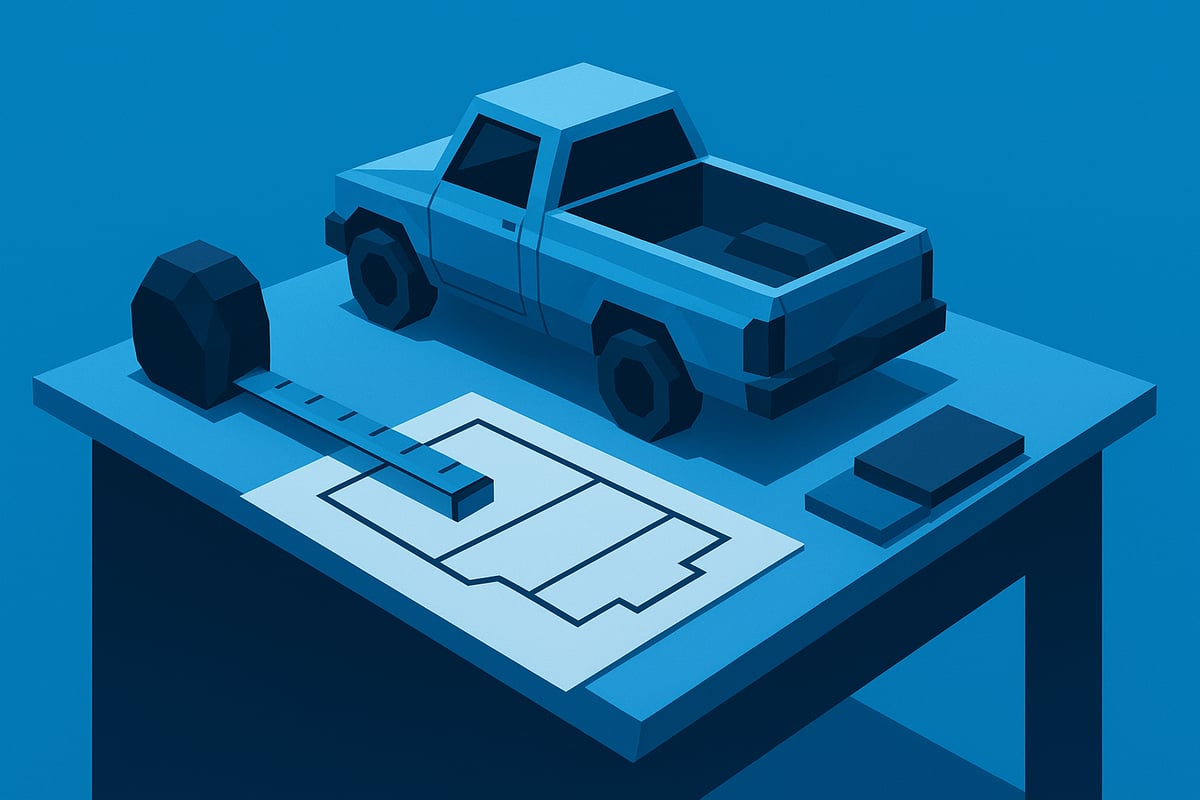
Accurate measurement is crucial in custom truck bed fabrication for work vehicles. Begin by recording the truck bed’s length, width, and height, as well as chassis compatibility. Assess the Gross Vehicle Weight Rating (GVWR) to determine safe payload limits.
Balance is key. Evaluate how weight distribution will affect vehicle handling and performance. Overloading one area can lead to instability and premature wear. Use the truck manufacturer’s guidelines and consult a professional if you plan significant modifications.
A precise assessment lays the groundwork for custom truck bed fabrication for work vehicles that meets operational and safety standards.
Designing for Functionality and Accessibility
Effective design is the heart of custom truck bed fabrication for work vehicles. Start with a layout that organizes tools, equipment, and cargo for fast access. Consider adding compartments, toolboxes, racks, and tie-down points.
Accessibility features, such as side steps, ramps, or lift gates, reduce manual strain and speed up daily tasks. Ergonomics should guide placement of handles, storage, and controls to protect workers from repetitive stress injuries.
Plan for the workflow. For instance, mobile service vehicles benefit from externally accessible storage, while delivery trucks might prioritize secure internal compartments. Custom truck bed fabrication for work vehicles is all about making the job easier and safer.
Material Selection and Durability Factors
Selecting the right materials is a pivotal step in custom truck bed fabrication for work vehicles. Common options include steel, aluminum, and advanced composites. Each material has unique benefits—steel offers strength, aluminum reduces weight and resists corrosion, and composites provide a balance of both.
Weatherproofing and corrosion resistance are essential, especially for vehicles exposed to harsh environments. Data shows aluminum beds can lower vehicle weight by up to 30 percent, improving fuel efficiency and payload.
For expert insight into choosing the right fabrication solutions and materials, explore Custom Metal Fabrication Services to ensure your project meets durability and performance standards.
Budgeting and Timeline Planning
Cost management is vital in custom truck bed fabrication for work vehicles. Break down your budget into materials, labor, finishing, and installation. Request detailed quotes to avoid hidden expenses.
Set a realistic timeline for each phase—design, fabrication, and installation. Account for lead times on materials and allow for quality checks. Planning for minimal vehicle downtime helps maintain business continuity.
Consider the long-term return on investment. A well-planned custom truck bed fabrication for work vehicles can lower maintenance costs, increase resale value, and deliver operational savings over time.
The Fabrication Process: From Design to Installation
A successful custom truck bed fabrication for work vehicles relies on a seamless process from initial concept to final installation. Each stage—design, material selection, assembly, and quality assurance—plays a vital role in ensuring your truck bed meets the demands of your industry. Let us break down the fabrication journey so you know what to expect at every step.
CAD Design and Prototyping
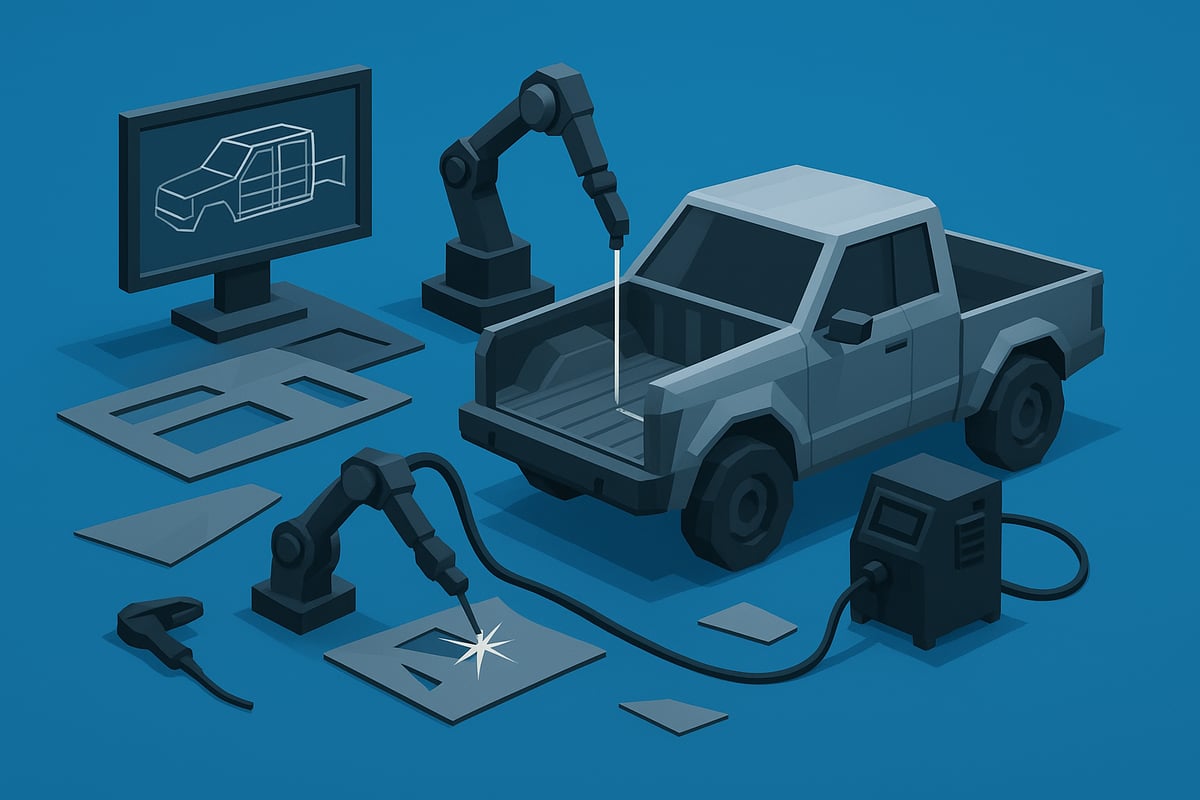
The first step in custom truck bed fabrication for work vehicles is digital design. Engineers use CAD software to create precise 3D models of the truck bed, allowing for detailed visualization and accurate measurements. This digital environment makes it possible to simulate real-world stresses, ensuring the design will perform as intended.
Prototyping in CAD also helps detect potential design flaws before fabrication begins. By iterating quickly in software, you can refine layouts and features, saving both time and resources during actual production. This proactive approach sets the foundation for a functional and reliable custom truck bed fabrication for work vehicles.
Material Preparation and Cutting
After finalizing the design, the focus shifts to preparing and cutting materials. High-quality metals such as steel, aluminum, or composites are selected based on durability and weight requirements. In custom truck bed fabrication for work vehicles, precise cutting is crucial for fit and structural integrity.
Modern workshops use advanced cutting technologies like laser, waterjet, or plasma to achieve clean edges and minimal waste. Material traceability is maintained throughout, ensuring each component meets certification standards. Accurate preparation streamlines assembly and enhances the finished product's longevity.
Welding and Assembly Techniques
Welding forms the backbone of custom truck bed fabrication for work vehicles. Skilled technicians employ MIG, TIG, or stick welding, each suited for different materials and structural demands. Quality welds provide the necessary strength to withstand heavy loads and daily use.
For projects emphasizing corrosion resistance and lightweight durability, aluminum and stainless steel welding are often prioritized. You can learn more about these methods and their benefits in Aluminum and Stainless Steel Welding. Proper assembly ensures all parts fit securely, with reinforced joints in high-stress areas to maximize safety and performance.
Custom Features and Accessories Integration
Customization is what sets this process apart. Custom truck bed fabrication for work vehicles involves integrating features tailored to your workflow. Toolboxes, LED lighting, hydraulic lifts, and side-access compartments are just a few examples of enhancements that boost efficiency.
Electrical wiring and safety systems like backup alarms or power inverters can be seamlessly incorporated. Each accessory is installed following strict guidelines to preserve reliability and meet operational needs. This attention to detail ensures your truck bed is an asset on every job site.
Quality Assurance and Testing
Every custom truck bed fabrication for work vehicles undergoes stringent quality checks. Inspection protocols focus on weld integrity, joint strength, and surface finishes. Load testing verifies the bed can safely handle the specified payload, while durability assessments ensure it withstands daily wear.
Compliance with DOT and OSHA standards is mandatory. Documented inspections and certifications provide peace of mind for fleet managers and operators. Thorough testing prevents future issues and supports a strong return on investment.
Final Installation and Fitment
The last phase is installing the completed bed onto the work vehicle chassis. Precise alignment and secure mounting are vital for stability and safety. Installers confirm that all features function as intended, from compartments to electrical systems.
A comprehensive walkthrough with the client ensures satisfaction and familiarizes operators with new equipment. Post-installation checks verify that the custom truck bed fabrication for work vehicles meets every requirement, ready for productive service on the road.
Compliance, Safety, and Regulatory Considerations
Navigating compliance is vital to the success of custom truck bed fabrication for work vehicles. Regulations are evolving rapidly, and failing to meet standards can result in costly penalties or operational delays. By understanding current rules and integrating them into your project, you ensure both safety and long-term value.
Understanding Federal, State, and Local Regulations
For custom truck bed fabrication for work vehicles, compliance starts with knowing the rules at every level. Federal agencies like the DOT, FMCSA, and OSHA set baseline standards for modifications, covering everything from lighting to structural integrity. States and municipalities may add requirements related to size, emissions, or specific safety features.
Staying informed about 2026 regulation updates is crucial. Consult official resources, such as the NHTSA Compliance Guidelines, for detailed interpretations. Regularly review these standards before and during fabrication to avoid setbacks.
Weight Ratings, Load Securement, and Certifications
Every custom truck bed fabrication for work vehicles must respect weight and load rules. Exceeding the Gross Vehicle Weight Rating (GVWR) or ignoring payload limits can compromise safety and violate laws. Proper load securement is not just good practice, it is a legal mandate.
Below is a summary table for key compliance factors:
| Factor | What to Check | Why It Matters |
|---|---|---|
| GVWR | Manufacturer’s label | Prevents overloading |
| Payload | Total cargo + equipment | Ensures stability and safety |
| Certifications | DOT, FMCSA, OEM specs | Validates legal compliance |
Obtain certifications for all modifications to streamline inspections and insurance claims.
Safety Features and Worker Protection
Custom truck bed fabrication for work vehicles should always prioritize worker safety. Integrate features like anti-slip surfaces, guardrails, and compliant lighting to minimize risk. Guardrails protect workers during loading, while high-visibility lighting reduces accident rates in low-light conditions.
Emergency equipment, such as fire extinguishers and first aid kits, should be built into the design. Ergonomic layouts further reduce the chance of strain injuries, supporting a safer and more productive workforce.
Documentation and Inspection Requirements
Thorough documentation is essential for custom truck bed fabrication for work vehicles. Keep detailed records of all modifications, including blueprints, material certifications, and inspection results. These documents are critical during regulatory audits or roadside checks.
Prepare for periodic inspections by maintaining an up-to-date logbook. Professional documentation also supports insurance coverage and boosts resale value by providing proof of compliance and quality.
Choosing the Right Fabrication Partner
Selecting the best partner for custom truck bed fabrication for work vehicles is a critical decision that impacts your fleet’s productivity, safety, and long-term value. The right fabricator brings not just technical skill but also an understanding of your industry’s unique needs and compliance requirements.
Qualities to Look for in a Custom Fabricator
When evaluating a company for custom truck bed fabrication for work vehicles, focus on these core qualities:
- Proven experience with similar projects and a portfolio of completed work
- Certifications in welding, machining, and safety standards
- Industry-specific expertise, such as construction, utilities, or oil and gas
- Positive customer testimonials and documented case studies
Equally important is a fabricator’s ability to provide end-to-end solutions. For a deeper look at the range of capabilities a top partner should offer, explore the Fabrication Solutions for Industry resource. The right partner will understand your operational challenges and deliver tailored solutions that align with your goals.
LTJ Industrial Services: Your Custom Fabrication Experts
LTJ Industrial Services stands out in custom truck bed fabrication for work vehicles across the Western United States. Their team combines advanced welding, precision machining, and expert fabrication under one roof.
They serve industries from construction to oil and gas, providing both shop and field services. LTJ’s commitment to quality, safety, and client collaboration ensures every project meets rigorous standards. Their tailored approach means your work vehicles are equipped for maximum efficiency, durability, and compliance. For consultations or quotes, LTJ Industrial Services is ready to discuss your specific requirements.
Questions to Ask Before Hiring
Before committing to a partner for custom truck bed fabrication for work vehicles, ask targeted questions to ensure alignment:
- What materials and fabrication processes do you use, and why?
- Can you share examples of similar projects and their outcomes?
- What is the typical turnaround time for projects like mine?
- How do you handle warranty, repairs, and ongoing support?
- Are site visits available for reviewing your facilities and past work?
These questions help clarify expectations, uncover hidden costs, and build confidence in your chosen fabricator’s abilities.
Comparing Quotes and Making a Decision
When reviewing proposals for custom truck bed fabrication for work vehicles, transparency and completeness are essential. Evaluate each quote for:
| Criteria | What to Look For |
|---|---|
| Cost Breakdown | Clear details on materials, labor, and installation |
| Timeline | Realistic scheduling and delivery estimates |
| Quality Guarantees | Warranties and post-installation support |
| Communication | Clear points of contact and update procedures |
Balance cost with quality and expertise. Prioritize partners who provide detailed contracts and maintain open communication throughout the project. This approach safeguards your investment and ensures a successful outcome.
Trends and Innovations in Custom Truck Bed Fabrication for 2026
Staying ahead in custom truck bed fabrication for work vehicles means recognizing the trends that are shaping the industry in 2026. Professionals are demanding smarter, lighter, and more adaptable solutions, driving rapid innovation. Below, we explore the cutting-edge advancements that are redefining what is possible for work vehicle customization.
Advances in Materials and Lightweight Construction
The backbone of custom truck bed fabrication for work vehicles in 2026 is material innovation. Manufacturers are introducing advanced alloys and composites, making beds stronger yet significantly lighter. Aluminum remains popular due to its corrosion resistance and ability to reduce overall vehicle weight by up to 30 percent.
Composite materials are also gaining traction, offering an optimal balance of strength and weight. These materials not only improve fuel efficiency but also allow for higher payload capacities. According to the Truck Bedliners Market Report, demand for durable, lightweight truck bed solutions is surging as fleets focus on longevity and lower maintenance costs.
Smart Technology Integration
Smart technology is revolutionizing custom truck bed fabrication for work vehicles. IoT sensors now monitor load distribution, track cargo, and help prevent theft in real time. Integration with fleet management software enables companies to receive alerts on overloading, maintenance needs, or security breaches.
Digital displays and remote controls are becoming standard, offering operators more control and insight into their equipment. For an in-depth look at how these technologies are transforming the field, refer to the Fabrication Industry Trends 2026, which highlights the rapid adoption of digital and connected solutions across commercial fleets.
Modular and Configurable Designs
Flexibility is now at the core of custom truck bed fabrication for work vehicles. Modular systems allow beds to be reconfigured quickly to adapt to different job requirements. Interchangeable racks, toolboxes, and storage units minimize downtime and maximize utility.
A recent industry survey found that modular designs can reduce reconfiguration time by up to 50 percent. Companies can now deploy one vehicle for multiple tasks, improving ROI and operational efficiency. This trend is especially valuable for businesses with diverse or frequently changing workloads.
Sustainability and Eco-Friendly Practices
Sustainability is influencing every aspect of custom truck bed fabrication for work vehicles. Fabricators are using recycled materials and applying low-emission coatings to minimize environmental impact. Energy-efficient processes, such as water-based paints and solar-powered workshops, are becoming more widespread.
Fleet operators are increasingly seeking green solutions, both to meet regulatory requirements and to appeal to eco-conscious clients. These practices not only protect the environment but also often result in cost savings over the vehicle’s lifecycle.
Automation and Robotics in Fabrication
Automation is transforming how custom truck bed fabrication for work vehicles is executed. CNC machining ensures precise cuts, while robotic welding provides consistent, high-quality joints. Automated assembly lines accelerate production, reducing lead times by as much as 30 percent.
These advancements not only enhance precision but also improve workplace safety by minimizing manual handling of heavy materials. The shift toward automation is allowing fabricators to meet higher demand without sacrificing quality or reliability.
Future-Proofing Your Investment
Forward-thinking design is essential for custom truck bed fabrication for work vehicles in 2026. Companies are planning for adaptability by building beds that can accommodate future upgrades, such as new tech integrations or regulatory changes.
Scalable solutions help ensure long-term ROI, protecting your investment as needs evolve. For more insights on planning and staying ahead of industry shifts, the Commercial Fabrication Guide for 2026 is a valuable resource for professionals looking to future-proof their fleets.
As you’ve seen throughout this guide, investing in a custom truck bed is about more than just upgrading your work vehicle—it’s about tailoring solutions that boost efficiency, safety, and long-term value for your entire operation. By understanding your unique needs, planning carefully, and working with experts who know the latest industry standards, you can transform your fleet for the challenges of 2026 and beyond. If you’re ready to explore how custom fabrication can support your business goals, let’s take the next step together—Request a Quote and discover what LTJ Industrial Services can do for you.