CO welding, also known as carbon dioxide welding or GMAW-C (Gas Metal Arc Welding with CO2), represents a critical welding process in modern industrial fabrication. This method uses carbon dioxide as a shielding gas to protect the weld pool from atmospheric contamination, delivering cost-effective and efficient joining solutions for steel fabrication. For industries ranging from oil and gas to aggregate processing and manufacturing, understanding the nuances of co welding can significantly impact production quality, operational efficiency, and bottom-line profitability. As businesses seek reliable metal fabrication and welding solutions, mastering this versatile technique becomes increasingly important.
Understanding CO Welding Fundamentals
CO welding operates on straightforward yet sophisticated principles. The process feeds a continuously-fed solid wire electrode through a welding gun while simultaneously releasing carbon dioxide gas to shield the molten weld pool. This shielding prevents oxygen and nitrogen from the atmosphere from contaminating the weld, which would otherwise cause porosity, brittleness, and strength reduction.
The carbon dioxide gas dissociates when exposed to the arc's heat, creating a protective envelope around the weld zone. This thermal decomposition produces carbon monoxide and oxygen, which creates a specific arc characteristic that differs from other shielding gases like argon or mixed gases.
Core Components and Equipment
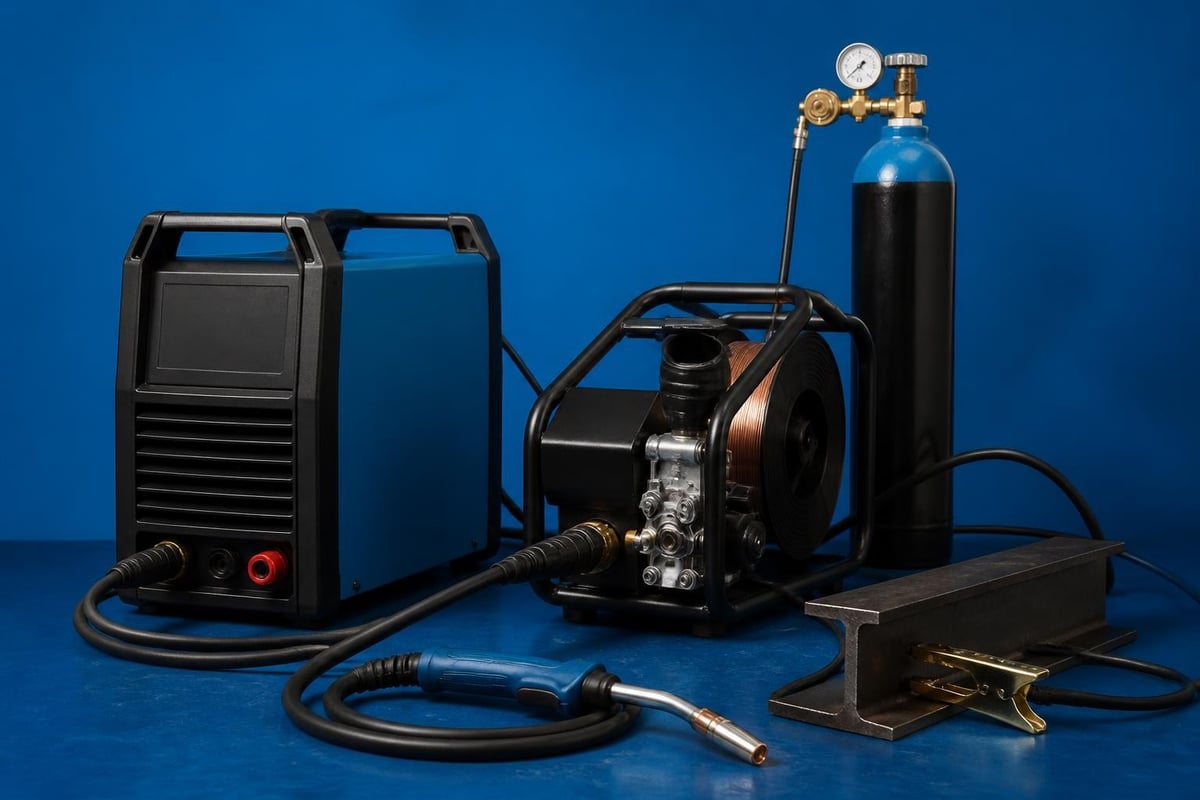
Every co welding setup requires specific equipment working in harmony. The basic system includes:
- Power source: Constant voltage welding machines typically ranging from 200 to 500 amps
- Wire feeder: Delivers electrode wire at controlled speeds matching the welding parameters
- Welding gun: Directs wire and shielding gas to the work area
- Gas regulator and flowmeter: Controls CO2 delivery at optimal rates
- Ground clamp: Completes the electrical circuit through the workpiece
Understanding comprehensive guide to CO2 welding processes helps operators maximize equipment capabilities. The wire electrode comes in various diameters, typically ranging from 0.030 to 0.045 inches for industrial applications, with selection depending on material thickness and position.
Advantages of CO Welding in Industrial Applications
The adoption of co welding across industrial sectors stems from multiple practical advantages. Cost efficiency ranks among the most compelling benefits, as carbon dioxide represents the least expensive shielding gas option. Compared to argon or helium-based mixtures, CO2 delivers substantial savings on high-volume production runs.
Penetration depth constitutes another significant advantage. CO welding produces deeper penetration compared to other GMAW processes, making it particularly suitable for thick steel sections commonly found in oil and gas pipeline fabrication projects. This characteristic reduces the need for extensive joint preparation and allows single-pass welding on thicker materials.
| Advantage | Description | Industry Application |
|---|---|---|
| Deep Penetration | Excellent fusion on thick sections | Structural steel, heavy equipment |
| Cost Efficiency | Lowest shielding gas expense | High-volume production runs |
| Deposition Rate | Fast material application | Fabrication shops, manufacturing |
| Equipment Simplicity | Straightforward setup and operation | Field welding, maintenance work |
| Steel Compatibility | Optimized for carbon and low-alloy steels | Industrial manufacturing sectors |
Process Efficiency and Production Speed
CO welding delivers exceptional deposition rates, allowing welders to complete projects faster than many alternative processes. The continuous wire feed eliminates the frequent stops required with stick welding, maintaining consistent production momentum. This efficiency proves particularly valuable when welding companies face tight project deadlines or high-volume fabrication requirements.
The process also generates less cleanup compared to flux-cored arc welding, as the gas shielding eliminates heavy slag formation. Operators spend less time on post-weld grinding and finishing, directing more resources toward productive welding time.
Technical Considerations for Optimal Results
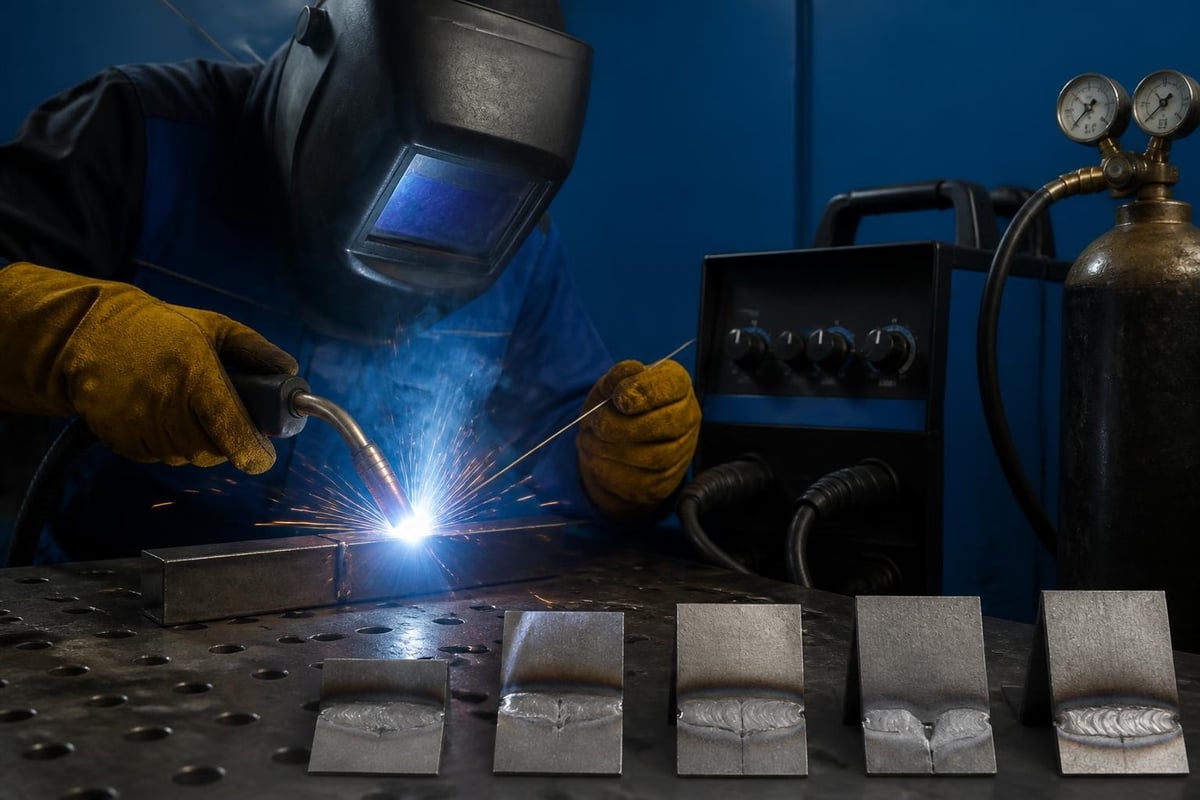
Achieving quality welds with co welding requires attention to multiple technical parameters. Gas flow rate represents a critical variable, typically set between 30-50 cubic feet per hour depending on welding conditions. Insufficient flow allows atmospheric contamination, while excessive flow creates turbulence that disrupts shielding effectiveness.
Wire feed speed and voltage settings must work in tandem. The relationship between these parameters determines arc characteristics, penetration depth, and bead appearance. Most industrial applications operate within the spray transfer mode, requiring sufficient voltage and amperage to create a smooth, spatter-free arc.
Material Preparation and Joint Design
Proper preparation ensures successful co welding outcomes:
- Clean all base metal surfaces to remove mill scale, rust, oil, and contaminants
- Design joints with appropriate root openings for the material thickness and welding position
- Select filler wire matching base metal properties or slightly higher strength
- Pre-heat thick sections when welding high-carbon or alloy steels
- Maintain proper work angles for the welding gun, typically 10-15 degrees
Travel speed affects heat input and bead geometry. Faster travel reduces penetration and heat-affected zone width but may create insufficient fusion. Slower travel increases heat input, potentially causing burn-through on thin materials or excessive distortion.
Common Applications Across Industries
Manufacturing sectors throughout the Western United States rely on co welding for diverse applications. Structural steel fabrication represents one of the primary uses, with the process excelling at joining beams, columns, and bracing members for commercial and industrial construction projects.
The aggregate industry uses co welding extensively for equipment repair and fabrication. Crushing equipment, conveyor systems, and material handling structures all require robust welds capable of withstanding severe abrasion and impact. The deep penetration characteristics make co welding ideal for these demanding applications.
Oil and Gas Sector Applications
Petroleum extraction and processing facilities depend on co welding for pipeline construction, pressure vessel fabrication, and equipment maintenance. The process handles the thick-walled carbon steel pipes common in gathering systems and processing plants. Field mechanic services frequently employ co welding for on-site repairs and emergency maintenance in remote locations.
Recycling operations also benefit from co welding capabilities. Heavy-duty steel structures, sorting equipment, and material processing machinery require regular welding maintenance. The cost-effectiveness and speed of co welding align perfectly with the tight margins and high-volume throughput requirements of modern recycling facilities.
Challenges and Limitations
Despite numerous advantages, co welding presents specific challenges requiring skilled management. Spatter generation exceeds that of mixed gas shielding, particularly in short-circuit transfer modes. This characteristic necessitates more extensive cleanup and increases consumable costs through wasted electrode material.
Wind sensitivity poses problems for outdoor applications. The relatively light weight of CO2 compared to argon mixtures makes the shielding envelope more susceptible to disruption by air movement. Field welding operations must implement wind barriers or select alternative processes when conditions exceed manageable thresholds.
- Surface finish quality may not meet requirements for critical visual applications
- Porosity risks increase when welding dirty or contaminated materials
- Not suitable for non-ferrous metals like aluminum or stainless steel
- Requires more operator skill than some semi-automatic processes
- Higher heat input may cause distortion on thin-gauge materials
Skill Development Requirements
Operator proficiency significantly impacts co welding quality outcomes. Understanding welding techniques requires both theoretical knowledge and practical experience. Gun angle, travel speed, and arc length all demand precise control developed through dedicated training and supervised practice.
The process requires constant attention to arc characteristics and puddle behavior. Unlike some automated welding methods, co welding demands active operator involvement in maintaining optimal parameters throughout each pass.
Advanced CO Welding Technologies
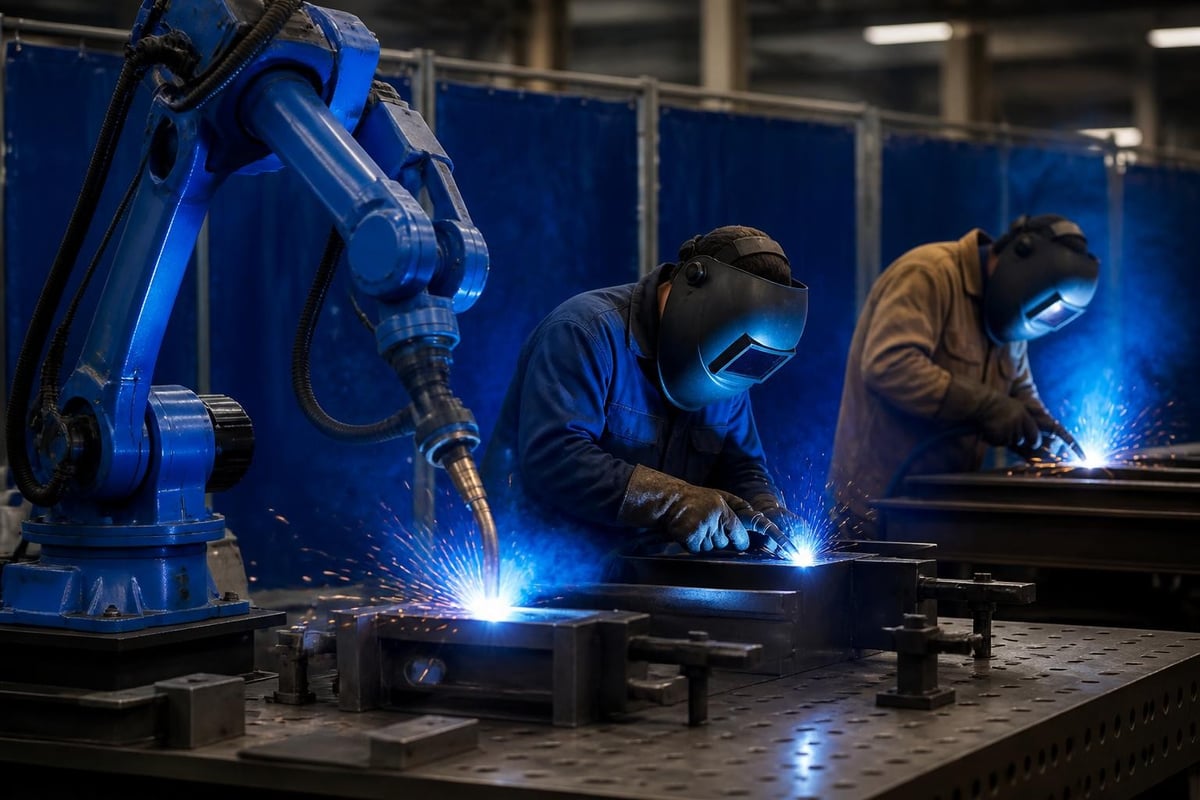
Modern manufacturing increasingly integrates automation with traditional co welding processes. Robotic systems equipped with CO2 welding capabilities deliver consistent quality across repetitive production runs. CO-BRO® robot-supported welding systems demonstrate how automation enhances productivity while maintaining the cost advantages of carbon dioxide shielding.
Collaborative robot technology introduces new possibilities for semi-automated welding. Cobot welding systems combine human skill with robotic precision, allowing operators to program repetitive tasks while focusing expertise on complex joint configurations.
| Technology | Primary Benefit | Best Application |
|---|---|---|
| Full Robotics | Maximum consistency and speed | High-volume production |
| Cobot Systems | Flexibility with repeatability | Medium-run fabrication |
| Automated Wire Feed | Reduced operator fatigue | Extended welding sessions |
| Digital Controls | Precise parameter management | Critical quality applications |
Quality Control and Inspection Methods
Ensuring weld integrity requires systematic inspection approaches. Visual examination identifies surface defects, dimensional accuracy, and general quality indicators. More sophisticated methods include ultrasonic testing for internal defects, radiographic inspection for critical applications, and magnetic particle testing for surface and near-surface discontinuities.
Documentation and traceability have become standard requirements in manufacturing. Welding procedure specifications (WPS) and procedure qualification records (PQR) establish approved parameters and demonstrate process capability. Welder qualification testing ensures operators possess necessary skills for specific applications.
Safety Considerations and Best Practices
CO welding operations generate multiple safety hazards requiring proper management. The intense ultraviolet and infrared radiation produced by the welding arc can cause severe eye damage and skin burns. Complete personal protective equipment includes auto-darkening welding helmets, flame-resistant clothing, leather gloves, and safety footwear.
Fume extraction represents a critical health consideration. The welding process generates metal fumes and carbon monoxide gas requiring adequate ventilation. Industrial facilities should implement local exhaust ventilation at welding stations, with supplemental general ventilation maintaining acceptable air quality throughout work areas.
- Always ensure proper grounding of electrical equipment and workpieces
- Maintain dry work areas and wear insulated gloves when handling electrodes
- Secure gas cylinders in upright positions with protective caps when not in use
- Inspect equipment regularly for damaged cables, loose connections, or gas leaks
- Establish fire watch procedures for elevated fire risk environments
- Provide adequate spacing between welding operations and combustible materials
Fire prevention requires particular attention in custom metal fabrication services environments. Welding sparks and molten metal can travel significant distances, igniting combustible materials beyond the immediate work area. Hot work permits and designated welding zones help control these risks.
Material Selection and Compatibility
CO welding performs optimally on carbon steels and low-alloy steels, the materials comprising the majority of industrial fabrication work. The process handles mild steel ranging from thin sheet metal to heavy plate exceeding several inches in thickness. High-strength low-alloy steels also weld successfully with co welding when proper filler metals and procedures are employed.
Material chemistry affects weldability and required techniques. Higher carbon content increases hardness and crack susceptibility in the heat-affected zone. These materials may require preheat, specific filler wire selection, and controlled cooling rates to prevent cracking.
Incompatible materials include:
- Aluminum and aluminum alloys
- Stainless steel (requires argon-based shielding)
- Copper and copper alloys
- Titanium and reactive metals
- Dissimilar metal combinations requiring specialized processes
Understanding material limitations prevents costly mistakes and ensures appropriate process selection for each application. When projects require welding incompatible materials, alternative processes like Gas Tungsten Arc Welding or specialized techniques may prove necessary.
Process Variables and Parameter Optimization
Successful co welding requires balancing multiple interrelated variables. Electrode extension (stick-out distance) typically ranges from 3/8 to 3/4 inch, affecting arc stability and heat input. Excessive stick-out increases electrical resistance, preheating the wire and altering deposition characteristics.
Polarity selection significantly impacts the welding process. Direct current electrode positive (DCEP) provides the best combination of penetration, arc stability, and deposition efficiency for most co welding applications. This polarity directs approximately two-thirds of the arc heat into the base metal, creating the deep penetration characteristic of the process.
Transfer mode selection depends on material thickness and application requirements. Short-circuit transfer works well for thin materials and out-of-position welding but generates more spatter. Globular transfer occurs at intermediate parameters but lacks the smooth arc characteristics desired for quality work. Spray transfer delivers the best results for thick materials in flat and horizontal positions.
Maintenance and Equipment Care
Proper equipment maintenance ensures consistent performance and extends service life. The wire feeding system requires particular attention, as worn drive rolls, dirty liner tubes, or improper tension cause erratic wire feeding and arc instability. Regular cleaning and inspection prevent most feeding problems before they affect production quality.
Contact tip replacement schedules depend on usage intensity but typically range from daily to weekly in production environments. Worn tips allow wire wandering, creating arc directional problems and inconsistent bead placement. Keeping spare consumables readily available minimizes downtime when replacements become necessary.
Gas delivery systems need periodic inspection for leaks, regulator accuracy, and hose condition. A simple soap solution test identifies small leaks that waste shielding gas and potentially compromise weld quality. Annual regulator calibration ensures accurate flow rate control.
Mastering co welding techniques provides significant competitive advantages for industrial fabrication operations throughout the Western United States. The process delivers cost-effective, high-quality results across diverse applications when operators understand fundamental principles and apply best practices consistently. For businesses requiring expert welding services, comprehensive equipment capabilities, and experienced technicians, LTJ Industrial Services offers complete shop and field solutions for commercial and industrial manufacturing sectors. Whether you need routine fabrication, emergency repairs, or complex custom projects, our team delivers the expertise and reliability your operations demand.