
The landscape of co manufacturing is transforming at an unprecedented pace in 2026, reshaping how brands bring products to market and manage global supply chains. Businesses that master co manufacturing strategies now will unlock new levels of agility and resilience, staying ahead in a fiercely competitive environment.
This guide delivers the latest trends, actionable steps, risk management tips, and technology insights to help you forge successful partnerships. Ready to gain a decisive edge? Read on for expert strategies that will future-proof your manufacturing operations.
Understanding Co-Manufacturing in 2026: Definitions, Trends, and Market Dynamics
Co manufacturing is rapidly becoming a cornerstone of modern supply chains in 2026. Businesses of all sizes are turning to specialized partners to boost efficiency, access expertise, and scale quickly. Understanding the fundamentals and market dynamics of co manufacturing is essential for any company aiming to stay competitive.
What is Co-Manufacturing?
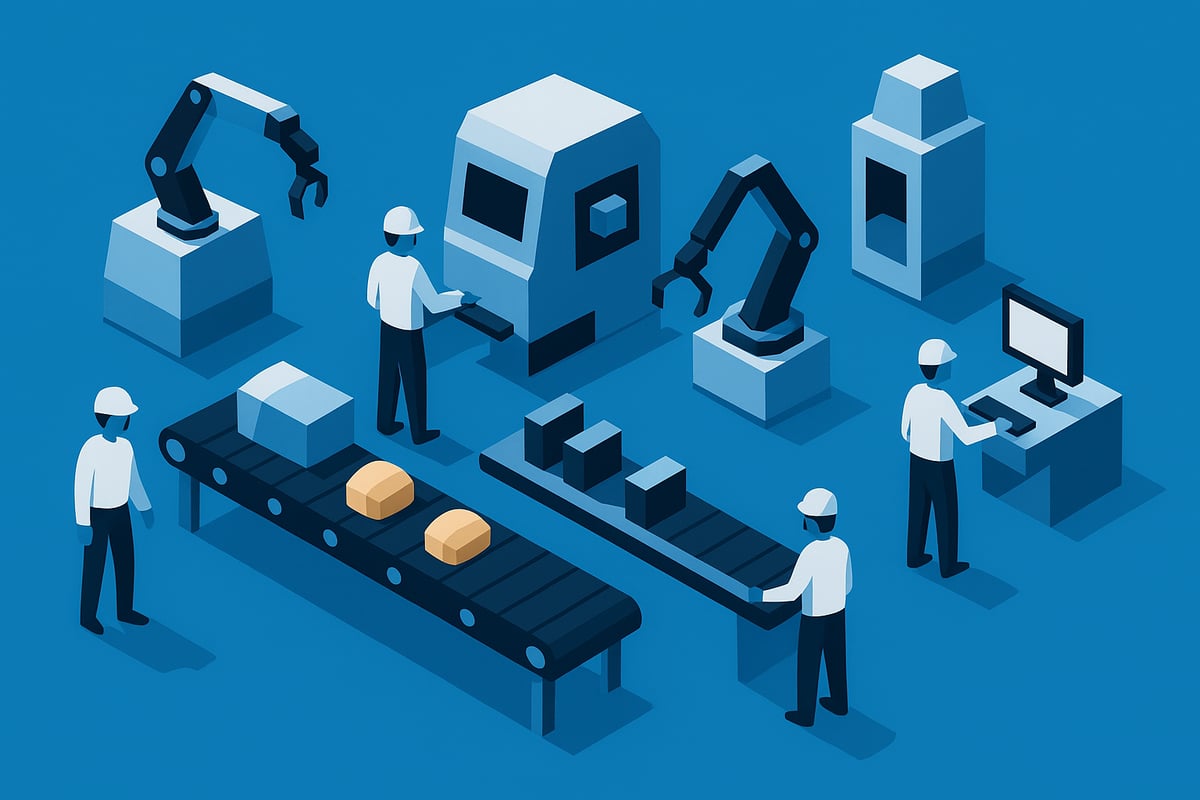
Co manufacturing refers to outsourcing the production of goods to a third-party manufacturer, who follows your brand’s specifications and quality standards. Unlike co-packing, which focuses only on packaging finished products, co manufacturing involves the entire production process, from sourcing raw materials to final assembly.
This model is used by startups needing to launch quickly, established brands seeking flexibility, and global enterprises optimizing their operations. By partnering with experienced manufacturers, businesses can focus on core activities while leveraging external production capabilities. Co manufacturing is a strategic choice for those aiming to innovate and grow.
Key Market Trends and Growth Drivers
In 2026, the co manufacturing industry is experiencing robust growth. Market reports project double-digit increases in adoption rates, fueled by the shift toward asset-light business models and the need for agility. Companies are increasingly outsourcing production to respond to fluctuating consumer demand and global supply chain pressures.
Large organizations, such as Sara Lee, are using co manufacturing to accelerate product launches and reduce costs. Evolving business models, including turnkey and tolling arrangements, allow brands to customize their level of involvement. This flexibility ensures co manufacturing remains adaptable to changing market dynamics.
Benefits and Challenges of Co-Manufacturing
The primary benefits of co manufacturing include reduced capital expenditure, faster time to market, and access to specialized production expertise. Brands can scale output efficiently without investing heavily in new facilities or equipment. Additionally, co manufacturing enables rapid response to market trends.
However, challenges exist. Quality control can be complex when working with external partners. Protecting intellectual property is a top concern, especially for innovative products. Managing multi-layered supply chains and ensuring clear communication are also critical. Competitor data shows companies leveraging co manufacturing can improve operational efficiency by up to 15 percent, but only with strong oversight and collaboration.
Industry Examples and Use Cases
Co manufacturing is prevalent in food and beverage, consumer packaged goods, and specialized manufacturing sectors. For example, brands in the snack industry often use co manufacturing to introduce new flavors or formats quickly. Private label manufacturers enable retailers to offer exclusive products without building new plants.
Power Packaging is a well-known case, supporting both established and emerging brands with flexible solutions. Niche sectors, such as nutraceuticals, benefit from co manufacturing’s ability to meet strict regulatory and quality demands. For more real-world examples, review these case studies in manufacturing partnerships, which highlight how diverse companies achieve success through strategic collaboration.
Step-by-Step Guide to Building a Successful Co-Manufacturing Partnership
Building a thriving co manufacturing partnership in 2026 demands a strategic, methodical approach. By following these six essential steps, you can maximize your supply chain’s flexibility, efficiency, and resilience.

Step 1: Defining Your Product and Production Needs
Start your co manufacturing journey by precisely defining your product’s requirements. Assess if your product is suitable for outsourcing, considering complexity, scalability, and regulatory requirements.
Document all technical specifications, including raw materials, certifications, and process tolerances. Clear documentation minimizes misunderstandings and sets the foundation for quality outcomes.
Consider future growth. Is your product likely to require higher volumes or new variants? If so, ensure your co manufacturing partner can scale with your business. Properly defining these needs up front streamlines partner selection and accelerates your time to market.
Step 2: Finding and Vetting the Right Co-Manufacturer
Locating the ideal co manufacturing partner requires a multi-channel approach. Use industry directories, attend trade shows, and tap into associations like PLMA for leads.
When evaluating candidates, focus on facility capabilities, references, certifications, and financial stability. For technical or custom components, consider partners with robust custom welding and fabrication services to ensure your product specifications are met.
Conduct site visits or virtual tours to verify operations firsthand. Request trial runs or pilot batches to test alignment with your standards. Thorough vetting reduces risks and builds a strong foundation for collaboration.
Step 3: Structuring Agreements and Contracts
Solid contracts are the backbone of any successful co manufacturing relationship. Clearly define the scope of work, product quality standards, intellectual property ownership, confidentiality clauses, minimum order quantities, and delivery timelines.
Incorporate non-compete clauses and penalties for missed deadlines when appropriate. Legal review is essential, especially for IP-sensitive products.
Avoid handshake deals or verbal agreements, as these can lead to costly disputes. A well-crafted contract protects both parties and sets expectations for the entire co manufacturing process.
Step 4: Establishing Robust Supply Chain and Workflow
Choose the right supply chain model for your co manufacturing project. A turnkey model means the partner supplies materials, while a tolling model requires you to provide them.
Clarify responsibilities for logistics, procurement, and scheduling. Use a production calendar to align lead times and manage buffer inventory for demand spikes.
| Model | Materials Supplied By | Best For |
|---|---|---|
| Turnkey | Co-Manufacturer | Simplicity, speed |
| Tolling | Brand/OEM | Control, specialty |
Mapping out your workflow ensures every stage of co manufacturing runs efficiently and predictably.
Step 5: Implementing Quality Assurance and Compliance Protocols
Quality assurance is a non-negotiable pillar of co manufacturing success. Set clear expectations for in-process checks, finished goods testing, and require Certificates of Analysis for each batch.
Schedule regular audits and review batch records to ensure compliance with industry standards. Implement traceability systems to track raw materials and finished products.
Competitor studies show robust QA protocols significantly reduce defect rates and regulatory risks. Prioritizing compliance protects both your brand and your customers throughout the co manufacturing lifecycle.
Step 6: Communication, Documentation, and Performance Monitoring
Effective communication is crucial for co manufacturing partnerships. Develop comprehensive SOPs, playbooks, and change request protocols to ensure consistency and transparency.
Schedule weekly check-ins and use shared dashboards for real-time updates on production progress. Track key performance indicators such as first pass yield, on-time in-full deliveries, defect rates, and margin performance.
Continuous monitoring allows for proactive issue resolution and ongoing improvement. Well-documented processes and transparent communication build trust, drive efficiency, and help your co manufacturing partnership thrive.
Technology and Digital Tools Transforming Co-Manufacturing
The digital revolution is reshaping co manufacturing at every level. In 2026, advanced technologies are not just optional but essential for brands and manufacturers aiming to stay competitive. From cloud-based systems to AI-driven analytics, the right digital tools can drive efficiency, transparency, and growth across the co manufacturing landscape.

The Rise of Cloud-Based ERP and MRP Systems
Cloud-based ERP and MRP systems are revolutionizing co manufacturing by centralizing data and automating complex workflows. These platforms enable real-time collaboration between brands and their manufacturing partners, regardless of location.
A recent industry report shows a 54% increase in operational efficiency and a 67% improvement in inventory tracking for companies using cloud-based solutions over traditional systems. Unlike legacy systems, cloud platforms offer scalability, reduced IT overhead, and seamless integration with supply chain partners.
| Feature | Traditional ERP | Cloud-Based ERP |
|---|---|---|
| Scalability | Limited | High |
| Real-Time Data | No | Yes |
| Upfront Cost | High | Low |
| Integration Ease | Complex | Simple |
For co manufacturing, these advantages translate into faster decision-making and greater agility in a competitive market.
Integrating Traceability and Supply Chain Visibility
Traceability is paramount in co manufacturing, especially for highly regulated sectors like food, beverage, and pharmaceuticals. Modern digital tools allow real-time tracking of every ingredient, component, and finished product as it moves through the supply chain.
Key features include:
- Batch and lot tracking
- Vendor-specific bills of materials (BOMs)
- Automated audit trails
These systems streamline recalls, ensure regulatory compliance, and provide peace of mind to brands. Enhanced visibility builds trust between partners, allowing co manufacturing operations to scale with fewer risks and greater transparency.
Automating Production Scheduling and Inventory Management
Automation is at the heart of efficient co manufacturing. Digital production scheduling tools forecast demand, allocate resources, and set reorder points automatically. This minimizes manual errors and prevents costly stockouts or overages.
For example, consumer packaged goods companies use automated inventory management to synchronize production runs with seasonal demand. This approach reduces waste and maximizes output, making co manufacturing more reliable and cost-effective.
Benefits include:
- Dynamic scheduling based on real-time data
- Automated reorder triggers
- Improved supplier coordination
These tools help both brands and manufacturers respond swiftly to market changes.
Digital Collaboration and Vendor Communication Platforms
Effective communication is crucial for successful co manufacturing partnerships. Shared digital portals and real-time dashboards enable instant updates, document sharing, and transparent reporting between brands and co-manufacturers.
Leading platforms support:
- Instant messaging and alerts
- Secure document management
- Performance and KPI dashboards
Such solutions reduce miscommunications, speed up issue resolution, and support scaling to multiple partners. By centralizing information and standardizing workflows, co manufacturing teams can maintain alignment and drive continuous improvement.
Future Technology Trends in Co-Manufacturing
Looking ahead, the co manufacturing sector is poised for further transformation. AI-driven production planning, IoT-enabled equipment monitoring, and blockchain-based contract management are already reshaping industry best practices.
Emerging technologies will further optimize efficiency, reduce risks, and unlock new business models. For deeper insights into how predictive analytics and artificial intelligence are redefining manufacturing operations, visit AI-Driven Operations in Manufacturing.
By embracing these innovations, companies can future-proof their co manufacturing strategies and maintain a competitive edge in a rapidly evolving marketplace.
Risk Management and Common Pitfalls in Co-Manufacturing
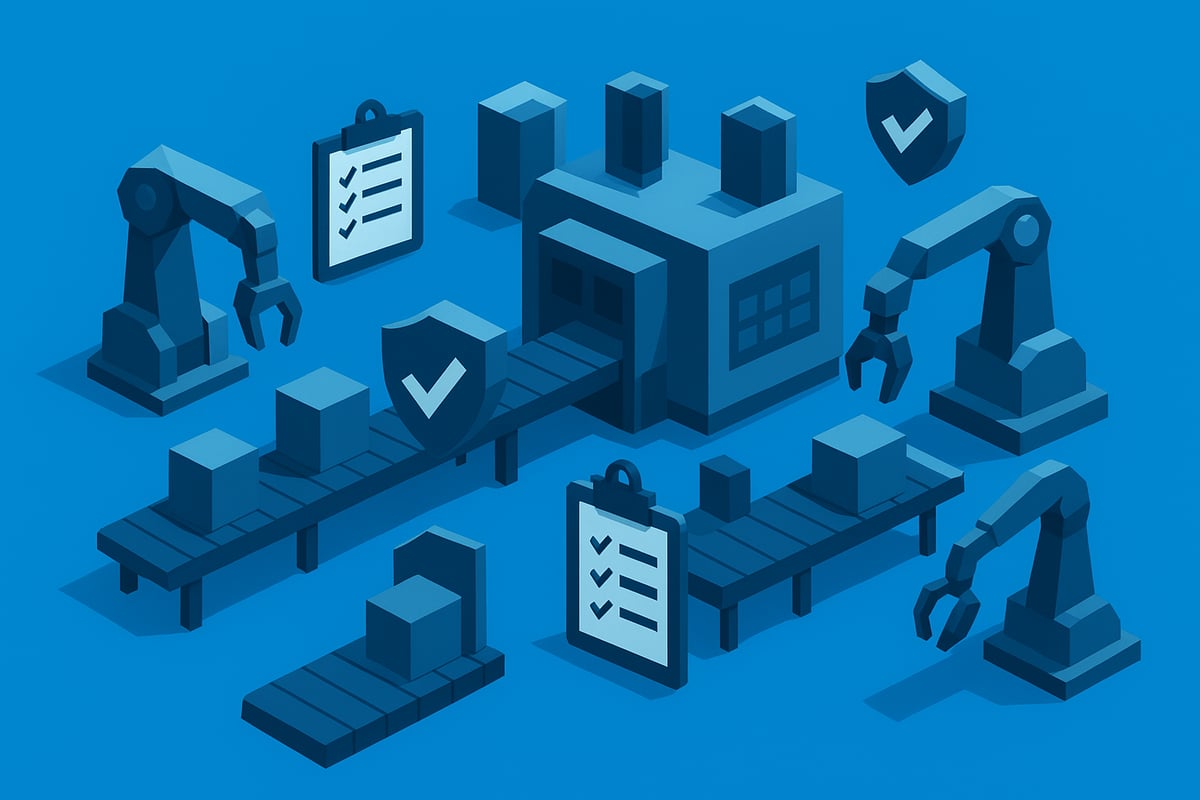
Managing risk is essential for any co manufacturing partnership. A proactive approach helps safeguard your brand, ensures supply chain resilience, and protects intellectual property. Understanding the most common risks and pitfalls positions your business to build stronger, more reliable partnerships.
Identifying and Mitigating Key Risks
Every co manufacturing relationship faces several critical risks. These include:
- Quality failures leading to recalls or customer dissatisfaction
- Supply chain disruptions from material shortages or logistics issues
- Intellectual property theft or misuse
- Capacity constraints that limit production or delay launches
To mitigate these risks, implement robust documentation, dual sourcing strategies, and redundancy planning. Develop clear escalation protocols for disruptions and regularly assess your co manufacturing partner's contingency plans. Keep detailed records and update risk assessments as your business evolves.
Avoiding Common Pitfalls: Lessons from Industry Experts
Industry veterans highlight several pitfalls that can undermine co manufacturing. Frequent issues include:
- Poor documentation, resulting in miscommunication or errors
- Over-reliance on a single manufacturing partner
- Failing to adopt digital tools for process management
- Entering into verbal agreements instead of formal contracts
To avoid these pitfalls, always use written agreements and implement digital management systems. Diversify your supplier base and maintain updated standard operating procedures. Regular performance reviews and clear communication channels are essential for successful co manufacturing.
Ensuring IP Protection and Confidentiality
Intellectual property is often a brand’s most valuable asset. In co manufacturing, strong IP protection is non-negotiable. Essential steps include:
- Drafting comprehensive non-disclosure agreements (NDAs)
- Including non-compete clauses and clear IP ownership terms in contracts
- Conducting background checks on potential partners
Real-world disputes often stem from unclear IP clauses or lack of enforcement. Protect your designs, formulas, and trade secrets by reviewing legal protections regularly. Educate your team and partners about confidentiality requirements to maintain trust in your co manufacturing network.
Planning for Scalability and Redundancy
Scalability and redundancy are vital for future-proofing co manufacturing operations. Maintain backup manufacturers and pursue geographic diversification to reduce single-source risk. Document all processes thoroughly, so transitions or scaling can occur seamlessly.
Leverage advanced industrial machining capabilities to support flexible production and ensure consistent quality across multiple sites. This approach strengthens your supply chain, enabling quick pivots during disruptions and supporting sustainable growth in co manufacturing.
Strategic Insights for Scaling and Optimizing Co-Manufacturing Operations
Establishing a robust co manufacturing strategy is vital for sustainable growth in today's dynamic landscape. As businesses scale, the right partnerships, cost structures, and data-driven processes become the foundation for long-term success. Below, we explore the essential insights for optimizing and expanding your co manufacturing operations in 2026.
Building Long-Term, Win-Win Partnerships
Strong co manufacturing relationships go beyond transactional projects. Leading brands invest in open communication, shared goals, and ongoing collaboration. This approach fosters trust and adaptability, enabling partners to respond quickly to challenges and opportunities.
Successful partnerships often incorporate specialized services, like welding solutions for supply chains, ensuring all aspects of production are covered. By aligning incentives and prioritizing transparency, both parties benefit from increased efficiency and long-term value.
Negotiating Costs, Margins, and Performance Metrics
Effective co manufacturing hinges on clear cost structures and measurable outcomes. Start by breaking down all expenses: tolling fees, material markups, and shared asset investments. Negotiate volume discounts and consider performance-based incentives to align interests.
| Cost Element | Typical Structure | Negotiation Tip |
|---|---|---|
| Tolling Charges | Per-unit or batch fee | Benchmark with industry rates |
| Material Markups | % over raw cost | Request transparent quotes |
| Asset Cost-Sharing | One-time or amortized over volume | Propose co-investment deals |
Setting and tracking key metrics, like margin targets and on-time delivery rates, ensures both sides stay accountable and profitable in the co manufacturing partnership.
Leveraging Data for Continuous Improvement
Data analytics are transforming co manufacturing by enabling real-time performance monitoring and process optimization. Brands now use dashboards to track KPIs such as yield, defect rates, and production cycle times.
Regularly reviewing this data uncovers bottlenecks and opportunities for cost savings. For example, analytics can highlight excess waste or flag recurring quality issues, prompting targeted improvements. By embedding data-driven decision-making into everyday operations, co manufacturing teams consistently enhance output and efficiency.
Adapting to Regulatory and Market Changes
The regulatory landscape in co manufacturing is evolving rapidly. Staying compliant requires proactive training, frequent audits, and close coordination with your partners. New sustainability standards and consumer expectations demand agility and ongoing education.
Brands that adapt quickly—by updating SOPs, investing in certifications, and integrating specialized services—minimize risk and maintain market access. Open dialogue about regulatory changes within your co manufacturing network ensures everyone remains prepared for new challenges.
Future Outlook: The Evolution of Co-Manufacturing Beyond 2026
Looking ahead, co manufacturing will keep expanding as globalization, supply chain resilience, and digital transformation accelerate. The next wave includes smart factories, AI-driven planning, and greater supply chain connectivity.
Investments in advanced technologies are already reshaping the industry. According to Smart Manufacturing Investments, automation and digital tools are driving efficiency and flexibility for leading manufacturers. Businesses that embrace these innovations and prioritize sustainability will secure a competitive edge as co manufacturing continues to evolve.
FAQ
Navigating co manufacturing in 2026 requires clarity, agility, and the right partnerships. Here are answers to the most frequently asked questions to help your business succeed with co manufacturing.
What is co manufacturing and how is it different from co packing?
Co manufacturing involves outsourcing the production of goods to a third-party manufacturer who follows your product specifications. In contrast, co packing only handles packaging pre-made products. Co manufacturing partners may source materials, produce, and package, making it ideal for brands seeking full-service solutions.
Why are more brands adopting co manufacturing in 2026?
Brands are embracing co manufacturing to reduce capital investment, accelerate time to market, and leverage specialized expertise. The trend towards asset-light business models and increased demand for flexibility drives adoption across industries.
What are the main benefits and risks of co manufacturing partnerships?
Key benefits include scalability, reduced overhead, and access to advanced technology. Risks involve quality control, intellectual property protection, and supply chain complexity. Businesses should balance these factors with clear contracts and robust oversight.
How do I choose the right co manufacturing partner?
Evaluate potential partners based on facility capabilities, certifications, financial health, and industry references. Attend trade shows, use industry directories, and conduct site visits to ensure alignment with your brand’s standards.
What should a co manufacturing contract include?
A strong contract should specify the scope of work, quality standards, intellectual property ownership, confidentiality, minimum order quantities, and delivery timelines. Legal review is crucial, especially for IP-sensitive products.
How can I ensure quality and compliance in co manufacturing?
Implement clear quality standards, require Certificates of Analysis, and schedule regular audits. Use traceability systems and review batch records to maintain regulatory compliance and product integrity.
Which technologies are transforming co manufacturing operations?
Cloud-based ERP and MRP systems, AI-driven production planning, and digital collaboration tools are reshaping co manufacturing. For a deeper dive into the impact of generative design and AI on manufacturing, see Generative Design in Industry.
How can I protect my intellectual property when using co manufacturing?
Use robust non-disclosure agreements, non-compete clauses, and define IP ownership in contracts. Regularly review legal protections and partner history regarding confidentiality.
Who should I contact for welding, fabrication, and machining services to support my co manufacturing needs?
For reliable welding, fabrication, and machining that strengthens your co manufacturing supply chain, reach out to LTJ Industrial Services. Their expertise covers custom shop and field solutions for manufacturing, recycling, aggregate, and oil & gas sectors.
How do I request a quote for custom fabrication or machining for my co manufacturing project?
To enhance your co manufacturing operations, contact LTJ Industrial Services by visiting their website at https://ltjindustrial.com or by calling (970) 625-9353 for a tailored quote.
As you look ahead to 2026 and consider the evolving landscape of co manufacturing, it’s essential to have reliable partners who understand your needs and can help you stay competitive. Whether you’re exploring the latest technology trends, scaling your operations, or ensuring quality at every step, having the right support makes all the difference. If you’re ready to take the next step and discover how expert welding, fabrication, and machining services can strengthen your supply chain, I invite you to [Request a Quote](https://www.ltjindustrial.com/contact_us/. You deserve a partner who’s as committed to your growth as you are.