Finding quality aluminum fabrication near me has become increasingly important as industries across the Western United States demand precision metalworking services. Whether you're in the aggregate, recycling, or oil and gas sector, selecting the right fabrication partner directly impacts project timelines, quality standards, and overall operational efficiency. The aluminum fabrication industry has evolved significantly in 2026, with advanced techniques and stringent quality controls becoming standard expectations rather than premium offerings.
Understanding Aluminum Fabrication Services
Aluminum fabrication encompasses a wide range of metalworking processes designed to transform raw aluminum into functional components and structures. This specialized field requires both technical expertise and proper equipment to achieve the precise tolerances demanded by modern industrial applications.
Core Fabrication Processes
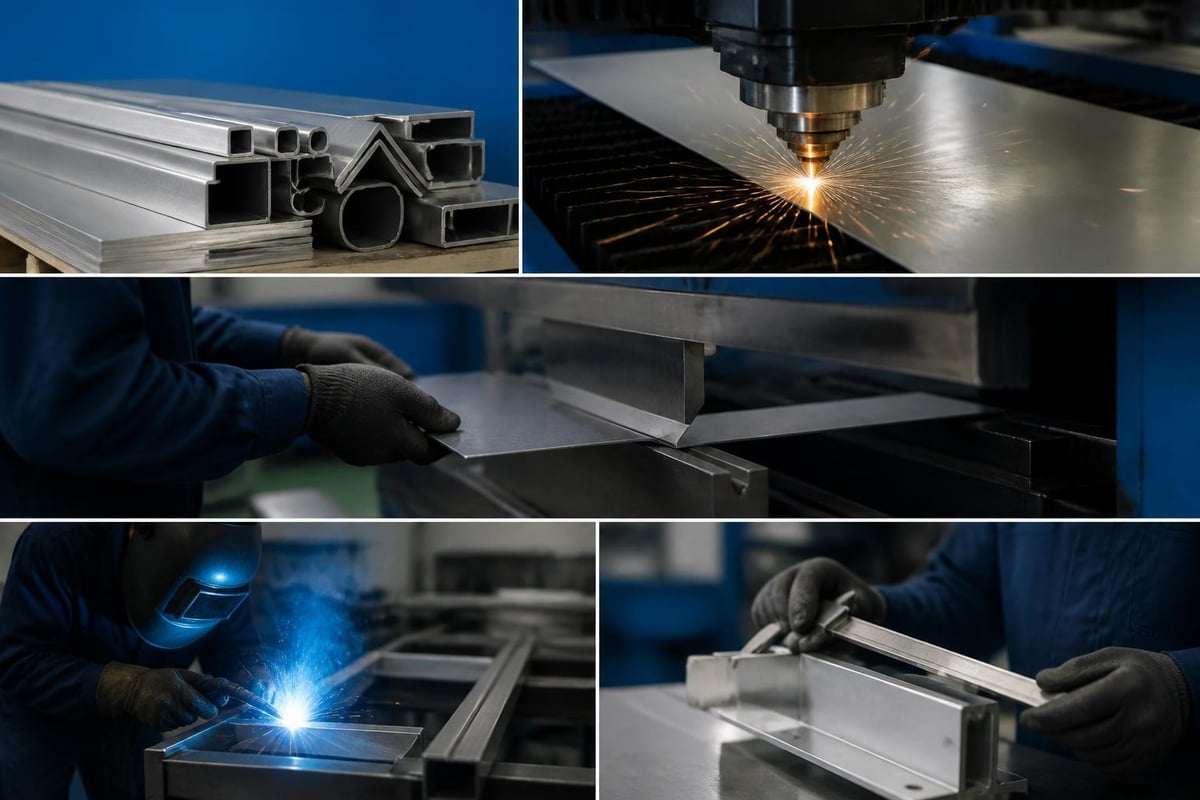
The fundamental processes used in aluminum fabrication include cutting, bending, welding, and assembly. Each technique serves specific purposes and requires distinct skill sets.
Cutting operations utilize various methods depending on project requirements:
- Laser cutting for intricate patterns and tight tolerances
- Waterjet cutting for heat-sensitive applications
- Plasma cutting for thicker materials
- Shearing for straight-line cuts on sheet metal
Bending and forming processes shape aluminum into desired configurations without compromising structural integrity. Press brakes, roll formers, and specialized dies enable fabricators to create complex geometries while maintaining material properties.
Welding Techniques for Aluminum
Aluminum welding presents unique challenges compared to steel fabrication. The metal's high thermal conductivity and oxide layer formation require specialized approaches.
| Welding Method | Best Applications | Advantages | Considerations |
|---|---|---|---|
| TIG (GTAW) | Precision work, thin materials | Clean welds, excellent control | Slower process, higher skill required |
| MIG (GMAW) | Production runs, thicker materials | Faster speeds, good penetration | Requires proper shielding gas |
| Pulse Welding | Heat-sensitive assemblies | Reduced distortion, cleaner results | Equipment investment needed |
Professional fabricators understand that aluminum alloy selection significantly influences welding parameters and final product performance. The 6061 and 5052 alloys remain popular choices for structural applications, while 7075 serves specialized high-strength requirements.
Evaluating Local Fabrication Capabilities
When searching for aluminum fabrication near me, assessment criteria extend beyond simple proximity. The right fabrication partner brings comprehensive capabilities that align with your specific industrial needs.
Equipment and Technology Assessment
Modern fabrication facilities invest in advanced machinery to maintain competitive advantages. CNC-controlled equipment ensures repeatability and precision across production runs.
Critical equipment categories include:
- Computer-controlled cutting systems for accuracy and efficiency
- Multi-axis bending equipment for complex geometries
- Certified welding stations with proper ventilation and controls
- Quality inspection tools including CMM machines and precision measurement devices
The presence of machining capabilities alongside fabrication services provides significant advantages. Integrated operations eliminate coordination challenges and reduce lead times for projects requiring both disciplines.
Quality Certifications and Standards
Reputable fabricators maintain certifications demonstrating commitment to quality and compliance. ISO 9001 certification indicates systematic quality management processes, while AWS (American Welding Society) certifications verify welder qualifications.
Industry-specific certifications may include:
- ASME certification for pressure vessels
- AISC certification for structural steel (applicable to aluminum structures)
- API specifications for oil and gas applications
- Industry-specific quality standards for aggregate and recycling equipment
The 2024 edition of Aluminum Standards & Data provides updated specifications that professional fabricators reference for material properties and tolerances.
Material Selection and Specification
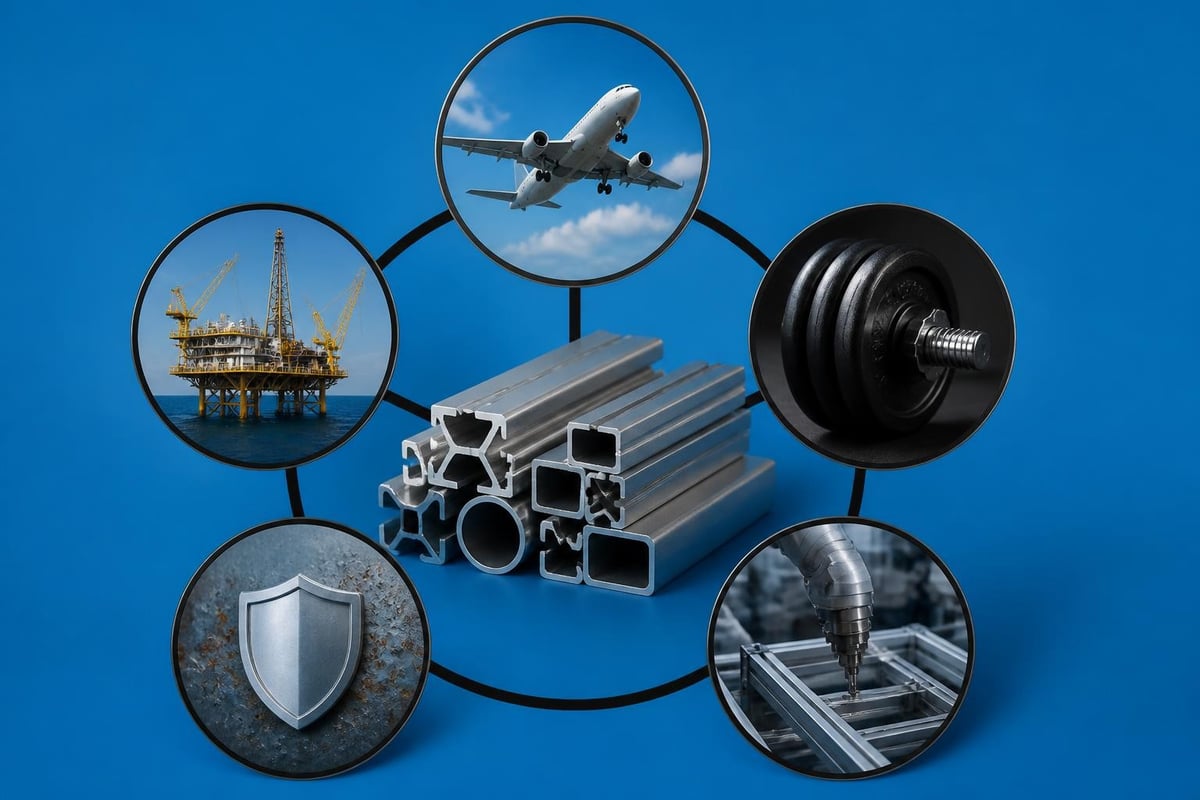
Choosing appropriate aluminum alloys requires understanding mechanical properties, corrosion resistance, and fabrication characteristics. Each alloy series offers distinct advantages for specific applications.
Common Alloy Series for Industrial Applications
2000 Series (Copper-based): High strength applications requiring good machinability but limited corrosion resistance. Often used in aerospace applications.
5000 Series (Magnesium-based): Excellent corrosion resistance makes these alloys ideal for marine environments and chemical processing equipment. Non-heat-treatable but offers good weldability.
6000 Series (Magnesium-Silicide): The most versatile series for structural applications, combining good strength, excellent corrosion resistance, and superior weldability. Heat-treatable for enhanced properties.
7000 Series (Zinc-based): Highest strength aluminum alloys, commonly specified for heavy-duty structural components and high-stress applications.
Tolerance Requirements and Precision
Understanding fabrication tolerances prevents costly revisions and ensures proper fit-up during assembly. Standard tolerances vary based on fabrication method and material thickness.
Aluminum extrusion tolerances follow industry-established guidelines, but custom fabrication often requires tighter specifications. Coordinate these requirements early in the design phase to ensure fabricators can meet expectations without excessive cost premiums.
Typical tolerance ranges include:
| Dimension Type | Standard Tolerance | Precision Tolerance |
|---|---|---|
| Linear dimensions | ±0.030" | ±0.010" |
| Hole locations | ±0.015" | ±0.005" |
| Flatness (per foot) | ±0.060" | ±0.020" |
| Angularity | ±1° | ±0.5° |
Selecting the Right Fabrication Partner
The search for aluminum fabrication near me should prioritize capability matching over simple geography. While proximity offers logistical advantages, technical competence and reliability determine project success.
Key Evaluation Criteria
Start by defining project-specific requirements. Complex assemblies demand different capabilities than simple cut-to-length operations. Consider these factors:
Technical expertise: Does the fabricator demonstrate experience with similar projects in your industry? Review portfolios and request references from comparable applications.
Capacity and scheduling: Confirm the fabricator can accommodate your timeline without compromising quality. Overloaded shops may rush work or extend lead times unexpectedly.
Communication protocols: Responsive communication prevents misunderstandings and keeps projects on track. Evaluate how quickly and thoroughly potential partners address initial inquiries.
Industry Experience Matters
Fabricators serving commercial and industrial manufacturing sectors understand unique challenges these environments present. Experience with recycling equipment, aggregate processing machinery, or oil and gas applications translates to better problem-solving and design optimization.
Specialized knowledge includes:
- Material selection for abrasive environments
- Structural design for heavy-duty applications
- Compliance with industry-specific safety standards
- Understanding of maintenance access requirements
- Integration considerations for existing equipment
Companies like LTJ Industrial Services bring comprehensive understanding of these sectors, enabling them to anticipate challenges and recommend solutions before problems arise.
Cost Considerations and Value Analysis
Aluminum fabrication pricing reflects numerous factors beyond raw material costs. Understanding these components helps evaluate quotes accurately and identify true value propositions.
Price Components Breakdown
Material costs fluctuate based on market conditions, alloy selection, and form factors. Sheet metal, plate, and extrusions carry different per-pound pricing, and minimum quantities may apply.
Labor and expertise represent significant cost drivers. Complex welding, precision machining, and specialized finishing processes require skilled tradespeople whose expertise justifies premium rates.
Setup and programming costs distribute across production quantities. Short runs carry higher per-unit costs due to machine setup time, while larger quantities benefit from economies of scale.
Secondary operations including heat treating, anodizing, powder coating, or other finishing processes add value but increase total project costs.
Comparing Quotes Effectively
When evaluating proposals for aluminum fabrication near me, ensure quotes include identical specifications and scope. Request itemized breakdowns showing:
- Material costs with specific alloy designations
- Labor hours and rates for each operation
- Tooling or setup charges
- Finishing and secondary processes
- Delivery or freight costs
- Lead time commitments
The lowest price rarely represents the best value. Consider total cost of ownership, including potential rework, delivery reliability, and technical support.
Field Service Capabilities
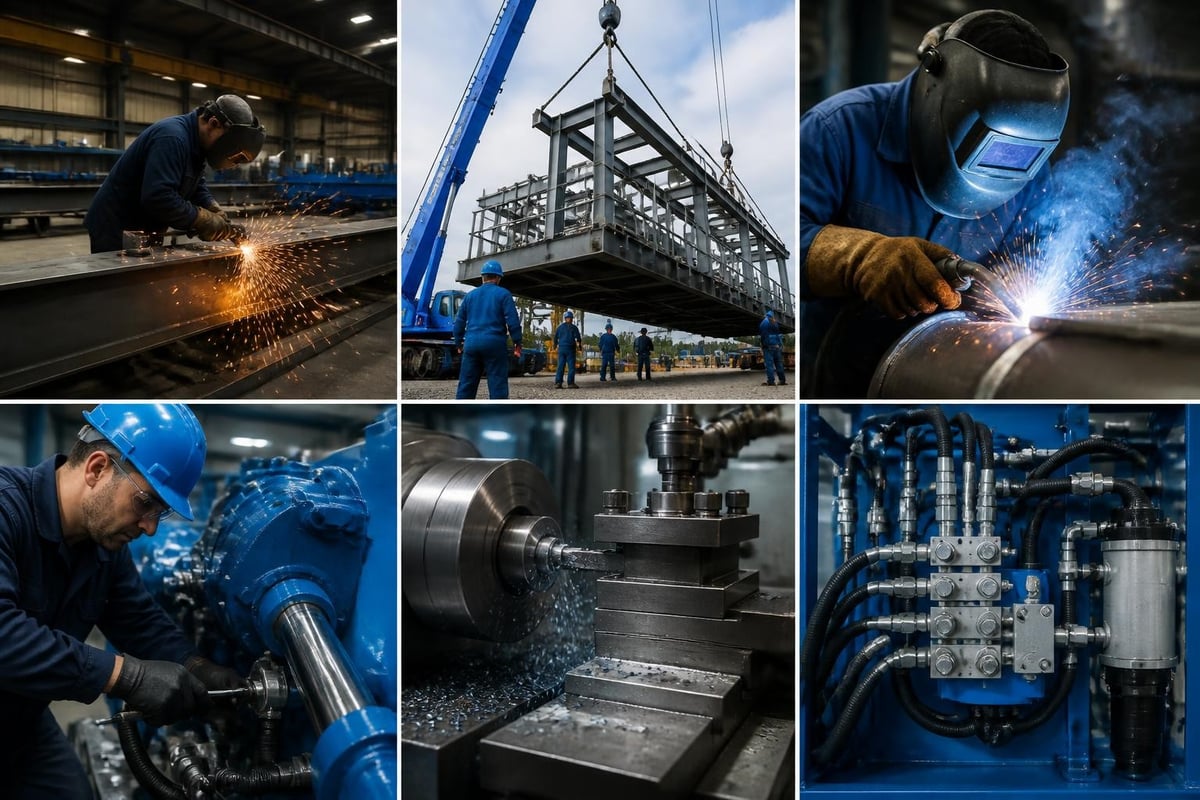
Many industrial fabrication projects require on-site installation, modification, or repair services. Fabricators offering both shop and field capabilities provide comprehensive solutions that simplify project management.
On-Site Fabrication and Welding
Field welding services become essential when transporting assembled components proves impractical or when modifying existing installed equipment. Mobile welding units equipped for aluminum work enable on-site repairs and modifications.
Benefits of integrated field services:
- Eliminates transportation challenges for oversized assemblies
- Reduces project timelines through parallel shop and field work
- Enables modifications to installed equipment without removal
- Provides emergency repair capabilities minimizing downtime
Equipment Repair and Maintenance
Fabricators with machining capabilities offer comprehensive repair services extending equipment lifecycles. This integration proves particularly valuable for aggregate, recycling, and industrial manufacturing operations where equipment downtime directly impacts productivity.
Repair capabilities should include:
- Precision machining to restore worn components
- Custom fabrication of replacement parts
- Welding repair of cracked or damaged structures
- Hydraulic system repair and modification
The combination of fabrication, welding, and machining services under one provider streamlines coordination and accountability. For complex industrial needs, accessing industrial machine shop services alongside fabrication capabilities delivers significant project management advantages.
Geographic Considerations and Service Areas
While searching aluminum fabrication near me emphasizes local service, understanding a fabricator's full service territory provides important context about their capabilities and experience.
Regional Expertise and Logistics
Fabricators serving broad geographic territories develop logistics expertise managing multi-site projects and coordinating deliveries across distances. This experience translates to better planning and more reliable scheduling.
Western United States fabricators face unique considerations including:
- Extended transportation distances between urban centers
- Remote site access challenges
- Elevation and climate variations affecting installation
- Multi-state regulatory compliance requirements
Companies serving commercial and industrial sectors across regions like the Mountain West develop robust systems ensuring consistent quality regardless of project location.
Local Presence Advantages
Proximity enables site visits during planning phases, improving design accuracy and identifying potential challenges before fabrication begins. Local fabricators respond more quickly to urgent needs and can provide on-site support when unexpected issues arise.
However, capability and experience outweigh simple proximity. A fabricator 200 miles away with relevant expertise often delivers better results than a closer shop lacking necessary equipment or industry knowledge.
Project Planning and Communication
Successful fabrication projects begin with thorough planning and clear communication. Establishing expectations early prevents misunderstandings and ensures all parties work toward common goals.
Design Development and Engineering Support
Professional fabricators offer value engineering services identifying cost-saving opportunities without compromising performance. This collaborative approach often reveals alternative materials, simplified assemblies, or manufacturing methods reducing total project costs.
Effective design collaboration includes:
- Reviewing CAD models for fabrication efficiency
- Identifying tolerance requirements that impact cost
- Recommending stock sizes minimizing material waste
- Suggesting alternative joining methods where appropriate
- Planning for assembly sequences and installation access
Documentation and Change Management
Comprehensive documentation establishes clear expectations and provides reference throughout project execution. Essential documents include:
- Detailed drawings with dimensions and tolerances
- Material specifications including alloy designations
- Surface finish and appearance requirements
- Quality inspection criteria and acceptance standards
- Delivery schedules and milestone dates
Change management protocols handle modifications arising during fabrication. Formal change order processes document scope adjustments, cost impacts, and schedule modifications, preventing disputes and maintaining project clarity.
Quality Assurance and Inspection
Quality control separates professional fabricators from basic metal shops. Systematic inspection processes ensure components meet specifications before leaving the facility.
Inspection Methods and Documentation
Visual inspection catches obvious defects, but dimensional verification requires precision measurement equipment. Coordinate measuring machines (CMM) provide accurate three-dimensional measurements for complex geometries.
Welding inspection techniques include:
- Visual examination per AWS standards
- Dye penetrant testing for surface defects
- Radiographic testing for internal weld quality
- Ultrasonic testing for thick materials
- Destructive testing on sample welds
Documentation packages provide traceability and verification of quality standards. Certificates of compliance, material test reports, and inspection records demonstrate adherence to specifications and support warranty claims if issues arise.
Continuous Improvement Culture
Leading fabricators implement continuous improvement methodologies identifying efficiency gains and quality enhancements. This commitment manifests through employee training, equipment upgrades, and process refinement.
Look for indicators of quality commitment including:
- Regular employee certification and training programs
- Investment in modern equipment and technology
- Customer feedback integration into processes
- Participation in industry associations and standards development
Material Handling and Delivery
Logistics coordination ensures fabricated components arrive safely and on schedule. Professional fabricators manage transportation, packaging, and delivery timing as integral project elements.
Protective Packaging Standards
Aluminum's relatively soft surface requires appropriate protection during transportation. Packaging methods vary based on component geometry, finish requirements, and transportation mode.
Standard protective measures include:
- Foam padding for finished surfaces
- Plastic sheeting preventing moisture exposure
- Wooden crating for large or heavy components
- Shock-absorbing materials protecting during transit
- Edge protection preventing damage during handling
Coordination with Installation Schedules
Delivery timing synchronizes with installation readiness, avoiding storage challenges and potential damage from jobsite conditions. Professional fabricators coordinate with general contractors, construction managers, or facility personnel ensuring components arrive when needed.
Just-in-time delivery reduces storage requirements but demands reliable fabrication schedules and transportation coordination. Balance delivery convenience against project flexibility when establishing timelines.
Working with Specialized Industries
Different industrial sectors present unique fabrication challenges requiring specific knowledge and experience. Fabricators serving multiple industries develop broad problem-solving capabilities benefiting all clients.
Aggregate and Mining Applications
Equipment operating in quarries and aggregate processing facilities endures extreme abrasive conditions. Aluminum components must balance light weight against durability requirements.
Design considerations include:
- Wear-resistant alloys for high-contact areas
- Structural reinforcement for impact loads
- Corrosion resistance in wet processing environments
- Accessibility for maintenance and component replacement
Oil and Gas Sector Requirements
Oil and gas applications demand compliance with industry-specific standards and often require special certifications. Fabricators serving this sector understand API specifications, ASME requirements, and safety protocols.
Critical factors include material traceability, pressure vessel certification requirements, and documentation supporting equipment inspection and maintenance programs.
Recycling Industry Needs
Recycling operations require robust equipment handling diverse materials under demanding conditions. Custom fabrication supports specialized sorting systems, material handling equipment, and processing machinery.
Aluminum's corrosion resistance makes it ideal for recycling applications involving moisture, chemicals, or outdoor exposure. Light weight reduces structural loads and energy consumption in material handling systems.
Selecting the right partner for aluminum fabrication near me requires evaluating technical capabilities, industry experience, and quality commitment beyond simple geographic proximity. Professional fabricators bring comprehensive services including design support, precision manufacturing, and field installation capabilities that streamline projects and ensure successful outcomes. When you need expert aluminum fabrication, welding, and machining services backed by extensive industrial experience, LTJ Industrial Services delivers the technical expertise and responsive service that keeps your operations running efficiently throughout the Western United States.