
In 2026, industries from aerospace to food processing face a surging demand for skilled aluminum and stainless steel welding specialists. As fabrication standards evolve, mastering these materials has become essential for professionals and businesses aiming to stay ahead.
This comprehensive guide empowers readers to navigate the complexities of aluminum and stainless steel welding specialists, offering actionable insights on techniques, technology, safety, and certifications. Explore critical material properties, compare welding methods, review top equipment, and discover how to select the right welding specialist for your project.
Understanding Aluminum and Stainless Steel: Properties and Challenges
Aluminum and stainless steel are foundational materials across modern industry. Mastering their properties is essential for aluminum and stainless steel welding specialists aiming to deliver high-performance, reliable welds. Their unique characteristics influence every stage of fabrication, from material selection to finished product quality.
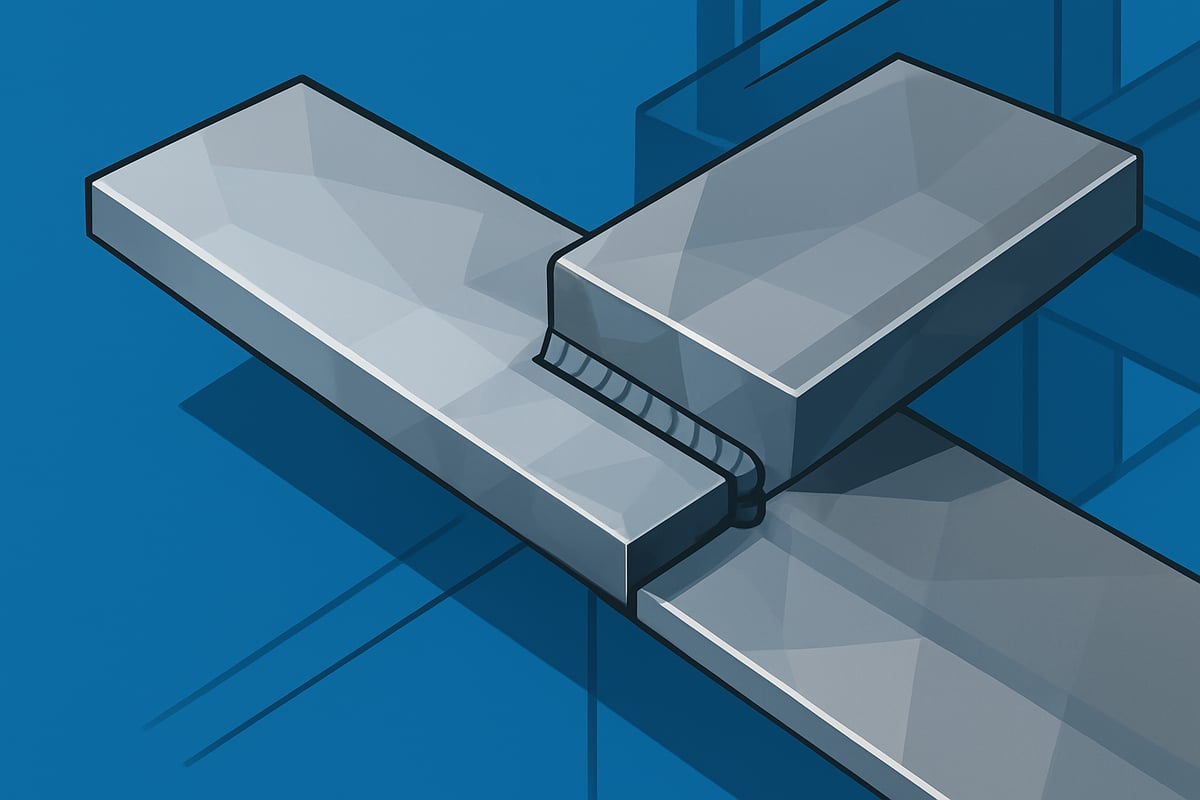
Key Material Properties
Aluminum and stainless steel each offer a distinct set of physical and chemical properties. Aluminum is lightweight, with a density around 2.7 g/cm³, and has high thermal and electrical conductivity. Its melting point is low, typically 660°C, making it sensitive to heat input during welding. Stainless steel, in contrast, is denser (about 8 g/cm³), with a higher melting range (1,400–1,500°C), and is prized for its corrosion resistance due to its chromium content.
The strength-to-weight ratio is a critical advantage for both materials. Aluminum’s high ratio makes it ideal for aerospace and transportation, where reducing weight without sacrificing strength is mission-critical. Stainless steel’s balance of durability and corrosion resistance suits food processing and chemical industries, where hygiene and longevity are paramount.
Common alloys include 6061 and 5083 for aluminum, and 304 or 316 for stainless steel. Each alloy has unique weldability traits that aluminum and stainless steel welding specialists must understand to prevent defects and ensure structural integrity.
| Property | Aluminum | Stainless Steel |
|---|---|---|
| Density (g/cm³) | 2.7 | 8.0 |
| Melting Point (°C) | 660 | 1,400–1,500 |
| Corrosion Resistance | Moderate | High |
| Strength-to-Weight | High | Moderate/High |
Welding Challenges and Solutions
Welding aluminum and stainless steel presents a series of technical challenges. Aluminum’s high thermal conductivity causes heat to dissipate quickly, increasing the risk of distortion and incomplete fusion. The oxide layer on aluminum melts at a much higher temperature than the base metal, requiring careful cleaning and specialized techniques.
Stainless steel forms a chromium oxide layer that protects against corrosion but can compromise weld quality if not managed. Excessive heat can lead to carbide precipitation, reducing corrosion resistance in the weld zone. Both materials are susceptible to contamination and porosity, making cleanliness and shielding gas selection vital.
Expansion and contraction rates differ significantly. Aluminum expands nearly twice as much as stainless steel when heated, so controlling warping is a constant concern. For example, aerospace applications demand tight tolerances and minimal distortion, while food processing requires flawless, hygienic welds. Aluminum and stainless steel welding specialists rely on precise heat control and advanced equipment to overcome these obstacles.
Industry Data and Trends
Demand for aluminum and stainless steel continues to rise, driven by sectors like electric vehicles, infrastructure, and renewable energy. Market analyses project global aluminum usage to grow by 4% annually through 2026, while stainless steel consumption is set for steady expansion, fueled by construction and manufacturing.
Despite technological advances, weld failure rates remain a concern. Industry data shows that up to 20% of weld failures in fabrication projects result from improper technique or inadequate understanding of material properties. This underscores the importance of skilled aluminum and stainless steel welding specialists in delivering safe, code-compliant structures.
For further insights on fabrication trends and future market outlook, see the Commercial fabrication guide 2026, which covers the evolving landscape for specialists and manufacturers alike.
Essential Welding Methods for Aluminum and Stainless Steel
Selecting the right welding method is critical for achieving strong, reliable joints in aluminum and stainless steel. The choice impacts everything from aesthetics to production speed and long-term durability, which is why aluminum and stainless steel welding specialists are in high demand across industrial sectors.

TIG Welding (GTAW)
TIG welding, also known as Gas Tungsten Arc Welding, is the preferred choice when precision and weld appearance are top priorities. Aluminum and stainless steel welding specialists rely on TIG for its ability to deliver clean, high-quality welds with minimal spatter.
Key process variables include the selection of pure argon or argon-helium gas mixtures, choosing the right tungsten electrode, and fine-tuning amperage for each material. TIG welding excels at joining thin sections and complex geometries, making it ideal for custom automotive parts and aerospace components. For industries where weld integrity and aesthetics cannot be compromised, TIG remains the gold standard.
MIG Welding (GMAW)
MIG welding, or Gas Metal Arc Welding, offers speed and efficiency, especially when working with thicker materials. Aluminum and stainless steel welding specialists use MIG for high-volume production and applications requiring robust joints.
The process uses different wire types and shielding gas blends depending on the base metal. For aluminum, pure argon is common, while stainless steel often uses a mix of argon and CO2 or oxygen. Pulse settings help control heat input, reducing burn-through and distortion. In industrial equipment manufacturing, MIG’s faster deposition rates streamline fabrication and lower costs, making it a practical option for large-scale projects.
Other Advanced Techniques
Several advanced welding methods are becoming more prevalent as demands for automation and precision increase. Laser welding delivers narrow, deep welds with minimal heat-affected zones, supporting automated production lines and intricate assemblies. Friction stir welding is especially valuable for aluminum in transportation, as it joins metals below their melting points, resulting in strong, defect-free seams.
For those seeking deeper technical insights, the Friction Stir Welding Overview provides a detailed explanation of this innovative process. Each advanced technique offers unique advantages, and aluminum and stainless steel welding specialists must stay updated to leverage the best tools for every challenge.
Choosing the Right Method
Selecting the optimal welding method depends on several factors, including material thickness, joint configuration, production volume, and budget. Aluminum and stainless steel welding specialists assess these variables to ensure the best outcome for each project.
| Method | Best For | Speed | Aesthetics | Automation |
|---|---|---|---|---|
| TIG | Thin, intricate | Slow | Excellent | Moderate |
| MIG | Thick, high-volume | Fast | Good | High |
| Laser | Precision, auto | Very Fast | Excellent | Very High |
| Friction Stir | Large aluminum | Fast | Good | High |
Data shows that defect rates are lowest with TIG for thin sections, while MIG is superior for rapid throughput. By carefully choosing the right process, specialists ensure structural integrity and meet client expectations every time.
Equipment, Tools, and Technology for Specialist Welders
Aluminum and stainless steel welding specialists rely on advanced equipment and technology to deliver precise, high-quality results. Keeping up with the latest tools and innovations is essential for tackling the unique challenges these materials present.
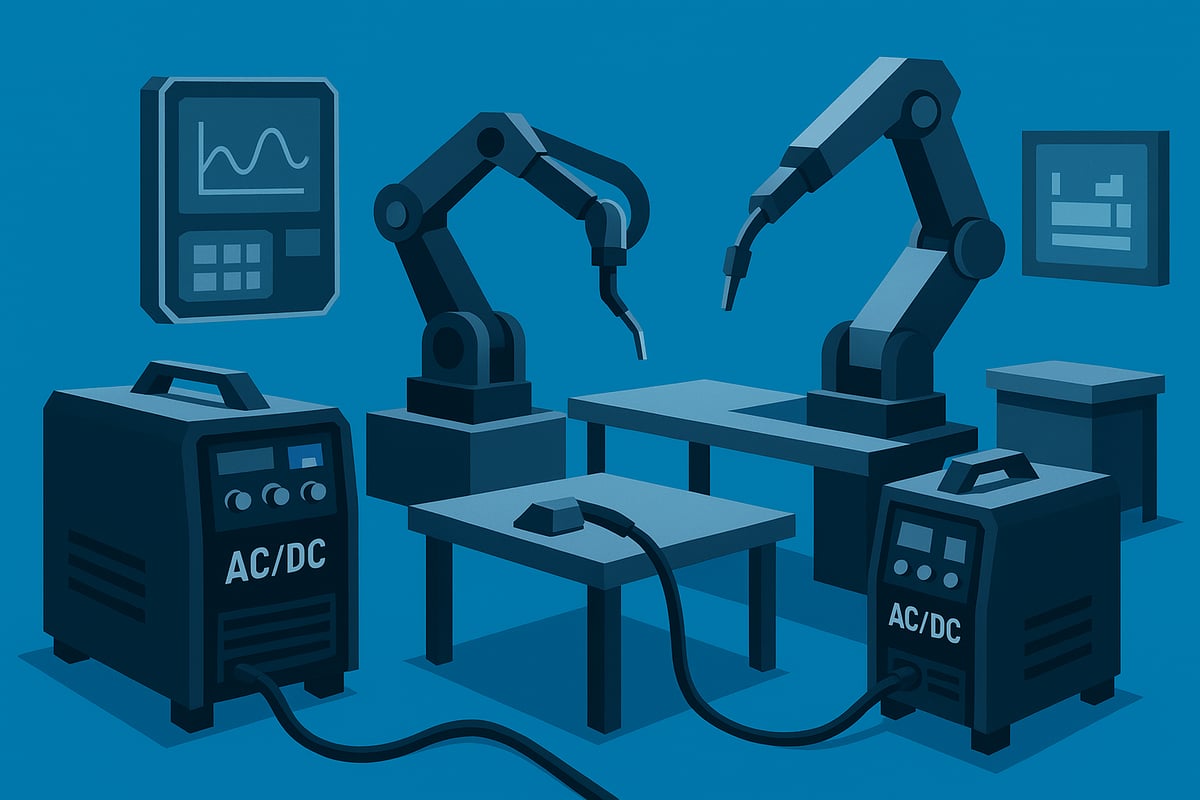
Core Equipment for Aluminum and Stainless Steel Welding
Specialists begin with the right welding power sources. AC/DC machines offer flexibility, with AC favored for aluminum and DC for stainless steel. Inverter technology brings efficiency and precision, especially for variable thicknesses.
Torches and wire feeders must match the material. For aluminum, spool guns and push-pull feeders help manage soft wires, while stainless steel benefits from durable wire guides and contact tips. Consumables like filler rods and wires are chosen to match specific alloys, ensuring weld integrity.
Cleanliness is critical. Aluminum and stainless steel welding specialists use dedicated stainless steel brushes, solvents, and prep stations to prevent contamination. Even minor impurities can cause porosity or weak welds.
A well-equipped shop allows specialists to adapt to diverse project requirements and maintain consistent quality.
Advancements in Welding Technology
Recent years have brought significant technological leaps. Robotics and automation now handle repetitive welding in high-volume manufacturing, improving consistency and reducing human error. Real-time weld monitoring and quality control systems detect defects as they happen, helping aluminum and stainless steel welding specialists maintain top standards.
Digital interfaces and specialized welding software enable precise control of parameters, increasing efficiency and repeatability. Shops with advanced manufacturing and machining expertise offer integrated solutions, combining welding, fabrication, and machining for complex industrial needs.
Embracing these innovations ensures specialists stay competitive and ready for the most demanding applications.
Maintenance and Calibration
Maintaining equipment is non-negotiable for aluminum and stainless steel welding specialists. Regular inspection routines catch worn parts or misalignments before they affect weld quality.
Calibration of power sources and monitoring devices ensures accurate performance. Neglecting maintenance can lead to inconsistent welds, costly rework, or even safety hazards.
Documented maintenance schedules and periodic testing keep operations running smoothly and help specialists uphold quality standards.
Safety Innovations
Safety is paramount for aluminum and stainless steel welding specialists. Modern fume extraction systems remove hazardous particles, protecting operators and maintaining air quality. Personal protective equipment (PPE), such as auto-darkening helmets and insulated gloves, is standard.
Ergonomic tools and adjustable workstations reduce fatigue and injury risk, supporting productivity in long shifts. These safety innovations not only protect welders but also contribute to better workmanship and overall project success.
Certification, Training, and Industry Standards
Maintaining the highest standards is essential for aluminum and stainless steel welding specialists. Both professionals and businesses rely on certified skills, ongoing training, and strict adherence to industry regulations to ensure project success and safety. This section outlines the key certifications, training pathways, quality assurance practices, and regulatory requirements shaping the field for 2026.

Key Certifications for Welders
Certifications are the foundation of credibility for aluminum and stainless steel welding specialists. The American Welding Society (AWS) D1.2 standard covers structural aluminum welding, while AWS D1.6 is the benchmark for stainless steel. Many projects also require adherence to ISO standards, especially for international or high-spec applications.
Welders working on pressure vessels or critical infrastructure must follow certified procedures. These practices are detailed in resources like the Certified pressure vessel welding page, which highlights the need for documented skills and compliance. Certified welders ensure that each weld meets strict performance, safety, and quality requirements.
Employers and clients often require proof of certification before awarding contracts. This is why ongoing education and recertification are vital for aluminum and stainless steel welding specialists seeking to maintain a competitive edge.
Training Pathways
The path to becoming an expert in aluminum and stainless steel welding involves a blend of formal education, hands-on experience, and advanced skills development. Trade schools and technical colleges offer foundational courses covering welding theory, process safety, and material science.
Many aluminum and stainless steel welding specialists also complete apprenticeships, where they gain direct field experience under the guidance of seasoned professionals. On-the-job training is common, especially as technologies and industry standards evolve.
Continuing education is essential. Welding codes, new equipment, and advanced processes frequently change. Workshops, manufacturer training, and participation in conferences help aluminum and stainless steel welding specialists stay current and deliver top-quality results.
Quality Assurance and Documentation
Quality assurance is a non-negotiable aspect of aluminum and stainless steel welding. Professionals must prepare detailed Welding Procedure Specifications (WPS) and maintain Procedure Qualification Records (PQR) for every critical project. These documents outline exact methods, materials, and parameters used, ensuring repeatable and reliable results.
Inspection methods are just as important. Aluminum and stainless steel welding specialists use visual checks, radiographic (X-ray), and ultrasonic testing to confirm weld integrity. These inspections help detect hidden flaws, prevent failures, and guarantee compliance with client and regulatory standards.
Accurate documentation protects both the specialist and the client. It demonstrates that all processes were followed correctly, making it easier to pass audits or meet customer requirements.
Regulatory and Client Requirements
Strict regulations govern the work of aluminum and stainless steel welding specialists. Compliance with OSHA safety standards, EPA environmental rules, and industry-specific codes is mandatory for most commercial and industrial projects.
Clients are increasingly requesting third-party audits and detailed documentation as part of their quality assurance processes. This trend is expected to grow in 2026, driven by rising project complexity and a focus on transparency.
Aluminum and stainless steel welding specialists must keep up with evolving regulations and client expectations. Staying certified, maintaining thorough records, and following best practices are the keys to long-term success in this demanding field.
Choosing and Working with Welding Specialists
Selecting the right aluminum and stainless steel welding specialists can make or break your project’s success. With growing complexity in industrial sectors, businesses need professionals who bring more than basic welding skills to the table.
What to Look for in a Welding Specialist
Experience is critical when evaluating aluminum and stainless steel welding specialists. Look for professionals who have a proven track record with both shop and field work. A diverse portfolio demonstrates their ability to handle a range of projects, from oil and gas infrastructure to recycling equipment.
Strong problem-solving skills and clear communication are also essential. Specialists should be able to explain their approach, recommend solutions, and adapt to unique project requirements. Ask for references and examples of past projects to assess their expertise.
Evaluating Capabilities and Facilities
The capabilities of aluminum and stainless steel welding specialists depend heavily on their access to advanced equipment and technology. Modern facilities should feature up-to-date welding machines, automated systems, and quality control tools.
Consider whether the provider offers in-house fabrication, mobile or field services, or both. For urgent repairs or on-site needs, specialists who provide emergency mobile industrial welding can be invaluable. Compare options:
| Feature | Small Job Shop | Full-Service Provider |
|---|---|---|
| Equipment Level | Basic-Intermediate | Advanced, Automated |
| Field Service | Limited | Comprehensive, Mobile Units |
| Project Capacity | Small-Medium | Large, Complex |
Evaluate which setup aligns best with your project scope and timeline.
Cost, Quotes, and Project Planning
Pricing for aluminum and stainless steel welding specialists varies based on material type, project complexity, and turnaround time. Transparent quotes are essential to avoid surprises. Reputable specialists provide detailed scopes, outlining materials, labor, and milestones.
When comparing proposals, look for clarity on what is included. Open discussions about budget and expectations help ensure alignment from the start. Prioritize specialists who are upfront about possible challenges and solutions.
Case Studies and Testimonials
Success stories from manufacturing and processing sectors offer valuable insight into the capabilities of aluminum and stainless steel welding specialists. Review client testimonials that highlight problem-solving, quality, and timely delivery.
Client satisfaction data can reveal patterns in reliability and project outcomes. For example, a specialist consistently delivering on-time, defect-free welds for food processing plants or oil and gas projects demonstrates true value. Seek out detailed feedback and ask how the specialist measures and reports on project success.
Future Trends in Aluminum and Stainless Steel Welding (2026 Outlook)
The aluminum and stainless steel welding specialists landscape is set for rapid change by 2026. New alloys, smarter machines, and a growing focus on sustainability are transforming the industry. Understanding these trends is critical for professionals aiming to stay ahead.
Emerging Materials and Alloys
Advancements in metallurgy are leading to new aluminum and stainless steel grades with superior strength, corrosion resistance, and weldability. These innovations open possibilities in aerospace, automotive, and construction, requiring aluminum and stainless steel welding specialists to adapt their techniques. The development of advanced alloys is a key topic at the 2026 Shipbuilding and Aluminum Conference Announcement, highlighting how changes in composition impact fabrication processes. Staying informed on these alloys gives specialists a competitive edge.
Automation and Digitalization
Automation is reshaping welding workflows. Robotic welding arms, AI-driven quality control systems, and IoT-enabled monitoring tools are becoming industry standards. Aluminum and stainless steel welding specialists must now integrate digital interfaces and real-time data analysis into daily operations. These technologies boost productivity, reduce defects, and support predictive maintenance. The shift toward digitalization also enables more consistent results, allowing specialists to handle complex projects with greater efficiency and precision.
Sustainability and Environmental Considerations
Environmental responsibility is a growing priority in industrial welding. Aluminum and stainless steel welding specialists are adopting greener processes, such as low-emission shielding gases and energy-efficient equipment. Regulations are tightening, particularly in Europe, where EN 1090 Standards for Steel and Aluminum Structures emphasize sustainable fabrication. Recyclable materials and waste reduction programs are now integral to project planning, ensuring that welding aligns with broader sustainability goals and corporate responsibility standards.
Workforce Evolution
The future demands multi-skilled aluminum and stainless steel welding specialists who are comfortable with both traditional and digital tools. Training programs are expanding to cover robotics, automation software, and advanced materials. Upskilling is essential, as clients expect specialists to solve complex challenges and adapt to new industry requirements. Collaboration, problem-solving, and continuous learning will define the next generation of welders. Companies investing in workforce development will be best positioned to meet 2026’s evolving demands.
Market Forecasts
Industry analysts predict robust growth for aluminum and stainless steel fabrication through 2026. Market reports show rising demand in transportation, renewable energy, and infrastructure projects. Surveys indicate that companies investing in new technologies and training see higher client satisfaction and reduced project delays. Competitor analysis reveals that specialists offering comprehensive solutions and embracing future trends are outperforming peers. The outlook for aluminum and stainless steel welding specialists is bright, with opportunities expanding across sectors.
As you’ve seen throughout this guide, mastering aluminum and stainless steel welding takes more than technical skill—it’s about understanding materials, leveraging the latest technology, and choosing the right specialists for your project. If you’re ready to take your manufacturing operations to the next level or need expert support for custom fabrication, partnering with a team that brings experience, advanced capabilities, and a commitment to your industry goals can make all the difference. We’re here to help you succeed—let’s discuss your needs and find the best solution together.
Request a Quote