
Machining in manufacturing is rapidly evolving, reshaping the future of industrial production across the globe. As new technologies emerge, precision, efficiency, and innovation are redefining what’s possible in sectors like automotive, aerospace, energy, and medical.
Manufacturers face growing pressure to adopt advanced machining in manufacturing solutions to stay competitive in 2026 and beyond. The ability to deliver mission-critical components with unmatched accuracy and speed is now a core requirement.
In this comprehensive guide, discover the fundamentals, step-by-step processes, latest technologies, industry applications, and expert strategies shaping machining in manufacturing for the years ahead. Prepare to unlock practical insights and stay ahead of the curve.
Machining in Manufacturing: Fundamentals and Definitions
Machining in manufacturing is the backbone of modern industrial production. It enables the creation of high-precision components essential for automotive, aerospace, energy, and medical sectors. Understanding its fundamentals helps manufacturers leverage the full potential of advanced machining solutions.
What is Machining?
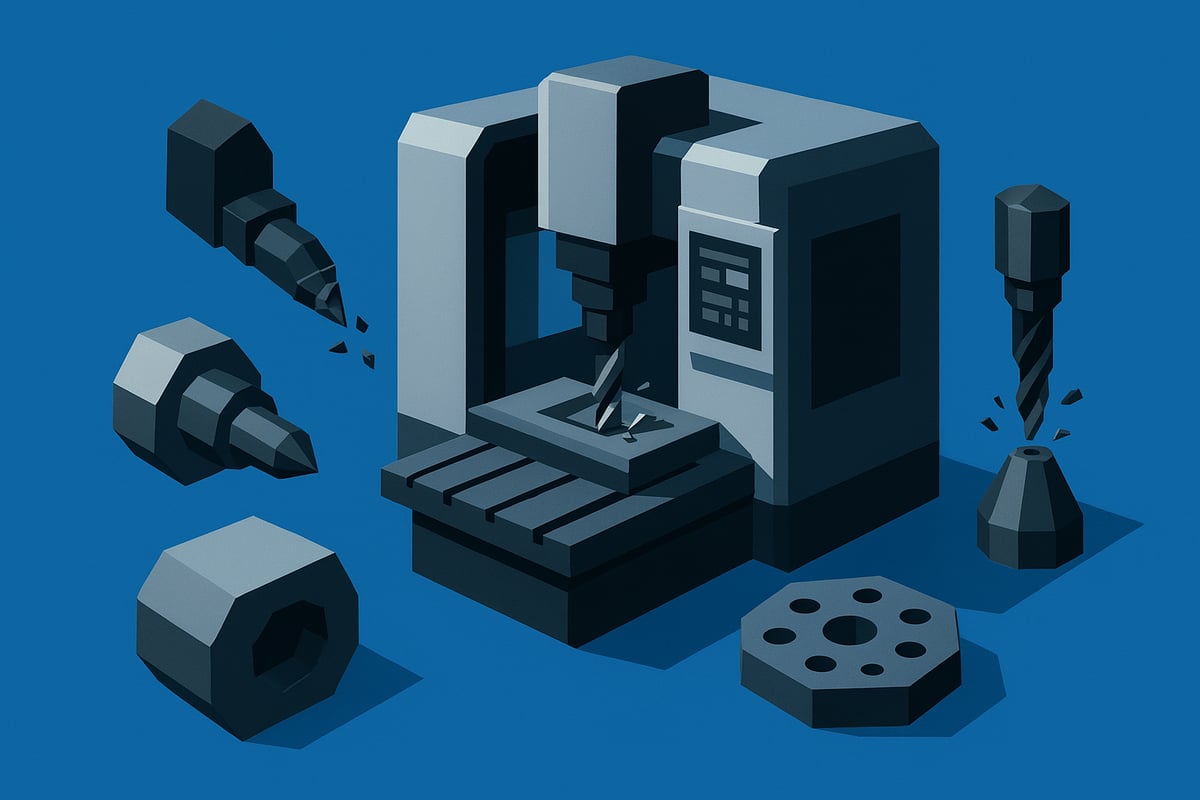
Machining in manufacturing refers to subtractive processes that remove material from a workpiece to achieve the desired shape and finish. This approach stands out for its accuracy, tight tolerances, and fine surface quality. Unlike casting or additive manufacturing, machining excels at producing mission-critical components where precision is non-negotiable. For instance, aerospace brackets and surgical implants demand the high level of detail only machining can offer. If you want a deeper dive into available capabilities, the Machining Services Overview provides a comprehensive look at modern offerings.
Core Machining Processes
The main machining in manufacturing methods include turning, milling, drilling, grinding, and electrical discharge machining (EDM). Turning rotates the workpiece against a cutting tool, ideal for cylindrical parts. Milling uses rotating tools to remove material from flat or contoured surfaces. Drilling creates precise holes, while grinding delivers ultra-smooth finishes. EDM shapes hard metals using electrical sparks. Each process offers unique advantages, yet they share the ability to achieve high-precision results. Industries rely on these techniques to meet strict dimensional and quality requirements.
| Process | Application | Advantage | Limitation |
|---|---|---|---|
| Turning | Shafts, pins | Fast, precise | Limited shapes |
| Milling | Gears, molds | Versatile | Tool wear |
| Drilling | Holes, fasteners | Accurate holes | Depth limits |
| Grinding | Bearings, dies | Fine finish | Slow process |
| EDM | Hard alloys | Complex cuts | Conductive only |
Materials Commonly Used in Machining
Machining in manufacturing covers a wide range of materials. Metals such as steel, aluminum, and titanium are favored for their strength and machinability. Non-metallic materials like plastics, composites, and ceramics are increasingly used, especially in medical and aerospace sectors. Industry-specific requirements guide material selection, balancing factors like hardness, corrosion resistance, and cost. For 2026, innovations in advanced alloys and engineered plastics are shaping new possibilities, offering improved performance and sustainability for machined components.
Quality, Tolerances, and Surface Finishes
Quality in machining in manufacturing is defined by adherence to tight tolerances and superior surface finishes. Tolerance specifies how much a dimension can vary, critical for aerospace and medical devices where safety is paramount. Surface finish impacts not only function but also longevity and aesthetics. Industry standards such as ISO 2768 and AS9100 set benchmarks for these metrics. Technological advancements, including real-time monitoring and precision tooling, are driving measurable improvements in quality, helping manufacturers exceed customer expectations.
Step-by-Step Machining Process in Modern Manufacturing
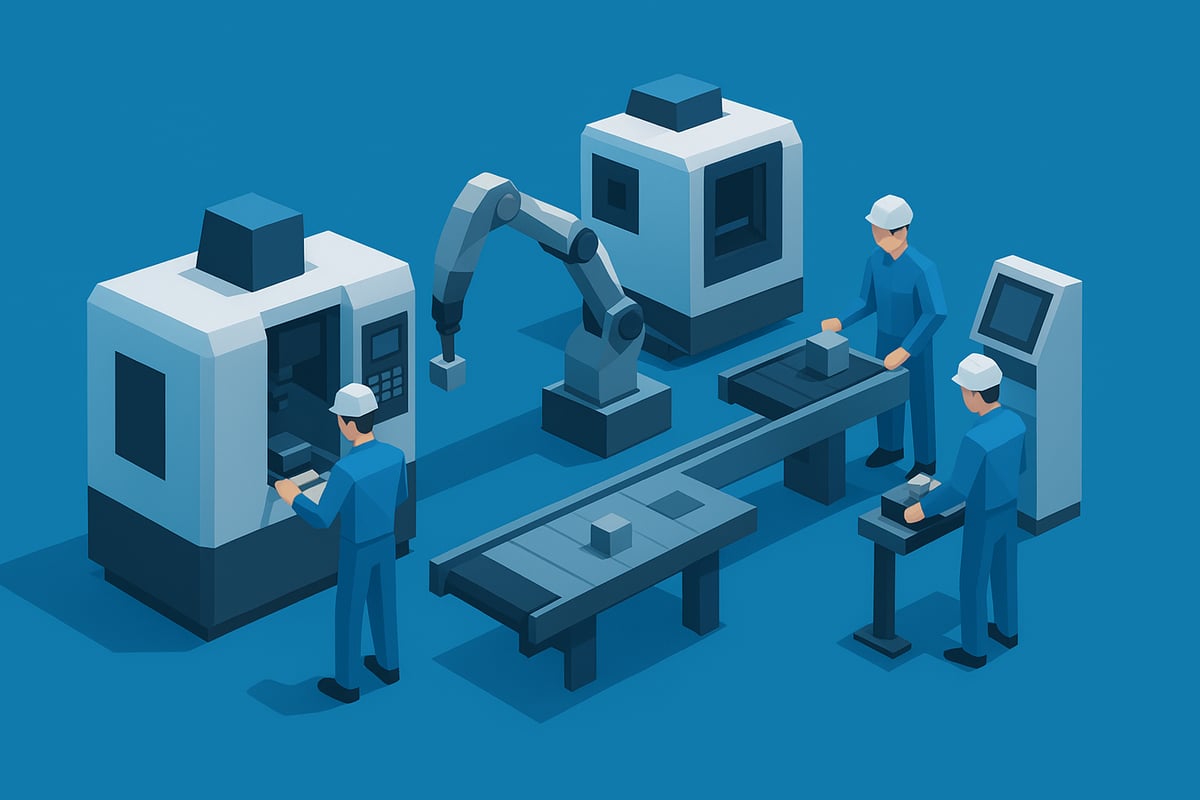
Modern machining in manufacturing is a carefully orchestrated journey, moving from digital design to finished part with precision at every step. This process is built on a series of critical phases, each shaping quality, efficiency, and value for manufacturers. Let us explore each step of the machining process and see how it delivers results for today's industries.
Process Planning and Design
Every machining in manufacturing project begins with robust process planning and thoughtful design. Engineers use advanced CAD software to create detailed models and simulate how parts will be produced. Integrating CAM (Computer-Aided Manufacturing) ensures digital workflows are streamlined for efficiency.
Manufacturability assessments are crucial. They identify potential design bottlenecks and optimize features for cost-effective machining. For example, an automotive supplier might redesign a suspension component to reduce material waste and cycle time.
Collaboration between engineering and production teams leads to smarter decisions. To see how this planning drives real-world results, review practical Case Studies in Manufacturing that showcase process optimization in action.
Material Preparation and Setup
Once plans are finalized, material preparation sets the foundation for successful machining in manufacturing. Selecting the right raw material—whether steel, aluminum, or a composite—directly impacts machinability and finished part quality.
Pre-processing may include cutting stock to size, deburring, or applying protective coatings. Proper workholding and fixturing secure the workpiece, ensuring stability during high-speed operations.
Machine setup involves calibrating equipment, selecting cutting tools, and uploading CNC programs. Attention to these details reduces cycle times and prevents costly errors, laying the groundwork for consistent, high-quality output.
Machining Operations: Execution
The core of machining in manufacturing is the execution phase, where raw materials are transformed into precise components. Operators typically follow a sequence: roughing removes the bulk of material, semi-finishing refines shape and dimensions, and finishing achieves the final surface quality.
CNC programming enables multi-axis movements, allowing complex geometries to be produced with minimal manual intervention. Automation further streamlines this phase, with real-time monitoring systems adjusting feeds and speeds to maintain accuracy.
For intricate aerospace parts, multi-axis machining enables tight tolerances and intricate features that manual methods cannot achieve. This step is where advanced technology truly shines.
Post-Processing: Heat and Surface Treatments
After machining, components often require post-processing to achieve the desired properties. Heat treatments like carburizing, quenching, and tempering enhance strength and hardness, essential for high-stress applications.
Surface treatments—such as electroplating, anodizing, and powder coating—add corrosion resistance and improve wear performance. In sectors like oil and gas or medical devices, these treatments are critical for meeting safety and durability standards.
By integrating post-processing into the overall workflow, machining in manufacturing delivers parts that not only fit precisely but also endure harsh environments and heavy loads.
Inspection, Quality Control, and Documentation
The final step in machining in manufacturing is rigorous inspection and quality control. Using metrology tools like coordinate measuring machines (CMM) and laser scanners, manufacturers verify that parts meet exact specifications.
Statistical process control techniques track variations, ensuring ongoing process stability. Comprehensive documentation supports regulatory compliance and provides customers with the assurance of traceability.
Industry standards such as ISO and AS9100 are often required, especially in aerospace, where every component must be validated. This commitment to quality closes the loop, turning raw designs into reliable, high-performance products.
Key Machining Technologies and Equipment for 2026
The landscape of machining in manufacturing is transforming rapidly as new technologies and smarter equipment redefine what is possible. Staying ahead means understanding the innovations that will dominate shop floors and production lines in 2026.
Computer Numerical Control (CNC) Machining
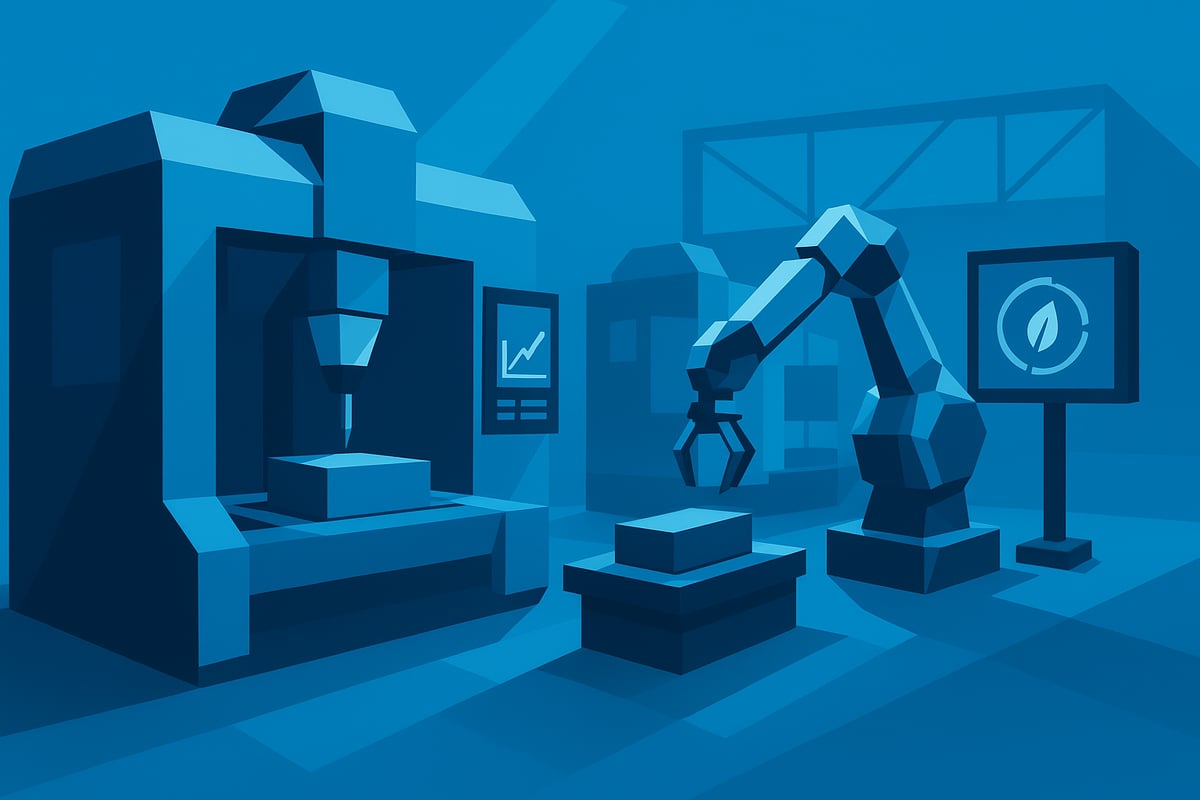
CNC machining in manufacturing has evolved from simple automation to a core pillar of smart factories. Modern CNC systems deliver unmatched precision, repeatability, and speed, allowing manufacturers to produce complex parts with tight tolerances.
Integration with IoT and Industry 4.0 enables real time monitoring, predictive maintenance, and seamless data exchange across the production chain. According to 2026 Precision Machining Trends, next generation CNC machines will drive higher productivity, connectivity, and flexibility, shaping the future of machining in manufacturing.
Advanced Multi-Axis and Swiss-Type Machining
Multi axis and Swiss type machining in manufacturing allow for the creation of intricate geometries and complex components in a single setup. Systems with 3, 4, 5, or even 7 axes can access parts from multiple angles, reducing the need for manual repositioning and minimizing errors.
Swiss type lathes shine in producing tiny, high precision parts, especially for medical and aerospace sectors. As demands for tighter tolerances and faster cycle times increase, these advanced machines are essential for maintaining competitiveness in machining in manufacturing.
Additive Manufacturing Integration
Hybrid approaches are reshaping machining in manufacturing by blending additive and subtractive technologies. Manufacturers can now build up material with 3D printing and finish parts with traditional machining, unlocking new design freedoms and reducing waste.
This integration accelerates rapid prototyping, supports custom tooling, and enables the creation of highly optimized, lightweight structures. In 2026, expect to see more high mix, low volume production environments leveraging these hybrid solutions to push the boundaries of machining in manufacturing.
Automation, Robotics, and Smart Factories
Automation is revolutionizing machining in manufacturing, with robotic systems handling part transfers, tool changes, and quality checks. Collaborative robots (cobots) work safely alongside humans, enhancing productivity and reducing the risk of error.
Smart factories use interconnected machines and automated workflows to ensure consistent output, shorter lead times, and improved safety. Automotive manufacturers are already deploying fully automated machining lines, signaling a broader shift toward intelligent machining in manufacturing.
Digital Twins and Predictive Maintenance
Digital twin technology is bringing virtual process simulation and real time monitoring to machining in manufacturing. By creating digital replicas of equipment and workflows, manufacturers can optimize performance, identify inefficiencies, and prevent failures before they occur.
Predictive maintenance powered by analytics extends the lifespan of machines and reduces costly downtime. Aerospace companies, for example, are leveraging digital twins to ensure quality assurance and traceability throughout the machining in manufacturing lifecycle.
Sustainability and Green Machining
Sustainability is a growing priority for machining in manufacturing. Energy efficient machines, eco friendly coolants, and closed loop recycling systems are helping reduce the industry's environmental impact.
Manufacturers are implementing chip recycling, minimizing material waste, and adopting green practices to meet regulatory and customer expectations. These efforts not only lower carbon footprints but also boost brand reputation and operational efficiency within machining in manufacturing.
Industry Applications and Sector-Specific Requirements
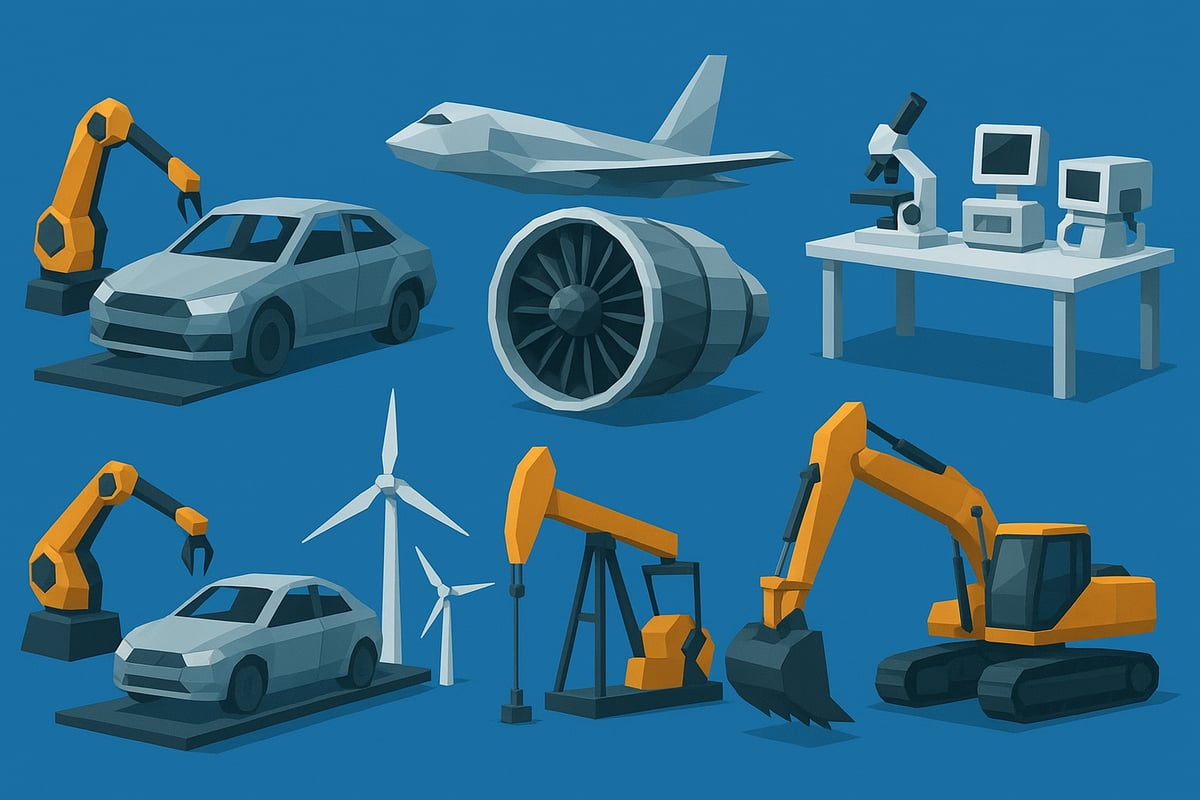
Machining in manufacturing is the backbone of countless industries, each with unique technical requirements and challenges. Let us explore how this essential process adapts to critical sectors, driving innovation and precision in 2026.
Automotive and Transportation
Machining in manufacturing is vital for producing engine blocks, transmission gears, and chassis parts. Automotive manufacturers rely on high-volume, high-precision machining to meet strict performance and safety standards. Lightweighting is a major trend, with aluminum components being CNC-machined for electric vehicles. As the sector shifts toward electrification and e-mobility, demand grows for intricate housings, battery cases, and powertrain parts. Automation and robotics streamline machining workflows, enabling faster production cycles and reduced costs. For example, leading EV makers now use multi-axis machining centers to fabricate complex aluminum parts for next-generation vehicles.
Aerospace and Defense
The aerospace and defense industries require machining in manufacturing to achieve mission-critical tolerances. Components such as turbine blades, landing gear, and structural frames are crafted from titanium, Inconel, and advanced composites. Certification standards are rigorous, ensuring every part meets strict quality and traceability requirements. Complex geometries and tight tolerances necessitate advanced CNC and multi-axis machining. Companies often integrate digital twins to optimize processes and minimize errors. A case study from a jet engine manufacturer shows the use of precision 5-axis machining to produce high-performance turbine blades, ensuring both reliability and safety.
Medical Devices and Equipment
Machining in manufacturing shapes the future of healthcare by delivering high-precision, biocompatible components. Medical device production demands micro-machining for surgical instruments, orthopedic implants, and diagnostic equipment. Materials such as titanium, stainless steel, and specialized polymers are selected for their performance and patient safety. Strict regulatory compliance with FDA and ISO 13485 is essential, and meticulous traceability is required throughout the process. For instance, orthopedic implant manufacturers use advanced CNC machines to achieve the surface finishes and tolerances critical for successful patient outcomes, ensuring devices meet stringent validation standards.
Energy, Oil & Gas, and Power Generation
Machining in manufacturing supports the energy sector by producing robust components for turbines, pumps, valves, and drilling equipment. These parts must withstand high pressure, temperature, and corrosive environments, calling for materials like superalloys and hardened steels. Surface treatments such as anodizing and powder coating enhance durability and resistance to wear. The market share of machined components in energy continues to rise as renewable and traditional power generation expand. For example, oil and gas companies rely on precision-machined valve bodies and pump shafts to maintain safety and efficiency in harsh field conditions.
Construction, Agriculture, and Heavy Equipment
Large-scale components for construction, agriculture, and heavy machinery depend on machining in manufacturing for durability and reliability. Hydraulic cylinders, gearboxes, and machine frames are often custom-machined to withstand heavy loads and challenging environments. Manufacturers emphasize robust designs and tailored solutions for specialized equipment, using advanced cutting processes to achieve tight tolerances. For an in-depth look at these processes, explore Industrial Cutting Techniques. As a result, modern agricultural equipment features machined parts designed for precision and long-term performance, supporting productivity on farms and construction sites.
Market Trends, Challenges, and Opportunities in 2026
The landscape of machining in manufacturing is evolving rapidly as 2026 approaches. Manufacturers are adapting to new technologies, shifting market dynamics, and emerging risks. Understanding these market trends and challenges is vital for staying competitive and unlocking new opportunities.
Global Market Overview and Growth Drivers
The global market for machining in manufacturing is projected to experience robust expansion by 2026. Demand is being driven by digital transformation, increased automation, and the need for precision components. North America, Asia-Pacific, and Europe are leading regions, each investing in advanced machine tools and smart factory solutions.
According to the Global Machine Tools Market Forecast, the machine tools sector is expected to reach $82.3 billion, reflecting a strong CAGR. Factors such as reshoring and supply chain resilience are boosting investments in machining in manufacturing. Companies are prioritizing flexibility and innovation to capture new market share.
Labor, Skills, and Workforce Development
A critical challenge for machining in manufacturing is the growing skills gap. As automation and digital tools become more prevalent, the industry faces a shortage of advanced machinists and technicians. This talent gap is prompting manufacturers to invest in training programs and apprenticeships to build a future-ready workforce.
Workforce development initiatives include partnerships with technical schools, on-the-job learning, and certification programs. Automation helps offset some labor shortages, but skilled professionals remain essential for programming, maintenance, and continuous improvement. Upskilling and reskilling are top priorities for sustaining productivity in machining in manufacturing.
Supply Chain and Nearshoring Strategies
Recent disruptions have highlighted the importance of resilient supply chains in machining in manufacturing. Manufacturers are increasingly adopting nearshoring and localized production to reduce lead times and improve flexibility. These strategies help companies respond quickly to market changes and mitigate risks associated with global logistics.
For example, expanding machining operations in Mexico and other close-to-market regions enables faster turnaround and better quality control. Localized supply chains also support just-in-time manufacturing and reduce exposure to international trade uncertainties. As a result, nearshoring is becoming a core strategy for future growth in machining in manufacturing.
Digital Transformation and Industry 4.0
Digitalization is revolutionizing machining in manufacturing. The adoption of Industry 4.0 technologies, such as IoT-connected machines, real-time data analytics, and cloud-based platforms, is transforming how factories operate. These advancements enable smarter decision-making, predictive maintenance, and greater process optimization.
Leading manufacturers leverage digital twins and AI-driven insights to maximize equipment utilization and quality. Integration of digital solutions enhances transparency across the production cycle. Digital transformation not only boosts efficiency but also positions machining in manufacturing for long-term competitiveness and innovation.
Challenges and Risk Management
Despite the opportunities, machining in manufacturing faces several ongoing challenges. Volatility in raw material prices, supply chain disruptions, and cybersecurity threats in connected environments require robust risk management strategies. Regulatory compliance and environmental standards are also becoming more stringent.
Manufacturers are responding with diversification of suppliers, enhanced cybersecurity protocols, and proactive compliance initiatives. Embracing sustainability and continuous improvement helps mitigate risks and ensures business continuity. Navigating these challenges is essential for maintaining success in machining in manufacturing as the industry evolves.
Best Practices for Manufacturers Adopting Advanced Machining
Adopting best practices in machining in manufacturing is essential for staying ahead in a rapidly evolving industry. Manufacturers who focus on continuous improvement, strategic investments, and collaborative partnerships will position themselves for long-term success. Here are key strategies to ensure your operations remain competitive and future-ready.
Process Optimization and Lean Manufacturing
Process optimization is the backbone of successful machining in manufacturing. By applying lean manufacturing principles, companies identify waste, streamline workflows, and improve efficiency. Techniques such as value stream mapping and bottleneck analysis help pinpoint areas for improvement.
| Lean Benefit | Impact on Machining |
|---|---|
| Reduced Waste | Lower costs, less scrap |
| Shorter Lead Times | Faster delivery |
| Improved Quality | Fewer defects, higher yield |
For example, machining shops implementing lean initiatives often achieve faster turnaround and enhanced product quality. Regular process reviews ensure that efficiency gains are sustained over time.
Investment in Technology and Equipment
Smart investment in advanced technology is critical to maximizing the benefits of machining in manufacturing. Manufacturers should conduct detailed ROI analyses before purchasing new machinery or automation systems. Factors such as flexibility, compatibility, and scalability must be considered to ensure long-term value.
Selecting equipment that aligns with production needs can accelerate productivity and reduce downtime. For instance, upgrading to state-of-the-art CNC machines often yields a rapid payback period. Staying informed of Defining Manufacturing Trends of 2026 can guide investment decisions and keep your facility at the forefront of innovation.
Quality Assurance and Certification
A robust quality management system is essential for machining in manufacturing, especially in industries with strict compliance requirements. Certifications such as ISO 9001, AS9100, or IATF 16949 provide frameworks for process validation and continuous improvement.
Routine audits, thorough documentation, and advanced inspection tools help maintain high standards. Companies that prioritize quality assurance often achieve zero-defect manufacturing, resulting in greater customer satisfaction and reduced rework costs.
Collaboration and Supplier Partnerships
Strong collaboration is a key differentiator in machining in manufacturing. Building close relationships with machining service providers and suppliers fosters innovation and risk sharing. Early supplier involvement allows for co-development of components, leading to faster time to market and improved product performance.
Tier-1 partnerships, especially in sectors like aerospace, help streamline communication and enable problem-solving at every stage of production. Open dialogue and shared goals ensure all parties are aligned for success.
FAQ
Curious about machining in manufacturing? Below are the most frequently asked questions from industry professionals and newcomers alike. These answers will help you navigate current practices, technology adoption, and the best steps for success in 2026.
What is machining in manufacturing?
Machining in manufacturing is a subtractive process where material is precisely removed from a workpiece to create complex parts. This method is favored for its ability to achieve tight tolerances and high-quality finishes, making it essential for industries that require reliable and consistent components.
Which industries depend most on machining in manufacturing?
Automotive, aerospace, medical, energy, and heavy equipment sectors all rely on machining in manufacturing for mission-critical parts. These industries demand precision, consistency, and compliance with strict standards to ensure safety and performance.
How do I choose the right machining process for my project?
Selecting the right machining in manufacturing process depends on the material, part complexity, required tolerances, and production volume. Consulting with experienced engineers or a trusted machining partner can help you identify the most efficient and cost-effective approach.
What are the main benefits of CNC technology in machining?
CNC technology enables automated, repeatable, and highly accurate machining in manufacturing. It improves productivity, reduces human error, and allows for the creation of intricate geometries that would be difficult or impossible with manual methods.
Why is material selection important in machining in manufacturing?
Material selection affects machinability, tool life, and final part performance. For instance, titanium and stainless steel are chosen for their strength and corrosion resistance in aerospace and medical applications, while aluminum is popular for its lightweight properties in automotive parts.
How does quality control work in machining in manufacturing?
Quality control involves precise measurement tools such as CMMs and laser scanners. Manufacturers use statistical process control and adhere to industry standards to ensure every part meets specifications. Documentation and traceability are crucial, especially in regulated industries.
What trends are shaping machining in manufacturing for 2026?
Key trends include the adoption of smart factories, automation, digital twins, and sustainable practices. Manufacturers are investing in advanced equipment and real-time data analytics to optimize processes and stay competitive. For more on future trends, see this 2026 Manufacturing Industry Outlook.
Can machining in manufacturing be integrated with fabrication and welding?
Yes, many projects require a combination of machining, fabrication, and welding for complete solutions. Providers like Fabrication and Welding Solutions offer integrated services to streamline production and ensure part compatibility.
Where can I find expert machining, welding, and fabrication services?
For reliable machining in manufacturing, welding, and fabrication services, consider LTJ Industrial Services. Their experienced team delivers high-quality industrial solutions tailored to your project needs.
How do I hire the right machining and fabrication partner?
Look for providers with a proven track record, relevant certifications, and a broad range of machining in manufacturing capabilities. LTJ Industrial Services offers comprehensive solutions—contact them to discuss your requirements and get a tailored quote.
As you’ve seen throughout this guide, staying ahead in manufacturing means embracing precision, innovation, and the latest machining technologies. Whether you’re planning a new project, looking to improve efficiency, or need support for complex fabrication challenges, partnering with experienced professionals can make all the difference. At LTJ Industrial Services, we help you focus on your business goals by delivering quality machining, welding, and fabrication solutions tailored to your needs. If you’re ready to take the next step or discuss your unique requirements, I encourage you to [Request a Quote](https://www.ltjindustrial.com/contact_us/) today.