
Machining industries are advancing at a remarkable pace, shaping the future of manufacturing and technology as we approach 2026. Across sectors such as aerospace, automotive, and healthcare, innovation in machining is redefining how products are designed, built, and delivered.
As digital manufacturing, automation, and material breakthroughs accelerate, the impact of machining industries is felt in everything from infrastructure to everyday devices. Companies are leveraging these changes for greater precision, customization, and sustainability.
In this article, we highlight the eight most influential applications of machining industries projected for 2026. Discover how these trends will transform production, drive innovation, and set new industry standards.
The Expanding Role of Machining Industries in 2026
Machining industries are entering a transformative era, poised for remarkable growth by 2026. As global manufacturing demands continue to rise, the market for advanced machining solutions is expanding at an unprecedented rate. Analysts project the global CNC machine market to reach $140.78 billion by 2029, driven by the need for greater efficiency, quality, and speed in production.
A surge in technological advancements is reshaping the landscape of machining industries. Computer numerical control (CNC) systems, automation, and digital manufacturing are at the forefront, enabling manufacturers to achieve tighter tolerances and produce complex geometries with minimal human intervention. These technologies are empowering companies to scale operations quickly while maintaining high standards of precision.
Manufacturers across sectors are seeking enhanced customization and scalability. The modern customer expects tailored products, and machining industries are responding with flexible production lines and rapid prototyping capabilities. This shift is supported by the adoption of advanced software, smart sensors, and data analytics, which optimize workflows and minimize downtime.
Sustainability is also a driving force within machining industries. There is growing emphasis on material innovation, with a move towards lightweight alloys, composites, and recyclable materials. Companies are investing in energy-efficient machinery and waste-reducing processes, aligning with global sustainability goals and regulatory pressures.
The impact of machining industries extends to industrial productivity. Automated machining has reduced lead times significantly, allowing for just-in-time manufacturing and faster product launches. Industries such as aerospace, automotive, medical devices, and renewable energy are leveraging these advancements to maintain a competitive edge.
To illustrate the breadth of machining applications, consider the rapid adoption of CNC machining in both established and emerging sectors. For example, the aerospace industry relies on precision machining for critical components, while the medical sector demands micron-level accuracy for implants and surgical tools. The automotive industry benefits from high-volume, automated machining to meet evolving consumer needs.
Below is a summary table highlighting key trends and growth drivers:
| Trend/Driver | Impact on Machining Industries |
|---|---|
| CNC Automation | Higher precision, reduced labor |
| Digital Manufacturing | Enhanced customization, flexibility |
| Sustainability Initiatives | Material efficiency, waste reduction |
| Skilled Workforce Demand | Need for advanced training |
As machining industries evolve, workforce development becomes increasingly vital. The demand for skilled machinists and technicians is rising, prompting investments in training and education. Companies are also embracing collaborative robots and remote monitoring to boost productivity and address labor shortages.
For a comprehensive look at the capabilities and solutions driving this industry forward, explore the Machining services overview.
The expanding role of machining industries in 2026 will shape the future of manufacturing, infrastructure, and innovation. Companies that invest in advanced machining technologies, sustainability, and workforce development will be well-positioned to thrive in this dynamic environment.
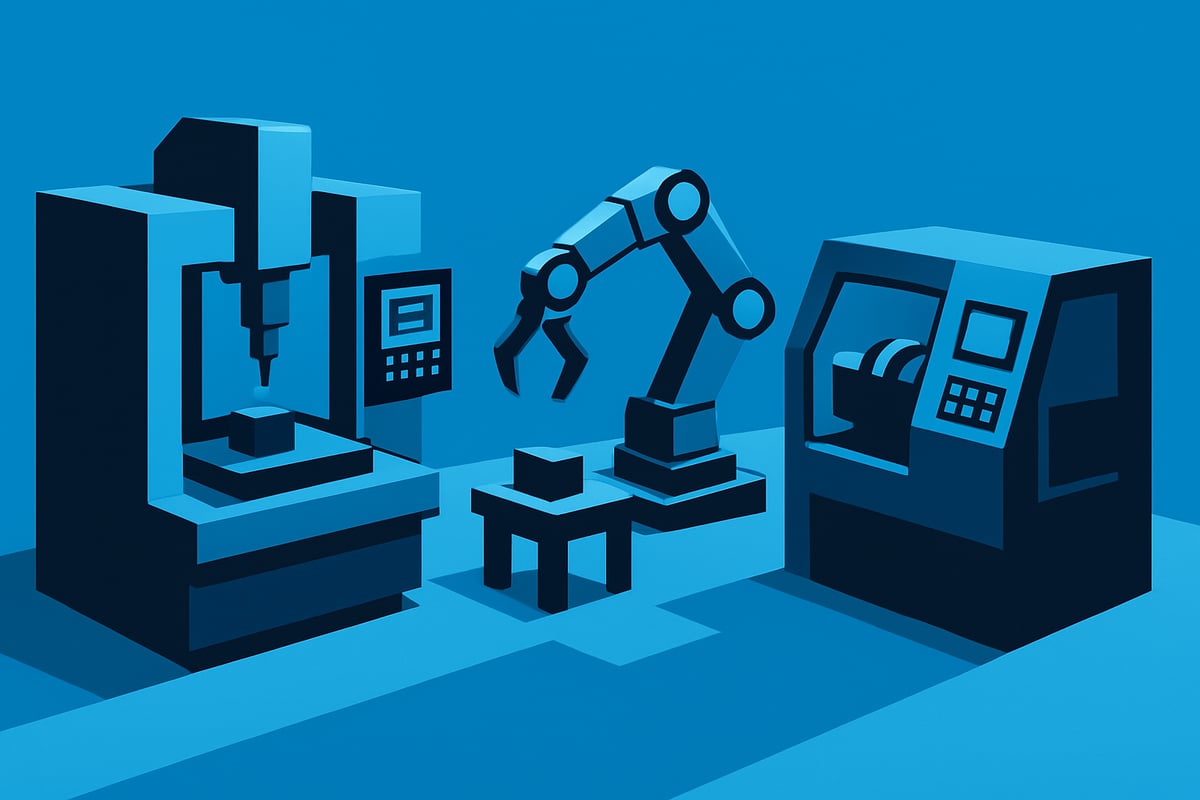
8 Key Applications of Machining Industries in 2026
The coming years are set to redefine the scope and influence of machining industries. The demand for precision, customization, and scalable solutions is driving innovation at an unprecedented pace. As we step into 2026, eight core applications are poised to lead this transformation, shaping sectors from aerospace to agriculture.
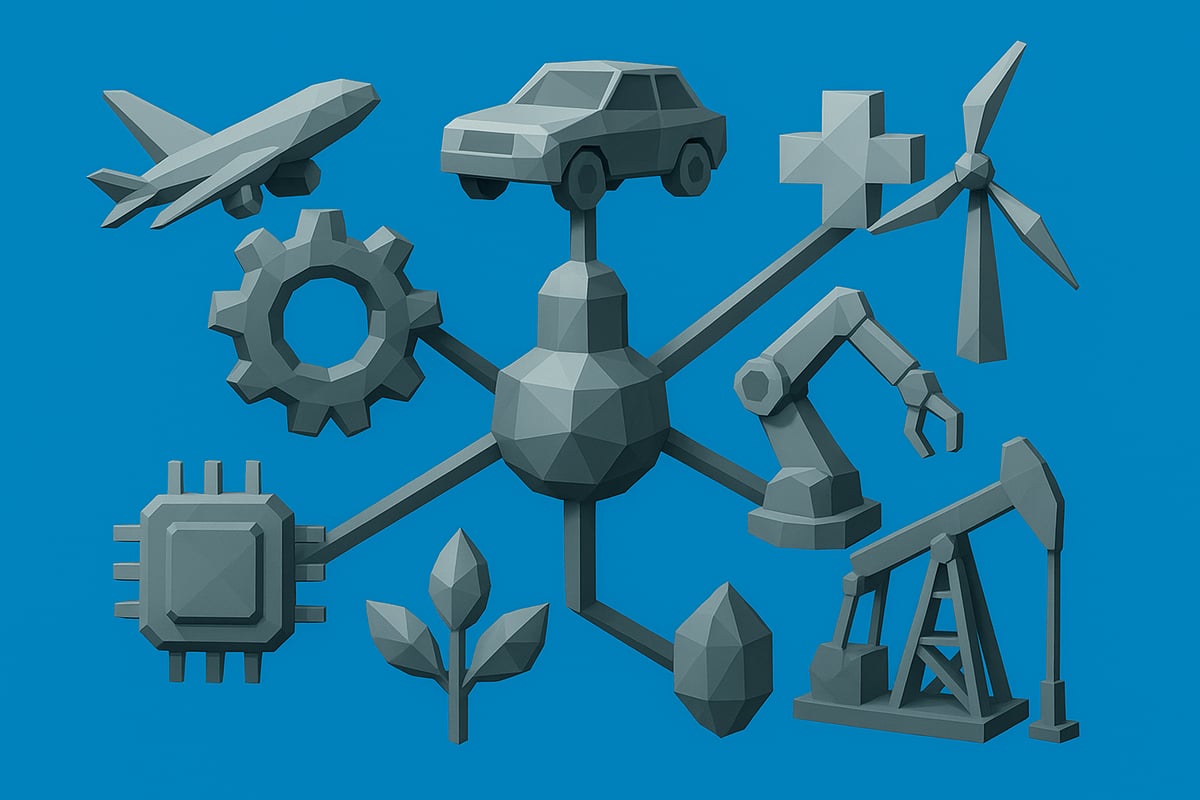
1. Aerospace Component Manufacturing
Aerospace is synonymous with uncompromising standards. In 2026, machining industries will be at the forefront of producing turbine blades, engine housings, and landing gear with micron-level precision. The use of high-strength materials like titanium and advanced composites requires sophisticated CNC machining to maintain tight tolerances.
Aircraft and spacecraft designs demand complex geometries that only advanced machining technologies can deliver. Quality assurance in this sector is rigorous, with every component subject to exhaustive regulatory compliance and testing. The trend toward lightweighting—reducing weight without sacrificing strength—has led to the rise of hybrid additive and subtractive manufacturing.
For instance, CNC-machined engine parts are boosting fuel efficiency in next-generation jets. Aerospace remains one of the top sectors for CNC adoption, thanks to its need for repeatable accuracy and reliability.
A quick snapshot:
| Aerospace Machining Needs | Examples | Trends |
|---|---|---|
| Tight tolerances | Turbine blades | Lightweighting |
| High-strength materials | Engine housings | Hybrid manufacturing |
| Regulatory compliance | Landing gear assemblies | Additive processes |
Machining industries not only power flight but also help set new benchmarks for safety, innovation, and sustainability in aviation.
2. Automotive Innovation and Production
Automotive manufacturing is transforming rapidly, with machining industries playing a central role. The shift to electric vehicles (EVs) and autonomous driving systems has increased the demand for precise, high-volume machining of components like engine blocks, transmissions, and safety-critical systems.
Automation is integral to modern automotive machining, enabling scalable and cost-effective production. Lightweight alloys and custom machining solutions are now standard for performance and efficiency. For example, leading EV brands rely on custom-machined battery housings to optimize thermal management and crash safety.
CNC technology ensures that each part, from drive shafts to gearboxes, meets stringent quality standards. The sector's reliance on precision and speed is evident in its adoption of digital manufacturing and rapid prototyping for new model development.
Key trends include:
- Customization for unique vehicle platforms
- Rapid prototyping with digital twins
- Integration of hybrid manufacturing for complex parts
To explore how these advancements translate to real-world results, review Case studies in industrial machining that highlight successful projects across the automotive sector.
Machining industries are driving the evolution of mobility, enabling safer, more efficient, and highly customizable vehicles.
3. Medical Devices and Surgical Equipment
The medical sector relies on machining industries for the fabrication of implants, prosthetics, and surgical instruments where precision is paramount. Modern CNC systems achieve micron-level tolerances, essential for devices that interact with the human body.
Manufacturers must adhere to strict regulatory standards such as FDA and ISO, with full traceability for every component. Biocompatible materials like titanium, stainless steel, and specialized polymers are machined to exacting specifications.
Customization is a growing trend. Patient-specific devices, from orthopedic implants to dental crowns, are made possible by integrating CNC machining with CAD/CAM technologies. Miniaturization is also advancing, supporting minimally invasive surgical tools.
Example applications:
- CNC-machined orthopedic implants for improved joint mobility
- Custom dental components for perfect fit
- Surgical instruments designed for precision and durability
The pandemic has accelerated demand for high-quality, machined medical parts, reinforcing the sector's reliance on advanced machining industries.
4. Renewable Energy Systems
Machining industries are critical to the ongoing expansion of renewable energy. Components for wind turbines, solar panel frames, and hydroelectric systems all require precision engineering to function reliably in harsh environments.
Large-scale machining produces turbine blades, gearboxes, and generator housings that must withstand extreme forces and weather conditions. The sector also emphasizes sustainability, with machining processes supporting recycling and refurbishment of energy equipment.
CNC technology enables the creation of modular and scalable energy system components, essential for modern wind and solar infrastructures. For offshore wind installations, for example, CNC-machined parts ensure structural integrity and ease of maintenance.
Trends shaping the sector:
- Growth in custom machining for renewable projects
- Modular system design for rapid deployment
- Increased use of corrosion-resistant alloys
Machining industries are powering the shift to clean energy, making sustainable infrastructure both feasible and reliable.
5. Industrial Automation and Robotics
Automation is revolutionizing production lines, and machining industries are at the core of this transformation. High-precision parts for robotic arms, actuators, and assembly systems require exact machining to ensure smooth operation and longevity.
Jigs, fixtures, and end-effectors are custom-machined to fit the unique needs of automated manufacturing lines. The rise of collaborative robots (cobots) has increased demand for specialized housings and gears.
Industry 4.0 integration is driving the adoption of smart factories, where machining industries support flexible, data-driven manufacturing. Precision machining ensures that robots can perform delicate and repetitive tasks with high reliability.
Key points:
- Customization for specialized automation applications
- Machined parts for enhanced robotic dexterity
- Data-driven process optimization for higher productivity
Machining industries are essential for bringing automation and robotics to life, increasing efficiency and adaptability in modern factories.
6. Oil, Gas, and Heavy Equipment
The oil and gas sector depends on machining industries for the production of large, durable components used in drilling, extraction, and processing operations. These parts must resist corrosion, withstand high pressures, and deliver reliable performance in tough field conditions.
Custom solutions are often required for field repairs or retrofitting older machinery. Precision-machined valves, pump housings, and connectors are vital for maintaining uptime and safety.
Digital twins and predictive maintenance are emerging trends, enabling companies to monitor equipment health and preemptively address wear and tear. This reduces operational costs and minimizes downtime.
Key applications include:
- Machined drill bits and extraction tools
- High-pressure pump components
- Field-serviceable replacement parts
Machining industries remain a backbone for the heavy equipment and energy sectors, supporting both legacy systems and new technological advancements.
7. Consumer Electronics and Smart Devices
Consumer electronics demand intricate, high-speed production—an area where machining industries excel. Smartphones, wearables, and IoT devices require tiny, complex parts with tight tolerances, often produced in high volumes.
Materials like aluminum, plastics, and specialty alloys are machined for device enclosures, connectors, and internal components. The electronics industry relies on CNC technology to achieve miniaturization and rapid prototyping for short product cycles.
Examples include:
- Machined enclosures for flagship smartphones
- Precision connectors for wearable tech
- Custom components for IoT devices
Trends such as increased customization and faster design-to-market timelines are shaping how machining industries serve this fast-paced sector.
8. Agriculture and Food Processing Machinery
Modern agriculture is evolving, and machining industries are helping drive this shift. Complex parts for tractors, combines, and food processing equipment require durability, hygiene, and easy maintenance.
Machined components are essential for precision agriculture systems, supporting automation and smart farming techniques. Custom solutions are developed to optimize harvesting, planting, and processing efficiency.
Key industry trends include:
- Integration of robotics in agriculture machinery
- Focus on corrosion-resistant and food-safe materials
- Modular designs for easy equipment upgrades
For example, automated harvesting machines use precisely machined gears and actuators to improve crop yield and reduce labor costs. The agriculture sector's move toward advanced manufacturing is creating new opportunities for machining industries.
Future Trends: Digitalization and Sustainability in Machining
As the world moves toward 2026, machining industries are entering a new era defined by digitalization and sustainability. Companies are leveraging smart technologies to gain a competitive edge, while eco-friendly practices are becoming essential across global supply chains.
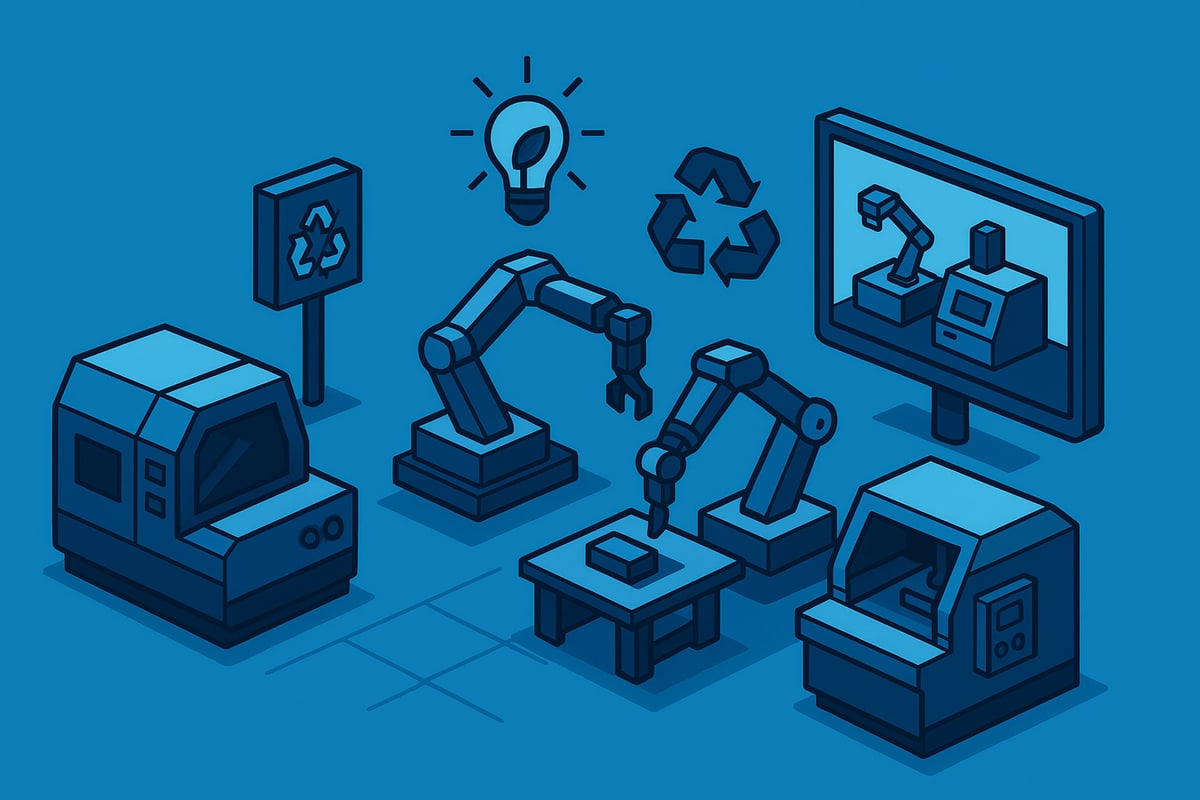
Digitalization in Machining Industries
Digitalization is transforming machining industries at every level. The integration of IoT sensors, cloud connectivity, and digital twin technology enables real-time monitoring of equipment and production lines. This connectivity allows manufacturers to optimize workflows, track machine health, and predict maintenance needs before breakdowns occur.
Industry leaders are adopting data-driven manufacturing to improve precision and reduce costs. According to Development Trends of Global CNC Machining in 2025, digital solutions like AI-powered analytics and advanced visualization tools are shaping the future of machining industries, making processes more efficient and transparent.
Predictive Maintenance and Data-Driven Operations
Predictive maintenance is now a cornerstone of efficient machining industries. By analyzing machine data, companies can schedule maintenance only when necessary, reducing downtime and extending equipment lifespan.
Machine learning algorithms detect anomalies and forecast potential failures, providing actionable insights for operators. This approach increases productivity and ensures consistent quality, benefiting manufacturers and their clients alike.
Sustainability and Green Manufacturing
Sustainability is a driving force in the evolution of machining industries. Manufacturers are investing in energy-efficient machines, closed-loop cooling systems, and advanced filtration to minimize environmental impact.
Material recycling and waste reduction are top priorities. Many facilities now repurpose scrap metal and implement lean manufacturing principles to cut excess. These efforts not only protect the environment but also reduce operating costs, making green initiatives a win-win.
| Sustainability Initiative | Impact on Machining Industries |
|---|---|
| Energy-efficient equipment | Lower utility costs, reduced CO₂ |
| Material recycling | Less waste, improved resource use |
| Water and coolant management | Cleaner operations, regulatory compliance |
Hybrid Manufacturing and Workforce Evolution
The rise of hybrid manufacturing—combining additive and subtractive processes—is opening new possibilities for machining industries. This approach enables the production of complex parts with minimal waste and greater design freedom.
Meanwhile, workforce roles are evolving. Skilled machinists now work alongside collaborative robots, using remote monitoring tools and advanced software. Upskilling programs are critical, preparing teams for digitalized, automated environments.
Machining industries that embrace these trends are better positioned to adapt to market changes and strengthen supply chain resilience.
FAQ
Find answers to the top questions about machining industries in 2026. Explore how these technologies are shaping sectors from aerospace to agriculture, and discover where to find expert support for your next project.
As we look ahead to 2026, it’s clear that machining industries will play a pivotal role in advancing sectors from aerospace to renewable energy and beyond. If you’re ready to leverage these innovations for your business—whether you need precise machining, expert welding, or custom fabrication—working with a skilled partner can make all the difference. At LTJ Industrial Services, we’re committed to helping you stay ahead of industry trends with reliable, high-quality solutions tailored to your unique needs. Want to explore how we can support your next project? [Request a Quote](https://www.ltjindustrial.com/contact_us/) and let’s build your future together.