
Metal processing stands at the heart of every modern industry, powering advancements in construction, transportation, electronics, and beyond. This guide delivers a comprehensive, up-to-date overview of essential metal processing techniques and the trends shaping 2026. You will explore each stage from ore to product, discover innovative technologies, examine industry trends, and learn about sustainability and the future outlook. Now is the moment to embrace new methods, boost efficiency, and ensure your business remains competitive by staying ahead of the metal processing curve.
The Metal Processing Journey: Key Steps from Ore to Product
Metal processing is a complex journey that transforms raw materials into vital components for industries worldwide. Each stage, from extraction to recycling, plays a crucial role in shaping the performance, cost, and sustainability of finished products. Let us explore the essential steps that define this process.
Mining and Extraction
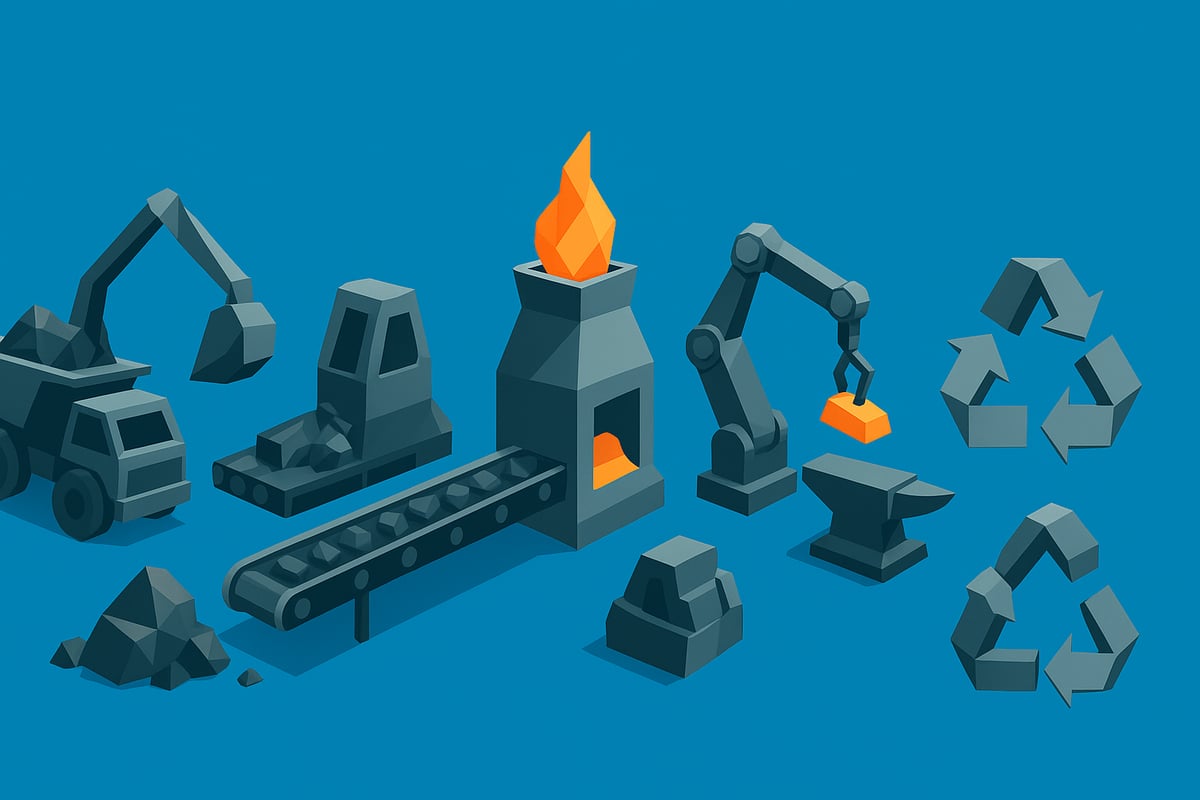
Mining is the first step in the metal processing chain. Techniques vary by geography and ore type, with open-pit mining used for surface deposits and underground mining for deeper resources. Solution mining is applied when minerals dissolve easily in liquid.
The quality and location of ore deposits determine the efficiency of extraction. For example, copper extraction in the U.S. often uses advanced drilling to access high-grade ore, optimizing yield. According to recent projections, global mining output will continue to rise through 2026, driven by demand for electronics and infrastructure.
Environmental regulations are tightening, requiring companies to minimize land disruption and reduce water use. Sustainable mining practices are now integral to responsible metal processing.
Crushing, Grinding, and Concentration
After extraction, ores are crushed and ground to reduce particle size, making valuable minerals accessible. Crushing typically uses jaw or cone crushers, while grinding employs ball mills or rod mills for finer particles.
Concentration processes separate metal-rich minerals from waste. Common methods include flotation, magnetic separation, and gravity separation. Automation has improved efficiency, with sensor-based ore sorting in gold mining increasing yield and lowering costs.
| Method | Description | Application |
|---|---|---|
| Flotation | Uses chemicals/bubbles | Copper, gold |
| Magnetic Separation | Separates magnetic materials | Iron ore |
| Gravity Separation | Uses density differences | Tin, gold |
Efficient concentration is vital for cost-effective metal processing and maximizing resource use.
Smelting and Refining
Smelting is a high-temperature process that separates metal from its ore using heat and chemical reactions. This step is essential for producing usable metals. Refining follows, using techniques like electro-refining and chemical refining to remove impurities.
For instance, aluminum smelting demands significant energy input, making energy efficiency a key focus. Globally, smelting operations are a major source of emissions, but advances in technology are reducing both emissions and impurities, leading to higher metal purity.
Innovations in refining support stricter product standards and environmental targets, shaping the future of metal processing.
Shaping, Forming, and Heat Treatment
Once refined, metals undergo shaping and forming processes such as rolling, forging, extrusion, and casting. These methods define product dimensions and mechanical properties. Heat treatment, including processes like annealing and quenching, further enhances strength and durability.
A common example is forging steel for automotive components, where precise form and toughness are critical. The industry is rapidly integrating robotics to achieve greater precision and repeatability in forming operations.
This step is central to creating products that meet demanding specifications across sectors.
Surface Treatment and Assembly
Surface finishing protects metals and improves appearance. Methods include painting, plating, anodizing, and powder coating. Joining techniques, such as welding, riveting, and soldering, assemble components into final products.
Anodized aluminum is widely used in aerospace for its corrosion resistance and lightweight properties. Quality control during this phase is vital to ensure durability and performance. For an in-depth look at finishing options, see powder coating and surface treatment.
Attention to detail in surface treatment and assembly is key for reliable, high-quality results in metal processing.
Recycling and Circular Economy
Recycling closes the loop in metal processing by returning valuable materials to the production cycle. The process involves collection, sorting, re-melting, and re-forming metals into new products.
Projections for 2026 indicate that recycled metals will comprise an increasing share of global supply, reducing environmental impact and conserving resources. The economic benefits are substantial, as recycled metals require less energy than primary production.
Metal processing continues to evolve toward a circular economy, supporting both sustainability and long-term industry growth.
Core Metal Processing Techniques: Traditional and Modern Approaches
The evolution of metal processing techniques shapes nearly every industry today. From foundational casting to cutting-edge additive manufacturing, understanding these methods is essential for staying competitive. Each technique brings unique advantages and applications, ensuring metal processing remains adaptable and efficient.
Casting and Molding
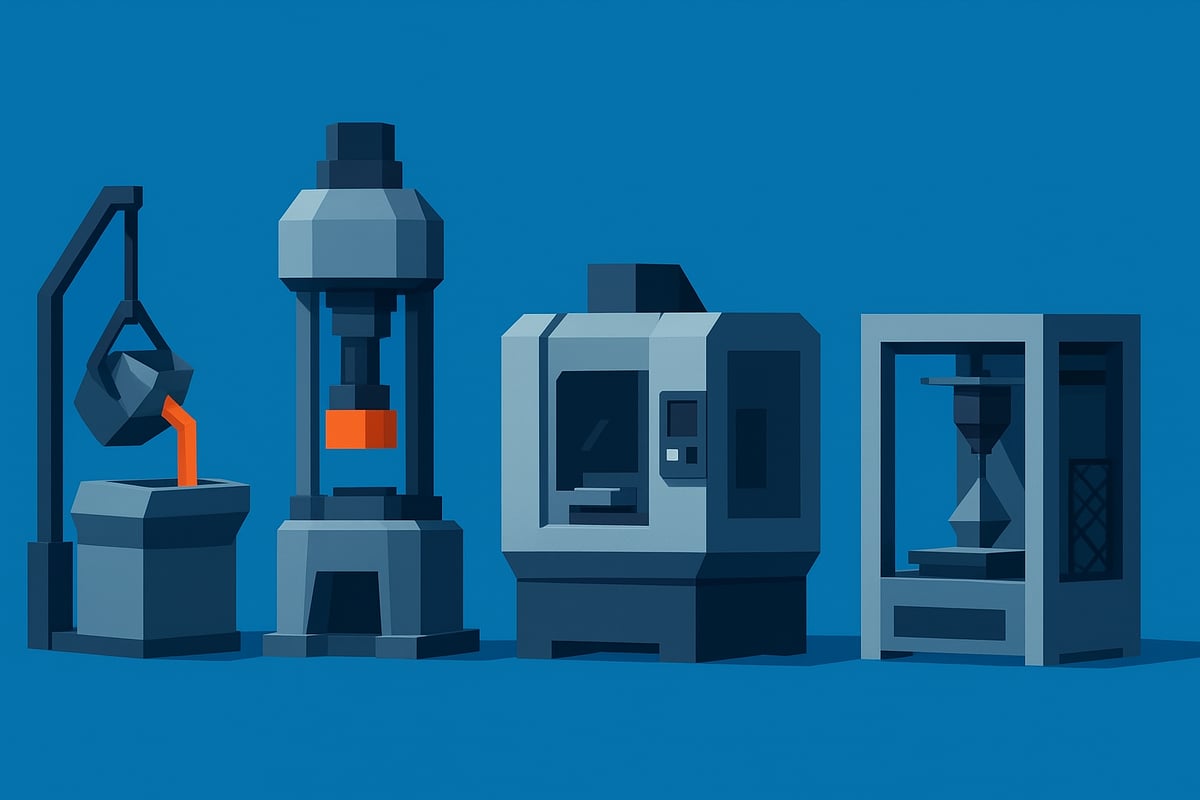
Casting and molding are among the oldest metal processing methods. Sand casting is versatile and cost-effective for large components, while die casting excels at high-volume production of precise aluminum parts. Investment casting, though more complex, enables intricate shapes for aerospace and medical uses.
| Method | Advantages | Limitations |
|---|---|---|
| Sand Casting | Low cost, flexible shapes | Lower accuracy, rougher finish |
| Die Casting | High precision, fast cycles | High tooling cost, limited alloys |
| Investment Casting | Complex geometry, fine detail | Slower, costly for large parts |
Die casting is often chosen for automotive components requiring tight tolerances. Each casting method plays a distinct role in the broader metal processing landscape.
Deformation and Forming Processes
Deformation processes transform metals through mechanical force. Hot working, such as hot rolling or forging, increases ductility and allows substantial shape changes. Cold working, including cold rolling and drawing, enhances strength and surface finish.
Comparing these methods reveals tradeoffs. Hot working is ideal for bulk shaping, while cold working achieves high precision and improved mechanical properties. Cold-rolled steel is commonly used in construction for its strength and uniformity. Deformation is a cornerstone of metal processing, enabling tailored results for diverse applications.
Machining and Cutting
Machining and cutting refine metal into precise components. Techniques include milling, turning, drilling, and grinding. Advances in CNC machining have revolutionized accuracy and repeatability, allowing for intricate designs and minimal waste.
Precision machining is vital in industries like aerospace and medical device manufacturing. For a deeper look at advanced techniques, explore precision machining and cutting. These processes ensure metal processing delivers the exact specifications required for high-performance parts.
Powder Metallurgy
Powder metallurgy forms parts from metal powders using atomization, pressing, and sintering. This technique enables near-net-shape production, reducing material waste and supporting complex geometries. Components such as automotive gears benefit from the high consistency and material efficiency offered by powder metallurgy.
The process allows for unique alloy combinations and is well-suited for mass production. Powder metallurgy demonstrates how metal processing continues to evolve, integrating innovation for greater sustainability.
Additive Manufacturing (3D Printing)
Additive manufacturing is transforming metal processing by enabling the layer-by-layer creation of parts with intricate internal structures. Technologies like selective laser melting (SLM), electron beam melting (EBM), and directed energy deposition (DED) are now widely adopted in aerospace and medical sectors.
3D printing offers rapid prototyping, reduced lead times, and the ability to produce geometries impossible with traditional methods. A titanium 3D-printed manifold exemplifies the leap in design freedom and efficiency, highlighting the future of metal processing.
Emerging Technologies and Innovations in Metal Processing
The rapid evolution of metal processing is transforming how industries design, manufacture, and deploy products. Innovations are reshaping every stage, from raw material to finished part. Staying ahead means understanding how these emerging technologies can deliver greater efficiency, sustainability, and quality.
Automation and Robotics
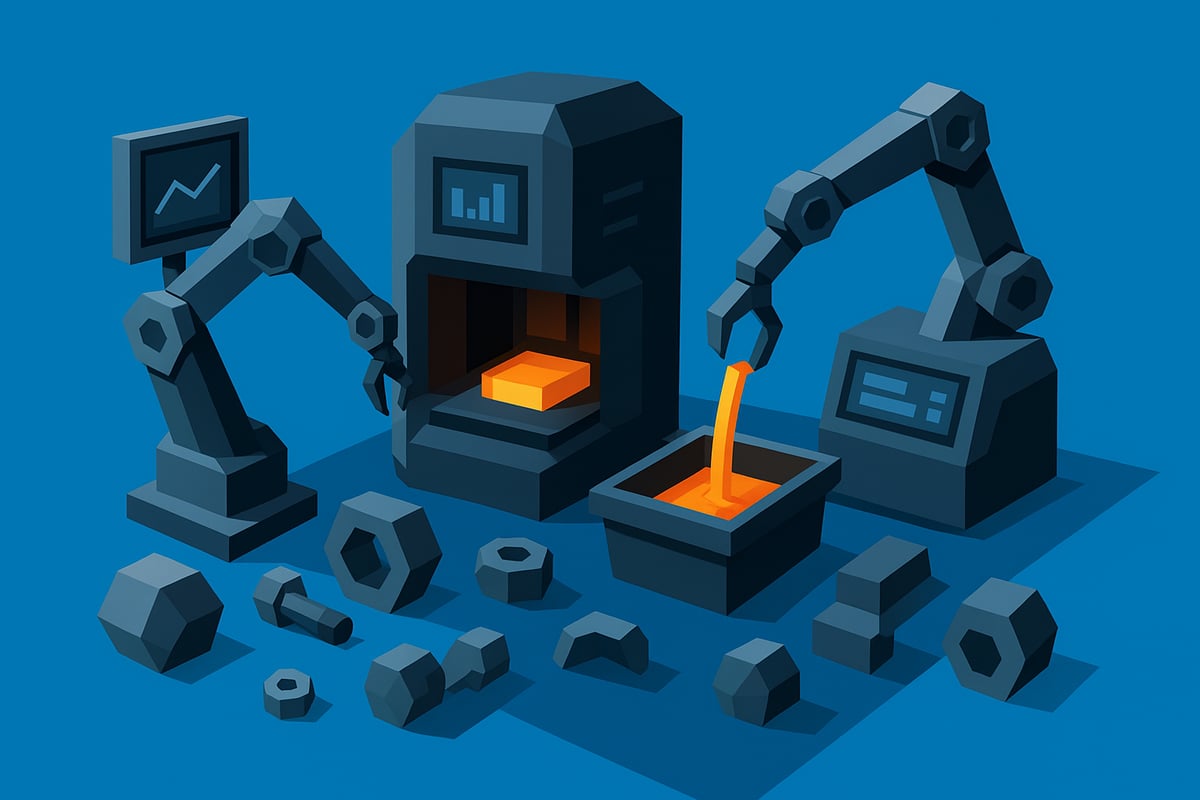
Automation is revolutionizing metal processing. Robots now handle welding, assembly, and material transfer with unmatched precision. Automated guided vehicles move heavy metals, while robotic arms perform repetitive tasks, minimizing errors.
These systems boost productivity and enhance worker safety by taking on hazardous operations. For example, robotic welding cells in automotive plants deliver consistent, high-quality joints and reduce downtime.
Automated inspection systems are also improving quality control. By integrating robotics, companies adapt quickly to changing product demands and maintain competitiveness in metal processing.
Advanced Additive Manufacturing
Additive manufacturing is unlocking new possibilities in metal processing. Technologies like selective laser melting (SLM), electron beam melting (EBM), and directed energy deposition (DED) enable the production of intricate, lightweight structures.
Recent advances include hybrid manufacturing, which combines additive and subtractive processes, and multi-material printing for complex assemblies. Overcoming issues such as anisotropy and surface roughness remains a priority.
To dive deeper into simulation and modeling advances, see this resource on Physics-Based Modeling of Powder Bed Fusion Additive Manufacturing. These breakthroughs support the growing adoption of additive manufacturing in aerospace and medical sectors.
AI, Machine Learning, and Digital Twins
Artificial intelligence is driving smarter metal processing. AI-powered systems optimize process parameters in real time, resulting in better yields and reduced waste. Machine learning algorithms predict equipment failures, enabling predictive maintenance and less unplanned downtime.
Digital twins provide virtual replicas of physical assets. They simulate metal processing operations, monitor performance, and test process changes without disrupting production. This digital transformation helps companies refine workflows, cut costs, and improve product quality.
AI and digital twins are redefining how companies approach efficiency and innovation in metal processing.
Sustainable and Green Processing Technologies
Sustainability is now central to metal processing innovation. Low-carbon smelting, including hydrogen-based ironmaking, reduces greenhouse gas emissions. Electric arc furnaces powered by renewables are replacing traditional coal-fired methods.
Closed-loop water systems and advanced filtration minimize environmental impact. Energy recovery solutions capture waste heat for reuse, boosting resource efficiency. These green technologies help industries meet stricter regulations while reducing operational costs.
Sustainable processing is not just a compliance requirement but a key differentiator for future-ready metal processing companies.
Smart Materials and Alloys
The development of advanced alloys is pushing the boundaries of metal processing. High-performance materials like magnesium alloys offer exceptional strength-to-weight ratios, ideal for automotive and aerospace applications.
Researchers are focusing on corrosion-resistant, lightweight, and high-temperature alloys. This innovation supports the demand for energy-efficient vehicles and durable infrastructure.
Specialty alloys are expected to see significant growth by 2026 as industries seek materials that enhance performance in challenging environments. Smart materials are vital to the next generation of metal processing solutions.
Surface Engineering and Nano-Coatings
Surface engineering is a critical aspect of metal processing. Innovative coatings protect components against wear, corrosion, and extreme temperatures.
Nano-ceramic and nano-composite coatings are now used in high-stress environments like turbine blades and aerospace parts. These solutions extend product life and improve reliability.
Advanced surface treatments, such as plasma spraying and ion implantation, further enhance metal performance. As metal processing evolves, surface engineering will remain essential for delivering value and durability.
Industry Trends Shaping Metal Processing in 2026
The landscape of metal processing is rapidly evolving as industries respond to global pressures, technological advancements, and a demand for greater efficiency. Companies that adapt to these shifts will be best positioned to thrive in 2026. Below, we explore five defining trends shaping the future of metal processing.
Global Supply Chain Shifts
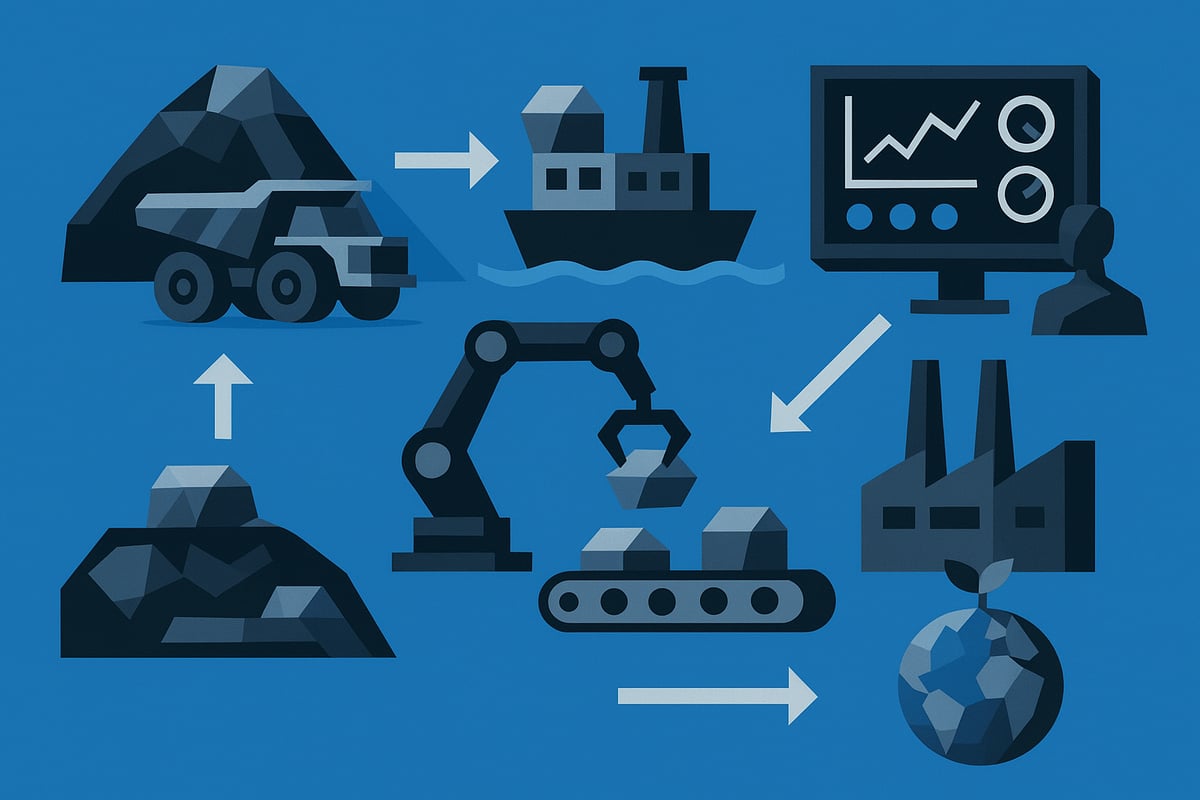
The global metal processing sector is navigating a period of significant transformation as supply chains become more regionalized. Geopolitical tensions, trade policy shifts, and the need for greater resilience are driving investment in domestic production facilities. For example, the United States is boosting rare earth processing capabilities to reduce reliance on imports.
These changes are impacting everything from sourcing to lead times. Manufacturers are reevaluating supplier networks and logistics strategies to mitigate risks. For a detailed analysis of these dynamics, the Global Metals and Steel Industry Trends 2025/2026 report offers valuable insights into market performance and credit risks. As global supply chains evolve, metal processing firms must remain agile to maintain competitiveness.
Digital Transformation and Industry 4.0
The adoption of digital technologies is revolutionizing metal processing. Smart factories now leverage IoT-enabled sensors, real-time analytics, and automated process controls to optimize operations. Predictive maintenance, powered by machine learning, is reducing downtime and improving asset reliability.
Industry 4.0 is accelerating data-driven decision-making, enhancing transparency across the production cycle. Companies implementing these solutions are seeing measurable gains in efficiency and quality. As more manufacturers embrace digital transformation, the metal processing industry is set to become increasingly responsive and adaptive. Those who lag risk falling behind in a highly competitive market.
Customization and On-Demand Manufacturing
Customer expectations are shifting toward greater customization and rapid delivery. Metal processing is responding with flexible manufacturing systems that support low-volume, high-mix production. Additive manufacturing, or 3D printing, enables the creation of complex, tailored components on demand.
This trend is particularly evident in sectors like medical and aerospace, where custom implants and parts are produced with minimal lead time. The shift to on-demand manufacturing is streamlining workflows, reducing inventory costs, and enabling faster responses to market needs. Metal processing businesses are investing in agile technologies to meet these evolving demands.
Workforce Evolution and Skills Gap
As automation and robotics become standard in metal processing, the industry faces a growing need for skilled technicians. The demand for expertise in robotics, data analysis, and advanced machinery is outpacing available talent. Companies are launching training programs and upskilling initiatives to bridge this gap.
Workforce shortages, if left unaddressed, could limit production capacity and slow innovation. According to recent projections, the skills gap in metal fabrication is expected to widen by 2026. Investing in workforce development is critical for companies aiming to maintain operational excellence in an increasingly automated environment.
Sustainability and Regulatory Compliance
Sustainability is now a central focus for metal processing organizations. Stricter emissions and waste regulations are prompting the adoption of green technologies, such as low-carbon smelting and closed-loop recycling systems. In the European Union, policies like the carbon border tax are reshaping how metals are sourced and traded.
The circular economy model is gaining traction, with mandates for higher recycling rates and reduced environmental footprints. Metal processing firms are pursuing certifications and adopting eco-friendly practices to meet both regulatory requirements and customer expectations. Staying ahead on sustainability will be key to long-term success.
Quality Control, Efficiency, and Best Practices in Metal Processing
Maintaining high standards in metal processing is essential for delivering reliable, cost-effective, and high-performance products. As industry demands rise, companies must focus on robust quality control, streamlined efficiency, and the adoption of proven best practices.
Ensuring Product Quality and Consistency
Quality control in metal processing relies on thorough inspection and advanced monitoring. Companies employ methods such as:
- Non-destructive testing (NDT)
- Ultrasonic and X-ray analysis
- Visual inspections
Statistical process control (SPC) and Six Sigma help maintain consistency and minimize defects. Automated systems now detect flaws in sheet metal at high speeds, reducing human error.
Partnering with custom metal fabrication expertise can further strengthen quality assurance. These specialists use precise fabrication methods and strict protocols to deliver reliable results for every project.
Maximizing Process Efficiency
Process efficiency in metal processing is achieved through lean manufacturing principles and workflow optimization. Lean practices eliminate waste, streamline operations, and boost productivity.
Key strategies include:
- Mapping process flows for bottleneck identification
- Implementing automation to reduce manual intervention
- Using Kanban systems for inventory and task management
Efficient metal processing not only reduces costs but also improves turnaround times, meeting evolving customer expectations in demanding markets.
Investing in Modern Technology and Training
Staying competitive in metal processing requires investment in modern technology and continuous workforce training. Companies leverage advanced robotics, CAD/CAM systems, and ERP platforms to enhance accuracy and coordination.
Ongoing training ensures teams can operate new machinery and adapt to digital tools. Augmented reality (AR) is used for maintenance training, providing interactive guidance and reducing downtime.
By embracing innovation and education, metal processing firms maintain adaptability and deliver high-value solutions across industries.
Outsourcing vs. In-House Processing
Choosing between outsourcing and in-house metal processing depends on several factors. Outsourcing can offer:
- Cost savings through specialized expertise
- Access to advanced equipment without capital investment
- Greater flexibility in scaling production
However, risks include potential delays, quality control challenges, and concerns over intellectual property. Companies should evaluate project complexity, required turnaround, and confidentiality before making a decision.
Balancing these considerations ensures metal processing operations remain efficient, secure, and aligned with business goals.
Sustainability and the Future of Metal Processing
The future of metal processing is being shaped by a growing demand for sustainability, efficiency, and innovation. As industries strive to reduce their carbon footprint and comply with rigorous environmental standards, the sector is undergoing a rapid transformation. Forward-thinking companies are prioritizing responsible practices to ensure that metal processing remains both profitable and planet-friendly.
Environmental Impact and Resource Management
Metal processing has traditionally been associated with high energy use, significant emissions, and intensive resource consumption. Today, the industry is making concerted efforts to manage resources more efficiently. Energy consumption is being monitored closely, with many facilities investing in renewable power and advanced monitoring systems.
Water use and waste management are critical priorities. Modern plants are adopting closed-loop water systems to minimize discharge and maximize reuse. Zero-waste policies are gaining ground in steel production, aiming to recycle or repurpose every byproduct of metal processing. These changes not only benefit the environment but also improve operational efficiency.
Eco-Friendly Materials and Processes
The shift toward eco-friendly materials and processes is accelerating throughout metal processing. Companies are increasingly adopting recycled metals, which require less energy to process compared to raw ores. The use of bio-based lubricants and environmentally friendly chemicals is also becoming standard practice.
Green certifications and eco-labels are emerging as vital tools for supply chain transparency. These certifications help customers identify products made with sustainable metal processing methods. As a result, manufacturers are incentivized to adopt greener technologies and materials, supporting a circular economy.
Trends in Metal Recycling and Circular Economy
Recycling is central to the evolution of metal processing. The industry is leveraging advanced sorting, separation, and reprocessing technologies to increase recycling rates and reduce reliance on virgin materials. Automated systems and AI-driven solutions are streamlining the collection and sorting of scrap metals, improving both yield and quality.
According to industry projections, the market for recycled metals is expected to grow substantially by 2026. This trend not only reduces the environmental impact of metal processing but also creates economic value for manufacturers and consumers alike. Embracing a circular economy ensures that valuable resources remain in use for as long as possible.
Future Outlook: Challenges and Opportunities
Looking ahead, metal processing faces both challenges and opportunities. Regulatory pressures are intensifying, with stricter emissions limits and waste management requirements. The adoption of green steel production and low-carbon technologies is on the rise, as highlighted by recent Steel Industry Trends 2026, which forecast greater demand for sustainable practices.
Technological breakthroughs in automation, digitalization, and material science offer new avenues for innovation. However, potential bottlenecks such as raw material scarcity and fluctuating energy prices may impact the pace of change. Companies that invest in sustainable metal processing today will be better positioned to meet future challenges and secure a competitive advantage.
FAQ
Navigating the world of metal processing can be complex, especially as new technologies and regulations emerge. Below are answers to the most common questions about metal processing, designed to help decision-makers, engineers, and business leaders stay informed as the industry evolves.
What are the main stages of metal processing?
Metal processing typically involves several crucial steps. These include mining and extraction, crushing and grinding, concentration, smelting, refining, shaping and forming, heat treatment, surface treatment, assembly, and recycling. Each phase enhances the quality and usability of metals, transforming raw resources into finished products for various industries.
Which metals are most commonly processed in industrial applications?
Industries rely on the processing of metals such as steel, aluminum, copper, iron, stainless steel, brass, magnesium, and titanium. Each metal is selected for its unique properties, making metal processing essential for sectors like automotive, aerospace, electronics, and construction.
What are the latest trends in metal processing for 2026?
By 2026, metal processing will be shaped by increased automation, advanced robotics, and digital transformation. Additive manufacturing, or 3D printing, is enabling rapid prototyping and custom solutions. Sustainability, recycling, and energy efficiency are core trends, along with new alloys and smarter surface treatments.
How does additive manufacturing impact metal processing?
Additive manufacturing brings flexibility and innovation to metal processing. It allows the creation of complex geometries and reduces material waste. Industries like aerospace and healthcare benefit from rapid prototyping and on-demand parts, making metal processing more agile and cost-effective.
What are the benefits of outsourcing metal processing to a specialized company?
Outsourcing metal processing can deliver cost savings, access to expertise, and advanced technologies. Companies benefit from improved quality control and faster turnaround times. Specialized partners often provide a broader range of services, including finishing, machining, and inspection.
How can companies ensure quality control in metal processing?
Quality control in metal processing relies on robust inspection methods such as ultrasonic, X-ray, and visual checks. Statistical process control and Six Sigma techniques are common. Automated systems and real-time monitoring also help maintain consistency and detect defects early.
What role does sustainability play in the future of metal processing?
Sustainability is becoming integral to metal processing. Companies are adopting energy-efficient methods, recycling metals, and using eco-friendly materials. These practices lower environmental impact, reduce costs, and help meet regulatory requirements, ensuring long-term industry viability.
Where can I find expert welding and fabrication services for my metal processing needs?
For specialized welding and fabrication as part of your metal processing workflow, Welding services for metal processing offer tailored solutions. They support complex projects, high-quality finishes, and advanced techniques to enhance your production capabilities.
How do I get a quote or consult with experts for my metal processing requirements?
To discuss your unique metal processing needs or request a quote, reach out to a trusted industrial partner that offers comprehensive services in welding, fabrication, and machining. Their expertise ensures your project requirements are met effectively and efficiently.
As we’ve explored the evolving landscape of metal processing techniques and trends for 2026, it’s clear that staying ahead means embracing innovation, efficiency, and quality. Whether you’re looking to optimize your operations or tackle complex fabrication challenges, partnering with a trusted expert can make all the difference. If you’re ready to take the next step—whether it’s custom welding, machining, or advanced fabrication—let’s connect and discuss your unique needs. You deserve solutions tailored to your industry and goals.
Request a Quote
and start moving your projects forward with confidence.