
The demand for skilled welders is reaching new heights in 2026 as industries modernize and infrastructure projects expand worldwide.
Welding is evolving quickly, creating opportunities for those ready to master current techniques and adapt to emerging technologies. This guide is designed to help skilled welders excel by providing insights into core competencies, advanced industry methods, and proven career strategies.
You will discover essential welding skills, safety protocols, career development tips, and the latest trends shaping the trade. Explore how to build a rewarding career and stay ahead in today’s competitive market by learning from this comprehensive guide.
Core Welding Skills Every Professional Needs
To thrive in the dynamic world of welding, skilled welders must master a blend of technical and practical abilities. This foundation ensures quality craftsmanship, workplace safety, and long-term career success. Let’s explore the essential competencies every professional needs to stand out.
Mastery of Welding Processes
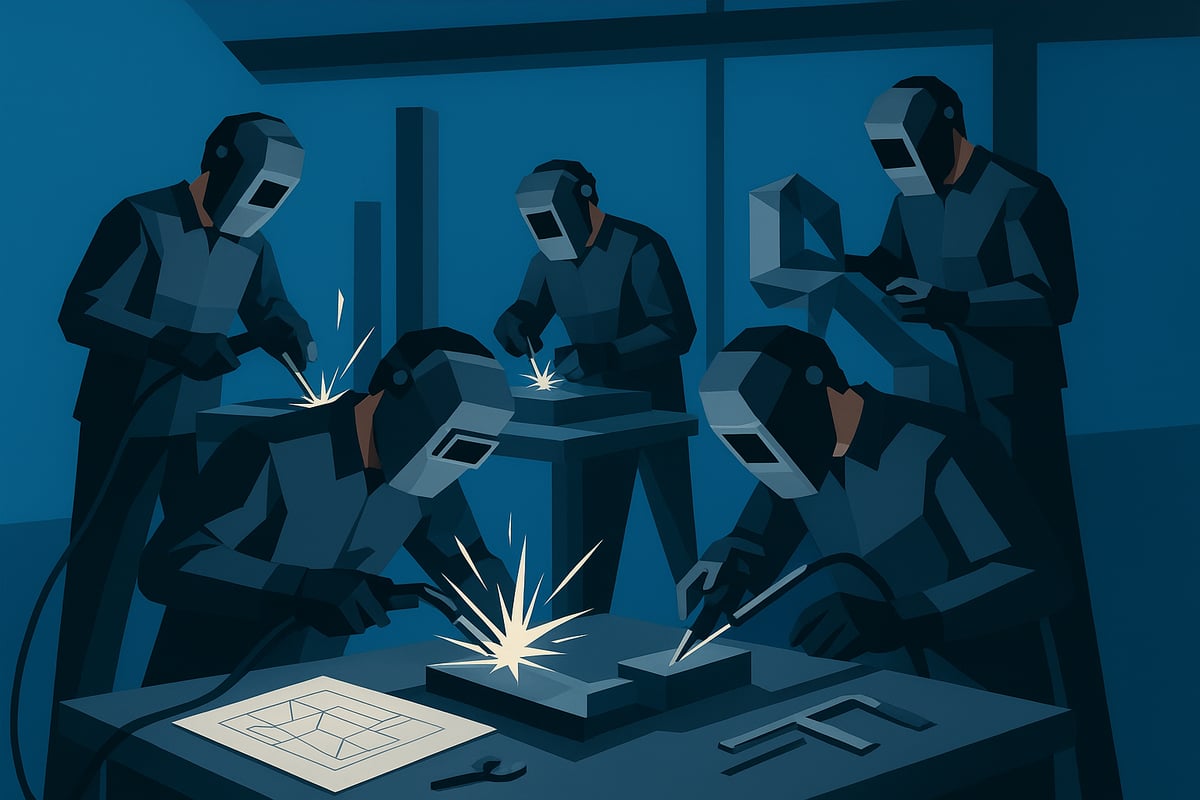
Skilled welders excel by mastering core processes like MIG, TIG, Stick, and Flux-Cored Arc Welding. Each process offers unique advantages. MIG is often chosen for automotive repair due to its speed and ease. TIG, prized for precision, is ideal for aerospace components.
Choosing the right method depends on the material and project requirements. For example, Stick welding works well outdoors or on rusty metal, while Flux-Cored is preferred for thicker joints. Adjusting voltage and wire feed rates ensures optimal penetration and bead quality.
For those seeking to broaden their expertise, reviewing Welding and Fabrication Shop Services reveals the broad skillset needed in professional environments. Skilled welders who adapt to varied processes remain in high demand.
Metal Preparation and Joint Design
Proper metal preparation is a hallmark of skilled welders. Cleaning the surface and beveling edges removes contaminants and helps create strong, defect-free welds. Even minor residues can cause porosity or weak bonds.
Joint design is another critical factor. Common types include butt, lap, corner, T-joint, and edge. Each requires specific preparation to minimize rework and ensure integrity. For instance, prepping stainless steel for pharmaceutical equipment calls for meticulous attention to detail.
A well-prepared joint means fewer defects, less grinding, and higher productivity. Skilled welders understand that investing time up front pays off in quality results.
Reading and Interpreting Blueprints
Blueprint literacy is essential for skilled welders in industrial settings. Understanding welding symbols, notations, and technical drawings translates complex plans into practical welds. For example, fabricating a pressure vessel requires precise interpretation of every detail.
According to a recent AWS survey, 68% of employers require blueprint reading skills. Skilled welders who can read and apply these documents are more likely to secure advanced roles.
Example welding symbol:
  __
 /  \
 |  |
 |  |   <--- Weld here
Skilled welders turn blueprints into reality, ensuring projects meet exact specifications.
Weld Quality Inspection and Testing
Delivering quality welds is non-negotiable for skilled welders. Inspection methods include visual checks, destructive testing, and non-destructive testing (NDT) like X-ray or ultrasonic scans. Each method identifies issues such as porosity, cracks, or undercutting.
Meeting industry codes like ASME, AWS, or API is standard practice. For pipelines, X-ray testing is crucial to detect hidden flaws. Skilled welders must recognize and correct defects before they become costly failures.
A commitment to inspection upholds safety, regulatory compliance, and professional reputation.
Equipment Maintenance and Troubleshooting
Maintaining welding equipment is a daily priority for skilled welders. Routine care extends the lifespan of machines, torches, and PPE. Diagnosing problems like arc instability, wire feed issues, or gas leaks prevents costly downtime.
For example, in industrial settings, regular maintenance ensures continuous operation and reduces safety risks. Skilled welders who troubleshoot effectively help keep projects on schedule.
A proactive approach to equipment care boosts productivity and reinforces a culture of safety on every job site.
Advanced Techniques and Industry Innovations
Innovation is driving the welding industry forward at a rapid pace. For skilled welders, mastering advanced techniques and adapting to new technologies is critical for success in 2026. The following breakthroughs and industry trends are shaping the future of welding, offering new opportunities and demanding a fresh set of skills.
Automation and Robotic Welding
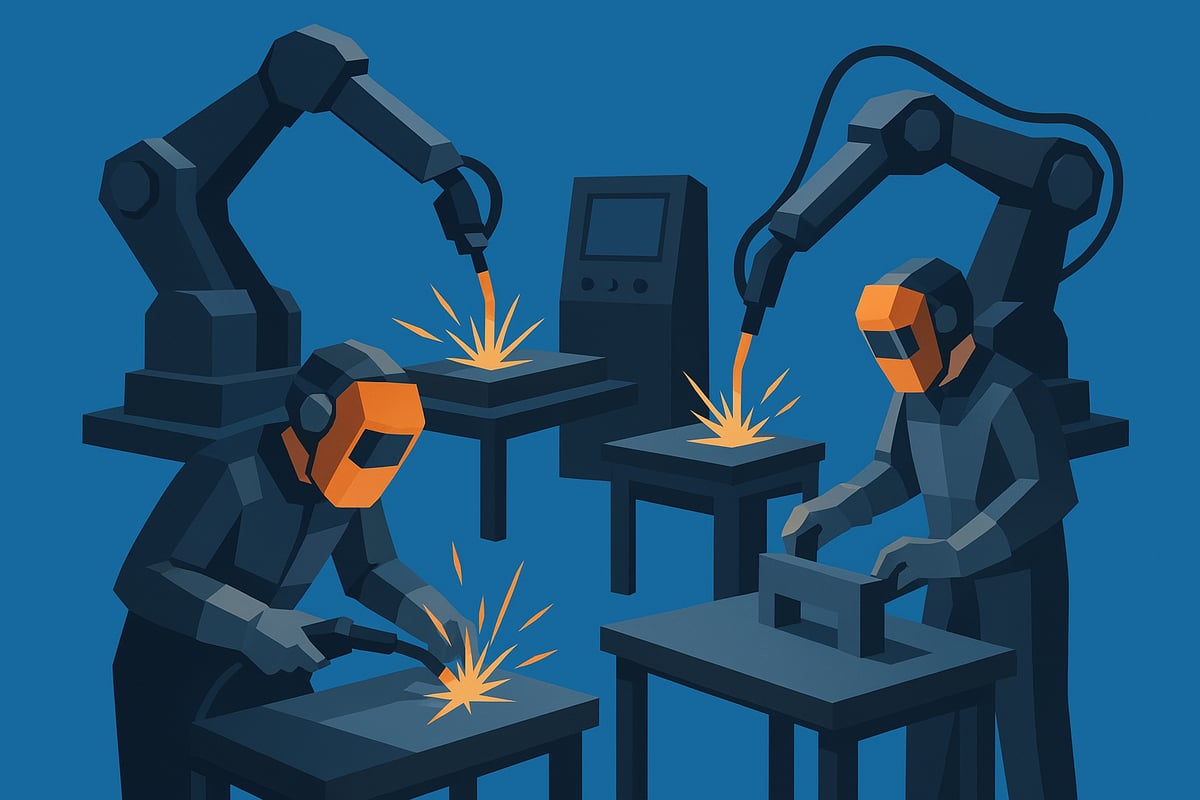
The rise of automation has transformed how skilled welders approach their craft. Robotic welding systems are now essential in automotive and manufacturing sectors, boosting speed and consistency. Welders must develop new skills in programming robots, maintaining automated equipment, and integrating manual processes with machine operations.
For instance, automated welding cells streamline assembly lines, allowing skilled welders to focus on quality assurance and troubleshooting. The robotic welding market is projected to grow 8% annually, reflecting the increasing demand for professionals who can bridge the gap between traditional and automated techniques.
Welding Exotic and High-Performance Materials
Industries like aerospace and chemical processing rely on skilled welders to join materials such as titanium, Inconel, and duplex stainless steel. These metals require specialized techniques, including precise heat control and careful filler selection, to prevent cracking and ensure durability.
For example, welding Inconel for chemical plants challenges welders to master advanced processes. Those seeking expertise in aluminum or stainless steel can benefit from resources like Aluminum and Stainless Steel Welding Specialists, which offers insights into handling these demanding materials. Skilled welders who can work with exotic alloys are highly sought after in high-performance industries.
Precision Fabrication and Custom Metalwork
Precision is the hallmark of skilled welders working in aerospace, medical, and energy fields. These sectors demand tight tolerances and the use of specialized measurement tools. Fabricating components for wind turbines, for instance, requires exacting standards and the ability to interpret complex specifications.
To meet these needs, skilled welders must be comfortable with advanced fabrication techniques and meticulous quality checks. Their expertise ensures that custom metalwork meets rigorous safety and performance requirements, setting them apart in competitive markets.
Additive Manufacturing and Hybrid Processes
Additive manufacturing is revolutionizing how skilled welders approach metal fabrication. Techniques like wire arc additive manufacturing (WAAM) and laser cladding enable rapid prototyping and efficient repairs. These hybrid processes reduce material waste and allow for innovative solutions, such as restoring turbine blades in power plants.
Skilled welders who embrace these technologies gain a competitive edge, as industries seek professionals adept at both traditional and cutting-edge methods. Embracing additive manufacturing opens new pathways for creativity and problem-solving in the welding profession.
Sustainable Welding Practices
Environmental responsibility is becoming a priority for skilled welders. Reducing fumes, energy consumption, and material waste is essential for modern fabrication shops. Welders now use eco-friendly consumables, such as water-based fluxes, especially in sensitive sectors like food industry fabrication.
Adopting sustainable welding practices not only benefits the environment but also improves workplace safety. Skilled welders who champion these initiatives contribute to greener operations and position themselves as leaders in responsible manufacturing.
Industry Certifications and Ongoing Training
Certification is a powerful tool for career advancement among skilled welders. Credentials from AWS, ASME, and ISO validate expertise and open doors to specialized roles. Continuous learning is equally important, with online courses, workshops, and apprenticeships keeping welders up-to-date on evolving technologies.
Data shows that certified skilled welders can earn up to 25% more than their uncertified peers. Investing in education and maintaining industry certifications is a proven strategy for long-term success in the welding field.
Safety Protocols and Best Practices in 2026
Staying safe on the job is non-negotiable for skilled welders. As the industry evolves, so do the risks and required protections. In 2026, safety is more than compliance—it’s a culture that ensures productivity, health, and career longevity. Let’s explore the essential protocols and best practices every professional should master.

Evolving Safety Standards and Regulations
Regulations for skilled welders are constantly being updated to address new hazards and technologies. In 2026, organizations like OSHA and ANSI have introduced advanced safety requirements for fabrication shops and field sites. Notably, auto-darkening helmets and smart gloves are now standard to guard against UV exposure and hand injuries.
For instance, recent silica dust regulations require enhanced ventilation and dust collection systems in shops. Skilled welders must stay current with these changes to avoid violations and protect their health. Reviewing the OSHA Welding Safety Standards is critical for understanding the latest rules and ensuring every jobsite meets industry expectations.
Hazard Identification and Risk Mitigation
Skilled welders face various hazards, from electrical shock to toxic fumes. Identifying these risks early is essential. Best practices include regular inspections for frayed cables, faulty gas lines, and flammable materials near work areas.
Implementing lockout/tagout procedures and confined space entry protocols greatly reduces the likelihood of accidents. For example, before starting a project in the oil and gas sector, skilled welders should perform a comprehensive risk assessment and use real-time gas detection devices. These steps help maintain a safe environment for every team member.
Ergonomics and Injury Prevention
Long hours and repetitive motions can take a toll on skilled welders. Ergonomic improvements are key to reducing injuries and boosting productivity. Adjustable welding tables, anti-fatigue mats, and proper posture training all contribute to a safer workspace.
According to NIOSH, ergonomic upgrades can decrease injury rates by up to 30 percent. Skilled welders should also rotate tasks when possible and use mechanical lifting aids to manage heavy materials. Such preventive measures not only protect workers but also lower downtime due to strains or fatigue.
Emergency Preparedness and Response
Even with the best precautions, emergencies can still occur. Skilled welders must be prepared to act quickly in the event of a fire, electrical shock, or chemical spill. Every facility should have fire suppression systems, clear evacuation routes, and accessible first aid kits.
Regular emergency drills help skilled welders react confidently under pressure. Training sessions on electrical burn treatment and eye injury response are now standard in large manufacturing environments. Being ready for the unexpected is a hallmark of a safety-focused welding operation.
Mental Health and Well-being in the Welding Trade
The well-being of skilled welders extends beyond physical safety. Stress, long shifts, and high-pressure projects can contribute to burnout. Employers are responding by offering wellness programs, peer support networks, and access to counseling services.
Major fabrication companies now prioritize work-life balance and mental health training. Skilled welders benefit from open communication, flexible scheduling, and resources that address stress management. Supporting mental health is vital for sustaining a productive and motivated workforce.
Career Pathways and Professional Growth for Welders
Choosing a career as a welder today opens diverse pathways. The demand for skilled welders is robust across multiple industries, each offering unique growth opportunities and challenges. Whether you prefer hands-on fabrication, fieldwork, or supervisory roles, understanding your options is key to building a rewarding career.
Exploring Specializations and Industry Sectors
Skilled welders have access to a broad range of industry sectors. Opportunities exist in construction, manufacturing, shipbuilding, aerospace, and energy, each requiring different techniques and certifications. Specializations like underwater welding, pipe welding, and inspection roles allow professionals to match their interests with industry needs.
For those interested in a comprehensive view of the field, the Fabrication and Welding Services Overview breaks down the various welding processes and industry segments. For example, the renewable energy sector is rapidly growing, offering skilled welders long-term career stability.
Building a Standout Welding Portfolio
A well-documented portfolio is essential for skilled welders aiming to stand out. Include project photos, certifications, and a detailed skills inventory. Digital portfolios, especially those shared on social media platforms, can attract potential employers and clients.
Consider using platforms like Instagram or LinkedIn to showcase your work. Many skilled welders have secured job offers or contract work by sharing high-quality images and videos of their projects. Remember to update your portfolio regularly to reflect new competencies and certifications.
Networking, Mentorship, and Industry Associations
Professional growth for skilled welders often hinges on strong networks. Joining organizations like the American Welding Society (AWS) or the Society of Manufacturing Engineers (SME) provides access to mentorship, industry news, and educational resources.
Local trade groups and AWS student chapters offer peer learning and networking opportunities. Building relationships with experienced welders can accelerate your learning and open doors to specialized roles. Mentorship is especially valuable for early-career skilled welders seeking guidance and support.
Salary Trends and Job Market Outlook
Salary prospects for skilled welders are influenced by region, specialization, and industry demand. According to recent data, the median salary for skilled welders is projected to rise by 10% by 2026, with higher earnings in industries experiencing labor shortages or rapid growth.
Automation and technology are reshaping the job market. However, skilled welders who adapt to new tools and processes remain in high demand. High-demand locations often offer relocation incentives or signing bonuses to attract top talent, making mobility a strategic advantage.
Pathways to Leadership and Entrepreneurship
Many skilled welders transition into leadership or entrepreneurial roles as their careers progress. Supervisory positions, welding inspection, and shop management offer career advancement beyond hands-on welding. Essential skills include project management, budgeting, and client relations.
Some skilled welders choose to start their own fabrication shops, serving industrial and commercial clients. By building a strong reputation for quality and reliability, these professionals create new business opportunities and shape the future of the trade.
The Future of Welding: Trends and Technologies for 2026 and Beyond
The welding industry is rapidly evolving, and skilled welders must stay ahead of these changes to remain competitive. As 2026 approaches, new trends and technologies are reshaping every aspect of the trade. Let’s explore the advancements that are defining the future of welding and what they mean for professionals in the field.
Digital Transformation and Smart Welding Systems
Digital technology is transforming welding into a data-driven discipline. IoT-enabled welding machines now track real-time metrics, monitor performance, and support predictive maintenance. Skilled welders are using smart helmets with augmented reality displays, which overlay instructions, weld parameters, and safety alerts directly onto their field of vision.
These advancements enhance quality assurance and streamline complex projects. According to the Welding Machinery Market Analysis 2025-2032, the demand for smart welding systems is expected to grow as industries seek greater efficiency and traceability. For skilled welders, embracing digital tools is now essential for maintaining a competitive edge.
Remote and Field Welding Innovations
Fieldwork is becoming safer and more efficient thanks to portable welding units and advanced monitoring solutions. Skilled welders can now deploy mobile welding rigs for remote pipeline repairs or infrastructure maintenance, reducing the need for large crews on-site.
Drone-assisted inspections further minimize risk by enabling welders to assess hard-to-reach areas from a distance. Remote monitoring tools allow supervisors to oversee weld quality, equipment status, and safety compliance from centralized locations. These innovations are redefining what is possible for skilled welders working in challenging environments.
The Role of Artificial Intelligence and Machine Learning
Artificial intelligence is revolutionizing how skilled welders approach quality and productivity. AI-driven systems analyze weld data, detect defects in real time, and automatically adjust parameters for optimal results. In automotive manufacturing, for example, AI algorithms help reduce weld failures by learning from thousands of past welds.
Automation is also creating hybrid roles where skilled welders collaborate with robots, programming them for precision tasks and maintaining their performance. Reports like the Robotic Welding Market Forecast 2026-2035 highlight the growing demand for welders who can bridge the gap between manual expertise and robotic technology.
Environmental and Regulatory Shifts
Sustainability is now a driving force in welding practices. Skilled welders are adopting eco-friendly consumables, reducing material waste, and using energy-efficient equipment to meet stricter emissions standards. Regulatory frameworks are evolving, with new requirements for carbon-neutral processes and documentation of environmental impact.
Facilities aiming for LEED certification increasingly look for welders who understand these standards. Staying informed about regulatory changes is crucial for skilled welders to remain compliant and contribute to greener manufacturing.
Skills Welders Will Need in the Next Decade
The future belongs to skilled welders who combine traditional expertise with cross-disciplinary knowledge. Robotics, programming, and materials science are becoming core competencies. As technology continues to advance, welders must commit to lifelong learning and adaptability.
Hybrid roles, such as welder-technicians, will be in high demand, especially in advanced manufacturing settings. By developing a broad skill set and staying current with industry trends, skilled welders can secure their place at the forefront of the profession.
After exploring the essential skills, safety protocols, and industry trends that define welding excellence in 2026, you might be considering your next step—whether it’s advancing your own capabilities or ensuring your business’s projects are in expert hands. At LTJ Industrial Services, we’re here to support your success with top-tier welding, fabrication, and machining solutions tailored for demanding industries. If you’re ready to take your operations to the next level or need reliable expertise for your next project, you can [Request a Quote](https://www.ltjindustrial.com/contact_us/ and connect with a team that understands your goals.