As 2026 approaches, the world of manufacturing is experiencing a wave of transformation, fueled by advancements in automation, digital technologies, and sustainable practices. This momentum presents an unprecedented window of opportunity for entrepreneurs ready to launch a manufacturing company.
This guide lays out a clear, step-by-step roadmap to help you navigate every phase of starting a manufacturing company in the modern era. From in-depth market research and rigorous business planning to understanding compliance, securing funding, optimizing operations, and scaling for growth, we cover all critical stages.
Stay ahead of the curve, seize new opportunities, and start planning your path to success in manufacturing today.
Understanding the Manufacturing Industry Landscape in 2026
As we move toward 2026, the manufacturing industry is undergoing rapid transformation. Anyone planning to launch a manufacturing company must first grasp the landscape that will define the sector in the coming years. This section explores the game-changing trends, market opportunities, vital skills, and regulatory requirements shaping the future of manufacturing.

Key Trends Shaping Manufacturing
A manufacturing company in 2026 will operate amid a wave of transformative trends. Automation and artificial intelligence are becoming standard, streamlining production and improving accuracy. Digital transformation is embedding data-driven decision-making into every process. Sustainability is now a priority, with green manufacturing practices and circular economy models gaining momentum.
Reshoring and supply chain localization are on the rise as businesses seek more resilient operations after recent disruptions. The demand for customization and rapid prototyping is pushing manufacturers to adopt flexible production systems. Regulatory shifts and global economic factors continue to influence how a manufacturing company sources materials and serves markets.
To explore these trends in detail, you can review the 6 Defining Manufacturing Trends Of 2026, which highlights the latest innovations, from smart factories to advanced sustainability initiatives.
Market Opportunities and Challenges
The market for a manufacturing company is expanding into high-growth sectors such as electronics, medical devices, renewable energy, and advanced materials. These areas offer significant potential for new entrants with innovative solutions.
However, entrepreneurs must navigate substantial hurdles. High capital requirements, complex regulatory landscapes, and ongoing skilled labor shortages present real barriers. Geopolitical changes also impact sourcing and exports, requiring flexibility and strategic planning.
Niche markets and emerging technologies can offer a manufacturing company a unique advantage. For example, a small-scale manufacturer specializing in eco-friendly packaging achieved success by targeting a specific gap in the market and leveraging new materials.
Essential Skills and Mindset for Manufacturing Entrepreneurs
To thrive in 2026, the founder of a manufacturing company must combine technical expertise with strong leadership. Adaptability is crucial, as rapid technological change demands ongoing learning and innovation. Building a robust network within the industry helps entrepreneurs stay informed and connected.
Risk management and resilience are essential, especially when facing unexpected disruptions. For instance, during recent supply chain interruptions, some manufacturers pivoted quickly, shifting production or sourcing to maintain operations. This mindset separates successful leaders from the rest.
Continuous improvement, openness to feedback, and an ability to motivate teams set the foundation for a manufacturing company that can weather challenges and seize opportunities.
Regulatory and Compliance Environment
Compliance is more critical than ever for a manufacturing company entering the market in 2026. New environmental standards require strict emissions controls and waste reduction initiatives. Worker safety protocols and labor laws have evolved, demanding rigorous training and documentation.
Product quality and certification standards are increasingly stringent, especially for companies exporting goods internationally. Navigating these requirements calls for careful planning and regular audits.
A basic compliance checklist for a manufacturing company includes:
| Compliance Area | Key Requirements |
|---|---|
| Environmental | Emissions limits, recycling mandates |
| Worker Safety | OSHA training, updated safety gear |
| Labor Laws | Fair wages, updated scheduling |
| Product Quality | Certification, traceability |
| International Trade | Export documentation, tariffs |
Staying proactive ensures a manufacturing company remains competitive and avoids costly penalties.
Step 1: Market Research and Business Planning
Starting a manufacturing company in 2026 begins with informed planning and data-driven decisions. The market is evolving rapidly, so thorough research and strategic preparation are essential for long-term success.
Identifying a Profitable Niche
To launch a manufacturing company, start by pinpointing a market segment with strong demand and manageable competition. Analyze industry reports, use advanced data analytics, and monitor trends such as sustainability and customization.
Assess customer pain points and gaps in current offerings. Conduct surveys, interviews, and competitor analysis to validate your assumptions. For example, the surge in eco-friendly packaging has opened new opportunities for innovative manufacturers.
Look for niche areas where your expertise or technology can solve unique problems. Exploring resources like the Industrial manufacturing company overview can provide valuable insights into specialization and market positioning.
Creating a Robust Business Plan
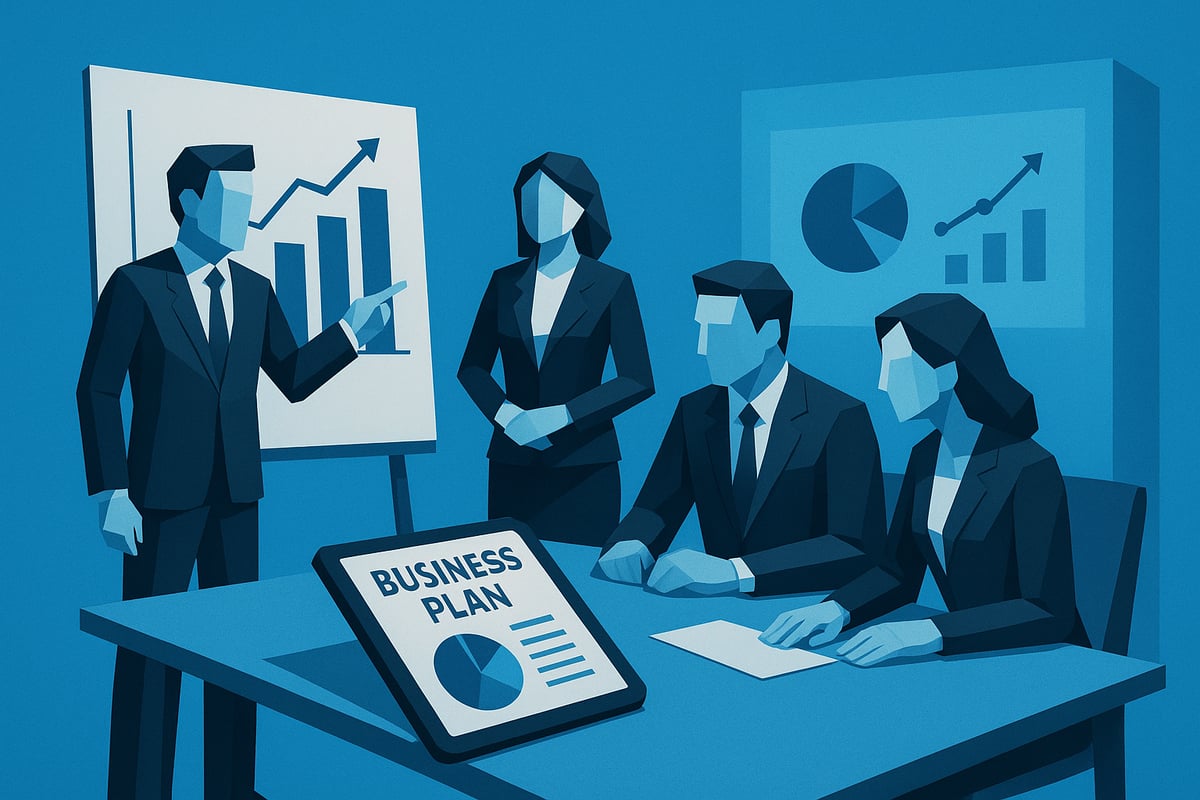
A clear business plan is the foundation of a successful manufacturing company. Begin with an executive summary outlining your vision and goals. Dive into market analysis, detailing your target audience, competitors, and growth projections.
Set measurable milestones, such as production targets or revenue benchmarks. Incorporate a SWOT analysis to identify strengths, weaknesses, opportunities, and threats. Define your unique value proposition, explaining why customers should choose your products.
Here’s a sample business plan structure:
| Section | Key Points |
|---|---|
| Executive Summary | Mission, vision, objectives |
| Market Analysis | Industry trends, target market, SWOT |
| Operations Plan | Production process, supply chain, staffing |
| Financial Projections | Budgets, forecasts, funding needs |
A detailed plan not only guides decision-making but also attracts investors and partners.
Legal Structure and Company Registration
Choosing the right legal structure impacts your manufacturing company’s liability, taxes, and funding options. Common choices include LLCs, corporations, and partnerships.
Register your company with appropriate state and federal agencies. Gather required documentation, such as articles of incorporation, operating agreements, and tax IDs. Protect intellectual property with patents or trademarks where applicable.
Understand the tax implications of each structure. For instance, LLCs offer pass-through taxation, while corporations may benefit from different deductions. A realistic timeline for registration in the U.S. typically ranges from a few days to several weeks, depending on complexity.
Budgeting and Financial Planning
Sound financial planning is critical to a manufacturing company’s launch. Calculate startup costs, including equipment, facilities, permits, and initial inventory. Plan for working capital to cover ongoing expenses and payroll.
Explore funding sources such as loans, grants, investors, or crowdfunding. Create a financial forecast with projected revenues, expenses, and a break-even analysis. Use the following sample budget breakdown as a guide:
| Expense Category | Estimated Cost Range |
|---|---|
| Equipment | $50,000 – $500,000 |
| Facility Lease | $10,000 – $100,000 |
| Permits/Licenses | $2,000 – $10,000 |
| Initial Inventory | $20,000 – $200,000 |
| Working Capital | $25,000 – $150,000 |
Careful budgeting ensures your manufacturing company is financially resilient and ready for growth.
Step 2: Securing Funding and Resources
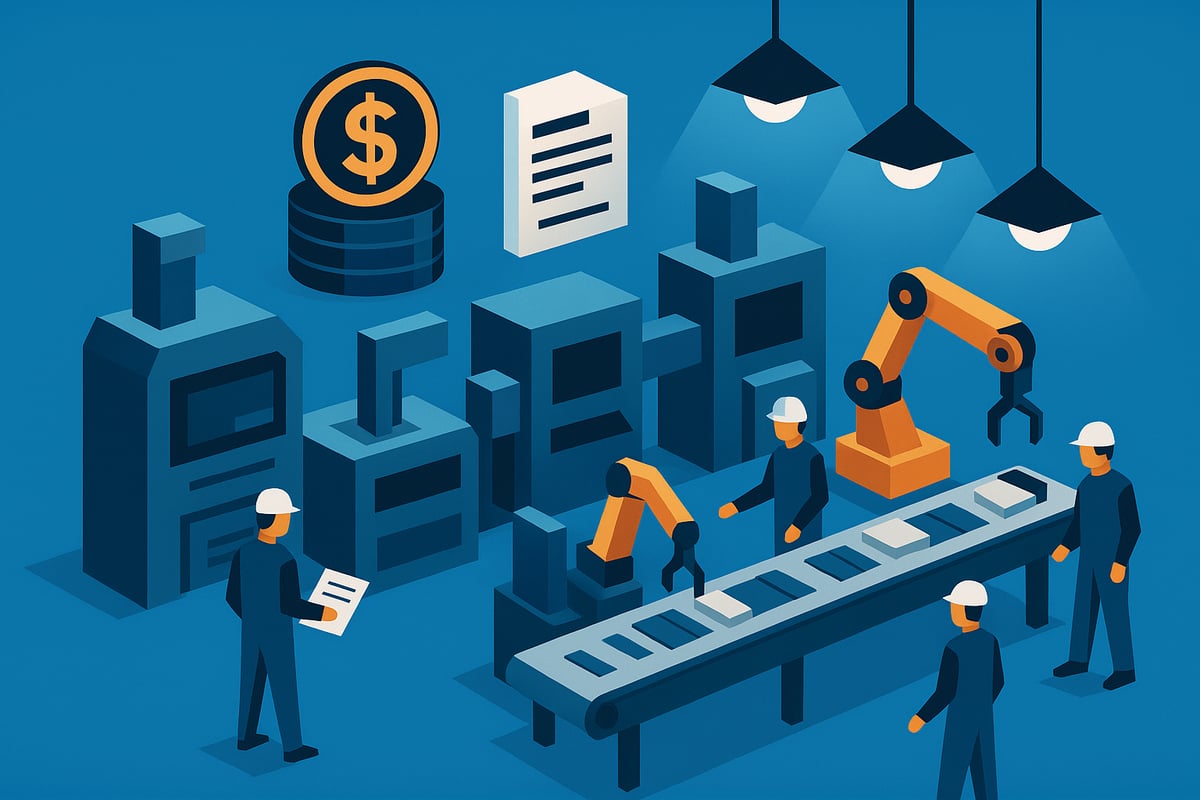
Starting a manufacturing company in 2026 requires a solid foundation of financial support, cutting-edge equipment, an optimized facility, and a skilled workforce. Securing the right resources in each area is critical to turning your vision into a viable, competitive business.
Exploring Funding Options
Every manufacturing company needs capital to get off the ground. The right funding approach depends on your business size, niche, and goals. Consider these options:
- Traditional bank loans: Secure, but require strong credit and collateral.
- SBA programs: Offer favorable terms for small manufacturers.
- Venture capital and angel investors: Ideal for innovative or tech-driven products.
- Government grants and incentives: Especially for green or high-tech initiatives.
- Crowdfunding platforms: Effective for unique products with wide appeal.
A manufacturing company often blends multiple funding sources. For example, a clean tech manufacturer may combine a government grant with angel investment to cover both R&D and production costs. Prepare detailed financial projections and a compelling business plan to attract investors and lenders.
| Funding Source | Pros | Cons |
|---|---|---|
| Bank Loans | Stable, predictable terms | Strict requirements |
| SBA Programs | Lower rates, support | Application can be lengthy |
| Venture Capital | Large sums, industry expertise | Equity dilution |
| Crowdfunding | Market validation | Not suitable for all products |
Securing the right mix of funding ensures your manufacturing company is well-positioned for launch and early growth.
Acquiring Equipment and Technology
The next step is to equip a manufacturing company for efficient, scalable production. Assess your needs based on anticipated volume, product complexity, and automation goals.
Decide whether purchasing or leasing machinery is best for your cash flow. Leasing reduces upfront costs, while purchasing can be more cost-effective long-term. Integrate automation, robotics, and smart technologies to boost efficiency and lower labor costs.
Vendor selection is crucial. Evaluate suppliers for reliability, service, and scalability. Negotiate for favorable terms, warranties, and support packages. For advanced needs, explore partnerships with providers of manufacturing and machining services to access specialized equipment and expertise without large capital investments.
A manufacturing company that chooses the right technology mix gains a competitive edge in quality, speed, and adaptability.
Facility Selection and Setup
Selecting the right facility is a pivotal decision for a manufacturing company. Decide if you will lease, purchase, or use a co-manufacturing space. Your choice should align with your budget, production needs, and growth projections.
Location matters. Consider proximity to suppliers, skilled labor pools, and distribution networks. Evaluate local zoning, utility access, and environmental regulations. For example, a site near transportation hubs can reduce logistics costs and improve delivery times.
Environmental considerations are also key. Ensure your facility supports sustainability goals and compliance requirements. A well-planned setup allows a manufacturing company to scale operations smoothly as demand grows.
Building a Skilled Team
A manufacturing company is only as strong as its people. Recruit engineers, technicians, and machine operators with relevant experience and a willingness to learn new technologies.
Invest in training programs to upskill staff in advanced manufacturing methods. Apprenticeship models and partnerships with technical schools can help close the skilled labor gap. Foster a culture of safety, innovation, and continuous improvement.
Recognize and celebrate milestones to keep morale high. A manufacturing company with a motivated, skilled team can adapt quickly and maintain a high standard of quality and efficiency.
Step 3: Operational Setup and Launch
Preparing a manufacturing company for launch is no small feat. This stage transforms your vision into reality, requiring precision, strategic planning, and a commitment to operational excellence. Below, explore the core pillars to ensure your first production run is efficient, safe, and scalable.

Designing Efficient Manufacturing Processes
The heart of a manufacturing company lies in its production processes. Select between batch, continuous, or custom manufacturing based on your product and market needs. Implement lean manufacturing and Six Sigma to streamline workflows and minimize waste.
Map out each step, from raw material intake to finished product inspection. Integrate robust quality control systems and set clear KPIs. For equipment and process setup, consider leveraging fabrication and welding solutions to ensure your infrastructure is reliable and scalable.
- Define process flows and standard operating procedures
- Use visual management tools for transparency
- Schedule regular process audits to identify improvements
Supply Chain and Inventory Management
Building a resilient supply chain is crucial for a manufacturing company. Start by sourcing reliable suppliers who align with your standards and values. Utilize strategies like just-in-time inventory or safety stock, depending on demand variability.
Digital supply chain management tools provide real-time visibility into inventory and order status. Maintain strong supplier relationships and always have contingency plans for disruptions.
- Evaluate suppliers based on quality and lead time
- Monitor inventory turnover with automated systems
- Prepare for unforeseen delays with backup sourcing
Technology Integration and Industry 4.0
To remain competitive, a manufacturing company must embrace Industry 4.0. Integrate ERP and MES solutions for seamless data flow and operational oversight. IoT-connected devices enable real-time monitoring of machinery and processes.
Predictive maintenance powered by analytics reduces downtime and boosts productivity. Prioritize cybersecurity to protect proprietary data and maintain business continuity.
- Deploy sensors for predictive analytics
- Automate reporting and compliance tracking
- Train staff on new digital platforms
Compliance, Safety, and Sustainability
Every manufacturing company must adhere to evolving compliance requirements. Meet OSHA and industry-specific safety standards by implementing clear protocols and regular training. Monitor environmental impact through waste reduction, emissions tracking, and recycling initiatives.
Pursue sustainability certifications such as ISO 14001 to demonstrate your commitment to responsible manufacturing. Regular audits ensure ongoing compliance and identify areas for improvement.
- Establish safety checklists for all operations
- Track emissions and energy usage
- Document compliance for regulatory audits
Launching Your First Production Run
Before launching, a manufacturing company should conduct pilot tests to identify and resolve any process bottlenecks. Gather feedback from your team and stakeholders to refine operations.
Celebrate your first production milestone, recognizing your team’s efforts and paving the way for continuous improvement. Use insights gained to adjust processes and set the stage for future growth.
- Run small-batch pilot tests
- Collect and analyze feedback
- Recognize team achievements and set new goals
Step 4: Marketing, Sales, and Growth Strategies
Launching a manufacturing company in 2026 demands more than technical expertise. Building a strong market presence, attracting the right customers, and scaling operations are all essential for long-term success. Below, explore the steps to position your business for growth in a rapidly changing industry.
Branding and Positioning Your Manufacturing Company
The foundation of a manufacturing company’s growth is a well-defined brand identity. Begin by clarifying your value proposition and what sets your products apart. A memorable logo, professional website, and consistent messaging help establish credibility.
Analyze competitors to find your unique edge. For example, some contract manufacturers have succeeded by emphasizing speed and reliability. Align your brand with customer priorities, such as sustainability or advanced technology, to stand out.
Digital Marketing and Lead Generation
Digital marketing is a powerful tool for a manufacturing company to reach potential clients in 2026. Invest in a professional website that highlights capabilities and certifications. Optimize content for search engines, using targeted keywords and industry terminology.
Leverage LinkedIn and other B2B networks to build authority. Share case studies, whitepapers, and blog posts that demonstrate expertise. For more on current digital strategies and industry shifts, review the 5 Major Manufacturing Trends You Must Know in 2026.
Building Strategic Partnerships and Distribution Channels
Expanding your reach is vital for a manufacturing company aiming to scale. Build relationships with distributors, wholesalers, and retailers who align with your business goals. Explore OEM partnerships or contract manufacturing to tap into new markets.
International expansion may require navigating export regulations and cultural differences. Strategic alliances can open doors to new customer segments and boost credibility in competitive sectors.
Customer Relationship Management and After-Sales Support
Long-term success for a manufacturing company depends on strong customer relationships. Implement a robust CRM system to track communications, orders, and service requests. Offer technical support and training to ensure clients get full value from your products.
Proactive after-sales service builds loyalty and encourages repeat business. Successful manufacturers often differentiate themselves with responsive support teams and detailed product documentation.
Scaling Operations and Diversification
Growth for a manufacturing company means more than increasing output. Consider adding new product lines, entering new regions, or exploring mergers and acquisitions. Diversification into sustainable products or advanced materials can help future-proof your business.
Monitor performance with clear metrics and benchmark against industry leaders. Strategic investments in technology and talent will position your company for continued expansion.
Step 5: Navigating Challenges and Ensuring Long-Term Success
Building a manufacturing company for 2026 is just the beginning. Long-term success depends on your ability to anticipate risks, embrace new technology, stay compliant, foster innovation, and measure performance. Each of these pillars is essential for resilience and growth in a changing landscape.
Risk Management and Business Continuity
To ensure a manufacturing company thrives, leaders must identify operational, financial, and market risks early. Common risks include supply chain disruptions, regulatory changes, and economic uncertainty. Developing contingency plans, such as securing backup suppliers and creating disaster recovery protocols, is vital for business continuity.
Insurance and robust legal protections offer additional safeguards. During the pandemic, many firms learned the value of flexible operations and quick response strategies. By making risk management a regular part of your planning, a manufacturing company can weather unexpected challenges and maintain steady operations.
Adapting to Technological Change
Staying ahead in 2026 means embracing automation, AI, and digital transformation. For a manufacturing company, this involves investing in R&D, retraining employees, and integrating smart technologies. Legacy systems may hold you back, while agile adoption of new tools can increase efficiency and competitiveness.
| Legacy Approach | Modern Approach |
|---|---|
| Manual tracking | IoT monitoring |
| Paper records | Cloud-based ERP |
| Reactive repairs | Predictive maintenance |
Explore Manufacturing Industry Trends for 2026: 9 Key Shifts for actionable strategies on leveraging emerging tech. Continuous improvement ensures a manufacturing company adapts quickly to industry shifts.
Regulatory Updates and Compliance Best Practices
Regulatory landscapes evolve rapidly. For a manufacturing company, staying compliant with local and global regulations is non-negotiable. This includes environmental standards, OSHA safety protocols, labor laws, and product certifications.
Proactive compliance audits, accurate documentation, and leveraging industry associations help you stay informed. For detailed compliance guidance, refer to A Guide to Starting and Running a Manufacturing Business. Regularly reviewing requirements positions a manufacturing company for sustainable growth.
Fostering Innovation and a Growth Mindset
Innovation is the lifeblood of a manufacturing company. Encourage employees to share ideas, collaborate with research institutions, and participate in industry competitions. Open innovation platforms and partnerships with startups can accelerate development and bring fresh perspectives.
A growth mindset helps your team adapt to change and stay motivated. Recognize achievements and support continuous learning initiatives. By fostering innovation, a manufacturing company remains competitive and ready to seize new opportunities.
Measuring Performance and Continuous Improvement
Effective measurement drives success. Key performance indicators (KPIs) for a manufacturing company include productivity, quality, and customer satisfaction. Tools like Lean and Six Sigma enable ongoing optimization, while benchmarking against industry leaders highlights areas for improvement.
Regular performance reviews and feedback loops support a culture of excellence. Continuous improvement ensures a manufacturing company evolves with market demands and maintains a trajectory of long-term success.
As you look ahead to launching your manufacturing company in 2026, every decision— from choosing your niche to optimizing your operations— shapes your future success. You don’t have to navigate these complex challenges alone. If you want expert support with welding, machining, or custom fabrication, partnering with a trusted team can help you focus on growing your business with confidence. Let’s take the next step together— [Request a Quote](https://www.ltjindustrial.com/contact_us/) and see how LTJ Industrial Services can help turn your vision into reality.