
Fabrication and welding services are transforming faster than ever as 2026 approaches, reshaping how industries build, repair, and innovate. With new technologies emerging and business demands evolving, staying informed is essential.
In today’s industrial world, fabrication and welding services involve precisely cutting, shaping, and joining metals to create everything from machinery to infrastructure. These services are at the heart of modern manufacturing and construction.
This guide explores the shifting landscape, advanced processes, and best practices defining fabrication and welding services for 2026. You will discover key industry trends, breakthrough technologies, tips for choosing the right provider, critical standards, and a look at what the future holds.
Ready to leverage these insights for your business growth? Let’s dive in and see how you can select the ideal partner and stay ahead in this dynamic field.
The Evolving Landscape of Fabrication and Welding Services in 2026
The world of fabrication and welding services is undergoing a dramatic transformation as we approach 2026. Businesses across sectors are rethinking how they design, build, and maintain critical assets. This new era is defined by rapid technological adoption, changing market demands, and a heightened focus on sustainability.
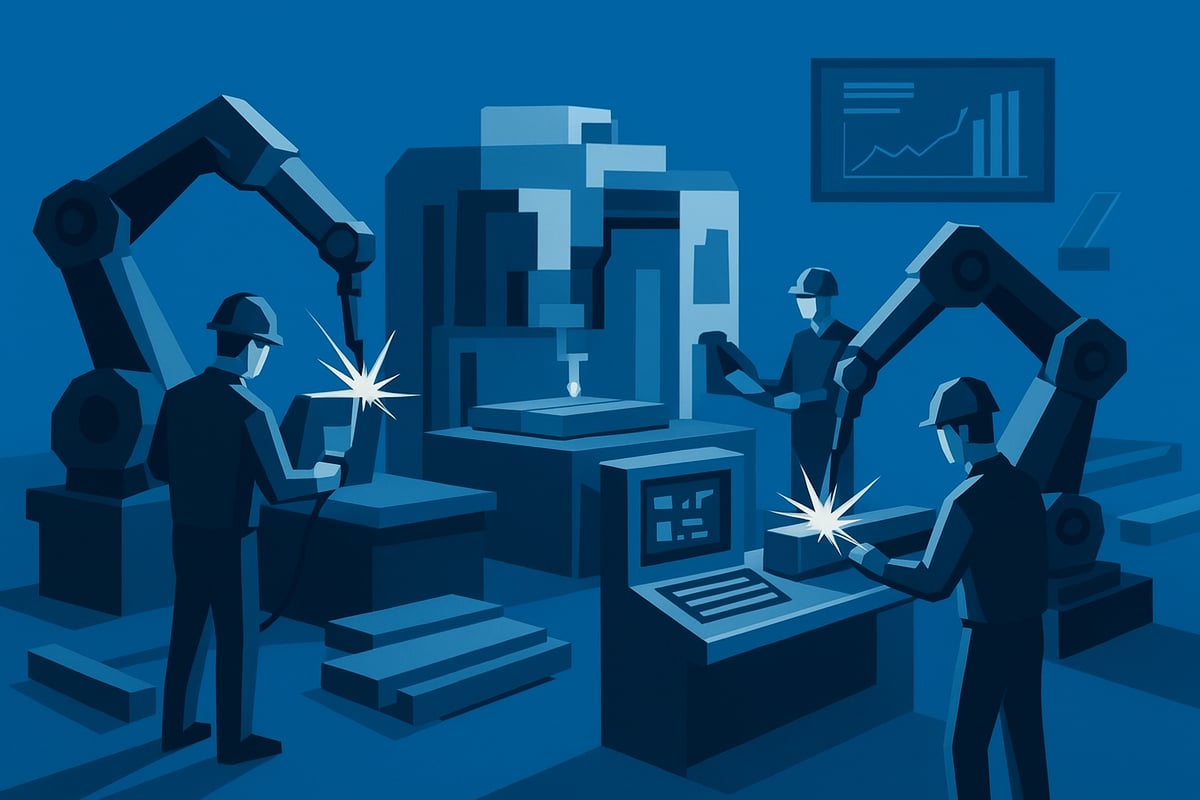
Key Industry Shifts and Market Drivers
In 2026, the demand for precision, scalability, and efficiency is at an all-time high. Manufacturers require fabrication and welding services that can deliver tight tolerances and repeatable quality for everything from aerospace components to infrastructure.
Industry 4.0 is reshaping the landscape by integrating IoT sensors, automation, and smart manufacturing systems. These technologies enable real-time monitoring and data-driven decision-making, which drives productivity and quality.
The global welding market is on a strong growth trajectory. According to Global Welding Market projected to reach USD 708.03 billion by 2035, the market is expected to see a significant CAGR through 2026, fueled by investments in construction, automotive, and renewable energy.
Sustainability is now a core driver in fabrication and welding services. Companies are adopting green manufacturing initiatives, selecting energy-efficient processes, and prioritizing recyclable materials. This shift not only reduces environmental impact but also aligns with regulatory requirements and customer expectations.
Expansion into high-growth sectors such as aerospace, energy, automotive, and construction is prompting service providers to diversify their offerings. As businesses seek to minimize supply chain risks, reshoring and regional manufacturing are rising trends, especially in North America and Europe.
Talent shortages remain a critical challenge. The industry is investing heavily in workforce training, certification, and upskilling programs to ensure a pipeline of qualified technicians. This investment is essential for maintaining high standards in fabrication and welding services and meeting the evolving needs of clients.
Technological Innovations Transforming the Industry
Advanced technologies are redefining what is possible in fabrication and welding services. Robotics and automation are now commonplace on the shop floor, handling repetitive welding tasks and complex assemblies with precision.
Additive manufacturing, including Wire Arc Additive Manufacturing (WAAM) and 3D metal printing, is opening new doors for rapid prototyping and the creation of intricate geometries. These methods are especially valuable for aerospace tooling and custom components.
AI-driven inspection systems and digital twins are revolutionizing quality control. These tools allow for instant defect detection, predictive maintenance, and improved traceability throughout the manufacturing process.
Digital job tracking, remote monitoring, and cloud-based project management platforms are streamlining communication and collaboration between teams. These digital solutions ensure that fabrication and welding services remain agile and responsive to changing project requirements.
A notable example is the deployment of large-scale 3D metal printing for aerospace tooling, which significantly reduces lead times and material waste. As these innovations become standard, businesses can expect even greater efficiency, reliability, and customization from their fabrication and welding services partners.
Core Fabrication and Welding Processes Explained
As we move toward 2026, the foundation of fabrication and welding services is being redefined by new technologies, evolving processes, and rising industry demands. Understanding these core methods is essential for businesses seeking to maximize quality, efficiency, and scalability in their manufacturing projects.
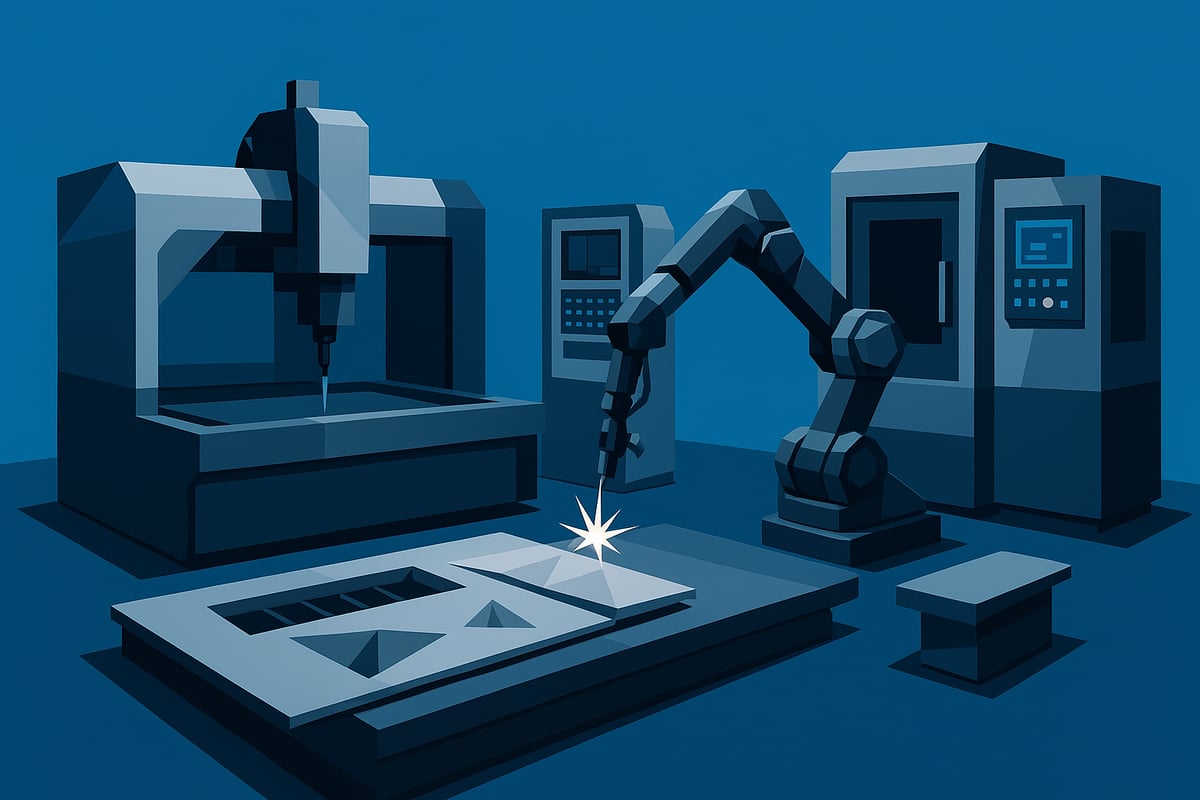
Metal Fabrication Techniques in 2026
Metal fabrication is the backbone of most manufacturing, and by 2026, the landscape is more advanced than ever. The process begins with forming, cutting, joining, and finishing—each step enhanced by precision tools and digital controls.
Cutting technologies have seen dramatic improvements. Laser, plasma, and waterjet systems now offer micron-level accuracy, making them ideal for both thin sheet metal and thick, structural components. The integration of 5-axis waterjet cutting allows for the creation of intricate aerospace parts with complex geometries, all while minimizing material waste.
Forming methods, such as press braking, roll forming, and bump forming, deliver versatility for custom shapes. Advanced press brakes equipped with CNC controls ensure consistent bends and repeatability, even on high-strength alloys. Stress-relieving and heat-treating processes are now digitally monitored, which improves durability and reduces deformation.
Finishing steps, including grinding and polishing, are automated for a flawless surface. This is especially critical for industries like aerospace and medical, where surface integrity directly impacts performance.
For a comprehensive overview of these evolving methods and how they support modern production, visit the Welding and Fabrication Services Overview page. These advances are central to the value that fabrication and welding services provide to industries needing precision, speed, and scalability.
Welding Methods and Their Applications
Welding is the heart of most fabrication and welding services, and 2026 brings a diverse range of methods tailored to every project need. Selecting the right process depends on material type, joint design, and end-use requirements.
Here is a quick comparison of leading welding methods:
| Method | Best For | Key Advantages |
|---|---|---|
| MIG (GMAW) | Steel, aluminum, stainless | Fast, versatile, suitable for automation |
| TIG (GTAW) | Stainless, aluminum, exotic | High precision, clean welds |
| Stick (SMAW) | Heavy steel, outdoor work | Portable, tolerant to contaminants |
| Flux-cored (FCAW) | Thick materials, construction | Deep penetration, high deposition |
| Laser | Thin metals, electronics | Minimal heat distortion, fine detail |
| Electron Beam | Aerospace, high-value parts | Deep welds, low contamination |
| Friction Stir | Aluminum, copper alloys | No filler, strong joints |
Pulsed welding technologies have emerged as game-changers for heat-sensitive and exotic materials. They control the heat input, reducing distortion and enabling stronger welds on alloys like titanium and Inconel.
Automation is now integral, with robotic welding cells delivering unmatched consistency and throughput. For example, automated TIG welding is increasingly used in medical device manufacturing, where precision and cleanliness are non-negotiable.
By leveraging these advanced techniques, fabrication and welding services can deliver custom solutions across a wide range of industries, ensuring every weld meets strict performance and compliance criteria.
Cutting-Edge Equipment and Tools
Modern fabrication and welding services rely on a suite of advanced equipment to achieve accuracy and efficiency. CNC machines are now standard, transforming raw metal into precise components with minimal manual intervention.
High-capacity press brakes and plasma cutters handle large and thick materials, enabling scalability for projects ranging from small prototypes to massive industrial assemblies. The integration of Lincoln Electric welding systems ensures reliable weld quality, while Flow 5-Axis Waterjet technology allows for complex, multi-dimensional cuts that once seemed impossible.
Safety and efficiency have also improved. Equipment now features enhanced guarding, real-time monitoring, and ergonomic controls to reduce operator fatigue and ensure consistent output. Digital job tracking systems offer transparency and traceability, key for regulated industries.
By investing in these tools, providers of fabrication and welding services can support complex projects, minimize downtime, and deliver on the promise of quality and innovation.
Materials and Standards in Modern Fabrication and Welding
Understanding the materials and standards used in fabrication and welding services is essential for achieving reliable results in 2026. As industries demand higher performance and compliance, choosing the right metals and adhering to strict standards have become critical for success. Fabrication and welding services now require expertise in both material selection and regulatory requirements to meet the needs of advanced manufacturing sectors.
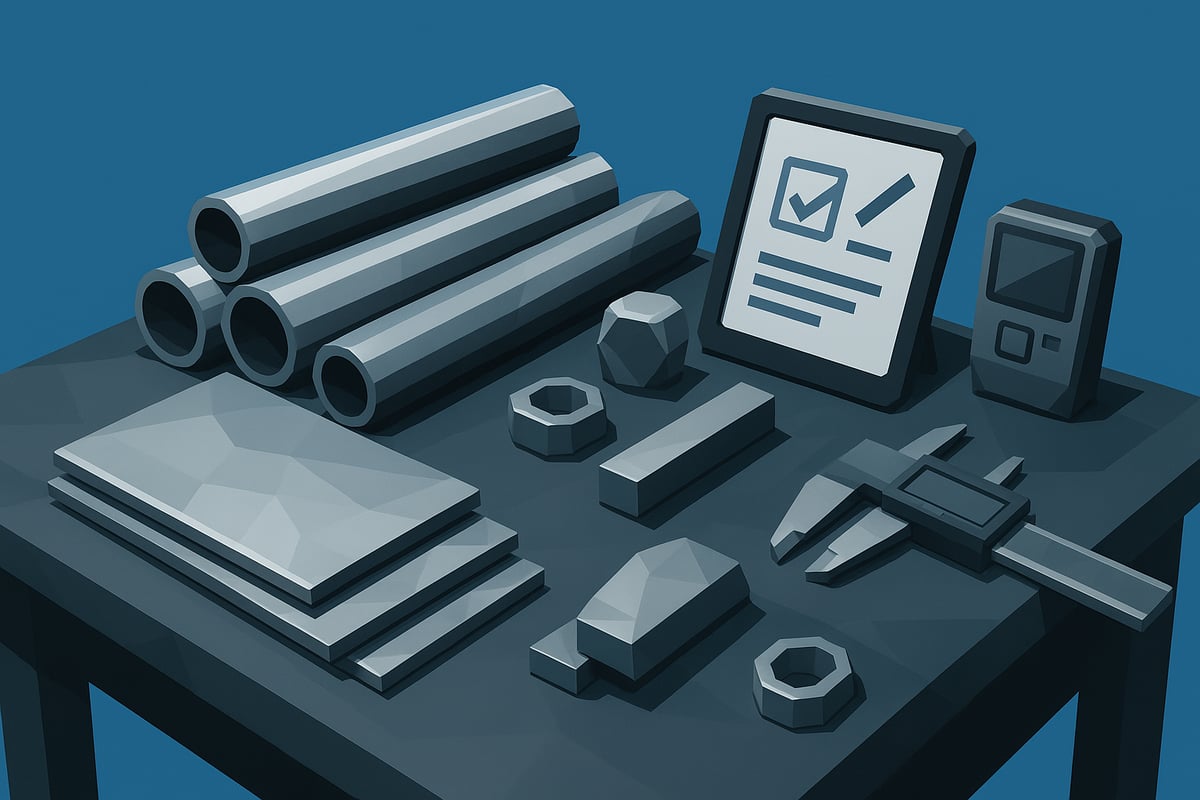
Metals and Alloys Commonly Used in 2026
The range of metals and alloys available for fabrication and welding services has expanded considerably. Today, fabricators work with:
- Carbon steel and stainless steel
- Aluminum and its alloys
- Titanium and titanium alloys
- Nickel-based alloys like Inconel and Hastelloy
- Specialty metals such as AerMet® and Invar® for aerospace and defense
Each material presents unique challenges. For example, aluminum and stainless steel require specialized techniques to prevent warping, distortion, or contamination. For a deeper look at these methods, see Aluminum and Stainless Steel Welding. Titanium and nickel alloys demand strict control of heat input and shielding to avoid microstructural defects.
Handling exotic metals often involves:
- Preheating or post-weld heat treatment
- Using inert gas shielding
- Selecting compatible filler materials
Choosing the right material for fabrication and welding services ensures durability, safety, and compliance with industry needs.
Industry Standards and Certifications
Adhering to recognized standards is crucial for fabrication and welding services, especially in regulated industries. The most widely referenced standards include:
| Standard | Application Area |
|---|---|
| AWS D1.1, D1.2, D1.3, D1.6, B2.1, D17.1 | Structural, aluminum, stainless, aerospace |
| ASME BPVC Section IX | Pressure vessels, piping |
| OEM Requirements (Boeing, GE, etc.) | Aerospace, energy, custom projects |
Certifications for welders and inspectors, such as CWI (Certified Welding Inspector) and CWS (Certified Welding Supervisor), validate expertise and ensure that fabrication and welding services meet customer and regulatory expectations.
Strict adherence to standards impacts:
- Product quality and reliability
- Worker and end-user safety
- Regulatory and contractual compliance
Clients should always verify that providers maintain up-to-date certifications and follow relevant standards for their projects.
Quality Assurance and Inspection Protocols
Quality assurance is a cornerstone of modern fabrication and welding services. Non-destructive testing (NDT) methods are routinely used to detect flaws without damaging components. Common NDT techniques include:
- Ultrasonic testing (UT)
- X-ray (radiographic) inspection
- Dye penetrant and magnetic particle inspection
Digital inspection tools now enable real-time monitoring and data logging, improving traceability for critical industries. These protocols are especially vital for sectors like aerospace, energy, and medical device manufacturing, where even minor defects can have significant consequences.
Comprehensive documentation and traceability are standard requirements. Providers must maintain detailed records of materials, processes, and inspections for every stage of fabrication and welding services. This transparency helps clients meet regulatory demands and ensures long-term reliability.
How to Choose the Right Fabrication and Welding Service Provider in 2026
Selecting the best partner for fabrication and welding services in 2026 is a critical decision for any industrial project. The right provider can ensure your project is delivered on time, meets strict quality standards, and supports your business growth. As the industry evolves, so do the criteria for choosing a reliable fabrication and welding services provider.
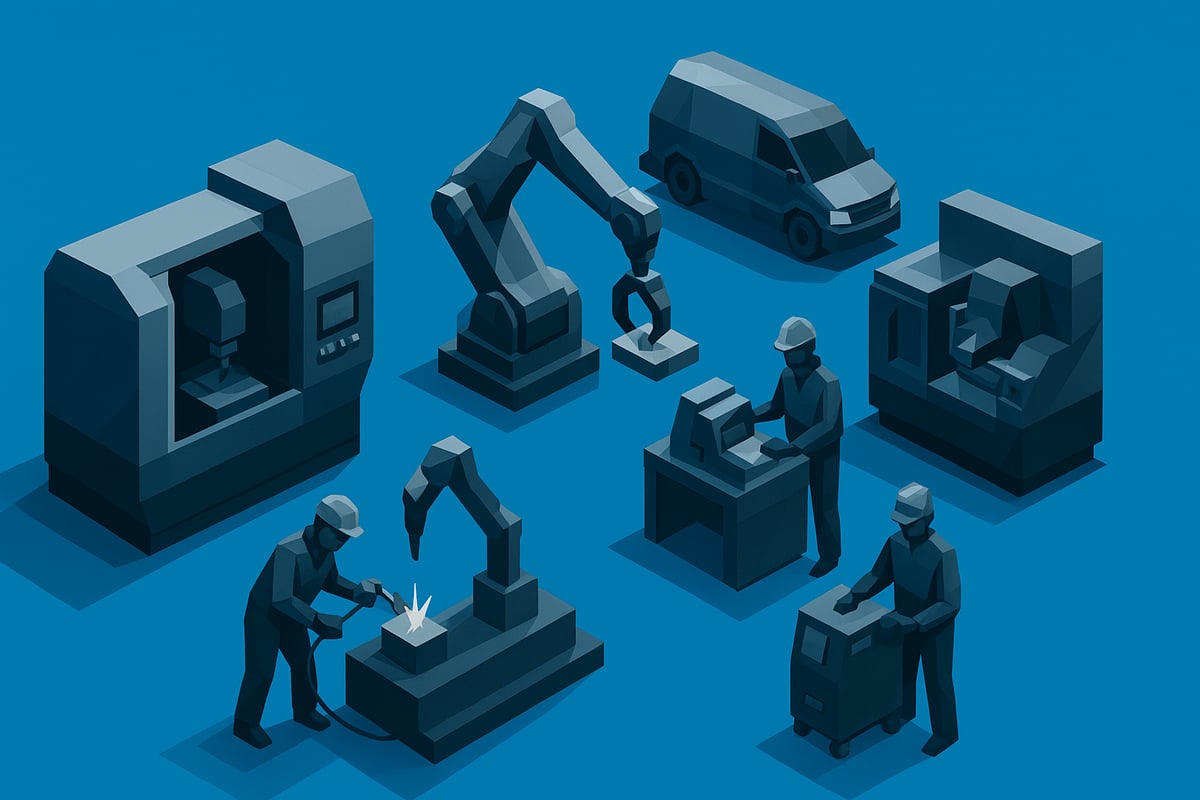
Evaluating Technical Capabilities and Equipment
Begin by assessing the provider’s technical expertise and the range of fabrication and welding services they offer. Look for advanced capabilities such as:
- Modern CNC machining centers for precise fabrication
- Robotic welding cells for high-volume consistency
- 5-axis waterjet or laser cutting systems for complex geometries
Verify that the provider’s equipment is up-to-date and well maintained. Facilities with high-capacity cranes, automated material handling, and specialized tooling can handle larger or more complex projects.
Ask about their ability to work with a variety of metals and alloys. The right fabrication and welding services provider should demonstrate flexibility, from prototyping to large-scale production, ensuring your project requirements are met with efficiency and reliability.
Experience, Industry Focus, and Certifications
Industry experience is a major differentiator. Evaluate the provider’s track record in sectors relevant to your needs, such as aerospace, energy, or heavy industrial manufacturing. Review their project portfolio and case studies to gauge their ability to deliver on projects similar to yours.
Certifications matter. Ensure the provider’s team includes certified welders and inspectors, such as AWS or ASME credentials. Key certifications signal a commitment to quality and compliance.
Checklist for verifying a provider:
- Years of experience in your sector
- Documented adherence to industry standards
- Certified welding and inspection staff
- Positive client testimonials and references
A reputable partner in fabrication and welding services will make documentation and credentials readily available, helping you mitigate risk and maintain project integrity.
Service Flexibility: Shop vs. Field Services
Consider whether your project requires in-house fabrication, on-site welding, or both. Shop-based services offer controlled environments for precision work, ideal for complex assemblies and tight tolerances. Field services, meanwhile, deliver rapid response and flexibility for installation, repairs, or maintenance at your location.
Here’s a table highlighting key differences:
| Aspect | Shop Services | Field Services |
|---|---|---|
| Environment | Controlled, high precision | Variable, on-site convenience |
| Project Size | Large assemblies, mass prod. | Repairs, installations |
| Turnaround | Scheduled, predictable | Rapid, emergency support |
For industries like oil and gas, emergency field welding can be essential for pipeline repairs or critical infrastructure. Providers with mobile units and skilled field teams ensure minimal downtime. Discover more about rapid, on-site solutions by exploring Emergency Mobile Welding Services.
In summary, the right fabrication and welding services partner should combine technical strength, proven experience, robust certifications, and flexible service delivery. By evaluating these factors, you set your business up for reliability and long-term success.
Future Trends and Opportunities in Fabrication and Welding
The future of fabrication and welding services is shaped by a wave of innovation and shifting industry priorities. As digital transformation accelerates, businesses must stay agile, adopting new technologies and sustainable practices to remain competitive. Let us explore what lies ahead for fabrication and welding services as we move toward 2026.
Automation, Robotics, and AI Integration
Automation is rapidly transforming fabrication and welding services. Smart robotic welding arms, fully automated fabrication lines, and AI-powered systems now streamline production, improve accuracy, and reduce costs. Digital twins and predictive maintenance tools enable real-time monitoring, helping companies minimize downtime and extend equipment life.
AI-driven defect detection is revolutionizing quality assurance, ensuring every weld and fabricated component meets the highest standards. Industry events like the 12th International Seminar on Resistance Welding and Mechanical Joining spotlight these advances, making it essential for professionals to stay informed.
Sustainable Manufacturing and Green Initiatives
Sustainability is at the forefront of fabrication and welding services. Companies are investing in energy-efficient machinery, eco-friendly materials, and waste reduction strategies to minimize their environmental footprint. Certifications such as ISO 14001 are becoming standard for those committed to green manufacturing.
Embracing closed-loop recycling, using renewable energy sources, and optimizing processes for minimal emissions are now best practices. These initiatives not only support compliance but also enhance a company’s reputation and appeal to environmentally conscious clients.
Emerging Applications and Industry Expansion
The applications for fabrication and welding services are expanding quickly. Renewable energy infrastructure, electric vehicles, and next-generation construction projects demand advanced fabrication solutions and rapid prototyping capabilities. Digital manufacturing tools allow for greater customization and faster turnaround times.
Collaboration between fabrication shops and OEMs is fostering innovation, enabling the development of complex assemblies for aerospace, energy, and automotive markets. As industries diversify, providers must adapt, offering tailored solutions for evolving project requirements.
Workforce Development and Skills Training
A skilled workforce is critical for the future of fabrication and welding services. The industry faces a persistent talent shortage, driving demand for advanced training and certification programs. Digital literacy, adaptability, and hands-on technical skills are essential for tomorrow’s technicians.
Initiatives like the Advanced Welding Workforce Initiative enhances training in Appalachia are leading the way, providing specialized education in advanced welding technologies. Partnerships between industry leaders and educational institutions ensure that the next generation of professionals is ready to meet the challenges of a rapidly evolving field.
Frequently Asked Questions About Fabrication and Welding Services in 2026
Clients considering fabrication and welding services in 2026 have many questions about new technologies, project timelines, material options, and provider selection. Below, we address the most common inquiries to help guide your decision-making process.
What are the most advanced fabrication and welding technologies available in 2026?
In 2026, leading fabrication and welding services leverage robotic welding cells, 5-axis waterjet and laser cutting, additive manufacturing, and AI-driven inspection systems. These innovations deliver outstanding precision and efficiency for complex industrial projects.
How do I choose the right fabrication and welding service provider?
Choosing a provider for fabrication and welding services involves evaluating technical capabilities, equipment, certifications, and relevant project experience. Review their project portfolio and ensure they offer both shop and field support to match your needs.
Which industries benefit most from modern fabrication and welding services?
Industries such as aerospace, defense, automotive, energy, construction, recycling, aggregates, and oil and gas benefit from modern fabrication and welding services. These sectors require high precision, compliance, and tailored solutions for demanding applications.
What materials can be fabricated and welded using current technologies?
Current fabrication and welding services handle a wide range of metals, including steel, stainless, aluminum, titanium, Inconel, Hastelloy, copper, and advanced alloys. New processes support high-quality results even when working with challenging or exotic materials.
How does automation impact fabrication and welding projects?
Automation in fabrication and welding services boosts productivity, consistency, and safety. Robotic systems manage repetitive tasks while AI-based monitoring ensures quality and predictive maintenance, streamlining operations and reducing downtime for industrial clients.
What are the key industry standards for welding in 2026?
Key standards for fabrication and welding services include AWS D1.1, D1.2, D1.3, D1.6, B2.1, D17.1, ASME BPVC Section IX, and OEM-specific requirements. Compliance with these standards ensures project safety, regulatory adherence, and consistent quality.
What quality assurance measures should I expect from a service provider?
Expect fabrication and welding services to use non-destructive testing, digital inspection tools, and real-time monitoring. For the latest advancements, see the Inspection Expo & Conference 2026 focuses on welding inspection advancements. Certified inspectors and robust documentation are essential for critical projects.
How can I get a quote or start a fabrication/welding project with LTJ Industrial Services?
To start your project, contact LTJ Industrial Services via their website, call, or email. Their fabrication and welding services team will discuss your needs, recommend the best process, and provide a custom quote tailored to your requirements.
Why should I hire LTJ Industrial Services for my welding, fabrication, and machining needs?
LTJ Industrial Services offers comprehensive fabrication and welding services, regional expertise, and a proven track record in custom solutions. Their certified team supports industries like manufacturing and oil and gas, delivering flexible shop and field service for every project.
As you’ve seen in this guide, staying ahead in fabrication and welding means understanding new technologies, best practices, and the value of working with the right partner. Whether you’re facing complex manufacturing needs, specialized material challenges, or tight project timelines, having a skilled and responsive team makes all the difference. If you’re ready to explore how advanced fabrication and welding can support your business goals in 2026, let’s start a conversation. You can [Request a Quote](https://www.ltjindustrial.com/contact_us/) and connect with experts who are dedicated to delivering solutions that fit your unique requirements.