Choosing the right welders gas is more than a technical decision, it is essential for achieving strong, clean, and safe welds. As welding technologies advance, staying informed on the best gas solutions for 2026 becomes critical for professionals aiming to maintain quality and safety.
This guide is designed to help welders, fabricators, and industrial experts navigate the latest developments in welders gas. You will discover the different types of welding gases, how to select the right option, safety protocols, cost-saving methods, and upcoming industry trends.
If you want to work safer and smarter, keep reading for expert tips and insights that will help you make the best choices for your welding projects.
Understanding Welding Gases: Types and Properties
Welding success relies heavily on the science and selection of welders gas. The right gas does more than shield the molten weld pool; it determines the strength, appearance, and integrity of every joint. Understanding how different gases interact with metals and processes is foundational for achieving top-quality results in 2026.
The Role of Shielding Gases in Welding
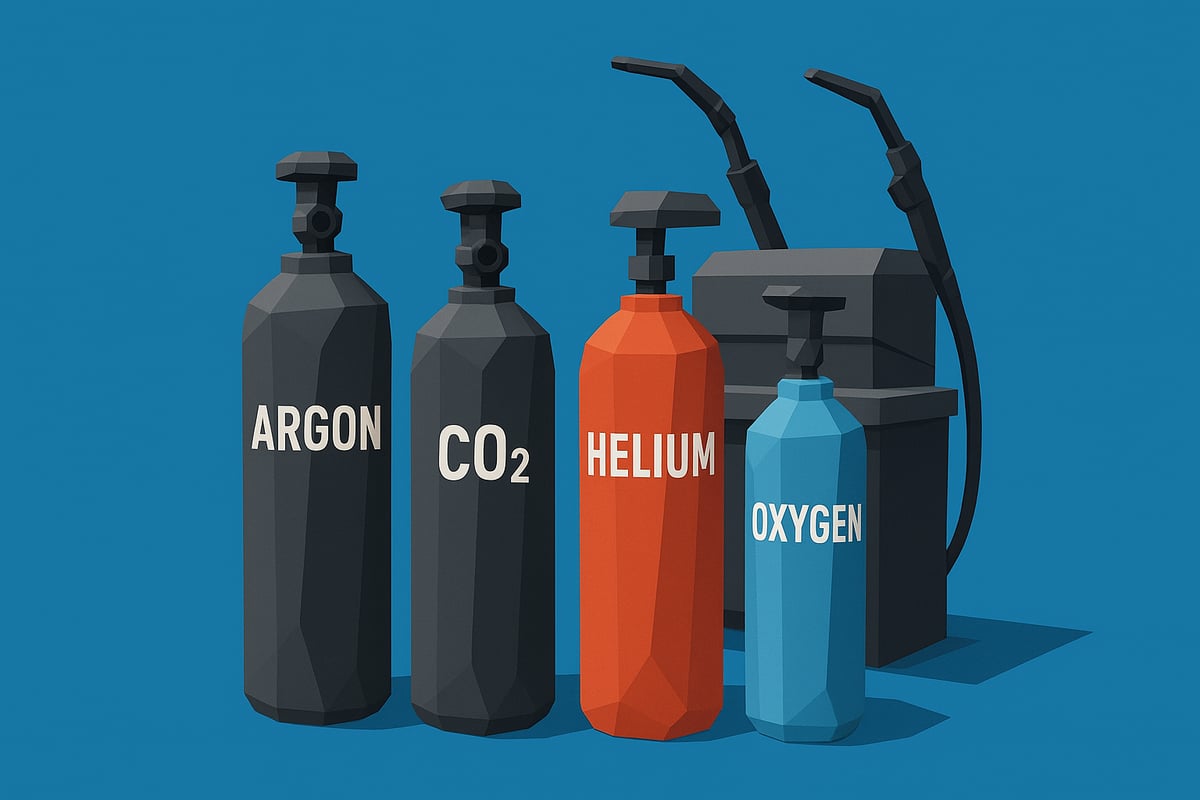
Shielding gases are essential in protecting the weld area from atmospheric contamination. When a welder applies heat, the molten metal becomes highly reactive with oxygen, nitrogen, and moisture in the air. Welders gas forms a protective envelope, preventing defects like porosity, oxidation, and brittleness.
For MIG welding, carbon dioxide and argon are the most common choices. TIG welding frequently relies on pure argon, especially for non-ferrous metals. Helium is often blended with argon for aluminum and magnesium, delivering deeper penetration and a hotter arc.
Industry data shows that over 70 percent of professional welders now use mixed gases for improved control and cleaner results. The purity of welders gas is another critical factor; even small impurities can weaken welds or cause unattractive discoloration.
To summarize, shielding gases not only prevent contamination but also influence arc stability, bead shape, and spatter levels. The right welders gas selection is a direct contributor to both safety and weld performance.
Common Welding Gases and Their Applications
Choosing the right welders gas starts with understanding each gas’s unique properties. Argon is favored for its inertness and smooth arc, making it ideal for TIG welding of steel, aluminum, and exotic alloys. Carbon dioxide, being more reactive, is commonly used in MIG welding for deep penetration on mild steel, though it produces more spatter.
Helium increases heat input, making it valuable for thicker aluminum and copper. Oxygen, when added in small amounts, improves arc stability and speed for stainless steel and carbon steel. Nitrogen and specialty gases are reserved for advanced alloys or niche applications.
Gas choice directly impacts weld penetration, spatter, and finish. For example, pure argon is best for aluminum, while an argon/CO2 blend is preferred for mild steel. Cost also plays a role, as specialty gases are more expensive but can enhance results for challenging projects.
For a detailed breakdown of material compatibility and gas selection, refer to the Fabrication Materials Guide.
Gas Mixtures and Their Effects
Gas mixtures are engineered to optimize performance for specific materials and processes. A common blend is 75 percent argon and 25 percent CO2, which offers a balance of arc stability and penetration for MIG welding mild and stainless steels.
Compared to single-gas setups, mixtures reduce spatter, improve bead appearance, and increase deposition rates. Data from industry studies shows that certain blends can boost weld quality by up to 15 percent compared to traditional single-gas approaches.
The trend for 2026 points toward custom gas blends tailored for advanced alloys and robotic welding. These mixtures are designed to support evolving fabrication needs, leading to better productivity and consistent results.
In summary, understanding welders gas types and their properties is essential for anyone seeking superior weld quality and operational safety.
Selecting the Right Gas for Your Welding Project
Selecting the right welders gas for your project is crucial for achieving optimal weld quality, safety, and cost-efficiency. The choice impacts everything from bead appearance to structural integrity and even regulatory compliance. Understanding the key variables will help you make informed decisions and ensure consistent results.
Factors Influencing Gas Selection
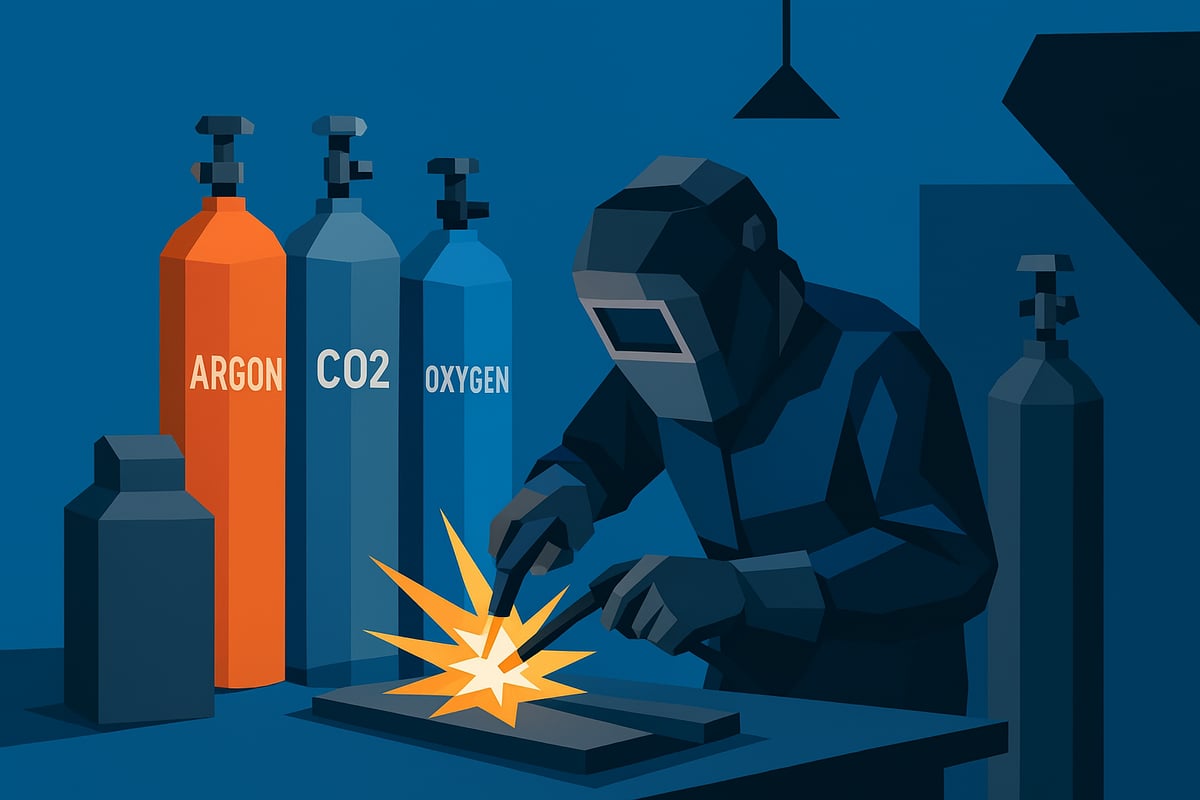
Several factors play a pivotal role in determining the best welders gas for your specific application. Material type is one of the first considerations. For example, mild steel often pairs well with a mix of argon and carbon dioxide, while aluminum typically requires pure argon or argon-helium blends. When working with stainless steel, a tri-mix of argon, helium, and CO2 can enhance corrosion resistance and weld appearance.
The thickness of the material also affects gas selection. Thicker metals may demand gases that provide deeper penetration, such as higher CO2 content, whereas thinner sections benefit from gases that deliver a stable, low-spatter arc. Your welding process matters as well. MIG, TIG, and flux-cored methods each have recommended gases and blends to optimize performance.
Environmental conditions can influence your welders gas decision. Outdoor welding may require more CO2 for arc stability in wind, while indoor jobs can prioritize gas economy and purity. Regulatory standards, especially in industries like food, pharma, or pressure piping, might dictate specific gas types and purity levels. For detailed guidance on material-specific gas choices, especially for aluminum and stainless steel, see Aluminum and Stainless Steel Welding.
Step-by-Step Gas Selection Guide
A systematic approach to welders gas selection reduces errors and streamlines workflow. Start by clearly defining your project requirements, considering metal type, thickness, and desired weld properties. Next, identify all compatible gases and blends recommended for your process and material.
Evaluate the availability and cost of each viable option. Some specialty gases may not be locally stocked or could be cost-prohibitive. Testing is essential: run sample welds with your shortlisted gases to compare penetration, bead quality, and spatter. Document the results for future reference.
Create a practical checklist to ensure you do not overlook any critical step:
- Confirm project specs (material, process, thickness)
- List all compatible welders gas options
- Check local supply and pricing
- Conduct sample welds for quality comparison
- Review safety and regulatory requirements
Common mistakes include skipping test welds, ignoring gas purity, or using the wrong blend for the material. Top fabricators in 2026 often use digital tracking and consult supplier experts to streamline their gas selection, ensuring the right balance of quality and efficiency.
Sourcing and Supplier Considerations
Your choice of supplier can directly impact welders gas quality, cost, and reliability. Begin by comparing local and national suppliers. Local suppliers may offer faster delivery and personalized service, while national distributors could provide better pricing on bulk orders.
Cylinder size and delivery logistics are critical, especially for busy shops. Larger cylinders reduce the frequency of changes, minimizing downtime. Always verify the supplier’s ability to guarantee gas purity, as even minor contamination can affect weld strength and appearance.
Negotiating contracts, especially for high-volume operations, can unlock significant savings. Bulk purchasing or cylinder leasing may reduce upfront costs and simplify inventory management. Track supplier performance regularly, and do not hesitate to switch if you encounter recurring purity or delivery issues. A real-world example: a small fabrication shop switched suppliers and renegotiated terms, resulting in a 15% reduction in annual gas expenses and improved weld consistency.
Safe Handling, Storage, and Usage of Welding Gases
Proper management of welders gas is critical to maintaining a safe, compliant, and efficient welding environment. From storage to daily use, each step demands careful attention to minimize hazards and ensure the highest quality results. Adhering to recognized safety standards protects workers, equipment, and projects.
Best Practices for Gas Cylinder Storage
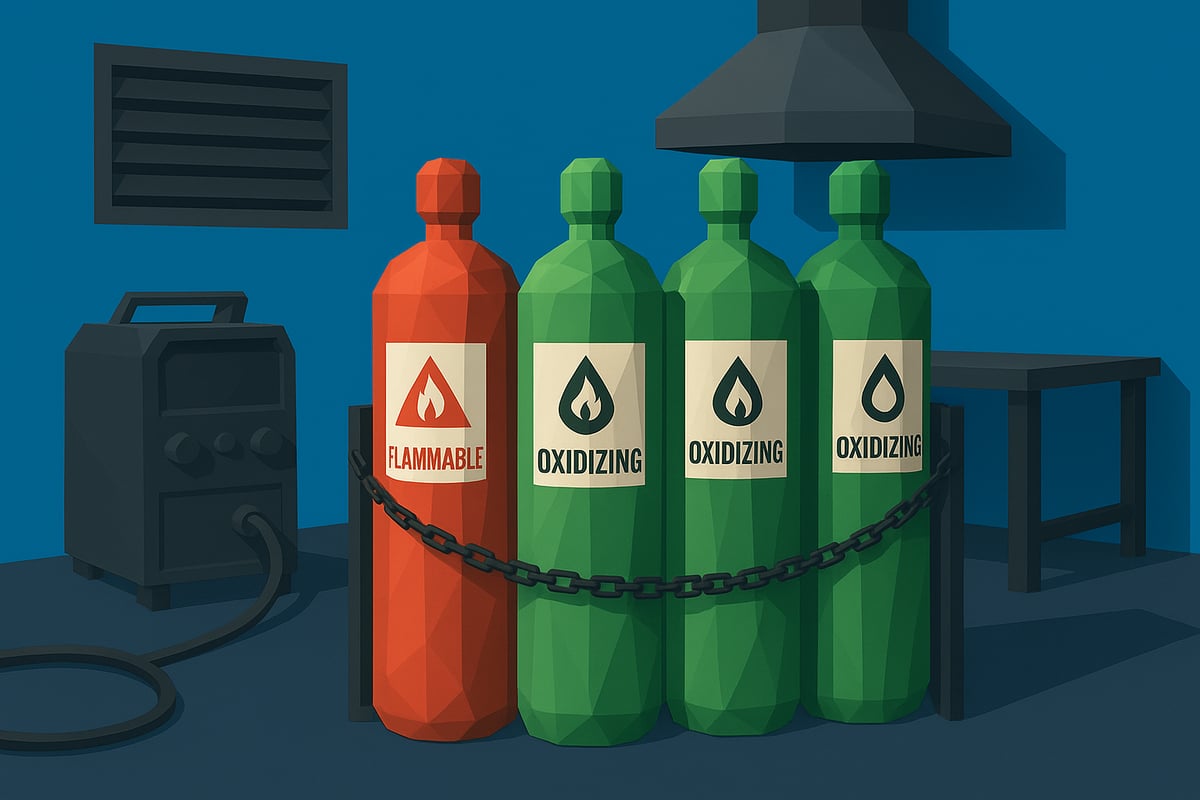
Storing welders gas safely begins with strict compliance to established guidelines. OSHA and industry standards require cylinders to be stored upright, secured with chains or straps to prevent tipping. Flammable gases must be separated from oxidizers by at least 20 feet or a non-combustible barrier. Temperature control is essential—store cylinders away from heat sources and direct sunlight to prevent pressure build-up.
Proper ventilation in storage areas helps disperse any accidental leaks, reducing the risk of fire or explosion. Always keep cylinders clearly labeled with content and hazard identification, using industry-standard color coding for quick recognition. For more detailed regulatory requirements, consult the OSHA Gas Welding and Cutting Regulations.
Security measures, such as locking cages or restricted access, further protect welders gas from unauthorized handling. In one notable case, a fabrication shop avoided a significant incident by updating storage protocols, introducing regular inspections, and ensuring all cylinders were inventoried and clearly marked.
Safe Handling Procedures
Handling welders gas cylinders demands precision and care. Always move cylinders with approved carts, never by rolling or dragging. Secure cylinders during transport to prevent falls or impacts. When connecting cylinders to welding equipment, check valves and fittings for damage or debris.
Before use, conduct a thorough leak test using soapy water or approved detection solutions. If a leak is detected, isolate the cylinder and follow emergency response procedures immediately. Personal protective equipment (PPE) such as gloves, safety glasses, and steel-toed boots is mandatory, as high-pressure welders gas can cause severe injuries.
Training all staff—including new hires and seasoned welders—on handling procedures and emergency response is essential. Regular safety briefings and refreshers help maintain a culture of vigilance. Common violations, such as improper securing or using damaged hoses, can result in accidents and regulatory penalties.
Usage Tips to Maximize Safety and Efficiency
Optimizing the use of welders gas not only improves safety but also enhances weld quality. Select regulators and hoses rated for the specific gas and pressure requirements. Inspect all components regularly for signs of wear, leaks, or contamination. Replace faulty equipment immediately to avoid compromising the system.
Monitor gas flow rates and pressure to maintain consistent welding performance. Set flow rates according to manufacturer recommendations, adjusting for environmental conditions such as wind or humidity. Regularly calibrate flow meters and check for blockages that could restrict gas delivery.
Troubleshooting common issues—like inconsistent flow, leaks, or contamination—requires a systematic approach. Keep maintenance records and implement a routine inspection schedule. Data from industry reports show that shops adopting rigorous protocols for welders gas usage have seen a marked reduction in workplace incidents and improved operational efficiency.
Cost Management and Efficiency Strategies for Welding Gases
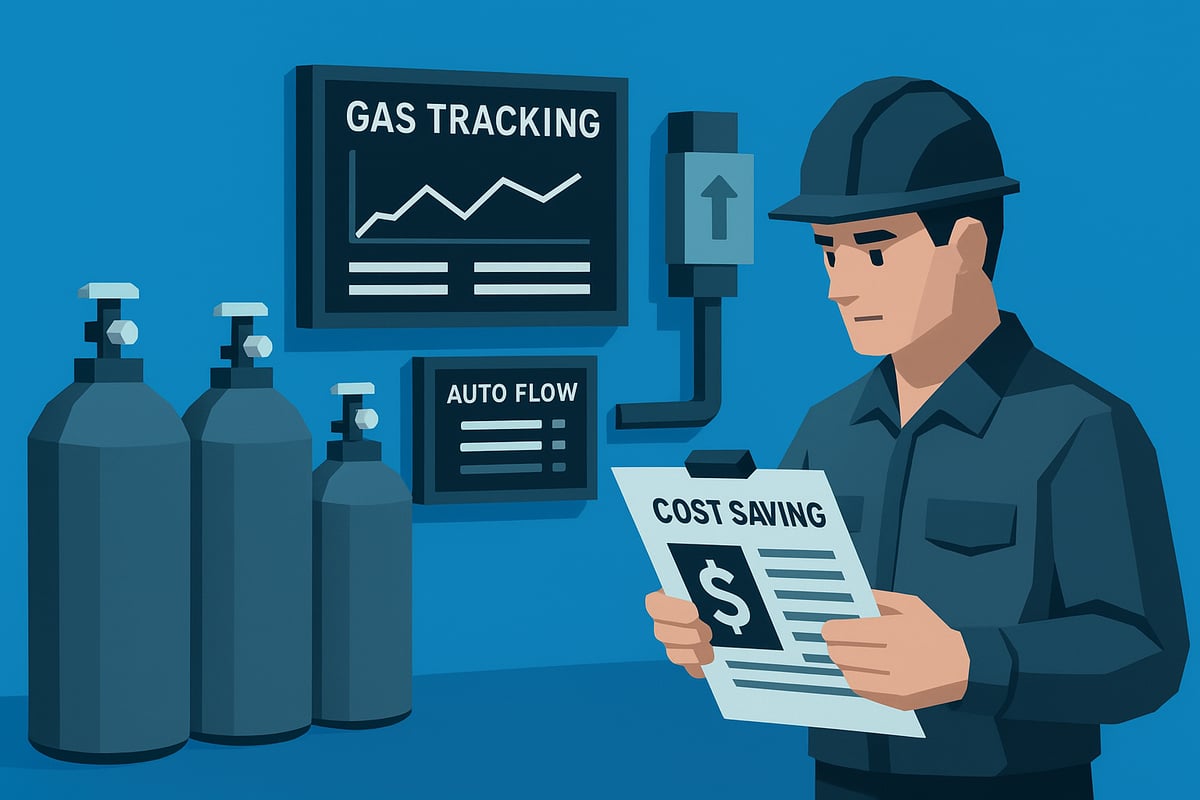
Managing welders gas expenses is a top priority for fabrication shops and industrial welders aiming to maximize profit and performance. As gas prices fluctuate and operational costs rise, understanding how to optimize gas usage and sourcing can make a measurable difference to your bottom line. This section explores actionable strategies for reducing waste, improving efficiency, and leveraging supplier relationships to get the most value from every cylinder of welders gas.
Reducing Gas Waste and Improving Efficiency
Efficient use of welders gas is essential to control costs and maintain consistent weld quality. Many shops lose thousands of dollars each year through unnoticed leaks, excessive flow rates, or outdated equipment. Small changes can yield significant savings over time.
Key strategies include:
- Conducting routine leak checks: Regularly inspect hoses, regulators, and connections for leaks.
- Implementing automated gas flow controls: These systems adjust flow rates based on real-time needs, reducing overuse.
- Training staff: Educate welders to recognize wasteful habits, such as leaving gas flowing between welds.
- Maintaining equipment: Schedule inspections and servicing to ensure delivery systems are operating efficiently.
A 2025 industry survey found that fabrication shops adopting automated flow controls and regular maintenance reduced welders gas consumption by up to 20 percent. Consider using a simple checklist for daily inspections to catch issues early.
| Efficiency Measure | Potential Gas Savings | Implementation Cost | ROI Timeline |
|---|---|---|---|
| Leak Detection & Repair | 5-10% | Low | Immediate |
| Automated Flow Controls | 10-20% | Moderate | 6-12 months |
| Staff Training | 5% | Low | Immediate |
| Equipment Maintenance | 5-8% | Low | 1-3 months |
Taking a proactive approach to welders gas management ensures you are not paying for gas that never reaches the arc.
Bulk Purchasing, Cylinder Exchange, and Leasing Options
How you source welders gas can have a dramatic effect on overall costs and operational flexibility. Shops must weigh the benefits of cylinder leasing versus owning, and consider the scale of their operations when negotiating supplier contracts.
Bulk purchasing often leads to discounted rates, especially for larger fabrication shops. By forecasting usage and committing to larger orders, you can secure better pricing and improve delivery reliability. Cylinder exchange programs are another smart option, reducing downtime and ensuring you always have fresh, full cylinders onsite.
Leasing cylinders instead of owning them can free up capital and shift maintenance responsibilities to the supplier. However, ownership may be better for high-volume users seeking long-term savings.
Here is a simplified comparison:
| Option | Upfront Cost | Maintenance | Flexibility | Typical User |
|---|---|---|---|---|
| Lease | Low | Supplier | High | Small to Medium |
| Own | High | Shop | Medium | Large/High-Volume |
| Exchange Program | Moderate | Supplier | High | All sizes |
For welders seeking professional support in optimizing their gas sourcing and delivery, Welding and Fabrication Services can provide tailored solutions and reliable supply partnerships.
Negotiating multi-year contracts or joining cylinder exchange programs can also streamline inventory management and prevent costly shortages or overstock.
Tracking and Analyzing Gas Usage
Digital tracking systems are transforming how shops manage welders gas. By monitoring consumption in real time, managers can identify patterns, spot waste, and set benchmarks for efficiency.
Modern systems use IoT sensors to track cylinder levels, flow rates, and even detect leaks. This data feeds into analytics dashboards, helping you forecast needs and adjust purchasing strategies. Setting key performance indicators (KPIs) for gas efficiency enables continuous improvement.
A real-world example: A mid-sized fabrication shop implemented digital tracking and found that inconsistent gas flows during shift changes led to 12 percent waste. By addressing this with targeted training and equipment upgrades, they improved usage and reduced costs.
When welders gas is managed proactively, shops see not only financial savings but also more consistent weld quality and fewer supply interruptions.
Innovations and Trends in Welding Gases for 2026
The welders gas landscape is evolving rapidly, driven by technological advances, regulatory shifts, and industry-wide demands for efficiency and sustainability. Understanding these innovations is crucial for welders, fabricators, and shop managers aiming to stay competitive in 2026.
Emerging Gas Technologies and Blends
Welders gas choices are expanding with the introduction of advanced blends tailored for specific materials and processes. In 2026, manufacturers are developing gases that enhance arc stability and minimize oxidation, especially for high-performance alloys.
New mixtures like argon-hydrogen and argon-helium-oxygen combinations are gaining traction for their ability to improve penetration and bead quality on stainless steel and aluminum. These innovations are particularly valuable in aerospace and automotive fabrication, where weld integrity is paramount.
Eco-friendly welders gas options are also on the rise. Low-emission blends reduce greenhouse gases and comply with stricter environmental guidelines. For example, nitrogen-enriched argon mixtures help lower ozone formation during welding.
Adoption rates show a shift toward custom gas solutions. According to recent industry surveys, over 40% of large fabrication shops now use specialty blends, compared to just 25% in 2022. This trend reflects a broader commitment to both weld quality and sustainability.
Regulatory Changes and Industry Standards
Regulatory agencies are updating standards to address the evolving welders gas market. In 2026, compliance with OSHA, AWS, and EPA guidelines is more critical than ever. New regulations focus on both worker safety and environmental impact.
The OSHA Oxygen-Fuel Gas Welding Standards provide clear requirements for equipment, ventilation, and safe handling of compressed gases. Staying up to date with these standards helps prevent accidents and ensures shop certification.
The ASME Code for welding pressure piping is another key reference for shops working on critical infrastructure. Adhering to these codes not only safeguards workers but also protects business reputation.
Shops are adapting by investing in advanced monitoring systems, staff training, and eco-friendly gas alternatives. As regulations become stricter, proactive compliance is essential for maintaining productivity and avoiding costly penalties. The trend toward sustainability is shaping welders gas selection across industries.
The Future of Welding Gas Supply Chains
Supply chain innovation is transforming how welders gas is sourced and managed. Digital platforms now enable real-time ordering and inventory tracking, reducing the risk of shortages or overstock. IoT sensors attached to cylinders monitor gas levels, detect leaks, and automatically alert suppliers when refills are needed.
These technologies increase reliability and streamline operations, especially for large facilities managing hundreds of cylinders. Data analytics are being used to optimize delivery routes and minimize downtime.
Trends indicate a move toward decentralized gas production, with micro-plants located closer to end users. This reduces transportation costs and improves supply chain resilience.
By 2030, experts predict that most shops will rely on smart systems for welders gas management, giving them greater control over quality, cost, and safety. Staying ahead of these trends will ensure that your welding operation remains competitive and compliant with industry demands.
Now that you have a clearer picture of welding gas types, safety protocols, and the latest trends shaping our industry in 2026, you might be thinking about how these insights apply to your next project. Whether you need specialized guidance on gas selection or want to optimize your welding operations for better efficiency and cost savings, we're here to help. At LTJ Industrial Services, we understand the unique needs of commercial and industrial manufacturing throughout the Western United States. If you’re ready to discuss your goals or get expert support, [Request a Quote](https://www.ltjindustrial.com/contact_us/.