
Nearly 75% of all elements on the periodic table are metals, creating an extraordinary range of fabrication materials for manufacturers in 2026. As industries face rapid innovation and rising demands for efficiency, the task of choosing the right fabrication materials has become more complex than ever.
This expert guide will demystify the latest material options, trends, and strategies, helping you stay ahead in a competitive landscape. You’ll discover an overview of fabrication materials, in-depth analysis of metals, polymers, composites, and emerging technologies, practical selection methods, and a look into the future of fabrication.
Unlock new possibilities, optimize your outcomes, and explore breakthrough solutions for every fabrication challenge.
Understanding Fabrication Materials: The Foundation for Modern Manufacturing
Fabrication materials form the backbone of modern manufacturing, shaping everything from skyscrapers to microchips. As industries evolve, the significance of selecting the right fabrication materials cannot be overstated. These materials influence not only product performance but also cost, sustainability, and the ability to innovate in a competitive market.
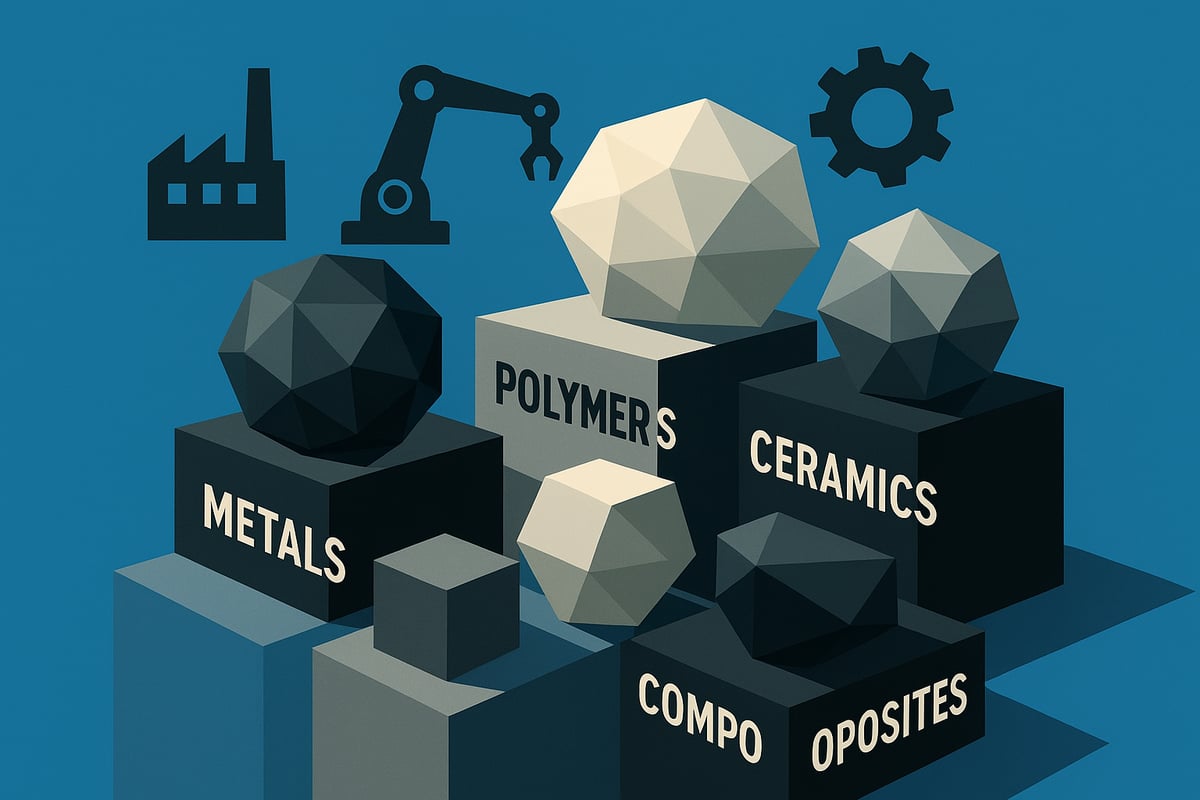
Choosing among the vast array of fabrication materials starts with understanding their core categories. The main groups are metals, polymers, ceramics, composites, and a rapidly growing class of advanced or emerging materials. Each group offers unique properties, making them suitable for specific applications and industries.
| Material Category | Key Properties | Typical Applications | Notable Trends (2026) |
|---|---|---|---|
| Metals | High strength, ductility | Construction, automotive, aerospace | Increased recycling, smart alloys |
| Polymers | Lightweight, moldable | Consumer goods, medical devices | Biodegradable, high-performance |
| Ceramics | Hard, heat-resistant | Electronics, aerospace, medical | Advanced composites |
| Composites | Tailored, strong-to-weight | Aerospace, sports, automotive | Embedded sensors, bio-based |
| Advanced/Emerging | Smart, adaptive, nano-scale | Electronics, energy, medical | Nanomaterials, green tech |
The choice of fabrication materials directly impacts strength, durability, production costs, and environmental footprint. For example, aerospace manufacturers often rely on lightweight metal alloys to boost fuel efficiency, while recycling facilities demand robust, corrosion-resistant metals for longevity. The right material can extend a product’s lifespan and reduce maintenance.
In 2026, the criteria for selecting fabrication materials are shifting. Automation is driving demand for materials compatible with robotic processing and digital manufacturing. Sustainability is now a top priority, with regulators and consumers pushing for recyclable and low-impact options. Digital manufacturing technologies, like 3D printing, require materials engineered for precision and repeatability.
Metals remain dominant, making up nearly 75% of all elements on the periodic table. Their versatility and recyclability have long made them a preferred choice for fabrication materials. However, polymers, advanced ceramics, and composites are gaining ground as industries seek lighter, smarter, and more eco-friendly solutions.
To illustrate, consider these industry examples:
- Aerospace: Lightweight titanium alloys and carbon fiber composites reduce aircraft weight and enhance performance.
- Recycling: Stainless steel and nickel alloys provide durability and corrosion resistance in harsh processing environments.
- Electronics: Advanced ceramics and nanomaterials enable miniaturization and improved conductivity.
The rise of advanced fabrication materials is closely tied to ongoing innovation. Smart materials embedded with sensors, bio-based composites, and high-performance alloys are reshaping manufacturing standards. Staying informed about these trends is essential for future-ready operations. For a deeper look at 2026’s evolving landscape, see the Commercial Fabrication Guide for 2026.
Ultimately, a systematic understanding of fabrication materials, their properties, and their industrial applications is no longer optional. It is the foundation for competitive, resilient, and sustainable manufacturing in 2026 and beyond.
Metals in Fabrication: Properties, Types, and 2026 Innovations
Metals remain at the core of fabrication materials, anchoring modern manufacturing with their unmatched blend of strength, durability, and versatility. As industries strive for efficiency and sustainability, metals continue to adapt, offering innovative solutions for diverse engineering challenges.
Overview of Metals in Fabrication
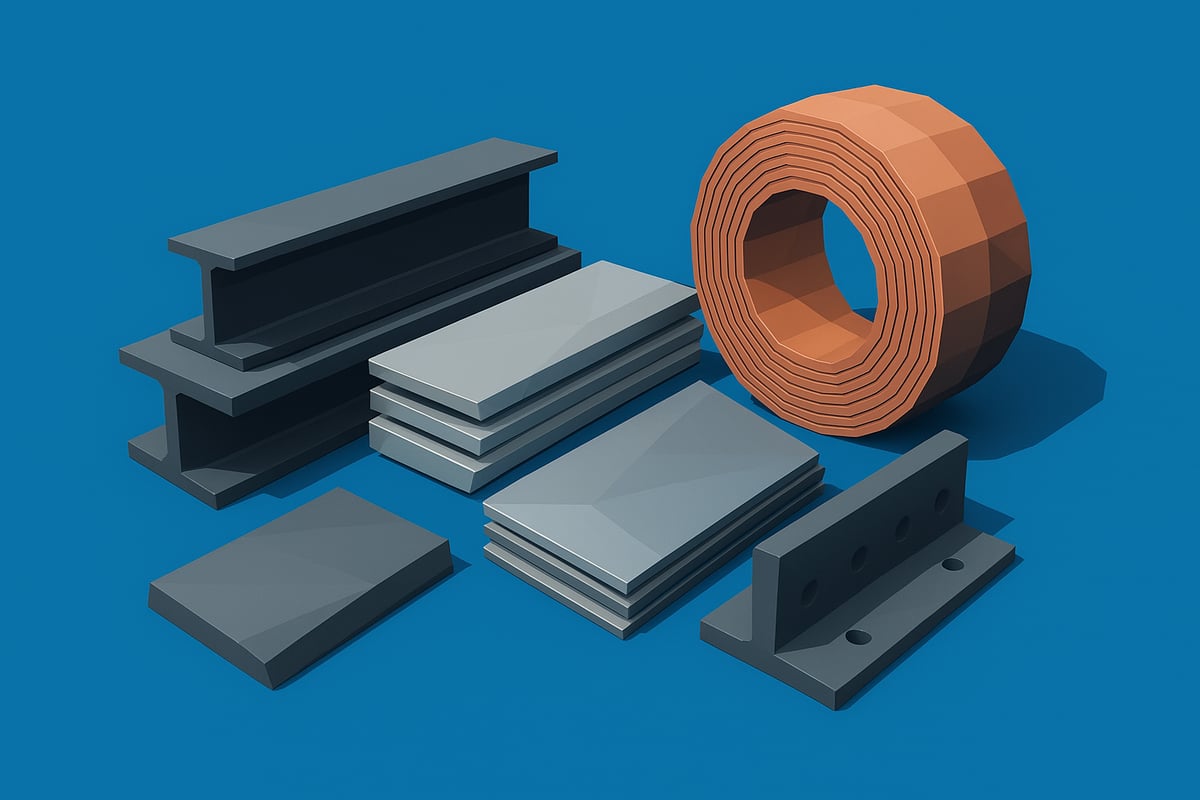
Metals serve as the backbone of fabrication materials across virtually every major industry. Their unique combination of mechanical strength, electrical conductivity, and ease of processing makes them indispensable for everything from aerospace components to everyday consumer goods.
These materials offer exceptional recyclability, supporting circular manufacturing models and reducing environmental impact. The adaptability of metals ensures they remain vital, even as new fabrication materials emerge and disrupt the market.
Key Metal Types and Their Applications
Selecting the right metal is central to optimizing fabrication materials for each project. Below is a comparison of widely used metals, their properties, and primary applications:
| Metal | Properties | Typical Applications | Sustainability |
|---|---|---|---|
| Steel (carbon, stainless, armor) | High strength, ductility, corrosion resistance (stainless) | Construction, defense, medical devices | 100% recyclable (stainless) |
| Aluminum | Lightweight, corrosion-resistant | Aerospace, automotive, electronics | Highly recyclable |
| Copper, Brass, Bronze | High conductivity, machinability, corrosion resistance | Electrical, architectural, safety tools | Brass/bronze are durable |
| Nickel, Titanium | High temperature, corrosion resistance | Marine, aerospace, medical | Long lifespan |
Steel, in its various forms, is a staple for structural projects and machinery. Stainless steel stands out among fabrication materials for its full recyclability and resistance to corrosion, making it a top choice for sustainable manufacturing.
Aluminum’s lightweight nature and corrosion resistance drive its use in aerospace and electronics. For projects requiring excellent electrical conductivity, copper and its alloys are preferred. Nickel and titanium are essential for demanding environments, such as jet engines or medical implants, where reliability is critical.
For more on advanced uses of aluminum and stainless steel in fabrication, see Aluminum and Stainless Steel Welding Specialists.
Advances in Metal Fabrication for 2026
Innovations in fabrication materials are transforming metalworking. High-performance alloys now withstand extreme temperatures and corrosive settings, extending the lifespan of critical components.
Smart metals, equipped with embedded sensors, enable real-time monitoring for IoT integration. Sustainable practices, such as increased metal recycling and the adoption of low-carbon steel production, are reshaping industry standards.
Additive manufacturing is another breakthrough, allowing complex metal parts to be 3D printed with exceptional precision. This technique reduces waste and shortens production cycles, making it a game changer for fabrication materials in 2026.
Industry data shows a steady rise in stainless steel use due to its durability and recyclability. These advancements demonstrate how metals continue to evolve alongside emerging fabrication materials.
Challenges and Selection Criteria
Choosing the right fabrication materials involves careful tradeoffs. Strength, weight, cost, and corrosion resistance must be balanced to meet project goals.
Environmental regulations are increasingly strict, impacting material sourcing and processing. Supply chain disruptions can also affect availability and price stability.
For example, aerospace engineers must decide between titanium, which offers superior strength but at a higher cost, and aluminum, which is lighter and more affordable but less robust. This decision underscores the importance of aligning fabrication materials with specific performance and budgetary needs.
Polymers and Plastics: Expanding the Fabrication Toolbox
Polymers and plastics have become essential fabrication materials, rapidly expanding the range of solutions available to manufacturers in 2026. Their adaptability, cost-effectiveness, and evolving sustainability make them a critical part of the modern fabrication materials landscape. As industries pursue lighter, more resilient, and sustainable fabrication materials, understanding the role of polymers is more important than ever.
Types of Polymers Used in Fabrication
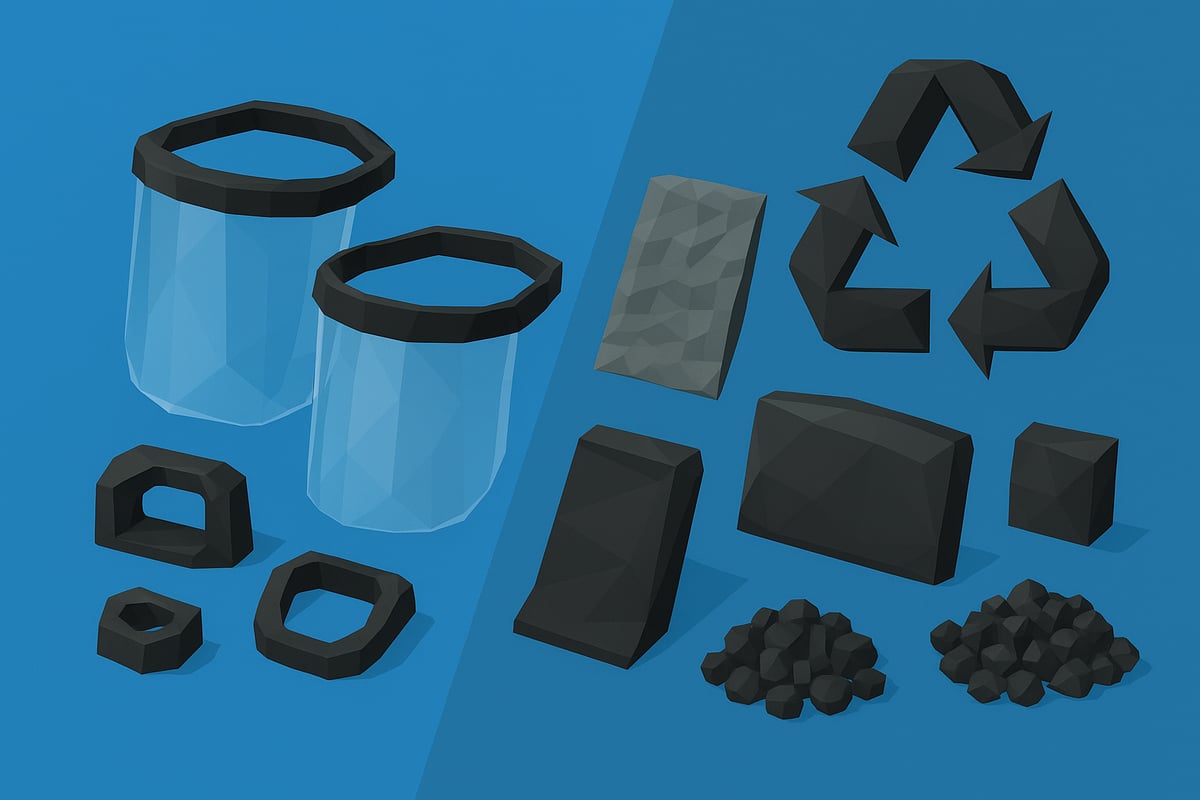
There are two main categories of polymers used as fabrication materials: thermoplastics and thermosets. Thermoplastics, such as ABS and polycarbonate, can be repeatedly heated and reshaped, making them ideal for components like automotive interiors and consumer electronics. Thermosets, including epoxy and phenolic resins, offer excellent chemical resistance and dimensional stability, which is vital for circuit boards and structural adhesives.
Common applications for these fabrication materials span a wide range:
- Automotive dashboards and trim
- Medical device housings and enclosures
- Consumer product casings
This versatility places polymers among the most adaptable fabrication materials in manufacturing today.
Advantages and Limitations
Polymers offer several clear advantages as fabrication materials. They are lightweight, inherently corrosion-resistant, and can be molded into complex shapes with relative ease. This makes them highly desirable for rapid prototyping and mass production alike.
However, there are limitations to consider with these fabrication materials:
- Lower tolerance to high temperatures compared to metals or ceramics
- Potential environmental impact, especially for single-use plastics
For example, polycarbonate is often chosen for safety shields due to its impact resistance, but it may degrade under prolonged UV exposure. Manufacturers must weigh these factors carefully when selecting fabrication materials for critical applications.
2026 Innovations in Polymer Fabrication
The landscape of polymer-based fabrication materials is evolving quickly in 2026. Biodegradable and recycled plastics are increasingly replacing traditional resins, helping industries meet stricter sustainability targets. High-performance polymers, such as PEEK and PEI, are now found in aerospace and electronics, delivering strength and thermal stability rivaling metals.
Digital manufacturing is another game-changer, enabling rapid customization and prototyping of complex polymer parts through 3D printing. For more on innovative approaches to fabrication materials and methods, explore the Category: Fabrication Solutions.
These advancements are reshaping how fabrication materials are selected and used across industries.
Selection Considerations
Choosing the right fabrication materials involves balancing cost, durability, regulatory compliance, and environmental impact. Cost-effective polymers can offer great performance, but long-term durability and recyclability are increasingly important.
Key selection criteria include:
- Application-specific requirements (strength, flexibility, safety)
- Compliance with environmental regulations
- Availability of recycled or bio-based options
A growing number of companies now select recycled polymers for sustainable packaging, demonstrating how innovation and responsibility can align in choosing fabrication materials.
Composites and Hybrid Materials: The Next Generation of Fabrication
Composites and hybrid materials are redefining the possibilities for fabrication materials in 2026. As industries seek better performance, lighter weight, and more sustainable solutions, composites deliver a unique combination of properties that traditional materials alone cannot match.

Introduction to Composite Materials
Composite materials are engineered by combining two or more distinct substances, creating a product with superior characteristics compared to its individual components. These fabrication materials often merge a matrix (like a polymer or metal) with reinforcement fibers, resulting in enhanced strength and flexibility.
The most common types include:
- Carbon fiber composites: Extremely strong and lightweight.
- Fiberglass: Versatile and cost-effective.
- Metal matrix composites: Metal reinforced with ceramics or fibers for high performance.
This approach allows manufacturers to tailor fabrication materials for specific needs, blending the best attributes of each constituent.
Key Benefits and Use Cases
Composites provide several advantages over conventional fabrication materials. Their strength-to-weight ratio is unmatched, making them ideal where performance and efficiency are critical.
Key benefits include:
- Customizable properties for unique applications.
- Improved durability and resistance to fatigue.
- Potential for reduced manufacturing costs over the product lifecycle.
These materials are widely used in aerospace for lightweight components, in automotive for improved fuel efficiency, and in sports equipment for enhanced performance. The strategic use of fabrication materials like composites enables industries to innovate faster and meet demanding specifications.
2026 Trends in Composite Fabrication
The landscape of fabrication materials is evolving rapidly, with composites leading the way in 2026. Automated layup and curing processes are increasing efficiency and consistency in production.
Smart composites with embedded electronics are enabling real-time monitoring and adaptive responses. Sustainability is a major driver, with bio-based resins and recycled fibers gaining traction. Notably, multifunctional structural battery composites are being developed, allowing structures to store energy while maintaining mechanical strength. These trends are reshaping how fabrication materials are designed and applied in next-generation products.
Challenges and Best Practices
Despite their promise, composites present challenges in the world of fabrication materials. Manufacturing complexity and higher initial costs can be barriers for some projects. Repairability and recycling at end-of-life remain concerns, especially for high-value applications.
Best practices include:
- Careful material selection based on lifecycle analysis.
- Designing for ease of repair and recycling.
- Collaborating with experts to optimize fabrication processes.
Electric vehicle manufacturers, for example, are turning to carbon fiber composites to reduce vehicle weight and extend range, highlighting the importance of strategic fabrication materials choices in modern engineering.
Emerging and Advanced Materials Shaping the Future of Fabrication
The world of fabrication materials is rapidly changing, driven by technological leaps and the need for sustainable, high-performance solutions. In 2026, manufacturers are rethinking their material strategies to stay ahead in competitive markets. Let us explore the most significant emerging and advanced fabrication materials that are shaping the future of manufacturing.
High-Performance Alloys and Supermaterials
High-performance alloys are pushing the boundaries of what fabrication materials can achieve. Superalloys, often used in turbines and aerospace, maintain strength at extreme temperatures and resist corrosion, making them indispensable for demanding applications. Shape-memory alloys, such as Nitinol, allow components to respond dynamically to stress or temperature changes, adding adaptability to engineered products.
The increasing demand for critical raw materials and their impact on industrial sectors is a key trend for 2026. According to the Critical Raw Materials for Industrial Sectors and Emerging Technologies, industry leaders are prioritizing new alloys to address supply chain risks and performance requirements. As a result, fabrication materials selection is becoming more strategic and data-driven.
Nanomaterials and Smart Materials
Nanomaterials are transforming fabrication materials by enhancing strength, conductivity, and flexibility at the microscopic level. For example, carbon nanotube-reinforced polymers offer lightweight durability for electronics and automotive parts. These innovations enable manufacturers to build components that are both robust and miniaturized.
Smart materials are another breakthrough, capable of responding to environmental changes such as temperature or pressure. This responsiveness opens the door to adaptive structures and self-healing systems, driving innovation in sectors like aerospace, healthcare, and consumer electronics. The integration of these advanced fabrication materials is leading to unprecedented product capabilities.
Sustainable and Green Materials
Sustainability is now a core driver in the development of fabrication materials. Bio-based composites, recycled metals, and plastics are gaining traction due to tighter environmental regulations and shifting consumer expectations. These materials decrease carbon footprints and help companies meet global sustainability goals.
For instance, green composites made from natural fibers and bio-resins offer a compelling alternative to traditional fiberglass. Companies are also investing in closed-loop recycling systems to recover valuable metals and polymers from end-of-life products. As sustainable fabrication materials become mainstream, manufacturers are balancing performance, cost, and environmental responsibility.
Digital and Additive Manufacturing Materials
Digital manufacturing is fueling a new era of fabrication materials, engineered specifically for 3D printing and additive processes. Custom alloys and advanced polymers are being designed to optimize layer-by-layer construction, resulting in stronger, lighter, and more complex parts.
Aerospace and medical industries are leveraging these materials to produce intricate geometries that would be impossible with conventional methods. The rise of additive manufacturing is also reducing material waste and speeding up prototyping cycles. As digital fabrication materials evolve, they are unlocking new levels of customization and efficiency in modern production.
How to Choose the Right Fabrication Material for Your Project
Selecting the optimal fabrication materials for your project is a critical decision with lasting impact on performance, cost, and sustainability. In 2026, the process has become more nuanced as industries demand higher standards and new innovations in fabrication materials emerge. The following five-step guide will help you navigate the complexities of material selection and position your project for success.
Step 1: Define Application Requirements
Start by clearly identifying what your project demands from its fabrication materials. Consider the mechanical loads, expected stresses, operating environment, and required lifespan. Regulatory requirements, such as certifications for medical or aerospace components, must also be factored in from the outset.
For example, medical devices require materials that are both biocompatible and capable of withstanding sterilization. By outlining these specifics, you ensure the fabrication materials you shortlist will meet both functional and compliance needs.
Step 2: Evaluate Material Properties
Next, assess the mechanical, thermal, electrical, and chemical properties of candidate fabrication materials. Mechanical attributes such as strength, ductility, and hardness are vital for structural applications. Thermal performance and corrosion resistance may be critical for parts exposed to heat or chemicals.
Use data comparisons to inform your choices. For instance, stainless steel is often selected for environments where corrosion resistance is paramount, while aluminum is favored when lightweight construction is a priority. Matching the right fabrication materials to your requirements is essential for optimal results.
Step 3: Assess Manufacturability and Cost
Evaluate how well your chosen fabrication materials align with available manufacturing processes, such as cutting, welding, machining, or additive manufacturing. Some materials are easier to process, reducing labor and tooling costs, while others may require specialized equipment.
Budget considerations and supply chain stability are also key. For insight into practical considerations and a range of options, refer to the Custom Metal Fabrication Overview, which outlines material capabilities and process compatibility. Balancing manufacturability with project budget ensures both efficiency and feasibility.
Step 4: Sustainability and Compliance
Sustainability is increasingly central to material selection in 2026. Prioritize fabrication materials that are recyclable, have lower environmental impacts, and comply with evolving regulations on resource use and emissions. Many industries now favor recycled metals or bio-based polymers to meet green building standards and reduce carbon footprints.
For example, choosing recycled steel not only supports environmental goals but may also fulfill regulatory requirements for sustainable construction. Always check the latest compliance guidelines for your sector before finalizing fabrication materials.
Step 5: Consult with Fabrication Experts
Finally, engage with experienced professionals to validate your choices and refine your manufacturing strategy. Expert consultation helps in selecting the right fabrication materials, optimizing fabrication methods, and identifying potential risks early in the process.
Prototyping and practical testing can reveal unforeseen challenges, allowing for adjustments before full-scale production. As one industry leader notes, “Choosing the right fabrication equipment, feeds, speeds and processing methodology is paramount.” Collaborating with specialists ensures your project leverages the full potential of modern fabrication materials.
Industry-Specific Material Trends and Case Studies for 2026
Aerospace and Defense
The aerospace and defense sectors are at the forefront of adopting advanced fabrication materials for 2026. Lightweight alloys, such as titanium and aluminum, are now crucial for reducing fuel consumption and emissions. Carbon fiber composites are increasingly integrated into aircraft structures for their high strength-to-weight ratio.
Recent industry events, like the Advances in Materials, Mechanical and Manufacturing Conference 2026, highlight innovations in high-performance alloys and hybrid composites. These developments are enabling more complex, durable, and efficient aircraft components.
In defense, materials must also meet rigorous standards for impact resistance and durability. The selection of fabrication materials directly affects mission capability and long-term system reliability.
Automotive and Transportation
Automotive manufacturers are rapidly transforming their use of fabrication materials to meet new safety, performance, and environmental targets. High-strength steels are now standard in critical structural areas, providing both safety and weight reduction. Polymers and lightweight composites are widely used for interior components and body panels.
Electric vehicles, in particular, benefit from advanced composites that lower overall vehicle weight and extend battery range. The adoption of recycled materials and bio-based polymers is accelerating, aligning with stricter sustainability regulations.
A balanced approach to fabrication materials ensures manufacturers can deliver vehicles that are safer, lighter, and more energy-efficient in 2026.
Energy, Oil & Gas, and Recycling
In energy and heavy industry, fabrication materials must withstand harsh operating environments. Corrosion-resistant metals, such as nickel alloys and stainless steel, are essential in gas turbines, pipelines, and offshore platforms. These materials help prevent failures and reduce maintenance costs.
Recycling facilities increasingly rely on robust, wear-resistant fabrication materials to process large volumes of scrap efficiently. The shift toward sustainable energy is driving demand for advanced composites in wind turbine blades and lightweight support structures.
Careful selection of fabrication materials enables these industries to balance durability, cost, and sustainability requirements.
Medical, Consumer, and Electronics
Medical device fabrication requires materials that are both biocompatible and sterilizable. Titanium and stainless steel are preferred for implants and surgical tools due to their strength and resistance to corrosion. Polymers like polycarbonate are used for housings and disposable components.
Consumer electronics see rapid innovation in fabrication materials, with miniaturization driving the use of advanced polymers and nanomaterials. Smart materials, capable of responding to electrical or thermal stimuli, are beginning to appear in next-generation devices.
Compliance with health and safety standards dictates the choice of fabrication materials, ensuring products are safe, durable, and effective.