
Industrial machinery downtime can cost manufacturers thousands per hour, making equipment reliability a top priority for 2026. Maximizing the lifespan and efficiency of assets is essential to staying competitive, and industrial machinery refurbishment and maintenance is central to that goal.
This guide delivers a clear roadmap for success, exploring the latest trends, proven processes, cost analysis, and industry best practices. Ready to reduce costs, boost productivity, and safeguard operations? Dive in for actionable strategies to future-proof your machinery and drive long-term profitability.
Understanding Industrial Machinery Refurbishment: Definitions & 2026 Trends
What is Industrial Machinery Refurbishment?
Industrial machinery refurbishment and maintenance involve restoring used equipment to near-original performance, extending its operational lifespan. This process typically includes careful inspection, disassembly, replacement of worn components, upgrades, and rigorous testing.
It's important to distinguish refurbishment from remanufacturing and repair. Refurbishment focuses on returning a machine to reliable, functional condition, often with select upgrades. Remanufacturing, by contrast, rebuilds equipment to original factory specifications, replacing most components. Repair addresses only specific faults, usually on a smaller scale.
Common machinery types undergoing industrial machinery refurbishment and maintenance include CNC machines, conveyor systems, hydraulic presses, pumps, and heavy fabrication equipment. These assets are critical in sectors like manufacturing, recycling, oil and gas, and aggregate processing.
Refurbishment also allows companies to align with modern standards, integrating new technology and safety features. By adopting a proactive approach, businesses can maximize uptime while optimizing capital expenditures on equipment.
Industry Trends Shaping Refurbishment in 2026
Several forward-looking trends are transforming industrial machinery refurbishment and maintenance in 2026. Sustainability is now at the forefront, with organizations prioritizing circular economy practices and reducing environmental impact.
The integration of advanced sensors and predictive analytics is accelerating. Machines equipped with IoT devices enable real-time monitoring, supporting data-driven decisions and predictive maintenance strategies. Automation and robotics are increasingly utilized in refurbishment processes, improving precision and reducing manual intervention.
According to industry research, the global market for industrial machinery refurbishment and maintenance is projected to grow steadily, with cost savings of 30 to 50 percent compared to new equipment purchases. For a comprehensive overview of emerging trends including IIoT, edge computing, and sustainability, review the Top 10 Industrial Machinery Trends 2026.
These shifts are prompting companies to rethink their asset management strategies, ensuring machinery remains competitive, safe, and compliant with evolving regulations.
Benefits of Machinery Refurbishment
The benefits of industrial machinery refurbishment and maintenance are substantial. The most immediate advantage is cost-effectiveness. Refurbishing equipment typically requires significantly less capital than purchasing new machinery, freeing up resources for other operational needs.
Environmental impact is another key consideration. By extending asset life and reducing the need for raw materials, refurbishment supports waste reduction and sustainability initiatives. Enhanced equipment reliability is achieved through upgrades and thorough testing, which also helps meet new regulatory standards.
Sectors such as recycling and oil and gas have documented success with machinery refurbishment. For example, recycling plants have reported reduced downtime and improved output after refurbishing conveyor systems, while oil and gas operators have extended the service life of critical hydraulic units by several years.
These benefits position industrial machinery refurbishment and maintenance as a strategic investment for forward-thinking organizations.
Common Challenges and Solutions
Despite its advantages, industrial machinery refurbishment and maintenance present several challenges. Sourcing obsolete or discontinued parts is a frequent obstacle, especially for legacy equipment. Solutions include working with specialized suppliers or custom-fabricating components using advanced manufacturing techniques.
Ensuring compatibility with modern systems, such as integrating IoT sensors or automation controls, can be complex. Careful planning and collaboration with experienced technicians help mitigate these issues.
Safety and regulatory compliance remain top priorities. Regular training, adherence to industry standards, and thorough documentation are essential in overcoming these hurdles. By proactively addressing these challenges, businesses can maximize the value and reliability of their refurbished assets.
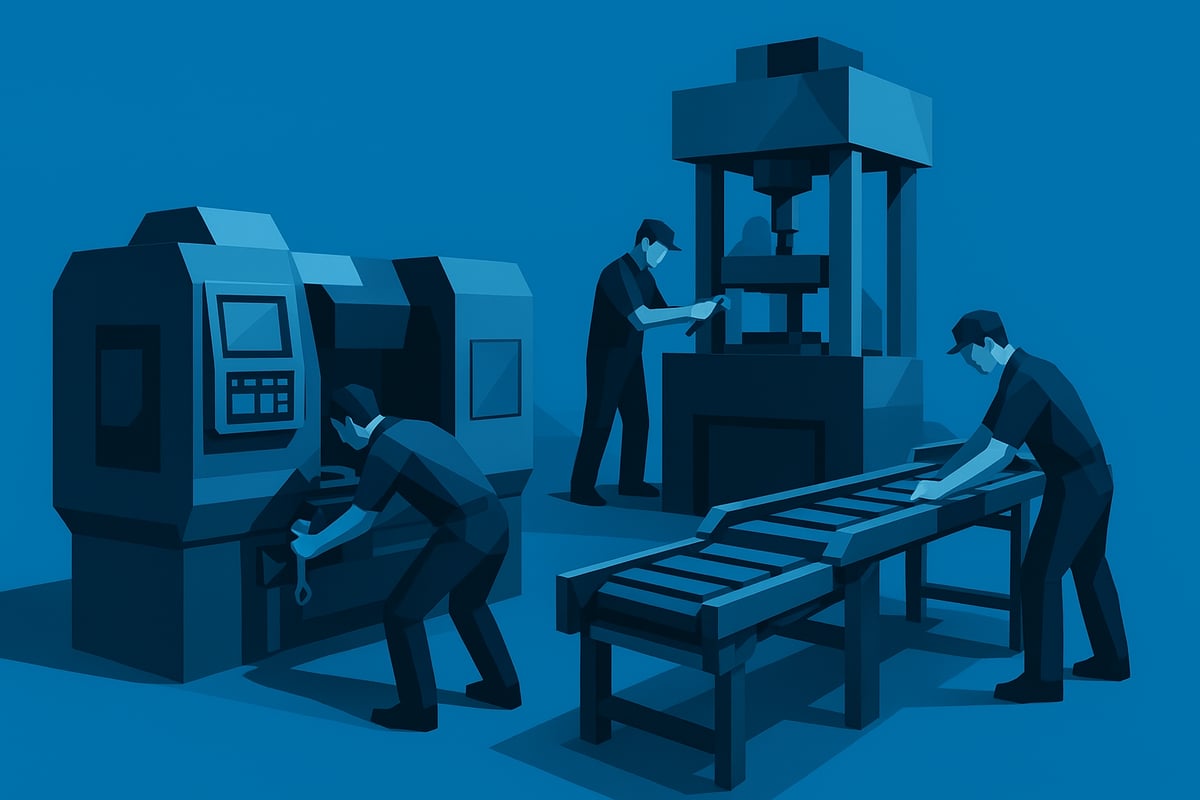
Step-by-Step Guide to Industrial Machinery Refurbishment
Industrial machinery refurbishment and maintenance is a structured process that restores equipment to peak performance, extends operational lifespan, and ensures regulatory compliance. By following a step-by-step methodology, organizations can maximize return on investment and minimize costly downtime. Here is a comprehensive walkthrough of the essential phases involved.
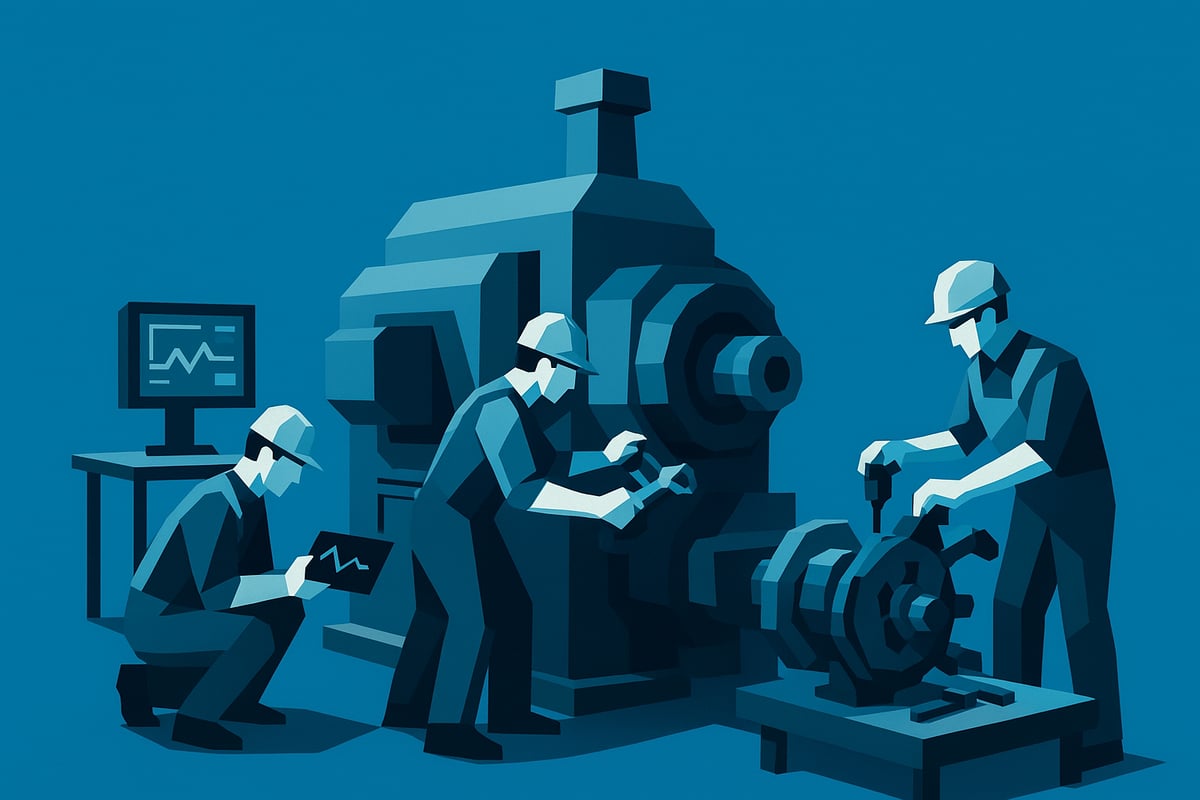
Step 1: Initial Assessment and Documentation
The refurbishment journey begins with a thorough assessment. Visual inspections identify surface wear, corrosion, and physical damage. Operational tests reveal performance deviations, abnormal noises, or vibration issues. Digital diagnostics, including sensor data analysis and thermal imaging, provide insights into hidden faults.
Technicians document all findings in detailed reports. Baseline performance metrics are established using digital twin technology, allowing for precise before-and-after comparisons. Accurate documentation is crucial for tracking progress and ensuring future compliance.
This meticulous approach ensures the industrial machinery refurbishment and maintenance process starts with a clear understanding of the equipment's true condition.
Step 2: Disassembly and Cleaning
Safe disassembly is essential to prevent additional damage. Specialists follow manufacturer protocols, using labeled containers for parts and capturing photos to guide the reassembly phase. Each component is carefully removed, inspected, and categorized by condition.
Cleaning follows, using methods tailored to the machinery type and contamination level. Solvent baths, ultrasonic cleaners, or high-pressure washing remove grime, oil, and corrosion. Clean components are then dried and stored in a controlled environment.
By integrating these best practices, industrial machinery refurbishment and maintenance minimizes contamination risks and ensures a smooth workflow.
Step 3: Component Evaluation and Replacement
Once disassembled and cleaned, each part undergoes rigorous evaluation. Bearings, seals, and hydraulic systems are tested for wear and tolerance. Non-destructive testing methods, such as dye penetrant or ultrasonic inspection, detect subsurface cracks or weaknesses.
When critical components are beyond repair, technicians source OEM replacements or custom-fabricated alternatives. For example, refurbishing hydraulic systems in aggregate processing plants often requires specialized services like custom hydraulic cylinder repair to restore functionality and safety.
This detailed focus ensures industrial machinery refurbishment and maintenance results in reliable, high-performance equipment.
Step 4: Upgrades and Modernization
Modern refurbishment goes beyond simple restoration. Retrofitting with IoT sensors enables real-time monitoring of temperature, vibration, and pressure. Automation upgrades, such as programmable logic controllers (PLCs) and safety interlocks, enhance operational efficiency.
Energy-efficient motors and drives can be integrated to reduce power consumption. These upgrades are tailored to the equipment's role and the client’s production goals, ensuring compliance with evolving industry standards.
Upgrading during industrial machinery refurbishment and maintenance not only improves reliability but also positions assets for future demands.
Step 5: Reassembly and Calibration
Precision is the priority during reassembly. Technicians follow step-by-step guides, using calibrated tools to ensure correct torque and alignment. Bearings are seated with attention to manufacturer tolerances, and seals are installed to prevent leaks.
Once assembled, the machinery undergoes calibration against OEM or industry benchmarks. This phase may involve adjusting sensors, aligning shafts, or balancing rotating elements. Proper calibration is vital for achieving optimal performance after industrial machinery refurbishment and maintenance.
Step 6: Testing, Quality Assurance, and Documentation
The final step is comprehensive testing. Functional tests confirm that all systems operate as intended, while safety checks verify compliance with regulations. Load testing may be performed to simulate real-world operating conditions.
Quality assurance teams review all documentation, including maintenance logs and compliance records. This ensures a complete audit trail and supports warranty claims or future inspections.
Thorough final testing and documentation complete the industrial machinery refurbishment and maintenance process, delivering equipment that is reliable, efficient, and ready for extended service.
Best Practices in Industrial Machinery Maintenance
Implementing best practices in industrial machinery refurbishment and maintenance is crucial for maximizing uptime, reducing costs, and extending equipment lifespan. A strategic approach ensures that every asset operates efficiently in demanding industrial environments.
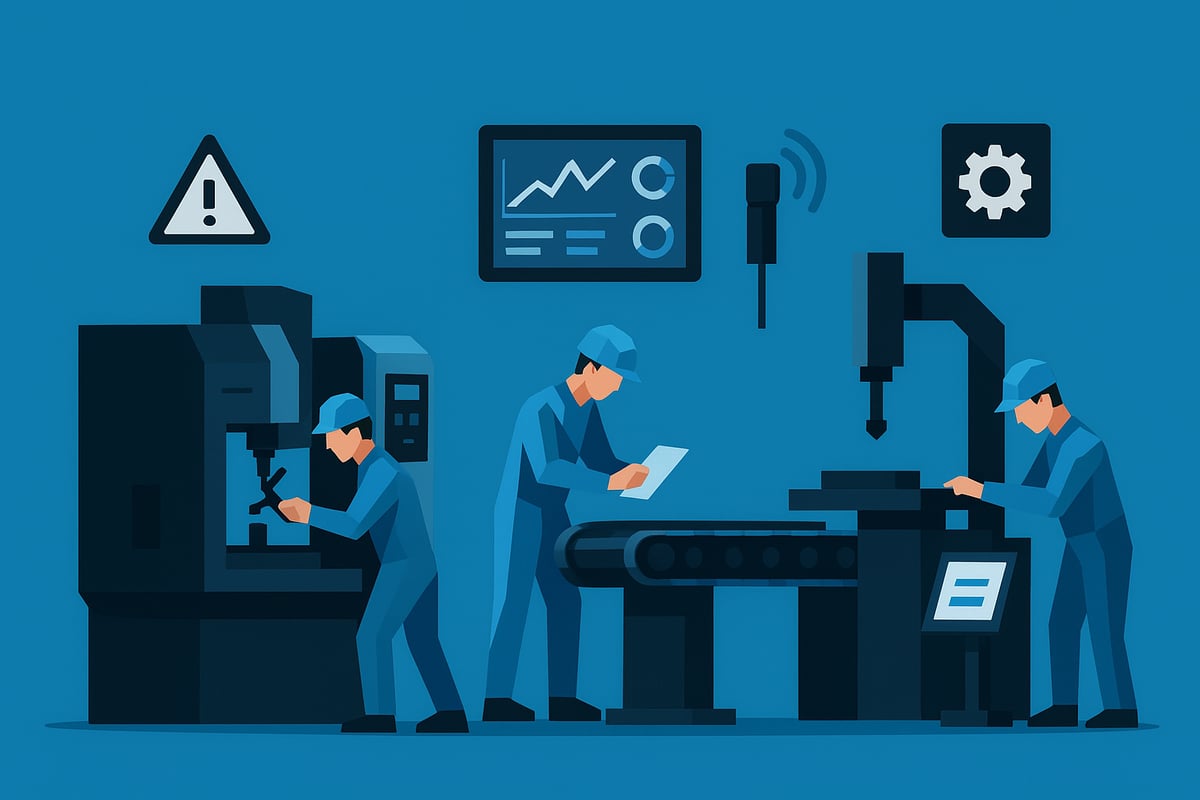
Types of Maintenance Strategies
Selecting the right maintenance strategy is foundational for effective industrial machinery refurbishment and maintenance. Common approaches include:
- Preventive Maintenance: Scheduled interventions to avoid failures.
- Predictive Maintenance: Using real-time data and analytics to anticipate issues.
- Reactive Maintenance: Addressing breakdowns as they occur.
Advancements in AI and IoT enable data-driven planning, allowing teams to predict failures and optimize interventions. For more on current trends like Maintenance as a Service and additive manufacturing, see the Industrial Maintenance Industry Update 2025.
Scheduling and Execution
A robust schedule is essential for industrial machinery refurbishment and maintenance. Effective planning balances production demands with equipment needs.
Develop maintenance calendars based on manufacturer recommendations and machine usage patterns. Integrate just-in-time interventions to minimize disruptions and ensure resources are available when needed.
Regular reviews help adjust schedules in response to operational changes. This proactive approach reduces unplanned downtime and supports continuous improvement.
Lubrication, Cleaning, and Environmental Controls
Proper lubrication and cleaning routines are critical in industrial machinery refurbishment and maintenance. Select lubricants based on load, speed, and environmental factors for each machine.
Routine cleaning prevents dust and debris buildup, which can cause overheating or premature wear. Implement dust control measures, especially in aggregate processing or recycling operations, to maintain optimal performance.
Environmental controls, such as humidity regulation, further protect sensitive components, supporting long-term reliability.
Staff Training and Safety Protocols
Ongoing training is a cornerstone of successful industrial machinery refurbishment and maintenance programs. Equip technicians and operators with up-to-date knowledge on new systems, sensors, and digital tools.
Implement safety protocols like lockout/tagout to prevent accidents during servicing. Regular safety briefings and hands-on workshops reinforce best practices and foster a culture of accountability.
Well-trained teams are more efficient and responsive, reducing risk and improving outcomes.
Maintenance Documentation and Compliance
Accurate documentation is vital for industrial machinery refurbishment and maintenance. Maintain digital records of inspections, repairs, and upgrades to support audits and warranty claims.
Use standardized templates for consistency. For example:
Date: [YYYY-MM-DD]
Machine ID: [Asset Number]
Service Performed: [Inspection, Repair, Upgrade]
Technician: [Name]
Observations: [Details]
Next Scheduled Maintenance: [Date]
Stay updated on OSHA and industry-specific standards to ensure ongoing compliance and operational safety.
Measuring Maintenance Performance
Tracking performance metrics helps optimize industrial machinery refurbishment and maintenance efforts. Key indicators include:
| KPI | Description | Target Value |
|---|---|---|
| MTBF | Mean Time Between Failures | > Industry Avg |
| MTTR | Mean Time To Repair | < 2 hours |
| Uptime | Equipment Availability | > 98% |
Benchmark these metrics against industry averages to identify improvement areas and justify investments in new technologies or training.
Cost Analysis: Refurbishment vs. Replacement in 2026
When evaluating industrial machinery refurbishment and maintenance, understanding the full financial picture is essential. Decision-makers must weigh both immediate and long-term costs to determine the most economical path forward.
Total Cost of Ownership (TCO) Comparison
A thorough cost analysis begins with Total Cost of Ownership. TCO includes not only the purchase price but also installation, operational expenses, maintenance, and residual value over time.
| Factor | Refurbishment | Replacement |
|---|---|---|
| Upfront Cost | Lower | Higher |
| Downtime | Shorter | Longer |
| Lifecycle Value | Extended | Reset |
| Environmental Cost | Reduced | Increased |
According to the Industrial Machinery Remanufacturing Market Report, market demand for remanufacturing and refurbishment is projected to rise sharply through 2026, fueled by cost savings of up to 40 percent compared to new equipment. In most cases, industrial machinery refurbishment and maintenance can deliver substantial savings while maintaining reliability.
Factors Influencing Cost Decisions
Several factors affect whether industrial machinery refurbishment and maintenance or complete replacement makes sense. Equipment age is a primary consideration; older machines may need more extensive upgrades or specialized parts. Usage intensity also plays a role, as heavily used assets might require deeper refurbishment.
Technological obsolescence is another key factor. If a machine cannot be updated to meet modern standards or integrate with new systems, replacement may be the only option. The availability of skilled labor and parts further influences costs, as sourcing obsolete components or expertise can impact timelines and budgets for industrial machinery refurbishment and maintenance.
Financial Incentives and Sustainability Considerations
Many governments now offer grants and tax credits to encourage sustainable practices in industrial machinery refurbishment and maintenance. Incentives can include direct funding for refurbishment projects or tax deductions for extending equipment life.
Environmental, Social, and Governance (ESG) criteria are also driving more companies to choose refurbishment over replacement. By reducing waste and limiting the need for new raw materials, businesses not only save money but also improve their ESG profiles. This approach aligns with growing regulatory and investor demands for sustainable industrial operations.
Real-World Examples
Case studies consistently show the value of industrial machinery refurbishment and maintenance. For example, an aggregate plant facing conveyor failure compared the costs of a new system to a comprehensive refurbishment. The refurbishment route delivered a 35 percent savings, reduced downtime to less than a week, and extended the conveyor's life by several years.
Industry reports confirm similar trends across sectors, including recycling and oil and gas. These practical examples highlight how a strategic approach to industrial machinery refurbishment and maintenance can optimize both operational budgets and equipment longevity.
Partnering with Industrial Refurbishment and Maintenance Experts
Selecting the right partner for industrial machinery refurbishment and maintenance is essential for maximizing equipment performance and minimizing costly downtime. A reliable provider brings not only technical expertise but also a track record of safety, regulatory compliance, and proven results across your industry sector.
Selecting the Right Service Provider
When evaluating service partners for industrial machinery refurbishment and maintenance, consider several key criteria. Look for companies with extensive experience, industry certifications, and positive customer reviews. Assess their ability to offer both field and shop services, as flexibility can be crucial for urgent repairs or large-scale projects. Review their safety record and confirm that their technicians are well-trained in current best practices.
A provider’s understanding of your specific equipment type and sector is vital. For example, those with a background in recycling, aggregate, or oil & gas industries can better anticipate unique operational challenges. Always verify that the provider can source or fabricate obsolete parts, ensuring compatibility and compliance with modern systems.
LTJ Industrial Services: Your Partner for Industrial Machinery Refurbishment and Maintenance
LTJ Industrial Services stands out in the industrial machinery refurbishment and maintenance field, offering specialized welding, fabrication, machining, and hydraulic expertise. Their teams deliver both shop and onsite field services throughout the Western United States, minimizing client downtime while maintaining the highest quality and safety standards.
LTJ provides custom solutions for clients in recycling, aggregate, and oil & gas sectors. Their capabilities extend to advanced fabrication, as detailed in their industrial fabrication services overview, enabling precise restoration and upgrades for a wide range of machinery. Their commitment to quality workmanship and regulatory compliance ensures long-term operational reliability for every client.
Collaboration and Communication
Effective industrial machinery refurbishment and maintenance projects rely on clear collaboration and communication between the client and service provider. Start by setting a detailed project scope, including performance expectations, safety requirements, and timelines. Regular progress updates and transparent reporting help prevent misunderstandings and keep projects on track.
It is also important to establish protocols for handling unexpected issues, such as the discovery of hidden damage or sourcing delays. Open communication allows both parties to adapt quickly and maintain alignment on project goals, ensuring successful outcomes and regulatory compliance.
Long-Term Maintenance Partnerships
Building an ongoing relationship with a trusted service provider delivers significant advantages for industrial machinery refurbishment and maintenance. Long-term agreements provide priority access to emergency support, rapid response for breakdowns, and proactive maintenance scheduling to reduce unplanned downtime.
These partnerships also enable continuous improvement, as providers gain in-depth knowledge of your equipment and operational needs. Over time, this leads to optimized performance, extended machinery lifespan, and better cost control. Investing in a collaborative, long-term approach ensures your operation remains resilient and competitive in 2026 and beyond.
Industrial Machinery Refurbishment: Definitions & Trends for 2026
Staying ahead in industrial machinery refurbishment and maintenance means embracing new technologies and strategies. As 2026 approaches, companies that adapt to digital innovation will secure lasting advantages in uptime, efficiency, and cost control.
Predictive Maintenance and AI Integration
Predictive maintenance is rapidly transforming industrial machinery refurbishment and maintenance. By leveraging machine learning algorithms, companies can forecast potential failures before they occur. IoT sensors continuously gather data from equipment, allowing AI to identify subtle patterns and schedule interventions at the optimal time.
This approach minimizes unplanned downtime and extends equipment lifespan. For example, oil and gas pump stations now use AI-driven monitoring systems to predict anomalies, preventing costly breakdowns. Investing in predictive analytics ensures that industrial machinery refurbishment and maintenance programs remain proactive rather than reactive.
Automation and Robotics in Maintenance
Automation and robotics are reshaping how facilities approach industrial machinery refurbishment and maintenance. Drones now perform aerial inspections of hard-to-reach assets, while robotic arms handle precision repairs and repetitive tasks. This reduces human error, improves safety, and accelerates project timelines.
Maintenance teams benefit from increased accuracy and efficiency as robots take on dangerous or labor-intensive jobs. The integration of automation with skilled human oversight leads to higher reliability and reduced operational risks.
Digital Twins and Remote Monitoring
Digital twins create virtual replicas of physical machinery, providing real-time insights during industrial machinery refurbishment and maintenance. These models allow teams to simulate changes, troubleshoot remotely, and optimize performance with accurate data.
Remote monitoring streamlines asset management by enabling instant alerts and diagnostics. For organizations with distributed operations, adopting frameworks like the Innovative Distributed Maintenance Concept Study helps coordinate maintenance across multiple locations, improving response times and resource allocation.
Sustainability and Circular Economy Initiatives
Sustainability is a driving force behind modern industrial machinery refurbishment and maintenance strategies. Companies are designing equipment for easy disassembly and recyclability, aligning with circular economy principles. These efforts reduce waste, cut emissions, and comply with evolving regulations set for 2026.
Environmental stewardship enhances brand reputation and can unlock new financial incentives. Adopting sustainable practices future-proofs operations and meets the demands of regulators and customers alike.
Training and Workforce Development
Advanced technologies require a skilled workforce. Ongoing training ensures technicians can manage AI systems, robotics, and digital twins in industrial machinery refurbishment and maintenance. Partnerships with technical schools and industry organizations help bridge the skills gap.
Investing in workforce development keeps teams agile and prepares them for future innovations. Continuous learning is essential for maintaining safety, compliance, and operational excellence.
As you look to boost efficiency and reliability in your industrial operations, staying ahead with proactive refurbishment and maintenance strategies is key. This guide has walked you through the latest trends, best practices, and cost-saving opportunities for 2026, all designed to help your business thrive. If you’re ready to extend the life of your equipment and reduce downtime, now is the perfect time to take the next step. Let’s work together to create a solution tailored for your needs—Request a Quote and see how LTJ Industrial Services can support your goals.