
The demand for custom metal stair and railing fabrication commercial projects is set to surge, with industry experts projecting significant growth by 2026. As businesses strive to create safer, more visually striking spaces, the need for tailored, code-compliant solutions has never been higher.
This expert guide is designed for commercial property owners, architects, and contractors who want to achieve durable, safe, and visually impressive results. In the coming sections, you'll learn about the entire fabrication process, explore cutting-edge design trends for 2026, and understand key compliance factors.
Discover how to select the right materials, finishes, and partners for your project. Ready to transform your commercial space? Read on for essential insights and actionable steps.
The Role of Custom Metal Stairs and Railings in Modern Commercial Architecture
The landscape of commercial architecture is being rapidly reshaped by the surge in custom metal stair and railing fabrication commercial solutions. As businesses pursue both aesthetic distinction and lasting value, metalwork is front and center in modern design strategies. This section explores how custom metal stair and railing fabrication commercial projects have evolved, the benefits they deliver to businesses, the current market momentum, and the critical compliance factors driving industry standards.
Evolution of Metalwork in Commercial Design
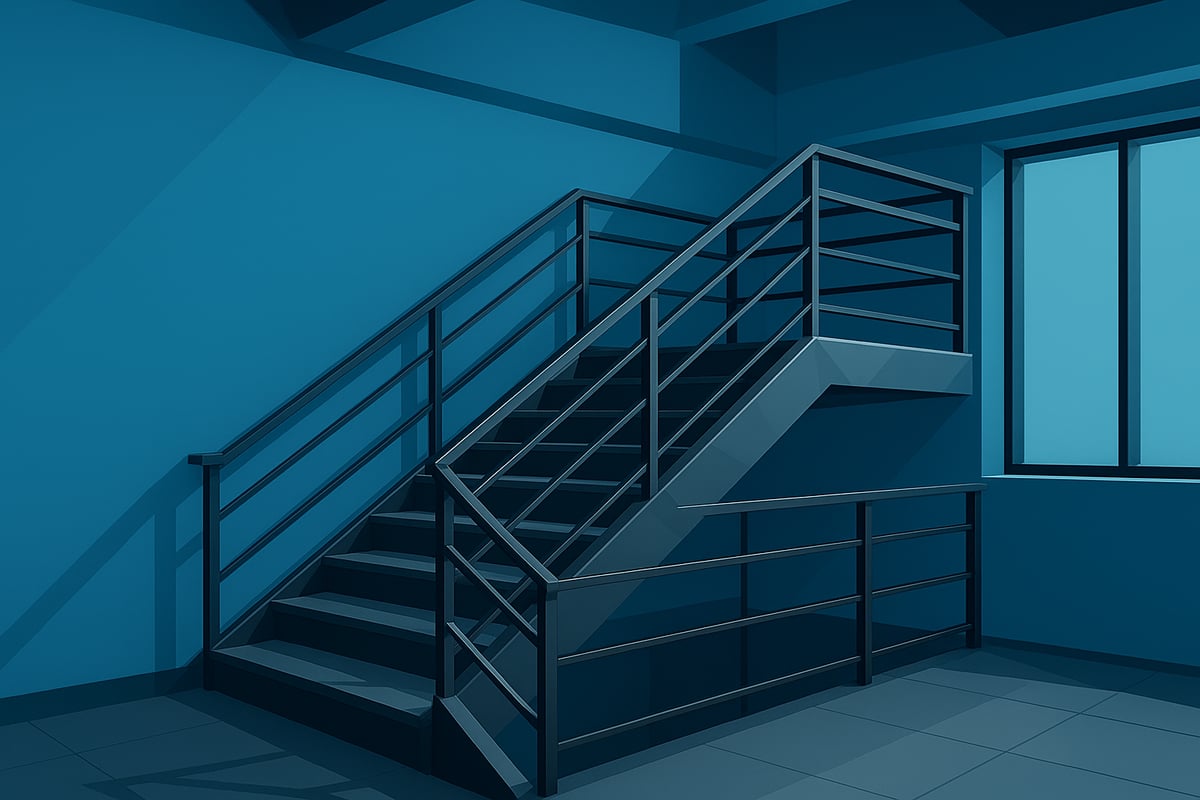
Over the past century, the shift from traditional wood and concrete to metal has redefined stair and railing systems in commercial spaces. Early commercial buildings relied on heavy materials that limited design possibilities. Today, custom metal stair and railing fabrication commercial practices support architectural visions that are lighter, more open, and structurally advanced.
Industrial and minimalist design trends have played a significant role in this shift. Clean lines, exposed metal elements, and open frameworks are now hallmarks of contemporary commercial interiors. Iconic examples include tech campuses, art museums, and high-rise office towers, where custom metalwork is integral to both function and visual impact.
For those interested in a deeper dive into these design trends and their practical implications, the Commercial Fabrication Expert Guide offers valuable insights into the evolution and future of metalwork in commercial settings.
Benefits of Custom Fabrication for Businesses
Custom metal stair and railing fabrication commercial approaches offer tangible advantages over prefabricated options. Durability tops the list, as custom metalwork is engineered for heavy use and longevity, outperforming off-the-shelf components.
Design flexibility is crucial for businesses aiming to express unique branding or meet specific spatial challenges. Custom solutions allow for integration with corporate colors, logos, or architectural motifs, enhancing the overall environment.
Safety is another major benefit. Features like tailored handrails, anti-slip surfaces, and precise fit help ensure compliance and reduce liability. The result is a safer, more attractive property that appeals to tenants and visitors alike, often increasing real estate value in competitive markets.
Current Market Demand and Industry Growth
Recent data from Dodge Data & Analytics confirms steady growth in commercial construction spending, with an increasing share dedicated to custom metal stair and railing fabrication commercial projects. Businesses are prioritizing code compliance, ADA accessibility, and sustainable building practices.
Case studies reveal that companies investing in custom solutions enjoy operational advantages. These include reduced maintenance costs, improved tenant satisfaction, and a distinctive brand presence. The demand for bespoke, high-performance metalwork is expected to accelerate as more organizations recognize its long-term value.
Key Compliance and Safety Considerations
Meeting compliance standards is non-negotiable in commercial environments. Both OSHA and IBC set forth detailed requirements for stairs and railings, covering dimensions, load capacities, and accessibility. Local building codes may impose additional regulations, making regular inspections essential.
Common compliance pitfalls include incorrect handrail heights, insufficient tread depths, or improper anchoring. Custom metal stair and railing fabrication commercial providers address these challenges by engineering solutions tailored to exact specifications, ensuring every installation passes inspection and supports occupant safety. This focus on compliance not only protects businesses legally but also demonstrates a commitment to quality and responsibility.
Step-by-Step Process: Custom Metal Stair and Railing Fabrication
Embarking on a custom metal stair and railing fabrication commercial project requires clear planning and expert execution. Understanding each phase of the process helps property owners, architects, and contractors minimize risk, maximize value, and ensure compliance. Here is a detailed step-by-step guide to achieving a successful outcome.
Step 1: Initial Consultation and Needs Assessment
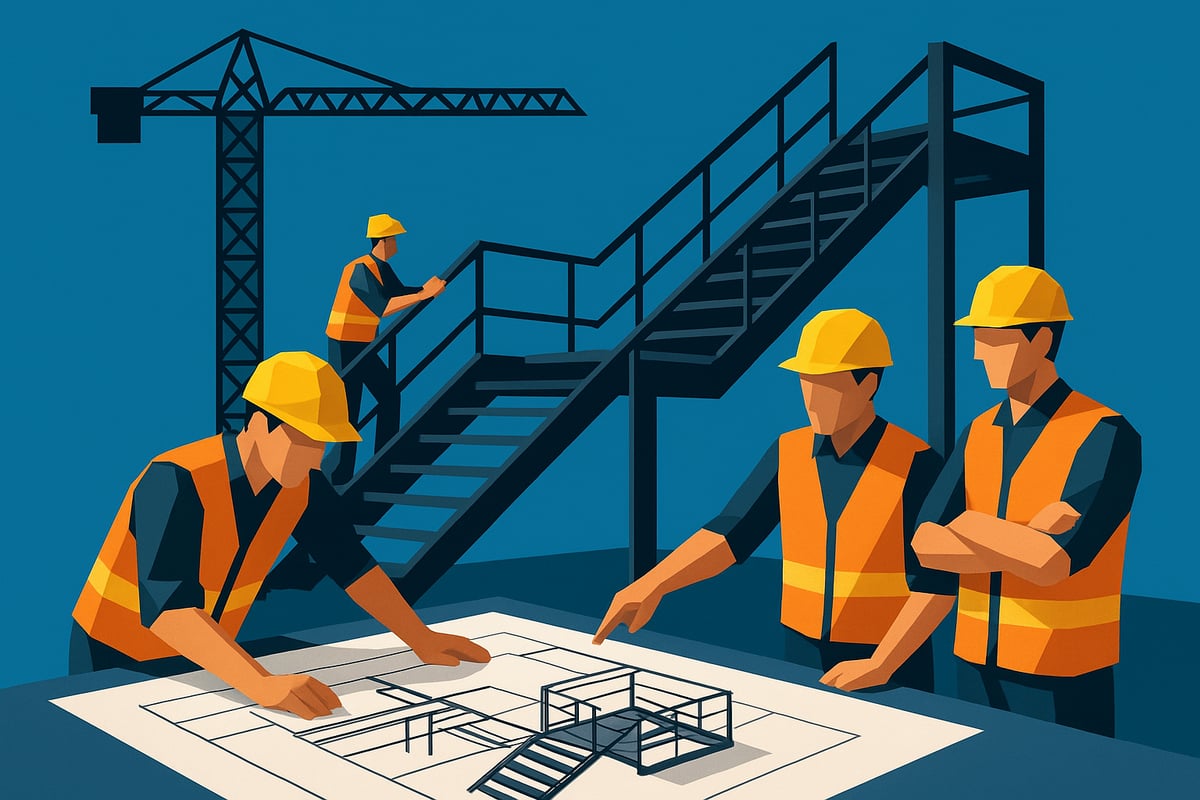
Every successful custom metal stair and railing fabrication commercial project starts with a thorough consultation. The process begins by gathering critical information from the client, including site measurements, business objectives, and design preferences. Early involvement of key stakeholders—such as property owners, architects, and fabricators—ensures that all requirements are accounted for.
During this phase, teams clarify project scope and identify any unique needs. Site visits and walkthroughs are often conducted to evaluate conditions and assess challenges. This collaborative approach helps establish realistic goals and timelines for the custom metal stair and railing fabrication commercial process.
Key activities include:
- Discussing architectural vision and functional needs
- Reviewing safety, code, and accessibility requirements
- Documenting site dimensions and constraints
Establishing clear communication at this stage lays the foundation for a seamless fabrication journey.
Step 2: Design and Engineering
Once needs are defined, the design and engineering phase transforms ideas into actionable plans. Advanced CAD modeling and 3D visualization tools allow teams to create detailed renderings of the proposed stair and railing systems. These models enable precise planning and help clients visualize the final product within their commercial space.
Structural calculations are performed to ensure the custom metal stair and railing fabrication commercial solution will meet load-bearing and safety requirements. Engineers integrate code compliance—such as OSHA and IBC standards—into the design from the outset.
Key design considerations:
- Incorporating safety features like handrails, non-slip treads, and guardrails
- Ensuring ADA accessibility where required
- Aligning design with branding or architectural themes
This phase bridges the gap between vision and reality, ensuring that the final product is both functional and visually compelling.
Step 3: Material Selection and Sourcing
Material selection is a pivotal step in custom metal stair and railing fabrication commercial projects. The choice between steel, aluminum, stainless steel, or specialty alloys depends on factors such as load requirements, environmental exposure, budget, and desired aesthetics.
A comparison table can clarify options:
| Material | Pros | Cons |
|---|---|---|
| Steel | High strength, cost-effective | Prone to corrosion |
| Stainless Steel | Corrosion-resistant, modern look | Higher cost |
| Aluminum | Lightweight, versatile, rustproof | Lower load capacity |
| Specialty Alloys | Custom properties, unique finishes | Expensive, longer lead time |
Teams often prioritize sustainable and locally sourced materials to support green building initiatives. The selected materials are matched with finishes that enhance durability and align with the overall design.
Effective sourcing ensures the right balance between performance, cost, and environmental impact.
Step 4: Fabrication and Quality Control
With materials in hand and plans finalized, the fabrication process begins. Skilled technicians use advanced technologies, such as CNC machining, waterjet, and plasma cutting, to shape components with precision. Welding and assembly follow strict quality protocols to ensure structural integrity.
Throughout this phase, detailed inspections and quality assurance checkpoints are conducted. Fabricators adhere to industry standards and best practices for safety, durability, and finish. To learn more about specialized capabilities for commercial stair and railing projects, explore Custom Metal Fabrication Services.
Quality control measures include:
- Verifying welds and joints for strength
- Checking dimensions against CAD models
- Inspecting finishes for uniformity and protection
A meticulous fabrication process guarantees that the custom metal stair and railing fabrication commercial outcome will stand the test of time.
Step 5: Delivery, Installation, and Final Inspection
The final stage of custom metal stair and railing fabrication commercial projects involves seamless delivery and professional installation. Teams coordinate with site managers to schedule work with minimal disruption to commercial operations.
Installation crews anchor stair and railing systems securely, following engineered plans and safety protocols. After setup, a comprehensive inspection verifies compliance with all building codes and project specifications.
Final steps include:
- Walkthrough with the client to confirm satisfaction
- Providing maintenance guidelines and documentation
- Scheduling future inspections, if required
This step ensures the stair and railing systems are safe, visually appealing, and ready for daily use in demanding commercial environments.
How Custom Metal Stairs & Railings Transform Commercial Architecture
The landscape of custom metal stair and railing fabrication commercial projects is evolving rapidly as we approach 2026. Driven by new technologies, sustainability imperatives, and modern design expectations, the industry is experiencing a transformation. Here is a comprehensive look at the trends and innovations shaping the future of commercial stairs and railings.
Advanced Materials and Sustainable Practices
Sustainability is now a central focus in custom metal stair and railing fabrication commercial projects. Companies are increasingly selecting recycled metals, such as post-consumer steel and aluminum, to reduce environmental impact.
Eco-friendly powder coatings and water-based finishes are replacing traditional paints, lowering VOC emissions and promoting healthier indoor air quality. Many commercial buildings are targeting LEED certification, making green materials and responsible sourcing a priority during fabrication.
Additionally, architects and property owners are specifying metals that offer both durability and recyclability. This approach not only extends the product lifecycle but also positions custom metal stair and railing fabrication commercial initiatives as leaders in environmentally responsible construction.
Digital Fabrication and Smart Technologies
Digital transformation is revolutionizing custom metal stair and railing fabrication commercial workflows. The adoption of Building Information Modeling (BIM) allows for precise 3D modeling, detailed collision detection, and seamless coordination between design, engineering, and fabrication teams.
Automated welding robots and CNC machinery are becoming standard in advanced fabrication shops. These technologies deliver higher accuracy, reduce human error, and accelerate production timelines.
Smart sensors and IoT devices can now be embedded in stair and railing systems for real-time monitoring and predictive maintenance. As a result, custom metal stair and railing fabrication commercial projects benefit from improved safety, efficiency, and long-term asset management.
Design Trends and Aesthetic Enhancements
Modern aesthetics are a driving force behind custom metal stair and railing fabrication commercial solutions. Popular finishes include matte powder coating, brushed patinas, and bold custom colors that align with brand identities.
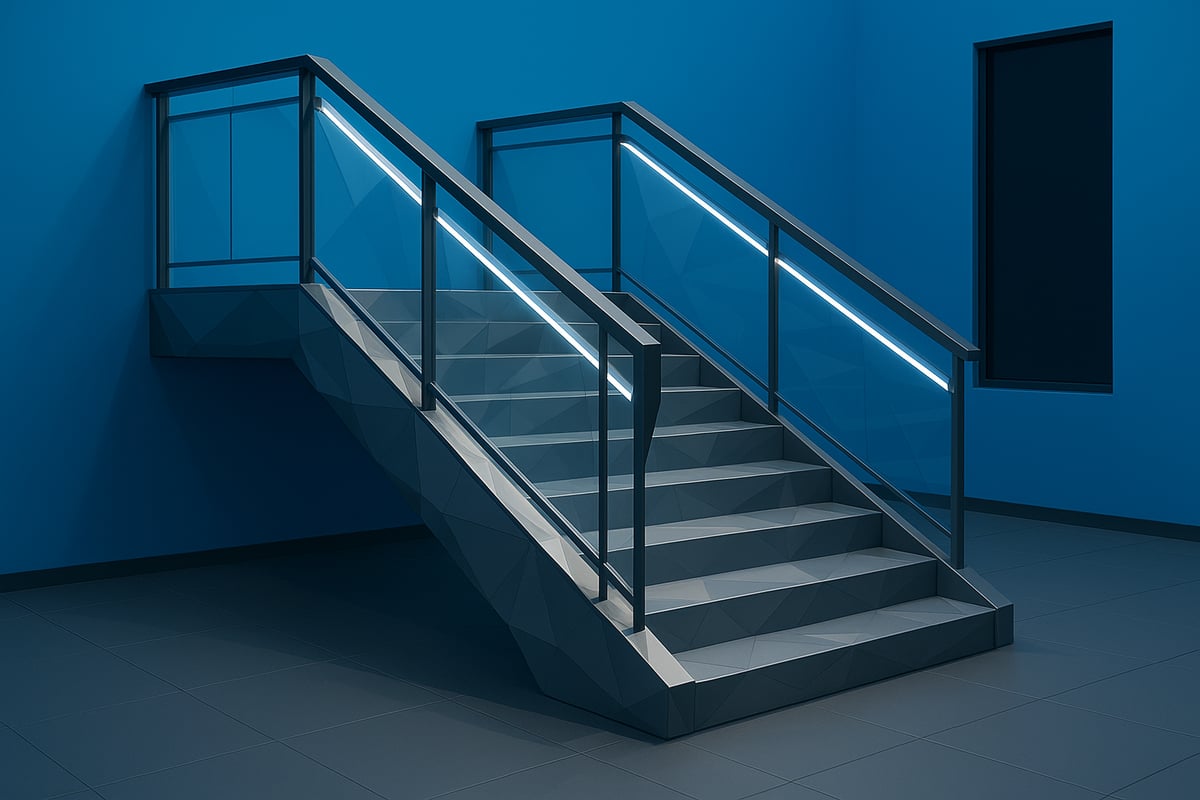
Integration of glass balustrades, cable infill, and LED lighting is on the rise, creating visually striking yet functional installations. Minimalist and industrial styles remain prominent, while biophilic elements, such as incorporating natural wood or plant features, add warmth to metalwork.
For those seeking inspiration, recent aluminum railing trends 2025 provide a glimpse into the material and aesthetic directions influencing 2026 projects. These trends highlight the importance of flexibility and creativity in custom metal stair and railing fabrication commercial work.
Safety and Accessibility Innovations
Safety remains paramount in custom metal stair and railing fabrication commercial environments. Enhanced grip surfaces, such as anti-slip treads and textured handrails, are now standard features to reduce accident risk.
ADA-compliant designs are prioritized, with universal handrail heights, tactile warning indicators, and continuous railings for accessibility. The industry is also adopting more rigorous testing and inspection protocols to ensure every installation meets or exceeds OSHA and IBC standards.
Innovations in modular rail systems and prefabricated safety features allow for faster, more reliable installation without compromising on compliance or durability, further elevating the quality of custom metal stair and railing fabrication commercial offerings.
Case Examples of Award-Winning Commercial Projects
Several award-winning commercial projects exemplify the cutting edge of custom metal stair and railing fabrication commercial excellence. For instance, office towers in urban centers have integrated sculptural staircases with LED-lit railings, boosting tenant satisfaction and property value.
Retail spaces are leveraging custom-fabricated stairs and railings to create memorable customer experiences and reinforce brand identity. Post-installation data consistently shows a reduction in maintenance costs, improved safety records, and positive feedback from building occupants.
These case studies demonstrate how innovation in custom metal stair and railing fabrication commercial applications delivers measurable ROI and sets new standards for design and performance.
Materials, Finishes, and Durability: Choosing What’s Right for Your Commercial Project
Selecting the right materials and finishes is essential for the success of any custom metal stair and railing fabrication commercial project. These decisions affect not only the look and feel of your space but also the long-term durability, safety, and overall lifecycle costs. Understanding your options helps you make informed choices that align with your business needs and architectural vision.
Material Comparison: Steel, Aluminum, Stainless Steel, and Alloys
When it comes to custom metal stair and railing fabrication commercial applications, material selection is a crucial first step. Each metal offers unique properties that impact performance, aesthetics, and maintenance.
| Material | Strength & Load | Corrosion Resistance | Aesthetic Options | Maintenance Needs |
|---|---|---|---|---|
| Steel | Excellent | Moderate | Versatile | Regular checks |
| Stainless Steel | Very High | Superior | Sleek, modern | Low |
| Aluminum | Good | High | Lightweight look | Minimal |
| Specialty Alloys | Varies | Varies | Custom finishes | Project-specific |
Steel is valued for strength and cost-effectiveness, making it a staple for high-traffic areas. Stainless steel stands out for its resistance to moisture and chemicals, ideal for modern commercial environments. Aluminum is preferred where weight and corrosion are concerns, such as exterior stairs. Specialty alloys can be tailored for challenging settings or unique design needs. Always match your choice with project requirements, expected loads, and environmental factors.
Finish Options and Their Benefits
The finish you select for your custom metal stair and railing fabrication commercial project has a direct impact on appearance, durability, and upkeep. Common finishes include powder coating, painting, and galvanizing.
- Powder Coating: Offers vibrant color choices, resists chips and scratches, and provides a uniform, attractive finish.
- Painting: Allows for quick touch-ups and a wide color palette, but may require more frequent maintenance.
- Galvanizing: Adds a protective zinc layer to steel, greatly improving corrosion resistance, especially in humid or outdoor environments.
Choosing the right finish not only enhances visual appeal but also protects your investment from daily wear and environmental damage. For a deeper understanding of fabrication processes and finish integration, see the Fabrication Service Overview.
Durability and Maintenance Best Practices
Ensuring the longevity of your custom metal stair and railing fabrication commercial installation depends on proactive care and tailored maintenance routines. Start with routine inspections to spot any signs of corrosion, loose fittings, or finish wear.
- Clean surfaces regularly using non-abrasive methods.
- Schedule periodic touch-ups for painted or coated areas.
- Address structural issues promptly to maintain code compliance and safety.
The combination of high-quality materials and appropriate finishes can reduce the frequency and cost of repairs. Consider environmental exposure, foot traffic, and cleaning protocols when planning your maintenance schedule.
Real-World Examples
Real-world applications highlight the value of strategic material and finish choices in custom metal stair and railing fabrication commercial projects. For example, a tech campus selected stainless steel with powder-coated railings, resulting in minimal maintenance and a modern aesthetic even after years of heavy use.
Another retail complex opted for galvanized steel outdoors, significantly lowering corrosion-related repairs. Data from these installations show that correct pairing of materials and finishes leads to up to 30% lower annual maintenance costs and consistently high safety ratings throughout the asset’s lifecycle.
By focusing on these best practices and learning from proven installations, you can maximize both the visual impact and functional longevity of your commercial metal stairs and railings.
How to Choose the Right Metal Fabrication Partner for Commercial Stairs and Railings
Selecting the right partner for custom metal stair and railing fabrication commercial projects is essential for long-term success. The right fabricator can ensure safety, compliance, and a flawless finish that elevates your commercial space.
Key Qualities to Look For
When evaluating potential partners for custom metal stair and railing fabrication commercial solutions, prioritize experience with commercial projects and in-depth knowledge of safety standards. A strong portfolio of successful installations demonstrates reliability and craftsmanship.
Look for a team that understands local and national codes. Familiarity with OSHA stairway regulations is a must for any commercial fabricator. In-house engineering and design capabilities provide seamless coordination from concept to installation.
Client testimonials and case studies are valuable indicators of quality and consistency. A reputable fabricator should have a proven track record of delivering projects on time and within budget.
Questions to Ask Potential Fabricators
Before committing, ask direct questions to gauge a fabricator’s suitability for your custom metal stair and railing fabrication commercial needs. Inquire about lead times, project management processes, and warranty coverage.
Request details on post-installation support, maintenance, and the flexibility to accommodate last-minute design changes. Clarify their approach to code compliance and quality control at each project stage.
Ask for customization options and examples of past work that align with your architectural vision. Transparent communication and a willingness to collaborate are crucial for a successful outcome.
The Importance of Local Expertise
Choosing a fabricator with local expertise is vital for custom metal stair and railing fabrication commercial projects. Local partners are familiar with regional building codes and permitting requirements, reducing the risk of costly delays.
They often have established relationships with area suppliers, enabling faster sourcing of materials. This can streamline project timelines and help control costs.
Additionally, local fabricators can provide prompt on-site support and address unforeseen issues quickly. Their understanding of the local business environment ensures your project aligns with community standards and expectations.
LTJ Industrial Services: Your Trusted Partner in Custom Metal Fabrication
For custom metal stair and railing fabrication commercial projects across the Western US, LTJ Industrial Services stands out as a leader in quality and versatility. The company’s expertise covers welding, machining, and fabrication for demanding commercial applications.
LTJ’s skilled team delivers both shop and field services, offering tailored solutions that align with client goals. Their approach to problem-solving allows businesses to focus on growth while LTJ manages the technical complexities.
Explore LTJ’s Welding Services for Commercial Projects to see how their capabilities support safe, durable, and compliant installations. With a track record of excellence in manufacturing, recycling, aggregate, and oil and gas sectors, LTJ delivers results you can trust.
Budgeting, Timelines, and Project Management for Custom Metal Stair and Railing Projects
Navigating the budgeting, timeline, and project management aspects of custom metal stair and railing fabrication commercial projects requires attention to detail and proactive planning. The process is multi-faceted, and understanding each stage helps businesses avoid common pitfalls, control costs, and ensure successful outcomes. Let us break down the critical steps to help you streamline your next project.
Estimating Costs and Avoiding Budget Overruns
Accurate cost estimation is the cornerstone of any custom metal stair and railing fabrication commercial project. Begin by itemizing all anticipated expenses. These typically include:
- Design and engineering fees
- Materials (steel, aluminum, finishes)
- Labor costs for fabrication and installation
- Permitting and inspection fees
- Contingency funds for unforeseen issues
A simple cost breakdown table might look like this:
| Cost Item | Percentage of Total Budget |
|---|---|
| Design/Engineering | 10% |
| Materials | 35% |
| Labor | 40% |
| Permits/Inspections | 5% |
| Contingency | 10% |
Allocate a contingency budget to handle unexpected changes or site conditions. Early collaboration between stakeholders is vital for uncovering hidden costs and ensuring the custom metal stair and railing fabrication commercial process stays on track.
Setting Realistic Timelines
Timelines for custom metal stair and railing fabrication commercial projects can vary widely. On average, expect a duration of 6 to 12 weeks from design to final installation. Factors influencing the timeline include:
- Complexity of the stair and railing design
- Material availability and lead times
- Permitting and code approval processes
- Weather or site constraints
To avoid delays, establish clear milestones early. Frequent progress reviews with your fabrication partner help identify bottlenecks and maintain momentum. Building in buffer time for approvals or unforeseen events is a best practice that supports timely delivery.
Effective Project Management Strategies
Project management is the backbone of a successful custom metal stair and railing fabrication commercial installation. Start with a detailed project plan that outlines:
- Key milestones and deliverables
- Roles and responsibilities for each stakeholder
- Regular communication protocols
Use project management software to track tasks and deadlines. Schedule weekly check-ins to address issues promptly. Transparent communication between architects, contractors, and fabricators ensures alignment and minimizes missteps.
A collaborative approach empowers teams to solve problems proactively and adapt to changes as they arise, resulting in a smoother build process.
Risk Mitigation and Quality Control
Risk management in custom metal stair and railing fabrication commercial projects centers on compliance, safety, and quality. Familiarize yourself with relevant building codes such as OSHA and IBC, and understand how they differ. For a comprehensive comparison, refer to OSHA vs. IBC stair codes.
Schedule routine quality inspections at each fabrication and installation phase. Keep detailed documentation of tests, material certifications, and any corrective actions. Having a dedicated quality control manager ensures that every element meets safety standards and project specifications.
Contingency planning is essential. Identify risks early, whether they are supply chain disruptions or unexpected site issues, and develop response strategies to minimize impact.
Example Project Timeline
A well-structured timeline is a key factor in the success of custom metal stair and railing fabrication commercial projects. Below is a sample project flow that illustrates the typical sequence:
- Initial consultation and needs assessment (Week 1)
- Design, engineering, and approvals (Weeks 2–4)
- Material procurement (Weeks 4–5)
- Fabrication and finishing (Weeks 6–9)
- Delivery and installation (Weeks 10–11)
- Final inspection and client walkthrough (Week 12)
Visual tools like Gantt charts can help stakeholders track progress and adjust as needed. Consistent monitoring ensures that milestones are met, risks are managed, and the project stays within budget and timeline.
As you explore the ins and outs of custom metal stair and railing fabrication, you’ll see just how important the right partner is—one who understands your unique commercial needs, local codes, and the latest innovations for 2026. Whether you’re drawn to sustainable materials, advanced safety features, or a design that elevates your brand, the process starts with a clear conversation about your vision and goals. If you’re ready to take the next step, you can easily [Request a Quote](https://www.ltjindustrial.com/contact_us/) to connect with experts who are committed to delivering quality and reliability for your project.