
Thinking about a fabrication project in 2026? Navigating the process to get an accurate fabrication quote is more critical than ever as costs rise and technology evolves.
This guide will walk you through every step, so you can confidently request, compare, and evaluate quotes for any metal fabrication need. You will learn how fabrication quotes work, what impacts pricing, and how to avoid surprises.
We will break down the quoting process, reveal cost-saving strategies, highlight common pitfalls, and show you how to choose the right partner for your project’s success.
Understanding Fabrication Quotes in 2026
Thinking about a fabrication quote for your next project? Understanding how these estimates work in 2026 is essential for accurate budgeting and successful execution. The process has evolved rapidly, with new technologies, industry trends, and documentation standards reshaping expectations.
What is a Fabrication Quote?
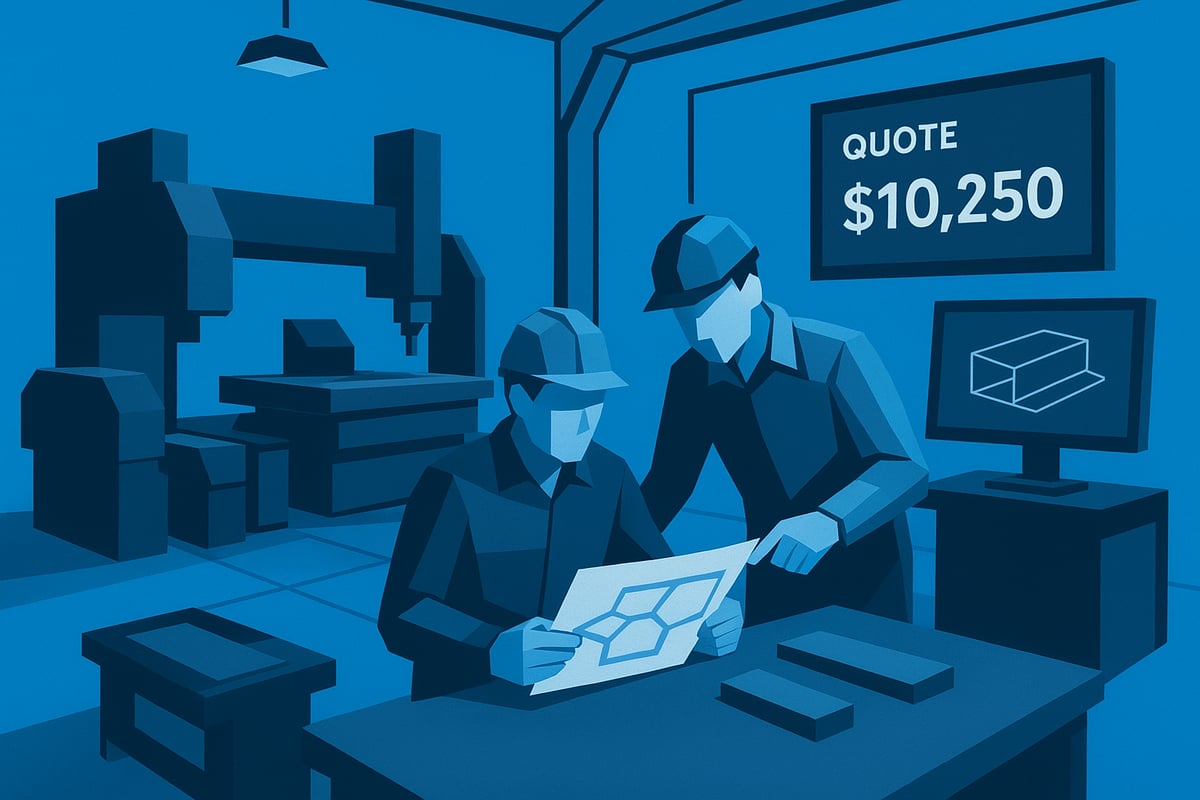
A fabrication quote is a detailed estimate provided by a manufacturer or fabricator. Its purpose is to outline all anticipated costs, timelines, materials, and terms for a specific project.
In 2026, the fabrication quote process has shifted from manual calculations to digital platforms leveraging automation. This means faster turnaround, improved accuracy, and easier comparisons for customers.
Key components of a fabrication quote include:
- Materials and specifications
- Labor and machine time
- Manufacturing processes
- Estimated timelines
- Payment and delivery terms
There are different types of fabrication quote formats: instant quotes generated online, formal written quotes, and fully custom quotes for complex jobs. The accuracy of each fabrication quote directly impacts your project schedule and budget reliability.
Key Industry Trends Impacting Quotes in 2026
Several industry trends are reshaping how a fabrication quote is generated and evaluated. Digital manufacturing platforms and AI-powered quoting tools now process a significant share of requests, making instant feedback and price estimates possible.
Material price volatility and ongoing supply chain disruptions continue to impact quote consistency. The growing need for rapid prototyping and shorter lead times make flexibility essential. Sustainability requirements, such as eco-friendly materials or energy-efficient processes, also influence pricing and project requirements.
According to Geomiq, 35% of all fabrication quotes are now processed through online platforms. For a deeper dive into the latest trends, see the Top 5 Fabrication Trends for 2026.
Types of Fabrication Projects & Quotes
Fabrication quotes vary depending on the type and scale of the project. Common services include:
- Sheet metal work
- CNC machining
- Welding and assembly
- 3D printing and injection molding
Project scale also matters. Prototyping requires different quoting than mass production. For example, a custom enclosure or a machine part for a prototype will be quoted differently from an order of 1,000 industrial assemblies.
The complexity and scope of each fabrication quote will shift based on these project details, influencing both pricing and turnaround time.
Core Elements of a Quote Document
Every fabrication quote should provide a transparent breakdown of its core elements:
| Element | Details Included |
|---|---|
| Materials | Type, grade, and source of metals or plastics |
| Labor & Machine Time | Estimated hours, machine setup, run times |
| Surface Finishes | Coatings, anodizing, plating, special treatments |
| Tolerances & QA | Dimensional specs, inspection criteria |
| Delivery & Warranty | Lead times, shipping, after-sales terms |
A well-structured fabrication quote makes it easy to compare vendors and understand the full scope of work.
The Importance of Accurate Documentation
Clear documentation is critical for an accurate fabrication quote. Detailed drawings, precise specifications, and complete CAD files minimize misunderstandings and unexpected costs.
For example, an incomplete drawing can lead to price swings or delays if fabricators need to request clarifications. Industry best practices recommend including:
- Full 2D/3D CAD files
- All dimensions, tolerances, and material notes
- Specific finish and assembly requirements
Following these practices ensures your fabrication quote reflects your true project needs, reducing the risk of costly errors or rework.
Step-by-Step: How to Request a Fabrication Quote
Navigating the process of requesting a fabrication quote can seem daunting, especially with evolving industry standards and technology in 2026. Breaking down the process into clear, actionable steps will help you secure accurate pricing, avoid costly mistakes, and set your project up for success.
Step 1: Prepare Detailed Drawings and Specifications
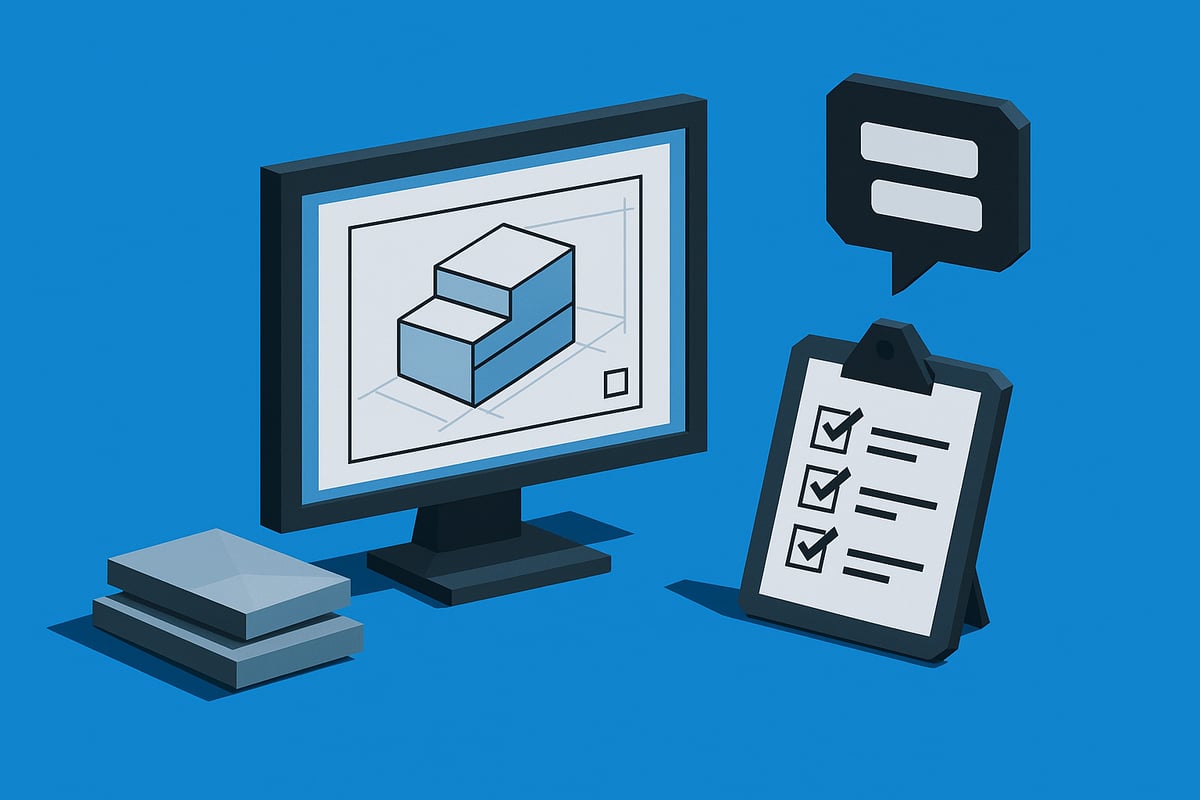
The foundation of an accurate fabrication quote lies in the quality of your technical documentation. In 2026, CAD drawings are widely recognized as the gold standard for fabrication projects. These digital files allow fabricators to analyze every aspect of your design, ensuring precise pricing and manufacturability.
If you don’t have CAD files, detailed hand sketches or annotated PDFs with clear dimensions can suffice, but always aim for clarity. Include all relevant details:
- Overall dimensions
- Locations and sizes of holes or cutouts
- Bends, radii, and angles
- Required tolerances
- Notations for threads or inserts
For example, if you need a sheet metal part with multiple bends and laser-cut openings, your drawing should show each bend line, hole, and critical measurement. This reduces the back-and-forth, speeds up the quoting process, and helps prevent misinterpretation.
A well-prepared drawing ensures your fabrication quote reflects your true requirements, minimizing the risk of costly revisions later.
Step 2: Define Material and Finish Requirements
Material selection is a major factor in determining your fabrication quote. Common choices include steel, stainless steel, aluminum, copper, and various plastics. Each material has its own price point, lead time, and performance characteristics.
Be specific: note the alloy or grade (such as 304 stainless or 6061 aluminum), thickness, and any certifications required. Next, define the finish:
- Powder coating
- Anodizing
- Plating
- Raw or mill finish
For instance, a food-grade part might require stainless steel with a specific surface finish, while an industrial enclosure could use powder-coated mild steel for cost efficiency. Clearly stating your needs allows fabricators to source the right materials and apply suitable finishes, which ensures the fabrication quote is both accurate and comprehensive.
Step 3: Specify Quantity, Production Volume, and Timeline
Quantities and deadlines have a direct impact on your fabrication quote. Large production runs often benefit from economies of scale, as setup costs are spread across more units. In contrast, prototypes or small batches usually carry a higher per-unit cost due to setup and programming efforts.
When requesting your quote, provide:
- Total number of parts required
- Whether this is a one-off prototype or a recurring production run
- Desired delivery date or project timeline
For example, quoting a single prototype versus 1,000 production units will yield very different pricing structures. If you have a firm deadline, mention it upfront so fabricators can assess lead times and factor in any rush charges if necessary. This clarity helps you receive a fabrication quote that aligns with both your budget and schedule.
Step 4: Communicate Special Requirements and Certifications
Many fabrication projects come with unique requirements that must be communicated early. Tight tolerances, assembly steps, or post-processing needs can all affect the fabrication quote.
Be sure to specify:
- Precision tolerances for fit and function
- Assembly or subassembly needs
- Required post-processing (deburring, painting, packaging)
- Quality standards or certifications (ISO9001, ISO13485, etc.)
Industries such as medical or aerospace may demand specific documentation and traceability. Clearly outlining these requirements avoids surprises and ensures your fabrication quote accounts for all necessary steps. For regulated industries, attach any compliance documentation or reference standards to your initial request.
Step 5: Submit Request and Engage with Fabricators
Once your documentation is complete, it’s time to send your fabrication quote request. In 2026, options range from online platforms with instant quoting tools to traditional email or in-person submissions.
When submitting:
- Attach all drawings, material specs, and quantity details
- Summarize any special requirements or certifications needed
- Provide your contact information for follow-up
Prompt, clear communication is key. Ask questions if you’re unsure what details are needed. For tailored projects, exploring Custom Metal Fabrication Services can connect you with fabricators experienced in handling unique requests. Engaging early and openly with your chosen partner helps ensure your fabrication quote is comprehensive and accurate.
Step 6: Review and Compare Quotes Strategically
When you receive multiple fabrication quote responses, take time to review each one carefully. Look for a detailed line item breakdown, including:
- Materials and finishes
- Labor and machine time
- Delivery and logistics
- Any exclusions or special terms
Always compare quotes on a like-for-like basis. If something is unclear or missing, reach out to the fabricator for clarification. Don’t hesitate to ask about differences in price or approach. This step helps you make an informed decision and ensures you select the partner who best aligns with your project goals.
Factors Influencing Fabrication Quote Pricing
Understanding what drives a fabrication quote in 2026 is essential for project managers, engineers, and procurement teams. Multiple variables can affect your final price, ranging from global market forces to the tiniest details in your part design. Let’s break down the most significant factors you should consider when evaluating a fabrication quote.
Material Costs and Market Volatility
Material pricing plays a pivotal role in any fabrication quote. Steel, aluminum, and copper prices fluctuate due to global supply chain pressures, geopolitical events, and shifting demand. For example, steel prices surged over 30% between 2024 and 2025, directly raising fabrication quote totals for many projects.
A quick comparison:
| Material | 2024 Avg. Price ($/lb) | 2025 Avg. Price ($/lb) |
|---|---|---|
| Steel | 0.50 | 0.67 |
| Aluminum | 1.20 | 1.35 |
| Copper | 3.80 | 4.25 |
To manage volatility, some businesses lock in prices or substitute materials when possible. Always confirm how recent market changes are reflected in your fabrication quote.
Labor, Machine Time, and Process Complexity
Labor costs and machine utilization are central to every fabrication quote. Automated CNC machines often reduce labor time but may require skilled programming, while manual welding is labor-intensive and can increase costs based on project complexity.
Processes like laser cutting, plasma cutting, and multi-axis machining each have unique time and cost implications. For instance, a part requiring both CNC milling and skilled manual welding will receive a higher fabrication quote than a simple, machine-only project.
When reviewing your quote, ask for a breakdown of labor and machine time so you can understand where your money is going.
Design Complexity and Tolerances
The intricacy of your design directly impacts the fabrication quote. Complex shapes, tight tolerances, and custom features require additional programming, setup, and quality checks.
Consider two sheet metal parts: one with simple straight cuts, the other with multiple bends and tight hole tolerances. The second will result in a higher fabrication quote, reflecting extra labor and machine adjustments.
Design changes after quoting can also drive up costs, so ensure your documentation is accurate and finalized before requesting a fabrication quote.
Surface Finishing and Post-Processing
Finishes and post-processing steps are common drivers of fabrication quote variation. Options like powder coating, anodizing, and plating add both time and cost, especially when special corrosion resistance or specific aesthetics are required.
For example, a brushed stainless finish for a visible appliance will cost more than a raw mill finish on a hidden bracket. Each finish requires unique preparation and quality control, so be sure to specify your needs clearly.
If you want to explore different finishing options and their impact on the fabrication quote, reviewing a Fabrication Solutions Overview can provide helpful context.
Quantity, Lead Time, and Rush Orders
Order size is a significant factor in your fabrication quote. Larger batches benefit from economies of scale, spreading setup costs over more units and reducing per-part pricing. In contrast, small runs or one-off prototypes carry higher costs per unit.
Lead time also matters. Rush orders—when you need parts fast—often incur premiums due to overtime labor or expedited shipping. To get the best value, plan your project timeline and order in bulk where possible.
Quality Assurance, Certifications, and Compliance
Stringent quality assurance processes and industry certifications add to your fabrication quote. Inspections, documentation, and compliance with standards like ISO9001 or ISO13485 are mandatory for sectors such as medical and aerospace.
For example, a fabrication quote for a medical device part will include the cost of certification and traceability documentation, reflecting the extra steps in production and inspection.
Discuss your quality needs with your fabricator upfront to avoid surprises in your fabrication quote.
Location, Logistics, and Delivery
Where your fabricator is located and how your parts are delivered influence the fabrication quote. Regional differences in labor and material costs, along with shipping fees, can significantly affect your bottom line.
Distributed manufacturing networks may offer savings by producing closer to your site, reducing transit times and costs. Delivery schedules, especially for tight deadlines, can also increase the fabrication quote due to expedited logistics.
Always confirm how delivery and logistics are addressed in your fabrication quote to ensure there are no hidden fees or unexpected delays.
How to Save Money and Avoid Common Pitfalls
Saving money on your next fabrication quote is not just about finding the lowest price. It is about understanding the strategies that drive real value, avoiding common mistakes, and making informed choices at every stage. With the right approach, you can streamline your project, reduce costs, and prevent unnecessary setbacks.
Design for Manufacturability (DFM) Principles
Applying DFM principles to your project is one of the most effective ways to lower your fabrication quote. By simplifying part designs, reducing unnecessary features, and standardizing components, you can cut down on both labor and machine time.
- Involve your fabricator early in the design phase for feedback.
- Eliminate overly tight tolerances unless essential.
- Minimize the number of bends, welds, or complex cuts.
For more in-depth strategies, the Commercial Fabrication Guide 2026 offers practical advice on optimizing designs for efficiency and cost savings. Clear DFM thinking leads to fewer surprises and more predictable quotes.
Material Selection Strategies
Material choice has a direct impact on your fabrication quote. Opting for readily available, standard-grade metals or plastics can help you avoid premium pricing and long lead times.
- Select materials stocked by most suppliers.
- Be open to alternative alloys or thicknesses.
- Consider if a less expensive finish will meet your needs.
For example, using mild steel instead of stainless can significantly reduce costs for non-food-grade projects. Always balance performance requirements against the price and availability of materials.
Batch Production and Order Optimization
Order volume and production planning are key factors in securing a better fabrication quote. Larger batch sizes spread setup costs across more units, lowering the per-part price.
- Consolidate small orders into larger runs when possible.
- Plan for future needs to negotiate volume discounts.
- Ask about price breaks at higher quantities.
A table can help visualize savings:
| Quantity | Setup Cost | Per-Unit Price |
|---|---|---|
| 20 | $400 | $60 |
| 200 | $400 | $12 |
By optimizing your order strategy, you unlock more competitive pricing and streamline production.
Clear Communication and Documentation
Accurate, detailed documentation is essential for getting a precise fabrication quote and avoiding costly misunderstandings. Always provide complete drawings, specifications, and finish requirements up front.
- Use CAD files or clear, dimensioned sketches.
- Specify all holes, bends, and tolerances.
- Include any surface treatment or post-processing needs.
Missing information can result in unexpected costs or project delays. Keep communication lines open and respond promptly to fabricator questions for a smoother quoting process.
Avoiding Common Quoting Mistakes
Many projects run into trouble due to preventable quoting errors. To protect your budget and timeline, steer clear of these frequent pitfalls:
- Underestimating lead times or material availability.
- Forgetting to specify certifications or industry standards.
- Failing to compare quotes on a like-for-like basis.
- Ignoring exclusions or unclear terms in the quote.
Thoroughly review each fabrication quote before committing. Ask questions and clarify any discrepancies to ensure you make the best decision for your project.
Choosing the Right Fabrication Partner in 2026
Selecting the right partner is essential for ensuring your fabrication quote meets both technical and financial project requirements. The landscape in 2026 is more competitive, with new technologies and global pressures shaping expectations. Choosing wisely can mean the difference between seamless delivery and costly setbacks.
Evaluating Fabricator Capabilities and Experience
Start by assessing the technical abilities of your potential fabrication partners. A reliable fabrication quote should reflect genuine expertise in the required processes, such as CNC machining, welding, or water jetting. Check whether the shop has the right equipment and certifications for your project’s complexity.
Industry-specific experience also matters. For instance, fabricators familiar with oil and gas, recycling, or heavy manufacturing are better equipped to anticipate unique challenges. Ask for examples of completed projects similar to yours, and verify their ability to handle both shop and field services for seamless project execution.
Assessing Quality Assurance and Track Record
A fabrication quote is only as trustworthy as the quality systems behind it. Investigate the provider's commitment to quality assurance, including relevant certifications like ISO9001 or ISO13485. Review case studies and client testimonials to gauge their consistency in delivering on time and meeting specifications.
Look for documented processes, inspection protocols, and a clear escalation path for handling issues. For deeper insights into the challenges modern fabricators face, including global competition and labor shortages, consult resources like Manufacturing Quotation Challenges in 2025. This background can help you better interpret what is included in each fabrication quote.
Communication, Support, and Responsiveness
Effective communication is vital throughout the fabrication quote process. Evaluate how quickly and clearly potential partners respond to RFQs and technical questions. Reliable fabricators provide timely updates, clarify ambiguities, and offer proactive support during both quoting and production.
Gauge their willingness to collaborate on design adjustments or troubleshoot unexpected issues. A partner who prioritizes open communication will help prevent costly misunderstandings, ensuring your fabrication quote remains accurate and your project stays on schedule.
Digital Platforms vs. Traditional Fabricators
The rise of digital quoting platforms has transformed how companies obtain a fabrication quote. Instant online tools provide rapid pricing and broad access to global suppliers, offering speed and convenience for straightforward jobs. However, specialized or local services may still be best served by traditional fabricators who can provide personalized attention and on-site support.
Consider your project's complexity, timeline, and need for field services. For high-volume or repeat orders, digital platforms may be efficient. For custom, regulated, or urgent projects, a traditional partner with deep expertise may deliver better results.
Red Flags and Warning Signs
Remain vigilant for warning signs that a fabrication quote may not be reliable. Red flags include:
- Poor or inconsistent communication during the quoting process
- Vague or incomplete quotes lacking detail on materials, labor, or terms
- Absence of certifications or documented quality assurance processes
- Reluctance to provide references, case studies, or documentation
If you encounter any of these issues, proceed with caution. Thoroughly vetting each partner ensures your fabrication quote will support your project's quality, cost, and delivery expectations.
[LTJ Industrial Services: Your Local Fabrication and Machining Partner]
LTJ Industrial Services is your trusted local partner for every fabrication quote, serving commercial and industrial clients across the Western US from their base in Rifle, CO. Their team delivers reliable shop and field solutions, ensuring your project needs are met efficiently and accurately.
With expertise spanning metal fabrication, machining, custom welding, and water jetting, LTJ Industrial Services supports key sectors such as recycling, aggregate, oil and gas, and manufacturing. Their approach to each fabrication quote centers on precision, transparency, and customer satisfaction.
What sets LTJ Industrial Services apart?
- Full-service shop and mobile field support for on-site or in-house projects.
- Advanced capabilities including Precision CNC Plasma Cutting Service, custom welding, and machining.
- Experienced technicians who understand complex fabrication requirements.
- Flexible solutions tailored to unique project demands and tight timelines.
- Commitment to quality, safety, and clear communication throughout the quoting process.
When your project demands a custom fabrication quote for complex or urgent jobs, LTJ Industrial Services helps you avoid common pitfalls and focus on your core business. For a reliable, regionally focused fabrication partner, learn more or request a quote from LTJ Industrial Services.
Advanced Tips for Getting the Best Fabrication Quote in 2026
Securing the most competitive and reliable fabrication quote in 2026 requires more than just submitting a request. By leveraging new tools, building strong partnerships, and staying informed about industry trends, you can gain a distinct advantage. The following advanced strategies will help you optimize every step of the quoting process.
Leverage Digital Quoting Tools and Platforms
In 2026, digital quoting platforms are transforming how you obtain a fabrication quote. These systems allow you to upload CAD files directly, receive instant feedback on manufacturability, and get rapid pricing from multiple suppliers.
Key benefits of using digital quoting tools:
- Automated analysis for design errors or cost drivers
- Faster turnaround compared to manual RFQs
- Easy comparison of specifications and pricing
Some platforms even integrate artificial intelligence to suggest design modifications that could lower your fabrication quote. Embracing these technologies ensures your requests are clear and your quotes are as accurate as possible.
Building Long-Term Relationships with Fabricators
Establishing an ongoing partnership with your fabrication provider pays dividends over time. When you are a repeat customer, fabricators often offer preferential pricing, faster turnaround, and early access to scheduling.
Advantages of a long-term relationship:
- Better understanding of your project needs
- Streamlined communication and fewer misunderstandings
- Opportunities for annual contracts or volume discounts
By consistently working with the same supplier, you can negotiate terms that make each fabrication quote more favorable for your business. This approach also builds trust, which is invaluable during urgent or complex projects.
Preparing for Supply Chain Challenges
Material shortages and volatile lead times can have a direct impact on your fabrication quote. To stay ahead, monitor commodity markets and maintain flexibility in your design specifications.
Practical strategies include:
- Keeping alternative materials in mind when requesting a quote
- Adjusting delivery schedules based on real-time supply chain updates
- Collaborating with your fabricator to identify potential bottlenecks
By preparing for these potential disruptions, you can avoid costly delays and ensure your fabrication quote remains competitive and realistic.
Understanding the Impact of New Technologies
Emerging technologies are rapidly changing the landscape of fabrication quoting. Artificial intelligence, automation, and IoT-driven processes are not only improving speed but also enhancing pricing accuracy. Staying informed about these trends is essential.
For example, AI-powered quoting engines can quickly evaluate complex designs and generate cost-saving suggestions. Additive manufacturing is also broadening the range of feasible project types. To see how these innovations influence quoting, review the 6 Defining Manufacturing Trends of 2026. Staying current ensures your fabrication quote reflects the latest industry capabilities.
Negotiating Terms and Finalizing the Agreement
Once you receive your fabrication quote, take time to review all terms before signing. Clarify payment schedules, warranties, and after-sales support. Ensure the quote includes detailed line items, inspection reports, and clear delivery notes.
Checklist for finalizing your agreement:
- Confirm all technical specs and quantities
- Validate included quality checks and documentation
- Set clear expectations for communication during production
Securing all details at this stage helps prevent surprises and builds a foundation for successful project delivery.
Now that you understand what goes into getting a clear and cost-effective fabrication quote in 2026, you can see how crucial it is to work with a partner who truly understands your industry’s unique demands. Whether you’re planning a complex metal project or need dependable machining and welding support, having the right team by your side makes all the difference. If you’re ready to take the next step and see how our expertise can help your business stay focused on its goals, I invite you to Request a Quote and let’s start building your solution together.