
The world of manufacturing and machining is advancing at a pace never seen before. Companies are embracing new technologies and responding to global changes, fueling remarkable industry growth.
This article uncovers the top trends, groundbreaking technologies, and expert insights that will define manufacturing and machining through 2026. You will gain a clear view of digital transformation, workforce evolution, sustainability initiatives, advanced machining techniques, and what the future holds.
Stay ahead of the curve by understanding these trends. Leverage the latest insights to drive your success in this rapidly changing field.
The State of Manufacturing and Machining in 2026
Manufacturing and machining are experiencing a pivotal transformation in 2026. As industries recover from recent global disruptions, the sector is seeing renewed growth, technological adoption, and evolving workforce demands.
Industry Growth and Economic Impact
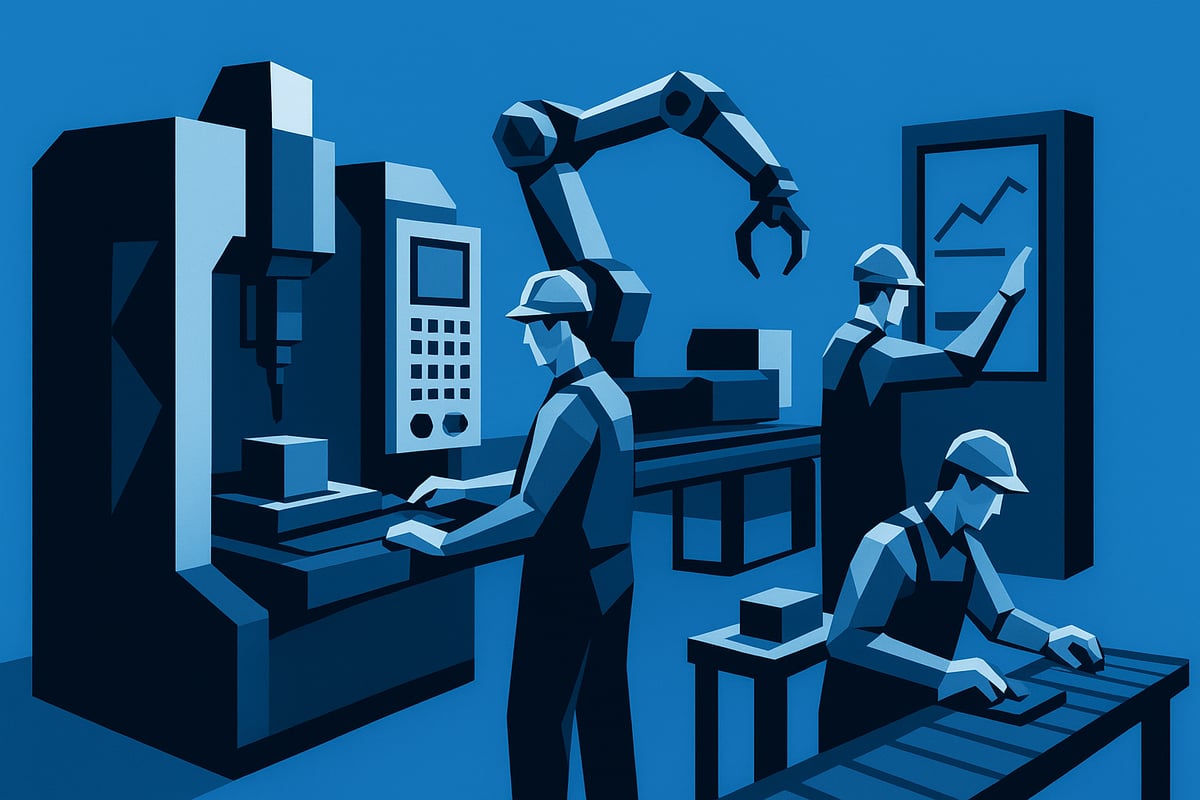
The manufacturing and machining sector is rebounding strongly in 2026, contributing significantly to economic stability and job creation. Regions like Dayton illustrate this resurgence, with over 600,000 open manufacturing positions nationwide and more than 2,400 companies operating locally.
Several factors are fueling this momentum. Reshoring of production, efforts to strengthen supply chain resilience, and a post-pandemic focus on domestic manufacturing have all played key roles. Companies are investing in new technologies and processes to remain competitive, leading to increased demand for skilled talent.
Local communities are benefiting from this growth. For example, recent graduates in Dayton have access to abundant employment opportunities, with many companies offering clear pathways to long-term careers. The sector is not just about jobs but about building sustainable futures for families and communities.
Comparing traditional and modern manufacturing environments reveals striking differences. Traditionally, manufacturing and machining relied on manual labor, repetitive processes, and less automation. Today’s facilities integrate digital systems, robotics, and precision equipment, creating safer and more dynamic workplaces.
| Aspect | Traditional Manufacturing | Modern Manufacturing and Machining |
|---|---|---|
| Technology | Manual tools | CNC, IoT, Robotics |
| Work Environment | Repetitive, labor-intense | Automated, data-driven |
| Career Progression | Limited | Diverse, tech-focused |
| Skill Requirements | Manual | Hybrid digital-manual |
For further perspective on the trends shaping the industry, see 6 Defining Manufacturing Trends Of 2026, which highlights key advancements like AI, generative design, and smart materials. As manufacturing and machining evolve, staying informed of these trends is critical for both businesses and professionals.
Workforce Dynamics and Skills Evolution
The workforce in manufacturing and machining is undergoing significant change. There is a rising demand for professionals who are comfortable with both computer-based technologies and hands-on equipment. This hybrid skillset is crucial to operate and maintain advanced machinery.
Key skills now include:
- Mechanical blueprint reading
- CNC operation and programming
- Metallurgy and material science
- Precision grinding and finishing
Certifications are increasingly important for career advancement. Credentials such as OSHA 10 and HAAS Operator not only enhance employability but also demonstrate a commitment to safety and quality. Many employers prefer or require these certifications for promotions or specialized roles.
Continued education is vital. Workers who pursue ongoing training and display a strong work ethic are more likely to advance quickly. However, the industry still faces challenges, including talent shortages and the need for rapid upskilling as technology evolves.
Manufacturing and machining are poised for further growth, but success depends on bridging the skills gap and embracing lifelong learning. Companies and educational institutions are partnering to provide the necessary training that will keep the workforce ahead of the curve.
Digital Transformation and Smart Manufacturing
The landscape of manufacturing and machining is being reshaped by digital transformation at an unprecedented pace. Factories and machine shops are embracing interconnected systems, automation, and smart analytics to boost productivity and remain competitive. As the sector evolves, digital tools are becoming essential for any company aiming to thrive in the next era of manufacturing and machining.
Rise of Industry 4.0 Technologies
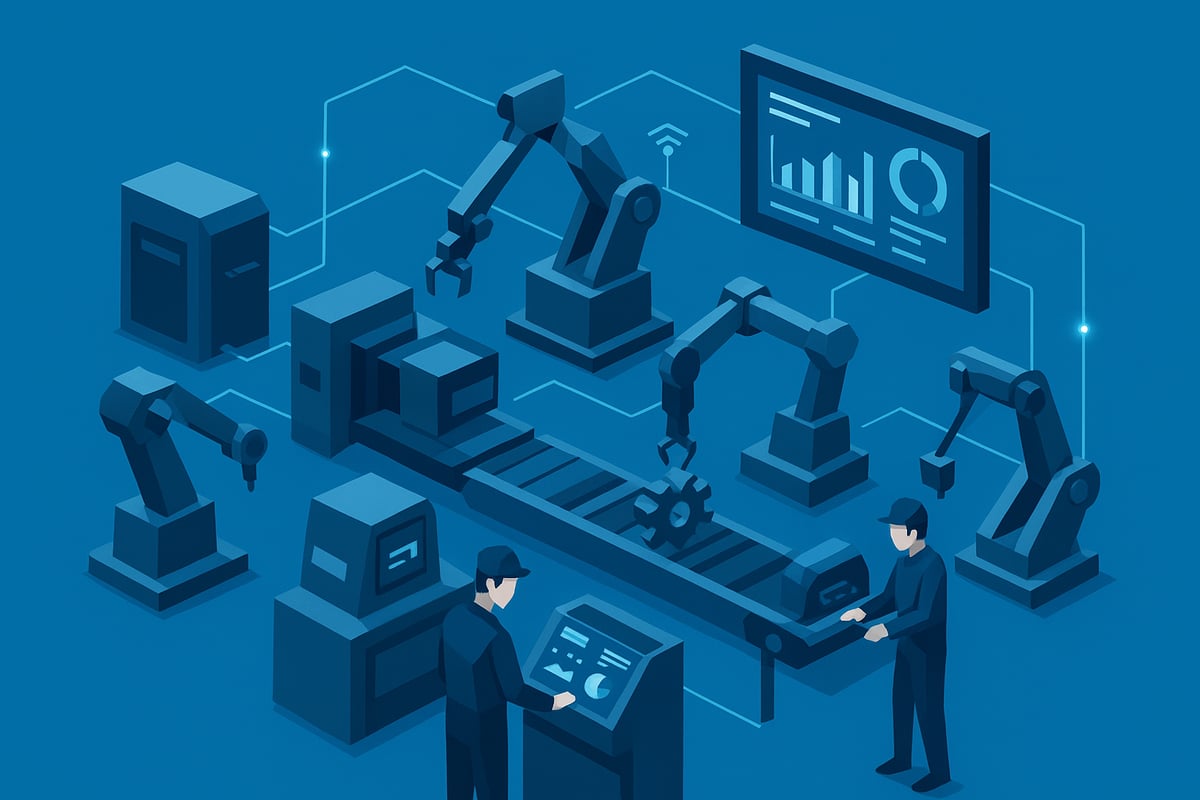
Industry 4.0 is accelerating the transformation of manufacturing and machining by integrating advanced technologies like IoT, AI, and robotics. Sensors now track machine performance in real time, while AI algorithms optimize production schedules and predict maintenance needs. This connectivity leads to smarter operations, reducing downtime and driving efficiency.
Automation is a cornerstone of this revolution. Robotics and CNC programming are automating repetitive tasks, improving quality, and lowering costs. For example, advanced CNC machines can be monitored remotely, allowing operators to make adjustments and troubleshoot instantly. By leveraging these capabilities, companies can maximize throughput without sacrificing precision.
The adoption of Industry 4.0 is not just about machinery. It is a strategic shift that positions businesses to respond faster to market changes and customer demands. According to AI and Agility in Manufacturing Competitiveness, AI-driven agility is now a defining factor for success in manufacturing and machining.
The benefits extend beyond efficiency. Real-world examples show how predictive maintenance, powered by machine learning, minimizes unexpected breakdowns and extends equipment life. As digital transformation progresses, companies that embrace these tools will lead the way in manufacturing and machining innovation.
Cybersecurity and Data Management
With increased connectivity in manufacturing and machining comes a heightened need for cybersecurity and robust data management. As factories digitize their processes, proprietary data and intellectual property become vulnerable to cyber threats. Protecting these assets is now a core component of digital transformation.
Effective cybersecurity strategies include network segmentation, regular vulnerability assessments, and staff training on data protection. Companies must also secure endpoints such as IoT devices and machine controllers, which can be entry points for attackers. Investing in these safeguards ensures business continuity and protects critical manufacturing and machining operations.
Data management goes hand in hand with security. Manufacturers are harnessing digital twins and real-time analytics to optimize production. Digital twins—virtual replicas of physical assets—allow teams to simulate scenarios, predict outcomes, and identify bottlenecks before they impact output. Data-driven decision-making enhances process reliability and quality.
A strong data infrastructure supports compliance with industry standards and customer expectations. By prioritizing cybersecurity and effective data management, organizations solidify their digital foundation for continued growth in manufacturing and machining.
Upskilling for the Digital Era
The shift toward smart manufacturing and machining demands a new set of skills. Today’s workforce must be adept at both traditional hands-on techniques and digital technologies. This dual expertise is shaping the future of manufacturing and machining careers.
Training programs are evolving to meet these needs. Partnerships with community colleges, such as those offering up to 21 semester credits, prepare students for high-tech roles. Work-based learning, including apprenticeships and early placement, blends classroom instruction with real-world experience.
Digital literacy is now as important as technical proficiency. Employees must navigate CNC software, interpret machine data, and troubleshoot automation systems. Certifications in areas like HAAS operation and OSHA safety are increasingly valued by employers, reflecting the blend of digital and manual skills required.
Continuous learning is essential. As technology advances, machinists and technicians must stay current to seize new opportunities for promotion and specialization. Upskilling ensures that professionals remain competitive and adaptable, ready to contribute to the next wave of manufacturing and machining innovation.
Sustainability and Green Manufacturing Initiatives
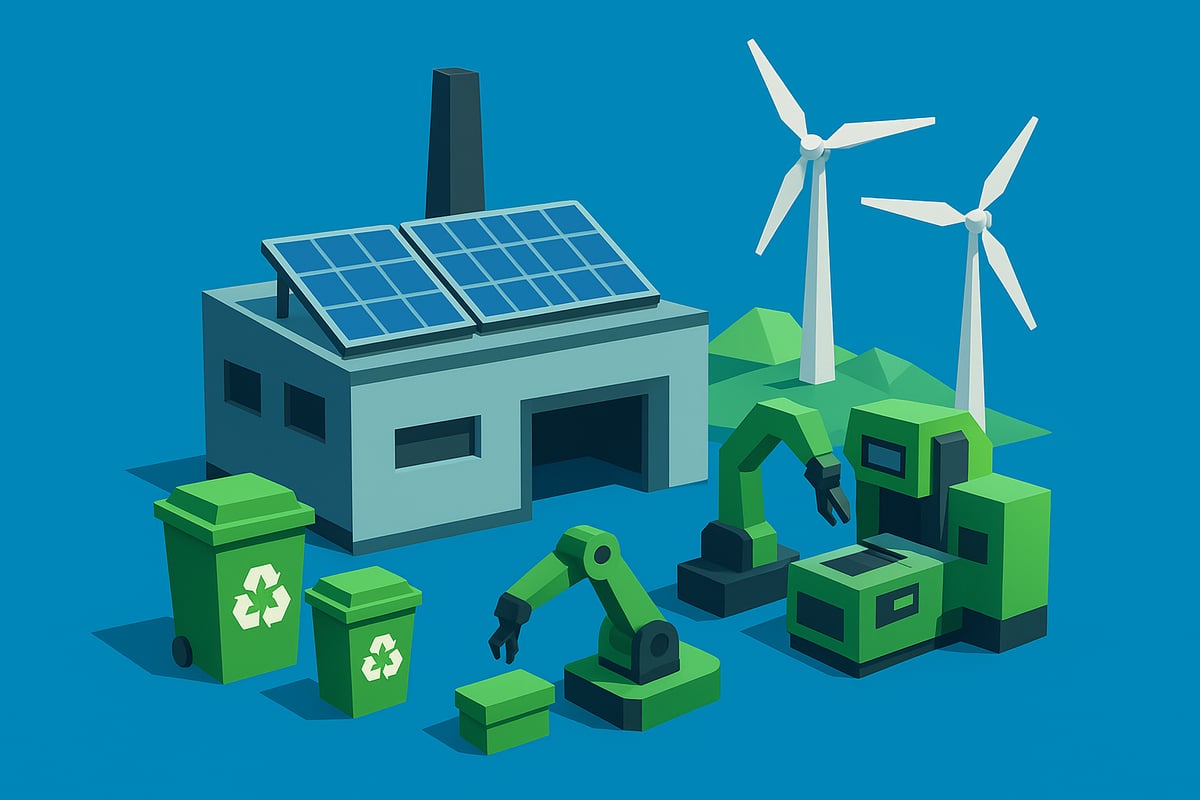
Sustainability is now a driving force in manufacturing and machining, influencing every stage from sourcing to final delivery. As environmental expectations rise, companies are adopting new strategies to reduce their ecological footprint while maintaining productivity and profitability. This shift is not just about compliance but also about securing long-term competitiveness and meeting evolving market demands.
Environmental Regulations and Compliance
Manufacturing and machining operations are increasingly shaped by stricter environmental regulations. Agencies now require detailed tracking of emissions, wastewater, and energy use. New standards impact everything from material selection to equipment maintenance.
To comply, businesses are investing in energy-efficient machinery and upgrading older systems. Many facilities now use variable frequency drives, LED lighting, and high-efficiency motors to cut energy consumption. Sustainable materials, such as recycled metals and bio-based plastics, are also entering production lines.
Regulatory mandates often require regular audits and third-party certifications. ISO 14001, for instance, sets the benchmark for environmental management systems. Companies that prioritize compliance not only reduce risk but also gain a reputation for responsible manufacturing and machining.
Circular Economy and Waste Reduction
The circular economy is transforming how manufacturing and machining companies approach resource management. Rather than following a linear model of use and discard, businesses are designing processes for recycling and material reuse.
Many firms now recover scrap metal, plastics, and lubricants, feeding them back into production. In the recycling and aggregate sectors, companies have pioneered systems that sort, clean, and repurpose materials at scale. These efforts minimize landfill waste and lower raw material costs.
Innovations in sustainable machining are also advancing rapidly. According to Developments in Advanced Sustainable Machining Technologies, new methods enable the creation of complex parts with less waste and energy. By integrating such advancements, manufacturers can meet both regulatory and consumer expectations for greener solutions.
Social Responsibility and Market Demand
Stakeholder expectations for manufacturing and machining are rising, with clients and consumers actively seeking partners committed to sustainability. This trend is evident in procurement policies that favor eco-friendly suppliers and in end-users demanding transparency.
Environmental, social, and governance (ESG) reporting is now a standard practice. Companies document everything from energy use to carbon emissions and fair labor practices. Certifications like LEED, ENERGY STAR, and ISO 50001 help validate these commitments.
Ultimately, companies that embrace social responsibility see tangible benefits. They attract new business, retain top talent, and build stronger relationships with communities. As sustainability becomes integral to manufacturing and machining, organizations that lead in this area are poised for lasting success.
Advanced Machining Techniques and Emerging Materials
The landscape of manufacturing and machining is evolving rapidly, driven by innovation in both processes and materials. Advanced machining now defines industry standards, with new technologies and smarter materials paving the way for greater efficiency, precision, and sustainability.
Precision Machining and Automation
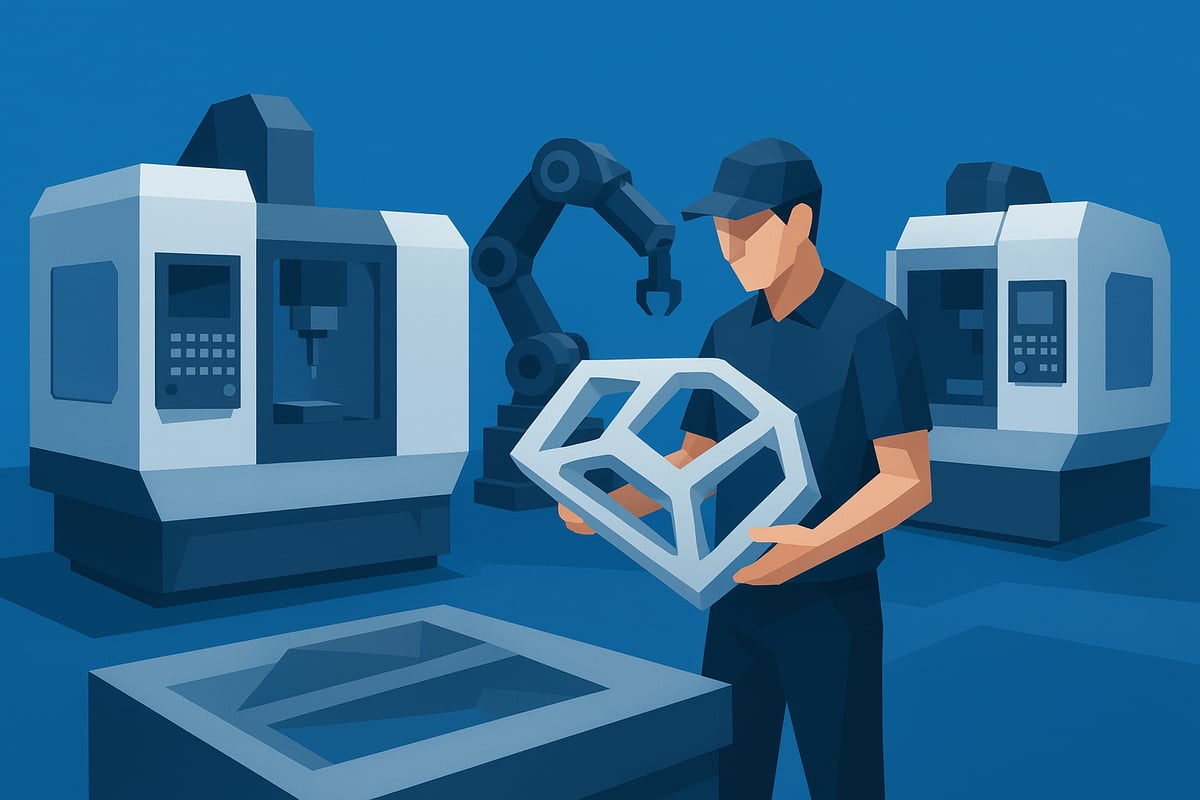
Precision machining has transformed how manufacturers achieve accuracy and repeatability. In modern manufacturing and machining, CNC (Computer Numerical Control) systems enable operators to program complex parts with micron-level precision. Mill operations, paired with advanced robotics, streamline workflows and minimize human error.
Robotic automation is increasingly common, especially for tasks requiring consistent tolerances and high-volume output. Automated tool changers, machine monitoring, and real-time feedback loops further enhance productivity. Compared to manual setups, these innovations significantly reduce cycle times while improving safety and product quality.
For a closer look at the latest equipment and expertise in this field, see the Precision Machining Services Overview, which details how industry leaders are leveraging these technologies.
New Materials and Metallurgy
The drive for stronger, lighter, and more sustainable products is reshaping manufacturing and machining. Engineers now use advanced alloys, composites, and engineered plastics to meet demanding specifications. These materials offer improved strength-to-weight ratios, corrosion resistance, and durability.
Metallurgy advancements support new manufacturing needs, optimizing heat treatments and alloy compositions for specific applications. For instance, aerospace and automotive industries increasingly rely on titanium and carbon fiber composites to reduce weight without compromising safety.
Sustainable material choices are also on the rise. Recycled metals and bio-based polymers are gaining traction, helping manufacturers align with environmental standards and market expectations.
| Material Type | Key Properties | Common Applications |
|---|---|---|
| Titanium Alloys | Lightweight, durable | Aerospace, medical |
| Carbon Fiber | High strength, low weight | Automotive, sports gear |
| Recycled Aluminum | Sustainable, versatile | Consumer goods, packaging |
Customization and Prototyping
Customization is at the forefront of manufacturing and machining. Additive manufacturing, commonly known as 3D printing, accelerates prototyping and enables the creation of complex, bespoke components. This technology reduces lead times and allows for rapid iterations during product development.
Rapid prototyping supports niche markets and specialized industries where off-the-shelf solutions fall short. Manufacturers can now deliver highly customized products, meeting unique client requirements with greater agility.
Additive processes also reduce material waste, since parts are built layer by layer, using only the necessary amount of raw material. This efficiency aligns with broader sustainability goals and helps companies stay competitive in dynamic markets.
Quality Control and Certification
Quality assurance is a non-negotiable aspect of manufacturing and machining. Digital inspection tools, such as coordinate measuring machines (CMMs) and laser scanners, provide real-time data for process monitoring. These technologies catch deviations early, ensuring products meet strict tolerances.
Certifications remain vital for credibility and compliance. Credentials like HAAS operator and OSHA safety certifications validate workforce expertise and commitment to best practices. Companies that invest in ongoing training and rigorous quality systems build long-term trust with clients.
Incorporating smart quality control and certified personnel allows manufacturing and machining operations to maintain high standards as technology and materials continue to evolve.
Career Pathways and Workforce Development in Manufacturing
Building a successful career in manufacturing and machining requires a blend of technical knowledge, formal education, and hands-on experience. As the industry evolves, so do the pathways for new and experienced professionals. Let us explore how education, on-the-job training, and long-term growth converge to shape workforce development in this dynamic sector.
Education and Training Programs
Education remains a cornerstone for anyone entering the manufacturing and machining field. Local colleges and technical schools often partner with employers, offering programs that combine classroom learning with practical skills. These partnerships provide opportunities for students to earn college credits, such as up to 21 semester hours at select institutions.
Certifications are vital for safety and employability. The table below highlights key credentials:
| Certification | Focus Area | Benefit |
|---|---|---|
| OSHA 10 | Safety | Workplace compliance |
| HAAS Operator | CNC Operation | Technical proficiency |
| Forklift/Scissor Lift | Equipment Handling | Versatility |
Acquiring these certifications opens doors in manufacturing and machining, making candidates more competitive.
Career Opportunities and Advancement
The manufacturing and machining sector offers a spectrum of career options. In-demand roles include machinist, CNC operator, tool and die maker, shop manager, and quality control specialist. Advancement is possible through skill development, certifications, and a strong work ethic.
Entrepreneurship is another pathway. Many experienced professionals start their own businesses or consulting firms, further driving industry innovation. For real-world inspiration, explore Case Studies in Manufacturing to see how diverse career trajectories unfold.
Work-Based Learning and Apprenticeship Models
Work-based learning is a proven model in manufacturing and machining. Apprenticeship programs blend classroom instruction with supervised, paid work. School-to-apprentice, early placement, and advanced placement initiatives allow students to gain practical experience while earning an income.
This approach helps bridge the gap between education and employment. Graduates enter the workforce with relevant skills and confidence, making them valuable assets from day one.
Long-Term Career Outlook
The long-term outlook for manufacturing and machining professionals is promising. Demand for skilled workers continues to rise, supported by new technologies and industry growth. Wage trends reflect the sector’s value, with opportunities for advancement and specialization.
Adaptability remains essential. As technology evolves, ongoing education and upskilling ensure workers stay relevant. Lifelong learning is the key to a resilient and rewarding career in manufacturing and machining.
Regional Trends and Industry-Specific Insights
The landscape of manufacturing and machining is rapidly evolving across the United States, with regional trends playing a pivotal role in shaping the industry’s future. From established hubs to emerging centers of excellence, local dynamics are driving innovation, job creation, and specialized solutions.
Manufacturing Hotspots and Regional Growth
Certain regions have become synonymous with robust manufacturing and machining activity. The Dayton area, for example, currently supports over 2,400 manufacturing companies, making it a major employment center in the Midwest. This growth is not isolated. Across the country, more than 600,000 open positions are reported in manufacturing and machining, reflecting both recovery and expansion.
Employer partnerships with technical schools and colleges have become essential. These collaborations create direct pipelines from classroom to career, ensuring that local graduates find meaningful opportunities. In Dayton, such partnerships have led to high job placement rates and long-term career pathways for skilled workers.
Modern manufacturing environments now emphasize flexibility, safety, and advanced technologies, setting them apart from traditional shop floors. The integration of digital tools and automation further enhances the appeal of regional manufacturing and machining centers, attracting new talent and investment.
Sector-Specific Developments
Diverse sectors drive demand for specialized manufacturing and machining capabilities. The recycling and aggregate industries, for instance, require custom fabrication and heavy-duty machining solutions tailored to unique operational challenges. Oil and gas manufacturers depend on precision machining for equipment reliability and safety.
Recent trends point to a surge in sustainable practices and advanced fabrication techniques. Companies across sectors are investing in new materials, energy-efficient equipment, and circular economy initiatives. For a deeper exploration of fabrication trends and best practices, see Expert Fabrication Insights for 2026.
| Sector | Key Trend | Example Solution |
|---|---|---|
| Recycling | Material reuse, automation | Custom conveyor fabrication |
| Aggregate | Wear-resistant components | Advanced precision grinding |
| Oil & Gas | Safety, reliability | CNC-machined valve parts |
These trends reinforce the need for adaptable manufacturing and machining processes that address industry-specific requirements, driving innovation across the board.
Community and Economic Impact
Manufacturing and machining are vital engines for local economies, providing stable employment and fostering economic resilience. Community partnerships between schools, businesses, and government agencies help align training programs with industry needs, ensuring a steady talent pipeline.
These collaborations also support workforce development initiatives, such as apprenticeships and early placement programs, that blend classroom learning with real-world experience. As a result, regions with strong manufacturing and machining sectors experience higher job growth, increased wages, and a more vibrant business environment.
Ongoing investment in education, infrastructure, and technology ensures that local economies remain competitive. By prioritizing these strategies, communities can fully leverage the benefits of manufacturing and machining, securing long-term prosperity for residents and businesses alike.
Future Outlook: Challenges and Opportunities to 2026
The future of manufacturing and machining promises both remarkable opportunities and significant challenges. As the industry accelerates toward 2026, leaders must navigate a rapidly evolving landscape shaped by technological innovation, workforce transformation, and global market shifts. Proactive adaptation is essential for companies hoping to thrive in this era of change.
Technology Adoption and Integration Barriers
Embracing new technologies is a defining challenge for manufacturing and machining in the coming years. Many organizations encounter obstacles such as high upfront costs, the complexity of integrating digital systems, and resistance to operational change. These hurdles can slow down implementation of automated solutions and data-driven tools that are crucial for staying competitive.
To overcome these barriers, companies are investing in modular automation, cloud-based platforms, and scalable solutions. Leveraging specialized services like Industrial Cutting Solutions enables manufacturers to adopt advanced cutting and machining methods without overhauling entire systems. Fostering a culture of continuous improvement and providing targeted workforce training are also key strategies for successful technology integration. The companies that effectively navigate these challenges will set the pace for industry progress.
Global Supply Chain Evolution
The global supply chain for manufacturing and machining is undergoing a profound transformation. Supply chain disruptions in recent years have exposed vulnerabilities, prompting a shift toward more resilient models. Many companies are turning to nearshoring and reshoring to reduce dependencies on distant suppliers and improve response times.
This evolution is driven by the need for agility and risk mitigation. Manufacturers are investing in digital supply chain visibility, stronger local partnerships, and flexible logistics networks. These changes not only enhance operational reliability but also create new opportunities for regional growth and job creation. By embracing a proactive approach to supply chain management, the industry is better positioned to respond to future global events.
Talent Pipeline and Diversity
A sustainable future for manufacturing and machining relies on a robust pipeline of skilled talent. The industry faces a persistent skills gap as experienced workers retire and new technologies demand fresh expertise. Attracting and retaining talent with digital literacy, problem-solving abilities, and adaptability is critical.
Diversity and inclusion initiatives are gaining traction, broadening the talent pool and fostering more innovative solutions. Partnerships between industry, educational institutions, and local communities are expanding access to training and career pathways. Apprenticeship programs, scholarships, and mentorship opportunities are making the field more accessible to underrepresented groups. Investing in people is not only a moral imperative but also a strategic necessity for long-term competitiveness.
Innovation and Competitive Advantage
Innovation is the engine that drives manufacturing and machining forward. Companies are prioritizing research and development, process optimization, and the adoption of emerging technologies. Advanced machining techniques, such as those detailed in Advancements in Machining Processes Through Hybrid and Sequential Approaches, are enabling greater precision, efficiency, and product customization.
Staying ahead requires a commitment to continuous improvement and openness to new ideas. As markets evolve and customer demands shift, the ability to rapidly innovate will define leaders within manufacturing and machining. Forward-thinking organizations that embrace change, invest in their workforce, and leverage cutting-edge processes will secure a strong position in the global marketplace.
As we’ve explored, the manufacturing and machining landscape is evolving rapidly—embracing digital transformation, sustainability, and advanced techniques to stay ahead through 2026. If you’re ready to put these insights into action and want a partner who understands the unique challenges of your industry, let’s connect. At LTJ Industrial Services, we bring expertise in machining, welding, and custom fabrication to help you achieve your goals with top-tier quality and reliability. Whether you have a specific project in mind or need guidance on your next steps, you can Request a Quote and take your operations to the next level.