
In 2026, commercial fabrication stands at the heart of modern industry, powering the construction of everything from smart factories to advanced energy systems. The ability to transform raw materials into precise, high-performance components is now more critical than ever for businesses aiming to lead in a competitive landscape.
This comprehensive guide delivers expert insights into commercial fabrication, uncovering the latest technologies, proven workflows, and industry best practices you need for success. You will discover evolving trends, step-by-step processes, key applications, partner selection strategies, and forward-looking advice to future-proof your operations.
Unlock your competitive edge by understanding how commercial fabrication is reshaping industries. Dive in to leverage these insights and position your business for growth and innovation in 2026.
The State of Commercial Fabrication in 2026
The landscape of commercial fabrication in 2026 is rapidly evolving, reflecting its vital role in powering the U.S. economy and global industry. As businesses across sectors seek efficiency, resilience, and innovation, commercial fabrication has become a cornerstone for growth and competitiveness.
Global supply chain dynamics have undergone significant shifts following recent disruptions, such as the semiconductor shortages of the early 2020s. Manufacturers responded by localizing supply streams, boosting inventory, and forging stronger relationships with domestic partners. The result is a more resilient commercial fabrication sector, less vulnerable to international volatility.
Technological advancements are reshaping how commercial fabrication projects are planned and executed. Automation and robotics have become standard, reducing manual labor and increasing precision. Digital fabrication tools, including CAD/CAM software and IoT-enabled equipment, allow for real-time monitoring, predictive maintenance, and streamlined workflows. These innovations mean faster turnaround, fewer errors, and greater scalability for businesses.
Sustainability is no longer optional in commercial fabrication. Eco-friendly materials and processes, such as recycled metals and energy-efficient machinery, are now industry norms. Fabricators are adopting closed-loop systems, minimizing waste, and prioritizing green certifications. This shift is not only environmentally responsible but also makes fabrication businesses more attractive to clients with ESG goals.
A major trend shaping 2026 is the expansion of U.S.-based fabrication facilities. Spurred by the CHIPS Act and increased domestic investment, fabrication shops are scaling up to meet booming demand in technology and manufacturing. According to a recent analysis, the CHIPS Act is projected to add $147.7 billion to the U.S. GDP and create 1.1 million jobs from 2021 to 2026, catalyzing growth across the fabrication landscape. For more insights on this transformative impact, see the Impact of CHIPS Act on U.S. Economy.
Here is a snapshot of key U.S. commercial fabrication market data for 2026:
| Metric | 2026 Projection |
|---|---|
| Market Size | $74.2 billion |
| Annual Growth Rate | 4.8% |
| Jobs Created | 1,100,000 (2021–2026) |
| Facility Expansion Rate | 3x previous decade |
Multiple sectors are fueling the demand for commercial fabrication:
- Construction: Structural steel, frames, and custom components.
- Energy: Renewable infrastructure, oil and gas upgrades.
- Technology: Semiconductor and electronics manufacturing.
- Automotive: EV chassis, battery enclosures, robotics.
Despite this strong outlook, challenges persist. Skilled labor shortages continue to strain capacity, with an aging workforce and insufficient training pipelines. Rising material costs, especially for steel and aluminum, pressure profit margins. Fabricators must also navigate an increasingly complex regulatory environment, with stricter safety, quality, and environmental standards.
In summary, commercial fabrication in 2026 is defined by resilience, innovation, and adaptability. Businesses that invest in cutting-edge technology, sustainable practices, and domestic partnerships will be positioned for long-term success in a competitive marketplace.
Step-by-Step Commercial Fabrication Process
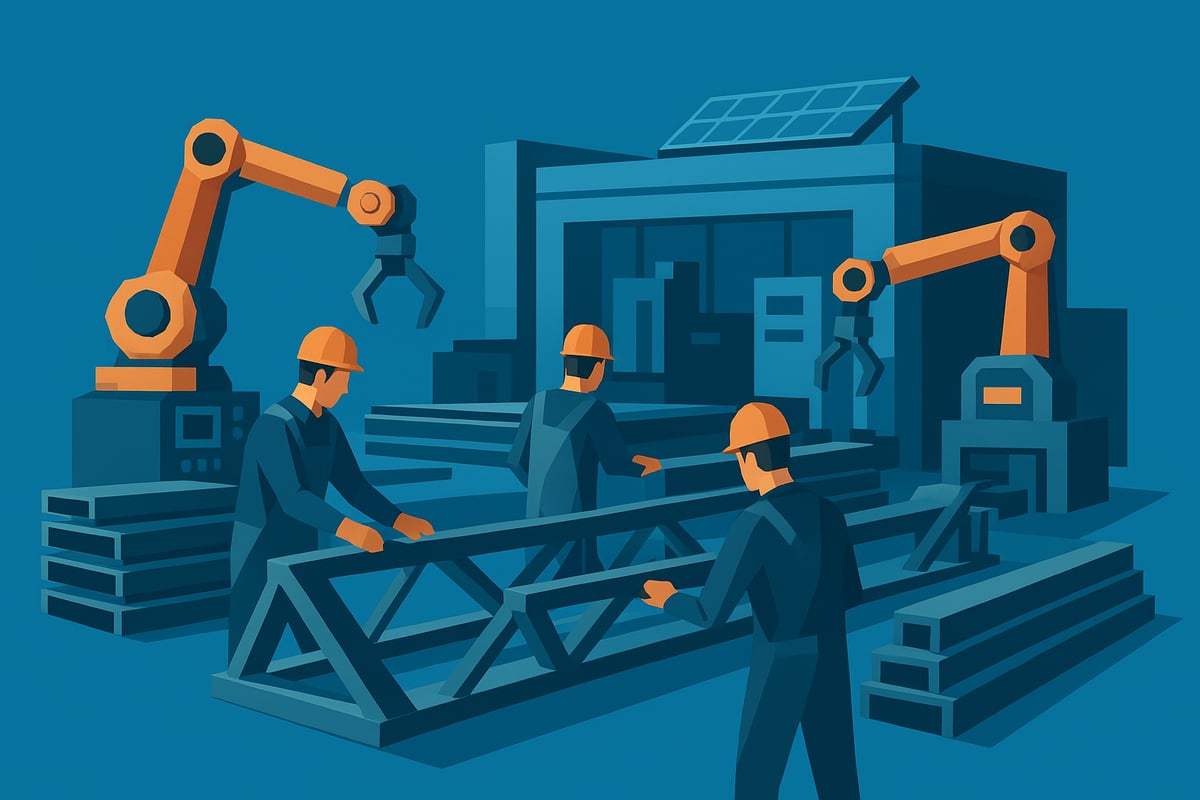
Navigating the commercial fabrication process in 2026 requires a deep understanding of each stage, from concept to installation. Every step plays a vital role in ensuring quality, cost control, and project efficiency. Below, we break down the workflow into distinct phases, highlighting best practices and real-world examples.
Design and Engineering
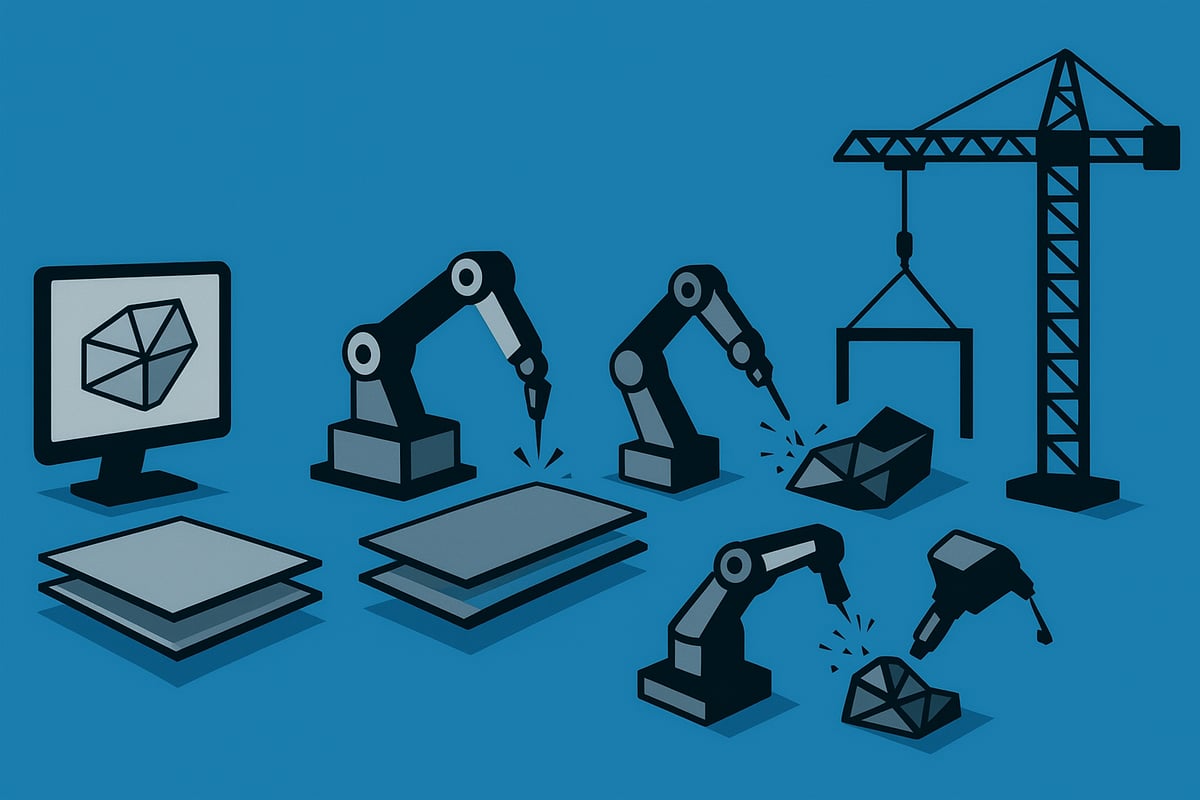
The foundation of commercial fabrication begins with detailed design and engineering. Precise CAD/CAM drawings and 3D modeling are essential for visualizing components and minimizing errors before production. Engineers, architects, and clients work collaboratively to refine requirements, ensuring each specification supports cost-effective fabrication.
Digital twins and advanced simulation tools allow teams to prototype virtually, reducing risk and shortening development cycles. By modeling a structural steel frame for a commercial building, for example, engineers can anticipate challenges and optimize for strength, weight, and assembly.
Precision in this phase drives downstream efficiency, as even minor design flaws can lead to costly rework later in the commercial fabrication process.
Material Selection and Sourcing
Choosing the right materials is critical for durability, safety, and compliance in commercial fabrication projects. Selection criteria include:
| Property | Importance |
|---|---|
| Strength | Load-bearing requirements |
| Weight | Ease of handling, transport |
| Corrosion Resistance | Environmental exposure |
| Cost | Budget, lifecycle value |
Steel, aluminum, stainless steel, and copper are among the most popular metals. The choice depends on project needs—stainless steel, for example, is preferred for food processing facilities due to its hygiene and corrosion resistance.
Sourcing strategies now balance local and global suppliers, factoring in tariffs and trade policies. Material certifications and traceability are mandatory to meet regulatory standards, ensuring every component can be tracked from origin to installation.
Cutting, Shaping, and Forming
Cutting, shaping, and forming transform raw materials into precise components for commercial fabrication. Leading-edge technologies include laser, plasma, waterjet, and CNC cutting, each suited to different materials and tolerances. For intricate machine parts, waterjet cutting offers exceptional accuracy without heat distortion.
Automation in material handling and forming increases speed and safety. Bending, rolling, and punching equipment create complex shapes efficiently, while real-time quality control systems monitor measurements and tolerances.
To explore these methods further, see this overview of Cutting and Shaping Techniques.
Welding and Assembly
Welding and assembly are where fabricated parts come together to form robust structures. Common welding techniques in commercial fabrication include MIG, TIG, and advanced robotic welding, each offering unique advantages for various metals and joint types.
Jigs and fixtures are used to maintain alignment and consistency during assembly. Safety standards and operator certifications are strictly enforced to protect workers and ensure code compliance.
Pre-assembly and modular construction are gaining traction, enabling teams to build and test subassemblies offsite before final installation. For example, welding support structures for industrial plants streamlines on-site construction and reduces project timelines.
Surface Treatment and Finishing
Surface treatment and finishing are essential for both function and appearance in commercial fabrication. Common processes include powder coating, galvanizing, sandblasting, and polishing. Each method provides specific benefits:
- Powder coating: Durable, weather-resistant finish
- Galvanizing: Superior corrosion protection
- Sandblasting: Prepares surfaces for coating
- Polishing: Enhances appearance and cleanliness
Environmental considerations now shape finishing choices, with facilities adopting eco-friendly chemicals and waste reduction practices. Rigorous quality assurance testing ensures finishes meet durability and aesthetic standards. Powder coating, for instance, is often applied to outdoor equipment to extend service life.
Delivery, Installation, and Quality Assurance
The final stage of commercial fabrication involves logistics, installation, and thorough quality checks. Careful planning is needed to transport large or delicate components, coordinate with contractors, and schedule on-site activities.
Installation teams follow standardized procedures, documenting every step to guarantee compliance with industry codes. Final inspections confirm alignment, fit, and finish, while all documentation is transferred to the client for future reference.
For example, installing prefabricated steel frames at a construction site requires precise coordination and adherence to safety protocols, ensuring the structure is ready for subsequent phases.
Key Applications and Industry Use Cases
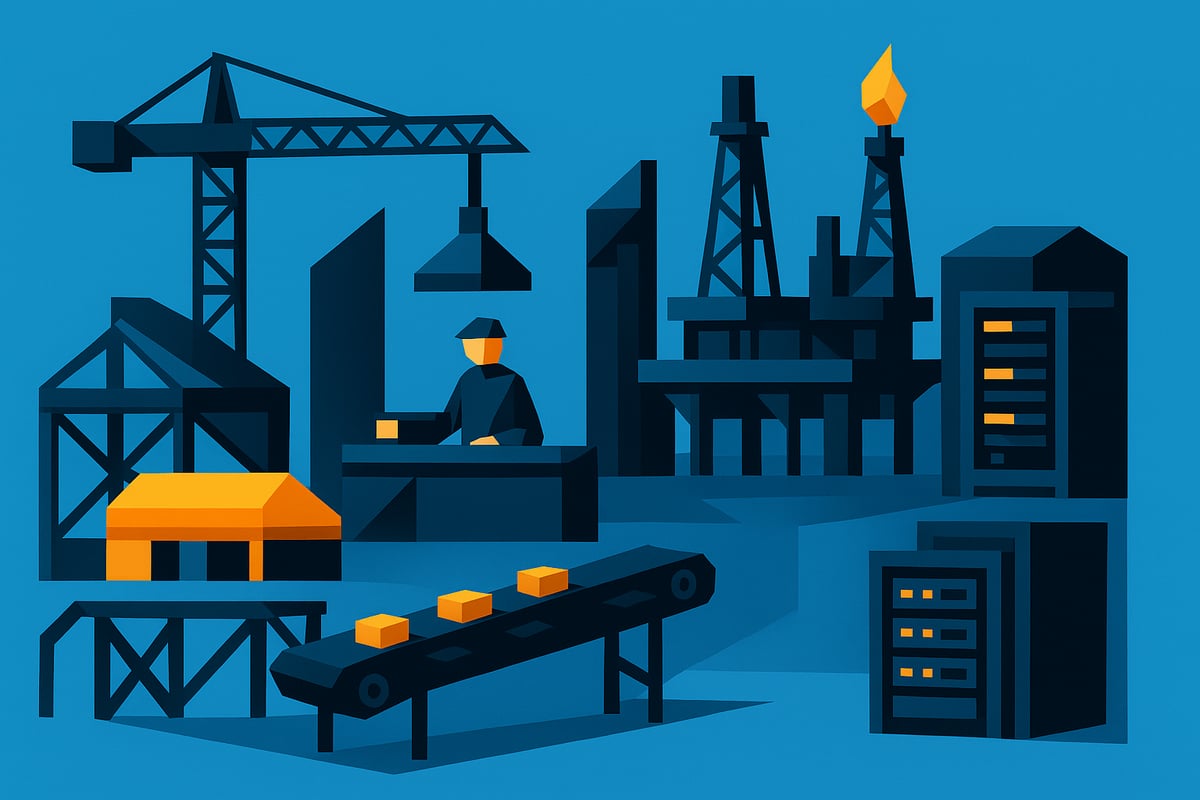
Commercial fabrication is the backbone of countless modern industries in 2026. Its versatility enables businesses to innovate, scale, and meet strict performance and compliance standards. From skyscrapers to smart warehouses, commercial fabrication shapes the infrastructure and technology driving today’s economy.
Commercial Construction and Infrastructure
The construction sector depends heavily on commercial fabrication for structural steel beams, trusses, and support frameworks. These components form the skeleton of high-rise buildings, bridges, and stadiums.
Fabricators produce custom stairways, walkways, and handrails tailored to each project’s needs. Facade and roofing panels are designed for both aesthetics and durability. According to recent data, construction accounts for over 30% of commercial fabrication demand in the United States.
The ability to deliver precision-cut, prefabricated elements reduces on-site labor and shortens project timelines. Reliable fabrication partners ensure each component meets stringent safety and building codes, supporting long-term structural integrity.
Manufacturing, Warehousing, and Logistics
Efficient movement of goods is critical for modern supply chains. Commercial fabrication delivers conveyor systems, loading docks, and automated material handling equipment that keep warehouses running smoothly.
Fabricators also create machine guards, safety enclosures, and custom platforms to protect workers and machinery. Racking and shelving solutions are designed to maximize storage and withstand heavy loads.
For example, automated warehouse systems rely on robust, custom-fabricated frames and conveyors. These solutions enhance operational efficiency and can be adapted as business needs evolve. Real-world Case Studies in Fabrication Projects showcase how tailored fabrication boosts productivity and safety.
Energy, Utilities, and Oil & Gas
The energy sector relies on commercial fabrication for mission-critical infrastructure. Fabricators build pipe supports, access platforms, and safety barriers for power plants, substations, and oil & gas facilities.
Custom metal enclosures protect electrical and control systems from harsh environments. Renewable energy projects, such as solar and wind installations, require fabricated mounting systems and structural supports.
A recent example includes upgrading oil & gas processing plants with corrosion-resistant metalwork, enhancing both safety and efficiency. Commercial fabrication in this field must meet rigorous industry standards for durability and environmental compliance.
Retail, Hospitality, and Food Service
Customer-facing industries demand both function and flair. Commercial fabrication provides custom kitchen equipment, display racks, and fixtures that balance durability with design.
Stainless steel solutions are especially popular in food service due to their hygiene and corrosion resistance. Decorative architectural elements, like branded counters and unique shelving, help businesses stand out.
Restaurants, hotels, and retail stores frequently commission fabricated counters and shelving that align with their brand and operational needs. These tailored solutions improve workflow, safety, and the overall customer experience.
Technology, Electronics, and Advanced Manufacturing
Rapid growth in technology and electronics has increased demand for precision commercial fabrication. Fabricators produce enclosures and chassis for sensitive electronic equipment, ensuring protection and thermal management.
Semiconductor manufacturing facilities, fueled by CHIPS Act investments, depend on custom components for cleanroom environments and process equipment. Precision metalwork supports robotics, automation, and data center infrastructure.
For instance, fabricators deliver metal housings for servers and networking hardware, meeting exacting quality standards. These specialized applications require a blend of advanced techniques and strict quality control throughout the commercial fabrication process.
Choosing the Right Commercial Fabrication Partner
Selecting the right commercial fabrication partner in 2026 is crucial for business growth, project quality, and operational efficiency. With evolving technologies and rising industry standards, your choice can make or break the success of your fabrication projects.

Key Criteria for Evaluating Commercial Fabrication Partners
To ensure you select a commercial fabrication partner that meets your needs, consider these essential factors:
| Criterion | Why It Matters |
|---|---|
| Certifications | Verifies compliance and technical proficiency |
| Experience | Demonstrates ability to handle complex, large-scale projects |
| Production Capacity | Ensures timely delivery and scalability |
| Design Support | Facilitates accurate, cost-effective project execution |
| Quality Control | Guarantees consistent, defect-free results |
| Safety Protocols | Protects workers and minimizes risk |
| Compliance | Meets regulatory and industry standards |
| Communication | Promotes transparency and rapid issue resolution |
| Cost Transparency | Prevents hidden fees and surprises |
| Lead Time Guarantees | Supports planning and reduces downtime |
A strong commercial fabrication partner will offer not just technical expertise, but also robust project management and clear communication. Look for companies that provide comprehensive design and engineering support, helping you avoid costly errors from the start.
For a detailed look at what services should be available, review this Commercial Fabrication Services Overview as a benchmark against your potential partners.
Questions to Ask During the Vetting Process
When narrowing down your options, ask direct questions to assess fit:
- What certifications and industry accreditations do you hold?
- Can you share examples of similar commercial fabrication projects?
- How do you handle project changes or unexpected challenges?
- What quality assurance protocols are in place?
- What is your typical lead time and how do you ensure on-time delivery?
- How do you keep clients informed throughout the project?
Red Flags to Watch For
Avoid fabrication shops that:
- Cannot provide documentation for certifications or safety standards.
- Are vague or inconsistent in communication.
- Lack transparent pricing or have hidden fees.
- Refuse to share client references or examples of past work.
Choosing a commercial fabrication partner is an investment in your business’s future. By following these best practices and leveraging industry benchmarks, you position your company for success in 2026 and beyond.
Trends and Innovations Shaping Commercial Fabrication
The pace of change in commercial fabrication is accelerating as 2026 approaches. Companies are leveraging advanced technologies to streamline production, reduce costs, and stay competitive. Let’s explore the trends and innovations shaping the future of commercial fabrication.
Smart Manufacturing and IoT Integration
Smart manufacturing is redefining how commercial fabrication facilities operate. By integrating IoT sensors and connected machinery, fabricators gain real-time visibility into every stage of production. This connectivity enables precise tracking of materials and equipment status, helping reduce downtime and improve efficiency.
Automated alerts from IoT devices allow teams to address issues proactively. As a result, commercial fabrication processes are more streamlined, with fewer errors and increased throughput.
Artificial Intelligence, Robotics, and Automation
Artificial intelligence is becoming a core part of commercial fabrication. AI-powered analytics optimize production schedules and resource allocation, learning from past projects to improve outcomes. Robotics have made repetitive and dangerous tasks safer, while automation ensures consistent quality.
Shops are deploying collaborative robots (cobots) alongside skilled workers, handling welding, assembly, and inspection with precision. This shift is helping address labor shortages and boosting productivity in commercial fabrication.
Green Fabrication and Sustainability Initiatives
Sustainability is now central to commercial fabrication strategy. Companies are adopting eco-friendly materials and energy-efficient processes to reduce their environmental footprint. Common green practices include:
- Using recycled metals and alloys
- Implementing closed-loop water systems
- Minimizing hazardous chemical use
- Investing in renewable energy for operations
These efforts not only meet regulatory requirements but also appeal to clients seeking responsible partners.
Digital Supply Chains and Modular Construction
Digital supply chains are transforming how commercial fabrication projects are managed. Real-time tracking of materials, automated procurement, and seamless supplier integration all contribute to faster project delivery.
The sector is also embracing modular and offsite construction methods. Prefabricated components are built in controlled environments, then shipped and assembled on-site, reducing project timelines and risks. As demand in sectors like semiconductors rises, U.S. Semiconductor Manufacturing Growth Projections show a dramatic increase in fabrication capacity, further driving these innovations.
Workforce Development and Upskilling
With technology advancing rapidly, workforce development is a top priority in commercial fabrication. Companies are investing in training programs for digital tools, robotics, and safety standards. Upskilling initiatives ensure teams stay current with new equipment and best practices.
Collaboration with technical schools and industry groups is helping attract new talent and build a sustainable pipeline of skilled professionals.
Example: AI for Predictive Maintenance
AI-driven predictive maintenance is revolutionizing equipment reliability in commercial fabrication. By analyzing sensor data, AI systems can forecast when machines need service, preventing costly breakdowns and unplanned downtime. This proactive approach increases uptime and extends equipment life, giving businesses a significant competitive edge.
Summary Table: Impact of Key Trends
| Trend | Impact on Commercial Fabrication |
|---|---|
| Smart Manufacturing & IoT | Real-time monitoring, reduced downtime |
| AI & Automation | Higher productivity, improved quality |
| Sustainability | Lower emissions, regulatory compliance |
| Digital Supply Chains | Faster delivery, better resource control |
| Modular Construction | Shorter timelines, reduced risk |
| Workforce Development | Skilled labor, safer work environments |
Commercial fabrication is entering a new era driven by these innovations. By embracing these trends, businesses can position themselves for long-term success in a rapidly evolving marketplace.
Expert Insights: Best Practices and Tips for 2026
Success in commercial fabrication in 2026 hinges on strategic planning and proactive collaboration. To minimize costly mistakes, involve all stakeholders—from engineers to end-users—early in the project lifecycle. This early engagement ensures that design intent aligns with operational realities, reducing miscommunication and costly rework. Detailed documentation, clear communication channels, and regular project reviews are essential for maintaining alignment and quality throughout the fabrication process.
Customization is a growing trend in commercial fabrication, but it must be balanced with scalability and cost-efficiency. Leverage digital tools such as CAD/CAM software and simulation technologies to streamline workflows and prototype designs virtually before committing resources. Consistent quality assurance, including rigorous inspection and testing protocols, helps to prevent defects and ensure compliance with industry standards. For specialized tasks like welding, partnering with experts who offer a full suite of services—such as those highlighted in Welding Solutions for Businesses—can significantly improve outcomes and reduce project risk.
Staying compliant with evolving safety and environmental regulations is non-negotiable in commercial fabrication. Regularly update staff training, monitor regulatory changes, and implement best practices for workplace safety and environmental stewardship. Building strong relationships with both suppliers and clients fosters transparency and reliability across the supply chain. Finally, plan for the future by investing in adaptable technologies and monitoring industry trends, such as the shift toward domestic semiconductor manufacturing. Taking these steps, informed by industry leaders and recent case studies, positions businesses for sustainable success in an ever-changing market.
Now that you’ve explored the essential steps, emerging technologies, and expert tips shaping commercial fabrication in 2026, you’re ready to make informed decisions for your next project. Whether you need precision welding, advanced machining, or custom fabrication solutions, partnering with an experienced team makes all the difference. At LTJ Industrial Services, we combine technical expertise with a commitment to quality and reliability, helping you stay ahead in a competitive market. If you’re planning a project and want tailored support from a trusted Colorado-based partner, Request a Quote—let’s build your vision together.