
Modern manufacturing operations depend on specialized expertise to maintain production efficiency and meet demanding quality standards. Industrial fabrication services encompass a broad spectrum of capabilities that transform raw materials into precision-engineered components essential for commercial and industrial applications. These services combine traditional craftsmanship with advanced technology to deliver solutions across multiple sectors, including oil and gas, aggregate processing, recycling operations, and general manufacturing.
Understanding Industrial Fabrication Services
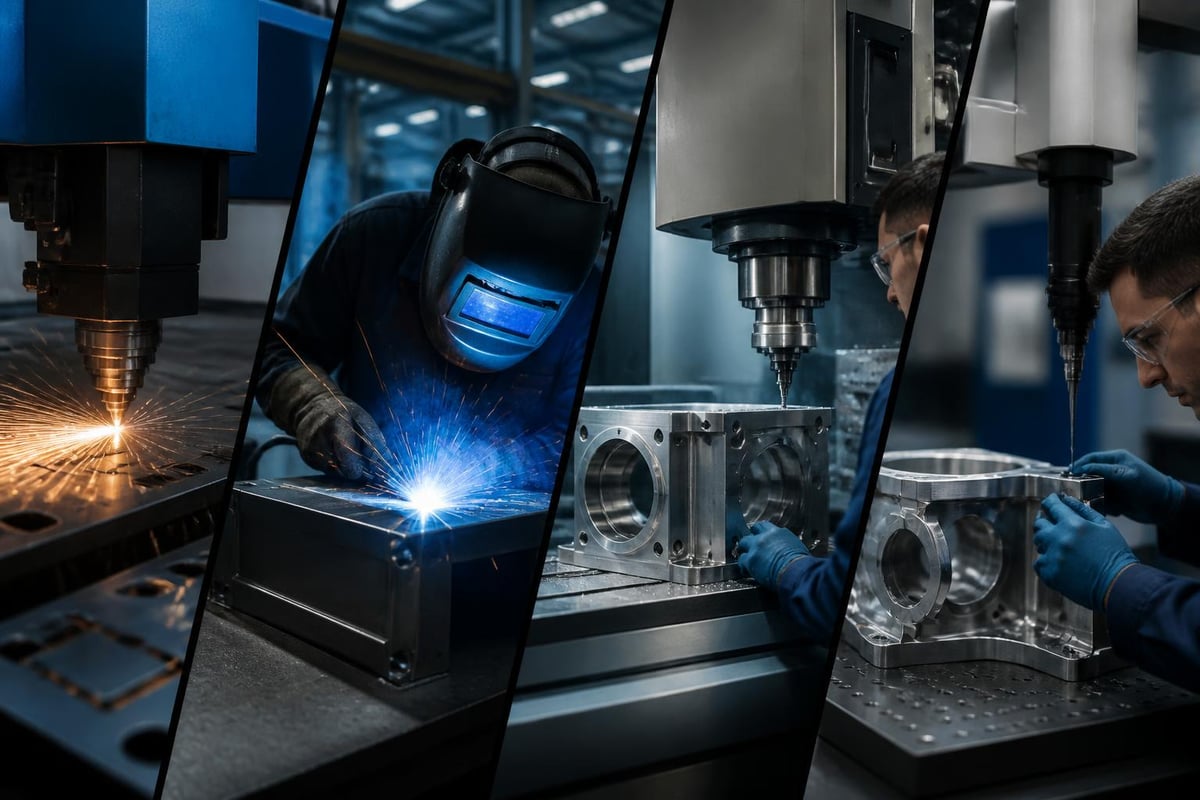
Industrial fabrication services represent the backbone of manufacturing infrastructure throughout the Western United States and beyond. These specialized offerings include metal cutting, forming, welding, machining, and assembly processes that create everything from simple brackets to complex structural assemblies.
The scope of these services extends far beyond basic metalworking. Modern fabrication shops integrate multiple disciplines under one roof, allowing manufacturers to streamline their supply chains and reduce coordination challenges. When a facility requires custom components, partnering with a comprehensive provider eliminates the need to manage multiple vendors for welding, machining, and finishing operations.
Core Capabilities in Modern Fabrication
Metal Fabrication Processes:
- Cutting and shearing to precise specifications
- Forming and bending operations for structural components
- Rolling services for cylindrical and curved shapes
- Punching and stamping for high-volume production
Welding Specializations:
- MIG, TIG, and stick welding techniques
- Structural welding for load-bearing applications
- Pipe welding for pressure systems
- Aluminum and stainless steel welding
Precision Machining:
- CNC milling and turning operations
- Drilling and boring services
- Surface grinding and finishing
- Tight-tolerance work for critical applications
The integration of these capabilities under unified quality control systems ensures consistency across complex projects. Organizations like EWI provide valuable insights into advanced manufacturing technologies that continue to evolve these traditional processes.
Selecting the Right Fabrication Partner
Choosing appropriate industrial fabrication services requires careful evaluation of technical capabilities, quality systems, and industry experience. The decision impacts project timelines, budget performance, and final product quality in ways that extend throughout the production lifecycle.
Critical Evaluation Factors
| Evaluation Category | Key Considerations | Impact on Projects |
|---|---|---|
| Technical Capability | Equipment range, process expertise, material knowledge | Quality, complexity handling |
| Quality Systems | Certifications, inspection protocols, documentation | Compliance, reliability |
| Project Experience | Industry familiarity, similar projects, references | Efficiency, problem-solving |
| Geographic Coverage | Shop location, field service range, logistics | Response time, costs |
Experience in your specific industry matters significantly. A fabrication shop serving the aggregate industry understands the unique challenges of wear-resistant materials and high-impact applications. Similarly, oil and gas experience indicates familiarity with pressure vessel codes and pipeline specifications.
The IndustryNet directory offers extensive resources for understanding industry standards and locating qualified fabrication service providers across different specializations.
Field vs. Shop Services
Industrial operations often require flexibility in service delivery location. Shop-based work offers controlled environments with full access to specialized equipment, while field services bring expertise directly to operational sites.
Shop Service Advantages:
- Complete equipment access
- Optimal working conditions
- Efficient material handling
- Enhanced quality control
Field Service Benefits:
- Minimized equipment downtime
- Work on installed components
- Reduced transportation challenges
- Immediate problem resolution
Many comprehensive providers offer both options, allowing project managers to optimize based on specific circumstances. Emergency breakdowns might require immediate field response, while new component fabrication benefits from shop efficiency.
Quality Standards and Certifications
Quality assurance in industrial fabrication services extends beyond simple workmanship. Formal certifications and documented processes demonstrate commitment to consistent results and regulatory compliance.
Industry-Standard Certifications
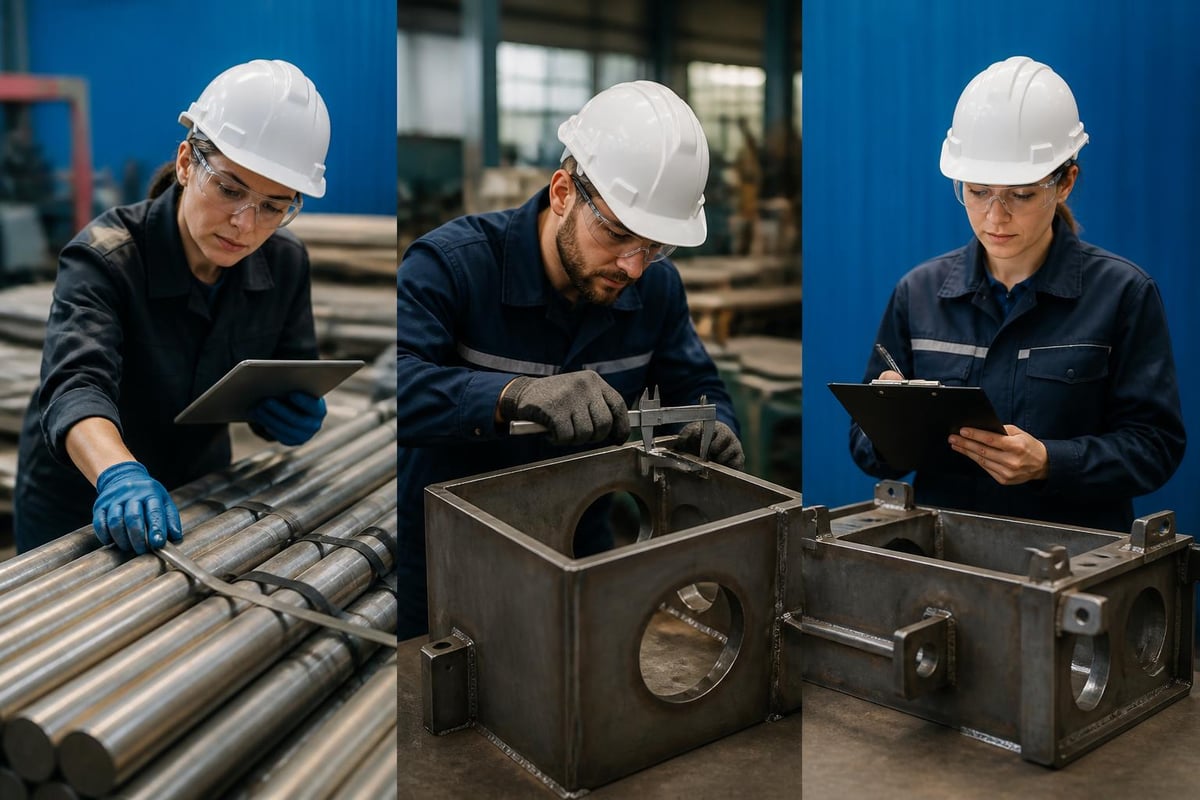
Modern fabrication operations maintain various certifications that validate their capabilities. AWS (American Welding Society) certifications confirm welder qualifications and procedure adherence. ISO 9001 certification demonstrates comprehensive quality management systems covering all aspects of operations.
Verification through platforms like USRegister.org provides additional confidence in contractor credentials and trade qualifications. These independent validations help procurement teams make informed decisions when selecting service providers.
Material Certifications and Traceability
Critical applications require documented material pedigrees. Certified material test reports (CMTRs) trace raw materials from mill production through final fabrication, ensuring specification compliance for pressure vessels, structural steel, and specialized alloys.
Documentation typically includes:
- Chemical composition analysis
- Mechanical property testing
- Heat treatment records
- Non-destructive testing results
This traceability becomes essential in regulated industries where failure analysis might require complete material history reconstruction. Fabrication partners maintaining rigorous documentation systems protect clients from compliance risks and potential liability issues.
Advanced Technologies in Fabrication Services
The fabrication industry continues evolving through technology adoption that enhances precision, efficiency, and capability. Computer-aided design (CAD) integration allows seamless transition from engineering concepts to production reality.
Digital Integration and Automation
CNC (Computer Numerical Control) equipment dominates modern fabrication shops, delivering repeatability impossible with manual operations. These systems execute complex cutting patterns, drilling sequences, and machining operations with micron-level accuracy.
Research into 3D CAD model-based search engines for manufacturing services demonstrates how technology continues transforming service sourcing and capability matching. Digital twins and simulation tools allow fabricators to verify designs before cutting metal, reducing waste and improving first-time quality.
Technology-Enhanced Capabilities:
- Plasma and laser cutting for complex geometries
- Robotic welding for consistent quality
- CMM (Coordinate Measuring Machine) inspection
- 3D scanning for reverse engineering
Studies on Industrial Augmented Reality systems show emerging technologies that enhance fabrication precision and worker training, particularly in complex assembly environments.
Water Jetting and Specialized Cutting
High-pressure water jetting represents a versatile cutting technology that handles materials from soft gaskets to thick steel plate. This cold-cutting process eliminates heat-affected zones that can compromise material properties in traditional thermal cutting.
Water jetting excels in applications requiring:
- Heat-sensitive materials
- Intricate shapes and tight radii
- Non-ferrous metals like aluminum
- Multi-layer material stacks
The technology complements traditional cutting methods, expanding capability ranges for comprehensive fabrication providers.
Industry-Specific Applications
Industrial fabrication services adapt to unique requirements across different sectors. Understanding these specialized needs differentiates capable providers from general metalworking shops.
Oil and Gas Sector Requirements
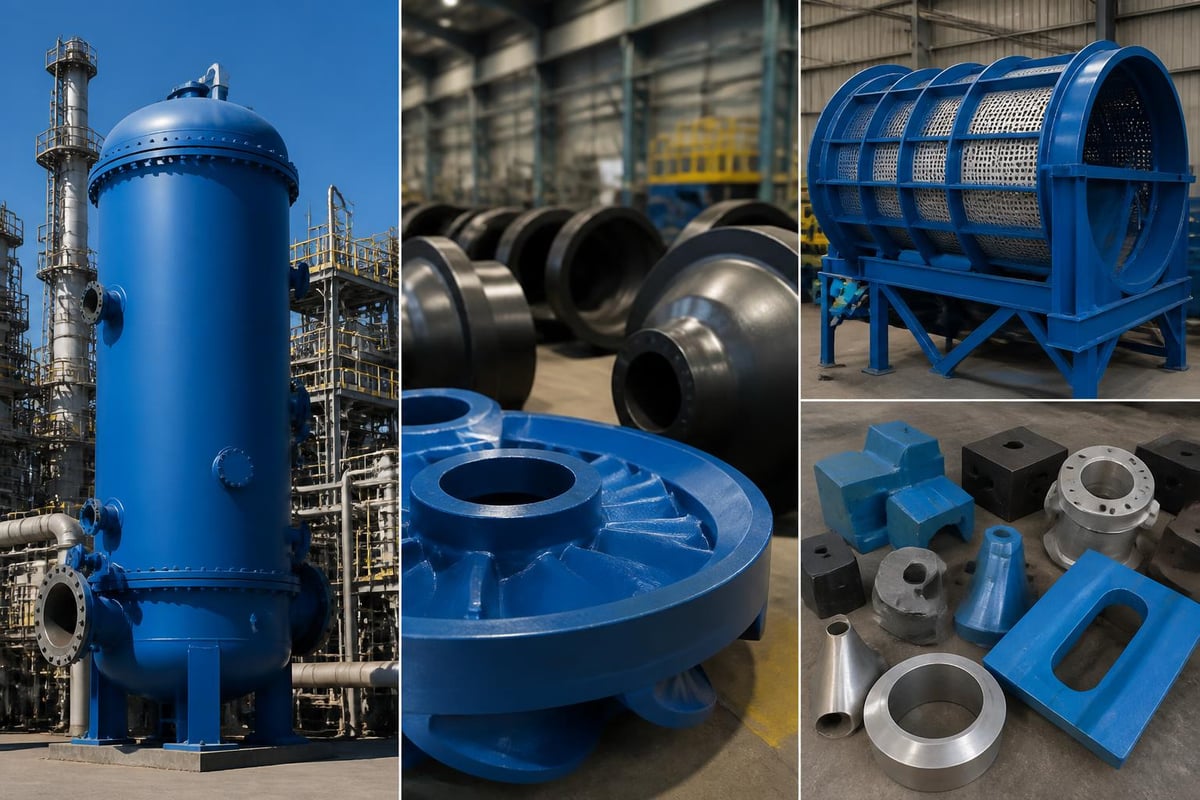
Oil and gas operations demand fabrication services meeting stringent safety and performance standards. Pressure vessels, piping systems, and structural supports require ASME code compliance and extensive documentation.
| Component Type | Critical Requirements | Common Materials |
|---|---|---|
| Pressure Vessels | ASME Section VIII, NDE testing | Carbon steel, stainless steel |
| Piping Systems | B31.3 process piping code | Various alloys, lined pipe |
| Structural Steel | AISC standards, seismic design | A36, A992 structural steel |
| Skid Packages | Integrated design, transportability | Mixed materials, modular design |
Field welding and repair services become particularly valuable in remote locations where transporting equipment proves impractical. Mobile welding units equipped with certified welders minimize production interruptions.
Aggregate and Recycling Industries
Aggregate processing and recycling operations subject equipment to extreme wear conditions. Industrial fabrication services for these sectors focus on durability through material selection and design optimization.
Common fabrication needs include:
- Wear-resistant chute liners using AR400/500 steel
- Conveyor system components with extended service life
- Screen deck frames handling vibration loads
- Custom hoppers and bins for material handling
Replacement part fabrication keeps older equipment operational, often at costs substantially below new equipment purchases. Experienced fabricators reverse-engineer worn components, sometimes improving original designs based on observed wear patterns.
Custom Manufacturing Solutions
Beyond standard industry applications, industrial fabrication services enable custom solutions for unique operational challenges. This flexibility supports innovation and process improvement across manufacturing operations.
Research into aggregate processes for Industrial Internet of Things applications illustrates how modern fabrication integrates with digital manufacturing initiatives and smart factory concepts.
Machining Services Integration
Precision machining complements fabrication capabilities, transforming welded assemblies into finished components meeting tight tolerances. This integration eliminates handoffs between vendors and ensures dimensional consistency.
CNC Machining Capabilities
Modern CNC machining centers handle diverse operations from simple hole drilling to complex multi-axis contouring. Mills, lathes, and specialized equipment process both fabricated assemblies and raw stock into precision components.
Typical machining operations include:
- Facing and boring large diameter bores
- Threading internal and external features
- Keyway cutting and broaching
- Surface milling to flatness specifications
The combination of welding fabrication with precision machining allows creation of components impractical through either process alone. Large fabricated frames gain machined mounting surfaces, while machined housings receive welded brackets and attachments.
Hydraulic System Components
Hydraulic systems power industrial equipment throughout aggregate, recycling, and manufacturing operations. Machining services create cylinders, manifolds, and mounting components essential for these power transmission systems.
Cylinder repair and rebuilding extend equipment life while maintaining original equipment specifications. Precision boring and honing restore worn cylinder tubes, while machined pistons and rods replace damaged components. Companies like Tech Fab demonstrate comprehensive service offerings that integrate fabrication with hydraulic expertise.
Maintenance and Repair Services
Preventive maintenance and emergency repair constitute significant portions of industrial fabrication services. Field capabilities bring welding, machining, and mechanical expertise directly to operational sites.
Planned Maintenance Support
Scheduled maintenance windows require rapid mobilization and efficient execution. Fabrication service providers supporting industrial operations maintain field service capabilities with mobile welding equipment, portable machining tools, and experienced technicians.
Maintenance services typically cover:
- Structural steel inspection and reinforcement
- Conveyor system repairs and modifications
- Piping system upgrades and replacements
- Equipment foundation repairs
Planned maintenance partnerships allow facilities to schedule resources during optimal production windows, minimizing operational disruption while maintaining equipment reliability.
Emergency Breakdown Response
Equipment failures rarely occur during convenient times. Industrial fabrication services offering 24/7 emergency response help operations resume production quickly, minimizing costly downtime.
Mobile welding units equipped for field repairs handle everything from cracked structural members to failed conveyor components. Portable machining capabilities address shaft repairs, bearing journal restoration, and emergency modifications that keep equipment operational until permanent repairs occur.
Material Selection and Expertise
Proper material selection fundamentally impacts fabricated component performance and longevity. Experienced fabricators guide clients through options balancing cost, performance, and availability.
Common Industrial Materials
| Material Category | Typical Applications | Key Properties |
|---|---|---|
| Carbon Steel | General fabrication, structural components | Cost-effective, weldable, strong |
| Stainless Steel | Corrosive environments, food processing | Corrosion resistance, sanitary |
| Aluminum | Lightweight structures, marine applications | Low density, corrosion resistant |
| Wear-Resistant Steel | Chutes, liners, high-impact areas | Extreme hardness, abrasion resistance |
Specialty materials address specific challenges. High-temperature applications require materials maintaining strength at elevated temperatures, while cryogenic services need materials avoiding brittle fracture at low temperatures.
Wear and Corrosion Resistance
Industrial environments subject equipment to harsh conditions requiring specialized material selection. Chromium carbide overlay plates provide exceptional wear resistance for chute liners and impact surfaces. Stainless steel alloys combat corrosion in chemical processing and marine environments.
Fabricators familiar with these materials understand welding procedures, heat treatment requirements, and forming limitations that affect successful application. This expertise prevents costly failures and ensures components perform throughout their intended service lives.
Project Management and Communication
Successful fabrication projects require clear communication and structured project management. Professional fabrication services maintain systems ensuring client visibility and expectation alignment throughout production cycles.
Design Collaboration
Early fabricator involvement during design phases prevents manufacturability issues and optimizes cost efficiency. Experienced shops review drawings for weldability, material availability, and production efficiency, suggesting modifications that maintain functionality while improving fabrication practicality.
Value engineering identifies cost reduction opportunities without compromising performance. Alternative materials, simplified geometries, or revised assembly sequences can significantly reduce project costs while meeting operational requirements.
Progress Tracking and Delivery
Transparent project tracking keeps stakeholders informed about production status, material procurement, and delivery schedules. Regular updates with photographs, inspection reports, and milestone confirmations build confidence and allow downstream planning.
Logistics coordination ensures fabricated components arrive when needed, properly packaged, and ready for installation. Large assemblies require special transportation arrangements, while field installation support ensures proper fit-up and alignment.
Cost Considerations and Value
Industrial fabrication services pricing reflects multiple factors beyond simple labor and material costs. Understanding these elements helps organizations evaluate proposals and recognize value beyond lowest price.
Pricing Components
Direct costs include:
- Raw materials at current market prices
- Labor hours for fabrication, welding, and machining
- Consumables like welding wire, cutting gases, and tooling
- Surface preparation and finishing operations
Indirect factors affecting pricing:
- Project complexity and engineering requirements
- Quality documentation and certification needs
- Rush delivery requirements or schedule constraints
- Quantity discounts for multiple identical components
Geographic location significantly impacts costs through labor rates, material freight, and field service travel expenses. Regional fabricators often provide cost advantages for projects requiring extensive field services or heavy component delivery.
Long-Term Value Assessment
Lowest initial cost rarely delivers optimal value across component lifecycle. Quality fabrication using appropriate materials and processes reduces maintenance requirements, extends service life, and minimizes unplanned downtime costs.
Value considerations beyond price:
- Reduced maintenance frequency
- Extended component service life
- Minimized production interruptions
- Warranty coverage and support
Established relationships with reliable fabrication partners deliver additional value through prioritized scheduling during emergencies, accumulated process knowledge, and streamlined communication that reduces project management overhead.
Safety and Regulatory Compliance
Industrial fabrication operations maintain comprehensive safety programs protecting workers while ensuring regulatory compliance. These systems extend to field services where work occurs in active industrial environments.
OSHA Requirements and Standards
Occupational Safety and Health Administration regulations govern fabrication shop operations and field service activities. Proper machine guarding, confined space protocols, fall protection systems, and hazardous energy control demonstrate commitment to worker safety.
Safety training programs ensure workers understand hazards and proper procedures for equipment operation, material handling, and emergency response. Regular safety audits identify improvement opportunities and verify ongoing compliance.
Environmental Considerations
Modern fabrication operations implement environmental management systems addressing air quality, waste management, and water discharge. Dust collection systems capture grinding and cutting particulates, while proper waste segregation enables recycling and compliant disposal.
Facilities serving multiple industries maintain flexibility accommodating varied environmental requirements. Food-grade fabrication demands different cleanliness standards than general industrial work, while semiconductor industry components require contamination-free environments.
Selecting appropriate industrial fabrication services requires evaluating technical capabilities, quality systems, and industry experience that align with specific project requirements. Organizations benefit most from fabrication partners offering comprehensive capabilities, proven reliability, and responsive field services.
LTJ Industrial Services delivers complete fabrication, welding, and machining solutions throughout the Western United States. Based in Rifle, Colorado, their experienced team serves oil and gas, aggregate, recycling, and general manufacturing operations with both shop and field services. Whether you need custom fabrication, precision machining, emergency repairs, or planned maintenance support, their comprehensive capabilities and responsive service help keep your operations running efficiently.