The Essential Guide to ASME Code Welding Services for Pressure Piping 2026
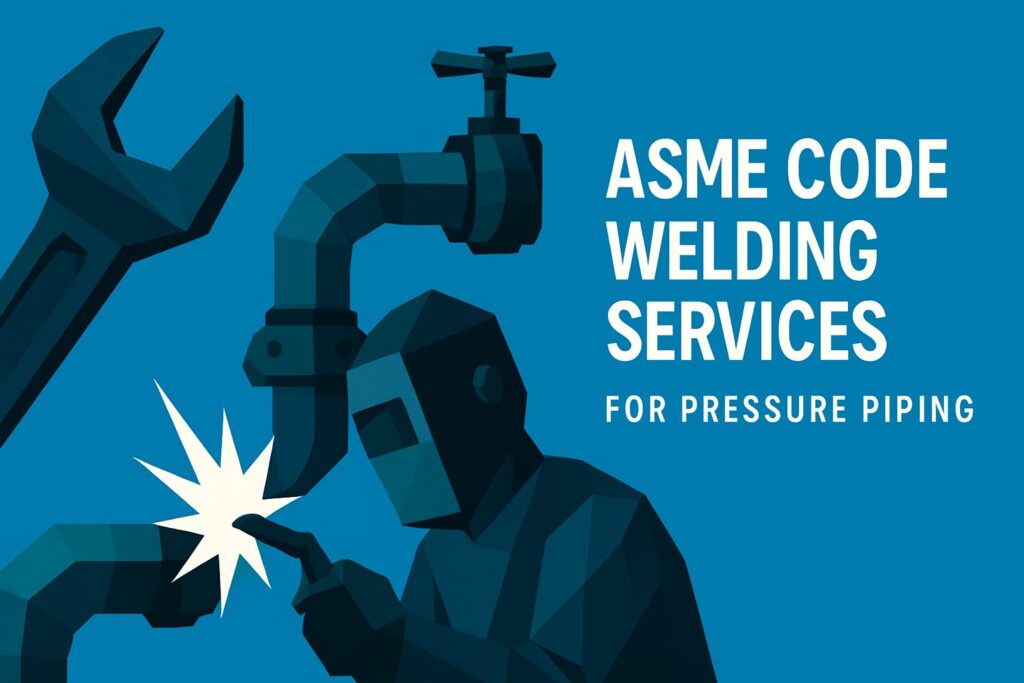
Discover the essential guide to ASME code welding services for pressure piping. Learn 2026 updates, compliance steps, and how to select the right service provider.
Discover the essential guide to ASME code welding services for pressure piping. Learn 2026 updates, compliance steps, and how to select the right service provider.
ASME code standards are essential guidelines that ensure safety and quality in welding and fabrication processes. These standards cover various aspects, including material specifications, design requirements, and testing methods, making them crucial for industries that rely on pressure piping systems.
For example, the ASME Boiler and Pressure Vessel Code (BPVC) outlines specific requirements for the design and construction of pressure vessels. Compliance with these codes not only enhances safety but also assures clients of the reliability and durability of the services provided by industrial service companies like LTJ Industrial Services.
Adhering to ASME code standards offers numerous advantages for both service providers and clients. It builds trust and credibility, as clients can be assured that their projects meet the highest safety and quality benchmarks.
Moreover, compliance can lead to reduced liability and insurance costs for businesses. For instance, by following ASME guidelines, companies can minimize the risk of failures and accidents, which can be financially devastating. This proactive approach to safety can also enhance a company's reputation in the industry.
Selecting a qualified welding service provider is crucial to ensuring compliance with ASME code standards. Clients should look for companies that have a proven track record of adhering to these standards and can demonstrate their expertise in the field.
It's advisable to verify certifications and ask for references from previous clients. Additionally, potential clients should inquire about the provider's experience with specific materials and processes relevant to their projects, ensuring they choose a service that aligns with their specific needs and compliance requirements.
The ASME code regulations are periodically updated to reflect advancements in technology and industry practices. Staying informed about these updates is essential for companies involved in welding and fabrication to maintain compliance and enhance their operational efficiency.
For instance, recent changes in the ASME code may introduce new testing methods or material specifications that affect how welding processes are conducted. By keeping abreast of these changes, service providers can ensure they are utilizing the best practices and technologies available, ultimately leading to better service outcomes for their clients.