
In industrial welding and fabrication, consistency and quality aren't just desirable-they're mandatory. When structural integrity matters and regulatory compliance is non-negotiable, businesses in the commercial and industrial manufacturing sectors rely on formalized welding procedures. A Welding Procedure Specification, commonly referred to as WPS, serves as the written blueprint that defines exactly how a weld should be performed. Understanding WPS welding fundamentals is critical for companies operating in demanding environments like oil and gas, aggregate processing, and recycling operations throughout the Western United States.
Understanding Welding Procedure Specifications
A wps welding document is essentially a detailed recipe for creating a specific weld. This written procedure outlines every critical variable that affects weld quality, from base material types to heat input ranges. The specification eliminates guesswork and ensures that every welder follows identical parameters for a particular joint configuration.
Essential Components of a WPS
Every compliant WPS welding procedure contains specific information that governs the welding operation:
- Base material specifications including grade, thickness, and group number
- Filler metal classification with brand and AWS designation
- Welding process (SMAW, GMAW, FCAW, GTAW, etc.)
- Joint design and preparation requirements
- Electrical characteristics such as current type, polarity, and amperage ranges
- Welding technique including travel speed, position, and progression
- Preheat and interpass temperature requirements
- Post-weld heat treatment specifications when applicable
The comprehensiveness of these specifications ensures repeatability. When certified welding services execute work according to a qualified WPS, the result should be identical regardless of which qualified welder performs the task.
The Relationship Between WPS and PQR
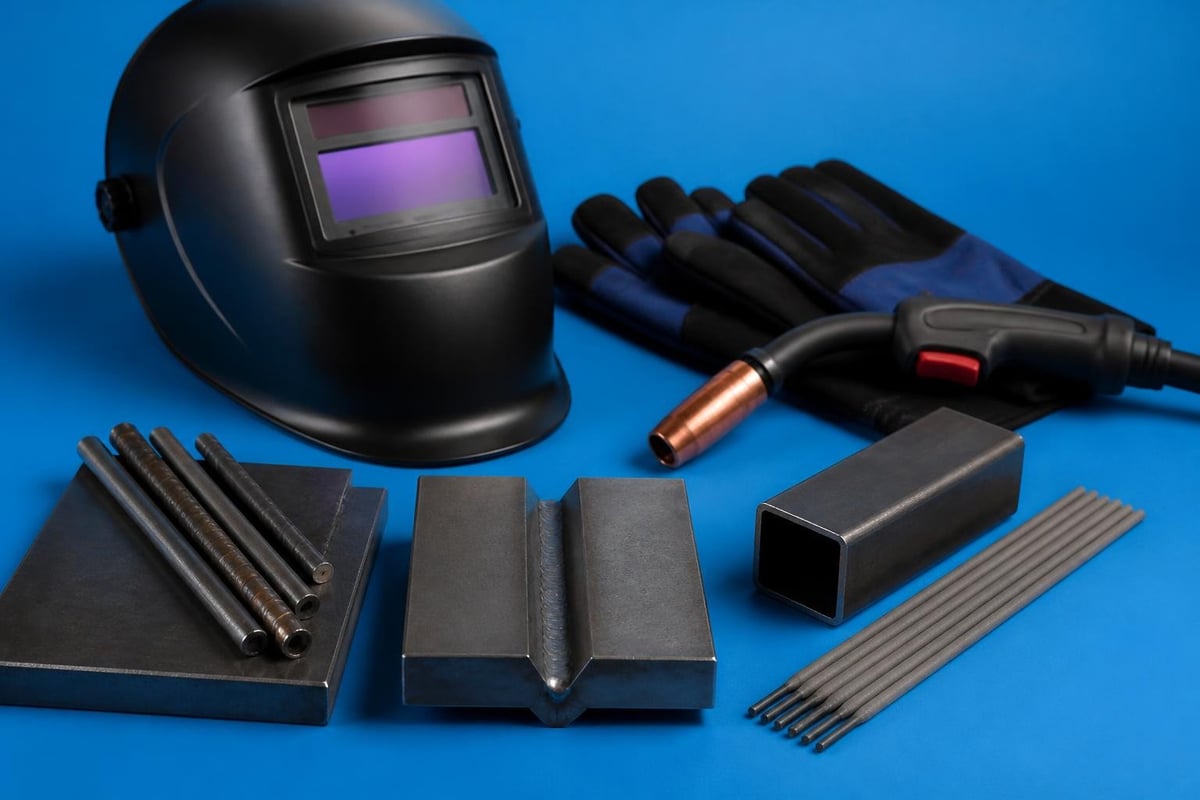
A WPS welding procedure cannot exist in isolation-it must be supported by a Procedure Qualification Record (PQR). The PQR documents actual welding done under monitored conditions, proving that the parameters specified in the WPS produce acceptable results. According to TWI's technical guidance on welding procedures, this relationship establishes the technical foundation for procedure qualification.
The PQR records actual variables used during qualification testing, including specific heat input, actual amperage and voltage readings, and precise travel speeds. Mechanical testing and non-destructive examination results from the qualification welds are documented in the PQR, providing evidence that the procedure produces sound welds meeting required strength and toughness properties.
| Document | Purpose | Created By | Contains |
|---|---|---|---|
| WPS | Prescribes how to weld | Engineering/QC | Variable ranges and requirements |
| PQR | Proves procedure works | Welding test | Actual values and test results |
| WPQ | Qualifies welder | Testing organization | Welder performance evidence |
Code Requirements and Standards Compliance
Different industries operate under various welding codes and standards, each with specific requirements for wps welding procedures. Understanding which code governs your project determines how WPS documents must be developed and qualified.
ASME Section IX for Pressure Equipment
For pressure vessels, boilers, and pressure piping, ASME Section IX governs welding qualifications. This code establishes essential and nonessential variables that define qualification ranges. When a WPS is qualified under ASME Section IX, changes to essential variables require requalification, while nonessential variables may be modified without additional testing.
The ASME approach to wps welding emphasizes thickness qualification ranges. A procedure qualified on a specific thickness range qualifies for defined thinner and thicker materials based on code tables. This qualified range allows flexibility while maintaining quality assurance. Understanding what ASME certification means is essential for companies working on pressure equipment.
AWS D1.1 for Structural Steel
Structural steel fabrication typically follows AWS D1.1 Structural Welding Code requirements. This standard takes a different approach to WPS qualification than ASME, with specific requirements for joint types, positions, and backing conditions.
AWS D1.1 allows the use of prequalified WPS under defined conditions:
- Base materials must be from approved groups
- Joint details must match prequalified configurations
- Filler metals must meet specified requirements
- Welding processes must be among those permitted
- Thickness and position limitations must be observed
For procedures outside prequalified parameters, qualification by testing becomes mandatory. The AWS provides guidance on Standard Welding Procedure Specifications that can be adopted by reference when permitted by the governing code.
API Standards for Oil and Gas
Oil and gas operations in the Western United States frequently require compliance with API standards. API 1104 for pipeline welding and API 653 for tank inspection and repair each contain specific wps welding requirements tailored to petroleum industry applications.
These standards recognize the unique challenges of field welding conditions and often require procedures qualified under realistic environmental conditions. Temperature extremes, wind exposure, and position limitations common in field work must be considered during procedure development.
Developing Effective WPS Documents
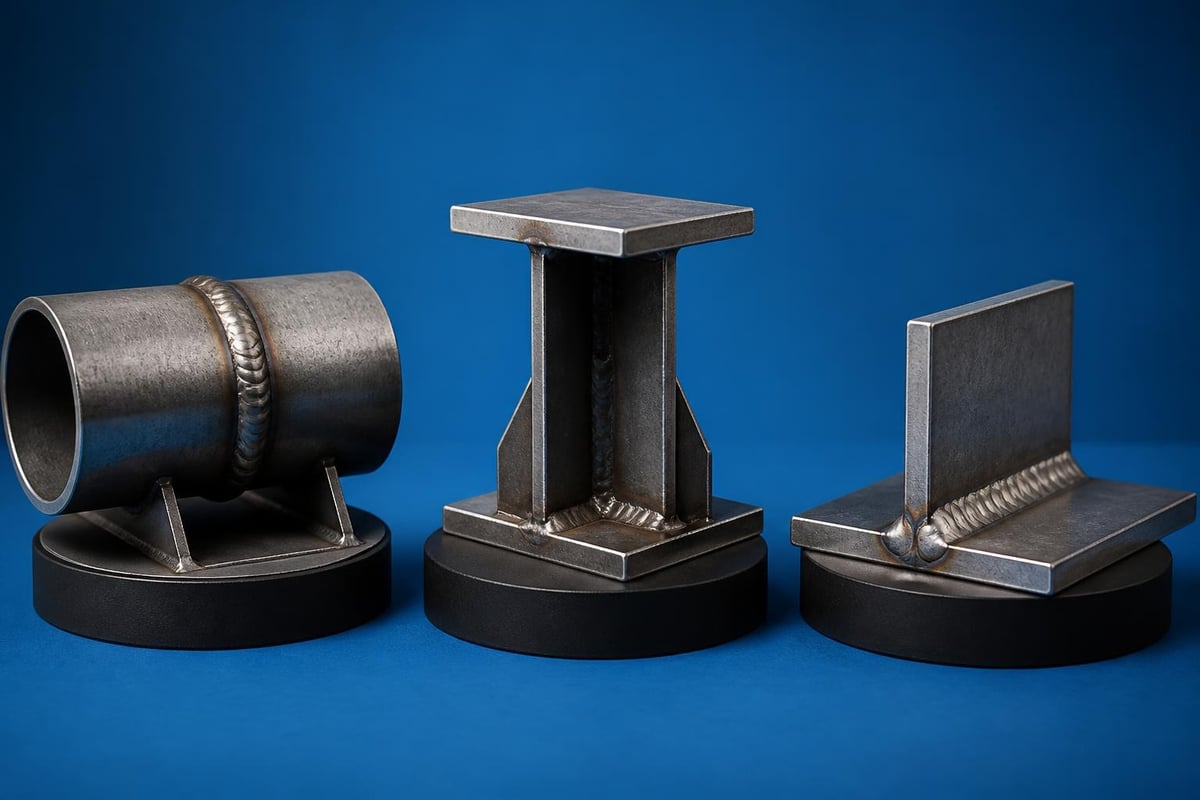
Creating a wps welding procedure requires both technical knowledge and practical welding experience. The process involves several critical steps that ensure the final document is both usable and compliant.
Material Compatibility Assessment
The foundation of any WPS begins with understanding base material properties. Material grade, carbon equivalent, and weldability characteristics determine appropriate filler metal selection, preheat requirements, and heat input limitations.
Key material considerations include:
- Chemical composition affecting crack susceptibility
- Mechanical properties establishing minimum strength requirements
- Thickness ranges influencing heat input and cooling rates
- Service conditions including temperature and corrosive environments
Matching filler metal to base material involves more than meeting minimum strength. Considerations like impact toughness at service temperature, corrosion resistance, and thermal expansion compatibility all factor into optimal filler metal selection.
Parameter Development and Testing
Once materials are selected, preliminary welding parameters must be established. Experienced welding engineers use industry references, previous successful procedures, and manufacturer recommendations as starting points.
Trial welds using preliminary parameters help refine the procedure before formal qualification. These trials identify practical issues like arc stability, slag removal, and puddle control that might not be apparent from theoretical calculations alone. When choosing a metal fabrication shop, verify they have the expertise to develop robust procedures.
| Variable Category | Examples | Impact on Weld Quality |
|---|---|---|
| Electrical | Amperage, voltage, wire feed speed | Penetration, deposition rate, heat input |
| Thermal | Preheat, interpass temperature, PWHT | Cooling rate, hydrogen control, residual stress |
| Technique | Travel speed, angle, oscillation | Bead shape, fusion, defect formation |
| Consumables | Wire/electrode type, gas composition | Mechanical properties, toughness, chemistry |
Documentation and Formatting
A well-written wps welding document must be clear enough that any qualified welder can follow it without interpretation. Ambiguous language or missing information leads to inconsistent application and potential quality problems.
Standard WPS forms provided by code bodies ensure all required information is captured. Many fabrication shops develop customized forms that include additional company-specific requirements or helpful sketches showing joint preparation details.
Implementation and Welder Qualification
Having qualified WPS documents is only valuable when properly implemented. The connection between procedure specifications and welder performance qualification ensures that capable individuals execute the written procedures.
Welder Performance Qualification (WPQ)
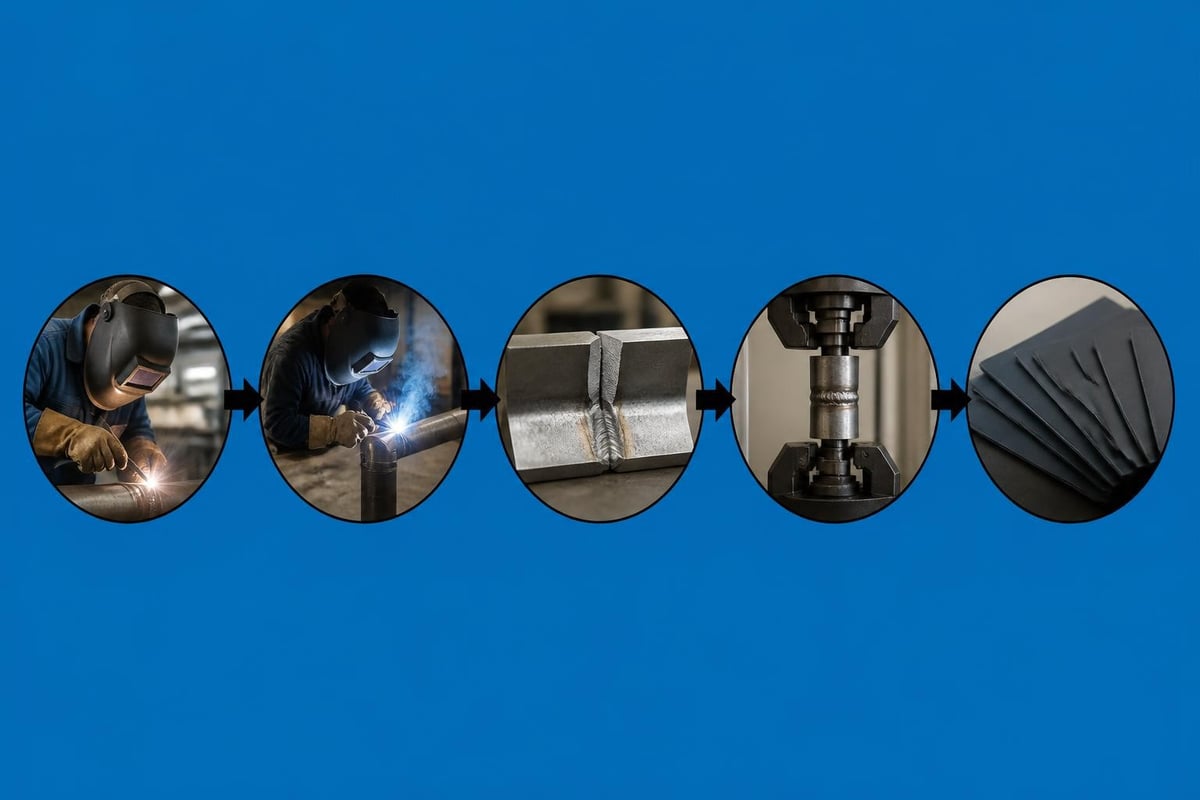
Each welder must demonstrate competency by welding a test coupon according to a qualified WPS. The resulting weld undergoes testing to verify the welder can consistently produce quality work following the procedure.
The qualified range for a welder depends on test variables:
- Process used during qualification test
- Material thickness welded during test
- Welding position (flat, horizontal, vertical, overhead)
- Joint type (groove, fillet) welded during test
- Base material group welded during qualification
A welder qualified in the vertical position is typically qualified for all positions (a versatile qualification), while someone qualified only in flat position has limited qualified positions. Strategic selection of qualification test parameters maximizes welder flexibility.
Training and Supervision
Even with qualified welders and procedures, ongoing training ensures continued competency. Changes in materials, new welding processes, or unfamiliar joint configurations may require additional qualification testing.
Welding supervisors play a crucial role in wps welding implementation. They verify that welders use the correct procedure for each joint, parameters remain within specified ranges, and required preheat temperatures are achieved and maintained.
Standard Welding Procedure Specifications
For many common applications, developing custom WPS documents from scratch isn't necessary. Standard Welding Procedure Specifications (SWPS) offer pre-qualified procedures that can be adopted by reference.
Benefits of SWPS Adoption
Organizations like AWS have developed comprehensive libraries of standard procedures covering common material and process combinations. These SWPS documents have been qualified through extensive testing and are available for purchase and use.
Advantages of using SWPS include:
- Immediate availability without qualification testing costs
- Proven performance across wide parameter ranges
- Regular updates incorporating industry best practices
- Reduced engineering time for procedure development
The AWS committee on procedure and performance qualification maintains these standard specifications, ensuring they remain current with evolving welding technology.
When Custom Procedures Are Necessary
Despite the convenience of standard procedures, certain situations require custom wps welding development. Unique material combinations, special service requirements, or specific client demands may fall outside SWPS coverage.
Custom procedures also allow optimization for particular production environments. A shop specializing in hardfacing applications might develop specialized procedures maximizing deposition rates or optimizing wear resistance for specific wear mechanisms.
Quality Control and Documentation Management
Maintaining WPS welding procedures, supporting PQRs, and welder qualification records requires systematic quality control processes. These documents form the legal and technical foundation proving code compliance.
Record Retention Requirements
Different codes specify minimum retention periods for welding records. ASME typically requires retention of procedures and qualifications for the life of the equipment plus specified additional time. AWS standards often specify retention until superseded or the project is complete.
Beyond code minimums, prudent companies maintain welding records indefinitely. These historical documents prove valuable when equipment requires repair, modification, or life extension evaluations years after original fabrication.
Revision Control and Version Management
As welding technology evolves or production requirements change, wps welding procedures may require updates. Formal revision control ensures that welders always work from current procedures and that obsolete versions are removed from use.
A robust revision system includes:
- Revision numbering clearly identifying document versions
- Revision history documenting what changed and why
- Authorization signatures from qualified personnel approving changes
- Distribution control ensuring obsolete versions are withdrawn
- Periodic review confirming procedures remain appropriate
Industry-Specific Applications
Different industrial sectors have unique wps welding challenges that influence procedure development and qualification approaches.
Oil and Gas Field Services
Pipeline construction and facility maintenance in oil and gas operations frequently occurs in remote field locations with environmental challenges. WPS documents for these applications must account for weather exposure, limited power availability, and position restrictions.
Tie-in welding on operating pipelines requires procedures addressing special safety considerations. Hot tap welding procedures must control heat input to prevent burn-through while ensuring adequate fusion. Companies providing field services throughout the Western United States need extensive procedure libraries covering diverse materials and conditions.
Aggregate and Mining Equipment
The aggregate processing industry presents severe abrasive wear challenges. Equipment like crusher jaws, screen decks, and conveyor components require frequent repair and hardfacing. WPS welding procedures for these applications prioritize wear resistance and crack resistance in high-impact environments.
Material buildup using hardfacing consumables requires procedures balancing deposition efficiency with dilution control. Excessive dilution from the mild steel base reduces hardness, while inadequate fusion leads to spallation. Procedures for hardfacing work must be carefully developed and qualified.
Manufacturing and Recycling
Recycling facility equipment endures corrosive, abrasive service conditions. Shredder hammers, sorting system components, and material handling equipment require robust welding procedures that address both initial fabrication and ongoing repair needs.
Manufacturing operations benefit from procedures optimized for production efficiency without compromising quality. When developing wps welding specifications for manufacturing, considerations include minimizing preheat time, maximizing deposition rates, and reducing post-weld treatment requirements when code-permissible.
Supporting Documentation and Integration
WPS welding procedures don't exist in isolation-they integrate with broader quality management systems and project documentation.
Work Instructions and Travelers
While the WPS defines how to make the weld, work instructions specify which WPS applies to each joint on a particular project. Welding travelers or routing sheets identify each weld, reference the applicable WPS, document welder identification, and record inspection results.
This traceability connects individual welds back through the welder qualification and procedure qualification to the supporting PQR test results. If a weld fails inspection or service, this documentation trail enables root cause investigation.
Inspection and Testing Plans
Weldment quality verification requires coordination between the wps welding procedure and the inspection plan. Visual inspection criteria, non-destructive examination methods and extent, and destructive testing requirements all derive from code requirements and client specifications.
The procedure identifies when inspection should occur (before welding, during welding, after completion) and what acceptance criteria apply. Inspection results documented against these criteria provide objective evidence of conformance. Questions to ask a machine shop should include their approach to welding documentation and quality control.
Material Preparation and Pre-Weld Activities
The WPS welding procedure extends beyond the welding operation itself to encompass preparation activities that significantly impact weld quality.
Surface Preparation Requirements
Contamination control prevents defects like porosity and cracking. The WPS should specify required surface preparation, including mechanical cleaning methods, chemical cleaning when necessary, and cleanliness verification.
For coating preparation work, proper surface prep before powder coating ensures coating adhesion, while weld surface preparation focuses on removing mill scale, rust, oil, and moisture that could compromise weld integrity.
Critical surface preparation steps:
- Grinding or machining to remove damaged material
- Solvent cleaning to eliminate oils and grease
- Mechanical cleaning using wire brushing or grinding
- Final inspection verifying cleanliness before welding
Preheat and Heat Management
Preheat requirements specified in the wps welding document control cooling rates and reduce hydrogen cracking risk. The procedure must identify minimum preheat temperature, the zone width where preheat must be applied, and how temperature should be verified.
Interpass temperature control is equally important. Maximum interpass temperature limits prevent grain growth and mechanical property degradation in heat-affected zones. Temperature indicating crayons, pyrometers, or thermocouples provide temperature verification.
Economic Considerations and Efficiency
While quality and code compliance remain paramount, wps welding procedures also impact project economics. Efficient procedures reduce costs without compromising integrity.
Procedure Optimization
Once a procedure is qualified, optimization within qualified ranges can improve productivity. Increasing wire feed speed within qualified ranges boosts deposition rates. Reducing preheat to code minimums (when safe) decreases heating time and energy costs.
Multiple procedures qualified for the same joint configuration provide flexibility. High-deposition procedures optimize efficiency for thick sections, while controlled procedures minimize heat input for thin materials or crack-sensitive steels.
Material and Consumable Management
Filler metal costs represent significant project expenses. The WPS influences consumable efficiency through specification of electrode diameter, process selection, and technique requirements. Procedures using larger diameter electrodes typically achieve better deposition efficiency than small diameters.
Gas selection specified in wps welding procedures affects both cost and quality. Pure argon provides excellent arc stability for GTAW but costs more than argon-CO2 blends suitable for GMAW. The procedure should specify the most economical gas meeting technical requirements.
Advanced Welding Processes and Special Considerations
Modern fabrication increasingly employs advanced welding processes requiring specialized procedure development.
Automated and Robotic Welding
Automated welding systems offer excellent repeatability but require precisely defined parameters. WPS documents for automated applications often include additional variables like torch-to-work distance, oscillation patterns, and wire stick-out dimensions that manual welders naturally control.
Procedures for automated processes may specify tighter parameter ranges than manual procedures since automated systems maintain consistent conditions. This precision enables procedure optimization for maximum quality and efficiency.
Dissimilar Metal Welding
Joining dissimilar materials like stainless steel to carbon steel requires special attention to filler metal selection and thermal management. The wps welding procedure must address differential thermal expansion, dilution effects, and transition zone metallurgy.
Butter layers or intermediate weld layers sometimes provide controlled transition between incompatible materials. The WPS for these applications becomes a multi-step procedure specifying each layer's consumables and parameters.
Understanding WPS welding fundamentals ensures consistent quality and regulatory compliance across demanding industrial applications. From procedure development through implementation and documentation, systematic approaches to welding specifications protect structural integrity while optimizing efficiency. Companies operating in the commercial and industrial manufacturing sectors throughout the Western United States need partners who understand both the technical requirements and practical realities of code-compliant fabrication work. LTJ Industrial Services maintains comprehensive WPS documentation and qualified welding personnel to support projects in oil and gas, aggregate processing, recycling, and general manufacturing, delivering field and shop services that meet exacting quality standards while keeping your operations running smoothly.